Building a strong online presence isn't just about having a great website—it's about creating a network of pathways that lead people to discover your content. URL building, also known as link building, is the strategic process of acquiring hyperlinks from other websites to your own. Think of these links as digital recommendations, where other sites vouch for your content's quality and relevance.
For SaaS founders and indie hackers, URL building represents one of the most powerful yet challenging aspects of SEO. Unlike paid advertising where you can immediately see results, link building requires patience, strategy, and genuine relationship building. The payoff, however, is substantial: websites with strong backlink profiles consistently outrank their competitors and enjoy sustained organic traffic growth.
This comprehensive guide will walk you through everything you need to know about URL building. You'll learn what it really means, how search engines use links to determine rankings, the key components of successful campaigns, and practical strategies you can implement today. Whether you're launching your first startup or scaling an existing product, understanding URL building is essential for long-term digital success.
What Is URL Building?
URL building is the practice of acquiring hyperlinks from external websites that point back to your domain. These incoming links, commonly called backlinks, serve as votes of confidence in your content's authority and relevance. When a reputable website links to your page, it signals to search engines that your content provides value worth sharing.

The concept extends far beyond simple link acquisition. Effective URL building involves creating content so valuable that other websites naturally want to reference it, building relationships with industry peers, and strategically positioning your brand as a thought leader in your space. For SaaS companies, this might mean developing comprehensive guides that other tech blogs reference, while indie hackers might focus on sharing their building journey to attract links from entrepreneurship communities.
The Evolution of Link Building
Modern URL building has evolved significantly from its early days. In the past, quantity mattered most—websites could rank well simply by accumulating hundreds or thousands of low-quality links. Today's search algorithms prioritize link quality, relevance, and natural acquisition patterns. Google's sophisticated algorithms now evaluate the context surrounding links, the authority of linking domains, and whether link patterns appear organic or manipulative.
This shift has made URL building both more challenging and more rewarding. While it's harder to game the system with artificial links, websites that earn legitimate, high-quality backlinks see dramatically better results. The focus has shifted from link quantity to link quality, making relationship building and content excellence more important than ever.
Why It Matters: Quality backlinks from authoritative sites can increase your organic traffic by 200-300% within six months, making URL building one of the highest-ROI marketing activities for growing companies.
Types of URL Building
Understanding different approaches to URL building helps you choose strategies that align with your resources and goals. Organic link building occurs when other websites link to your content naturally because they find it valuable. This represents the gold standard—links earned through content quality and industry relationships.
Outreach-based link building involves proactively contacting website owners, bloggers, and journalists to request links or coverage. This might include guest posting, resource page inclusion, or broken link building. While more time-intensive, outreach allows you to target specific high-value opportunities.
Digital PR link building focuses on creating newsworthy content or announcements that attract media coverage and natural links. For SaaS companies, this might involve product launches, funding announcements, or industry research reports that journalists want to reference.
Link Building vs. URL Building
The terms "link building" and "URL building" are often used interchangeably, though subtle differences exist. Link building traditionally refers to the broader practice of acquiring any type of hyperlink, while URL building specifically emphasizes the strategic construction of link profiles that enhance domain authority and search rankings.
How URL Building Works
The mechanics of URL building operate on both technical and relationship levels. Search engines use complex algorithms to evaluate links, considering factors like the linking page's authority, the relevance between linked content, the anchor text used, and the overall link profile pattern.
When a search engine discovers a new link to your website, it doesn't just count it as a vote. The algorithm analyzes the linking page's credibility, the context surrounding the link, and how it fits within your existing backlink profile. High-authority websites pass more "link juice" than low-authority ones, but relevance matters equally. A link from a respected industry blog often carries more weight than one from a high-authority site in an unrelated niche.
The Link Authority Flow
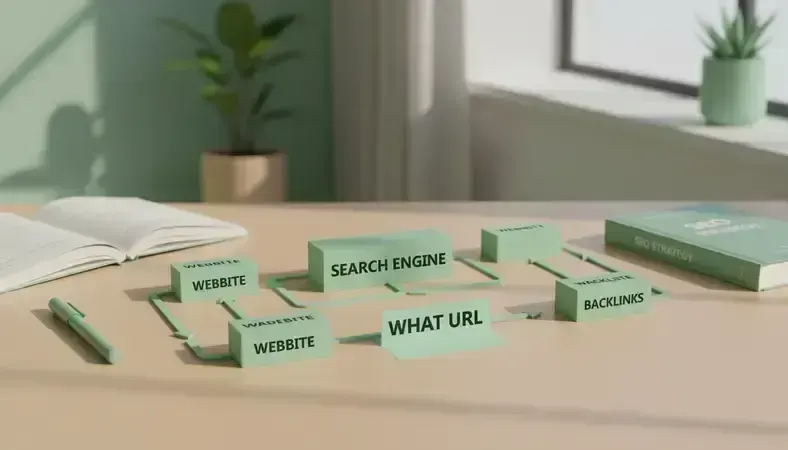
Understanding how authority flows through links is crucial for effective URL building. When Website A links to Website B, it transfers a portion of its authority through that link. The amount transferred depends on several factors: the linking page's own authority, the number of other links on that page, the relevance of the content, and the link's placement within the content.
PageRank, Google's foundational algorithm, models this authority transfer mathematically. Pages with higher PageRank scores can pass more authority to the sites they link to. However, this authority gets divided among all outbound links on a page, which is why links from pages with fewer outbound links tend to be more valuable.
The position of your link also matters significantly. Links within the main content area typically carry more weight than those in sidebars, footers, or navigation menus. Search engines recognize that editorial links—those naturally embedded within relevant content—represent genuine recommendations rather than paid placements or reciprocal arrangements.
Search Engine Link Evaluation
Modern search engines employ sophisticated methods to evaluate link quality and detect manipulation attempts. They analyze the natural growth patterns of link profiles, looking for sudden spikes or unnatural acquisition patterns that might indicate paid or artificial links.
Topical relevance plays an increasingly important role in link evaluation. A link from a marketing blog to a SaaS company's content management tool carries more weight than a link from a cooking website, even if the cooking site has higher overall authority. Search engines understand semantic relationships between content topics and weight links accordingly.
Anchor text diversity is another critical factor. Natural link profiles contain varied anchor text—sometimes using exact keywords, sometimes brand names, and often generic phrases like "click here" or "read more." Profiles dominated by exact-match keyword anchors often trigger algorithmic penalties.
Expert Tip: Focus on earning links that would drive valuable referral traffic even if search engines didn't exist. This mindset naturally leads to higher-quality link opportunities that perform well in both search rankings and direct traffic generation.
Link Discovery and Indexing
Search engines discover new links through their regular crawling process. When they revisit a page and find new outbound links, they follow those links to discover new content or update their understanding of existing pages' authority and relevance signals.
The speed of link discovery varies based on the linking site's crawl frequency. High-authority sites that publish frequently get crawled multiple times daily, meaning links from these sources get discovered quickly. Smaller sites might only get crawled weekly or monthly, delaying the SEO impact of links from these sources.
Once discovered, links don't immediately impact rankings. Search engines process link data in batches, updating their understanding of website authority and relevance periodically. This is why SEO results from link building often take 2-6 months to fully materialize.
Key Components of Successful URL Building
Effective URL building campaigns consist of several interconnected components that work together to build domain authority and improve search rankings. Understanding these elements helps you develop comprehensive strategies rather than relying on isolated tactics.
Content as the Foundation
Linkable content forms the cornerstone of any successful URL building campaign. This content must provide genuine value that other websites want to reference. For SaaS companies, this might include comprehensive industry reports, detailed case studies, or innovative tool comparisons that become go-to resources in your niche.
The most linkable content typically falls into specific categories: original research and data, comprehensive guides that consolidate scattered information, tools and calculators that provide immediate utility, and thought leadership pieces that offer unique perspectives on industry trends. Each type serves different linking motivations—some sites link to data for credibility, others link to tools for user value, and many link to comprehensive guides as helpful resources.
Content depth and quality directly correlate with link acquisition success. Shallow, generic content rarely attracts natural links, while thoroughly researched, well-structured content consistently earns references from industry peers. This is why successful URL building requires significant content investment rather than quick, low-effort posts.
Relationship Building and Outreach
Strategic relationship building amplifies your content's reach and increases linking opportunities. This involves identifying key influencers, bloggers, journalists, and website owners in your industry, then building genuine relationships through social media engagement, email communication, and in-person networking at industry events.
Effective outreach requires personalization and value proposition clarity. Generic email templates requesting links rarely succeed. Instead, successful outreach demonstrates familiarity with the target website's content, explains why your resource would benefit their audience, and often includes additional value like exclusive data or expert quotes.
Relationship nurturing extends beyond individual link requests. The most successful URL builders maintain ongoing relationships with industry contacts, sharing relevant opportunities, providing expert commentary when requested, and supporting others' content initiatives. This reciprocal approach creates a network of contacts who naturally consider your content when relevant opportunities arise.
Key Takeaway: The best link builders spend 70% of their time building relationships and only 30% making direct link requests. This ratio reflects the reality that strong relationships make link acquisition significantly easier and more successful.
Technical Link Building Elements
Anchor text optimization requires careful balance between relevance and natural variation. While you want some links using your target keywords as anchor text, over-optimization can trigger search engine penalties. A healthy anchor text profile includes branded terms, partial match keywords, generic phrases, and naked URLs.
Link placement within content affects both SEO value and referral traffic potential. Links embedded naturally within relevant paragraphs perform better than those relegated to resource sections or link lists. The surrounding content context also matters—links within content discussing related topics carry more thematic relevance.
Internal link structure supports your URL building efforts by distributing link equity throughout your site. When external sites link to your content, strong internal linking helps spread that authority to other important pages on your domain.
Measuring and Tracking Success
Successful URL building requires systematic measurement of both quantity and quality metrics. Link quantity metrics include total backlinks acquired, referring domains, and link acquisition rate over time. However, these numbers mean little without quality context.
Link quality indicators include the authority of linking domains, topical relevance scores, link placement within content, and the overall health of linking sites. Tools like Ahrefs and SEMrush provide domain rating and authority scores, but manual evaluation of linking sites' content quality and audience engagement often provides better insights.
Performance impact tracking connects link building efforts to business outcomes. This includes monitoring organic traffic growth, keyword ranking improvements, and ultimately, conversions and revenue attribution from organic search traffic.
Benefits and Use Cases of URL Building
URL building delivers multiple interconnected benefits that compound over time, making it one of the most valuable long-term marketing investments for growing companies. Understanding these benefits helps prioritize link building within your broader marketing strategy.
Search Engine Optimization Benefits
Improved search rankings represent the most obvious URL building benefit. Websites with strong backlink profiles consistently rank higher for competitive keywords than those without quality links. This ranking improvement isn't limited to specific linked pages—domain authority improvements from quality backlinks help all pages on your site rank better.
The ranking benefits extend beyond primary target keywords. Pages with strong backlink profiles naturally rank for hundreds of long-tail keyword variations, driving qualified traffic for searches you might never have specifically optimized for. This phenomenon, called "keyword expansion," can multiply your organic traffic potential significantly.
Faster indexing and crawling occurs when search engines discover your content through links from frequently crawled sites. New pages get indexed more quickly, and existing pages get re-crawled more often, ensuring search engines have the most current version of your content.

Direct Traffic and Brand Awareness
Quality backlinks generate valuable referral traffic independent of their SEO benefits. Links from relevant, high-traffic websites can drive hundreds or thousands of qualified visitors monthly. This traffic often converts better than other sources because it comes from trusted referral sources rather than cold search queries.
Brand exposure through link building extends your reach to new audiences who might never have discovered your company through search. When respected industry publications link to your content, their readers gain awareness of your brand and expertise, often leading to social media follows, newsletter subscriptions, and future business opportunities.
The cumulative effect of brand mentions and links creates a digital reputation foundation that supports all other marketing efforts. Prospects researching your company find third-party validation through the links and mentions you've earned, increasing trust and conversion likelihood.
Specific Use Cases by Industry
SaaS companies benefit enormously from URL building because software buyers typically conduct extensive research before making purchase decisions. Links from industry blogs, comparison sites, and user communities provide the third-party validation prospects seek during their evaluation process.
Common SaaS URL building opportunities include product comparison articles, integration partner directories, industry resource lists, and thought leadership content on relevant blogs. Many successful SaaS companies also create valuable free tools or resources that naturally attract links from users and industry publications.
E-commerce businesses use URL building to compete with larger retailers and marketplaces. Links from industry blogs, local business directories, supplier websites, and customer testimonial sites help smaller e-commerce companies build authority and compete for competitive product keywords.
Service-based businesses leverage URL building to establish local and industry authority. Links from local business directories, industry associations, client websites, and local news publications help service providers rank for location-based searches and establish credibility with potential clients.
Long-term Competitive Advantages
Sustainable traffic growth from URL building continues delivering value long after the initial link acquisition effort. Unlike paid advertising that stops generating traffic when you stop paying, quality backlinks continue driving traffic and SEO benefits for years.
Competitive moats develop as you build comprehensive link profiles that competitors struggle to replicate. Established relationships with industry publications, earned authority in your niche, and accumulated domain authority create barriers that make it harder for new competitors to outrank you quickly.
Why It Matters: Companies that consistently invest in URL building see compound returns over time. A link earned today might drive traffic and SEO benefits for 3-5 years, making the long-term ROI of link building significantly higher than most other marketing channels.
Common Misconceptions About URL Building
Several persistent myths about URL building lead many companies to pursue ineffective strategies or avoid link building altogether. Understanding these misconceptions helps you focus on tactics that actually work in today's search environment.
Quantity Over Quality Myths
"More links are always better" represents perhaps the most damaging misconception in URL building. This belief leads companies to pursue low-quality link opportunities that can actually harm their search rankings. Modern search algorithms heavily penalize sites with unnatural link profiles dominated by low-quality, irrelevant links.
A single high-quality link from an authoritative, relevant website often provides more SEO value than dozens of low-quality directory links or forum signatures. Research from industry authorities consistently shows that link quality metrics like domain authority, topical relevance, and editorial context matter far more than raw link counts.
The "quantity over quality" approach also wastes significant resources. Time spent acquiring hundreds of low-value links could be better invested in creating exceptional content or building relationships that lead to fewer but much more valuable link opportunities.
Link Building Speed Expectations
"Link building should show immediate results" frustrates many newcomers to SEO who expect quick wins similar to paid advertising. In reality, search engines take time to discover new links, process their authority signals, and update rankings accordingly. Most link building campaigns require 3-6 months before showing significant ranking improvements.
This delay occurs because search engines update their link graphs periodically rather than in real-time. Additionally, they apply various filters and quality checks that can delay the impact of new links. Understanding this timeline helps set realistic expectations and prevents premature strategy abandonment.
Sustainable link building focuses on consistent, long-term effort rather than quick bursts of activity. Companies that build 5-10 quality links monthly for 12 months typically see better results than those that acquire 100 links in one month then stop their efforts.
Automation and Shortcut Misconceptions
"Link building can be fully automated" appeals to busy entrepreneurs but leads to poor results and potential penalties. While certain aspects of link building can be systematized—like prospect research and initial outreach—the relationship building and content creation components require human judgment and creativity.
Automated link building tools often produce generic outreach emails, target irrelevant websites, and create unnatural link patterns that search engines easily detect. The most successful link building campaigns combine systematic processes with personalized human interaction.
"Buying links is faster and easier" tempts companies seeking quick results, but purchased links violate search engine guidelines and can result in severe penalties. Even when not immediately detected, paid link networks often get discovered eventually, causing ranking drops that can take years to recover from.
Expert Tip: Instead of buying links directly, invest in creating content so valuable that websites naturally want to link to it. This approach takes longer but builds sustainable, penalty-proof link profiles that support long-term growth.
Content and Link Relationship Myths
"Any content can attract links" overlooks the reality that most content never earns a single external link. Linkable content requires exceptional quality, unique value proposition, or comprehensive coverage that makes it the best resource available on a topic.
Successful link-earning content typically requires significant investment in research, writing, design, and promotion. Blog posts that take 2-3 hours to write rarely attract links, while comprehensive guides requiring 20-30 hours of work consistently earn dozens of quality backlinks.
"Guest posting is dead" represents an overcorrection to Google's crackdown on low-quality guest posting networks. While mass guest posting on irrelevant sites can cause penalties, high-quality guest contributions to respected industry publications remain valuable for both links and brand exposure.
The key distinction lies in publication quality and content relevance. Guest posts that provide genuine value to target publications' audiences while naturally linking to relevant resources continue to be effective link building tactics.
Best Practices for Effective URL Building
Implementing URL building successfully requires following established best practices while adapting strategies to your specific industry and resources. These practices have proven effective across different business types and competitive environments.
Content-First Strategy Development
Create link-worthy content before outreach forms the foundation of sustainable URL building. This means investing in research, comprehensive coverage, and unique insights that provide genuine value to your target audience. Content that earns links typically falls into specific categories: original research and data, comprehensive guides, useful tools and resources, or unique industry insights.
Content promotion strategy should be planned alongside content creation. Before publishing, identify potential linking opportunities, relevant communities, and industry contacts who might find your content valuable. This proactive approach significantly increases your content's link-earning potential compared to publishing first and promoting later.
Content updating and maintenance keeps your link-earning assets fresh and valuable over time. Regularly updating statistics, adding new sections, and refreshing examples ensures your content remains the best available resource on its topic, encouraging continued linking and social sharing.
Strategic Relationship Building
Industry networking should extend beyond immediate link building goals. Attend industry conferences, participate in relevant online communities, and engage meaningfully with potential linking prospects on social media. These relationships often lead to unexpected link opportunities and collaborative content projects.
Value-first outreach focuses on providing value before requesting anything. This might involve sharing relevant industry insights, offering expert quotes for articles, or providing feedback on draft content. These interactions build goodwill that makes future link requests more likely to succeed.
Relationship maintenance requires ongoing attention beyond initial link acquisition. Continue engaging with successful linking partners through social media, email updates about new content, and mutual promotion of relevant initiatives.

Technical Implementation Excellence
Anchor text diversification should follow natural patterns found in organic link profiles. Use branded terms for 30-40% of links, partial match keywords for 20-30%, generic phrases for 20-30%, and exact match keywords for only 5-15% of your anchor text distribution.
Link placement optimization focuses on earning links within main content areas rather than sidebars, footers, or dedicated link sections. Links within relevant paragraphs carry more authority and drive better referral traffic than those in less prominent positions.
Internal link structure should distribute authority from earned external links throughout your site. When you earn a high-quality backlink, ensure the linked page has strong internal links to other important pages on your domain.
Quality Control and Risk Management
Link quality evaluation should be systematic and ongoing. Regularly audit your backlink profile using tools like Google Search Console, Ahrefs, or SEMrush to identify potentially harmful links and monitor overall profile health.
Disavowal file management helps protect against negative SEO attacks or accidental association with low-quality link networks. While Google has become better at ignoring bad links automatically, maintaining a disavowal file for obviously spammy or irrelevant links provides additional protection.
Competitive analysis reveals successful link building opportunities in your industry. Analyze competitors' backlink profiles to identify publications, directories, and websites that might be receptive to similar content from your company.
Pro Tip: Track your link building efforts in a detailed spreadsheet including contact information, outreach dates, response rates, and link status. This data helps identify the most effective outreach approaches and prevents duplicate contact attempts.
Measurement and Optimization
Performance tracking should encompass both link metrics and business outcomes. Monitor backlink growth, domain authority improvements, keyword ranking changes, organic traffic increases, and ultimately, conversions and revenue from organic search traffic.
ROI calculation helps justify continued investment in link building and optimize resource allocation. Track the time and cost invested in different link building tactics against their resulting traffic and conversion value.
Strategy refinement based on performance data ensures continuous improvement. Identify which types of content earn the most links, which outreach approaches generate the best response rates, and which linking opportunities provide the most SEO and traffic value.
Common Questions About URL Building
How Long Does URL Building Take to Show Results?
URL building typically requires 3-6 months before showing significant search ranking improvements, though the timeline varies based on several factors. Search engines need time to discover new links, process their authority signals, and update their ranking algorithms accordingly.
The delay occurs because search engines don't update their link graphs in real-time. Instead, they process link data in periodic updates that can take weeks or months to fully implement. Additionally, newer websites or those with limited existing authority may see slower results than established domains with strong foundation metrics.
Early indicators of success often appear before major ranking improvements. You might notice increased referral traffic from new links, faster indexing of new content, or small ranking improvements for less competitive keywords within 4-8 weeks. These early signals suggest your link building efforts are working, even if major ranking gains haven't materialized yet.
Factors affecting timeline include your current domain authority, the quality and relevance of acquired links, competitive landscape intensity, and the frequency of search algorithm updates. Websites starting with stronger authority foundations typically see faster results from new link acquisition efforts.
Key Insight: While SEO results take time, quality links often provide immediate value through referral traffic, brand exposure, and relationship building that supports other marketing initiatives.
What Makes a High-Quality Backlink?
High-quality backlinks combine several characteristics that signal authority, relevance, and editorial merit to search engines. Domain authority represents the linking site's overall credibility and ranking power, typically measured through metrics like Ahrefs Domain Rating or Moz Domain Authority scores above 30-40.
Topical relevance between the linking content and your target page significantly impacts link value. A link from a marketing blog to a SaaS marketing tool carries more weight than a link from an unrelated cooking website, even if the cooking site has higher overall authority.
Editorial context distinguishes valuable links from paid or reciprocal arrangements. Links naturally embedded within relevant content paragraphs carry more authority than those in dedicated link sections, sidebars, or footer areas. The surrounding content should logically support the link placement.
Link placement within the linking page affects both SEO value and referral traffic potential. Links in main content areas, especially within the first few paragraphs, typically perform better than those buried at the bottom of long articles or in less prominent page sections.
Anchor text naturalness indicates organic link acquisition rather than manipulation attempts. High-quality links use varied anchor text including branded terms, partial keywords, generic phrases, and sometimes naked URLs, reflecting natural linking patterns.
How Many Backlinks Do I Need?
The number of backlinks needed varies dramatically based on industry competitiveness, current domain authority, and business goals. Rather than focusing on specific quantities, prioritize link quality and acquisition consistency over time.
Competitive analysis provides better guidance than arbitrary numbers. Research top-ranking competitors in your niche to understand typical backlink profile characteristics. Tools like Ahrefs or SEMrush can reveal competitor link counts, but focus more on the quality and types of sites linking to them.
Sustainable acquisition rates matter more than total counts. Building 5-10 quality links monthly for 12 months typically produces better results than acquiring 100 low-quality links in one month. Consistent growth patterns appear more natural to search engines and provide compound benefits over time.
Quality over quantity remains the fundamental principle. One high-authority, relevant link often provides more SEO value than dozens of low-quality directory submissions or forum signatures. Focus resources on earning fewer but significantly better link opportunities.
Business stage considerations affect link building needs. New websites might need 20-50 quality links to establish basic authority, while established sites competing for highly competitive keywords might need hundreds of quality backlinks to maintain rankings.
Can I Build Links Without Creating Content?
While possible, building links without creating content significantly limits your opportunities and effectiveness. Most high-quality link opportunities require valuable content that other websites want to reference or share with their audiences.
Content-free link building tactics include directory submissions, resource page inclusion, broken link building, and relationship-based links. However, these approaches have limited scalability and often produce lower-quality results than content-driven strategies.
Existing content optimization can support link building efforts without creating new content. Updating and improving existing pages, adding new data or insights, and reformatting content for better presentation can make existing assets more link-worthy.
Collaborative content offers middle-ground approaches. Participating in expert roundups, providing quotes for other publications' articles, or contributing to industry surveys can earn links without creating standalone content pieces.
Resource creation beyond traditional blog content can attract links. Tools, calculators, templates, and databases often earn more links than written content because they provide immediate utility to users and websites.
Pro Tip: Even if you start with content-free tactics, plan to invest in content creation for sustainable long-term results. The most successful link building campaigns combine multiple approaches with content serving as the primary driver.
Is Guest Posting Still Effective?
Guest posting remains effective when executed properly, despite Google's crackdowns on low-quality guest posting networks. The key lies in focusing on publication quality, content relevance, and audience value rather than just link acquisition.
Quality publication criteria should guide guest posting efforts. Target respected industry publications with engaged audiences, high editorial standards, and strong domain authority. These publications typically have strict content requirements but provide significantly better link value and brand exposure.
Content quality standards for guest posts should match or exceed your own blog's standards. Publications accepting low-quality, obviously promotional content likely won't provide valuable links or audience exposure. Focus on providing genuine insights and value to the target publication's readers.
Relationship building through guest posting often proves more valuable than individual links. Regular contributors to respected publications build authority and relationships that lead to additional opportunities, speaking engagements, and business development prospects.
Natural link integration within guest posts should feel organic and provide genuine value to readers. Avoid over-optimization or obviously promotional linking patterns that might trigger editorial rejection or search engine penalties.
Diversification beyond guest posting prevents over-reliance on any single link building tactic. Use guest posting as one component of a broader strategy including content marketing, digital PR, and relationship building initiatives.
How Do I Measure URL Building Success?
Measuring URL building success requires tracking both leading indicators and ultimate business outcomes. Link metrics provide immediate feedback on campaign progress, while performance metrics show long-term impact on search rankings and business results.
Leading indicators include link acquisition rate, outreach response rates, content engagement metrics, and relationship building progress. These metrics help optimize tactics before waiting for long-term SEO results to materialize.
Authority metrics like domain rating improvements, referring domain growth, and link quality scores indicate your site's growing credibility in search engines' evaluation systems. Tools like Ahrefs, SEMrush, and Moz provide these measurements with monthly tracking capabilities.
Ranking improvements for target keywords show direct SEO impact from link building efforts. Track rankings for primary keywords monthly, but also monitor long-tail keyword growth that often increases dramatically with improved domain authority.
Traffic and conversion attribution connects link building efforts to business outcomes. Use Google Analytics to track organic traffic growth, conversion rate improvements, and revenue attribution from organic search channels.
Referral traffic analysis measures immediate value from acquired links independent of SEO benefits. Quality backlinks often drive valuable direct traffic that converts well because it comes from trusted referral sources.
Conclusion
URL building represents one of the most powerful yet challenging aspects of digital marketing for SaaS founders and indie hackers. Success requires patience, strategic thinking, and genuine commitment to creating value for your industry community. The companies that consistently invest in quality link building see compound returns over time, building sustainable competitive advantages that support long-term growth.
The key to effective URL building lies in focusing on relationships and value creation rather than just link acquisition. When you create genuinely useful content, build authentic industry relationships, and maintain high ethical standards, quality links follow naturally. This approach takes longer than shortcuts or black-hat tactics, but it builds penalty-proof link profiles that continue delivering value for years.
Remember that URL building is a marathon, not a sprint. The links you earn today will continue driving traffic and SEO benefits long after you've moved on to other projects. Start with small, consistent efforts focused on quality over quantity, and gradually scale your efforts as you see results and build expertise.
Ready to start building a stronger online presence for your business? Learn more about how RankLoop can help you develop and execute effective URL building strategies that drive sustainable growth for your SaaS or startup.