Getting anchor text links right isn't just about SEO rankings—it's about creating a web of connections that actually helps your readers while signaling to search engines what your content is truly about. Whether you're a SaaS founder building your first link strategy or an indie hacker optimizing your content, understanding anchor text links can make the difference between pages that rank and pages that get buried.
Anchor text links are the clickable words or phrases in hyperlinks that tell both users and search engines what to expect when they click. But there's much more strategy involved than simply linking random words. The anchor text you choose influences how search engines understand your content relationships, impacts your backlink profile quality, and affects user experience across your entire site.
In this guide, you'll learn exactly what anchor text links are, how they work in modern SEO, the different types you should be using, and how to optimize them for maximum impact without triggering penalties.

What Are Anchor Text Links?
Anchor text links are the visible, clickable text portions of hyperlinks that connect one piece of content to another. When you see a blue, underlined phrase like "SEO best practices" that takes you to another page when clicked, those words are the anchor text. The link itself consists of HTML code, but the anchor text is what users see and interact with.
Key Insight: Anchor text serves as a relevancy signal to search engines, helping them understand the topic and context of the linked page before crawling it.
The Anatomy of Anchor Text Links
Every anchor text link contains several components that work together to create the connection between pages. The HTML structure includes the opening anchor tag, the URL destination, the visible anchor text, and the closing tag. But from an SEO perspective, the anchor text itself carries the most weight in terms of relevancy signals.
Search engines use anchor text as one of their primary methods for understanding what a linked page is about. When multiple sites link to a page using similar anchor text, it reinforces the topical relevance of that page for those specific keywords. This is why anchor text optimization became such a critical component of link building strategies.
However, anchor text links aren't just about SEO. They serve as navigation aids for users, helping them understand where a link will take them before they click. Well-crafted anchor text sets proper expectations and improves user experience by providing clear context about the destination content.
How Search Engines Interpret Anchor Text
Modern search engines have sophisticated algorithms for analyzing anchor text patterns across the web. They look at the diversity of anchor text pointing to a page, the authority of linking domains, and the contextual relevance of the surrounding content. This multi-factor analysis helps prevent manipulation while rewarding natural, relevant linking patterns.
Google's algorithms specifically examine anchor text distribution to identify natural versus artificial link patterns. A healthy anchor text profile includes a mix of branded terms, exact-match keywords, partial matches, and generic phrases. Pages with overly optimized anchor text profiles—where too many links use exact-match keywords—may face penalties.
The context surrounding anchor text also matters significantly. Search engines analyze the sentences and paragraphs around linked text to better understand the relationship between the linking and linked content. This contextual analysis helps them determine whether links are editorially placed or artificially inserted.
Types of Anchor Text Links
Understanding the different categories of anchor text helps you create a natural, diverse link profile that satisfies both users and search engines. Each type serves specific purposes and should be used strategically based on your linking goals.
Exact match anchor text uses the precise keyword phrase you're targeting. For example, linking to a page about "anchor text links" using exactly those words as the clickable text. While powerful for SEO, exact match anchors should be used sparingly to avoid over-optimization penalties.
Partial match anchor text includes your target keyword along with additional words. Instead of just "link building," you might use "effective link building strategies" or "modern link building techniques." This approach provides relevancy signals while appearing more natural.
Branded anchor text uses your company name, website name, or brand-related terms. Links using "RankLoop" or "rankloop.io" fall into this category. Branded anchors are generally safe to use frequently and help build brand recognition.
Generic anchor text includes common phrases like "click here," "read more," "this article," or "learn more." While these don't provide keyword relevancy signals, they're natural parts of web content and should comprise a portion of your anchor text profile.
Naked URL Anchor Text displays the actual URL as the clickable text, such as "https://rankloop.io" or "rankloop.io." These links appear natural and are commonly used in citations, references, and casual mentions.
Image anchor text occurs when images serve as links, with the image's alt text functioning as the anchor text. This type is particularly important for visual content and infographics that link to related pages.
How Anchor Text Links Work in SEO
Anchor text links function as one of the most direct ways search engines understand the relationships between different pieces of content across the web. When you create a link with specific anchor text, you're essentially telling search engines that the linked page is relevant for those particular terms or concepts.
The process begins when search engine crawlers encounter anchor text links during their indexing process. They analyze not just the words in the anchor text, but also the authority of the linking page, the relevance of surrounding content, and how the link fits into the broader context of both pages involved in the connection.
The Link Equity Transfer Process
When a page with authority links to another page, it transfers some of its ranking power through that link. The anchor text influences how that transferred authority gets allocated across different keyword topics. If a high-authority page about digital marketing links to your content using the anchor text "SEO strategies," that link passes relevancy signals specifically related to SEO strategy topics.
This transfer process is why anchor text diversity matters so much. Search engines want to see natural linking patterns that reflect how real people would reference and link to content. A page earning links with varied anchor text appears more trustworthy than one with artificially uniform linking patterns.
The authority of the linking page significantly impacts the value of anchor text links. A link from a domain with high domain authority carries more weight than one from a newer, less established site. However, relevance also plays a crucial role—a contextually relevant link from a smaller site in your niche can be more valuable than an irrelevant link from a high-authority domain.
Anchor Text Distribution and Natural Patterns
Search engines analyze anchor text distribution across all links pointing to a specific page to identify natural versus manipulated patterns. Natural link profiles typically show a heavy concentration of branded anchor text, followed by partial matches, generic terms, and smaller percentages of exact matches.
The ideal anchor text distribution varies by industry and content type, but general patterns emerge across most successful sites. Branded anchors often comprise 40-60% of total links, generic anchors make up 15-25%, partial matches account for 15-20%, and exact matches represent only 5-15% of the total anchor text profile.
These distributions reflect how people naturally link to content they find valuable. Most references use brand names or generic terms, while fewer people craft perfectly optimized anchor text unless they're deliberately trying to manipulate rankings.
Context and Co-Citation Signals
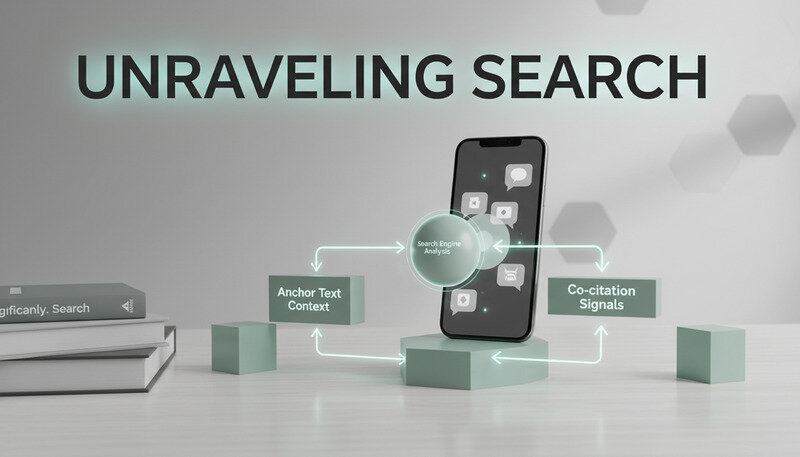
Modern search engines don't just analyze anchor text in isolation—they examine the entire context surrounding linked text to better understand relevance and intent. The sentences before and after anchor text links provide additional signals about the relationship between linking and linked content.
Co-citation occurs when multiple sources mention related concepts near anchor text links, even if those concepts aren't part of the actual anchor text. For example, if several pages link to your content about "backlink outreach" while also mentioning terms like "link building," "SEO," and "domain authority" in surrounding text, search engines recognize these topical relationships.
This contextual analysis helps search engines understand nuanced relationships between topics and prevents manipulation through anchor text stuffing. It also means that the overall quality and relevance of your content matters as much as the specific anchor text used in links pointing to it.
Key Components of Effective Anchor Text Links
Creating effective anchor text links requires understanding the multiple components that contribute to both SEO value and user experience. Each element plays a specific role in how search engines interpret and users interact with your links.
Relevance and Topical Alignment
The foundation of effective anchor text links is relevance between the anchor text, the linking page content, and the destination page topic. This three-way alignment signals to search engines that the link provides genuine value rather than attempting to manipulate rankings.
Topical alignment means your anchor text should accurately describe or relate to the content users will find when they click. If your anchor text promises information about "my SEO strategies" but leads to a generic homepage, you've created a relevance mismatch that hurts both user experience and SEO performance.
The linking page's topic also influences anchor text effectiveness. A link about "backlink outreach" carries more weight when placed on a page about SEO or digital marketing than when inserted into unrelated content. Search engines recognize these contextual relationships and adjust link value accordingly.
Length and Specificity Considerations
Anchor text length significantly impacts both user experience and SEO effectiveness. Research shows that anchor text between 2-5 words typically performs best, providing enough context without appearing over-optimized or unnatural.
Shorter anchor text tends to look more natural and receives higher click-through rates, while longer phrases can appear forced or manipulative. However, the specific context matters more than strict word counts—sometimes longer phrases provide necessary clarity for complex topics.
Specificity helps users understand exactly what they'll find when clicking a link. Instead of generic terms like "this guide," specific anchor text like "link building strategies" sets clear expectations and improves user satisfaction with the linked content.
Authority and Trust Signals
The authority of pages containing anchor text links influences the value those links pass to destination pages. Links from established, trusted domains carry more weight than those from newer or less authoritative sources.
Trust signals include factors like domain age, content quality, backlink profile strength, and user engagement metrics. When authoritative pages link to your content with relevant anchor text, they transfer both ranking power and topical relevance signals.
Building relationships with authoritative sites in your niche increases opportunities for high-value anchor text links. This relationship-building approach, often called link outreach, focuses on creating genuine connections rather than simply requesting links.
User Intent and Click-Through Optimization
Effective anchor text links balance SEO optimization with user intent satisfaction. The best anchor text clearly communicates what users will find while incorporating relevant keywords naturally.
Click-through optimization involves crafting anchor text that compels users to click while accurately representing the destination content. Misleading anchor text might generate initial clicks but leads to high bounce rates and poor user signals.
Consider the user's journey and information needs when selecting anchor text. If someone is reading about basic SEO concepts, anchor text linking to advanced technical guides should indicate the complexity level to set appropriate expectations.
Anchor Text Diversity and Natural Distribution
Maintaining diversity in your anchor text profile prevents over-optimization penalties while creating more natural linking patterns. This diversity should occur both in links you create and links you earn from other sites.
Natural anchor text distribution typically includes a mix of branded terms, exact matches, partial matches, generic phrases, and naked URLs. The specific percentages vary by industry and site type, but diversity remains consistently important across all contexts.
Monitoring your anchor text distribution helps identify potential issues before they impact rankings. Tools that track anchor text patterns can alert you to over-optimization risks or opportunities to improve natural diversity.
Benefits and Strategic Applications of Anchor Text Links
Anchor text links provide multiple benefits that extend far beyond basic SEO improvements. Understanding these advantages helps you develop more comprehensive linking strategies that support both search rankings and business objectives.
SEO Performance and Ranking Benefits
Well-optimized anchor text links serve as powerful ranking signals that help search engines understand your content's topical focus. When multiple authoritative sites link to your pages using relevant anchor text, it reinforces your expertise in specific subject areas.
The ranking benefits compound over time as you build a diverse portfolio of quality anchor text links. Pages with strong, natural anchor text profiles often rank for multiple related keywords, not just their primary targets. This broad keyword coverage increases organic traffic potential significantly.
Strategic anchor text optimization also helps you rank for competitive terms by building topical authority gradually. Instead of targeting highly competitive keywords directly, you can use partial match and related anchor text to establish relevance before pursuing more aggressive optimization.
Why It Matters: Pages with diverse, high-quality anchor text profiles rank for an average of 3-5x more keywords than those with poor or limited anchor text optimization.
User Experience and Navigation Enhancement
Beyond SEO benefits, anchor text links significantly improve user experience by providing clear navigation cues and content previews. Users rely on anchor text to decide whether clicking a link will help them achieve their goals.
Well-crafted anchor text reduces cognitive load by eliminating guesswork about link destinations. When users can predict what they'll find before clicking, they're more likely to engage with your content and less likely to bounce back to search results.
Internal linking with descriptive anchor text creates logical content pathways that guide users through related topics. This improved navigation increases time on site, pages per session, and overall user satisfaction—all positive ranking signals.
Brand Building and Authority Development
Branded anchor text links help establish and reinforce your brand presence across the web. When other sites link to your content using your brand name, it increases brand recognition and builds association between your brand and specific topics.
Consistent use of branded anchor text also protects against negative SEO attacks that might attempt to manipulate your anchor text profile with spammy keywords. A strong foundation of branded links provides stability and natural balance to your overall profile.
Authority development occurs when industry sites link to your content with relevant anchor text, positioning you as a trusted source for specific topics. This third-party validation carries significant weight with both search engines and potential customers.
Content Marketing and Link Building Synergies
Anchor text links create natural synergies between content marketing and link building efforts. High-quality content naturally attracts links with relevant anchor text, while strategic outreach can amplify these effects.
Content designed with anchor text opportunities in mind tends to perform better in link building campaigns. Including quotable statistics, actionable insights, and reference-worthy information makes it easier for others to link to your content with descriptive anchor text.
The relationship between content quality and anchor text diversity is particularly strong. Exceptional content earns links with varied anchor text as different sites reference different aspects or benefits of your information.
Competitive Advantage and Market Positioning
Strategic anchor text optimization can provide sustainable competitive advantages by establishing topical authority in specific niches. Competitors may copy your content or strategies, but replicating a strong anchor text profile takes significant time and effort.
Market positioning through anchor text involves identifying keyword gaps where competitors have weak anchor text profiles. By building stronger topical signals through strategic linking, you can outrank established competitors for valuable terms.
Long-term competitive advantages emerge when your anchor text profile becomes strong enough to support rankings for new content with minimal additional optimization. This authority transfer effect accelerates your ability to compete for new keywords and topics.
Common Misconceptions About Anchor Text Links
Despite anchor text links being fundamental to SEO, numerous misconceptions persist about their proper use and optimization. Understanding these myths helps you avoid strategies that could harm your rankings or waste valuable resources.
The "More Keywords = Better Rankings" Myth
One of the most persistent misconceptions is that stuffing anchor text with exact-match keywords automatically improves rankings. This outdated approach often triggers over-optimization penalties rather than boosting performance.
Modern search engines prioritize natural linking patterns over keyword density in anchor text. Pages with excessive exact-match anchor text often rank lower than those with diverse, natural profiles. The algorithms specifically look for manipulation attempts and devalue artificial linking patterns.
The reality is that branded and generic anchor text often provides more sustainable ranking benefits than exact matches. These natural anchor types appear in genuine editorial links and create stable foundations for long-term SEO success.
Expert Tip: Focus on earning one high-quality link with natural anchor text rather than ten low-quality links with exact-match keywords. Quality and relevance matter more than keyword repetition.
The Internal vs. External Anchor Text Confusion
Many site owners believe that internal anchor text optimization follows the same rules as external link building. While both types matter for SEO, they serve different purposes and require different strategies.
Internal anchor text primarily helps search engines understand your site structure and content relationships. You have complete control over internal anchor text, making it safer to use more descriptive, keyword-rich phrases that accurately represent your content.
External anchor text, however, should appear natural and editorial. Attempting to control external anchor text too aggressively often backfires, as it creates unnatural patterns that search engines can easily identify and penalize.
The "Anchor Text Doesn't Matter Anymore" Misconception
Some SEO practitioners claim that anchor text has lost its importance in modern search algorithms. This misconception often arises from Google's emphasis on content quality and user experience over traditional ranking factors.
While anchor text is no longer the dominant ranking factor it once was, it remains a significant signal for topical relevance and content relationships. Search engines still use anchor text to understand what pages are about and how they relate to specific topics.
The key change is that anchor text now works in conjunction with other signals rather than dominating rankings independently. Content quality, user engagement, and overall site authority all influence how anchor text impacts rankings.
The Exact Match Penalty Misunderstanding
Many people believe that using any exact-match anchor text will trigger penalties. This misunderstanding leads to over-correction, where site owners avoid relevant anchor text entirely.
The reality is that exact-match anchor text becomes problematic only when it represents an unnaturally high percentage of your total anchor text profile. Small amounts of exact-match anchors are normal and expected in natural linking patterns.
The penalty risk comes from manipulation, not from the occasional use of relevant keywords in anchor text. Natural editorial links sometimes use exact matches, and search engines account for this in their evaluation algorithms.

The "All Anchor Text Should Be Branded" Overcorrection
In response to over-optimization penalties, some SEO practitioners swing to the opposite extreme, believing that only branded anchor text is safe. This overcorrection misses opportunities for relevant topical signals.
While branded anchor text should comprise a significant portion of your profile, completely avoiding descriptive anchor text eliminates valuable relevancy signals. A natural mix includes branded terms alongside partial matches and generic phrases.
The goal is balance, not extremes. Natural linking patterns include variety, and search engines expect to see this diversity in healthy anchor text profiles.
Best Practices for Anchor Text Link Optimization
Implementing effective anchor text strategies requires following proven best practices that balance SEO benefits with natural linking patterns. These guidelines help you optimize anchor text without triggering penalties or creating poor user experiences.
Creating Natural Anchor Text Distributions
The foundation of successful anchor text optimization lies in maintaining natural distributions that reflect genuine editorial linking patterns. Start by analyzing your current anchor text profile to identify any over-optimization issues or gaps in diversity.
A healthy anchor text distribution typically includes 40-60% branded anchors, 15-25% generic terms, 15-20% partial matches, and 5-15% exact matches. These percentages provide general guidelines, but your specific industry and content type may warrant slight variations.
Monitor your anchor text ratios regularly and adjust your link building strategies to maintain natural balance. If exact-match anchors exceed 20% of your total profile, focus on earning more branded and generic links to restore healthy proportions.
Strategic Internal Linking with Anchor Text
Internal linking provides complete control over anchor text, making it an excellent opportunity for strategic optimization. Use descriptive anchor text that accurately represents the destination page's content while incorporating relevant keywords naturally.
Create topic clusters by linking related content with consistent anchor text themes. This approach helps search engines understand your site's topical architecture and can boost rankings for entire keyword groups rather than individual pages.
Avoid over-optimizing internal anchor text by varying your phrases and including natural language patterns. Instead of always linking with "SEO tools," mix in variations like "essential SEO resources" or "SEO software recommendations."
Pro Tip: Use internal anchor text to guide users through logical content progressions, such as linking from basic concepts to advanced techniques using descriptive phrases that indicate complexity levels.
Frequently Asked Questions About Anchor Text Links
What percentage of my anchor text should be exact match keywords?
Exact match anchor text should comprise no more than 10-15% of your total anchor text profile for most sites. This percentage allows for natural keyword relevance signals without triggering over-optimization penalties. The specific percentage depends on your industry competitiveness and overall link profile strength.
Natural linking patterns show that most sites linking to quality content use branded terms, generic phrases, or descriptive language rather than perfectly optimized keywords. Focus on earning one or two high-quality exact match links rather than pursuing many low-quality ones.
If your current exact match percentage exceeds 20%, prioritize earning branded and generic anchor text links to restore natural balance. This rebalancing process typically takes 3-6 months of consistent, natural link building efforts.
How do I optimize anchor text for internal links without over-optimization?
Internal anchor text optimization requires balancing descriptive accuracy with natural language patterns. Use varied phrases that accurately describe destination page content while avoiding repetitive exact matches throughout your site.
Create a content map that identifies primary and secondary keywords for each page, then use this information to craft diverse internal anchor text. Instead of always linking with primary keywords, mix in related terms, branded phrases, and natural language variations.
Implement contextual internal linking where anchor text flows naturally within sentence structure. This approach appears more editorial than forced keyword insertions and provides better user experience while maintaining SEO benefits.
Can I use the same anchor text for multiple external links?
Using identical anchor text for multiple external links can create unnatural patterns that search engines may interpret as manipulation. Vary your anchor text even when linking to the same destination page to maintain natural diversity.
When multiple sites want to link to your content, provide them with different anchor text suggestions that maintain relevance while creating variety. This approach helps build a natural anchor text profile while accommodating multiple linking partners.
The exception is branded anchor text, which naturally appears multiple times across different linking sites. Branded terms are generally safe to repeat because they reflect how people naturally reference companies and websites.
How long does it take to see results from anchor text optimization?
Anchor text optimization results typically become visible within 2-4 months, depending on crawl frequency, link authority, and competitive factors. High-authority links with relevant anchor text can show impact more quickly than lower-authority ones.
The timeline also depends on whether you're building new anchor text links or rebalancing an existing profile. New link building campaigns generally show results faster than recovery efforts from over-optimization penalties.
Monitor rankings for both primary keywords and related terms, as anchor text optimization often improves visibility for multiple keyword variations. This broader impact may become apparent before primary keyword improvements.
Should I worry about anchor text in social media links?
Most social media links include "nofollow" attributes, which means they don't directly pass anchor text ranking signals to search engines. However, social media anchor text still influences user behavior and can indirectly impact SEO through increased traffic and engagement.
Focus on creating compelling, descriptive anchor text for social media that encourages clicks and engagement rather than optimizing for search engines. This user-focused approach often generates better overall results than keyword-stuffed social posts.
Social media can also amplify your content's reach, increasing opportunities for editorial links with natural anchor text from other websites. This secondary effect makes social media anchor text optimization worthwhile even without direct SEO benefits.
What tools can help me analyze my anchor text profile?
Several SEO tools provide comprehensive anchor text analysis, including Ahrefs, SEMrush, and Moz. These platforms track anchor text distribution, identify over-optimization risks, and monitor changes in your link profile over time.
Google Search Console offers basic anchor text data through its Links report, showing the most common anchor text phrases pointing to your site. While less detailed than premium tools, it provides valuable insights for budget-conscious optimization efforts.
Set up regular monitoring schedules to track anchor text changes and identify opportunities or issues early. Monthly reviews are typically sufficient for most sites, while highly competitive industries may benefit from weekly monitoring.
What This Means for You
Mastering anchor text links gives you a sustainable competitive advantage that compounds over time. The sites that consistently rank well understand that anchor text optimization is about creating natural, helpful connections rather than gaming search algorithms. Get started with RankLoop to build the kind of link profile that drives real results. Ready to get started? Visit RankLoop to learn more.