Understanding no follow backlinks is essential for any SEO strategy worth its salt. These aren't just regular links with a fancy attribute—they're a fundamental part of how search engines interpret and value your website's authority. Whether you're building links for a SaaS startup or managing SEO for an established business, getting the no follow backlink concept right can make the difference between a link profile that helps and one that hurts. Let's break down exactly what these links are, how they work, and why they matter more than you might think.
What Is a No Follow Backlink?
A no follow backlink is a hyperlink that includes the rel="nofollow" attribute in its HTML code. This small piece of code tells search engines not to pass authority or "link juice" from the linking page to the destination page. Think of it as a recommendation with a disclaimer—the linking site is saying "here's this resource, but don't consider this an endorsement for ranking purposes."

The Technical Side of No Follow Links
When you see a no follow backlink in the wild, the HTML looks like this:
<a href="https://rankloop.io" rel="nofollow">[Link Building](https://rankloop.io/blogs/the-death-of-manual-link-building/) Tool</a>
That rel="nofollow" attribute is the key differentiator. Without it, the link would be considered a "follow" or "dofollow" link by default, passing SEO value from the source page to the destination.
Why It Matters: The nofollow attribute was introduced by Google in 2005 as a way to combat spam and give webmasters control over which links they wanted to endorse for ranking purposes.
Evolution of the No Follow Attribute
Google's approach to no follow links has evolved significantly since their introduction. Originally, these links passed zero ranking value. However, in 2019, Google announced that nofollow would become more of a "hint" rather than a directive. This means search engines might still consider nofollow links for ranking purposes, though they typically carry less weight than traditional follow links.
The search giant also introduced two additional link attributes:
* rel="sponsored": For paid or sponsored links
* rel="ugc": For user-generated content links
How No Follow Links Differ from Follow Links
The fundamental difference lies in how search engines treat these links for ranking calculations. Follow links act like votes of confidence, telling search engines that the linking site trusts and recommends the destination. No follow links, on the other hand, function more like citations—they reference the content without explicitly endorsing it for search rankings.
| Link Type | SEO Value Passed | Primary Purpose | Common Use Cases |
|---|---|---|---|
| Follow Links | High ranking authority | Endorsement and ranking boost | Editorial mentions, partnerships, quality directories |
| No Follow Links | Limited/hint value | Reference without endorsement | Social media, comments, paid content, untrusted sources |
| Sponsored Links | No ranking authority | Clearly mark paid content | Advertisements, sponsored posts, affiliate links |
This distinction matters because it affects how search engines calculate your site's authority and trustworthiness.
How No Follow Backlinks Work
Understanding the mechanics of no follow backlinks requires looking at both the technical implementation and the search engine interpretation. When a search engine crawler encounters a no follow link, it follows a specific process that differs from how it handles regular links.
The Crawling Process
Search engine bots still crawl no follow links—the nofollow attribute doesn't prevent crawling, it just affects how the link is weighted for ranking purposes. Here's what happens when a crawler encounters a no follow backlink:
- Discovery: The crawler finds the link during its normal crawling process
- Attribute Recognition: It reads the
rel="nofollow"attribute in the HTML - Value Assessment: It applies reduced or zero ranking weight to the link
- Index Update: The link relationship is recorded but with modified influence
Key Insight: Even though no follow links don't pass traditional SEO value, they can still drive traffic and provide other benefits like brand exposure and referral visitors.
Search Engine Interpretation
Different search engines handle no follow links with slight variations, though most follow Google's lead. Google treats nofollow as a hint, meaning they might still use these links for discovery, crawling, or even ranking in some cases. Bing and other search engines have similar approaches but may weight these signals differently.
The key factors that influence how search engines treat no follow links include:
* Source Authority: Links from high-authority sites carry more weight, even with nofollow
* Context Relevance: Links that make editorial sense are valued more highly
* Link Placement: Links in main content areas are treated differently than sidebar or footer links
* Anchor Text: Descriptive anchor text still provides context signals
Impact on Link Equity Distribution
No follow links affect how link equity (also called "link juice") flows through your website. When you link to external sites with nofollow attributes, you're not passing your page's authority to those destinations. This can be strategic for maintaining your site's link equity while still providing valuable references to users.
The Role in Modern SEO
Today's SEO landscape treats no follow backlinks as part of a natural, diverse link profile. Search engines expect to see a mix of follow and no follow links pointing to legitimate websites. A profile with only follow links might actually look suspicious, while a healthy mix appears more organic and trustworthy.
Key Components of No Follow Backlinks
No follow backlinks consist of several important elements that determine their effectiveness and value. Understanding these components helps you evaluate the quality of no follow links and make strategic decisions about which ones to pursue or accept.
The HTML Attribute Structure
The core component is the rel="nofollow" attribute, but modern implementations might include multiple values:
<a href="https://rankloop.io" rel="nofollow noopener">Link Text</a>
- rel="nofollow": The primary attribute that signals no ranking value transfer
- noopener: Security attribute that prevents the linked page from accessing the linking page's window object
- noreferrer: Prevents referrer information from being passed to the destination site
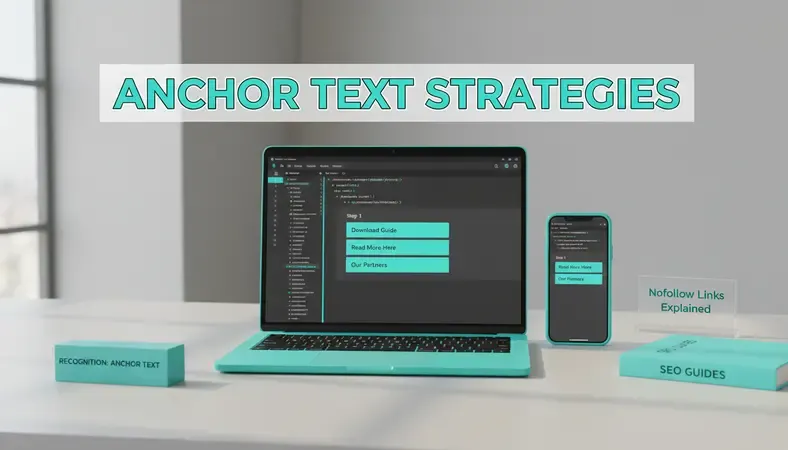
Anchor Text Significance
Even with the nofollow attribute, anchor text remains important for context and user experience. Search engines still read and process anchor text from no follow links to understand:
- Topic Relevance: What the linked content is about
- Brand Mentions: How your brand is referenced across the web
- Context Clues: The relationship between linking and linked content
Source Page Authority and Trust
The authority of the page containing the no follow link significantly impacts its value. High-authority sources provide several benefits even with nofollow attributes:
- Traffic Generation: Users from authoritative sites are more likely to click and engage
- Brand Exposure: Mentions on respected platforms increase brand visibility
- Indirect SEO Benefits: Can lead to follow links from other sources who discover your content
Pro Tip: A no follow link from a major publication like Forbes or TechCrunch can be more valuable than a follow link from a low-quality blog, due to the traffic and exposure potential.
Link Placement and Context
Where the no follow link appears on the page affects its impact:
High-Value Placements:
* Within main article content
* In author bio sections of guest posts
* As part of editorial recommendations
* In resource lists and curated collections
Lower-Value Placements:
* Comment sections
* Sidebar widgets
* Footer links
* Automated directory listings
Surrounding Content Quality
The content surrounding a no follow backlink influences its effectiveness. Links embedded in high-quality, relevant content provide more value than those in thin or unrelated content. Search engines and users both respond better to links that make editorial sense within their context.
Benefits and Use Cases of No Follow Backlinks
No follow backlinks offer unique advantages that make them valuable components of a comprehensive link building strategy. While they may not pass traditional ranking authority, they serve important purposes that can significantly impact your overall SEO and marketing efforts.
Traffic Generation and Referral Value
One of the most immediate benefits of no follow backlinks is direct traffic generation. When placed on high-traffic websites, these links can drive substantial referral traffic to your site. This traffic often converts well because it comes from users who are actively engaged with related content.
High-Traffic Sources for No Follow Links:
* Social Media Platforms: Facebook, Twitter, LinkedIn, and Instagram generate massive referral traffic
* News and Media Sites: Major publications often use nofollow for external links but drive significant traffic
* Forums and Communities: Reddit, Quora, and industry-specific forums can be traffic goldmines
* Video Platforms: YouTube descriptions and comments can drive targeted traffic
Brand Awareness and Visibility
No follow backlinks play a crucial role in building brand awareness across the web. Each mention, even with a nofollow attribute, contributes to your brand's digital footprint and helps establish authority in your industry.
Key Takeaway: Brand mentions and citations, even without follow links, contribute to what SEOs call "Entity SEO"—helping search engines understand your brand's relevance and authority in specific topics.
Diversifying Your Link Profile
A natural link profile includes a healthy mix of follow and no follow links. Websites with only follow links might appear manipulative to search engines, while those with appropriate nofollow diversity look more organic and trustworthy.
Natural Link Profile Characteristics:
* Mix of follow and no follow links from various sources
* Links from different types of websites (blogs, news sites, directories, social media)
* Variety in anchor text and link placement
* Temporal distribution of link acquisition

Protection from Penalties
Using no follow attributes strategically can protect your site from potential penalties. When linking to external sites you're not entirely sure about, or when receiving links from sources that might be risky, nofollow provides a safety buffer.
Strategic No Follow Use Cases:
* Paid Partnerships: Sponsored content and affiliate links should use nofollow or sponsored attributes
* User-Generated Content: Comments, forum posts, and user submissions often include nofollow by default
* Untrusted Sources: Links from sites you cannot fully vouch for
* Reciprocal Arrangements: Some reciprocal linking arrangements benefit from nofollow to avoid appearing manipulative
Long-term SEO Benefits
While no follow links don't directly pass ranking authority, they contribute to long-term SEO success in several ways:
- Increased Crawl Frequency: More links mean more paths for search engines to discover your content
- Faster Indexing: New content gets discovered and indexed more quickly
- Improved Click-Through Rates: Brand recognition from no follow mentions can improve CTR in search results
- Enhanced E-A-T Signals: Expert mentions and authoritative citations boost expertise, authoritativeness, and trustworthiness
Industry-Specific Applications
Different industries benefit from no follow backlinks in unique ways:
SaaS and Technology:
* Product mentions in tech blogs and review sites
* Integration partnerships and marketplace listings
* Community forum discussions and problem-solving threads
E-commerce:
* Product reviews and comparison sites
* Social media mentions and user-generated content
* Influencer partnerships and sponsored content
Professional Services:
* Industry publication quotes and expert commentary
* Professional association directories and member listings
* Speaking engagement mentions and conference coverage
Common Misconceptions About No Follow Backlinks
Several persistent myths about no follow backlinks continue to circulate in SEO communities, leading to strategic mistakes and missed opportunities. Let's address the most common misconceptions and set the record straight.
Myth 1: No Follow Links Are Worthless for SEO
This is perhaps the most damaging misconception in modern SEO. While no follow links don't pass traditional ranking authority, they're far from worthless. Google's 2019 update made nofollow a "hint" rather than a directive, meaning these links can still influence rankings in certain contexts.
The Reality: No follow links contribute to a natural link profile, drive traffic, increase brand awareness, and can indirectly lead to valuable follow links from other sources.
The value comes from:
- Traffic Generation: Direct visitors who may convert or engage
- Brand Discovery: New audiences finding your content
- Secondary Link Building: People discovering your content through no follow links and linking to it with follow links
- Social Signals: Engagement metrics that correlate with search performance
Myth 2: You Should Avoid No Follow Links Entirely
Some SEOs mistakenly believe that pursuing no follow links is a waste of time and resources. This black-and-white thinking ignores the nuanced reality of modern link building and the multiple benefits these links provide.
Why This Thinking Is Flawed:
* Ignores traffic and conversion potential
* Misses brand building opportunities
* Creates an unnatural link profile
* Overlooks the interconnected nature of digital marketing
Myth 3: No Follow Links Don't Help with Rankings at All
While no follow links traditionally haven't passed ranking authority, the relationship between these links and search rankings is more complex than many realize. Google has indicated that nofollow links can still provide ranking signals in certain situations.
Indirect Ranking Benefits Include:
* User Behavior Signals: Traffic from no follow links can improve engagement metrics
* Brand Query Increases: More brand awareness leads to more branded searches
* Content Discovery: Faster indexing and broader content distribution
* Authority Building: Mentions on authoritative sites contribute to topical authority
Myth 4: All Social Media Links Are No Follow
While most major social platforms do use nofollow attributes for external links, the blanket assumption that "all social links are nofollow" isn't accurate. Some platforms, particularly newer or smaller ones, may not implement nofollow consistently.
Platform Variations:
* Facebook: Generally nofollow for external links
* Twitter: Nofollow for most external links
* LinkedIn: Mix of follow and nofollow depending on context
* Pinterest: Typically nofollow
* Medium: Follow links in some contexts, nofollow in others

Myth 5: You Can't Control Whether Links to Your Site Are No Follow
Many website owners believe they have no control over whether inbound links use the nofollow attribute. While you can't directly control other sites' linking practices, you can influence the types of links you receive through strategic outreach and relationship building.
Strategies for Influencing Link Attributes:
* Quality Content Creation: High-quality resources are more likely to receive editorial follow links
* Relationship Building: Strong relationships with editors and bloggers can lead to follow links
* Strategic Partnerships: Formal partnerships often result in follow links
* Expert Positioning: Being recognized as an authority increases follow link likelihood
Myth 6: No Follow Links Don't Count for Link Building Metrics
Some SEO tools and practitioners don't count no follow links in their link building metrics, leading to an incomplete picture of link building success. This oversight can result in undervaluing successful campaigns and missing optimization opportunities.
Comprehensive Metrics Should Include:
* Total link count (follow and no follow)
* Traffic generation from all link types
* Brand mention frequency and sentiment
* Conversion rates from different link sources
* Long-term relationship building success
Expert Tip: Track no follow links separately in your analytics to understand their true value. Many businesses discover that no follow links from high-authority sources generate more qualified traffic than follow links from lower-quality sites.
Best Practices for No Follow Backlinks
Implementing effective strategies for no follow backlinks requires understanding when to use them, how to acquire valuable ones, and how to integrate them into your overall SEO strategy. These best practices will help you maximize the benefits while avoiding common pitfalls.
Strategic Link Acquisition
When pursuing no follow backlinks, focus on quality over quantity. A single no follow link from a highly relevant, authoritative source often provides more value than dozens of low-quality links.
High-Value No Follow Opportunities:
* Industry Publications: Trade magazines and industry blogs often use nofollow but drive targeted traffic
* Expert Roundups: Participating in expert interviews and roundup posts
* Podcast Show Notes: Many podcasts link to guests with nofollow attributes
* Conference Websites: Speaker listings and event coverage
* Resource Pages: Curated lists and resource collections
Content-Driven Approach
The most sustainable way to earn quality no follow backlinks is through exceptional content that naturally attracts mentions and references. Focus on creating resources that other websites want to reference, even if they use nofollow attributes.
Content Types That Attract No Follow Links:
* Original Research: Data-driven studies and industry reports
* Comprehensive Guides: In-depth resources that become reference materials
* Tools and Calculators: Useful utilities that solve specific problems
* Industry Commentary: Timely analysis of trends and developments
* Case Studies: Detailed examinations of successful strategies or implementations
Pro Tip: Create content specifically designed for sharing on social media and in communities where nofollow links are common. Optimize for engagement and discussion rather than just search rankings.
Relationship Building and Outreach
Building genuine relationships within your industry increases the likelihood of receiving valuable no follow links from respected sources. Focus on providing value first rather than immediately asking for links.
Relationship Building Strategies:
1. Engage Authentically: Participate in industry discussions without immediately promoting your content
2. Provide Value: Share insights, answer questions, and help others solve problems
3. Collaborate: Work on joint projects, research studies, or content initiatives
4. Support Others: Share and promote others' content before asking for reciprocal attention
Monitoring and Analysis
Track your no follow backlinks just as carefully as you monitor follow links. Understanding which sources drive the most valuable traffic and engagement helps you focus your efforts on the most productive opportunities.
Key Metrics to Monitor:
* Referral Traffic: Volume and quality of traffic from no follow sources
* Engagement Rates: Time on site, pages per session, and conversion rates
* Brand Mention Sentiment: How your brand is discussed across different platforms
* Secondary Link Generation: Follow links that result from no follow link exposure
Integration with Overall SEO Strategy
No follow backlinks should complement, not compete with, your follow link building efforts. Integrate both types of links into a cohesive strategy that supports your broader SEO and marketing goals.
Balanced Link Building Approach:
* 70-80% Follow Links: Focus majority of effort on earning ranking-boosting follow links
* 20-30% No Follow Links: Pursue valuable no follow opportunities for traffic and brand building
* Diversified Sources: Ensure links come from various types of websites and platforms
* Natural Timing: Acquire links at a sustainable, natural pace
Technical Implementation
When linking to external sites from your own content, use nofollow attributes strategically to protect your site's authority while still providing value to users.
When to Use No Follow on Outbound Links:
* Paid Partnerships: Any sponsored or paid content should use nofollow or sponsored attributes
* User-Generated Content: Comments, forum posts, and user submissions
* Untrusted Sources: Links to sites you cannot fully vouch for
* Reciprocal Arrangements: Some link exchanges benefit from nofollow to avoid appearing manipulative
Avoiding Common Pitfalls
Several mistakes can undermine your no follow link building efforts:
Pitfalls to Avoid:
* Obsessing Over Link Attributes: Don't pass up valuable opportunities just because they're nofollow
* Neglecting Traffic Potential: Consider the traffic and conversion value, not just SEO benefits
* Ignoring Brand Building: Undervaluing the long-term brand awareness benefits
* Poor Quality Control: Accepting no follow links from irrelevant or low-quality sources
* Inconsistent Monitoring: Failing to track and analyze the performance of no follow links
Common Questions About No Follow Backlinks
Do no follow backlinks help with SEO rankings?
While no follow backlinks don't pass traditional ranking authority, they can still contribute to SEO success in several important ways. Google's 2019 update changed nofollow from a directive to a "hint," meaning search engines may still consider these links for ranking purposes in certain contexts.
The indirect SEO benefits are significant. No follow links drive traffic to your site, which can improve user engagement metrics that correlate with higher rankings. They also increase brand awareness, leading to more branded searches and natural follow links over time. Additionally, they contribute to a natural, diverse link profile that search engines prefer over obviously manipulated link schemes.
Many SEO professionals have observed that websites with healthy no follow link profiles tend to perform better overall, even if the individual links don't pass direct ranking value. The key is viewing no follow links as part of a comprehensive digital marketing strategy rather than just an SEO tactic.
Should I pursue no follow links or focus only on follow links?
A balanced approach works best for most websites. While follow links should typically make up the majority of your link building efforts (around 70-80%), no follow links serve important purposes that justify dedicating some resources to acquiring them.
No follow links excel at driving immediate traffic, building brand awareness, and creating opportunities for future follow links. They're often easier to acquire from high-authority sources that use nofollow as a default policy. Social media platforms, major publications, and industry forums frequently use nofollow but can drive substantial qualified traffic.
The most successful link building strategies combine both types. Focus your primary efforts on earning editorial follow links through high-quality content and relationship building, but don't ignore valuable no follow opportunities that align with your traffic and brand building goals.
How can I identify if a backlink is no follow?
There are several ways to determine whether a backlink uses the nofollow attribute. The most direct method is examining the HTML source code of the linking page. Right-click on the link and select "View Page Source" or "Inspect Element" to see if the link includes rel="nofollow" in its code.
Most SEO tools also identify no follow links in their backlink analysis. Tools like Ahrefs, SEMrush, and Moz clearly label links as follow or nofollow in their reports. Google Search Console doesn't distinguish between follow and no follow links in its reporting, but third-party tools fill this gap effectively.
Browser extensions like "NoFollow" for Chrome highlight no follow links on web pages, making them easy to spot during manual research. This can be particularly useful when analyzing competitors' link profiles or evaluating potential link opportunities.
Are social media links always no follow?
Most major social media platforms do implement nofollow attributes for external links, but this isn't universal across all platforms or contexts. Facebook, Twitter, Instagram, and LinkedIn generally use nofollow for external links to prevent spam and maintain control over link equity distribution.
However, there are exceptions and variations. Some platforms may use follow links in certain contexts, such as verified business profiles or paid promotional content. Newer or smaller social platforms might not implement nofollow consistently. Additionally, some platforms have experimented with different approaches over time.
The more important consideration is that social media links, regardless of their follow status, can drive significant traffic and engagement. They're particularly valuable for brand building, content distribution, and creating opportunities for earned media coverage that may result in follow links from other sources.
Can too many no follow links hurt my SEO?
Having a high percentage of no follow backlinks won't directly hurt your SEO, but it might indicate missed opportunities for more valuable follow links. Search engines expect to see a natural mix of follow and no follow links pointing to legitimate websites.
The concern isn't about no follow links causing penalties, but rather about the overall health and effectiveness of your link profile. If the vast majority of your backlinks are nofollow, it might suggest that your content isn't earning editorial endorsements from other websites, which are typically follow links.
Focus on the quality and relevance of your backlinks rather than just their follow status. A profile with many high-quality no follow links from authoritative sources is generally better than one with low-quality follow links from irrelevant or spammy sites. The key is maintaining a natural balance that reflects genuine authority and value in your industry.
How do I track the performance of no follow backlinks?
Tracking no follow backlinks requires a combination of SEO tools and analytics platforms. Most comprehensive backlink analysis tools like Ahrefs, SEMrush, and Majestic clearly distinguish between follow and no follow links in their reporting, allowing you to segment and analyze each type separately.
Google Analytics provides valuable insights into referral traffic from no follow sources. Set up custom segments to track traffic from social media, forums, and other platforms that typically use nofollow links. Monitor metrics like session duration, pages per session, and conversion rates to understand the quality of traffic from these sources.
Create custom dashboards that track both the quantity of no follow links and their performance metrics. Include referral traffic volume, engagement rates, brand mention frequency, and any secondary benefits like increased branded searches or follow links that result from no follow link exposure. This comprehensive approach helps you understand the true value of your no follow link building efforts.
Wrapping Up
No follow backlinks represent a crucial but often misunderstood component of modern SEO strategy. While they may not pass traditional ranking authority, these links drive traffic, build brand awareness, and contribute to the natural diversity that search engines expect from legitimate websites. The key is understanding their role within a comprehensive digital marketing approach rather than viewing them as either worthless or miracle solutions. Get started with RankLoop to build a balanced link profile that includes both follow and no follow opportunities for maximum SEO impact. Ready to get started? Visit RankLoop to learn more.