Category: Insights

  • Essential SEO Site Resources: Tools and Guides

    Essential SEO Site Resources: Tools and Guides

    Building and optimizing an SEO site isn't just about creating great content. It requires the right tools, resources, and knowledge to navigate the complex world of search engine optimization. Whether you're launching your first website or scaling an existing platform, having access to proven resources can make the difference between ranking on page one or getting lost in the digital wilderness.

    The SEO landscape has evolved dramatically, with search engines becoming more sophisticated in how they evaluate and rank websites. Today's successful SEO site requires a comprehensive approach that combines technical optimization, content strategy, and ongoing analysis. This means you need resources that cover everything from keyword research and link building to technical audits and performance tracking.

    In this comprehensive guide, we'll explore the essential resources every SEO professional and website owner needs. From free tools that provide basic insights to premium platforms that offer enterprise-level analysis, we'll break down the resources by category and explain when and how to use each one. You'll discover tools for keyword research, link building, technical SEO, content optimization, and performance tracking that can transform your SEO site from average to exceptional.
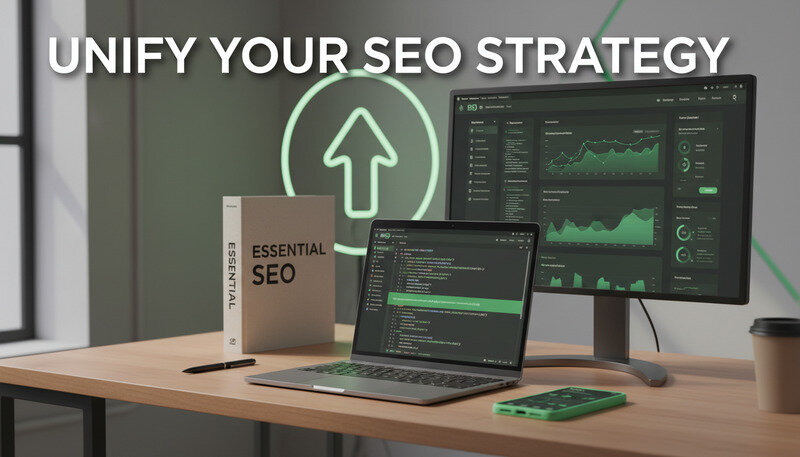
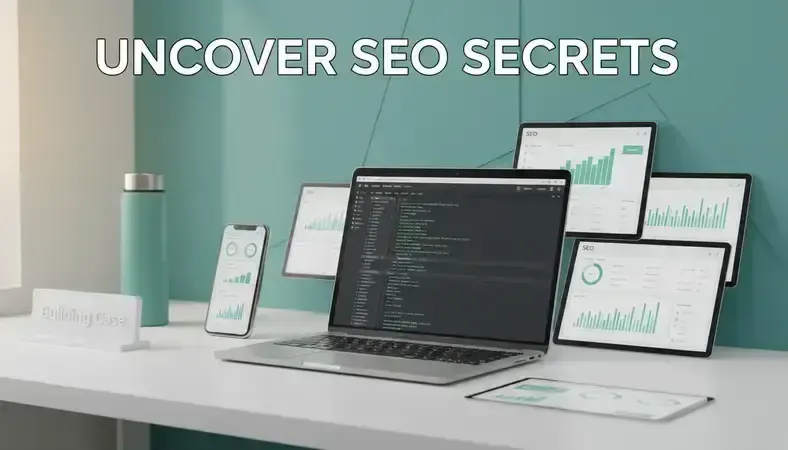
    Professional workspace showing multiple SEO tools and analytics dashboards on computer screens

    Essential SEO Analysis Tools

    Understanding your SEO site's performance requires robust analysis tools that provide deep insights into rankings, traffic, and optimization opportunities. These tools form the foundation of any successful SEO strategy, offering data-driven insights that guide decision-making and help prioritize optimization efforts.

    Google Search Console

    Google Search Console stands as the most important free resource for any SEO site owner. This official Google tool provides direct insights into how Google sees your website, making it indispensable for understanding search performance. The platform offers comprehensive data on search queries, click-through rates, indexing status, and technical issues that might be hampering your site's performance.

    The Performance report shows which queries bring traffic to your SEO site, revealing opportunities for content optimization and keyword targeting. The Coverage report identifies indexing issues, helping you ensure all important pages are discoverable by search engines. The Core Web Vitals report has become increasingly crucial as Google emphasizes page experience as a ranking factor.

    Why It Matters: Google Search Console provides data directly from Google's systems, making it the most authoritative source for understanding how your SEO site performs in search results.

    Setting up Search Console properly involves verifying ownership through multiple methods, including DNS verification for maximum reliability. Regular monitoring of the platform helps identify issues before they impact rankings significantly.

    Ahrefs

    Ahrefs represents one of the most comprehensive paid SEO platforms available, offering extensive capabilities for keyword research, backlink analysis, and competitor intelligence. For serious SEO site optimization, Ahrefs provides unmatched depth in backlink data, with one of the largest and most frequently updated link databases in the industry.

    The Site Explorer feature allows detailed analysis of any domain, revealing organic keywords, backlink profiles, and content performance metrics. The Keywords Explorer helps identify high-opportunity keywords with accurate search volume data and keyword difficulty scores. Content Explorer enables discovery of popular content in any niche, perfect for content strategy development.

    Ahrefs' strength lies in its backlink analysis capabilities, showing not just which sites link to your SEO site, but the quality and context of those links. The platform's Broken Link Checker and Link Intersect tools provide actionable opportunities for link building campaigns.

    SEMrush

    SEMrush offers a comprehensive suite of SEO tools with particular strength in competitive analysis and PPC research. The platform excels at revealing competitor strategies, showing which keywords competitors rank for and their estimated traffic values. This intelligence proves invaluable for identifying content gaps and optimization opportunities.

    The Organic Research tool provides detailed insights into any domain's organic search performance, while the Keyword Gap analysis reveals keywords competitors rank for that your SEO site doesn't. The Site Audit feature identifies technical SEO issues with clear prioritization and fix recommendations.

    SEMrush's Position Tracking allows monitoring of keyword rankings across different locations and devices, providing crucial data for measuring SEO progress. The Content Audit tool helps identify underperforming content that could benefit from optimization or updating.

    Pro Tip: Use SEMrush's Keyword Magic Tool to discover long-tail keyword opportunities that competitors might be missing, especially valuable for building topic authority around your main keywords.

    Keyword Research and Content Planning Resources

    Effective keyword research forms the backbone of any successful SEO site strategy. These resources help identify valuable search terms, understand user intent, and plan content that matches what your audience is actually searching for.

    Google Keyword Planner

    Google Keyword Planner remains a foundational tool for keyword research, offering direct insights from Google's advertising platform. While primarily designed for PPC campaigns, the tool provides valuable data for SEO site optimization, including search volume ranges and keyword suggestions based on your website or seed keywords.

    The tool's strength lies in its ability to show seasonal trends and provide forecasting data for keyword performance. Historical statistics help identify consistent vs. trending keywords, crucial for long-term content planning. The geographic and language targeting options make it particularly valuable for local SEO strategies.

    However, Keyword Planner requires an active Google Ads account and provides search volume ranges rather than exact numbers for users without significant ad spend. Despite these limitations, the tool's direct connection to Google's data makes it indispensable for understanding search demand.

    AnswerThePublic

    AnswerThePublic revolutionizes keyword research by focusing on question-based queries and long-tail variations. The tool visualizes search suggestions in an intuitive format, showing how people actually search for information related to your topics. This approach proves particularly valuable for content creators looking to match user intent precisely.

    The platform organizes suggestions into categories like questions, prepositions, and comparisons, making it easy to identify content opportunities that competitors might miss. The visual presentation helps spot patterns in user behavior and reveals the natural language people use when searching.

    For SEO site optimization, AnswerThePublic excels at identifying FAQ content opportunities and long-tail keywords that can drive qualified traffic. The tool's ability to show seasonal trends and search volume changes helps prioritize content creation efforts.

    Keyword Everywhere

    Keyword Everywhere provides browser-based keyword data that appears directly in search results and other platforms. This Chrome and Firefox extension shows search volume, CPC, and competition data for keywords as you browse, making keyword research feel more natural and integrated into your workflow.

    The tool's strength lies in its convenience and integration with multiple platforms including Google Search, YouTube, Amazon, and social media sites. The bulk keyword analysis feature allows processing large lists of keywords quickly, while the People Also Search For data reveals related keyword opportunities.

    Comparison of Keyword Research Tools

    Tool Best For Key Strength Price Range
    Google Keyword Planner Basic research and PPC planning Direct Google data access Free
    AnswerThePublic Question-based content planning User intent visualization Free/Paid
    Keyword Everywhere Browser-integrated research Convenience and integration Low cost
    Ahrefs Keywords Explorer Professional keyword analysis Comprehensive keyword data Premium

    Split screen showing keyword research tools with data visualizations and search volume charts

    Technical SEO and Site Audit Resources

    Technical SEO forms the foundation that allows your content and optimization efforts to succeed. These resources help identify and fix technical issues that could prevent search engines from properly crawling, indexing, and ranking your SEO site.

    Screaming Frog SEO Spider

    Screaming Frog SEO Spider stands as the industry standard for technical SEO auditing, offering comprehensive website crawling capabilities that reveal technical issues affecting search performance. The tool crawls your SEO site just like search engine bots do, identifying problems with URLs, meta data, headings, and internal linking structure.

    The spider excels at identifying duplicate content issues, broken links, and missing meta descriptions across large websites. Its ability to integrate with Google Analytics and Search Console provides additional context for technical issues, showing which problems affect your most important pages.

    Advanced features include custom extraction using XPath, JavaScript rendering for modern websites, and detailed analysis of page speed factors. The tool's export capabilities allow for easy reporting and collaboration with development teams on technical fixes.

    Expert Tip: Use Screaming Frog's custom filters to focus on specific technical issues affecting your most important pages first, rather than trying to fix every minor issue across your entire SEO site.

    Google PageSpeed Insights

    Google PageSpeed Insights provides official Google recommendations for improving page loading speed, a crucial ranking factor for modern SEO. The tool analyzes both mobile and desktop performance, providing specific recommendations for improvement along with impact estimates.

    The Core Web Vitals data shown in PageSpeed Insights directly correlates with Google's ranking factors, making the tool essential for technical optimization. The tool identifies opportunities like image optimization, code minification, and server response time improvements that can significantly impact both user experience and search rankings.

    Recent updates have made the tool more actionable, providing before-and-after estimates for recommended changes and prioritizing fixes by potential impact. The lab data helps diagnose performance issues, while field data shows real-world performance for your pages.

    GTmetrix

    GTmetrix offers detailed website speed analysis with actionable recommendations for improving performance. The tool provides waterfall charts showing exactly how your pages load, making it easier to identify bottlenecks affecting user experience and SEO performance.

    The platform's strength lies in its comprehensive reporting, showing performance scores from multiple perspectives and providing historical data to track improvement over time. The ability to test from different geographic locations helps optimize for global audiences.

    GTmetrix's monitoring features alert you to performance regressions, ensuring your SEO site maintains optimal speed as you add new content and features. The tool's integration with popular CMS platforms makes implementation of recommendations more straightforward.

    Sitebulb

    Sitebulb represents a newer generation of SEO auditing tools, offering visual website analysis that makes technical issues easier to understand and prioritize. The tool's strength lies in its ability to present complex technical data in an intuitive format that facilitates quick decision-making.

    The platform's URL Mapping feature provides visual representations of site structure, making it easy to identify orphaned pages and internal linking opportunities. The Hints system prioritizes issues by impact and provides clear explanations of why each issue matters for SEO performance.

    Sitebulb's integration with Google Analytics and Search Console adds business context to technical issues, helping prioritize fixes based on their potential impact on traffic and conversions rather than just technical completeness.

    Link Building and Outreach Resources

    Building high-quality backlinks remains one of the most important factors for SEO site success. These resources help identify link opportunities, manage outreach campaigns, and track the success of link building efforts.

    Pitchbox

    Pitchbox streamlines the entire link building process, from prospecting to relationship management and campaign tracking. The platform's strength lies in its ability to automate repetitive tasks while maintaining the personal touch necessary for successful outreach campaigns.

    The tool's prospecting features integrate with major SEO platforms to identify high-quality link opportunities based on your specific criteria. The email automation capabilities allow for personalized outreach at scale, while the relationship management features help maintain long-term connections with publishers and bloggers.

    Pitchbox's reporting capabilities provide detailed insights into campaign performance, showing response rates, conversion rates, and the quality of acquired links. The platform's integration with popular SEO tools ensures that link building efforts align with overall SEO strategy.

    BuzzStream

    BuzzStream focuses on relationship building and outreach management, providing tools for finding contact information, managing communications, and tracking relationship development over time. The platform treats link building as relationship building, emphasizing long-term connections over one-time transactions.

    The tool's contact discovery features help find decision-makers at target websites, while the email templates and scheduling features streamline outreach processes. The relationship tracking capabilities provide context for future interactions, making follow-up communications more effective.

    BuzzStream's strength lies in its CRM-like approach to link building, helping teams coordinate efforts and avoid duplicate outreach. The platform's reporting features track both immediate results and long-term relationship value.

    HARO (Help a Reporter Out)

    HARO connects sources with journalists looking for expert commentary, providing opportunities for high-quality link building through media coverage. The platform sends daily emails with journalist queries across hundreds of topics, allowing experts to provide valuable insights in exchange for backlinks and exposure.

    The service's strength lies in the quality of links available through media coverage, often from high-authority news sites and industry publications. Success with HARO requires consistent participation and the ability to provide valuable, timely responses to relevant queries.

    Key Takeaway: HARO success comes from providing genuinely helpful insights rather than promotional content, building relationships with journalists who may become valuable long-term contacts for your SEO site.

    Email outreach dashboard showing campaign metrics and response rates

    Content Optimization and Creation Resources

    Creating content that ranks well and serves user needs requires specialized tools and resources. These platforms help optimize existing content and plan new content that aligns with search intent and user expectations.

    Surfer SEO

    Surfer SEO revolutionizes content optimization by analyzing top-ranking pages for target keywords and providing specific recommendations for content structure, keyword usage, and topical coverage. The platform's data-driven approach takes the guesswork out of content optimization.

    The Content Editor provides real-time optimization suggestions as you write, showing keyword density recommendations, content length guidelines, and topical suggestions based on competitor analysis. The SERP Analyzer reveals what makes top-ranking content successful, providing insights for content strategy development.

    Surfer's strength lies in its ability to quantify content optimization, providing specific metrics and targets rather than general guidelines. The platform's integration with popular writing tools makes optimization feel natural rather than forced.

    Clearscope

    Clearscope focuses on content optimization through semantic analysis, helping writers create comprehensive content that covers topics thoroughly. The platform analyzes top-ranking content to identify important subtopics and related terms that should be included in well-optimized content.

    The tool's grade-based system makes it easy to understand how well content is optimized, while the keyword recommendations help ensure comprehensive topic coverage. The platform's focus on readability ensures that optimization doesn't come at the expense of user experience.

    Clearscope's collaborative features make it particularly valuable for content teams, allowing writers and editors to work together on optimization while maintaining content quality and brand voice.

    MarketMuse

    MarketMuse uses artificial intelligence to analyze content gaps and opportunities across entire websites, providing strategic insights for content planning and optimization. The platform's strength lies in its ability to identify underserved topics and content clusters that could drive significant organic traffic.

    The Content Briefs feature provides detailed outlines for new content, including recommended word counts, subtopics to cover, and internal linking opportunities. The Compete module shows how your content stacks up against competitors and identifies areas for improvement.

    MarketMuse's inventory analysis helps prioritize content updates and identifies pages that could benefit from expansion or consolidation. The platform's topic modeling capabilities ensure content strategies align with user search behavior and intent.

    BuzzSumo

    BuzzSumo specializes in content research and social media analysis, helping identify trending topics and high-performing content in any niche. The platform's content analysis features reveal what types of content generate the most engagement and backlinks, informing content strategy decisions.

    The tool's influencer identification features help find key people in your industry who could amplify your content, while the monitoring features track brand mentions and competitor content performance. The content alerts keep you informed about trending topics and opportunities for timely content creation.

    BuzzSumo's strength lies in its ability to combine social signals with SEO data, providing a more complete picture of content performance across different channels.

    Analytics and Performance Tracking Resources

    Measuring SEO success requires comprehensive tracking and analysis tools that provide insights into traffic, rankings, and user behavior. These resources help quantify the impact of SEO efforts and identify opportunities for improvement.

    Google Analytics 4

    Google Analytics 4 represents the future of web analytics, offering enhanced tracking capabilities and machine learning insights that help understand user behavior across your SEO site. The platform's event-based tracking model provides more flexibility in measuring user interactions and conversions.

    The Acquisition reports show how organic search traffic performs compared to other channels, while the Behavior Flow analysis reveals how users navigate through your site after arriving from search engines. The Enhanced Ecommerce features provide detailed insights into how SEO traffic converts and generates revenue.

    GA4's predictive analytics capabilities help identify users likely to convert or churn, enabling more targeted optimization efforts. The platform's integration with Google Ads and Search Console provides a comprehensive view of search marketing performance.

    Pro Tip: Set up custom events in GA4 to track SEO-specific actions like PDF downloads, video views, or form submissions that indicate content engagement beyond simple page views.

    SEMrush Position Tracking

    SEMrush Position Tracking provides comprehensive keyword ranking monitoring with the ability to track positions across different locations, devices, and search features. The tool's strength lies in its ability to show ranking changes in context, connecting position movements to algorithm updates and competitive actions.

    The platform's SERP Features tracking shows when your pages appear in featured snippets, local packs, or other special search results, providing insights into optimization opportunities beyond traditional organic rankings. The Competitor Tracking features reveal how your SEO site performs relative to key competitors.

    The tool's reporting capabilities include automated alerts for significant ranking changes and customizable dashboards that make it easy to communicate SEO progress to stakeholders.

    Rank Math

    Rank Math offers comprehensive on-page SEO analysis directly within WordPress, providing real-time optimization suggestions and tracking capabilities. The plugin's strength lies in its user-friendly interface that makes technical SEO accessible to content creators and site owners without extensive technical knowledge.

    The Content Analysis feature provides specific recommendations for optimizing individual pages, while the 404 Monitor helps identify and fix broken links that could harm user experience and SEO performance. The Schema markup features help search engines better understand your content.

    Rank Math's Local SEO features make it particularly valuable for businesses targeting geographic markets, while the WooCommerce integration provides specialized optimization for e-commerce sites.

    Comparison of Analytics Tools

    Tool Primary Focus Key Advantage Best For
    Google Analytics 4 Comprehensive site analytics Free Google integration All website types
    SEMrush Position Tracking Keyword ranking monitoring Competitive intelligence Professional SEO campaigns
    Rank Math On-page WordPress optimization User-friendly interface WordPress sites
    Search Console Google search performance Official Google data Technical SEO insights

    Multiple analytics screens showing traffic data, ranking positions, and performance metrics

    Community Resources and Learning Platforms

    Staying current with SEO best practices requires access to communities and educational resources where professionals share insights and discuss industry changes. These platforms provide ongoing education and networking opportunities essential for long-term SEO success.

    SEO Communities and Forums

    The SEO community thrives on knowledge sharing and collaborative problem-solving, making participation in quality forums and communities essential for staying current with best practices and algorithm changes.

    Reddit SEO Communities provide accessible discussions about current SEO trends and challenges. The r/SEO subreddit offers daily discussions about algorithm updates, case studies, and tool recommendations from practitioners at all levels. The r/TechSEO community focuses on more technical aspects of optimization, while r/entrepreneur often features SEO discussions in a business context.

    Black hat world represents one of the largest SEO forums, though the name can be misleading as it covers white hat strategies extensively. The community provides detailed case studies, tool reviews, and discussions about advanced SEO techniques. The marketplace section offers services and tools, though quality varies significantly.

    Warrior forum has been a staple of the internet marketing community for years, offering sections dedicated to SEO discussion, case studies, and tool reviews. The community's longevity means it includes experienced practitioners who share insights from years of SEO evolution.

    Professional SEO Training Platforms

    Structured learning platforms provide comprehensive SEO education that goes beyond basic tutorials, offering certification programs and advanced training for serious practitioners.

    Moz academy offers structured SEO courses covering everything from basic concepts to advanced technical optimization. The platform's strength lies in its methodical approach to SEO education, with courses designed by industry experts and updated regularly to reflect current best practices.

    SEMrush Academy provides free certification courses covering various aspects of digital marketing, including comprehensive SEO training. The courses combine theoretical knowledge with practical exercises using SEMrush tools, making the learning immediately applicable.

    Ahrefs academy focuses on practical SEO skills using real data and case studies. The platform's courses emphasize actionable techniques rather than theoretical concepts, making them particularly valuable for practitioners looking to improve results quickly.

    Google digital marketing courses through platforms like Coursera provide official Google perspectives on SEO and digital marketing. These courses offer credible foundational knowledge and often include certification that can enhance professional credentials.

    Why It Matters: Continuous learning is essential in SEO because search engines constantly evolve their algorithms, and techniques that worked last year might be ineffective or even harmful today.

    Industry Blogs and Publications

    Staying informed about SEO developments requires following authoritative industry publications that provide timely analysis of algorithm updates, case studies, and strategic insights.

    Search engine journal provides daily news and analysis about search engine developments, algorithm updates, and SEO best practices. The publication's strength lies in its timely coverage of industry news and practical advice from experienced practitioners.

    Search engine land offers in-depth analysis of search engine news and developments, with particular strength in covering Google algorithm updates and their implications for SEO strategies. The publication's conference coverage provides insights from industry leaders and Google representatives.

    Moz blog features detailed case studies, research reports, and strategic insights from the SEO community. The blog's focus on data-driven content and comprehensive analysis makes it valuable for understanding the reasoning behind SEO recommendations.

    Ahrefs blog combines tool-specific tutorials with broader SEO strategy content, often featuring original research and data analysis that provides unique insights into search engine behavior and optimization opportunities.

    Free vs. Premium Resource Comparison

    Understanding when to invest in premium SEO tools versus relying on free alternatives can significantly impact your optimization budget and results. The decision depends on your site's complexity, traffic goals, and available resources.

    Free Resource Advantages

    Free SEO resources provide substantial value for beginners and small websites, offering essential functionality without financial commitment. Google's suite of free tools, including Search Console, Analytics, and Keyword Planner, provides comprehensive insights into site performance and optimization opportunities.

    The main advantages of free tools include immediate accessibility, official data sources (particularly from Google), and the ability to learn SEO fundamentals without financial risk. Many free tools offer sufficient functionality for basic SEO site optimization, making them ideal for new websites or limited budgets.

    However, free tools typically have limitations in data depth, historical analysis, and advanced features. They often require more manual work to extract insights and may not provide the competitive intelligence necessary for advanced SEO strategies.

    Premium Resource Benefits

    Premium SEO tools justify their cost through advanced features, comprehensive data, and time-saving automation that can significantly improve optimization efficiency and results. Tools like Ahrefs, SEMrush, and specialized platforms offer deeper insights into competitor strategies, more accurate keyword data, and advanced analysis capabilities.

    The key benefits include access to larger databases, historical data for trend analysis, automation features that save time, and advanced reporting capabilities that facilitate team collaboration and client communication. Premium tools often provide customer support and training resources that accelerate learning and implementation.

    For established websites or professional SEO campaigns, premium tools typically provide return on investment through improved efficiency, better strategic insights, and the ability to identify opportunities that free tools might miss.

    Making the Right Choice

    The decision between free and premium resources should align with your SEO site's goals, budget, and complexity. Start with free tools to establish baseline knowledge and processes, then invest in premium tools as your needs and results justify the expense.

    Consider factors like website size, competition level, available time for manual analysis, and the potential value of improved rankings when evaluating tool investments. Many successful SEO campaigns combine free and premium tools strategically, using each where it provides the most value.

    Key Insight: The most expensive tool isn't always the best choice – success comes from using the right tools consistently and acting on the insights they provide rather than collecting data without implementation.

    Common Questions About SEO Site Resources

    What are the most essential free SEO tools every website owner should use?

    The most essential free SEO tools form a foundation that every website owner should implement regardless of budget or experience level. Google Search Console tops this list as the most important free resource, providing direct insights from Google about your site's search performance, indexing status, and technical issues. This tool is irreplaceable because it offers official data about how Google sees your website.

    Google Analytics 4 ranks second in importance, offering comprehensive traffic analysis and user behavior insights that help you understand how visitors interact with your SEO site. The platform's integration with Search Console provides a complete picture of organic search performance.

    Google Keyword Planner provides valuable keyword research capabilities for free, though it requires a Google Ads account. The tool offers search volume data and keyword suggestions directly from Google's advertising platform, making it authoritative for understanding search demand.

    AnswerThePublic offers excellent question-based keyword research that helps identify content opportunities aligned with user intent. The tool's visual presentation makes it easy to spot content gaps and long-tail keyword opportunities that competitors might miss.

    How do I choose between Ahrefs and SEMrush for my SEO site?

    Choosing between Ahrefs and SEMrush depends on your specific needs, budget, and primary use cases. Both platforms offer comprehensive SEO capabilities, but each has distinct strengths that may align better with different optimization strategies.

    Ahrefs excels in backlink analysis with the largest and most frequently updated link database in the industry. If link building and competitive backlink analysis are primary concerns for your SEO site, Ahrefs provides superior data quality and depth. The platform's Site Explorer and Keywords Explorer tools offer exceptional accuracy in organic traffic estimates and keyword difficulty scores.

    SEMrush provides stronger competitive intelligence features and broader digital marketing capabilities beyond SEO. The platform excels at revealing competitor advertising strategies, social media performance, and comprehensive market analysis. SEMrush's keyword gap analysis and traffic analytics provide excellent insights for competitive positioning.

    Consider Ahrefs if your primary focus is link building, content marketing, and technical SEO analysis. Choose SEMrush if you need broader competitive intelligence, PPC research capabilities, and comprehensive digital marketing analysis beyond just SEO.

    Budget considerations also matter – both platforms offer different pricing tiers, and the value depends on which features you'll actually use consistently for your SEO site optimization efforts.

    What's the difference between technical SEO tools and content optimization tools?

    Technical SEO tools and content optimization tools serve different but complementary purposes in optimizing your SEO site for search engine success. Understanding these differences helps you choose the right tools for specific optimization challenges.

    Technical SEO tools focus on the underlying infrastructure and code that affects how search engines crawl, index, and understand your website. Tools like Screaming Frog SEO Spider, Google PageSpeed Insights, and Sitebulb identify issues with site structure, page speed, mobile responsiveness, and crawlability. These tools help ensure search engines can access and understand your content effectively.

    Content optimization tools concentrate on improving the quality, relevance, and search engine friendliness of your actual content. Platforms like Surfer SEO, Clearscope, and MarketMuse analyze top-ranking content to provide recommendations for keyword usage, topical coverage, and content structure that aligns with search intent.

    The key difference lies in focus areas: technical tools address the "can search engines find and understand my site" question, while content tools address the "does my content match what users are searching for" question. Both are essential for comprehensive SEO success.

    Most successful SEO strategies require both types of tools because technical issues can prevent great content from ranking, while poor content won't succeed even on technically perfect sites.

    How often should I audit my SEO site using these resources?

    The frequency of SEO audits depends on your website's size, change rate, and competitive environment, but establishing regular audit schedules ensures consistent optimization and early problem detection.

    Monthly technical audits using tools like Google Search Console and Screaming Frog help identify crawling issues, broken links, and indexing problems before they significantly impact rankings. These audits should focus on new content, recent site changes, and any error reports from Search Console.

    Quarterly comprehensive audits provide deeper analysis using premium tools like Ahrefs or SEMrush to assess backlink profiles, competitive positioning, and content performance. These audits should evaluate overall SEO strategy effectiveness and identify new opportunities for optimization.

    Content audits should occur every six months, analyzing page performance, updating outdated information, and identifying content gaps or consolidation opportunities. Tools like MarketMuse or Surfer SEO can help prioritize content updates based on search performance and competitive analysis.

    Continuous monitoring through automated alerts and regular reporting ensures you catch significant changes or issues immediately. Set up alerts in Search Console for crawling errors, manual actions, and significant traffic changes that might indicate problems requiring immediate attention.

    The key is consistency rather than frequency – regular audits using a systematic approach provide more value than sporadic comprehensive reviews that might miss developing issues.

    Can free SEO tools provide enough data for a successful SEO site?

    Free SEO tools can absolutely provide sufficient data for successful SEO site optimization, particularly for new websites, small businesses, or those just beginning their SEO journey. The key lies in understanding how to use free tools effectively and recognizing when premium tools become necessary for growth.

    Google's free tool suite provides the foundation for successful SEO: Search Console offers official search performance data, Analytics provides traffic and user behavior insights, and Keyword Planner supplies keyword research capabilities. These tools alone provide enough data to optimize on-page elements, fix technical issues, and understand user engagement.

    Free tools excel for basic optimization tasks like identifying technical issues, tracking ranking progress, and understanding traffic patterns. They provide sufficient data for content optimization, local SEO, and basic competitive analysis that can drive significant improvements for most websites.

    However, free tools have limitations in competitive intelligence, historical data depth, and automation capabilities. As your SEO site grows and faces increased competition, premium tools become valuable for advanced link building, comprehensive competitor analysis, and sophisticated keyword research that free tools can't match.

    The strategy should be progressive: start with free tools to establish processes and achieve initial results, then invest in premium tools as your success and budget justify the additional capabilities. Many successful websites operate primarily on free tools, supplemented by occasional premium tool access for specific projects or analysis.

    Key Takeaways

    Building a successful SEO site requires the right combination of tools, resources, and knowledge to navigate the complex world of search engine optimization. The resources outlined in this guide provide everything needed to research keywords, optimize content, fix technical issues, build quality backlinks, and track performance effectively. Whether you start with free tools or invest in premium platforms, the key to success lies in consistent application of insights and continuous learning as search engines evolve. Get started with RankLoop to see how the right SEO strategy can transform your website's search performance. Ready to get started? Visit RankLoop to learn more.

  • What Is SEO Services? Your Complete Guide

    What Is SEO Services? Your Complete Guide

    Understanding SEO services can feel overwhelming when you're running a SaaS company or building your next indie project. You're juggling product development, customer acquisition, and growth metrics, but your website isn't showing up in search results. That's where professional SEO services come in.

    SEO services encompass a comprehensive range of strategies and techniques designed to improve your website's visibility in search engine results pages (SERPs). These services include everything from technical website optimization and content creation to link building and performance tracking. For SaaS founders and indie hackers, SEO services represent a scalable way to drive organic traffic without the ongoing costs of paid advertising.

    Why It Matters: Organic search drives 53% of all website traffic, making SEO services one of the most cost-effective long-term marketing investments you can make.

    In this guide, you'll learn exactly what SEO services include, how they work, and why they're essential for growing your business. We'll break down the key components, explore real-world benefits, and address common misconceptions that might be holding you back from investing in professional SEO help.

    What Is SEO Services?

    SEO services are professional offerings designed to improve a website's search engine rankings and organic visibility. An SEO company provides these services through a combination of technical expertise, content strategy, and ongoing optimization efforts. The goal is simple: help your website appear higher in search results when potential customers search for relevant terms.

    Professional SEO team working on optimization strategies with multiple monitors displaying analytics dashboards

    The Core Components of SEO Services

    Search engine optimization services typically fall into three main categories: technical SEO, on-page optimization, and off-page optimization. Technical SEO focuses on the backend elements that search engines need to crawl and index your site effectively. This includes site speed optimization, mobile responsiveness, XML sitemaps, and structured data markup.

    On-page optimization involves optimizing individual web pages to rank higher and earn more relevant traffic. This encompasses keyword research, content optimization, meta tags, header structure, and internal linking strategies. The content must align with search intent while providing genuine value to users.

    Off-page optimization primarily involves building your website's authority and credibility through external signals. Link building represents the most significant component here, where high-quality websites link back to your content, signaling to search engines that your site is trustworthy and valuable.

    How SEO Services Differ from DIY SEO

    Professional SEO services bring specialized tools, expertise, and dedicated time that most business owners simply don't have. While you can learn SEO basics, implementing comprehensive strategies requires deep technical knowledge and access to premium SEO tools that can cost thousands of dollars monthly.

    An SEO company for your business provides systematic approaches backed by data and experience. They understand algorithm updates, competitive analysis, and can identify opportunities you might miss. More importantly, they can execute strategies at scale while you focus on running your business.

    Key Takeaway: Professional SEO services combine technical expertise, premium tools, and dedicated time to achieve results that would take business owners months or years to accomplish independently.

    The Evolution of Modern SEO Services

    Today's SEO services have evolved far beyond simple keyword stuffing and basic link building. Modern search engine marketing requires understanding user intent, creating comprehensive content strategies, and optimizing for various search features like featured snippets, local search results, and voice search queries.

    Google's algorithm updates have made SEO more sophisticated, requiring services that focus on user experience, content quality, and technical excellence. Professional SEO providers now integrate artificial intelligence tools, advanced analytics, and comprehensive competitor research to deliver measurable results.

    How SEO Services Work

    The SEO process begins with a comprehensive audit of your current website performance. Professional SEO services start by analyzing your site's technical foundation, content quality, and competitive landscape. This initial assessment identifies opportunities and creates a roadmap for improvement.

    The SEO Services Process Breakdown

    Phase 1: Discovery and Analysis

    The first phase involves deep research into your business, target audience, and competitive environment. SEO professionals use tools like Ahrefs, SEMrush, and Google Analytics to understand your current performance metrics. They analyze which keywords you're already ranking for, identify content gaps, and assess your technical SEO foundation.

    During this phase, the SEO company conducts keyword research to identify high-value search terms your target audience uses. They examine search volume, keyword difficulty, and commercial intent to prioritize opportunities that align with your business goals.

    Phase 2: Strategy Development

    Based on the analysis, SEO services develop a customized strategy tailored to your specific needs and goals. This strategy outlines technical improvements, content creation plans, and link building approaches. The timeline typically spans 6-12 months, with specific milestones and measurable objectives.

    The strategy considers your industry's competitive landscape, seasonal trends, and business priorities. For SaaS companies, this might focus on bottom-funnel keywords and feature-specific content. For indie hackers, the approach might emphasize thought leadership and community building.

    Phase 3: Implementation and Execution

    Professional SEO services then execute the strategy across multiple fronts simultaneously. Technical improvements address site speed, mobile optimization, and crawlability issues. Content creation focuses on high-value keywords and user intent matching. Link building campaigns target relevant, authoritative websites in your industry.

    1. Technical Optimization: Fix crawl errors, improve site speed, implement structured data
    2. Content Creation: Develop comprehensive guides, blog posts, and landing pages
    3. Link Building: Secure high-quality backlinks from relevant industry websites
    4. Performance Monitoring: Track rankings, traffic, and conversion improvements

    Measuring SEO Services Success

    Effective SEO services provide transparent reporting on key performance indicators. These metrics include organic traffic growth, keyword ranking improvements, and most importantly, conversions and revenue attribution. Professional providers use Google Analytics, Search Console, and specialized SEO tools to track progress.

    Monthly reports typically show ranking changes for target keywords, organic traffic trends, and new opportunities identified. The best SEO services also provide insights into user behavior, helping you understand how organic visitors interact with your website.

    Pro Tip: Look for SEO services that tie their efforts directly to business outcomes, not just vanity metrics like keyword rankings or traffic increases.

    Key Components of Professional SEO Services

    Understanding what's included in comprehensive SEO services helps you evaluate potential providers and set realistic expectations. Professional SEO encompasses multiple specialized areas, each requiring specific expertise and tools.

    Technical SEO Services

    Technical SEO forms the foundation of all other optimization efforts. Without proper technical implementation, even the best content and link building campaigns will underperform. Professional SEO services address critical technical elements that most business owners overlook.

    Site Speed and Performance Optimization

    Page load speed directly impacts both user experience and search rankings. SEO services use tools like GTmetrix, PageSpeed Insights, and Core Web Vitals data to identify performance bottlenecks. They optimize images, minify code, implement caching solutions, and configure content delivery networks (CDNs) to improve loading times.

    Mobile Optimization and Responsiveness

    With mobile-first indexing, Google primarily uses the mobile version of your site for ranking purposes. Professional SEO services ensure your website provides excellent user experience across all devices. This includes responsive design implementation, mobile-specific performance optimization, and touch-friendly navigation elements.

    Structured Data and Schema Markup

    Schema markup helps search engines understand your content better, potentially leading to rich snippets and enhanced search results. SEO services implement appropriate schema types for your business, whether that's product markup for e-commerce, FAQ schema for content pages, or organization markup for brand recognition.

    Content Strategy and Optimization

    Content remains central to SEO success, but modern content strategies go far beyond basic keyword optimization. Professional SEO services develop comprehensive content approaches that align with user intent and business objectives.

    Content strategy meeting with keyword research documents and content calendar planning

    Keyword Research and Content Planning

    Effective keyword research identifies not just high-volume terms, but keywords that align with your business goals and customer journey. SEO services analyze search intent, competition levels, and conversion potential to prioritize content opportunities.

    The content planning process considers your audience's information needs at different stages of the buying process. For SaaS companies, this might include comparison guides, feature explanations, and implementation tutorials. Indie hackers benefit from thought leadership content, case studies, and community-focused topics.

    On-Page Optimization

    Professional on-page optimization goes beyond placing keywords in titles and headers. Modern SEO services focus on comprehensive topic coverage, user experience optimization, and search intent matching. They optimize meta descriptions, implement proper header hierarchy, and ensure internal linking supports both users and search engines.

    Link Building and Authority Development

    Link building remains one of the most challenging aspects of SEO, requiring relationships, outreach skills, and strategic thinking. Professional SEO services have established processes and industry connections that individual business owners typically lack.

    Quality link acquisition strategies

    Effective link building focuses on earning links from relevant, authoritative websites in your industry. SEO services use various tactics including content marketing, digital PR, resource page outreach, and strategic partnerships. They understand which link types provide the most value and how to avoid potentially harmful link schemes.

    Brand Mention and Citation Building

    Beyond traditional link building, professional SEO services work to increase brand mentions and citations across the web. This includes getting featured in industry publications, participating in expert roundups, and building relationships with influencers and journalists in your space.

    Expert Tip: Quality link building takes time and relationship building. Avoid SEO services that promise quick link building results or use automated outreach tools exclusively.

    Comparison of SEO Service Components

    Component Purpose Timeline Impact Level
    Technical SEO Foundation and crawlability 1-3 months High
    Content Strategy User value and keyword targeting Ongoing High
    Link Building Authority and trust signals 3-12 months Very High
    Local SEO Geographic visibility 2-6 months Medium
    Analytics Setup Performance tracking 1 month Medium

    Benefits and Use Cases of SEO Services

    Investing in professional SEO services delivers measurable benefits that compound over time. Unlike paid advertising, SEO creates lasting value that continues generating results long after the initial investment. Understanding these benefits helps justify the cost and timeline associated with professional SEO.

    Long-Term Traffic Growth

    The primary benefit of SEO services is sustainable organic traffic growth. Once your website achieves strong rankings for target keywords, it continues attracting visitors without ongoing advertising costs. This creates a significant competitive advantage, especially for bootstrapped startups and indie projects with limited marketing budgets.

    Professional SEO services typically deliver 20-40% organic traffic increases within the first six months, with continued growth over time. The compound effect means websites often see 100-300% traffic improvements within 12-18 months of consistent optimization efforts.

    Cost-Effectiveness Compared to Paid Advertising

    While SEO services require upfront investment, the long-term cost per acquisition often proves significantly lower than paid advertising channels. Google Ads costs continue rising across most industries, making organic visibility increasingly valuable for sustainable growth.

    Consider a SaaS company spending $5,000 monthly on Google Ads with a 2% conversion rate. That same investment in SEO services might generate equivalent traffic within 6-8 months, but the traffic continues growing without additional ad spend. The cumulative effect creates substantial cost savings over time.

    Enhanced Brand Credibility and Trust

    High search engine rankings serve as third-party validation of your business credibility. Users inherently trust organic search results more than paid advertisements, viewing top-ranking websites as industry authorities. This trust translates into higher conversion rates and customer lifetime value.

    Professional SEO services help establish your brand as a thought leader through comprehensive content strategies and strategic link building. When potential customers research your industry, your content appears in search results, building familiarity and trust before they ever visit your website.

    Specific Use Cases for Different Business Types

    SaaS Companies

    SaaS businesses benefit enormously from SEO services focused on bottom-funnel keywords and feature-specific content. Professional SEO helps capture users searching for specific software solutions, integration guides, and comparison terms. The high lifetime value of SaaS customers makes the investment in SEO particularly attractive.

    Successful SaaS SEO strategies target keywords like "[software category] tools," "how to [accomplish task]," and "[competitor] alternatives." These searches indicate high commercial intent and often convert at 5-10% rates, significantly higher than top-funnel content.

    E-commerce Businesses

    E-commerce companies use SEO services to capture product-focused searches and compete with larger retailers. Professional optimization helps smaller online stores compete against Amazon and other marketplace giants by targeting long-tail product keywords and local search terms.

    Product page optimization, category page structure, and content marketing around product uses cases drive significant revenue growth. Many e-commerce businesses see 40-60% of their revenue attributed to organic search traffic after 12-18 months of professional SEO services.

    E-commerce dashboard showing organic traffic growth and product ranking improvements

    Local service businesses

    Local businesses leverage SEO services to dominate geographic search results. Professional local SEO includes Google Business Profile optimization, local citation building, and location-specific content creation. These efforts help businesses appear in "near me" searches and local map results.

    Local SEO services often deliver faster results than national campaigns, with many businesses seeing significant improvement in local visibility within 3-6 months. The high commercial intent of local searches typically produces strong conversion rates and immediate business impact.

    Measurable ROI and Business Impact

    Professional SEO services provide clear attribution and ROI measurement through advanced analytics implementation. Unlike traditional marketing channels, SEO performance can be tracked from initial search query through final conversion, providing complete visibility into campaign effectiveness.

    Most businesses see positive ROI from SEO services within 6-12 months, with returns improving significantly over time. The compound nature of SEO means year-two and year-three returns often exceed initial investment by 300-500%, making it one of the highest-returning marketing investments available.

    Key Insight: The businesses that see the best SEO results treat it as a long-term investment rather than a short-term marketing tactic. Consistency and patience typically produce exponential returns.

    Common Misconceptions About SEO Services

    Many business owners hold outdated or incorrect beliefs about SEO services that prevent them from making informed decisions. Understanding these misconceptions helps set realistic expectations and avoid common pitfalls when evaluating SEO providers.

    "SEO Results Happen Quickly"

    Perhaps the most damaging misconception is expecting immediate results from SEO services. Unlike paid advertising, which can generate traffic instantly, SEO requires time for search engines to crawl, index, and rank new content and optimizations. Professional SEO services typically require 3-6 months to show meaningful results, with significant improvements often taking 6-12 months.

    This timeline isn't due to ineffective strategies or poor execution. Search engines intentionally take time to evaluate websites and content quality before awarding high rankings. Google's algorithm considers hundreds of ranking factors, and building authority in these areas requires consistent effort over time.

    Why the Timeline Matters

    Understanding SEO timelines helps business owners budget appropriately and avoid switching providers prematurely. Many companies abandon effective SEO services after 2-3 months, just before results typically begin appearing. This creates a cycle of starting over with new providers, ultimately costing more money and delaying results.

    Professional SEO services provide monthly progress reports showing incremental improvements in rankings, traffic, and technical performance. These early indicators help demonstrate progress even before major traffic increases become apparent.

    "All SEO Services Are the Same"

    Another common misconception treats SEO as a commoditized service where all providers deliver identical results. In reality, SEO services vary dramatically in quality, approach, and effectiveness. The difference between excellent and mediocre SEO services often determines whether businesses see positive ROI or waste their investment entirely.

    Quality Indicators in SEO Services

    High-quality SEO services provide customized strategies based on thorough research and analysis. They use premium tools, employ experienced professionals, and maintain transparent communication about strategies and results. These providers focus on sustainable, white-hat techniques that build long-term value.

    Lower-quality services often use templated approaches, automated tools, and questionable tactics that can actually harm your website's performance. They typically promise unrealistic results, use vague reporting, and employ techniques that violate search engine guidelines.

    "SEO Is Just About Keywords"

    Many people still view SEO services as primarily keyword-focused, imagining that success comes from stuffing target terms throughout website content. Modern SEO has evolved far beyond simple keyword optimization to encompass user experience, technical performance, and comprehensive content strategies.

    The Modern SEO Approach

    Professional SEO services now focus on topic authority, user intent matching, and comprehensive content coverage. Instead of targeting individual keywords, they develop content strategies that address entire topic clusters and user journey stages. This approach provides more sustainable results and better user experience.

    Technical SEO, user experience optimization, and authority building through link acquisition often matter more than keyword density or exact match optimization. The best SEO services balance all these elements to create comprehensive optimization strategies.

    Pro Tip: Be wary of SEO services that focus primarily on keyword rankings rather than traffic, conversions, and business outcomes. Rankings matter, but they're a means to an end, not the end goal itself.

    "Expensive SEO Services Are Always Better"

    Price doesn't always correlate with SEO service quality. Some agencies charge premium prices for basic services, while others provide excellent value at moderate price points. The key is understanding what's included in SEO services and evaluating providers based on their approach, experience, and results rather than price alone.

    Evaluating SEO Service Value

    Look for SEO services that provide detailed strategy explanations, transparent reporting, and clear communication about their approach. The best providers can explain their strategies in plain language and tie their efforts to specific business outcomes. They should also provide case studies and references from similar businesses.

    Avoid SEO services that can't explain their strategies, promise guaranteed rankings, or use high-pressure sales tactics. These red flags often indicate providers who rely on outdated or risky techniques that could harm your website's performance.

    Best Practices for Choosing SEO Services

    Selecting the right SEO service provider significantly impacts your results and return on investment. With numerous options available, understanding what to look for helps you make an informed decision that aligns with your business goals and budget.

    Essential Questions to Ask SEO Providers

    Before committing to SEO services, ask detailed questions about their approach, experience, and expectations. Professional providers welcome these questions and provide thorough, transparent answers. Their responses reveal their expertise level and help you assess whether they're a good fit for your business.

    Strategy and Approach Questions

    Ask potential SEO services to explain their typical strategy development process. How do they conduct keyword research? What tools do they use for competitor analysis? How do they prioritize optimization opportunities? The best providers can explain their methodology clearly and adapt it to your specific industry and goals.

    Request examples of their content strategies and link building approaches. Professional SEO services should provide case studies or examples that demonstrate their ability to create valuable content and earn high-quality backlinks. Be cautious of providers who can't explain their link building methods or seem evasive about their techniques.

    Reporting and Communication Standards

    Understanding how SEO services track and report progress helps set appropriate expectations. Ask about their reporting frequency, key performance indicators, and communication schedules. Professional providers typically offer monthly reports with detailed analysis and recommendations for continued improvement.

    Inquire about their approach to algorithm updates and strategy adjustments. SEO is dynamic, and effective services must adapt to search engine changes and evolving best practices. The best providers proactively monitor industry developments and adjust strategies accordingly.

    Red Flags to Avoid

    Certain warning signs indicate SEO services that could harm your website or waste your investment. Recognizing these red flags helps you avoid providers who use outdated or risky techniques that violate search engine guidelines.

    Unrealistic Promises and Guarantees

    Avoid SEO services that guarantee specific rankings or promise immediate results. No legitimate provider can guarantee rankings because search engines control the algorithms and consider hundreds of ranking factors. Providers making these promises either don't understand SEO or are intentionally misleading potential clients.

    Be particularly wary of services promising "page one rankings" for competitive keywords within weeks or months. Achieving high rankings for valuable keywords typically requires sustained effort over many months, especially in competitive industries.

    Lack of Transparency

    Professional SEO services provide clear explanations of their strategies and tactics. Avoid providers who are secretive about their methods, claim proprietary techniques, or refuse to explain their approach. Legitimate SEO follows established best practices that can be explained clearly.

    Similarly, be cautious of services that don't provide regular reporting or use vague metrics like "SEO score improvements" without explaining what that means for your business. Professional providers focus on business-relevant metrics like organic traffic, conversions, and revenue attribution.

    Warning signs checklist for avoiding bad SEO service providers

    Evaluating SEO Service Proposals

    When reviewing proposals from potential SEO services, look for detailed strategies that address your specific business needs and competitive landscape. Generic proposals that could apply to any business indicate providers who don't invest time in understanding your unique situation.

    Comprehensive strategy components

    Quality SEO service proposals include detailed technical audits, keyword research findings, and specific recommendations for improvement. They should identify your biggest opportunities and explain how their approach will address them. The timeline should be realistic, typically spanning 6-12 months for meaningful results.

    Look for proposals that balance different SEO components appropriately. Effective services combine technical optimization, content strategy, and link building rather than focusing exclusively on one area. The proposal should explain how these elements work together to achieve your goals.

    Pricing and Contract Terms

    SEO services typically require ongoing monthly investment rather than one-time payments. Be wary of providers offering significant upfront discounts or requiring long-term contracts without performance guarantees. Professional services are confident in their ability to deliver results and don't need to lock clients into extended agreements.

    Understanding what's included in monthly fees helps compare different providers accurately. Some services include content creation, while others charge separately for writing and publishing. Make sure you understand exactly what services are included and what might incur additional costs.

    Expert Tip: The best SEO services view themselves as partners in your business growth rather than vendors providing commoditized services. Look for providers who ask detailed questions about your business goals and competitive challenges.

    Advanced SEO Services and Specializations

    As businesses grow and face more complex challenges, specialized SEO services become increasingly valuable. These advanced offerings address specific industry needs, technical challenges, and competitive situations that require deeper expertise and specialized tools.

    Enterprise SEO Services

    Large websites with thousands of pages require different approaches than small business websites. Enterprise SEO services focus on technical scalability, content management at scale, and complex site architecture optimization. These services typically involve dedicated teams with specialized skills in technical SEO, content strategy, and data analysis.

    Technical SEO at Scale

    Enterprise websites face unique technical challenges including crawl budget optimization, site architecture planning, and performance optimization across multiple page types. Professional enterprise SEO services use advanced tools and techniques to ensure search engines can efficiently crawl and index large websites.

    These services often involve custom technical implementations, advanced schema markup strategies, and integration with enterprise content management systems. The complexity requires SEO professionals with deep technical expertise and experience managing large-scale optimization projects.

    Content Strategy and Governance

    Managing content strategy across large organizations requires sophisticated planning and governance processes. Enterprise SEO services help establish content creation workflows, quality standards, and optimization processes that scale across multiple teams and departments.

    This includes developing content templates, keyword research processes, and editorial guidelines that ensure consistency while allowing for departmental autonomy. The goal is creating systems that maintain SEO best practices without slowing down content creation and publishing.

    Local SEO Services

    Businesses serving specific geographic markets benefit from specialized local SEO services that focus on geographic visibility and local search optimization. These services address unique ranking factors like proximity, local citations, and Google Business Profile optimization.

    Google business profile optimization

    Professional local SEO services optimize Google Business Profiles to maximize visibility in local search results and Google Maps. This includes optimizing business information, managing customer reviews, posting regular updates, and using Google Business Profile features like Q&A and messaging.

    Local SEO services also manage business citations across directories and review platforms, ensuring consistent name, address, and phone number information across the web. This consistency helps search engines understand business location and improves local ranking performance.

    Location-Specific Content Strategies

    Effective local SEO services develop content strategies that target location-specific keywords and address local customer needs. This might include neighborhood guides, local event coverage, and content addressing regional preferences or regulations.

    These strategies help businesses compete against national chains by demonstrating local expertise and community involvement. The content approach typically combines service-focused keywords with geographic modifiers to capture local search traffic.

    E-commerce SEO Services

    Online retailers face unique SEO challenges including product page optimization, category structure, and competing against major marketplaces. Specialized e-commerce SEO services address these challenges with strategies designed specifically for online retail success.

    Product page optimization

    E-commerce SEO services optimize individual product pages for both search visibility and conversion. This includes product description optimization, image SEO, structured data implementation, and user-generated content integration like reviews and Q&A sections.

    The optimization process considers both search engine requirements and user experience factors that influence purchase decisions. Professional services balance keyword optimization with compelling product descriptions that drive conversions.

    Category and Site Architecture

    Effective e-commerce SEO requires logical site architecture that helps both users and search engines understand product relationships and navigate efficiently. SEO services design category structures, implement proper internal linking, and optimize navigation elements for maximum SEO benefit.

    This architectural approach helps distribute page authority throughout the site and ensures important product pages receive adequate internal link equity. The structure also supports user experience by making product discovery intuitive and efficient.

    Comparison of Specialized SEO Services

    Service Type Best For Key Focus Areas Typical Timeline
    Enterprise SEO Large corporations Technical scalability, governance 6-18 months
    Local SEO Geographic businesses Local visibility, citations 3-9 months
    E-commerce SEO Online retailers Product optimization, architecture 6-12 months
    Technical SEO Complex websites Site performance, crawlability 3-6 months

    Measuring SEO Services Success

    Effective measurement and reporting distinguish professional SEO services from amateur providers. Understanding key performance indicators and measurement methodologies helps business owners evaluate their investment and make informed decisions about continued optimization efforts.

    Key Performance Indicators (KPIs)

    Professional SEO services track multiple metrics that provide comprehensive insight into campaign performance and business impact. These metrics go beyond simple ranking reports to include traffic, engagement, and conversion data that demonstrate real business value.

    Traffic and Visibility Metrics

    Organic traffic growth represents the most fundamental SEO success metric. Professional services track not just total organic traffic, but also traffic quality, user engagement, and conversion rates. They segment traffic by keyword groups, landing pages, and user behavior to identify the most valuable optimization opportunities.

    Keyword ranking improvements provide insight into competitive progress and content performance. However, the best SEO services focus on rankings for keywords that drive business value rather than vanity metrics like rankings for branded terms or low-commercial-intent keywords.

    Business impact measurements

    The most important SEO metrics tie directly to business outcomes like lead generation, sales, and revenue attribution. Professional services implement advanced analytics tracking that follows users from initial search through final conversion, providing clear ROI visibility.

    These measurements include conversion rate optimization, customer lifetime value analysis, and attribution modeling that accounts for the multi-touch nature of modern customer journeys. The goal is demonstrating how SEO investment contributes to overall business growth and profitability.

    Reporting Standards and Expectations

    Professional SEO services provide regular, comprehensive reports that explain performance in business terms rather than technical jargon. These reports should be accessible to business owners while providing enough detail to understand strategy effectiveness and areas for improvement.

    Monthly reporting components

    Effective SEO reporting includes performance summaries, competitive analysis updates, and strategic recommendations for continued improvement. The best reports explain not just what happened, but why it happened and what it means for future performance.

    Reports should include visual representations of key metrics, trend analysis over time, and clear explanations of how current performance relates to established goals. Professional services also provide proactive recommendations based on performance data and industry developments.

    Quarterly strategy reviews

    Beyond monthly reporting, professional SEO services conduct quarterly strategy reviews that assess overall campaign direction and identify opportunities for optimization. These reviews consider algorithm updates, competitive changes, and business evolution that might require strategy adjustments.

    Quarterly reviews provide opportunities to discuss budget allocation, priority adjustments, and expansion into new optimization areas. They ensure SEO strategies remain aligned with business goals and market conditions.

    Key Takeaway: The best SEO services measure success in business terms rather than technical metrics, providing clear visibility into how optimization efforts contribute to overall growth and profitability.

    Common Questions About SEO Services

    Understanding common questions about SEO services helps business owners make informed decisions and set appropriate expectations. These questions address typical concerns about cost, timeline, and effectiveness that most businesses consider when evaluating professional SEO investment.

    How Much Do Professional SEO Services Cost?

    SEO service pricing varies significantly based on business size, competitive landscape, and scope of work required. Most professional services charge monthly retainers ranging from $2,000 to $10,000 for small to medium businesses, with enterprise services often exceeding $15,000 monthly.

    The investment level typically correlates with expected results and competitive intensity. Businesses in highly competitive industries like legal services, finance, or insurance generally require larger investments to achieve meaningful results. Less competitive niches may see excellent results with moderate investment levels.

    Consider SEO services as a long-term investment rather than a monthly expense. The compound nature of SEO means early investments continue generating returns for years, making the effective cost per acquisition much lower than most paid advertising channels over time.

    How Long Before SEO Services Show Results?

    Professional SEO services typically require 3-6 months to show initial results, with significant improvements often taking 6-12 months. This timeline reflects the natural pace of search engine evaluation and the time required to build authority and trust signals.

    Early results often appear in the form of improved technical performance, increased content visibility, and gradual ranking improvements for less competitive keywords. Major traffic increases and competitive keyword rankings typically require sustained effort over many months.

    Businesses that understand and accept these timelines generally achieve better results because they maintain consistent investment and avoid strategy changes that reset progress. Patience and consistency are crucial factors in SEO success.

    Can I Do SEO Instead of Hiring Services?

    While basic SEO can be learned and implemented independently, achieving competitive results typically requires professional expertise, premium tools, and dedicated time that most business owners lack. The complexity of modern SEO makes DIY approaches increasingly challenging and time-consuming.

    Professional SEO services bring specialized knowledge, established processes, and industry relationships that individual business owners can't easily replicate. They also have access to expensive tools and can execute strategies at scale while business owners focus on core operations.

    Consider the opportunity cost of learning and implementing SEO versus investing that time in business development, product improvement, or customer service. For most businesses, professional SEO services provide better ROI than DIY approaches.

    What Happens If I Stop SEO Services?

    SEO benefits don't disappear immediately when services stop, but they do decline over time without continued optimization. Websites typically maintain their rankings for several months, but competitive pressure and algorithm updates gradually erode performance without ongoing attention.

    The rate of decline depends on competitive intensity, content freshness requirements, and technical maintenance needs. Highly competitive industries see faster performance degradation, while less competitive niches may maintain results for longer periods.

    Many businesses adopt maintenance-level SEO services after achieving their initial goals, focusing on performance monitoring, content updates, and competitive response rather than aggressive growth strategies.

    How Do I Know If SEO Services Are Working?

    Effective SEO services provide clear performance metrics and regular reporting that demonstrates progress toward established goals. Look for improvements in organic traffic, keyword rankings, and most importantly, business outcomes like leads and sales attributed to organic search.

    Professional services also provide insights into user behavior, competitive performance, and market opportunities that help you understand the broader impact of SEO investment. They should be able to explain how their efforts contribute to overall business growth.

    Be patient with SEO results while maintaining expectations for regular communication and transparent reporting. The best services keep you informed about progress, challenges, and opportunities throughout the optimization process.

    Should I Choose Local or National SEO Services?

    The choice between local and national SEO services depends on your business model, target market, and growth objectives. Local services often provide better understanding of regional markets and face-to-face communication, while national services may offer broader expertise and specialized skills.

    Consider factors like industry expertise, service offerings, and cultural fit when evaluating providers regardless of location. The best SEO services understand your business and market regardless of their physical location, especially given the digital nature of most SEO work.

    Many successful businesses work with remote SEO services that provide excellent results and communication through digital channels. Focus on expertise and results rather than geographic proximity when selecting providers.

    Final Thoughts

    SEO services represent one of the most valuable long-term investments for sustainable business growth. While the timeline requires patience and the process demands expertise, the compound returns make professional SEO services essential for businesses serious about organic visibility and cost-effective customer acquisition.

    Ready to explore how professional SEO can transform your business growth? Get started with RankLoop to discover the SEO services that align with your goals and budget. Ready to get started? Visit RankLoop to learn more.

  • SEO Optimized: A Complete Guide

    SEO Optimized: A Complete Guide

    Mastering the art of creating an SEO-optimized site is a game-changer for SaaS founders and indie hackers. With the right strategies, you can enhance visibility, drive organic traffic, and stay competitive. This guide will walk you through each step, from understanding the basics to implementing advanced tactics.

    Getting Started with SEO Optimization

    SEO (Search Engine Optimization) is more than just a buzzword; it’s a critical strategy for increasing your site’s visibility on search engines like Google. By optimizing your site, you can improve your search engine rankings and reach your target audience more effectively.

    Hero

    Pro Tip: A well-optimized site is like a digital storefront that attracts and engages potential customers.

    Before diving into the step-by-step process, let’s look at what you’ll need:

    • A website or landing page
    • Access to web analytics tools (e.g., Google Analytics)
    • Basic understanding of keywords and SEO principles

    Step-by-Step: Optimizing Your Site

    Following a structured approach is crucial when optimizing your site for SEO. Here we’ll break down the process into actionable steps.

    1. Conduct Keyword Research

    1. Identify Your Niche: Understand the specific industry or domain your business operates in.
      • Use tools like Ahrefs or SEMrush to pinpoint keywords.
    2. Analyze Keyword Difficulty: Choose keywords that balance search volume and competitiveness.
    3. Develop a Keyword List: Compile a list of primary and secondary keywords relevant to your business.

    Expert Tip: Long-tail keywords can often yield better results due to lower competition.

    2. Optimize On-Page Elements

    1. Title Tags and Meta Descriptions: Ensure each page has a unique, keyword-rich title tag and meta description.
    2. Header Tags (H1, H2, H3): Use descriptive headers to organize content and include keywords naturally.
    3. Content Quality: Write high-quality, informative content that addresses user intent.

    Process image

    Key Takeaway: On-page elements are crucial for both user experience and search engine crawling.

    3. Improve Site Structure

    1. URL Structure: Use clean, keyword-rich URLs that are easy to read and understand.
    2. Internal Linking: Create a logical internal link structure to help users and search engines navigate your site.
    3. Mobile Optimization: Ensure your site is mobile-friendly, as this impacts search rankings.

    4. Enhance Site Speed

    1. Optimize Images: Compress images to reduce load times without losing quality.
    2. Use a Content Delivery Network (CDN): Distribute content efficiently to users across the globe.
    3. Minimize HTTP Requests: Reduce the number of elements on a page that require loading.

    Pro Tip: Site speed is a critical ranking factor. Aim for load times under three seconds.

    5. Build Quality Backlinks

    1. Guest Blogging: Contribute to industry-related blogs to gain backlinks.
    2. Influencer Collaboration: Partner with influencers to reach a broader audience.
    3. Directory Submissions: Submit your site to reputable online directories.

    Why It Matters: Quality backlinks enhance your site’s authority and credibility.

    Common Challenges and Solutions

    Even with a solid plan, you might encounter some hurdles. Here are common SEO challenges and how to overcome them:

    • Duplicate Content: Ensure unique content across all pages. Use canonical tags to address duplication issues.
    • Low Page Speed: Regularly audit your site speed using tools like Google PageSpeed Insights.
    • Thin Content: Provide in-depth, valuable content that answers user queries comprehensively.

    Best Practices for SEO Optimization

    To maintain and enhance your SEO efforts, adhere to these best practices:

    • Regular Content Updates: Keep content fresh and relevant to engage your audience.
    • Focus on User Experience: Prioritize site usability and navigation.
    • Monitor and Adjust Strategies: Use analytics to track performance and refine your approach.

    Best practices

    Pro Tip: Consistency and adaptability are key to long-term SEO success.

    Common Questions About SEO Optimization

    What is the difference between on-page and off-page SEO?

    On-page SEO involves optimizing elements on your website, such as content and HTML code. Off-page SEO focuses on external signals like backlinks and social media presence.

    How often should I update my keywords?

    Regularly review and update your keywords every few months or as your industry trends evolve. This ensures that your content remains aligned with user search intent.

    Can SEO guarantee top rankings?

    While SEO significantly improves your chances, there’s no guaranteed method for achieving top rankings due to ever-changing algorithms and competition.

    Conclusion

    Optimizing your site for SEO is an ongoing process that requires dedication and strategic planning. By implementing the steps outlined in this guide, you’re well on your way to improving your site’s visibility and achieving your business goals. Ready to get started? Learn More About RankLoop to discover how we can help you optimize your SEO strategy.

  • Get Backlinks: A Complete Guide

    Get Backlinks: A Complete Guide

    Getting backlinks is a lot easier than you might think. Forget the old hassle of cold outreach and spammy link exchanges. You can handle it all digitally, usually in just a couple of minutes, using strategic approaches like content creation, relationship-building, and leveraging existing networks. This guide will walk you through the exact steps to effectively get backlinks, ensuring your website’s SEO thrives.

    Getting Started with Backlinks

    Backlinks are the backbone of SEO, serving as endorsements from one site to another. Think of them as votes of confidence that signal to search engines that your content is credible and valuable. The more quality backlinks you have, the higher your site can rank in search engine results pages (SERPs).

    Hero

    Pro Tip: Always prioritize quality over quantity. A few authoritative backlinks can significantly outperform hundreds of low-quality links.

    Prerequisites

    Before diving into backlink strategies, ensure you have the following:

    • A well-structured website with SEO-optimized content
    • A Google Analytics account to track your backlink performance
    • A list of potential websites for outreach and partnerships

    Step-by-Step: Building Your Backlink Strategy

    1. Identify Your Niche: Understand the landscape of your industry. Research competitors and identify the types of content that attract backlinks within your niche using tools like Ahrefs or SEMrush.

    Expert Tip: Look for content gaps in your competitors’ strategies—opportunities where you can provide superior content.

    1. Create High-Quality Content: Develop content that others naturally want to link to, such as comprehensive guides, infographics, and original research.

    2. Engage in Guest Blogging: Reach out to relevant blogs in your niche and offer to write guest posts. Ensure the content is aligned with their audience and provides value.

    3. Leverage Social Media: Promote your content across social media platforms to increase visibility and the likelihood of others linking to it.

    Process image

    1. Network with Influencers: Build genuine relationships with influencers in your industry. They can amplify your reach and potentially link back to your content.

    2. Utilize Broken Link Building: Find broken links on other websites and suggest your content as a replacement. Tools like Check My Links can help identify these opportunities.

    Key Takeaway: Consistent effort in relationship-building and content promotion is crucial for sustainable backlink growth.

    Common Challenges and Solutions

    While building backlinks, you may encounter several challenges. Here are common issues and their solutions:

    • Low Response Rate to Outreach: Personalize your messages and clearly explain the mutual benefits of linking to your content.

    • Difficulty in Finding Link Opportunities: Use SEO tools to analyze competitors’ backlinks and identify where you can replicate their success.

    • Maintaining Link Quality: Regularly audit your backlinks using tools like Google Search Console to ensure they remain high-quality and relevant.

    Best Practices for Link Building SEO

    Follow these best practices to enhance your link-building efforts:

    • Diversify Your Sources: Avoid relying on a single type of backlink. Diversify across guest posts, directories, and social media.
    • Focus on Content Quality: High-quality content naturally attracts more links. Invest time in creating valuable resources.
    • Monitor Your Backlink Profile: Use Google Analytics and other tools to keep track of your backlinks’ performance.

    Pro Tip: Regularly update your content to keep it relevant and maintain its linkworthiness.

    Best practices

    (https://rankloop.io/blogs/how-to-create-a-will-a-complete-guide/) to best practices in link building]

    Common Questions About Backlinks

    How Long Does It Take to See Results from Backlinking?

    Results can vary based on your industry and strategy. Typically, it may take several weeks to months to see noticeable improvements in your SERP rankings as the links are indexed and begin to impact your site’s authority.

    Are All Backlinks Valuable?

    Not all backlinks are created equal. Focus on acquiring links from authoritative, relevant sites. Low-quality or spammy links can harm your SEO.

    Can I Buy Backlinks?

    Buying backlinks is against Google’s guidelines and can lead to penalties. It’s best to focus on organic link-building strategies.

    How Can I Track My Backlink Performance?

    Use tools like Google Search Console to monitor your backlinks. These tools can provide insights into which links are driving traffic and improving your site’s rankings.

    What Is Anchor Text, and Why Is It Important?

    Anchor text is the clickable text in a hyperlink. It’s important because it provides context about the content being linked to and can impact the relevancy signals sent to search engines.

    Conclusion

    Mastering the art of getting backlinks is key to enhancing your website’s authority and visibility. By following the strategies outlined in this guide, you can create a robust backlink profile that supports your SEO goals. Ready to get started? Get Started with RankLoop to learn more about how we can assist you in achieving your link-building objectives.

  • Link Building Pricing: A Complete Guide

    Link Building Pricing: A Complete Guide

    Getting quality backlinks for your SaaS or startup doesn't have to break the bank, but it also doesn't come free. Link building pricing varies dramatically across the industry—from $100 per month for basic services to $10,000+ monthly for enterprise campaigns. The challenge isn't just finding affordable options; it's understanding what you're actually paying for and whether it aligns with your growth goals.

    Most SaaS founders and indie hackers underestimate the true cost of effective link building. They see a $500/month package and assume it's comparable to a $5,000/month service, not realizing the massive differences in strategy, execution, and results. The reality is that link building pricing reflects the complexity of earning genuine authority backlinks from reputable sources.

    In this comprehensive guide, we'll break down everything you need to know about link building pricing structures, what drives costs, and how to evaluate different options for your specific needs. You'll learn to distinguish between legitimate services and link farms, understand industry benchmarks, and make informed decisions that maximize your SEO investment.

    Hero

    (https://rankloop.io/blogs/best-link-exchange-seo-resources-tools-and-guides/) on multiple computer screens]

    Understanding Link Building Pricing Models

    The link building industry operates on several distinct pricing models, each with unique advantages and drawbacks. Understanding these models is crucial for making informed decisions about your SEO investment and avoiding costly mistakes that could harm your domain authority.

    Hero

    Monthly Retainer Pricing

    Monthly retainer pricing is the most common model for professional link building services. Agencies typically charge between $2,000 and $15,000 per month, depending on the scope and quality of their work. This model provides predictable costs and allows for ongoing relationship building with publishers and content sites.

    The retainer model works best for established businesses with consistent marketing budgets. You're essentially paying for dedicated team time, outreach infrastructure, and access to the agency's network of high-quality websites. Most retainers include content creation, outreach management, and monthly reporting.

    Why It Matters: Retainer pricing aligns agency incentives with your long-term success. Agencies invested in monthly relationships focus on sustainable, white-hat strategies rather than quick wins that could trigger penalties.

    Pay-Per-Link Pricing

    Pay-per-link pricing offers more granular control over your investment, with costs ranging from $100 to $1,500+ per individual backlink. The price varies dramatically based on the linking site's domain authority, traffic volume, and editorial standards. High-authority sites like major publications or industry leaders command premium prices.

    This model appeals to businesses with limited budgets or those wanting to test link building effectiveness before committing to larger campaigns. However, it can become expensive quickly if you're targeting competitive keywords that require dozens of quality backlinks.

    The challenge with pay-per-link pricing lies in quality assessment. A $200 link from a genuine industry publication delivers far more value than ten $50 links from low-quality blog networks. Always evaluate the linking site's relevance, traffic, and editorial standards before purchasing.

    Performance-Based Pricing

    Performance-based pricing ties costs directly to results, typically charging based on ranking improvements or organic traffic increases. This model can range from $500 to $5,000+ per keyword ranking achievement, depending on competition level and target positions.

    While performance-based pricing seems attractive—you only pay for results—it comes with significant risks. Agencies might resort to black-hat tactics for quick wins, potentially damaging your site's long-term prospects. Additionally, SEO results depend on many factors beyond link building, making it difficult to attribute success solely to backlink acquisition.

    Pro Tip: If considering performance-based pricing, ensure contracts specify white-hat methods only and include penalties for any tactics that violate Google's guidelines.

    Factors That Influence Link Building Costs

    Understanding what drives link building pricing helps you evaluate proposals and set realistic budget expectations. Several key factors significantly impact costs, and recognizing these variables enables better decision-making when comparing service providers.

    Target Site Authority and Quality

    The domain authority and quality of target websites represent the primary cost driver in link building campaigns. Links from high-authority sites like major news outlets, industry publications, or established brands cost significantly more than those from smaller blogs or directories.

    Sites with domain authority scores above 70 typically charge $500 to $2,000+ per link placement, while mid-tier sites (DA 30-70) might charge $100 to $500. The premium reflects not just the SEO value but also the editorial standards and audience quality these sites maintain.

    Quality assessment goes beyond simple metrics. Factors include editorial review processes, content standards, audience engagement, and traffic quality. A link from a well-respected industry publication with engaged readers provides more value than one from a high-DA site with questionable content practices.

    Content Creation Requirements

    Most quality link building requires custom content creation, which significantly impacts pricing. Simple guest posts might cost $200 to $500 in content creation, while comprehensive guides, research studies, or interactive content can cost $1,000 to $5,000+ per piece.

    Content complexity directly correlates with link acquisition success. Generic, templated content rarely earns placements on quality sites. Publishers prefer unique, valuable content that serves their audience, requiring skilled writers, researchers, and sometimes designers or developers.

    Expert Tip: Invest in high-quality content creation. A single exceptional piece that earns multiple backlinks often provides better ROI than several mediocre articles that struggle to gain traction.

    The content creation process includes research, writing, editing, and often revisions based on publisher feedback. Agencies with experienced content teams charge premium rates but typically achieve higher placement rates and better long-term results.

    Industry Competition and Difficulty

    Highly competitive industries like finance, healthcare, or legal services face significantly higher link building costs. These sectors require more authoritative backlinks to compete effectively, and quality sites in these niches command premium prices due to strict editorial standards.

    Competition analysis reveals the link building investment needed for meaningful results. If competitors have hundreds of high-quality backlinks, achieving competitive rankings requires substantial investment. Tools like Ahrefs or SEMrush help estimate the link building scope needed for specific keyword targets.

    Industry-specific factors also influence costs. Regulated industries require extra compliance consideration, while technical sectors need specialized content expertise. These requirements increase both content creation costs and the pool of suitable linking sites.

    Typical Link Building Pricing Ranges by Service Type

    Different link building services operate at various price points, reflecting their methodology, quality standards, and target markets. Understanding these ranges helps set realistic expectations and identify services that align with your budget and goals.

    Enterprise-Level Link Building Services

    Enterprise-level services typically charge $5,000 to $25,000+ monthly for comprehensive campaigns targeting competitive industries. These services provide dedicated account management, custom content creation, and access to premium publisher networks that smaller agencies cannot reach.

    Enterprise services focus on sustainable, long-term strategies rather than quick wins. They invest heavily in relationship building with high-authority publishers and maintain strict quality standards. The higher costs reflect the expertise, infrastructure, and network access required for enterprise-level results.

    Mid-Tier Agency Services

    Mid-tier agencies serve the sweet spot for many SaaS companies and growing businesses, charging $1,500 to $8,000 monthly for professional link building campaigns. These services balance quality and affordability, offering experienced teams without enterprise-level overhead.

    Mid-tier services typically provide monthly link quotas (5-15 quality backlinks), content creation support, and detailed reporting. They focus on building diverse link profiles through guest posting, resource page inclusion, and strategic partnership development.

    The key advantage of mid-tier services lies in their specialization. Many focus on specific industries or link building methods, developing expertise and networks that deliver consistent results within their niche.

    Boutique and Specialized Services

    Boutique agencies often provide the best value for businesses with specific needs or industry focus. Pricing ranges from $800 to $5,000 monthly, with services tailored to particular sectors or link building methods.

    Specialized services might focus exclusively on SaaS link building, content site partnerships, or specific industries like fintech or healthcare. This specialization often translates to better results and more efficient campaigns than generalist approaches.

    Key Takeaway: Boutique services often provide superior ROI for businesses that match their specialization. Their focused expertise and industry relationships can deliver better results than larger agencies with broader focus areas.

    DIY and Tool-Based Solutions

    DIY link building tools and platforms offer the most affordable option, ranging from $50 to $500 monthly for access to databases, outreach tools, and automation features. However, these solutions require significant time investment and link building expertise to achieve meaningful results.

    Popular platforms like HARO (Help a Reporter Out), Respona, or Pitchbox provide infrastructure for link building campaigns but require manual execution. The true cost includes tool subscriptions plus the time investment needed for research, outreach, and relationship management.

    DIY approaches work best for businesses with marketing team members who can dedicate substantial time to link building activities. Success requires understanding outreach best practices, content creation skills, and persistence in relationship building.

    Evaluating Link Building Service Quality vs. Price

    Price alone doesn't determine link building service quality. Many expensive services deliver poor results, while some affordable options provide exceptional value. Developing evaluation criteria helps identify services that align with your quality standards and budget constraints.

    Quality Indicators to Assess

    Legitimate link building services demonstrate transparency in their methods, provide detailed case studies, and maintain strict quality standards. They should clearly explain their outreach process, content creation methods, and the types of sites they target for link placements.

    Quality services invest heavily in relationship building with publishers and content sites. They maintain databases of vetted websites, understand editorial requirements, and have established processes for content creation and outreach management. These investments reflect in their pricing but deliver superior long-term results.

    Beware of services that guarantee specific numbers of backlinks or promise rapid ranking improvements. Quality link building requires time for relationship development and content creation. Services offering unrealistic guarantees often rely on low-quality tactics that can harm your site's authority.

    Red Flags in Low-Cost Services

    Extremely low-cost link building services often rely on questionable tactics that can damage your site's search engine performance. Common red flags include guaranteed link quantities, promises of rapid results, and reluctance to disclose their methods or target sites.

    Private blog networks (PBNs) and link farms represent the most dangerous low-cost options. These services create artificial networks of websites solely for link building purposes, violating Google's guidelines and risking severe penalties. The short-term savings aren't worth the potential long-term damage.

    Warning: Avoid services that won't disclose their target sites or methods. Legitimate agencies proudly share their approach and provide examples of successful placements.

    Services that offer hundreds of backlinks for minimal costs typically use automated tools and low-quality sites. These links provide no SEO value and can actually harm your rankings if Google identifies them as manipulative.

    Questions to Ask Potential Service Providers

    Before committing to any link building service, ask specific questions about their methodology, quality standards, and reporting practices. Request examples of recent placements, explanations of their vetting process for target sites, and details about their content creation approach.

    Inquire about their experience in your industry and their understanding of your target audience. Quality services should demonstrate knowledge of your sector and provide relevant case studies or examples of successful campaigns for similar businesses.

    Ask about their approach to relationship building and how they maintain ongoing partnerships with publishers. Services that focus on long-term relationships rather than one-off transactions typically deliver better results and more sustainable growth.

    Link Building Pricing Comparison Table

    Understanding how different service types compare across key factors helps make informed decisions about your link building investment. This comparison highlights the trade-offs between cost, quality, and expected results.

    Service Type Comparison

    Service Type Monthly Cost Links per Month Average DA Content Included Management Level
    Enterprise Services $5,000-$25,000+ 10-25 70+ Full custom creation Dedicated account team
    Mid-Tier Agencies $1,500-$8,000 5-15 40-70 Custom posts & articles Professional management
    Boutique Specialists $800-$5,000 3-12 30-60 Specialized content Focused expertise
    DIY Platforms $50-$500 Unlimited potential Varies widely Self-created Self-managed
    Freelance Services $500-$3,000 2-10 20-50 Basic to custom Variable quality

    This comparison illustrates why pricing varies so dramatically across link building services. Higher-cost services provide more than just backlinks—they offer strategic guidance, quality assurance, and sustainable growth approaches that protect your long-term SEO investment.

    The table also reveals why extremely low-cost options rarely deliver meaningful results. Quality link building requires significant investment in relationship building, content creation, and ongoing management that budget services cannot sustainably provide.

    Key Insight: The most expensive option isn't always the best choice, but the cheapest option is almost never the right choice for sustainable SEO growth.

    Hidden Costs in Link Building Campaigns

    Many businesses underestimate the total cost of link building by focusing solely on service fees while overlooking additional expenses that can significantly impact their budget. Understanding these hidden costs helps create more accurate budget projections and avoid unexpected expenses.

    Content Creation and Optimization

    While many link building services include basic content creation, premium placements often require additional investment in high-quality articles, infographics, or research studies. Custom content for top-tier publications can cost $1,000 to $5,000+ per piece, depending on complexity and research requirements.

    Content optimization for specific publications adds another layer of cost. Each target site has unique editorial guidelines, audience preferences, and content standards that require customization. This personalization increases content creation time and costs but dramatically improves placement success rates.

    Some high-authority sites require exclusive content that cannot be republished elsewhere, effectively increasing the cost per backlink. However, these exclusive placements often provide superior SEO value and brand exposure that justifies the additional investment.

    Outreach and Relationship Management

    Professional outreach requires sophisticated tools, dedicated team members, and ongoing relationship management that extends beyond initial link placements. Quality agencies invest in CRM systems, outreach automation tools, and relationship tracking that adds to operational costs.

    Relationship building with publishers requires ongoing investment in maintaining partnerships, providing value beyond link requests, and supporting publishers with resources or expertise. These relationship maintenance costs don't directly produce backlinks but ensure sustainable access to quality placement opportunities.

    International outreach campaigns require additional investment in language skills, cultural understanding, and region-specific relationship building. These specialized requirements increase costs but may be necessary for businesses targeting global markets.

    Monitoring and Maintenance

    Link building campaigns require ongoing monitoring to ensure placed links remain active and maintain their SEO value. Link monitoring tools, regular audits, and replacement link acquisition for lost backlinks add to the total campaign cost.

    Quality monitoring goes beyond simple link checking to include tracking referring site health, content quality maintenance, and competitive analysis. These ongoing activities require dedicated resources but protect your link building investment over time.

    Pro Tip: Budget an additional 15-20% of your link building investment for monitoring, maintenance, and link replacement activities to protect your long-term SEO gains.

    Budgeting for Link Building Success

    Effective link building budget planning requires understanding your competitive landscape, setting realistic timelines, and allocating resources across different campaign elements. Strategic budgeting maximizes ROI while avoiding common pitfalls that waste marketing spend.

    Competitive Analysis and Budget Setting

    Begin budget planning by analyzing competitor link profiles to understand the investment required for competitive rankings. Tools like Ahrefs, SEMrush, or Moz reveal competitor backlink quantities, quality, and acquisition patterns that inform your budget requirements.

    Competitive analysis should focus on businesses with similar target markets and growth stages rather than established industry leaders. Trying to match Fortune 500 link profiles with startup budgets leads to unrealistic expectations and ineffective resource allocation.

    Consider your current domain authority and existing link profile when setting budgets. New domains require more aggressive link building investment to establish authority, while established sites can focus on strategic, high-quality acquisitions that build upon existing strength.

    ROI Calculation and Expectations

    Calculate link building ROI by tracking organic traffic growth, keyword ranking improvements, and ultimately revenue attribution from organic search. Quality link building typically shows initial results within 3-6 months, with significant impact visible after 6-12 months of consistent effort.

    Set realistic expectations based on industry benchmarks and competitive analysis. Most successful link building campaigns require 6-18 months of consistent investment to achieve meaningful ranking improvements in competitive markets.

    Track leading indicators like link acquisition rates, referring domain growth, and content placement success to gauge campaign progress before ranking improvements become visible. These metrics help optimize campaigns and justify continued investment.

    Long-Term vs. Short-Term Investment Strategies

    Long-term link building strategies focus on sustainable relationship building and authority development that compounds over time. These approaches require larger upfront investments but deliver more stable, lasting results that continue providing value for years.

    Short-term strategies might focus on quick wins through easier placements or opportunistic link acquisition. While these approaches can show faster results, they often provide less sustainable value and may require ongoing investment to maintain rankings.

    Strategic Insight: The most successful SaaS companies treat link building as a long-term brand and authority investment rather than a short-term ranking tactic. This perspective leads to better strategy selection and more sustainable growth.

    Balance your portfolio between relationship-building investments that pay dividends over time and tactical acquisitions that support immediate campaign goals. This balanced approach maximizes both short-term progress and long-term authority development.

    Common Link Building Pricing Mistakes to Avoid

    Many businesses make costly mistakes when evaluating link building services, leading to wasted budgets and missed opportunities. Understanding these common pitfalls helps make better decisions and avoid expensive learning experiences.

    Choosing Based on Price Alone

    The biggest mistake in link building procurement is selecting services based solely on cost without considering quality, methodology, or long-term impact. Cheap link building often costs more in the long run through wasted investment and potential penalty recovery.

    Quality link building requires significant investment in relationship development, content creation, and strategic planning that budget services cannot sustainably provide. Extremely low prices usually indicate corners being cut in areas that determine campaign success.

    Consider the total cost of ownership, including potential risks, when evaluating pricing. A $500/month service that damages your domain authority costs far more than a $2,000/month service that builds sustainable rankings and brand authority.

    Unrealistic Timeline Expectations

    Many businesses expect immediate results from link building investments, leading to premature campaign cancellations or strategy changes that prevent success. Quality link building requires patience and consistent investment to achieve meaningful results.

    Search engines need time to crawl new backlinks, evaluate their quality, and incorporate them into ranking algorithms. Additionally, relationship building with quality publishers requires time to develop trust and establish ongoing partnerships.

    Set realistic timelines based on industry benchmarks and competitive analysis. Most quality link building campaigns show initial progress within 3-6 months and significant results after 6-12 months of consistent effort.

    Ignoring Quality Metrics

    Focusing exclusively on quantity metrics like total backlinks or referring domains while ignoring quality indicators leads to ineffective campaigns and wasted investment. Quality metrics matter more than quantity in modern SEO.

    Evaluate link building success through domain authority growth, traffic quality improvements, and ranking progress for target keywords. These outcome-based metrics better reflect campaign effectiveness than simple link counts.

    Quality Focus: A single high-quality backlink from an authoritative, relevant site often provides more SEO value than dozens of low-quality links from questionable sources.

    Monitor the quality of acquired backlinks through metrics like referring site authority, relevance to your industry, and traffic quality. These quality indicators predict long-term campaign success better than volume metrics.

    Neglecting Content Investment

    Many businesses underestimate the content investment required for successful link building, leading to budget shortfalls and campaign compromises. Quality content creation often represents 30-50% of total link building costs but determines placement success rates.

    Attempting to save money on content creation typically backfires through lower placement rates and reduced link quality. Publishers prefer working with businesses that provide valuable, well-crafted content that serves their audience.

    Budget adequately for content creation, including research, writing, editing, and customization for different target publications. This investment directly impacts placement success and the quality of acquired backlinks.

    Frequently Asked Questions About Link Building Pricing

    Understanding common questions about link building pricing helps clarify expectations and avoid costly misconceptions. These frequently asked questions address the most important considerations for businesses evaluating link building investments.

    How Much Should I Budget for Link Building?

    Most successful SaaS companies budget $2,000 to $10,000 monthly for professional link building services, depending on their growth stage and competitive landscape. Startups might begin with $1,000-3,000 monthly budgets and scale up as they establish market presence and revenue growth.

    Budget allocation should reflect your organic traffic goals and competitive requirements. Highly competitive industries require larger investments to achieve meaningful ranking improvements, while niche markets might achieve success with smaller budgets focused on targeted, high-quality acquisitions.

    Consider link building as a percentage of your total marketing budget rather than a fixed dollar amount. Many successful companies allocate 15-25% of their digital marketing budget to SEO activities, with link building representing a significant portion of that investment.

    The key is starting with a sustainable budget that allows for consistent, long-term investment rather than sporadic, large expenditures that don't build momentum or relationships over time.

    What's the Difference Between Cheap and Expensive Link Building?

    Expensive link building services typically invest heavily in relationship development, content quality, and strategic planning that delivers sustainable results. They focus on high-authority sites with strict editorial standards and provide comprehensive campaign management and reporting.

    Cheap services often rely on automated outreach, low-quality content, and questionable link sources that provide minimal SEO value and potential penalty risks. They prioritize quantity over quality and rarely invest in the relationship building required for sustainable success.

    The price difference reflects the infrastructure, expertise, and time investment required for quality link building. Expensive services maintain relationships with premium publishers, employ skilled content creators, and provide strategic guidance that maximizes campaign effectiveness.

    Investment Perspective: Quality link building is an investment in your domain's long-term authority and search engine trust, while cheap link building often represents wasted expense with potential negative consequences.

    How Long Does It Take to See Results from Link Building?

    Most quality link building campaigns show initial results within 3-6 months, with significant ranking improvements visible after 6-12 months of consistent effort. The timeline depends on your starting domain authority, competitive landscape, and campaign intensity.

    Early indicators include increased crawl activity, new backlink discovery in search console, and gradual improvements in keyword rankings. However, substantial organic traffic growth typically requires 6+ months as search engines evaluate link quality and incorporate them into ranking algorithms.

    Competitive industries require longer timelines due to the volume and quality of backlinks needed to achieve meaningful ranking improvements. Patience and consistent investment are crucial for link building success, as premature strategy changes often prevent campaigns from reaching their potential.

    Can I Do Link Building Myself to Save Money?

    DIY link building is possible but requires significant time investment, industry knowledge, and relationship building skills that many business owners lack. Successful DIY campaigns often consume 15-25 hours weekly for research, outreach, content creation, and relationship management.

    The main challenges include identifying quality link opportunities, creating compelling outreach messages, developing relationships with publishers, and producing content that meets editorial standards. These skills require time to develop and ongoing effort to maintain.

    Many businesses find that the opportunity cost of DIY link building exceeds the expense of professional services. Business owners and marketing teams often generate more value focusing on product development, customer acquisition, and other core activities while outsourcing link building to specialists.

    Consider starting with a hybrid approach—using professional services for high-priority targets while handling easier opportunities internally. This approach provides learning opportunities while ensuring quality execution for critical link building activities.

    How Do I Avoid Link Building Scams?

    Avoid services that guarantee specific ranking improvements, promise hundreds of backlinks for minimal investment, or refuse to disclose their methods and target sites. Legitimate agencies transparently share their approach and provide examples of successful placements.

    Red flags include offers for massive link packages at extremely low prices, promises of immediate results, and reluctance to provide references or case studies. Quality link building requires time and investment that scam services cannot sustainably provide.

    Research potential service providers thoroughly by checking client testimonials, reviewing case studies, and asking for examples of recent link placements. Legitimate agencies proudly share their work and provide detailed explanations of their methodology.

    Due Diligence: Always request a detailed proposal that explains the specific sites they'll target, their outreach process, content creation approach, and expected timeline for results.

    Conclusion

    Understanding link building pricing is essential for making informed decisions that maximize your SEO investment and avoid costly mistakes. Quality link building requires significant investment in relationship development, content creation, and strategic planning that budget services cannot sustainably provide.

    The most successful approach balances cost considerations with quality requirements, focusing on services that align with your growth goals and competitive landscape. Remember that link building is a long-term investment in your domain's authority and search engine trust, not a short-term ranking tactic.

    Whether you're a SaaS founder working with limited budgets or an established company ready to scale your SEO efforts, the key is finding services that provide transparent methodology, quality execution, and sustainable results. Start with a budget that allows for consistent investment and scale up as you see positive results and ROI from your link building campaigns.

    Ready to develop a strategic approach to link building that aligns with your budget and growth goals? Learn more about how RankLoop can help you navigate the complex world of authority link building with transparent pricing and proven results.

  • What Is Quality Link Building?: A Complete Guide

    What Is Quality Link Building?: A Complete Guide

    Building quality backlinks is a lot easier than you might think. Forget the old spam tactics and buying link schemes. You can handle it all strategically, usually in just a couple of months, using proven outreach methods and relationship-building techniques.

    Quality link building represents the cornerstone of modern SEO strategy, focusing on earning high-value backlinks from authoritative websites through genuine relationship building and valuable content creation. Unlike outdated tactics that relied on quantity over quality, today's approach emphasizes earning links from relevant, trustworthy sources that genuinely enhance your website's credibility and search engine rankings.

    This comprehensive guide will walk you through everything you need to know about quality link building, from understanding the fundamental concepts to implementing advanced outreach strategies. You'll discover how to identify valuable link opportunities, craft compelling outreach campaigns, and build lasting relationships that generate consistent, high-quality backlinks for your business.

    Hero

    (https://rankloop.io/blogs/best-link-exchange-seo-resources-tools-and-guides/) and link building strategy documents]

    What Is Quality Link Building?

    Quality link building is the strategic process of acquiring backlinks from authoritative, relevant websites through ethical outreach methods and valuable content creation. Unlike traditional link building that focused on volume, quality link building prioritizes earning links from high-authority domains that genuinely enhance your website's credibility and search engine rankings.

    Understanding Link Quality Metrics

    The foundation of quality link building rests on understanding what makes a backlink valuable. Search engines evaluate links based on several key factors that determine their impact on your rankings. Domain authority represents one of the most important metrics, measuring the overall strength and trustworthiness of the linking website based on factors like age, content quality, and existing backlink profile.

    Relevance plays an equally crucial role in link quality assessment. A backlink from a website in your industry or niche carries significantly more weight than one from an unrelated source. For example, a SaaS company would benefit more from a link from a technology blog than from a cooking website, even if both sites have similar authority scores.

    The context surrounding your link also affects its value. Links placed within relevant, high-quality content perform better than those in footers, sidebars, or author bios. Editorial links earned through valuable content creation typically carry the most weight because they represent genuine endorsements from other website owners.

    Why It Matters: Quality links act as votes of confidence from other websites, signaling to search engines that your content provides genuine value to users.

    The Evolution of Link Building Practices

    Link building has undergone significant transformation over the past decade as search engines have become more sophisticated at identifying and penalizing manipulative tactics. Early SEO practices often relied on link farms, directory submissions, and paid link schemes that prioritized quantity over quality.

    Modern search algorithms now evaluate links within the broader context of website quality, user experience, and content relevance. This shift has made quality link building not just more effective, but essential for sustainable SEO success. Websites that continue using outdated tactics face penalties that can severely impact their search rankings.

    The emphasis has shifted toward earning links through valuable content creation, genuine relationship building, and providing real value to other website owners and their audiences. This approach aligns with search engines' goals of connecting users with the most relevant, trustworthy information.

    Key Components of Quality Link Building

    Successful quality link building campaigns incorporate several essential elements that work together to generate sustainable results. Content creation forms the foundation, as you need valuable resources that other website owners want to link to. This might include original research, comprehensive guides, useful tools, or unique insights that provide genuine value to your target audience.

    Outreach strategy represents another critical component, involving the systematic identification and contact of relevant website owners who might be interested in linking to your content. Effective outreach requires personalization, relationship building, and clear value propositions that benefit both parties.

    Relationship management ensures long-term success by maintaining connections with website owners, journalists, and industry influencers who can provide ongoing link opportunities. Building genuine relationships often leads to multiple links over time and can open doors to collaboration opportunities beyond link building.

    Comparison of Link Building Approaches

    Approach Quality Focus Time Investment Long-term Value
    Quality Link Building High-authority, relevant sources Moderate to high Excellent sustainability
    Traditional Link Building Mixed quality sources Low to moderate Limited effectiveness
    Paid Link Schemes Often low-quality Very low High penalty risk

    The table above illustrates why quality link building has become the preferred approach for sustainable SEO success. While it requires more initial investment, the long-term benefits far outweigh the costs.

    How Quality Link Building Works

    Quality link building operates through a systematic process that combines strategic planning, content creation, relationship building, and ongoing optimization. Understanding this process helps you implement effective campaigns that generate sustainable results for your website's search engine rankings and overall online authority.

    The Strategic Planning Phase

    Every successful quality link building campaign begins with comprehensive strategic planning that establishes clear goals, identifies target audiences, and defines success metrics. This phase involves analyzing your current backlink profile to understand existing strengths and identify gaps that need addressing.

    Competitor analysis plays a crucial role in strategic planning, helping you identify link opportunities that your competitors have successfully pursued. Tools like Ahrefs and SEMrush allow you to examine competitor backlink profiles, revealing potential targets for your own outreach efforts. This analysis often uncovers industry publications, resource pages, and influential websites that regularly link to content in your niche.

    Target audience definition extends beyond your end customers to include website owners, journalists, and content creators who might link to your resources. Understanding their content needs, publication schedules, and audience preferences helps you create more compelling outreach proposals and develop content that naturally attracts links.

    Goal setting should include specific, measurable objectives such as acquiring a certain number of high-authority links per month, improving domain authority scores, or increasing organic traffic from target keywords. These metrics provide clear benchmarks for evaluating campaign success and making necessary adjustments.

    Content Development and Asset Creation

    Quality link building requires valuable content assets that other website owners want to reference and link to in their own publications. This content must provide genuine value to target audiences while positioning your brand as an authoritative source in your industry.

    Original research and data studies often generate the most high-quality backlinks because they provide unique insights that journalists and content creators can reference in their articles. Conducting surveys, analyzing industry trends, or compiling statistical reports creates linkable assets that can attract dozens of high-quality backlinks over time.

    Comprehensive guides and tutorials serve as evergreen link magnets that continue attracting backlinks long after publication. These resources should address common industry challenges, provide step-by-step solutions, and offer insights that readers can't find elsewhere. The depth and quality of these guides often determine their link-earning potential.

    Interactive tools and calculators provide immediate value to users while creating natural link opportunities. For example, a SaaS company might develop a ROI calculator that helps potential customers evaluate different solutions, creating a resource that industry publications and blogs want to reference.

    Pro Tip: Focus on creating content that solves real problems for your target audience. The most linkable content provides immediate, actionable value that readers can implement right away.

    Outreach and Relationship Building Process

    Effective outreach transforms your valuable content into actual backlinks by connecting with relevant website owners and demonstrating how linking to your resources benefits their audiences. This process requires careful research, personalized communication, and genuine relationship building rather than mass email campaigns.

    Prospect research involves identifying websites, publications, and content creators who regularly link to content similar to yours. This research should evaluate factors like domain authority, audience relevance, content quality, and linking patterns to ensure you're targeting appropriate opportunities.

    Personalized outreach emails perform significantly better than generic templates because they demonstrate genuine interest in the recipient's work and audience. Effective outreach emails reference specific content on the target website, explain how your resource adds value, and suggest natural ways to incorporate your link into their existing or future content.

    Follow-up sequences help maintain communication with prospects who don't respond to initial outreach attempts. However, these follow-ups should provide additional value rather than simply repeating the same request, perhaps sharing new research findings or offering to contribute guest content.

    Measurement and Optimization Strategies

    Successful quality link building campaigns require ongoing measurement and optimization to maximize results and improve efficiency over time. This involves tracking both quantitative metrics like link acquisition rates and qualitative factors like link quality and relevance.

    Link tracking systems help monitor which outreach efforts generate the best results, allowing you to refine your approach and focus on the most productive strategies. Tools like Google Search Console, Ahrefs, and Majestic provide detailed insights into your backlink profile growth and the impact of new links on your search rankings.

    Performance analysis should examine factors like outreach response rates, link acquisition costs, and the long-term impact of acquired links on organic traffic and keyword rankings. This data helps identify which types of content, outreach strategies, and target websites generate the best return on investment.

    Continuous optimization involves refining your content creation process, improving outreach templates and strategies, and expanding your network of potential link sources based on campaign performance data. Successful link builders constantly test new approaches and adapt their strategies based on results.

    Key Components of Effective Link Building

    Quality link building success depends on mastering several interconnected components that work together to create sustainable, effective campaigns. Understanding these elements and how they interact helps you build comprehensive strategies that generate consistent results while avoiding common pitfalls that can damage your website's authority.

    Content Assets and Link Magnets

    The foundation of any successful quality link building campaign rests on creating content assets that naturally attract links from other website owners. These link magnets must provide genuine value to your target audience while positioning your brand as an authoritative source in your industry.

    Original research represents one of the most powerful types of link magnets because it provides unique data and insights that journalists, bloggers, and content creators want to reference in their own articles. This might include industry surveys, market analysis, user behavior studies, or trend reports that offer fresh perspectives on important topics in your niche.

    Comprehensive resource guides serve as evergreen link magnets that continue attracting backlinks long after publication. These guides should address complex topics thoroughly, providing step-by-step instructions, expert insights, and practical examples that readers can implement immediately. The depth and quality of these resources often determine their long-term link-earning potential.

    Interactive tools and calculators provide immediate utility to users while creating natural opportunities for other websites to link to your resources. These tools might include ROI calculators, comparison matrices, assessment quizzes, or planning templates that solve specific problems for your target audience.

    Visual content like infographics, charts, and interactive visualizations often attract links from websites that want to illustrate concepts or data points in their own content. However, these visual assets should be based on original research or unique perspectives rather than simply repackaging existing information.

    Key Insight: The most effective link magnets solve real problems for your target audience while providing information or tools that can't be found elsewhere.

    Prospect Research and Target Identification

    Successful quality link building requires systematic identification of websites, publications, and content creators who are likely to link to your content. This process involves evaluating potential targets based on relevance, authority, and linking patterns to ensure your outreach efforts focus on the most promising opportunities.

    Domain authority assessment helps prioritize outreach targets based on their potential impact on your search rankings. While high-authority domains generally provide more valuable links, relevance and audience alignment often matter more than pure authority scores. A moderate-authority website in your specific niche might provide more value than a high-authority site in an unrelated industry.

    Content analysis of potential targets reveals their content preferences, publishing schedules, and the types of resources they typically link to in their articles. This research helps you understand what content formats and topics resonate with each target, allowing you to tailor your outreach approach and content suggestions accordingly.

    Relationship mapping identifies connections between different websites, publications, and content creators in your industry. Understanding these relationships can reveal additional outreach opportunities and help you develop more strategic approaches to building industry connections.

    Historical linking patterns provide insights into how frequently potential targets publish new content, how often they include external links, and what types of resources they typically reference. This information helps you time your outreach effectively and understand the likelihood of success with different targets.

    Outreach Strategy and Communication

    Effective outreach transforms your valuable content into actual backlinks by establishing genuine connections with relevant website owners and demonstrating how your resources benefit their audiences. This process requires careful planning, personalized communication, and strategic follow-up to maximize response rates and conversion.

    Email personalization goes far beyond simply including the recipient's name in your message. Effective personalization demonstrates genuine familiarity with their work, references specific articles or content they've published, and explains how your resource specifically benefits their audience based on your understanding of their content focus.

    Value proposition development helps you articulate why linking to your content benefits the recipient and their audience. This might involve explaining how your research provides supporting data for their articles, how your tools solve problems their readers face, or how your insights add depth to topics they cover regularly.

    Timing optimization can significantly impact outreach success rates. Understanding publication schedules, industry event calendars, and seasonal content trends helps you time your outreach when recipients are most likely to be planning relevant content that could incorporate your resources.

    Multi-channel outreach strategies extend beyond email to include social media engagement, conference networking, and content collaboration opportunities. Building relationships through multiple touchpoints often leads to more successful link acquisition and long-term partnerships.

    Relationship Management and Maintenance

    Quality link building extends beyond individual link acquisition to encompass ongoing relationship management that creates opportunities for multiple links over time. Maintaining connections with website owners, journalists, and industry influencers often proves more valuable than constantly seeking new prospects.

    Regular engagement with your network helps maintain visibility and creates opportunities for future collaboration. This might involve sharing their content on social media, commenting thoughtfully on their articles, or providing expert quotes for their stories when appropriate.

    Value-added follow-up ensures that your relationships continue providing mutual benefits long after initial link placement. This could include sharing new research findings that support their content, offering to contribute guest articles, or connecting them with other valuable industry contacts.

    Content collaboration opportunities often emerge from strong industry relationships, leading to co-created resources that benefit both parties. These collaborations might include joint research projects, expert roundups, or comprehensive guides that combine expertise from multiple sources.

    Network expansion leverages existing relationships to access new outreach opportunities through introductions and referrals. Industry connections who know and trust your work can often provide warm introductions to other potential link sources, significantly improving outreach success rates.

    Benefits and Strategic Use Cases

    Quality link building delivers substantial benefits that extend far beyond simple search engine ranking improvements, creating comprehensive value for businesses across multiple areas of digital marketing and brand development. Understanding these benefits helps organizations prioritize link building investments and develop strategies that maximize return across all areas of their marketing efforts.

    Search Engine Optimization Impact

    The most direct benefit of quality link building lies in its impact on search engine rankings, where high-quality backlinks serve as powerful ranking signals that can dramatically improve your website's visibility for target keywords. According to Moz's research, backlinks remain one of the top three ranking factors in Google's algorithm, making quality link building essential for competitive SEO success.

    Domain authority improvement occurs gradually as you accumulate high-quality backlinks from authoritative sources in your industry. This improvement creates a compound effect where higher domain authority makes it easier to rank for competitive keywords and attracts additional link opportunities from websites that prefer linking to authoritative sources.

    Keyword ranking improvements often become visible within weeks of acquiring relevant, high-quality backlinks, particularly for long-tail keywords where competition is less intense. However, the most significant ranking improvements typically occur over several months as search engines fully evaluate and incorporate new backlinks into their ranking algorithms.

    Organic traffic growth represents the ultimate goal of improved search rankings, with quality backlinks often leading to substantial increases in qualified website visitors. This traffic tends to be highly valuable because it comes from users actively searching for information, products, or services related to your business.

    Analytics dashboard

    Brand Authority and Credibility Enhancement

    Quality link building significantly enhances brand authority by associating your business with respected industry publications and authoritative websites. When reputable sources link to your content, they essentially endorse your expertise and credibility, which influences both search engines and potential customers.

    Industry recognition often follows successful link building campaigns as your content and expertise gain visibility among key industry publications and thought leaders. This recognition can lead to speaking opportunities, media interviews, and additional collaboration opportunities that further enhance your brand's authority.

    Trust signal amplification occurs when multiple authoritative sources reference your work, creating a network of credibility signals that reinforce your brand's expertise and reliability. These trust signals influence both search engine algorithms and user perceptions of your brand.

    Competitive differentiation emerges as quality link building helps establish your brand as a trusted authority in your industry, setting you apart from competitors who may have stronger marketing budgets but less authoritative content and industry recognition.

    Why It Matters: Brand authority built through quality link building creates lasting competitive advantages that continue providing value long after individual links are acquired.

    Traffic Generation and Audience Development

    Beyond SEO benefits, quality backlinks generate direct referral traffic from users who discover your content through links on other websites. This referral traffic often demonstrates higher engagement rates and conversion potential because visitors arrive through relevant, contextual recommendations.

    Audience expansion occurs as your content reaches new audiences through backlinks on websites you might not have accessed through other marketing channels. This expansion often includes highly qualified prospects who discover your brand through trusted industry sources.

    Cross-platform visibility increases as quality backlinks often lead to additional exposure through social media shares, newsletter mentions, and other content distribution channels operated by linking websites. This amplification effect extends the reach of your content far beyond the initial link placement.

    Lead generation opportunities frequently emerge from referral traffic generated by quality backlinks, particularly when links appear in content that addresses specific problems your target audience faces. These leads often demonstrate higher conversion rates because they discover your brand through relevant, educational content.

    Long-term Strategic Advantages

    Quality link building creates cumulative benefits that strengthen over time, with each high-quality backlink contributing to a foundation of authority that becomes increasingly difficult for competitors to replicate. This cumulative effect makes early investment in quality link building particularly valuable.

    Network development through link building outreach often leads to valuable industry relationships that provide ongoing benefits beyond individual link opportunities. These relationships can result in partnership opportunities, collaboration projects, and insider access to industry developments.

    Content amplification systems emerge as successful link building creates networks of websites and content creators who regularly reference and share your new content. This amplification reduces the effort required for future link building campaigns while increasing the reach of new content.

    Sustainable competitive advantages develop as quality link building creates barriers to entry for competitors who must invest significantly more time and resources to achieve similar levels of authority and industry recognition.

    Use Cases Across Different Business Types

    SaaS companies benefit from quality link building by establishing thought leadership in competitive technology markets where credibility and authority significantly influence purchasing decisions. Link building helps SaaS businesses demonstrate expertise while building the trust necessary for high-value B2B sales cycles.

    E-commerce businesses use quality link building to improve product page rankings while building brand authority that influences customer trust and conversion rates. Links from industry publications and review sites can significantly impact both search visibility and customer confidence.

    Professional service firms leverage quality link building to establish expertise and attract high-value clients who research service providers thoroughly before making decisions. Links from industry publications and professional associations provide powerful credibility signals for these businesses.

    Content publishers and media companies use quality link building to increase article reach while establishing authority that attracts additional content collaboration and syndication opportunities. These businesses often benefit from reciprocal linking relationships with other publishers in their industry.

    Common Mistakes and Misconceptions

    Quality link building success requires avoiding numerous pitfalls that can undermine campaign effectiveness or even damage your website's search engine rankings. Understanding these common mistakes helps you implement strategies that generate sustainable results while protecting your brand's online reputation and authority.

    Quantity Over Quality Misconceptions

    One of the most persistent misconceptions in link building involves prioritizing the number of backlinks over their quality and relevance. Many businesses fall into the trap of pursuing easy, low-quality links that provide minimal SEO value while potentially exposing their websites to algorithmic penalties.

    Low-quality directory submissions represent a common mistake where businesses submit their websites to hundreds of irrelevant directories in hopes of generating quick backlinks. These directories often provide little to no SEO value while potentially associating your website with spammy link neighborhoods that search engines view negatively.

    Article spinning and syndication schemes involve creating multiple versions of the same content and distributing them across numerous low-quality websites to generate backlinks. This approach not only violates search engine guidelines but also dilutes your content's impact and can result in duplicate content penalties.

    Link exchange networks and reciprocal linking schemes attempt to manipulate search rankings through artificial link trading arrangements. While occasional reciprocal links between genuinely related websites pose no problems, systematic link exchange programs violate search engine guidelines and can result in severe penalties.

    Pro Tip: Focus on earning ten high-quality, relevant backlinks rather than acquiring hundreds of low-quality links that provide minimal value and potential risk.

    Outreach and Communication Errors

    Ineffective outreach represents another major category of link building mistakes that significantly reduces campaign success rates while potentially damaging relationships with industry contacts. Poor outreach practices can burn bridges with valuable prospects and harm your brand's reputation within your industry.

    Generic email templates that lack personalization demonstrate little respect for recipients' time and expertise, resulting in extremely low response rates and negative impressions of your brand. These templates often reveal that you haven't researched the recipient or their content, making it unlikely they'll want to collaborate with you.

    Overly aggressive follow-up sequences can quickly transform neutral prospects into hostile contacts who actively avoid your brand. Persistent follow-up without providing additional value or respecting recipients' lack of interest damages your reputation and can lead to spam complaints.

    Failure to provide clear value propositions leaves recipients uncertain about why they should link to your content or how it benefits their audience. Effective outreach must clearly articulate the specific value your content provides to their readers while making link placement as easy as possible.

    Ignoring website guidelines and submission requirements demonstrates lack of attention to detail and disrespect for recipients' clearly stated preferences. Many websites provide specific guidelines for content submissions and link requests that must be followed to have any chance of success.

    Technical and Strategic Implementation Issues

    Poor timing often undermines otherwise well-executed link building campaigns, with outreach arriving when recipients are too busy to consider new content or during periods when they're not actively publishing relevant material. Understanding industry publication schedules and content planning cycles significantly improves outreach success rates.

    Inadequate content quality represents a fundamental flaw that undermines even the most sophisticated outreach strategies. If your content doesn't provide genuine value to target audiences, no amount of outreach skill can generate sustainable link acquisition success.

    Insufficient prospect research leads to outreach efforts targeting inappropriate websites that are unlikely to link to your content regardless of its quality. Effective prospect research should evaluate relevance, authority, linking patterns, and content preferences before initiating outreach.

    Lack of relationship building focus treats link building as a purely transactional activity rather than an opportunity to develop valuable industry relationships. This short-term thinking misses opportunities for ongoing collaboration and multiple link opportunities over time.

    Mistake prevention

    Measurement and Optimization Oversights

    Many link building campaigns fail to establish clear success metrics beyond simple link acquisition numbers, making it difficult to evaluate campaign effectiveness or optimize strategies based on performance data. Comprehensive measurement should include quality metrics, traffic impact, and relationship development indicators.

    Ignoring link quality assessment can lead to celebrating meaningless victories while missing opportunities to acquire truly valuable backlinks. Regular evaluation of acquired links should consider factors like domain authority, relevance, link placement, and long-term sustainability.

    Failure to track outreach performance prevents optimization of communication strategies and identification of the most effective approaches for different types of prospects. Detailed tracking should include response rates, conversion rates, and relationship development outcomes.

    Neglecting long-term relationship management treats successful link acquisition as the end goal rather than the beginning of potentially valuable industry relationships. Maintaining connections with successful link sources often leads to additional opportunities and referrals to other prospects.

    Compliance and Ethical Considerations

    Search engine guideline violations represent serious risks that can result in algorithmic or manual penalties that devastate organic search performance. Staying current with search engine guidelines and focusing on ethical, value-driven link building practices protects your website from these risks.

    Paid link schemes that attempt to manipulate search rankings through purchased backlinks violate search engine guidelines and can result in severe penalties. While legitimate sponsorship and advertising opportunities exist, they should be properly disclosed and not designed primarily to manipulate search rankings.

    Misleading outreach practices that misrepresent your intentions or the nature of your content requests damage your brand's reputation and can result in negative industry recognition that undermines future outreach efforts.

    Failure to disclose relationships and sponsored content when appropriate violates both search engine guidelines and legal requirements in many jurisdictions. Proper disclosure protects both your brand and linking partners while maintaining transparency with audiences.

    Key Takeaway: Successful quality link building requires patience, genuine value creation, and respect for both search engine guidelines and industry relationships. Shortcuts and manipulative tactics invariably create more problems than they solve.

    Best Practices and Implementation Tips

    Implementing successful quality link building campaigns requires following proven best practices that maximize efficiency while building sustainable, long-term results. These practices have evolved through years of industry experience and algorithm changes, providing frameworks that work consistently across different industries and business types.

    Content Strategy and Asset Development

    Creating linkable content assets requires strategic planning that aligns with both your business goals and the content needs of your target link sources. The most successful link building campaigns begin with comprehensive content strategies that identify topics, formats, and approaches most likely to attract high-quality backlinks.

    Original research and data collection provide the foundation for highly linkable content because they offer unique insights that other content creators want to reference and cite in their own work. This research might involve conducting industry surveys, analyzing market trends, or compiling statistical reports that provide fresh perspectives on important industry topics.

    Comprehensive resource development focuses on creating in-depth guides, tutorials, and reference materials that serve as definitive sources on specific topics. These resources should address complex subjects thoroughly while providing practical, actionable information that readers can implement immediately.

    Visual content creation enhances the linkability of your resources while making them more engaging and shareable across different platforms. High-quality infographics, charts, and interactive visualizations often attract links from websites looking to illustrate concepts or data points in their own content.

    Content update and maintenance strategies ensure that your link magnets remain current and valuable over time. Regular updates to comprehensive guides and resource pages help maintain their authority while providing opportunities for additional outreach to previous link sources.

    Expert Tip: Focus on creating content that answers questions your target audience asks repeatedly. The most linkable content solves real problems that people actively search for solutions to address.

    Systematic Outreach Methodology

    Developing systematic outreach processes significantly improves campaign efficiency while ensuring consistent quality in your communication with potential link sources. These processes should encompass prospect research, initial contact, follow-up sequences, and relationship management activities.

    Prospect qualification criteria help you focus outreach efforts on the most promising opportunities while avoiding wasted time on inappropriate targets. These criteria should evaluate factors like domain authority, audience relevance, content quality, linking patterns, and relationship potential.

    Email template development should balance efficiency with personalization, creating frameworks that can be customized for different types of prospects while maintaining authentic, valuable communication. Effective templates provide structure without sounding generic or impersonal.

    Response tracking and analysis systems help you understand which outreach approaches generate the best results, allowing you to refine your strategies based on actual performance data rather than assumptions or outdated best practices.

    Follow-up sequence optimization ensures that you maintain appropriate contact with prospects without becoming pushy or annoying. Effective follow-up provides additional value with each contact rather than simply repeating the same request.

    Relationship Building and Network Development

    Long-term link building success depends heavily on developing genuine relationships with industry contacts who can provide ongoing link opportunities and referrals to additional prospects. This relationship-focused approach creates sustainable advantages that compound over time.

    Industry event participation provides opportunities to meet potential link sources in person while establishing more personal connections than email outreach alone can achieve. These face-to-face interactions often lead to stronger relationships and more collaboration opportunities.

    Social media engagement helps maintain visibility with your network between formal outreach campaigns while providing opportunities to share and promote their content. Consistent, valuable social media interaction keeps your brand top-of-mind when link opportunities arise.

    Content collaboration initiatives create mutual value while strengthening industry relationships. These collaborations might include joint research projects, expert roundups, or comprehensive guides that combine expertise from multiple sources.

    Regular value provision ensures that your industry relationships remain mutually beneficial rather than one-sided requests for links. This might involve sharing relevant opportunities, providing expert quotes, or connecting contacts with other valuable industry resources.

    Performance Measurement and Optimization

    Effective link building campaigns require comprehensive measurement systems that track both quantitative metrics and qualitative outcomes to ensure optimal performance and continuous improvement over time.

    Link quality assessment should evaluate acquired backlinks based on multiple factors including domain authority, relevance, link placement, anchor text diversity, and long-term sustainability. This assessment helps you understand which types of links provide the most value for your specific goals.

    Traffic and ranking impact analysis measures the actual SEO benefits generated by your link building efforts, helping you understand which types of links and link sources provide the best return on investment for your specific website and industry.

    Outreach performance tracking monitors response rates, conversion rates, and relationship development outcomes to identify the most effective communication strategies and prospect types for your campaigns.

    Cost-benefit analysis helps you allocate resources effectively between different link building strategies and tactics, ensuring that you focus on approaches that generate the best results for your specific situation and goals.

    Performance metrics

    Advanced Tactics and Scaling Strategies

    As your link building program matures, implementing advanced tactics and scaling strategies helps you achieve greater efficiency while maintaining the quality standards that drive sustainable results.

    Automated prospect research tools can significantly reduce the time required to identify potential link sources while improving the consistency and comprehensiveness of your research process. However, automation should supplement rather than replace human judgment in prospect evaluation.

    Team specialization allows larger organizations to develop expertise in specific aspects of link building, such as content creation, prospect research, outreach, or relationship management. This specialization often improves both efficiency and results quality.

    Industry-specific strategies recognize that different industries have unique characteristics that affect link building approaches, success rates, and relationship dynamics. Developing specialized knowledge of your industry's link building landscape improves campaign effectiveness.

    Seasonal planning aligns link building activities with industry events, publication schedules, and content planning cycles to maximize outreach success rates and link acquisition opportunities throughout the year.

    Key Takeaway: Successful link building requires systematic approaches that balance efficiency with relationship building, always prioritizing genuine value creation over short-term link acquisition goals.

    Frequently Asked Questions

    How long does it take to see results from quality link building?

    Quality link building results typically become visible within 2-6 months, though the timeline varies significantly based on factors like your website's current authority, competition levels, and the quality of acquired links. Initial improvements often appear in search rankings for long-tail keywords within 4-8 weeks of acquiring relevant, high-quality backlinks.

    The compound effect of quality link building means that results accelerate over time as your domain authority increases and you build relationships with more industry sources. While individual high-authority links can sometimes produce noticeable ranking improvements within days, sustainable organic traffic growth usually requires consistent link acquisition over several months.

    Domain authority improvements typically occur more gradually, with meaningful increases usually visible after acquiring 10-20 high-quality, relevant backlinks. However, the impact on specific keyword rankings can be much faster, particularly for less competitive terms where even a few quality links can significantly improve positions.

    It's important to maintain realistic expectations while focusing on building sustainable link acquisition processes rather than expecting immediate dramatic results. The most successful link building campaigns prioritize long-term authority building over quick ranking boosts.

    What makes a backlink high-quality?

    High-quality backlinks share several key characteristics that distinguish them from low-value or potentially harmful links. Domain authority represents one important factor, with links from established, trustworthy websites generally providing more SEO value than those from new or low-authority sources.

    Relevance often matters more than pure authority, with links from websites in your industry or niche carrying significantly more weight than those from unrelated sources. A backlink from a moderate-authority industry publication typically provides more value than one from a high-authority website in a completely different sector.

    Editorial placement within relevant, high-quality content provides the strongest link value because it represents genuine endorsement from the linking website. Links naturally incorporated into articles, guides, or resource pages perform better than those in footers, sidebars, or author bios.

    The linking page's own authority and relevance also affect link quality, with links from comprehensive, well-researched content providing more value than those from thin or low-quality pages. Additionally, the diversity of your backlink profile matters, with links from various types of sources (news sites, blogs, industry publications, educational institutions) creating a more natural and valuable link portfolio.

    How many backlinks do I need to improve my rankings?

    The number of backlinks needed to improve rankings varies dramatically based on factors like keyword competition, your website's current authority, and the quality of acquired links. For low-competition, long-tail keywords, even 3-5 high-quality, relevant backlinks can produce significant ranking improvements.

    Competitive keywords in established industries might require dozens or even hundreds of quality backlinks to achieve meaningful ranking improvements. However, focusing on link quantity without considering quality often proves counterproductive and can even harm your search performance.

    Industry analysis provides better guidance than arbitrary numbers, with tools like Ahrefs and SEMrush allowing you to examine the backlink profiles of top-ranking pages for your target keywords. This analysis reveals the typical number and quality of backlinks required to compete effectively in your specific market.

    The compound effect of quality link building means that each additional high-quality link becomes more valuable as your domain authority increases. This makes consistent, long-term link acquisition more effective than attempting to acquire large numbers of links quickly.

    Should I focus on dofollow or nofollow links?

    While dofollow links traditionally provide more direct SEO value by passing link equity to your website, a natural backlink profile should include both dofollow and nofollow links. Focusing exclusively on dofollow links can create an unnatural link profile that search engines view suspiciously.

    Nofollow links still provide significant value through referral traffic, brand exposure, and relationship building opportunities. Many high-authority websites use nofollow attributes for external links as a standard policy, but these links can still drive substantial traffic and enhance your brand's visibility.

    The context and source of the link often matter more than its follow status. A nofollow link from a highly relevant, authoritative source within valuable content can provide more overall benefit than a dofollow link from a low-quality or irrelevant website.

    Modern SEO strategy recognizes that search engines consider many factors beyond traditional link equity when evaluating backlinks. Brand mentions, co-citation patterns, and user engagement signals all contribute to the value that both dofollow and nofollow links provide to your overall online authority.

    How do I avoid link building penalties?

    Avoiding link building penalties requires focusing on ethical, value-driven practices that align with search engine guidelines while building genuine relationships and providing real value to linking websites and their audiences.

    Quality over quantity represents the fundamental principle for penalty avoidance, with a focus on earning links from relevant, authoritative sources through valuable content creation rather than attempting to manipulate rankings through artificial link schemes.

    Transparency and disclosure ensure compliance with both search engine guidelines and legal requirements when engaging in any form of sponsored content or paid partnerships. Proper disclosure protects both your brand and linking partners while maintaining trust with audiences.

    Regular backlink auditing helps identify and address any problematic links that might have been acquired accidentally or through previous SEO efforts that no longer align with current best practices. Tools like Google Search Console and specialized backlink analysis platforms can help identify potentially harmful links.

    Natural link acquisition patterns avoid sudden spikes in backlink acquisition that might trigger algorithmic scrutiny. Consistent, gradual link building that aligns with your content publication schedule and industry engagement activities appears more natural to search engines.

    What's the difference between link building and link earning?

    Link building and link earning represent different philosophies and approaches to acquiring backlinks, though successful modern strategies often incorporate elements of both approaches to maximize effectiveness while maintaining ethical standards.

    Link building typically involves proactive outreach and relationship building to promote your content and earn backlinks from relevant websites. This approach requires systematic prospecting, personalized communication, and ongoing relationship management to generate consistent results.

    Link earning focuses on creating such valuable, unique content that other websites naturally want to link to it without any outreach efforts. This approach emphasizes content quality, original research, and industry expertise that attracts organic attention from other content creators.

    The most effective modern approaches combine both strategies, using high-quality content creation to provide the foundation for successful outreach campaigns while building industry relationships that lead to organic link opportunities over time.

    Both approaches require significant investment in content quality and industry expertise, with the main difference being the level of proactive promotion and relationship building involved in converting content quality into actual backlinks.

    Conclusion

    Quality link building represents one of the most powerful and sustainable approaches to improving your website's search engine rankings while building genuine industry authority and credibility. Throughout this comprehensive guide, we've explored how modern link building focuses on creating valuable content, building authentic relationships, and providing real value to both linking websites and their audiences.

    The key to successful quality link building lies in understanding that it's fundamentally about relationship building and value creation rather than simply acquiring backlinks. By focusing on developing genuine industry connections, creating truly useful content assets, and maintaining ethical practices that align with search engine guidelines, you can build sustainable competitive advantages that continue providing value for years to come.

    Remember that quality link building is a long-term investment that requires patience, consistency, and commitment to providing genuine value. While results may take several months to become fully apparent, the compound benefits of building industry authority and search engine trust create lasting advantages that become increasingly difficult for competitors to replicate. For businesses ready to implement comprehensive quality link building strategies, RankLoop provides the tools and expertise needed to execute successful campaigns that generate sustainable results.

  • What Is Anchor Text Links: The Complete SEO Guide

    What Is Anchor Text Links: The Complete SEO Guide

    Getting anchor text links right isn't just about SEO rankings—it's about creating a web of connections that actually helps your readers while signaling to search engines what your content is truly about. Whether you're a SaaS founder building your first link strategy or an indie hacker optimizing your content, understanding anchor text links can make the difference between pages that rank and pages that get buried.

    Anchor text links are the clickable words or phrases in hyperlinks that tell both users and search engines what to expect when they click. But there's much more strategy involved than simply linking random words. The anchor text you choose influences how search engines understand your content relationships, impacts your backlink profile quality, and affects user experience across your entire site.

    In this guide, you'll learn exactly what anchor text links are, how they work in modern SEO, the different types you should be using, and how to optimize them for maximum impact without triggering penalties.

    Professional SEO workspace showing anchor text optimization tools and link building strategy

    What Are Anchor Text Links?

    Anchor text links are the visible, clickable text portions of hyperlinks that connect one piece of content to another. When you see a blue, underlined phrase like "SEO best practices" that takes you to another page when clicked, those words are the anchor text. The link itself consists of HTML code, but the anchor text is what users see and interact with.

    Key Insight: Anchor text serves as a relevancy signal to search engines, helping them understand the topic and context of the linked page before crawling it.

    The Anatomy of Anchor Text Links

    Every anchor text link contains several components that work together to create the connection between pages. The HTML structure includes the opening anchor tag, the URL destination, the visible anchor text, and the closing tag. But from an SEO perspective, the anchor text itself carries the most weight in terms of relevancy signals.

    Search engines use anchor text as one of their primary methods for understanding what a linked page is about. When multiple sites link to a page using similar anchor text, it reinforces the topical relevance of that page for those specific keywords. This is why anchor text optimization became such a critical component of link building strategies.

    However, anchor text links aren't just about SEO. They serve as navigation aids for users, helping them understand where a link will take them before they click. Well-crafted anchor text sets proper expectations and improves user experience by providing clear context about the destination content.

    How Search Engines Interpret Anchor Text

    Modern search engines have sophisticated algorithms for analyzing anchor text patterns across the web. They look at the diversity of anchor text pointing to a page, the authority of linking domains, and the contextual relevance of the surrounding content. This multi-factor analysis helps prevent manipulation while rewarding natural, relevant linking patterns.

    Google's algorithms specifically examine anchor text distribution to identify natural versus artificial link patterns. A healthy anchor text profile includes a mix of branded terms, exact-match keywords, partial matches, and generic phrases. Pages with overly optimized anchor text profiles—where too many links use exact-match keywords—may face penalties.

    The context surrounding anchor text also matters significantly. Search engines analyze the sentences and paragraphs around linked text to better understand the relationship between the linking and linked content. This contextual analysis helps them determine whether links are editorially placed or artificially inserted.

    Types of Anchor Text Links

    Understanding the different categories of anchor text helps you create a natural, diverse link profile that satisfies both users and search engines. Each type serves specific purposes and should be used strategically based on your linking goals.

    Exact match anchor text uses the precise keyword phrase you're targeting. For example, linking to a page about "anchor text links" using exactly those words as the clickable text. While powerful for SEO, exact match anchors should be used sparingly to avoid over-optimization penalties.

    Partial match anchor text includes your target keyword along with additional words. Instead of just "link building," you might use "effective link building strategies" or "modern link building techniques." This approach provides relevancy signals while appearing more natural.

    Branded anchor text uses your company name, website name, or brand-related terms. Links using "RankLoop" or "rankloop.io" fall into this category. Branded anchors are generally safe to use frequently and help build brand recognition.

    Generic anchor text includes common phrases like "click here," "read more," "this article," or "learn more." While these don't provide keyword relevancy signals, they're natural parts of web content and should comprise a portion of your anchor text profile.

    Naked URL Anchor Text displays the actual URL as the clickable text, such as "https://rankloop.io" or "rankloop.io." These links appear natural and are commonly used in citations, references, and casual mentions.

    Image anchor text occurs when images serve as links, with the image's alt text functioning as the anchor text. This type is particularly important for visual content and infographics that link to related pages.

    How Anchor Text Links Work in SEO

    Anchor text links function as one of the most direct ways search engines understand the relationships between different pieces of content across the web. When you create a link with specific anchor text, you're essentially telling search engines that the linked page is relevant for those particular terms or concepts.

    The process begins when search engine crawlers encounter anchor text links during their indexing process. They analyze not just the words in the anchor text, but also the authority of the linking page, the relevance of surrounding content, and how the link fits into the broader context of both pages involved in the connection.

    The Link Equity Transfer Process

    When a page with authority links to another page, it transfers some of its ranking power through that link. The anchor text influences how that transferred authority gets allocated across different keyword topics. If a high-authority page about digital marketing links to your content using the anchor text "SEO strategies," that link passes relevancy signals specifically related to SEO strategy topics.

    This transfer process is why anchor text diversity matters so much. Search engines want to see natural linking patterns that reflect how real people would reference and link to content. A page earning links with varied anchor text appears more trustworthy than one with artificially uniform linking patterns.

    The authority of the linking page significantly impacts the value of anchor text links. A link from a domain with high domain authority carries more weight than one from a newer, less established site. However, relevance also plays a crucial role—a contextually relevant link from a smaller site in your niche can be more valuable than an irrelevant link from a high-authority domain.

    Anchor Text Distribution and Natural Patterns

    Search engines analyze anchor text distribution across all links pointing to a specific page to identify natural versus manipulated patterns. Natural link profiles typically show a heavy concentration of branded anchor text, followed by partial matches, generic terms, and smaller percentages of exact matches.

    The ideal anchor text distribution varies by industry and content type, but general patterns emerge across most successful sites. Branded anchors often comprise 40-60% of total links, generic anchors make up 15-25%, partial matches account for 15-20%, and exact matches represent only 5-15% of the total anchor text profile.

    These distributions reflect how people naturally link to content they find valuable. Most references use brand names or generic terms, while fewer people craft perfectly optimized anchor text unless they're deliberately trying to manipulate rankings.

    Context and Co-Citation Signals

    Modern search engines don't just analyze anchor text in isolation—they examine the entire context surrounding linked text to better understand relevance and intent. The sentences before and after anchor text links provide additional signals about the relationship between linking and linked content.

    Co-citation occurs when multiple sources mention related concepts near anchor text links, even if those concepts aren't part of the actual anchor text. For example, if several pages link to your content about "backlink outreach" while also mentioning terms like "link building," "SEO," and "domain authority" in surrounding text, search engines recognize these topical relationships.

    This contextual analysis helps search engines understand nuanced relationships between topics and prevents manipulation through anchor text stuffing. It also means that the overall quality and relevance of your content matters as much as the specific anchor text used in links pointing to it.

    Diagram showing how search engines analyze anchor text context and co-citation signals

    Key Components of Effective Anchor Text Links

    Creating effective anchor text links requires understanding the multiple components that contribute to both SEO value and user experience. Each element plays a specific role in how search engines interpret and users interact with your links.

    Relevance and Topical Alignment

    The foundation of effective anchor text links is relevance between the anchor text, the linking page content, and the destination page topic. This three-way alignment signals to search engines that the link provides genuine value rather than attempting to manipulate rankings.

    Topical alignment means your anchor text should accurately describe or relate to the content users will find when they click. If your anchor text promises information about "my SEO strategies" but leads to a generic homepage, you've created a relevance mismatch that hurts both user experience and SEO performance.

    The linking page's topic also influences anchor text effectiveness. A link about "backlink outreach" carries more weight when placed on a page about SEO or digital marketing than when inserted into unrelated content. Search engines recognize these contextual relationships and adjust link value accordingly.

    Length and Specificity Considerations

    Anchor text length significantly impacts both user experience and SEO effectiveness. Research shows that anchor text between 2-5 words typically performs best, providing enough context without appearing over-optimized or unnatural.

    Shorter anchor text tends to look more natural and receives higher click-through rates, while longer phrases can appear forced or manipulative. However, the specific context matters more than strict word counts—sometimes longer phrases provide necessary clarity for complex topics.

    Specificity helps users understand exactly what they'll find when clicking a link. Instead of generic terms like "this guide," specific anchor text like "link building strategies" sets clear expectations and improves user satisfaction with the linked content.

    Authority and Trust Signals

    The authority of pages containing anchor text links influences the value those links pass to destination pages. Links from established, trusted domains carry more weight than those from newer or less authoritative sources.

    Trust signals include factors like domain age, content quality, backlink profile strength, and user engagement metrics. When authoritative pages link to your content with relevant anchor text, they transfer both ranking power and topical relevance signals.

    Building relationships with authoritative sites in your niche increases opportunities for high-value anchor text links. This relationship-building approach, often called link outreach, focuses on creating genuine connections rather than simply requesting links.

    User Intent and Click-Through Optimization

    Effective anchor text links balance SEO optimization with user intent satisfaction. The best anchor text clearly communicates what users will find while incorporating relevant keywords naturally.

    Click-through optimization involves crafting anchor text that compels users to click while accurately representing the destination content. Misleading anchor text might generate initial clicks but leads to high bounce rates and poor user signals.

    Consider the user's journey and information needs when selecting anchor text. If someone is reading about basic SEO concepts, anchor text linking to advanced technical guides should indicate the complexity level to set appropriate expectations.

    Anchor Text Diversity and Natural Distribution

    Maintaining diversity in your anchor text profile prevents over-optimization penalties while creating more natural linking patterns. This diversity should occur both in links you create and links you earn from other sites.

    Natural anchor text distribution typically includes a mix of branded terms, exact matches, partial matches, generic phrases, and naked URLs. The specific percentages vary by industry and site type, but diversity remains consistently important across all contexts.

    Monitoring your anchor text distribution helps identify potential issues before they impact rankings. Tools that track anchor text patterns can alert you to over-optimization risks or opportunities to improve natural diversity.

    Benefits and Strategic Applications of Anchor Text Links

    Anchor text links provide multiple benefits that extend far beyond basic SEO improvements. Understanding these advantages helps you develop more comprehensive linking strategies that support both search rankings and business objectives.

    SEO Performance and Ranking Benefits

    Well-optimized anchor text links serve as powerful ranking signals that help search engines understand your content's topical focus. When multiple authoritative sites link to your pages using relevant anchor text, it reinforces your expertise in specific subject areas.

    The ranking benefits compound over time as you build a diverse portfolio of quality anchor text links. Pages with strong, natural anchor text profiles often rank for multiple related keywords, not just their primary targets. This broad keyword coverage increases organic traffic potential significantly.

    Strategic anchor text optimization also helps you rank for competitive terms by building topical authority gradually. Instead of targeting highly competitive keywords directly, you can use partial match and related anchor text to establish relevance before pursuing more aggressive optimization.

    Why It Matters: Pages with diverse, high-quality anchor text profiles rank for an average of 3-5x more keywords than those with poor or limited anchor text optimization.

    User Experience and Navigation Enhancement

    Beyond SEO benefits, anchor text links significantly improve user experience by providing clear navigation cues and content previews. Users rely on anchor text to decide whether clicking a link will help them achieve their goals.

    Well-crafted anchor text reduces cognitive load by eliminating guesswork about link destinations. When users can predict what they'll find before clicking, they're more likely to engage with your content and less likely to bounce back to search results.

    Internal linking with descriptive anchor text creates logical content pathways that guide users through related topics. This improved navigation increases time on site, pages per session, and overall user satisfaction—all positive ranking signals.

    Brand Building and Authority Development

    Branded anchor text links help establish and reinforce your brand presence across the web. When other sites link to your content using your brand name, it increases brand recognition and builds association between your brand and specific topics.

    Consistent use of branded anchor text also protects against negative SEO attacks that might attempt to manipulate your anchor text profile with spammy keywords. A strong foundation of branded links provides stability and natural balance to your overall profile.

    Authority development occurs when industry sites link to your content with relevant anchor text, positioning you as a trusted source for specific topics. This third-party validation carries significant weight with both search engines and potential customers.

    Content Marketing and Link Building Synergies

    Anchor text links create natural synergies between content marketing and link building efforts. High-quality content naturally attracts links with relevant anchor text, while strategic outreach can amplify these effects.

    Content designed with anchor text opportunities in mind tends to perform better in link building campaigns. Including quotable statistics, actionable insights, and reference-worthy information makes it easier for others to link to your content with descriptive anchor text.

    The relationship between content quality and anchor text diversity is particularly strong. Exceptional content earns links with varied anchor text as different sites reference different aspects or benefits of your information.

    Competitive Advantage and Market Positioning

    Strategic anchor text optimization can provide sustainable competitive advantages by establishing topical authority in specific niches. Competitors may copy your content or strategies, but replicating a strong anchor text profile takes significant time and effort.

    Market positioning through anchor text involves identifying keyword gaps where competitors have weak anchor text profiles. By building stronger topical signals through strategic linking, you can outrank established competitors for valuable terms.

    Long-term competitive advantages emerge when your anchor text profile becomes strong enough to support rankings for new content with minimal additional optimization. This authority transfer effect accelerates your ability to compete for new keywords and topics.

    Common Misconceptions About Anchor Text Links

    Despite anchor text links being fundamental to SEO, numerous misconceptions persist about their proper use and optimization. Understanding these myths helps you avoid strategies that could harm your rankings or waste valuable resources.

    The "More Keywords = Better Rankings" Myth

    One of the most persistent misconceptions is that stuffing anchor text with exact-match keywords automatically improves rankings. This outdated approach often triggers over-optimization penalties rather than boosting performance.

    Modern search engines prioritize natural linking patterns over keyword density in anchor text. Pages with excessive exact-match anchor text often rank lower than those with diverse, natural profiles. The algorithms specifically look for manipulation attempts and devalue artificial linking patterns.

    The reality is that branded and generic anchor text often provides more sustainable ranking benefits than exact matches. These natural anchor types appear in genuine editorial links and create stable foundations for long-term SEO success.

    Expert Tip: Focus on earning one high-quality link with natural anchor text rather than ten low-quality links with exact-match keywords. Quality and relevance matter more than keyword repetition.

    The Internal vs. External Anchor Text Confusion

    Many site owners believe that internal anchor text optimization follows the same rules as external link building. While both types matter for SEO, they serve different purposes and require different strategies.

    Internal anchor text primarily helps search engines understand your site structure and content relationships. You have complete control over internal anchor text, making it safer to use more descriptive, keyword-rich phrases that accurately represent your content.

    External anchor text, however, should appear natural and editorial. Attempting to control external anchor text too aggressively often backfires, as it creates unnatural patterns that search engines can easily identify and penalize.

    The "Anchor Text Doesn't Matter Anymore" Misconception

    Some SEO practitioners claim that anchor text has lost its importance in modern search algorithms. This misconception often arises from Google's emphasis on content quality and user experience over traditional ranking factors.

    While anchor text is no longer the dominant ranking factor it once was, it remains a significant signal for topical relevance and content relationships. Search engines still use anchor text to understand what pages are about and how they relate to specific topics.

    The key change is that anchor text now works in conjunction with other signals rather than dominating rankings independently. Content quality, user engagement, and overall site authority all influence how anchor text impacts rankings.

    The Exact Match Penalty Misunderstanding

    Many people believe that using any exact-match anchor text will trigger penalties. This misunderstanding leads to over-correction, where site owners avoid relevant anchor text entirely.

    The reality is that exact-match anchor text becomes problematic only when it represents an unnaturally high percentage of your total anchor text profile. Small amounts of exact-match anchors are normal and expected in natural linking patterns.

    The penalty risk comes from manipulation, not from the occasional use of relevant keywords in anchor text. Natural editorial links sometimes use exact matches, and search engines account for this in their evaluation algorithms.

    Infographic showing common anchor text myths versus reality

    The "All Anchor Text Should Be Branded" Overcorrection

    In response to over-optimization penalties, some SEO practitioners swing to the opposite extreme, believing that only branded anchor text is safe. This overcorrection misses opportunities for relevant topical signals.

    While branded anchor text should comprise a significant portion of your profile, completely avoiding descriptive anchor text eliminates valuable relevancy signals. A natural mix includes branded terms alongside partial matches and generic phrases.

    The goal is balance, not extremes. Natural linking patterns include variety, and search engines expect to see this diversity in healthy anchor text profiles.

    Best Practices for Anchor Text Link Optimization

    Implementing effective anchor text strategies requires following proven best practices that balance SEO benefits with natural linking patterns. These guidelines help you optimize anchor text without triggering penalties or creating poor user experiences.

    Creating Natural Anchor Text Distributions

    The foundation of successful anchor text optimization lies in maintaining natural distributions that reflect genuine editorial linking patterns. Start by analyzing your current anchor text profile to identify any over-optimization issues or gaps in diversity.

    A healthy anchor text distribution typically includes 40-60% branded anchors, 15-25% generic terms, 15-20% partial matches, and 5-15% exact matches. These percentages provide general guidelines, but your specific industry and content type may warrant slight variations.

    Monitor your anchor text ratios regularly and adjust your link building strategies to maintain natural balance. If exact-match anchors exceed 20% of your total profile, focus on earning more branded and generic links to restore healthy proportions.

    Strategic Internal Linking with Anchor Text

    Internal linking provides complete control over anchor text, making it an excellent opportunity for strategic optimization. Use descriptive anchor text that accurately represents the destination page's content while incorporating relevant keywords naturally.

    Create topic clusters by linking related content with consistent anchor text themes. This approach helps search engines understand your site's topical architecture and can boost rankings for entire keyword groups rather than individual pages.

    Avoid over-optimizing internal anchor text by varying your phrases and including natural language patterns. Instead of always linking with "SEO tools," mix in variations like "essential SEO resources" or "SEO software recommendations."

    Pro Tip: Use internal anchor text to guide users through logical content progressions, such as linking from basic concepts to advanced techniques using descriptive phrases that indicate complexity levels.

    Frequently Asked Questions About Anchor Text Links

    What percentage of my anchor text should be exact match keywords?

    Exact match anchor text should comprise no more than 10-15% of your total anchor text profile for most sites. This percentage allows for natural keyword relevance signals without triggering over-optimization penalties. The specific percentage depends on your industry competitiveness and overall link profile strength.

    Natural linking patterns show that most sites linking to quality content use branded terms, generic phrases, or descriptive language rather than perfectly optimized keywords. Focus on earning one or two high-quality exact match links rather than pursuing many low-quality ones.

    If your current exact match percentage exceeds 20%, prioritize earning branded and generic anchor text links to restore natural balance. This rebalancing process typically takes 3-6 months of consistent, natural link building efforts.

    How do I optimize anchor text for internal links without over-optimization?

    Internal anchor text optimization requires balancing descriptive accuracy with natural language patterns. Use varied phrases that accurately describe destination page content while avoiding repetitive exact matches throughout your site.

    Create a content map that identifies primary and secondary keywords for each page, then use this information to craft diverse internal anchor text. Instead of always linking with primary keywords, mix in related terms, branded phrases, and natural language variations.

    Implement contextual internal linking where anchor text flows naturally within sentence structure. This approach appears more editorial than forced keyword insertions and provides better user experience while maintaining SEO benefits.

    Can I use the same anchor text for multiple external links?

    Using identical anchor text for multiple external links can create unnatural patterns that search engines may interpret as manipulation. Vary your anchor text even when linking to the same destination page to maintain natural diversity.

    When multiple sites want to link to your content, provide them with different anchor text suggestions that maintain relevance while creating variety. This approach helps build a natural anchor text profile while accommodating multiple linking partners.

    The exception is branded anchor text, which naturally appears multiple times across different linking sites. Branded terms are generally safe to repeat because they reflect how people naturally reference companies and websites.

    How long does it take to see results from anchor text optimization?

    Anchor text optimization results typically become visible within 2-4 months, depending on crawl frequency, link authority, and competitive factors. High-authority links with relevant anchor text can show impact more quickly than lower-authority ones.

    The timeline also depends on whether you're building new anchor text links or rebalancing an existing profile. New link building campaigns generally show results faster than recovery efforts from over-optimization penalties.

    Monitor rankings for both primary keywords and related terms, as anchor text optimization often improves visibility for multiple keyword variations. This broader impact may become apparent before primary keyword improvements.

    Should I worry about anchor text in social media links?

    Most social media links include "nofollow" attributes, which means they don't directly pass anchor text ranking signals to search engines. However, social media anchor text still influences user behavior and can indirectly impact SEO through increased traffic and engagement.

    Focus on creating compelling, descriptive anchor text for social media that encourages clicks and engagement rather than optimizing for search engines. This user-focused approach often generates better overall results than keyword-stuffed social posts.

    Social media can also amplify your content's reach, increasing opportunities for editorial links with natural anchor text from other websites. This secondary effect makes social media anchor text optimization worthwhile even without direct SEO benefits.

    What tools can help me analyze my anchor text profile?

    Several SEO tools provide comprehensive anchor text analysis, including Ahrefs, SEMrush, and Moz. These platforms track anchor text distribution, identify over-optimization risks, and monitor changes in your link profile over time.

    Google Search Console offers basic anchor text data through its Links report, showing the most common anchor text phrases pointing to your site. While less detailed than premium tools, it provides valuable insights for budget-conscious optimization efforts.

    Set up regular monitoring schedules to track anchor text changes and identify opportunities or issues early. Monthly reviews are typically sufficient for most sites, while highly competitive industries may benefit from weekly monitoring.

    What This Means for You

    Mastering anchor text links gives you a sustainable competitive advantage that compounds over time. The sites that consistently rank well understand that anchor text optimization is about creating natural, helpful connections rather than gaming search algorithms. Get started with RankLoop to build the kind of link profile that drives real results. Ready to get started? Visit RankLoop to learn more.

  • Anchor Text Links: What You Need to Know

    Anchor Text Links: What You Need to Know

    Ever wondered why some websites rank higher in search results than others? The answer often lies in something called anchor text links. These aren't just random clickable words scattered throughout web pages. They're strategic SEO elements that tell search engines exactly what a linked page is about. When you see a phrase like "best SEO practices" highlighted in blue and clickable, that's anchor text at work. Understanding anchor text links is crucial for anyone serious about improving their website's visibility and search rankings.

    Professional workspace showing SEO dashboard with anchor text analysis and link building tools

    What Is Anchor Text Links?

    Anchor text links are the clickable, visible words in a hyperlink that users see on a webpage. When you click on highlighted text that takes you to another page, those visible words are the anchor text. The anchor text serves as a descriptive label that tells both users and search engines what they can expect to find on the destination page.

    Supporting visual for this section

    Key Insight: Search engines use anchor text as one of their primary signals to understand what a linked page is about. The words you choose as anchor text directly influence how search engines categorize and rank the destination page.

    The Anatomy of Anchor Text Links

    Every anchor text link contains two essential components: the visible text users see and the underlying HTML code that creates the link. The visible portion might read "digital marketing strategies," while the HTML code contains the destination URL. This combination creates a bridge between pages that carries both user experience value and SEO weight.

    The relationship between anchor text and SEO rankings became prominent when Google developed its PageRank algorithm. Google's founders realized that the words people use to link to a page often describe that page's content better than the page's own text. This insight revolutionized how search engines evaluate web content and established anchor text as a ranking factor.

    Different Types of Anchor Text Links

    Understanding the various types of anchor text links helps you create a natural, effective linking strategy. Each type serves different purposes and carries different SEO implications.

    Exact match anchor text uses the precise keyword you want to rank for. If you're targeting "anchor text links," using those exact words as clickable text creates an exact match anchor. While powerful for SEO, overusing exact match anchors can trigger spam penalties.

    Partial match anchor text includes your target keyword along with additional words. Instead of just "SEO," you might use "SEO best practices" or "advanced SEO techniques." This approach feels more natural while still providing keyword relevance.

    Branded anchor text uses company names or brand terms as the clickable text. "RankLoop" or "Google Analytics" are examples of branded anchors. These build brand recognition and appear natural to search engines.

    Generic anchor text uses common phrases like "click here," "read more," or "this article." While these don't provide keyword value, they can improve user experience when used appropriately.

    Naked URL anchor text displays the actual web address as the clickable text, like "https://rankloop.io." This appears natural in many contexts and avoids over-optimization concerns.

    How Search Engines Interpret Anchor Text

    Search engines analyze anchor text patterns across the entire web to understand page topics and authority. When hundreds of websites link to a page using similar anchor text, search engines gain confidence about that page's subject matter. This collective voting system helps search engines deliver relevant results for user queries.

    The context surrounding anchor text also matters significantly. Search engines examine the sentences and paragraphs around links to understand the relationship between linking and linked pages. A link about "backlink strategies" surrounded by content about email marketing carries less weight than the same link within comprehensive SEO content.

    How Anchor Text Links Work in SEO

    The mechanics of how anchor text links influence search rankings involve complex algorithms, but the basic principles remain straightforward. When search engines crawl web pages, they catalog every link and its associated anchor text. This information becomes part of the destination page's ranking profile.

    The Link Equity Transfer Process

    Every link passes what SEO professionals call "link equity" or "link juice" from the source page to the destination page. The anchor text acts as a label that tells search engines what topic this equity should support. A link with anchor text "content marketing" signals that the destination page should rank better for content marketing-related queries.

    The amount of equity transferred depends on several factors beyond anchor text. The linking page's authority, relevance, and trustworthiness all influence the link's value. However, anchor text remains the primary signal that determines which keywords benefit from this equity transfer.

    Anchor Text Distribution and Natural Patterns

    Search engines expect to see natural anchor text patterns that reflect how people genuinely link to content. A perfectly optimized website might receive links with varied anchor text: some exact match keywords, some branded terms, some generic phrases, and some partial matches.

    Unnatural patterns raise red flags with search algorithms. If 90% of links to your page use identical anchor text, search engines may suspect manipulation. The most successful link building campaigns create diverse anchor text profiles that appear organic while still supporting target keywords.

    The Role of Internal vs External Anchor Text

    Internal anchor text links (links within your own website) and external anchor text links (links from other websites) serve different functions in SEO. Internal links help search engines understand your site's structure and topic relationships. You have complete control over internal anchor text, allowing for strategic keyword targeting.

    External anchor text carries more ranking weight because it represents third-party endorsements. When other websites link to your content using specific anchor text, search engines view this as independent validation of your page's relevance for those terms. Building external links with strategic anchor text requires outreach and relationship building.

    Key Components of Effective Anchor Text Links

    Creating anchor text links that drive SEO results while maintaining user experience requires understanding several critical components. Each element contributes to the link's overall effectiveness and search engine interpretation.

    Relevance and Context Alignment

    The most effective anchor text links maintain strong relevance between the anchor text, surrounding content, and destination page. When you link to a page about "SEO auditing" using that exact phrase, surrounded by content about website optimization, you create perfect alignment. Search engines reward this consistency with stronger ranking signals.

    Context extends beyond immediate surrounding text to include the entire page's topic and the website's overall theme. A link about "technical SEO" from a digital marketing blog carries more weight than the same link from a cooking website. Search engines evaluate topical authority when determining link value.

    Anchor Text Length and Composition

    Optimal anchor text length typically ranges from two to five words. Single-word anchors often lack specificity, while lengthy phrases can appear unnatural and manipulative. "SEO tools" works better than just "tools" or "comprehensive SEO analysis and optimization tools for websites."

    The composition should include your target keyword while reading naturally within the sentence. Instead of forcing awkward phrasing, choose anchor text that flows smoothly with the surrounding content. Readers should understand why the text is linked and what they'll find when they click.

    Strategic Keyword Integration

    Effective anchor text links integrate target keywords without over-optimization. The key lies in balancing keyword relevance with natural language patterns. If you're targeting "link building strategies," you might use variations like "effective link building," "link building techniques," or "building quality links" across different anchors.

    Keyword integration should support your overall SEO strategy while serving user needs. Consider what words users might search for when looking for the destination page's content. These natural search terms often make the best anchor text choices.

    Visual and Technical Considerations

    Anchor text links must be clearly identifiable to users through visual styling. Most websites use blue, underlined text to indicate links, though custom styling is acceptable as long as links remain obvious. Users should never guess whether text is clickable.

    Technical implementation affects both user experience and SEO value. Links should open quickly, lead to relevant content, and function properly across all devices. Broken or slow-loading destination pages waste the SEO value of well-crafted anchor text.

    Comparison of Anchor Text Types

    Anchor Type SEO Impact Risk Level Best Use Case
    Exact Match High keyword relevance High spam risk Sparingly for primary keywords
    Partial Match Good relevance, natural Low to medium Most internal and external links
    Branded Brand authority building Very low Company mentions and citations
    Generic Minimal keyword value Very low User experience improvements
    Naked URL Domain authority signal Very low Natural citations and references

    This comparison helps you choose appropriate anchor text types for different linking scenarios. The most effective strategies combine multiple types to create natural, diverse link profiles.

    Pro Tip: Aim for 15-20% exact match anchors, 40-50% partial match, 20-25% branded, and 10-15% generic or naked URL anchors for a natural-looking profile.

    Benefits and Use Cases for Anchor Text Links

    Understanding when and how to use anchor text links effectively can transform your SEO results and user experience. Different scenarios call for different anchor text strategies, each offering unique advantages for website optimization.

    SEO Ranking Improvements

    Strategic anchor text links directly influence search engine rankings by providing clear signals about page content and relevance. When you consistently use relevant anchor text for internal links, you help search engines understand your site's structure and topic hierarchy. This internal linking strategy can boost rankings for target keywords across multiple pages.

    External anchor text links from other websites provide even stronger ranking signals. When authoritative sites link to your content using your target keywords as anchor text, search engines interpret this as third-party validation of your expertise. These editorial links carry significant weight in ranking algorithms.

    The cumulative effect of well-optimized anchor text can be substantial. Pages that receive diverse, relevant anchor text links often outrank competitors with similar content quality but poor linking strategies. The key lies in building anchor text profiles that appear natural while supporting your keyword targets.

    Enhanced User Experience

    Beyond SEO benefits, effective anchor text links improve user navigation and content discovery. Descriptive anchor text helps users understand what they'll find before clicking, reducing bounce rates and increasing engagement. When users see "comprehensive SEO audit checklist" as anchor text, they know exactly what to expect.

    Strategic internal linking with clear anchor text creates logical pathways through your content. Users can easily find related information, dive deeper into topics, and discover additional resources. This improved navigation often leads to longer session durations and higher page views per visit.

    Content Authority Building

    Consistent use of strategic anchor text links helps establish your website's authority in specific topic areas. When you regularly link to your own comprehensive guides using relevant keywords, you signal to search engines that your site is a go-to resource for those topics. This topical authority can improve rankings across your entire domain.

    External recognition through quality anchor text links from other websites builds industry authority. When respected publications link to your content using professional anchor text, it validates your expertise and can lead to additional opportunities for visibility and partnerships.

    Specific Use Cases for Different Industries

    SaaS companies benefit from anchor text links that highlight product features and use cases. Linking to feature pages using descriptive anchor text like "automated reporting tools" or "API integration capabilities" helps both SEO and user education. Internal linking between related features creates comprehensive user journeys.

    Content publishers use anchor text links to create topic clusters and guide readers through related articles. Strategic internal linking with keyword-rich anchors helps establish topical authority while keeping readers engaged with additional content. This approach works particularly well for building authority in competitive niches.

    E-commerce sites leverage anchor text links to connect product categories, highlight features, and guide purchasing decisions. Descriptive anchor text like "waterproof hiking boots" or "organic cotton bedding" helps both search engines and shoppers understand product relevance.

    Local businesses use anchor text links to emphasize location-based keywords and services. Links using phrases like "Denver plumbing services" or "downtown restaurant delivery" help establish local search authority and improve visibility for location-specific queries.

    Why It Matters: The right anchor text strategy can increase organic traffic by 25-40% within six months by improving both search rankings and user engagement metrics.

    Common Misconceptions About Anchor Text Links

    Many website owners and marketers hold outdated or incorrect beliefs about anchor text links that can harm their SEO efforts. Understanding these misconceptions helps you avoid common pitfalls and develop more effective linking strategies.

    The "More Keywords, Better Results" Myth

    One persistent misconception suggests that using exact match keywords in all anchor text links will maximize SEO benefits. This approach actually triggers spam detection algorithms and can result in ranking penalties. Search engines expect natural linking patterns that reflect how real people share content.

    Over-optimization with exact match anchors creates unnatural patterns that search engines easily identify. Websites that use identical keyword phrases in 80-90% of their anchor text often experience ranking drops rather than improvements. The most effective strategies balance keyword targeting with natural language variation.

    Modern search algorithms are sophisticated enough to understand synonym relationships and context. You don't need to use exact keywords in every link to rank for those terms. Varied, natural anchor text often produces better long-term results than aggressive keyword stuffing.

    The Internal Links Don't Matter Fallacy

    Some SEO practitioners focus exclusively on external link building while neglecting internal anchor text optimization. This approach misses significant opportunities to improve site structure and rankings. Internal links with strategic anchor text help search engines understand your content hierarchy and topic relationships.

    Well-optimized internal linking can boost individual page rankings and improve overall domain authority. When you consistently link to important pages using relevant anchor text, you signal their importance to search engines. This internal vote of confidence often translates to better rankings.

    The misconception that only external links matter stems from outdated SEO practices. While external links remain important, internal linking optimization offers more control and can deliver substantial results when implemented strategically.

    The Generic Anchor Text Safety Net

    Another common belief suggests that generic anchor text like "click here" or "read more" is always safer for SEO. While these phrases don't risk over-optimization, they also provide no keyword value or user context. Relying exclusively on generic anchors wastes linking opportunities.

    The reality lies in balance rather than extremes. Generic anchor text has its place in natural linking patterns, but shouldn't dominate your strategy. A mix of descriptive, branded, and generic anchors creates the most natural and effective profile.

    Users also benefit from descriptive anchor text that previews destination content. Generic phrases force users to guess what they'll find, potentially leading to higher bounce rates and lower engagement.

    The Immediate Results Expectation

    Many people expect anchor text optimization to produce immediate ranking improvements. SEO changes typically require weeks or months to show full impact as search engines recrawl pages and update rankings. Patience is essential when implementing anchor text strategies.

    The timeline for results depends on various factors including site authority, competition level, and crawl frequency. New websites might see changes more quickly, while established sites with extensive link profiles may require more time for updates to take effect.

    Key Takeaway: Sustainable SEO results from anchor text optimization typically appear within 2-4 months, not days or weeks. Focus on long-term strategy rather than quick fixes.

    Best Practices for Anchor Text Links

    Implementing effective anchor text strategies requires following proven best practices that balance SEO optimization with user experience and search engine guidelines. These practices help you build natural, effective link profiles that drive long-term results.

    Diversification Strategies

    Creating diverse anchor text profiles is essential for avoiding over-optimization penalties while maximizing SEO benefits. The most successful websites maintain varied anchor text that includes exact match keywords, partial matches, branded terms, and generic phrases in natural proportions.

    A healthy anchor text distribution might include 15-25% exact match anchors for primary keywords, 30-40% partial match variations, 20-30% branded anchors, and 10-20% generic or naked URL links. These percentages should reflect natural linking patterns rather than rigid formulas.

    Diversification extends beyond keyword variation to include anchor text length, structure, and context. Mix short phrases with longer descriptive anchors, combine different keyword variations, and ensure anchors fit naturally within their surrounding content.

    Context and Relevance Optimization

    The content surrounding your anchor text links significantly impacts their SEO value and user experience. Search engines analyze the context around links to understand relevance and authority. Links embedded within comprehensive, topically relevant content carry more weight than those in thin or unrelated content.

    When creating anchor text links, consider the entire paragraph and page context. The anchor text should logically connect the source content with the destination page. A link about "technical SEO audits" works best within content discussing website optimization, not general business topics.

    Relevance extends to the destination page content as well. Ensure your anchor text accurately represents what users will find when they click. Misleading anchor text creates poor user experience and can harm search rankings through increased bounce rates.

    Strategic Placement Techniques

    The position of anchor text links within your content affects both user engagement and SEO value. Links placed within the main body content typically receive more attention and carry more weight than those in sidebars or footers. Early placement within articles often generates higher click-through rates.

    Strategic placement involves considering user reading patterns and content flow. Links that naturally support the narrative or provide additional relevant information tend to perform better than those that interrupt the content flow. Think about when readers would most benefit from additional information.

    Internal linking strategies should create logical pathways through your content hierarchy. Link from broader topic pages to more specific subtopics, and connect related articles within the same subject area. This approach helps both users and search engines understand your content structure.

    Monitoring and Optimization Methods

    Regular monitoring of your anchor text profile helps identify optimization opportunities and potential issues. Tools like Google Search Console, Ahrefs, and SEMrush provide insights into your current anchor text distribution and linking patterns. Review these reports monthly to track changes and identify trends.

    Look for signs of over-optimization such as excessive exact match anchors or unnatural patterns. If your anchor text profile appears manipulative, gradually diversify by building more varied links or updating existing internal links with natural variations.

    Track the performance of pages receiving strategic anchor text links to measure effectiveness. Monitor ranking improvements, traffic changes, and user engagement metrics to understand which anchor text strategies deliver the best results for your specific situation.

    Expert Tip: Create a spreadsheet tracking your most important pages and their current anchor text profiles. Update this monthly to ensure you're maintaining natural diversity while supporting target keywords.

    Common Questions About Anchor Text Links

    What's the ideal anchor text length for SEO?

    The optimal anchor text length typically ranges from 2-5 words, though this can vary based on context and natural language flow. Single-word anchors often lack specificity and context, while anchors longer than 6-7 words can appear unnatural and manipulative to search engines.

    Research shows that anchor text between 2-4 words tends to perform best for SEO while maintaining readability. Phrases like "SEO best practices" or "link building guide" provide clear context without appearing over-optimized. The key is ensuring the anchor text flows naturally within the sentence structure.

    Consider your target keywords when determining length. If your primary keyword is naturally longer, such as "search engine optimization," you can use the full phrase as anchor text when it fits naturally. However, variations like "SEO techniques" or "optimization strategies" might work better in different contexts.

    How many exact match anchors are too many?

    Most SEO experts recommend keeping exact match anchors below 20-25% of your total anchor text profile to avoid over-optimization penalties. This percentage should be even lower for highly competitive keywords where search engines scrutinize link patterns more closely.

    The "safe" percentage depends on your industry, competition level, and overall link profile. Newer websites should be more conservative with exact match anchors, while established sites with strong authority can typically handle slightly higher percentages without issues.

    Focus on building exact match anchors gradually over time rather than all at once. Sudden spikes in exact match anchor text can trigger algorithmic penalties. Instead, aim for steady, natural growth that reflects how real editorial links develop organically.

    Should internal and external anchor text strategies differ?

    Yes, internal and external anchor text strategies should follow different approaches because you have varying levels of control over each type. Internal links allow complete control over anchor text, enabling more strategic keyword targeting and site structure optimization.

    For internal links, you can use higher percentages of exact and partial match anchors since you control the context and quality. Focus on creating logical site architecture with descriptive anchor text that helps users navigate and helps search engines understand your content hierarchy.

    External anchor text requires a more conservative approach since over-optimization appears more suspicious when coming from other websites. When building external links, prioritize natural, editorial-style anchors that would appear in genuine citations and references.

    Can changing existing anchor text hurt my rankings?

    Modifying existing anchor text can temporarily impact rankings as search engines recrawl and reprocess your pages. However, strategic changes typically improve long-term performance, especially if your current anchor text profile appears over-optimized or unnatural.

    The key is making gradual changes rather than sudden, dramatic modifications. If you need to diversify an over-optimized anchor text profile, spread changes over several months to avoid triggering algorithmic concerns. Monitor rankings closely during transition periods.

    Changes to high-value external links require more caution since you often can't control the timing or implementation. Focus on internal anchor text optimization first, as these changes are reversible and less risky than external modifications.

    How do I track anchor text performance effectively?

    Effective anchor text tracking requires combining multiple tools and metrics to get a complete picture of performance. Google Search Console provides basic insights into your site's anchor text profile, while tools like Ahrefs, SEMrush, or Moz offer more comprehensive analysis.

    Monitor both the anchor text distribution and the performance of pages receiving strategic links. Track keyword rankings for target terms, organic traffic growth, and user engagement metrics like time on page and bounce rate. These combined metrics reveal the true impact of your anchor text strategy.

    Create regular reporting schedules to review anchor text performance monthly or quarterly. Document changes in rankings, traffic, and anchor text distribution to identify successful strategies and areas needing improvement. This data helps refine future optimization efforts.

    What role does anchor text play in local SEO?

    Anchor text plays a crucial role in local SEO by helping search engines understand geographic relevance and service areas. Location-based anchor text like "Denver plumbing services" or "downtown restaurant" provides clear geographic signals that improve local search visibility.

    For local businesses, internal linking with location-specific anchor text helps establish topical authority for service areas. Link between location pages, service pages, and local content using descriptive anchors that include city names, neighborhoods, or regional terms.

    External anchor text from local directories, news sites, and community organizations carries significant weight for local rankings. Encourage natural mentions that include your business name, location, and services in anchor text when seeking local link building opportunities.

    What This Means for You

    Mastering anchor text links gives you a powerful tool for improving both search rankings and user experience on your website. The strategies and best practices outlined here can significantly impact your SEO success when implemented consistently over time. Get started with RankLoop to see how strategic link building and anchor text optimization can transform your search visibility. Ready to get started? Visit RankLoop to learn more.

  • Link Exchange SEO: Tools That Help

    Link Exchange SEO: Tools That Help

    Link exchange SEO has evolved far beyond the simple "I'll link to you if you link to me" approach of the early internet. Today's link exchange strategies require sophisticated tools, careful planning, and a deep understanding of search engine algorithms. Whether you're a SaaS founder trying to build domain authority or an indie hacker looking to compete with established players, the right resources can make the difference between a successful link building campaign and one that falls flat.

    The modern link exchange landscape demands more than just good intentions and email outreach. You need tools to find quality partners, platforms to manage relationships, and resources to ensure your exchanges follow current SEO best practices. Without the right arsenal of resources, even well-intentioned link exchange efforts can waste time or worse, potentially harm your search rankings.

    This comprehensive resource list covers everything from prospecting tools and outreach platforms to community networks and educational materials. You'll discover which tools the pros use for link exchange SEO, how to leverage free resources for maximum impact, and where to find the communities that can accelerate your link building success.

    Digital marketing workspace with multiple screens showing SEO tools and analytics dashboards

    Essential Link Prospecting Tools

    Finding the right link exchange partners starts with having access to quality prospecting tools. These platforms help you identify websites in your niche, analyze their authority metrics, and determine whether they're worth pursuing for potential link exchanges.

    Ahrefs Site Explorer

    Ahrefs remains the gold standard for backlink analysis and competitor research in link exchange SEO. The platform's Site Explorer feature lets you analyze any website's backlink profile, identify their linking patterns, and discover potential exchange opportunities. You can see exactly which sites are linking to your competitors, making it easier to approach similar websites for reciprocal arrangements.

    The tool's Content Explorer feature proves invaluable for finding websites that regularly publish content in your niche. You can search for specific topics and filter results by domain rating, traffic, and social shares. This helps you identify high-quality sites that might be interested in content collaboration or link exchanges.

    Key features include domain rating analysis, referring domains discovery, and anchor text distribution insights. The platform also shows you which pages on a site receive the most backlinks, helping you understand what type of content performs best for link acquisition.

    Pro Tip: Use Ahrefs' "Link Intersect" feature to find websites that link to multiple competitors but not to you. These represent your best opportunities for targeted outreach.

    SEMrush Backlink Analytics

    SEMrush offers comprehensive backlink analysis tools that complement your link exchange SEO efforts. The Backlink Analytics tool provides detailed insights into any domain's link profile, including new and lost backlinks, anchor text distribution, and referring domain types.

    The platform's Link Building Tool stands out for its ability to identify link building prospects automatically. It analyzes your website and competitors to suggest potential link partners based on relevance, authority, and linking probability. This saves hours of manual research while ensuring you target the most promising opportunities.

    SEMrush also provides toxic link identification, helping you avoid partnering with websites that might harm your SEO efforts. The tool flags potentially harmful backlinks based on various quality signals, ensuring your link exchanges focus on high-quality partnerships.

    Moz Link Explorer

    Moz's Link Explorer offers unique metrics like Domain Authority and Page Authority that many SEO professionals use to evaluate potential link partners. While these metrics aren't used directly by Google, they provide useful benchmarks for comparing different websites' relative authority.

    The tool excels at spam score analysis, helping you identify websites that might be risky for link exchange partnerships. Any site with a high spam score should be approached with caution or avoided entirely in your link exchange SEO strategy.

    Link Explorer's "Link Opportunities" feature suggests potential link partners based on your existing backlink profile and competitor analysis. This automated prospecting can uncover opportunities you might miss through manual research.

    Content Research and Analysis Platforms

    Understanding what content resonates in your industry is crucial for successful link exchange SEO. These platforms help you identify trending topics, analyze competitor content strategies, and create resources that naturally attract link exchange opportunities.

    BuzzSumo Content Discovery

    BuzzSumo revolutionizes content research by showing you exactly what content performs best in any niche. For link exchange SEO, this means identifying the types of articles, guides, and resources that consistently attract backlinks and social shares.

    The platform's "Most Shared" feature reveals which content pieces in your industry receive the most engagement across social platforms. Since highly shared content often attracts natural backlinks, these insights help you create similar resources that potential link partners will want to reference.

    BuzzSumo's backlink analysis shows you which pieces of content earn the most links, helping you understand what formats and topics work best for link attraction. This intelligence proves invaluable when creating linkable assets for your link exchange campaigns.

    Key Insight: Content that performs well on social media often attracts more link exchange opportunities because it demonstrates engagement and value to potential partners.

    Exploding Topics Trend Analysis

    Staying ahead of industry trends gives you a significant advantage in link exchange SEO. Exploding Topics identifies emerging trends before they become mainstream, allowing you to create content around topics that will soon be in high demand.

    The platform tracks trending topics across various industries, showing search volume growth and trend trajectories. By creating content around these emerging topics early, you position yourself as a thought leader and natural link exchange partner for others covering similar subjects.

    This forward-thinking approach to content creation makes your site more attractive to potential link partners who want to associate with innovative, trend-aware brands.

    AnswerThePublic Question Research

    Understanding the questions your audience asks helps you create comprehensive resources that naturally attract link exchanges. AnswerThePublic aggregates search queries from Google and Bing, revealing exactly what people want to know about any topic.

    The platform organizes questions into categories like "what," "how," "why," and "where," making it easy to identify content gaps you can fill. Comprehensive resources that answer common questions often become go-to references that other websites want to link to.

    For link exchange SEO, this means creating the definitive guides and resources that serve as natural link magnets in your industry. When you become the authoritative source for specific information, link exchange opportunities often come to you.

    Analytics dashboard showing trending topics and content performance metrics

    Outreach and Relationship Management Tools

    Successful link exchange SEO requires systematic outreach and relationship management. These tools help you find contact information, manage communication, and track the progress of your link exchange campaigns.

    Hunter Email Finder

    Finding accurate contact information remains one of the biggest challenges in link exchange outreach. Hunter simplifies this process by finding email addresses associated with any domain, complete with confidence scores and verification status.

    The platform's domain search feature reveals all email addresses associated with a website, helping you identify the right person to contact for link exchange opportunities. Whether you need to reach content managers, SEO specialists, or site owners, Hunter provides the contact information you need.

    Hunter's email verification feature ensures you're not wasting time sending emails to invalid addresses. This improves your deliverability rates and helps maintain a positive sender reputation for your outreach campaigns.

    Pitchbox Outreach Management

    Pitchbox streamlines the entire link exchange outreach process, from prospect research to follow-up management. The platform integrates with major SEO tools to import prospect lists and automatically gather contact information and website metrics.

    The tool's template system lets you create personalized outreach sequences that feel genuine while maintaining efficiency. You can customize messages based on prospect characteristics, ensuring each outreach email feels tailored to the specific recipient.

    Pitchbox's relationship management features help you track all interactions with potential link partners, including email exchanges, link placements, and partnership status. This prevents duplicate outreach and helps you nurture long-term relationships that can lead to multiple link exchange opportunities.

    Expert Tip: Successful link exchange SEO relies more on relationship building than one-off transactions. Tools like Pitchbox help you maintain these relationships over time.

    Mailshake Email Outreach

    Mailshake focuses specifically on cold email outreach, making it ideal for link exchange campaigns that require reaching out to websites you haven't worked with before. The platform provides templates specifically designed for link building and partnership outreach.

    The tool's A/B testing capabilities let you optimize your outreach messages for better response rates. You can test different subject lines, email copy, and calls-to-action to identify what resonates best with your target audience.

    Mailshake's integration with major CRM platforms ensures your link exchange outreach fits seamlessly into your broader business development efforts. This holistic approach helps you build relationships that extend beyond simple link exchanges.

    Community Networks and Forums

    Building relationships within your industry community can lead to natural link exchange opportunities. These platforms connect you with other website owners, content creators, and SEO professionals who might be interested in mutually beneficial partnerships.

    HARO (Help a Reporter Out)

    HARO connects journalists and content creators with expert sources, creating natural opportunities for earning high-quality backlinks. While not strictly a link exchange platform, participating in HARO can lead to relationships that result in future link exchange opportunities.

    The platform sends daily emails with journalist queries across various industries. By providing valuable insights and expert commentary, you can earn authoritative backlinks from major publications while establishing yourself as a thought leader in your field.

    Many HARO relationships evolve into ongoing partnerships where journalists regularly reach out for quotes and insights. These relationships often lead to natural link exchange opportunities as you build mutual trust and recognition.

    Reddit SEO Communities

    Reddit hosts several active communities focused on SEO and digital marketing where professionals share insights, ask questions, and build relationships. Subreddits like r/SEO, r/entrepreneur, and industry-specific communities provide networking opportunities that can lead to link exchange partnerships.

    Participating authentically in these communities by sharing valuable insights and helping others solve problems builds your reputation and credibility. This organic relationship building often results in private messages and collaboration opportunities, including potential link exchanges.

    The key to success on Reddit is providing value first without overtly promoting your own interests. Members who consistently contribute helpful content naturally attract partnership opportunities from other community members.

    Why It Matters: Authentic community participation builds trust and credibility that makes other members more likely to consider link exchange partnerships with you.

    Facebook SEO Groups

    Facebook groups dedicated to SEO and digital marketing provide another avenue for networking and relationship building. Groups like "SEO Signals Lab," "Traffic Think Tank," and industry-specific communities host thousands of active professionals sharing strategies and insights.

    These groups often have dedicated threads for partnership opportunities, including link exchanges, guest posting, and content collaboration. Members regularly share their websites and actively seek mutually beneficial partnerships with other group members.

    The real-time nature of Facebook groups enables quick relationship building and partnership discussions. Many successful link exchange partnerships begin with casual conversations in these professional communities.

    Screenshot of various online community platforms and forums

    Comparison of Community Platforms

    Platform Best For Engagement Level Partnership Opportunities
    HARO Authority building High (daily queries) Indirect through relationships
    Reddit Authentic networking Very high (real-time) Moderate (private messaging)
    Facebook Groups Quick connections High (active discussions) High (dedicated partnership threads)
    LinkedIn Groups Professional networking Moderate (weekly posts) High (direct professional contact)

    Educational Resources and Guides

    Staying updated on link exchange SEO best practices requires access to quality educational content. These resources help you understand current strategies, avoid common mistakes, and implement effective link exchange campaigns.

    Backlinko SEO Blog

    Brian Dean's Backlinko blog remains one of the most authoritative sources for link building strategies and SEO insights. The blog's comprehensive guides on link building techniques provide detailed, actionable strategies that you can apply to your link exchange efforts.

    The "Link Building Case Studies" section offers real-world examples of successful campaigns, including specific tactics, results, and lessons learned. These case studies provide valuable insights into what works in current link exchange SEO environments.

    Backlinko's "Definitive Guide to Link Building" serves as an essential reference for anyone serious about link exchange SEO. The guide covers everything from basic concepts to advanced strategies, making it valuable for both beginners and experienced practitioners.

    Ahrefs Academy

    Ahrefs Academy provides free, comprehensive courses on SEO and link building taught by industry experts. The "Link Building Course" covers ethical link acquisition strategies, including best practices for link exchanges and relationship building.

    The academy's case study approach demonstrates how successful companies have implemented various link building strategies, including link exchanges, guest posting, and content marketing. These real-world examples provide practical insights you can adapt to your own campaigns.

    Regular updates ensure the content reflects current best practices and algorithm changes, making it a reliable source for staying current with link exchange SEO trends and techniques.

    Search Engine Land Articles

    Search Engine Land publishes daily articles on SEO trends, algorithm updates, and best practices from industry experts. Their link building section regularly features articles on ethical link exchange strategies and relationship building techniques.

    The publication's coverage of Google algorithm updates helps you understand how changes might affect your link exchange strategies. Staying informed about these updates ensures your tactics remain effective and compliant with current guidelines.

    Expert contributors from major SEO agencies and in-house teams share practical insights and case studies that provide actionable strategies for improving your link exchange results.

    Key Takeaway: Continuous education in link exchange SEO is essential because search engine algorithms and best practices constantly evolve.

    Free Tools and Resources

    Budget-conscious marketers can access several powerful free tools that support effective link exchange SEO campaigns. These resources provide essential functionality without the cost of premium platforms.

    Google Search Console

    Google Search Console provides direct insights into how Google views your website's backlink profile. The "Links" section shows your top linking sites, most linked content, and anchor text distribution – all crucial information for planning link exchange strategies.

    The tool's "Link to your site" report reveals which websites are already linking to you, helping you identify potential partners for reciprocal link arrangements. You can also see which of your pages attract the most backlinks, informing your content strategy for future link exchange campaigns.

    Search Console alerts you to significant changes in your backlink profile, helping you monitor the success of your link exchange efforts and identify any potential issues that need attention.

    Google Analytics Referral Traffic

    Google Analytics' referral traffic reports show you which websites are actually sending visitors through their links to your site. This information helps you identify which link exchange partnerships provide the most value beyond just SEO benefits.

    The "Acquisition > All Traffic > Referrals" report reveals not just which sites link to you, but how much traffic they generate and how engaged those visitors are. This data helps you prioritize relationship building with partners who provide both link value and actual business results.

    Understanding referral traffic patterns also helps you identify successful link placements that you might want to replicate in future exchange partnerships.

    Ubersuggest Backlink Checker

    Neil Patel's Ubersuggest offers a free backlink analysis tool that provides basic insights into any website's link profile. While not as comprehensive as premium tools, it offers enough functionality for small-scale link exchange research and competitor analysis.

    The tool shows referring domains, anchor text distribution, and domain scores for any website you analyze. This information helps you evaluate potential link exchange partners and understand their current linking strategies.

    Ubersuggest's content ideas feature also suggests topics that perform well in your industry, helping you create linkable assets that support your link exchange efforts.

    Collection of free SEO tools interfaces showing various analytics and metrics

    Specialized Link Exchange Platforms

    Several platforms specifically facilitate link exchanges and partnership building between website owners. These services can streamline the process of finding and managing link exchange relationships.

    LinkLifting Partnership Platform

    LinkLifting connects website owners interested in mutually beneficial link exchanges. The platform verifies member websites and provides quality metrics to help you identify suitable partners for your link exchange SEO campaigns.

    The service's matching algorithm considers factors like domain authority, niche relevance, and traffic levels to suggest compatible partnership opportunities. This automated matching saves time compared to manual prospecting while ensuring quality connections.

    LinkLifting's project management features help you track ongoing exchanges, monitor link placements, and maintain relationships with your exchange partners. The platform also provides templates and best practices for outreach and communication.

    Postaga Link Building Platform

    Postaga combines prospecting, outreach, and relationship management into a comprehensive link building platform. While not exclusively focused on link exchanges, the tool supports various partnership-building strategies including reciprocal linking arrangements.

    The platform's "Opportunities" feature automatically identifies potential link partners based on your website and content. It then provides contact information and suggested outreach approaches for each prospect, streamlining the entire partnership development process.

    Postaga's CRM functionality helps you manage ongoing relationships with link exchange partners, track communication history, and schedule follow-ups to maintain active partnerships over time.

    Pro Tip: Specialized platforms can accelerate your link exchange efforts, but the most valuable partnerships often develop through direct relationship building and authentic networking.

    FATJOE Link Building Services

    FATJOE offers managed link building services that include ethical link exchange facilitation. While this is a paid service rather than a DIY tool, it provides access to an established network of websites open to partnership opportunities.

    The service handles the entire link exchange process, from prospect identification and outreach to relationship management and link placement monitoring. This can be valuable for busy entrepreneurs who want to benefit from link exchanges without managing the time-intensive relationship building process.

    FATJOE's network includes websites across various industries and authority levels, providing opportunities for businesses in most niches to find suitable link exchange partners.

    Content Creation and Optimization Tools

    Creating high-quality, linkable content is essential for successful link exchange SEO. These tools help you develop resources that potential partners will want to link to and share with their audiences.

    Canva Visual Content Creation

    Visual content significantly increases the likelihood that other websites will link to your resources. Canva's user-friendly design tools enable you to create professional-looking infographics, charts, and visual guides that enhance your content's link-worthiness.

    The platform's template library includes designs specifically optimized for digital marketing and SEO content. You can customize these templates with your own data and branding to create unique visual assets that support your link exchange efforts.

    Canva's collaboration features allow team members to work together on visual content creation, ensuring consistent quality and branding across all your linkable assets.

    Grammarly Writing Enhancement

    High-quality writing is essential for content that attracts natural links and successful outreach campaigns. Grammarly's AI-powered writing assistant helps you create error-free, engaging content that reflects professionalism and expertise.

    The tool's tone detection feature ensures your outreach emails strike the right balance between professional and personable – crucial for building the relationships that lead to successful link exchanges.

    Grammarly's plagiarism checker also helps ensure your content is original and valuable, making it more likely that other websites will want to reference and link to your resources.

    Hemingway Editor Readability

    The Hemingway Editor helps you create clear, readable content that engages visitors and encourages sharing and linking. The tool highlights complex sentences, passive voice, and other readability issues that might prevent your content from achieving its full potential.

    Clear, accessible writing makes your content more valuable to potential link exchange partners because it serves their audiences better. Websites are more likely to link to resources that their readers will find easy to understand and actionable.

    The editor's readability scoring system helps you optimize content for your target audience's reading level, ensuring maximum engagement and shareability.

    Analytics and Monitoring Tools

    Tracking the success of your link exchange SEO efforts requires robust analytics and monitoring capabilities. These tools help you measure results, identify opportunities for improvement, and demonstrate the value of your link building investments.

    Monitor Backlinks Link Tracking

    Monitor Backlinks provides comprehensive backlink monitoring that's essential for managing link exchange relationships. The tool tracks all your backlinks, alerts you to new links and lost links, and provides detailed analytics on your link profile's health and growth.

    The platform's competitor monitoring features let you track your competitors' link building activities, helping you identify new opportunities for your own link exchange campaigns. You can see which sites are linking to competitors and approach them for similar partnerships.

    Monitor Backlinks' reporting capabilities help you demonstrate the ROI of your link exchange efforts to stakeholders and clients. The tool provides detailed reports on link acquisition, domain authority growth, and ranking improvements.

    Majestic SEO Trust Metrics

    Majestic SEO offers unique trust metrics like Trust Flow and Citation Flow that help you evaluate the quality of potential link exchange partners. These metrics provide insights into a website's authority and trustworthiness from a search engine perspective.

    The platform's backlink analysis tools help you understand the link profiles of potential partners, ensuring you only engage in exchanges with high-quality, relevant websites that will benefit your SEO efforts.

    Majestic's historical data capabilities let you track changes in your link profile over time, helping you understand the long-term impact of your link exchange strategies and identify trends in your link building success.

    Google Data Studio Reporting

    Google Data Studio enables you to create custom dashboards that track all aspects of your link exchange SEO performance. You can combine data from Google Analytics, Search Console, and third-party SEO tools to create comprehensive reports.

    The platform's visualization capabilities help you present link building results in compelling formats that clearly demonstrate value to stakeholders. You can track metrics like referral traffic, domain authority growth, and keyword ranking improvements.

    Data Studio's automated reporting features save time by generating regular reports that track your link exchange progress without manual intervention. This ensures consistent monitoring and helps you identify trends and opportunities quickly.

    Expert Tip: Regular monitoring and reporting not only helps you optimize your link exchange strategies but also builds credibility with partners who see you as a professional, data-driven collaborator.

    The Bottom Line

    Successful link exchange SEO requires the right combination of tools, resources, and strategies. From prospecting platforms like Ahrefs and SEMrush to community networks and educational resources, having access to quality tools makes the difference between amateur link building and professional-grade campaigns that drive real results. Get started with RankLoop to discover how these resources can accelerate your link building success. Ready to get started? Visit RankLoop to learn more.
  • Essential Link Exchange SEO Resources

    Essential Link Exchange SEO Resources

    Link exchange SEO isn't just about swapping links with other websites anymore. The modern approach requires strategic thinking, quality assessment tools, and a deep understanding of how search engines evaluate link relationships. Whether you're a SaaS founder building domain authority or an indie hacker trying to compete with established players, having the right resources makes the difference between successful link building and wasted effort.

    This comprehensive resource list covers everything you need to master link exchange SEO—from research tools that identify quality partners to platforms that facilitate safe exchanges. You'll discover communities where professionals share strategies, guides that explain Google's latest algorithm updates, and automation tools that scale your efforts without triggering penalties.

    Modern workspace with multiple monitors displaying SEO analytics dashboards and link building tools

    Understanding Link Exchange SEO Fundamentals

    Link exchange SEO has evolved dramatically from the simple "I'll link to you if you link to me" approach of the early 2000s. Today's successful link exchanges require sophisticated analysis, relationship building, and strategic planning that aligns with search engine guidelines.

    What Makes Modern Link Exchange Different

    The foundation of effective link exchange SEO rests on understanding three critical components: relevance, authority, and natural link patterns. Modern search engines analyze not just the presence of links, but the context surrounding them, the quality of the linking domains, and whether the exchange appears organic.

    Quality link exchanges focus on creating genuine value for users while building domain authority. This means partnering with websites that serve similar audiences but aren't direct competitors. For example, a project management SaaS might exchange links with a time tracking tool, both serving productivity-focused audiences without competing directly.

    Why It Matters: Google's algorithms have become sophisticated enough to detect artificial link schemes. Successful link exchange SEO requires building relationships that would exist naturally in your industry ecosystem.

    The Role of Authority and Trust Signals

    Domain authority metrics from tools like Moz, Ahrefs Domain Rating, and Majestic Trust Flow provide quantitative measures of a website's linking power. However, these metrics only tell part of the story. The most valuable link exchanges happen between websites with complementary audiences and genuine editorial standards.

    Trust signals extend beyond simple metrics to include factors like content quality, user engagement, and editorial policies. A website with lower authority metrics but strong editorial standards often provides more valuable links than a high-authority site that accepts any content.

    Link Exchange vs. Other Link Building Strategies

    Understanding where link exchange fits within your broader link building strategy helps maximize its effectiveness. Unlike guest posting or digital PR, link exchanges create mutual benefit relationships that can develop into long-term partnerships.

    Strategy Time Investment Relationship Building Scalability Risk Level
    Link Exchange Medium High Medium Low-Medium
    Guest Posting High Medium High Low
    Digital PR Very High Low Low Very Low
    Directory Submission Low None High Medium

    The key advantage of link exchange SEO lies in its relationship-building aspect. While other strategies often involve one-time interactions, successful link exchanges can evolve into content partnerships, co-marketing opportunities, and industry collaborations.

    Essential Link Research and Analysis Tools

    Successful link exchange SEO starts with comprehensive research and analysis tools that help identify potential partners, evaluate their quality, and monitor your link profile's health. These tools form the foundation of any professional link building operation.

    Comprehensive Link Analysis Platforms

    Ahrefs stands as the gold standard for link analysis, offering the most extensive backlink database in the industry. Its Site Explorer tool reveals not just a website's backlink profile, but also the context of those links, anchor text distribution, and linking domain quality. For link exchange SEO, Ahrefs' "Best by links" report identifies pages that attract the most backlinks, helping you understand what content resonates in your industry.

    The platform's Content Explorer searches for content by topic, revealing which articles in your niche have attracted significant links. This intelligence helps identify potential link exchange partners who've already demonstrated their ability to create link-worthy content.

    SEMrush provides a different perspective on link analysis, particularly strong in competitive intelligence. Its Backlink Gap tool compares your link profile against competitors, revealing opportunities where multiple competitors have links but you don't. This analysis often uncovers websites that might be open to link exchanges since they're already linking to similar businesses.

    Pro Tip: Use SEMrush's Link Building Tool to find prospects who've linked to your competitors. These websites have already shown interest in your industry and might be receptive to relevant link exchange opportunities.

    Majestic SEO offers unique insights through its Trust Flow and Citation Flow metrics, which help evaluate the quality and quantity of a website's link profile. For link exchange SEO, Majestic's Neighbourhood Checker reveals the types of websites that commonly link to your potential partners, helping assess whether they maintain editorial standards.

    Specialized Link Prospecting Tools

    BuzzSumo excels at content discovery and influencer identification, making it valuable for finding link exchange partners who create engaging content. Its "Most Linked" reports show which content in your industry attracts the most backlinks, while the influencer search helps identify website owners who might be interested in collaboration.

    HARO (Help a Reporter Out) connects journalists with expert sources, creating opportunities for natural link exchanges. Many successful link builders use HARO responses as conversation starters for broader link exchange relationships.

    LinkMiner by Mangools focuses specifically on broken link building and link prospecting. While not exclusively for link exchanges, it helps identify websites that actively link to resources in your industry, making them potential exchange partners.

    Link Quality Assessment Tools

    Moz link explorer provides Domain Authority and Page Authority metrics that have become industry standards for evaluating link quality. Its Spam Score feature helps identify potentially problematic websites that should be avoided in link exchanges.

    Google search console remains the most authoritative source for understanding how Google views your link profile. Its Links report shows which websites link to you most frequently and which of your pages attract the most links, providing insights into what makes your content link-worthy.

    Expert Tip: Always cross-reference metrics from multiple tools. A website might show high authority in one tool but reveal quality issues in another. Comprehensive analysis prevents costly mistakes in link exchange partnerships.

    Link Exchange Platforms and Communities

    Finding quality link exchange partners requires access to platforms and communities where serious SEO professionals gather. These resources provide structured environments for discovering, vetting, and connecting with potential partners.

    Professional Link Building Communities

    The SEO Community on Facebook hosts over 50,000 SEO professionals who regularly share link building strategies and opportunities. The group's strict moderation ensures high-quality discussions, and members often post legitimate link exchange opportunities in specific industries.

    Growth hackers community attracts SaaS founders and indie hackers who understand the value of strategic link building. The platform's link building section frequently features case studies and partnership opportunities specifically relevant to tech companies.

    Indie hackers provides an excellent environment for SaaS founders and indie developers to connect over link exchange opportunities. The community's focus on mutual support creates natural opportunities for relevant, high-quality link exchanges between complementary tools and services.

    Structured Link Exchange Platforms

    LinkLifting operates as a marketplace for link exchanges, connecting website owners based on industry relevance and authority metrics. The platform's vetting process helps ensure quality partnerships while providing a structured environment for negotiations.

    PostLinks focuses on content-based link exchanges, where partners create valuable content that naturally incorporates links. This approach aligns better with modern SEO best practices than simple reciprocal linking.

    Linkio combines link building with content marketing, helping identify opportunities for guest posts that can evolve into ongoing link exchange relationships.

    Key Takeaway: The best link exchange opportunities often come from building genuine relationships within professional communities rather than transactional platforms.

    Industry-Specific Networks

    SaaS Community networks like SaaStr and ProductHunt provide environments where software companies naturally connect and collaborate. These communities often lead to organic link exchange opportunities between complementary tools.

    Marketing communities such as GrowthHackers and Marketing Land attract professionals who understand the value of strategic partnerships and often facilitate high-quality link exchanges.

    Local business networks can be particularly valuable for location-based businesses, as local relevance adds significant value to link exchanges.

    Screenshot of various link building platforms and communities displayed on a computer screen

    Content Creation and Outreach Resources

    Successful link exchange SEO requires compelling content and professional outreach that builds genuine relationships. These resources help create link-worthy content and manage outreach campaigns that convert prospects into partners.

    Content Creation Tools for Link Building

    BuzzSumo identifies trending topics and high-performing content in your industry, helping create resources that naturally attract links and make compelling exchange propositions. Its content analyzer reveals which formats perform best in your niche—whether that's comprehensive guides, infographics, or interactive tools.

    AnswerThePublic generates hundreds of questions people ask about your topic, providing content ideas that address real user needs. Content that answers common questions often attracts links naturally and makes excellent assets for link exchange negotiations.

    Canva and Adobe creative suite enable creation of visual assets like infographics, charts, and graphics that enhance content shareability. Visual content often performs better in link exchange scenarios because it provides clear value to the linking website's audience.

    Email Outreach and Relationship Management

    Pitchbox specializes in link building outreach, providing templates, contact discovery, and relationship management specifically designed for SEO professionals. Its integration with major SEO tools streamlines the process of finding contacts and tracking outreach campaigns.

    BuzzStream combines contact management with outreach automation, helping maintain relationships with link exchange partners over time. The platform's relationship tracking ensures you don't lose touch with valuable contacts and can identify opportunities for ongoing collaboration.

    Hunter.io and FindThatLead help discover email addresses for website owners and content managers, essential for initiating link exchange conversations. These tools often provide confidence scores for email addresses, helping prioritize outreach efforts.

    Outreach Template and Strategy Resources

    Backlinko's Link Building Templates provide proven frameworks for link exchange outreach that focus on building genuine relationships rather than transactional exchanges. These templates emphasize mutual benefit and long-term partnership potential.

    Ahrefs blog regularly publishes detailed case studies and templates for various link building scenarios, including strategic link exchanges. Their resources often include actual email templates with response rate data.

    Search engine journal provides comprehensive guides on outreach best practices, helping craft messages that stand out in crowded inboxes and build meaningful professional relationships.

    Pro Tip: Personalization remains the key to successful outreach. Generic templates fail because they don't demonstrate genuine interest in partnership. Always research the target website and reference specific content or achievements in your outreach.

    Monitoring and Analytics Resources

    Tracking the success of your link exchange SEO efforts requires sophisticated monitoring tools that provide insights into link acquisition, traffic impact, and ranking improvements. These resources help optimize your strategy based on real performance data.

    Link Monitoring and Tracking Tools

    Monitor backlinks provides comprehensive link tracking with alerts for new links, lost links, and changes in link status. For link exchange SEO, this tool helps ensure partners maintain their side of the agreement and alerts you to any issues that might affect your rankings.

    Linkody offers similar functionality with a focus on link quality monitoring. Its toxic link detection helps identify when link exchange partners might be engaging in practices that could harm your site's reputation.

    Google search console remains the authoritative source for understanding how Google views your link profile. Its Links report shows which domains link to you most frequently and provides insights into how these links impact your search visibility.

    Traffic and Ranking Analysis

    Google analytics helps measure the traffic impact of link exchange partnerships. By setting up UTM parameters and monitoring referral traffic, you can quantify the direct value of each link exchange relationship beyond just SEO benefits.

    SEMrush Position Tracking monitors keyword rankings and can help identify correlations between new link acquisitions and ranking improvements. This data helps justify the time investment in link exchange SEO and optimize future partnerships.

    Ahrefs rank tracker provides similar functionality with additional insights into competitor ranking changes, helping identify when competitors gain advantages through their own link building efforts.

    Competitive Intelligence Tools

    SpyFu reveals competitors' link building strategies, including potential link exchange relationships. Understanding how competitors approach link building helps identify opportunities and avoid oversaturated markets.

    SimilarWeb provides insights into competitors' traffic sources, including referral traffic from link partners. This intelligence helps identify successful link exchange relationships in your industry.

    Expert Tip: Set up automated reports that combine data from multiple tools. Weekly reports showing new links, lost links, ranking changes, and traffic improvements provide a comprehensive view of your link exchange SEO performance.

    Computer screen showing various SEO analytics dashboards with link building metrics and performance graphs

    Educational Guides and Best Practices

    Staying current with link exchange SEO best practices requires access to authoritative educational resources that explain both fundamental concepts and emerging trends. These guides help navigate the complex landscape of modern link building while avoiding penalties.

    Comprehensive SEO Education Platforms

    Moz academy offers structured courses on link building that cover both traditional and modern approaches to link exchange SEO. Their "Link Building for SEO" course provides frameworks for evaluating link opportunities and building sustainable partnerships.

    SEMrush Academy provides free certification courses that include detailed modules on link building strategy. The platform's case studies demonstrate real-world applications of link exchange principles across different industries.

    Ahrefs academy focuses heavily on practical link building techniques, with specific modules addressing link exchange best practices. Their content often includes data-driven insights that help optimize link building ROI.

    Industry Authority Publications

    Search engine land regularly publishes in-depth articles on link building trends and algorithm updates that affect link exchange strategies. Their expert contributors provide insights into how major search engines evaluate link relationships.

    Search engine journal offers comprehensive guides on link building ethics and best practices, particularly valuable for understanding what constitutes natural vs. artificial link patterns in the eyes of search engines.

    Backlinko provides detailed case studies and research on link building effectiveness, including analysis of successful link exchange campaigns and their impact on search rankings.

    Algorithm Update and Penalty Resources

    Google webmaster central blog remains the authoritative source for understanding how Google evaluates links and what practices might trigger penalties. Regular reading helps stay ahead of algorithm changes that could affect link exchange strategies.

    Search engine roundtable aggregates news and analysis about search engine algorithm updates, providing early warning about changes that might affect link building strategies.

    Marie haynes consulting offers detailed analysis of Google penalties and recovery strategies, particularly valuable for understanding the risks associated with different link building approaches.

    Key Takeaway: The link building landscape changes constantly. Successful practitioners dedicate time each week to staying current with algorithm updates, new tools, and evolving best practices.

    Technical SEO Resources

    Technical SEO aspects of link building often get overlooked, but resources like Screaming Frog's SEO Spider help identify technical issues that might prevent link equity from flowing properly. Understanding concepts like nofollow attributes, canonicalization, and crawl budget optimization enhances link exchange effectiveness.

    Google's Search Quality Evaluator Guidelines provide insights into how Google trains human evaluators to assess website quality, including factors that influence how links are valued. This document helps understand the broader context of what makes links valuable beyond simple metrics.

    Specialized Tools for SaaS and Tech Companies

    SaaS founders and indie hackers face unique challenges in link exchange SEO, requiring specialized tools and resources that understand the competitive landscape of technology companies. These resources address the specific needs of software businesses building authority in crowded markets.

    SaaS-Specific Link Building Tools

    ProductHunt serves as both a launch platform and networking opportunity for SaaS companies. Successful launches often lead to natural link acquisition and can facilitate link exchange relationships with complementary tools. The platform's maker community frequently collaborates on content and cross-promotion opportunities.

    SaaS Link Building Database (various community-maintained resources) compile lists of websites that regularly cover software tools and accept quality content from SaaS companies. These databases often include editorial guidelines and contact information for relevant publications.

    Indie hackers directory provides a platform for discovering and connecting with other independent software creators. The community's collaborative nature often leads to natural link exchange opportunities between complementary tools.

    Tech Industry Publications and Communities

    TechCrunch and similar publications offer opportunities for earned media that can lead to link exchange relationships with other featured companies. While not directly a link exchange platform, coverage in tech media often opens doors to partnership conversations.

    Hacker news serves as a community where technical content can gain significant visibility. Quality contributions to discussions often lead to relationship building that facilitates future link exchanges.

    Product hunt maker community connects software creators who understand the challenges of building authority in competitive markets. The community's focus on mutual support creates natural opportunities for strategic partnerships.

    Development and Technical Resources

    GitHub profiles and repositories can serve as link building assets for technical companies. Open source contributions and valuable code repositories often attract links naturally and demonstrate expertise that makes companies attractive link exchange partners.

    Stack overflow participation builds authority in technical communities and can lead to relationship building with other experts who might be interested in content collaboration and link exchanges.

    Dev.to provides a platform for technical content that often attracts links from other developers and tech companies. Active participation in the community can lead to partnership opportunities.

    Pro Tip: SaaS companies often find the most success in link exchanges when they focus on complementary rather than competitive tools. A CRM might partner with email marketing tools, project management software, or analytics platforms to serve their shared audience better.

    Metrics and Analytics for SaaS

    ChurnZero and similar customer success platforms help SaaS companies understand which marketing channels, including link building, contribute to customer retention and lifetime value. This data helps justify link building investments and optimize partnership strategies.

    Mixpanel and Amplitude provide product analytics that can help identify which referral sources (including link exchange partners) bring the most engaged users. This intelligence helps prioritize link exchange relationships that provide the most business value.

    Modern office setup with multiple screens showing SaaS analytics dashboards, link building tools, and community platforms

    Link Exchange Safety and Risk Management

    Managing the risks associated with link exchange SEO requires understanding Google's guidelines, identifying potentially harmful partnerships, and maintaining practices that build long-term authority without triggering penalties. These resources help navigate the complex landscape of acceptable link building practices.

    Google Guidelines and Penalty Prevention

    Google's Link Schemes Guidelines provide the authoritative definition of what constitutes manipulative link building. Regular review of these guidelines helps ensure link exchange practices remain within acceptable boundaries. The guidelines specifically address reciprocal linking and provide context for when exchanges might be considered natural vs. artificial.

    Google search quality evaluator guidelines offer insights into how human evaluators assess website quality, including factors that influence link value assessment. Understanding these criteria helps structure link exchanges that align with Google's quality standards.

    Search Engine Land's Penalty Recovery Guides provide frameworks for identifying and addressing link-related penalties. These resources help understand the warning signs of problematic link patterns and provide recovery strategies if issues arise.

    Link Quality Assessment Frameworks

    Majestic's Trust Flow and Citation Flow metrics help evaluate the quality and safety of potential link exchange partners. Websites with high Citation Flow but low Trust Flow often indicate artificial link building that should be avoided.

    Moz's Spam Score provides algorithmic assessment of website quality based on features commonly associated with penalized sites. This metric helps screen potential link exchange partners before investing time in relationship building.

    Manual quality assessment checklists from various SEO authorities provide frameworks for evaluating websites beyond automated metrics. These checklists typically include factors like editorial standards, content quality, and user engagement signals.

    Risk Mitigation Strategies

    Link diversification principles help ensure link exchange efforts don't create unnatural patterns that might trigger algorithmic penalties. Best practices include varying anchor text, mixing link types, and maintaining natural timing patterns in link acquisition.

    Documentation and Tracking Systems help maintain records of link exchange relationships, including the rationale for each partnership and performance metrics. This documentation proves valuable if manual review of link building practices becomes necessary.

    Regular link auditing processes using tools like SEMrush's Backlink Audit Tool or Ahrefs' Link Intersect help identify potentially problematic links before they cause issues. Regular auditing allows for proactive disavowal of harmful links.

    Penalty Recovery Resources

    Marie haynes consulting specializes in Google penalty recovery and provides detailed case studies of successful recovery efforts. Their resources help understand the difference between algorithmic and manual penalties and provide specific recovery strategies for each.

    Search engine roundtable regularly covers penalty-related news and provides early warning about algorithm updates that might affect link building practices. Staying current with this coverage helps adapt strategies before penalties occur.

    Google's Disavow Tool Documentation provides official guidance on when and how to disavow potentially harmful links. Understanding proper disavowal practices provides a safety net for link exchange SEO efforts.

    Key Insight: The safest link exchange strategies focus on building genuine relationships that provide mutual value beyond just SEO benefits. Partnerships that make business sense independent of their link value rarely trigger penalties.

    Advanced Automation and Scaling Tools

    As link exchange SEO efforts mature, automation tools become essential for managing large-scale outreach campaigns, tracking multiple partnerships, and maintaining consistent communication with link exchange partners. These resources help scale efforts without sacrificing quality or relationship building.

    Outreach Automation Platforms

    Pitchbox provides comprehensive automation for link building outreach, including email sequence management, response tracking, and integration with popular SEO tools. Its templates and personalization features help maintain relationship quality while scaling outreach volume.

    BuzzStream combines CRM functionality with outreach automation, making it particularly valuable for managing ongoing relationships with link exchange partners. The platform's relationship history tracking ensures consistent communication and helps identify opportunities for expanded collaboration.

    Mailshake offers simpler automation focused specifically on email outreach campaigns. Its integration capabilities allow connection with various SEO tools and contact databases, streamlining the process of identifying and contacting potential link exchange partners.

    Contact Discovery and Management

    Hunter.io provides bulk email discovery services that help identify contact information for website owners and content managers. Its confidence scoring helps prioritize outreach efforts toward contacts most likely to respond.

    Voila norbert offers similar email discovery functionality with high accuracy rates and integration capabilities with major outreach platforms. The tool's verification features help maintain sender reputation by avoiding invalid email addresses.

    LinkedIn Sales Navigator provides advanced search capabilities for identifying decision-makers at target companies. While not specifically designed for link building, it excels at finding the right people to contact for partnership discussions.

    Relationship and Pipeline Management

    Airtable serves as a flexible database for managing link exchange relationships, tracking outreach status, and monitoring partnership performance. Its automation features can trigger follow-up actions and maintain consistent communication schedules.

    Notion provides comprehensive workspace functionality that can be customized for link building project management. Many SEO professionals use Notion to create link building dashboards that combine contact management, content planning, and performance tracking.

    Google sheets with automation add-ons like Zapier can create sophisticated link building management systems at lower cost than dedicated platforms. These setups often provide more customization options for specific workflow requirements.

    Performance Tracking and Reporting

    Google data studio creates comprehensive dashboards that combine data from multiple SEO tools, providing holistic views of link building performance. These dashboards help identify successful patterns and optimize future link exchange strategies.

    Supermetrics facilitates data integration from various SEO and analytics platforms, enabling sophisticated analysis of link building ROI and partnership effectiveness.

    Custom API Integrations using tools like Zapier or Integromat can automate data collection from multiple sources, creating real-time reporting on link acquisition, ranking changes, and traffic improvements.

    Expert Tip: Automation should enhance relationship building, not replace it. The most successful scaled link exchange campaigns maintain personal touches and genuine relationship focus even when using automation tools.

    Community Resources and Networking

    Building successful link exchange relationships often depends on active participation in professional communities where SEO practitioners, content creators, and website owners gather to share knowledge and identify collaboration opportunities. These communities provide both learning opportunities and networking platforms for link building success.

    Professional SEO Communities

    The SEO Community (Facebook) hosts over 50,000 SEO professionals who regularly share strategies, case studies, and partnership opportunities. The group's active moderation ensures high-quality discussions, and members frequently post legitimate collaboration opportunities across various industries.

    r/SEO on Reddit provides a more informal environment for SEO discussions, including regular threads about link building strategies and partnership opportunities. The community's voting system helps surface the most valuable advice and opportunities.

    SEO Chat Forums offer structured discussions on specific SEO topics, including dedicated sections for link building and partnership development. These forums often feature detailed case studies and strategy discussions from experienced practitioners.

    Industry-Specific Networks

    SaaStr Community connects SaaS founders and marketing professionals who understand the unique challenges of building authority in competitive software markets. The community frequently facilitates partnerships between complementary tools and services.

    Indie hackers provides an excellent environment for independent developers and entrepreneurs to connect over mutual support opportunities, including strategic link exchanges between complementary products.

    Growth hackers community attracts marketing professionals focused on scalable growth strategies, including sophisticated link building approaches. The platform's case study format provides detailed insights into successful partnership strategies.

    Content Creator Networks

    Content marketing institute connects content creators across industries, providing opportunities to identify potential partners for content collaboration and link exchange initiatives.

    Copyblogger community focuses on high-quality content creation and often facilitates connections between writers and website owners looking for quality content partnerships.

    ProBlogger Community serves bloggers across various niches, providing opportunities to connect with content creators who might be interested in strategic partnerships and link exchanges.

    Local and Regional Networks

    Local Chamber of Commerce organizations often provide networking opportunities that can lead to relevant local link exchanges, particularly valuable for businesses with geographic focus.

    Industry trade associations bring together businesses within specific sectors, creating natural opportunities for partnerships between complementary companies.

    Meetup groups focused on digital marketing, entrepreneurship, or specific industries provide face-to-face networking opportunities that often lead to stronger partnership relationships than online-only connections.

    Why It Matters: The strongest link exchange relationships often develop from genuine professional connections rather than cold outreach. Active community participation builds the relationships that facilitate natural, valuable partnerships.

    Conference and Event Networks

    MozCon, BrightonSEO, and similar conferences provide intensive networking opportunities with SEO professionals who understand the value of strategic partnerships. These events often lead to collaboration opportunities that extend far beyond simple link exchanges.

    Local marketing meetups offer regular networking opportunities with professionals in your geographic area, often leading to partnerships that combine online and offline marketing benefits.

    Virtual conferences and webinars have become increasingly valuable for networking, particularly for remote-first companies and international partnerships.

    Frequently Asked Questions About Link Exchange SEO Resources

    What's the difference between link exchange platforms and organic relationship building?

    Link exchange platforms provide structured environments for discovering and negotiating partnerships, often with built-in quality metrics and communication tools. These platforms work well for finding initial connections but typically produce more transactional relationships.

    Organic relationship building through communities and networking creates stronger, more sustainable partnerships. These relationships often evolve beyond simple link exchanges into content collaboration, co-marketing opportunities, and genuine business partnerships. The links that result from organic relationships tend to be more natural and valuable from both SEO and business perspectives.

    The most successful link builders combine both approaches—using platforms for discovery and initial contact, then focusing on relationship building for long-term partnership development.

    How do I evaluate the quality of link exchange opportunities?

    Quality evaluation requires looking beyond simple authority metrics to assess factors like audience relevance, editorial standards, and long-term partnership potential. Start with quantitative metrics from tools like Ahrefs, Moz, and Majestic, but don't rely on them exclusively.

    Examine the target website's content quality, posting frequency, and engagement levels. Look at their existing link profile to understand their linking standards. Check their social media presence and audience interaction to gauge genuine engagement.

    Consider the business relationship potential beyond just the link value. The best link exchanges create mutual value that justifies the partnership even without SEO benefits. This approach creates more sustainable relationships and reduces penalty risk.

    Which tools are essential for beginners vs. advanced practitioners?

    Beginners should start with free tools like Google Search Console, Google Analytics, and basic versions of tools like Ubersuggest or Moz's free tier. These provide fundamental insights into link building without significant investment.

    As skills develop, investing in comprehensive platforms like Ahrefs or SEMrush becomes valuable for their extensive databases and advanced features. These tools provide the data depth necessary for sophisticated link building strategies.

    Advanced practitioners often use multiple specialized tools for different aspects of link building—Pitchbox for outreach, Majestic for quality assessment, and custom dashboards for performance tracking. The tool stack grows with expertise and scale requirements.

    Pro Tip: Start with one comprehensive platform rather than multiple specialized tools. Master its full capabilities before expanding your tool stack.

    How can SaaS companies approach link exchange differently than other businesses?

    SaaS companies have unique advantages in link building through their product ecosystems and user communities. Focus on partnerships with complementary tools that serve similar audiences without direct competition.

    Leverage your product's data and insights to create valuable content that naturally attracts links. SaaS companies often have access to user behavior data, industry trends, and technical insights that make compelling content for link exchange negotiations.

    Consider integration partnerships that provide mutual value to users while creating natural linking opportunities. Tool integrations often generate press coverage, user-generated content, and natural link acquisition beyond the direct partnership benefits.

    What are the biggest risks in link exchange SEO, and how do I avoid them?

    The primary risk involves creating unnatural link patterns that trigger algorithmic or manual penalties. Avoid this by focusing on relevant, high-quality partnerships that make business sense beyond their SEO value.

    Over-optimization through exact-match anchor text or reciprocal linking patterns can signal manipulation to search engines. Vary your anchor text, mix link types, and ensure natural timing in link acquisition.

    Working with low-quality websites or link farms can harm your entire link profile. Always thoroughly vet potential partners using multiple quality assessment tools and manual review processes.

    Document your link building rationale and maintain records of partnership communications. This documentation proves valuable if you need to explain your link building practices during a manual review.

    How do I measure the ROI of link exchange SEO efforts?

    Track multiple metrics beyond just rankings to understand the full value of link exchange partnerships. Monitor referral traffic, brand mentions, and business inquiries that result from partnerships.

    Use attribution modeling in Google Analytics to understand how link building contributes to conversions throughout the customer journey. Many link building benefits appear in assisted conversions rather than direct attribution.

    Calculate the long-term value of relationships that extend beyond initial link exchanges. Many successful partnerships evolve into content collaboration, co-marketing opportunities, and business development that provides value far beyond the initial SEO benefits.

    Set up regular reporting that combines SEO metrics with business outcomes. This comprehensive view helps justify link building investments and optimize future partnership strategies.

    The Bottom Line

    Mastering link exchange SEO requires the right combination of tools, communities, and educational resources to build sustainable partnerships that drive long-term growth. The resources outlined in this guide provide everything needed to develop a sophisticated link building operation that creates genuine value while avoiding common pitfalls. Get started with RankLoop to access the tools and insights that make link exchange SEO both effective and sustainable for your business. Ready to get started? Visit RankLoop to learn more.

  • Link Building: What Actually Works

    Link Building: What Actually Works

    Link building feels like one of those mysterious SEO tactics that everyone talks about but few truly master. You've probably heard it's essential for ranking, but the actual process of earning quality backlinks can seem overwhelming. The good news? Link building how to strategies aren't as complicated as they appear once you understand the fundamentals.

    Effective link building how to approaches focus on creating genuine value for other websites while establishing your authority in your niche. Whether you're a SaaS founder trying to increase domain authority or an indie hacker building organic traffic, the principles remain consistent: provide value, build relationships, and create content worth linking to.

    This guide breaks down everything you need to know about link building how to strategies that actually work. You'll learn the core methods, avoid common pitfalls, and discover actionable tactics you can implement immediately to start earning quality backlinks for your website.

    Understanding Link Building Fundamentals

    Link building how to strategies start with understanding what search engines actually value in backlinks. Not all links are created equal, and the landscape has evolved dramatically from the early days of SEO when quantity mattered more than quality.

    Professional workspace showing link building strategy planning with charts and analytics

    What Makes a Quality Backlink

    Quality backlinks share several key characteristics that signal authority to search engines. Editorial links from relevant websites carry the most weight because they represent genuine endorsements from other content creators. These links appear naturally within content because the linking site's audience would genuinely benefit from your resource.

    Domain authority plays a crucial role in link value. A backlink from a well-established website in your industry carries significantly more SEO weight than dozens of links from low-quality directories. However, relevance often trumps raw authority—a link from a smaller but highly relevant industry blog can be more valuable than one from a high-authority site in an unrelated niche.

    Anchor text diversity also matters for natural link profiles. The most valuable links use varied anchor text that includes your target keywords, branded terms, and generic phrases like "learn more" or "read this guide." This diversity signals to search engines that your links were earned naturally rather than manipulated.

    Why It Matters: Search engines use backlinks as votes of confidence. Quality links from relevant, authoritative sources signal that your content provides genuine value to users in your industry.

    The Modern Link Building Landscape

    Today's link building how to strategies must account for increasingly sophisticated search algorithms that can detect manipulative practices. Google's updates have consistently targeted low-quality link schemes, making white-hat approaches not just ethical but essential for long-term success.

    Relationship-based link building has become the gold standard. This approach focuses on building genuine connections with other website owners, content creators, and industry influencers. Rather than sending cold outreach emails asking for links, successful link builders first establish value through meaningful interactions.

    Content-driven strategies form the foundation of sustainable link building. When you create genuinely useful resources—comprehensive guides, original research, interactive tools, or unique insights—other websites naturally want to reference and link to your work. This organic link attraction is far more powerful than any outreach campaign.

    The shift toward E-A-T (Expertise, Authoritateness, Trustworthiness) has made link building more challenging but also more rewarding for those who do it right. Links from authoritative sources in your field now carry exponentially more value than generic directory listings or paid link placements.

    Link Building vs. Link Earning

    Understanding the distinction between building and earning links shapes your entire approach to this SEO strategy. Link building involves proactive outreach, relationship development, and strategic content creation designed to attract backlinks. Link earning happens when your content is so valuable that websites link to it without any prompting.

    The most effective link building how to strategies combine both approaches. You create link-worthy content, then strategically promote it to relevant audiences who might find it valuable enough to reference. This hybrid approach maximizes your chances of success while maintaining ethical standards.

    Successful link builders think like publishers and content marketers first, SEO practitioners second. They understand their audience's needs, create resources that genuinely help solve problems, and then ensure the right people discover those resources.

    Step-by-Step Link Building Process

    Effective link building how to implementation requires a systematic approach that combines research, content creation, and strategic outreach. This process ensures you're targeting the right opportunities while maximizing your time investment.

    Phase 1: Research and Planning

    Competitor backlink analysis forms the foundation of any successful link building how to campaign. Using tools like Ahrefs or SEMrush, identify your top competitors and analyze their backlink profiles. Look for patterns in the types of sites linking to them, the content that attracts the most links, and gaps you could potentially fill.

    Start by examining the top 5-10 competitors in your space. Export their backlink data and categorize links by type: guest posts, resource pages, directory listings, mentions, and editorial links. This analysis reveals which link building how to strategies work best in your industry.

    Industry research helps identify link opportunities your competitors might have missed. Look for industry publications, association websites, educational institutions, and government resources that might be interested in your content. Create a spreadsheet tracking potential targets, their domain authority, contact information, and relevance to your niche.

    Pro Tip: Focus on websites that have linked to similar content in the past 6 months. These sites are actively seeking relevant resources and more likely to respond positively to your outreach.

    Phase 2: Content Asset Creation

    Linkable asset development requires understanding what types of content naturally attract backlinks in your industry. Original research, comprehensive guides, interactive tools, and unique datasets consistently perform well across most niches.

    1. Research-Based Content: Conduct original surveys, analyze industry data, or compile statistics that don't exist elsewhere. This type of content becomes a go-to resource that other websites frequently cite.

    2. Comprehensive Guides: Create the definitive resource on topics relevant to your audience. These pillar pieces should be more thorough than anything currently ranking for your target keywords.

    3. Visual Assets: Infographics, charts, and interactive tools are highly shareable and often linked to without requiring extensive outreach.

    4. Unique Tools or Calculators: Free tools that solve specific problems for your audience naturally attract links from websites serving similar audiences.

    The key to successful linkable asset creation is solving a real problem better than existing solutions. Your content should be so valuable that other websites feel compelled to reference it when discussing related topics.

    Phase 3: Strategic Outreach

    Personalized outreach separates successful link builders from those who see minimal results. Generic email templates achieve response rates below 5%, while personalized messages can reach 15-25% response rates.

    Research each target website thoroughly before reaching out. Understand their content style, recent posts, and audience needs. Reference specific articles they've published and explain how your resource would genuinely benefit their readers.

    Email sequence structure should follow a proven framework:
    Subject line: Specific and benefit-focused without being salesy
    Opening: Personal connection or genuine compliment about their work
    Value proposition: Clear explanation of how your content helps their audience
    Soft ask: Suggest they might find it worth sharing rather than demanding a link
    Professional close: Thank them for their time and provide easy next steps

    Follow up once after 7-10 days if you don't receive a response. Many successful link placements happen in follow-up emails, but avoid being pushy or sending multiple follow-ups.

    Essential Link Building Methods

    Different link building how to strategies work better for different types of businesses and content. Understanding when and how to use each method helps you allocate resources effectively and maximize your results.

    Guest Posting and Content Collaboration

    Strategic guest posting remains one of the most effective link building how to approaches when done correctly. The key is focusing on publications that genuinely serve your target audience rather than simply chasing high domain authority scores.

    Quality guest posting requires providing exceptional value to the host publication's readers. Your articles should be among the best content published on their site, offering unique insights or actionable advice that readers can't find elsewhere. This approach builds relationships with editors and increases the likelihood of future collaboration opportunities.

    Content collaboration extends beyond traditional guest posting to include co-created resources, joint research projects, and cross-promotional content. These partnerships often result in multiple high-quality backlinks and expanded audience reach for all parties involved.

    Research potential guest posting opportunities by identifying publications your target customers already read. Look for sites that regularly publish content similar to your expertise areas and have engaged audiences in your niche.

    Key Takeaway: Focus on building long-term relationships with editors and publication owners rather than treating guest posting as a one-time transaction.

    Advanced Link Building Strategies

    Sophisticated link building how to approaches require deeper industry knowledge and more complex execution, but they often yield the highest-quality backlinks and strongest competitive advantages.

    Advanced link building workflow showing research, outreach, and relationship management tools

    Digital PR and Newsjacking

    Digital PR campaigns combine traditional public relations with SEO objectives to earn high-authority editorial links from news publications and industry media. This approach requires creating genuinely newsworthy content or offering expert commentary on trending topics.

    Successful digital PR often involves conducting original research that reveals surprising industry insights, commenting on breaking news from an expert perspective, or creating content around trending topics in your field. The goal is providing journalists and editors with valuable information they can use in their reporting.

    Newsjacking strategies involve quickly responding to trending news or events with relevant content from your unique perspective. When major industry news breaks, having a well-researched response ready within hours can result in links from multiple high-authority publications covering the same story.

    Monitor industry news sources, set up Google Alerts for relevant keywords, and maintain relationships with journalists who cover your sector. Quick response times and expert insights are crucial for successful newsjacking campaigns.

    Expert Tip: Build a media list of journalists and bloggers who regularly cover your industry. Engage with their content on social media and provide helpful insights before you need anything from them.

    HARO and Expert Positioning

    Help a Reporter Out (HARO) connects journalists seeking expert sources with professionals who can provide valuable quotes and insights. Consistent participation in HARO can establish you as a go-to expert in your field while earning high-quality backlinks.

    Successful HARO participation requires quick response times, detailed and quotable answers, and genuine expertise in your responses. Journalists often work on tight deadlines, so responding within a few hours of a query being posted significantly increases your chances of being included.

    Expert positioning strategies extend beyond HARO to include speaking at industry events, participating in podcast interviews, and contributing to industry publications as a thought leader. These activities build your reputation while creating natural link opportunities.

    Develop a media kit with professional photos, brief bio, and key talking points to streamline the process when journalists or event organizers contact you. Having these materials ready helps you respond quickly to time-sensitive opportunities.

    Linkable Asset Campaigns

    Comprehensive linkable asset campaigns involve creating substantial resources specifically designed to attract backlinks, then promoting them strategically to maximize their link-earning potential.

    Effective linkable assets solve significant problems for your target audience while providing value to other content creators in your space. Examples include industry reports, comprehensive tutorials, free tools, templates, or datasets that don't exist elsewhere.

    Campaign promotion strategies should extend far beyond your own channels. Share your assets in relevant online communities, reach out to influencers who might find them useful, and contact websites that have linked to similar resources in the past.

    Track the performance of your linkable assets over time, as many earn links months or even years after initial publication. The compound effect of high-quality linkable assets makes them one of the most cost-effective link building how to strategies for long-term success.

    Comparison of Link Building Methods

    Method Time Investment Difficulty Level Link Quality Scalability
    Guest Posting Medium Medium High Medium
    Resource Pages Low Low Medium High
    Broken Link Building High Medium Medium Medium
    Digital PR High High Very High Low
    HARO Low Low High High
    Linkable Assets Very High High Very High Very High

    Each method requires different skills and resources, but combining multiple approaches creates the most robust link building how to strategy. Start with methods that match your current capabilities and gradually expand to more sophisticated techniques as you build experience and resources.

    Common Link Building Mistakes to Avoid

    Understanding what doesn't work in link building how to strategies is just as important as knowing what does. These common mistakes can waste resources, damage relationships, and even result in search engine penalties.

    Quality vs. Quantity Misconceptions

    Prioritizing link quantity over quality remains one of the most damaging mistakes in modern link building. Many businesses still operate under outdated assumptions that more links automatically equal better rankings, leading them to pursue low-value opportunities that provide minimal SEO benefit.

    High-quality links from relevant, authoritative sources can provide more SEO value than dozens of low-quality directory listings or comment spam links. Focus your efforts on earning fewer, better links rather than building large numbers of questionable backlinks.

    Link velocity concerns also lead to poor decision-making. Some businesses avoid consistent link building efforts because they fear appearing manipulative to search engines. In reality, steady, natural link acquisition over time is exactly what search engines expect from growing businesses.

    The key is maintaining natural link acquisition patterns while focusing on quality over quantity. A few high-quality links per month from relevant sources is far better than sudden spikes of low-quality links.

    Why It Matters: Search engines have become increasingly sophisticated at identifying manipulative link patterns. Quality links that provide genuine value to users are the only sustainable approach to link building.

    Outreach and Relationship Failures

    Generic outreach templates kill response rates and damage your brand reputation. Sending the same email to hundreds of websites signals that you haven't invested time in understanding their content or audience needs.

    Effective outreach requires genuine personalization and value proposition. Reference specific content they've published, explain how your resource genuinely benefits their audience, and demonstrate that you understand their website's purpose and style.

    Transactional relationship approaches also limit long-term success. Treating other website owners purely as link opportunities rather than potential long-term partners reduces your chances of building lasting relationships that generate multiple opportunities over time.

    Follow-up frequency mistakes can damage relationships before they start. Sending multiple follow-up emails or being pushy about link placement creates negative impressions that can spread throughout your industry community.

    Technical and Strategic Errors

    Anchor text over-optimization remains a common technical mistake that can trigger search engine penalties. Using exact-match anchor text for all your backlinks appears manipulative and unnatural to search algorithms.

    Maintain natural anchor text distribution across your link profile. Include branded terms, generic phrases, and varied keyword combinations rather than focusing exclusively on your primary target keywords.

    Ignoring link context and relevance leads to wasted effort on links that provide minimal SEO value. A link from a highly authoritative but completely unrelated website carries less weight than a link from a smaller but highly relevant industry publication.

    Failing to track and measure results prevents you from optimizing your link building how to strategies over time. Monitor not just the number of links earned but also their quality, the referral traffic they generate, and their impact on your search rankings.

    Dashboard showing link building metrics and analytics with quality indicators

    Link Building Best Practices and Optimization

    Implementing link building how to strategies effectively requires following proven best practices that maximize results while minimizing risks. These approaches have been tested across thousands of campaigns and consistently deliver superior outcomes.

    Building Sustainable Link Acquisition

    Relationship-first approaches create the foundation for long-term link building success. Instead of immediately asking for links, focus on building genuine connections with other professionals in your industry through social media engagement, thoughtful comments on their content, and sharing their work with your audience.

    Sustainable link building how to strategies prioritize providing value before seeking benefits. Share other people's content, offer helpful insights in industry discussions, and position yourself as a valuable connection rather than someone who only reaches out when they need something.

    Content consistency plays a crucial role in sustainable link acquisition. Regularly publishing high-quality content gives other websites ongoing reasons to link to your site and establishes you as a reliable source of valuable information in your field.

    Develop a content calendar that includes linkable assets alongside your regular blog posts. This ensures you always have fresh, link-worthy content to promote in your outreach campaigns.

    Pro Tip: Set aside time each week to engage authentically with other professionals in your industry on social media and in online communities. These relationships often lead to natural link opportunities months later.

    Quality Assessment and Link Evaluation

    Link quality metrics help you prioritize opportunities and measure the success of your link building how to campaigns. Domain authority, topical relevance, traffic estimates, and editorial standards all factor into link value assessment.

    Use a scoring system to evaluate potential link opportunities consistently. Consider factors like the linking site's authority in your industry, the quality of their existing content, their audience engagement levels, and how well their audience aligns with your target market.

    Red flag identification protects you from pursuing links that could harm your SEO performance. Avoid sites with thin content, excessive advertising, unnatural link patterns, or content that violates search engine guidelines.

    Regular link profile audits help identify any problematic links that may have been built in the past or acquired through negative SEO attacks. Tools like Google Search Console and third-party backlink analyzers help monitor your link profile health over time.

    Measurement and Optimization Strategies

    Performance tracking systems should monitor multiple metrics beyond just link acquisition numbers. Track referral traffic from new links, improvements in search rankings for target keywords, and the overall growth of your domain authority over time.

    Set up Google Analytics goals to track conversions from referral traffic, helping you understand which links provide the most business value beyond SEO benefits. This data helps prioritize similar opportunities in future campaigns.

    Campaign optimization involves analyzing which link building how to strategies produce the best results for your specific industry and business model. Some businesses see better results from guest posting, while others benefit more from digital PR or resource page targeting.

    A/B testing different outreach approaches, email templates, and content types helps refine your link building process over time. Small improvements in response rates or link acceptance rates compound significantly across large campaigns.

    Competitive monitoring keeps you informed about new link opportunities and helps identify gaps in your current strategy. Set up alerts for when competitors earn new high-quality backlinks, then analyze whether similar opportunities exist for your content.

    Regular competitor analysis also reveals new websites and publications that might be interested in your content, expanding your outreach target list with proven opportunities.

    Measuring Link Building Success

    Effective link building how to campaigns require comprehensive measurement strategies that go beyond simple link counting. Understanding the true impact of your efforts helps optimize future campaigns and demonstrate ROI to stakeholders.

    Key Performance Indicators

    Link quality metrics provide more meaningful insights than raw link counts. Track the average domain authority of acquired links, the relevance scores of linking domains, and the editorial quality of placements to understand the true value of your link building efforts.

    Monitor referral traffic patterns from new backlinks to identify which types of links drive the most engaged visitors to your site. High-quality editorial links often generate significant referral traffic, while directory links typically provide minimal direct traffic value.

    Search ranking improvements for target keywords indicate the SEO impact of your link building how to campaigns. Track rankings for both primary and long-tail keywords to understand how link acquisition affects your overall search visibility.

    Brand mention tracking helps identify unlinked mentions that could be converted into backlinks through simple outreach. Many websites mention brands without linking, creating easy opportunities for link reclamation campaigns.

    Key Insight: The most valuable links often continue generating referral traffic and SEO benefits for years after acquisition, making long-term tracking essential for understanding true campaign ROI.

    Analytics and Reporting Systems

    Comprehensive tracking systems should monitor link acquisition, search performance, and business outcomes in integrated dashboards. Tools like Google Analytics, Search Console, and third-party SEO platforms provide different perspectives on link building success.

    Set up automated reporting to track key metrics monthly and identify trends in your link building performance. Automated alerts for significant ranking changes or new high-quality backlinks help you respond quickly to both opportunities and threats.

    Attribution modeling helps understand how link building contributes to broader business goals like lead generation and sales. While links may not directly convert visitors, they often play important roles in the customer journey by building brand awareness and trust.

    Regular competitive benchmarking shows how your link building progress compares to industry peers and helps identify areas where additional investment might be needed to maintain competitive advantage.

    ROI Calculation and Business Impact

    Cost-per-link analysis helps evaluate the efficiency of different link building how to strategies and optimize resource allocation. Calculate the total cost of each campaign including time investment, tools, and any outsourcing expenses.

    However, focusing solely on cost-per-link can be misleading since link quality varies dramatically. A single high-quality editorial link might cost more to acquire than ten directory listings but provide exponentially more SEO and business value.

    Long-term value assessment requires tracking link performance over extended periods. High-quality links often increase in value over time as the linking domains grow in authority and the linked content continues attracting visitors.

    Business outcome correlation connects link building efforts to revenue growth, lead generation, and other key business metrics. While attribution can be complex, businesses with strong link profiles consistently outperform competitors in organic search visibility and overall online presence.

    Common Questions About Link Building

    How long does it take to see results from link building?

    Link building how to results typically become visible within 2-6 months, though the timeline varies significantly based on your website's current authority, the quality of links acquired, and the competitiveness of your target keywords.

    New links usually take 4-8 weeks to be discovered and processed by search engines. However, the full SEO impact often takes 3-6 months to materialize as search algorithms assess the quality and relevance of new backlinks within the context of your overall link profile.

    Referral traffic from high-quality links often appears much faster, sometimes within days of link placement. This immediate traffic can provide business value even before SEO benefits become apparent in search rankings.

    The compound effect of consistent link building becomes more apparent over time. Websites that consistently earn quality links often see accelerating results after 6-12 months as their domain authority grows and search engines recognize them as trusted sources in their industries.

    What's the difference between white hat and black hat link building?

    White hat link building focuses on earning links through valuable content creation, genuine relationship building, and providing real value to other websites and their audiences. These strategies align with search engine guidelines and create sustainable long-term results.

    Black hat techniques attempt to manipulate search rankings through link schemes, paid links, private blog networks, and other tactics that violate search engine guidelines. While these methods might provide short-term ranking improvements, they carry significant risks including search penalties and complete removal from search results.

    Gray hat approaches fall somewhere between these extremes, often involving tactics that aren't explicitly prohibited but don't align with the spirit of search engine guidelines. Examples include excessive reciprocal linking or using slightly manipulative outreach tactics.

    The safest and most effective approach focuses exclusively on white hat link building how to strategies that provide genuine value to users and align with search engine quality guidelines. These methods take more effort but create lasting competitive advantages.

    How many backlinks do I need to rank well?

    The number of backlinks needed varies dramatically based on keyword competitiveness, industry, and the quality of your existing content and website. Focus on link quality rather than pursuing specific quantity targets.

    Some highly competitive keywords might require hundreds of high-quality backlinks to rank on the first page, while less competitive long-tail keywords might rank with just a few relevant links from authoritative sources.

    Your competitors' backlink profiles provide better guidance than arbitrary numbers. Analyze the top-ranking pages for your target keywords to understand the typical link quantity and quality needed for competitive rankings.

    Remember that link building how to success depends on many factors beyond raw numbers, including content quality, user experience, technical SEO, and overall website authority. A holistic SEO approach typically produces better results than focusing exclusively on link acquisition.

    Should I buy backlinks to speed up the process?

    Purchasing backlinks violates search engine guidelines and can result in severe penalties including complete removal from search results. Google and other search engines have sophisticated systems for detecting paid link schemes.

    Even if paid links initially improve rankings, the long-term risks far outweigh any short-term benefits. Search engine penalties can take months or years to recover from and often require extensive cleanup efforts and penalty removal requests.

    Instead of buying links, invest in creating high-quality content and building genuine relationships within your industry. These white hat link building how to approaches take more time but create sustainable competitive advantages without penalty risks.

    If you need faster results, consider increasing your content creation budget, hiring experienced outreach specialists, or investing in digital PR campaigns that can earn high-quality editorial links more quickly than traditional link building methods.

    How do I know if a link opportunity is worth pursuing?

    Evaluate link opportunities based on relevance, authority, traffic potential, and editorial standards rather than just domain authority scores. A relevant link from a smaller industry publication often provides more value than an irrelevant link from a high-authority general website.

    Check the linking website's content quality, audience engagement, and how frequently they link to external resources. Websites that rarely link externally often provide more valuable links when they do choose to reference outside content.

    Consider the context where your link would appear and whether it genuinely adds value for the linking site's audience. Links that feel natural and helpful to readers typically provide better SEO results and generate more referral traffic.

    Use tools to analyze the website's traffic patterns, social media engagement, and overall online presence to ensure you're targeting active, engaged communities rather than dormant or low-quality websites.

    Successful link building campaign results showing improved rankings and traffic growth

    The Bottom Line

    Successful link building how to strategies combine valuable content creation, genuine relationship building, and strategic outreach to earn high-quality backlinks that improve both search rankings and business outcomes. Focus on providing real value to other websites and their audiences rather than pursuing quick fixes or manipulative tactics. Get started with RankLoop to implement these proven link building strategies and see measurable improvements in your search visibility. Ready to get started? Visit RankLoop to learn more.

  • Master Link Building Today: What Actually Works

    Master Link Building Today: What Actually Works

    Link building how to strategies have evolved dramatically from the days of spamming directories and buying bulk links. Today's successful link building requires genuine relationship-building, valuable content creation, and strategic outreach that benefits both parties. You'll discover the exact methods that drive real results, from identifying the right prospects to crafting outreach messages that get responses.

    This comprehensive guide walks you through everything you need to know about link building how to techniques that work in today's competitive landscape. Whether you're a SaaS founder looking to boost organic traffic or an indie hacker building authority for your startup, these proven strategies will help you earn high-quality backlinks that actually move the needle on your search rankings.

    Professional workspace showing link building strategy dashboard with charts and analytics

    What Is Link Building and Why It Matters

    Link building refers to the process of acquiring hyperlinks from other websites to your own. These links, also called backlinks, serve as digital endorsements that signal to search engines like Google that your content is valuable, trustworthy, and worth ranking higher in search results.

    The Foundation of Digital Authority

    Think of link building how to strategies as the digital equivalent of professional networking. When a respected industry publication links to your content, it's essentially vouching for your expertise. Search engines interpret these connections as trust signals, using them to determine your site's authority and relevance for specific topics.

    The mechanics work like this: when Google's crawlers discover a link pointing to your site, they evaluate the linking page's authority, relevance, and trustworthiness. High-quality links from authoritative domains pass more "link juice" or ranking power to your site than links from low-authority sources.

    Why It Matters: Link building remains one of Google's top three ranking factors. Sites with strong backlink profiles consistently outrank competitors with similar content quality but weaker link profiles.

    Understanding Link Equity and Authority Transfer

    Not all links carry equal weight in search algorithms. A single link from a domain authority 80+ site can be worth more than dozens of links from low-authority blogs. This concept, known as link equity or "PageRank juice," explains why quality trumps quantity in modern link building how to approaches.

    Link equity flows through several key factors:

    • Domain Authority: The overall strength and trustworthiness of the linking domain
    • Page Authority: The specific authority of the page containing your link
    • Relevance: How closely the linking content relates to your target keywords
    • Link Placement: Whether the link appears in the main content, sidebar, or footer
    • Anchor Text: The clickable text used for the link

    The Business Impact of Strategic Link Building

    Companies that invest in systematic link building how to strategies typically see compound returns over time. Unlike paid advertising, which stops generating traffic when you stop paying, earned backlinks continue driving organic traffic and authority for years.

    Research shows that pages ranking in Google's top 10 results have an average of 65+ referring domains pointing to them. For competitive keywords, this number often exceeds 200+ unique linking domains. The data makes clear that link building isn't optional for serious SEO success—it's essential.

    Key Takeaway: Link building how to success comes from understanding that you're not just collecting links; you're building relationships and establishing your brand as a trusted authority in your industry.

    How Link Building Actually Works in Practice

    Understanding the mechanics behind successful link building how to campaigns helps you approach outreach with realistic expectations and better strategies. The process involves multiple moving parts that work together to earn you valuable backlinks.

    The Psychology of Link Decisions

    When someone considers linking to your content, they're making a risk assessment. They're essentially putting their reputation on the line by recommending your resource to their audience. This decision-making process typically follows a predictable pattern that smart link builders can influence.

    First, the potential linker evaluates whether your content genuinely adds value to their piece. They ask themselves: "Will linking to this resource make my content better and more helpful for my readers?" If the answer is no, no amount of outreach will change their mind.

    Second, they assess your site's credibility and authority. A well-designed website with clear authorship, professional presentation, and existing backlinks from recognizable sources builds confidence. Poor site design, thin content, or spammy backlink profiles trigger red flags that kill link opportunities.

    Expert Tip: The most successful link building how to approaches focus on becoming genuinely linkable before starting outreach. If your content wouldn't naturally earn links, no outreach strategy will compensate for that fundamental weakness.

    The Technical Flow of Link Discovery

    Search engines discover new backlinks through several pathways. Understanding these helps you optimize your link building how to efforts for maximum impact:

    1. Crawler Discovery: When search engine bots crawl the linking page, they follow your link and add it to their index
    2. Manual Submission: You can notify search engines about new links through tools like Google Search Console
    3. Social Signals: Links shared on social media platforms often get crawled and indexed faster
    4. Existing Authority: Links from frequently crawled, high-authority sites get discovered almost immediately

    Content Types That Naturally Attract Links

    Certain content formats consistently outperform others in earning natural backlinks. Understanding these patterns helps you create more linkable assets:

    Research and Data Studies: Original research, surveys, and industry reports generate links because they provide unique insights that other content creators want to reference. A single well-executed industry study can earn hundreds of high-quality backlinks over time.

    Comprehensive resource guides: In-depth guides that thoroughly cover important topics become go-to references that other content creators link to repeatedly. These "pillar" pieces often earn links for years after publication.

    Tools and Calculators: Interactive tools that solve real problems for your target audience naturally attract links from users who want to share helpful resources with their own audiences.

    Visual content: Infographics, charts, and diagrams that present complex information in digestible formats get linked to frequently, especially when you make them easy to embed and share.

    The Relationship Between Content Quality and Link Velocity

    Link velocity—the rate at which you acquire new backlinks—correlates strongly with content quality and promotion strategy. High-quality content promoted through strategic outreach typically sees an initial spike in links within the first 30 days, followed by a steady trickle of natural links over time.

    The most successful link building how to campaigns combine exceptional content with systematic outreach to relevant prospects. This dual approach maximizes both immediate link acquisition and long-term link earning potential.

    Key Components of Successful Link Building Campaigns

    Modern link building how to success depends on mastering several interconnected components. Each element plays a crucial role in the overall effectiveness of your campaigns, and weakness in any area can undermine your entire effort.

    Prospect Research and Target Identification

    The foundation of any successful link building campaign starts with identifying the right prospects. This goes far beyond simple competitor backlink analysis. You need to understand the digital ecosystem around your topic and identify websites whose audiences would genuinely benefit from your content.

    Authority and Relevance Mapping: Start by analyzing sites that rank for your target keywords. Use tools like Ahrefs or SEMrush to examine their backlink profiles, identifying common linking domains. These represent proven prospects who have already shown willingness to link to content in your space.

    Content gap analysis: Look for opportunities where existing content falls short. If a popular resource guide in your industry is missing key information that your content provides, that represents a strong link opportunity. The key is positioning your content as a valuable addition rather than a replacement.

    Relationship mapping: Identify the actual decision-makers behind target websites. A link request sent to a generic contact form has much lower success rates than one sent directly to the content manager, editor, or site owner who actually makes linking decisions.

    Pro Tip: The most effective link building how to approaches focus on building relationships before asking for links. Engage with prospects on social media, comment thoughtfully on their content, and share their work before making any link requests.

    Content Asset Development

    Your content assets serve as the foundation for all link building efforts. Without genuinely valuable, linkable content, even perfect outreach will fail to generate results.

    Linkability factors: Successful linkable assets share common characteristics that make them attractive to potential linkers:

    • Unique Value: They provide information, insights, or tools not available elsewhere
    • Authority Signals: They demonstrate expertise through depth, accuracy, and professional presentation
    • Practical Application: They solve real problems that the target audience faces
    • Easy Reference: They're structured in a way that makes them easy to cite and link to

    Content formats that drive links: Different content types serve different link building how to purposes:

    Comparison of High-Performing Content Types

    Content Type Link Earning Potential Production Effort Longevity
    Original Research Very High High 2-3 years
    Comprehensive Guides High Medium 1-2 years
    Interactive Tools Very High Very High 3+ years
    Industry Reports High High 6-12 months
    Visual Resources Medium Medium 1-2 years

    Outreach Strategy and Execution

    Effective outreach transforms your content assets into actual backlinks. This process requires systematic approach, personalization, and persistent follow-up while maintaining professionalism throughout.

    Message personalization: Generic outreach emails achieve response rates below 5%. Successful link building how to campaigns invest time in personalizing each message to the specific recipient and their content needs.

    Start by genuinely engaging with the prospect's recent content. Reference specific articles, comment on their insights, or share their work on social media. This establishes familiarity before making any requests.

    Value-First Positioning: Frame your outreach around the value you're providing to their audience, not the value you hope to receive. Explain specifically how linking to your content will make their existing content more valuable or help their readers solve problems.

    Follow-Up Sequences: Most successful link acquisitions happen after multiple touchpoints. Develop a systematic follow-up sequence that provides additional value with each interaction rather than simply repeating the same request.

    Key Insight: The most successful link building how to practitioners treat outreach as relationship building rather than transaction requests. They focus on becoming valuable connections in their industry network rather than just collecting links.

    Benefits and Use Cases for Strategic Link Building

    Understanding the specific benefits and applications of link building how to strategies helps you prioritize efforts and measure success effectively. Different approaches serve different business objectives, and aligning your tactics with your goals maximizes return on investment.

    Organic Traffic Growth and Keyword Rankings

    The primary benefit of successful link building campaigns is improved search engine rankings, which translate directly into increased organic traffic. Pages with strong backlink profiles consistently outrank similar content with weaker link authority.

    Ranking velocity: New content with immediate link support ranks faster than content relying solely on on-page optimization. A strategic link building how to campaign can accelerate ranking improvements by 3-6 months compared to purely organic growth.

    Keyword expansion: Strong backlink profiles enable pages to rank for hundreds of related long-tail keywords beyond their primary targets. This expanded keyword coverage often drives more traffic than the original target keywords.

    Traffic stability: Unlike paid advertising traffic, which disappears when budgets end, organic traffic from earned links continues flowing for years. High-quality backlinks provide compound returns that grow over time.

    Brand Authority and Industry Recognition

    Link building how to success extends beyond search rankings to establish genuine industry authority. When respected publications and industry leaders link to your content, it positions your brand as a trusted expert in your field.

    Thought leadership positioning: Regular mentions and links from industry publications establish your brand as a go-to resource for insights and expertise. This recognition opens doors to speaking opportunities, partnerships, and business development.

    Competitive differentiation: Strong backlink profiles create sustainable competitive advantages. While competitors can copy your content or match your advertising spend, they cannot easily replicate years of relationship-building and earned authority.

    Trust signal amplification: Search engines and users both interpret backlinks as trust signals. A robust portfolio of high-quality links builds confidence that extends beyond search rankings to influence conversion rates and customer acquisition.

    Specific Use Cases for Different Business Types

    SaaS Companies: Link building how to strategies help SaaS businesses establish authority in competitive markets where technical expertise and trustworthiness directly impact purchasing decisions.

    Effective approaches include creating comprehensive guides that solve customer problems, developing free tools that demonstrate product capabilities, and publishing original research that provides industry insights. These assets naturally attract links from prospects, customers, and industry publications.

    E-commerce Businesses: Online retailers use link building to improve product page rankings and build category authority. Successful tactics include creating buying guides, publishing product comparison content, and developing resources that help customers make informed purchasing decisions.

    Service providers: Professional service firms leverage link building how to build local and industry authority. Effective strategies include publishing case studies, creating educational content that demonstrates expertise, and contributing to industry publications and forums.

    Content publishers: Media companies and content sites use link building to establish topical authority and improve content distribution. Success comes from creating highly shareable content, building relationships with other publishers, and developing unique perspectives that other creators want to reference.

    Why It Matters: The specific link building how to approach that works best depends on your business model, target audience, and competitive landscape. Companies that align their link building strategies with their broader business objectives see significantly better results than those using generic approaches.

    Common Mistakes and Misconceptions in Link Building

    Even experienced marketers fall into predictable traps that undermine their link building how to efforts. Understanding these common mistakes helps you avoid wasting time and resources on ineffective tactics.

    The Quantity Over Quality Fallacy

    Many newcomers to link building how to strategies believe that accumulating large numbers of backlinks will automatically improve rankings. This misconception leads to tactics that not only fail to help but can actively harm your search performance.

    Low-Quality Link Schemes: Purchasing links from link farms, participating in excessive reciprocal linking, or using automated link building tools creates patterns that search engines easily detect and penalize. These tactics might show short-term gains but inevitably result in ranking penalties that can take months or years to recover from.

    Irrelevant link targeting: Links from completely unrelated websites provide minimal value and can appear manipulative to search engines. A backlink from a cooking blog to a SaaS tool has little relevance and won't significantly impact rankings for business software keywords.

    Misunderstanding the Timeline and Process

    Link building how to success requires patience and persistence that many marketers underestimate. Unrealistic expectations about timelines and results lead to premature strategy changes and missed opportunities.

    Expecting immediate results: Quality link building campaigns typically show initial results within 3-6 months, with significant impact becoming visible after 6-12 months of consistent effort. Search engines need time to discover, evaluate, and incorporate new backlinks into their ranking algorithms.

    Underestimating relationship building: The most valuable links come from genuine relationships built over time. Trying to shortcut this process with aggressive outreach or transactional approaches significantly reduces success rates and can damage your brand reputation.

    Neglecting content quality: No amount of outreach can compensate for poor content. If your content doesn't genuinely deserve links based on its quality and value, your link building efforts will consistently fail regardless of your outreach skills.

    Ignoring Technical and Strategic Foundations

    Successful link building how to campaigns require solid technical and strategic foundations that many practitioners overlook in their rush to start outreach.

    Poor site architecture: If your website has technical issues, slow loading times, or poor user experience, even successfully acquired links won't translate into ranking improvements. Fix technical problems before investing heavily in link acquisition.

    Lack of Target Keyword Strategy: Link building without clear keyword targets leads to unfocused efforts that don't support business objectives. Identify your priority keywords and ensure your link building efforts support ranking improvements for those specific terms.

    Insufficient competitor analysis: Understanding your competitive landscape helps you identify realistic link opportunities and benchmark your progress. Skipping this analysis leads to unrealistic expectations and missed opportunities.

    Content and Outreach Execution Errors

    Even with solid strategy, poor execution in content creation and outreach can derail link building how to campaigns.

    Generic outreach messages: Template emails with minimal personalization achieve response rates below 5%. Successful outreach requires genuine engagement with prospect content and clear value propositions tailored to each recipient.

    Weak value propositions: Outreach that focuses on what you want rather than what you're offering rarely succeeds. Frame requests around the value you're providing to their audience, not the benefit you hope to receive.

    Inadequate Follow-Up: Most successful link acquisitions happen after multiple touchpoints, but many practitioners give up after a single email. Develop systematic follow-up sequences that add value with each interaction.

    Key Takeaway: The most successful link building how to practitioners treat common mistakes as learning opportunities. They systematically test approaches, measure results, and refine their strategies based on what actually works in their specific industry and competitive environment.

    Dashboard showing link building metrics and common error patterns to avoid

    Best Practices and Advanced Link Building Techniques

    Mastering advanced link building how to techniques separates successful practitioners from those who struggle with basic outreach. These proven strategies help you earn high-quality links consistently while building valuable industry relationships.

    Relationship-First Approach to Link Building

    The most sustainable link building how to success comes from genuine relationship building rather than transactional link requests. This approach requires more upfront investment but generates compound returns over time.

    Social media engagement strategy: Start building relationships on platforms where your target prospects are active. Share their content with thoughtful commentary, participate in industry discussions, and provide helpful responses to their questions. This establishes familiarity before any direct outreach.

    Content collaboration opportunities: Propose collaborative content projects that benefit both parties. Co-authored guides, joint research studies, or expert roundups create natural linking opportunities while providing value to both audiences.

    Industry event networking: Attend conferences, webinars, and industry meetups where you can meet potential link prospects in person. Face-to-face relationships translate into much higher link acquisition success rates than cold outreach alone.

    Pro Tip: Track your relationship-building activities in a CRM system. Note interaction history, shared interests, and collaboration opportunities. This information becomes invaluable when crafting personalized outreach messages.

    Advanced Content Asset Strategies

    Creating content specifically designed to earn links requires understanding what motivates other content creators to link to external resources.

    The skyscraper technique evolution: Traditional skyscraper technique involves finding popular content and creating something better. Advanced practitioners add unique data, expert insights, or interactive elements that make their version significantly more valuable than existing alternatives.

    Ego Bait and Expert Roundups: Content that features industry experts creates natural incentives for linking and sharing. Expert roundups, quote compilations, and interview features give participants strong motivation to link to and promote the final piece.

    Data-Driven Content Creation: Original research, industry surveys, and data analysis provide unique insights that other content creators want to reference. A single well-executed study can earn hundreds of high-quality backlinks over time.

    Resource page targeting: Identify industry resource pages and create content specifically designed to earn inclusion. Study existing listed resources to understand what criteria these pages use for inclusion, then create content that clearly meets those standards.

    Technical Link Building Optimization

    Advanced link building how to practitioners optimize the technical aspects of their campaigns to maximize the value of each acquired link.

    Anchor text diversification: Develop anchor text strategies that appear natural while supporting your target keywords. Use a mix of branded terms, generic phrases, partial matches, and exact keywords to create realistic link profiles.

    Link placement optimization: Links in main content areas pass more authority than sidebar or footer links. When requesting links, suggest specific placement that provides maximum value while genuinely improving the linking content.

    Internal link architecture: Optimize your internal linking structure to distribute link authority effectively throughout your site. Create logical pathways that help search engines understand your content hierarchy and topic relationships.

    Systematic Outreach and Follow-Up

    Successful link building how to campaigns require systematic approaches to outreach that maximize efficiency while maintaining personalization.

    Prospect qualification systems: Develop criteria for evaluating link prospects before investing time in outreach. Consider factors like domain authority, audience relevance, linking history, and contact accessibility.

    Multi-Channel Outreach: Don't rely solely on email outreach. Use social media, professional networks, and industry platforms to connect with prospects through their preferred communication channels.

    Value-Added Follow-Up Sequences: Create follow-up messages that provide additional value rather than simply repeating your original request. Share relevant industry news, offer helpful resources, or provide updates on your content performance.

    Measuring and Optimizing Campaign Performance

    Advanced practitioners continuously optimize their link building how to strategies based on performance data and changing industry conditions.

    Link quality metrics: Track not just the number of links acquired but their quality indicators like domain authority, relevance scores, and traffic potential. Focus on metrics that correlate with actual business outcomes.

    Outreach conversion tracking: Monitor response rates, conversion rates, and time-to-response for different outreach approaches. Use this data to refine your messaging and targeting strategies.

    Long-Term Impact Analysis: Measure the long-term impact of acquired links on rankings, traffic, and business metrics. This helps you identify which types of links provide the best return on investment.

    Key Insight: The most successful link building how to practitioners treat their campaigns as ongoing relationship-building efforts rather than one-time transactions. They invest in systems and processes that support long-term success rather than quick wins.

    Professional link building workflow showing relationship mapping and outreach systems

    Common Questions About Link Building

    Understanding the most frequently asked questions about link building how to strategies helps clarify common confusion points and provides practical guidance for implementation.

    How Long Does It Take to See Results from Link Building?

    Link building how to results typically become visible in stages, with initial improvements appearing within 3-6 months and significant impact developing over 6-12 months of consistent effort.

    The timeline depends on several factors including your site's existing authority, the quality of acquired links, and the competitiveness of your target keywords. New websites or those with limited existing backlinks often see faster initial improvements, while established sites in competitive industries may require longer sustained efforts to see meaningful ranking changes.

    Search engines need time to discover new links, evaluate their quality and relevance, and incorporate them into ranking algorithms. Additionally, the most valuable links often come from relationship-building efforts that naturally take time to develop and mature.

    Expert Tip: Focus on building consistent momentum rather than expecting immediate dramatic results. Sites that maintain steady link acquisition over time consistently outperform those with sporadic bursts of activity.

    What's the Difference Between White Hat and Black Hat Link Building?

    White hat link building how to approaches focus on earning links through valuable content and genuine relationships, while black hat techniques attempt to manipulate search algorithms through artificial link schemes.

    White hat strategies include creating linkable content assets, building industry relationships, guest posting on relevant sites, and earning mentions through thought leadership. These approaches provide sustainable long-term value and align with search engine guidelines.

    Black hat techniques involve purchasing links, participating in link farms, using automated link building tools, or creating artificial link networks. While these might show short-term gains, they inevitably result in algorithmic penalties that can severely damage your search visibility.

    The key distinction lies in intent and sustainability. White hat link building how to strategies aim to provide genuine value to users and build authentic authority, while black hat approaches focus solely on manipulating search rankings without regard for user experience or long-term consequences.

    How Many Links Do I Need to Rank Well?

    The number of links required for ranking success varies dramatically based on keyword competitiveness, industry, and the quality of your existing content and technical foundation.

    For low-competition keywords, a handful of high-quality, relevant links might be sufficient to achieve top rankings. However, competitive commercial keywords often require dozens or hundreds of referring domains to compete effectively.

    Rather than focusing on specific numbers, successful link building how to practitioners concentrate on acquiring the highest quality links possible from the most relevant sources. A single link from an industry-leading publication often provides more ranking value than dozens of links from low-authority directories.

    The most important factor is consistency over time. Sites that steadily acquire high-quality links month after month typically outrank competitors with larger but stagnant link profiles.

    Should I Focus on Domain Authority or Relevance?

    Both domain authority and relevance play important roles in link building how to success, but relevance generally provides more sustainable value than pure authority metrics.

    A link from a moderate-authority site that's highly relevant to your industry and target audience often provides better ranking improvements than a link from a high-authority site in an unrelated field. Search engines increasingly prioritize topical relevance and user intent over pure authority signals.

    However, the ideal scenario combines both factors: high-authority links from relevant sources provide the strongest ranking impact and most sustainable value. When choosing between relevance and authority, prioritize relevance while seeking opportunities to improve authority over time.

    Consider the user experience perspective as well. Links from relevant sites are more likely to drive qualified traffic that converts, while irrelevant high-authority links may generate clicks but poor engagement metrics.

    How Do I Know If My Link Building is Working?

    Measuring link building how to success requires tracking multiple metrics beyond simple link counts, including ranking improvements, organic traffic growth, and business impact indicators.

    Ranking improvements: Monitor your target keywords for gradual ranking improvements over time. Successful link building typically results in steady upward movement rather than dramatic jumps.

    Organic traffic growth: Track organic traffic increases, particularly for pages that have received new backlinks. Look for sustained growth patterns rather than temporary spikes.

    Link quality metrics: Monitor the authority and relevance of acquired links using tools like Ahrefs, SEMrush, or Moz. Focus on trends in average link quality rather than just quantity.

    Referral traffic: High-quality links should drive relevant referral traffic beyond their SEO value. Monitor traffic from linking domains to assess the quality of your link sources.

    Brand mentions: Track increases in branded search volume and unlinked brand mentions, which indicate growing brand awareness and authority in your industry.

    What's the Best Way to Find Link Opportunities?

    The most effective link building how to opportunity identification combines multiple research approaches to create comprehensive prospect lists.

    Competitor backlink analysis: Analyze your top competitors' backlink profiles to identify sites that have already demonstrated willingness to link to content in your space. Focus on links that appear editorial rather than paid or reciprocal.

    Content gap analysis: Identify popular resources in your industry that are missing key information your content provides. These represent opportunities to suggest your content as a valuable addition.

    Industry resource pages: Search for resource pages, link roundups, and curated lists in your industry. These pages actively seek high-quality content to include and often have clear submission guidelines.

    Broken link building: Find broken links on relevant websites and suggest your content as a replacement. This approach provides value to the site owner while creating link opportunities.

    HARO and Expert Queries: Participate in Help a Reporter Out (HARO) and similar platforms where journalists seek expert sources. Providing valuable insights can earn high-authority links from major publications.

    Key Takeaway: The most successful link building how to strategies combine multiple opportunity identification methods and focus on building genuine relationships rather than just collecting links. Quality prospects who align with your expertise and audience provide the best long-term value.

    Analytics dashboard showing link building performance metrics and success indicators

    The Bottom Line

    Successful link building how to strategies require patience, genuine value creation, and systematic relationship building rather than quick-fix tactics or manipulative schemes. Focus on creating content that naturally deserves links, building authentic industry relationships, and providing real value to your target audience. Get started with RankLoop to implement these proven link building strategies for your business. Ready to get started? Visit RankLoop to learn more.

  • Keyword Backlink: Complete Strategy Guide

    Keyword Backlink: Complete Strategy Guide

    Building keyword backlinks is one of the most effective ways to boost your site's search rankings. Unlike generic links that provide basic authority, keyword backlinks contain your target keywords in the anchor text, sending clear relevance signals to search engines. This targeted approach helps you rank higher for specific terms while building overall domain authority.

    The key difference lies in strategic intent. When someone links to your site with anchor text like "best project management software," search engines understand exactly what your page is about. This relevance signal is far more powerful than a simple "click here" link. For SaaS founders and indie hackers, this precision matters—every link needs to work harder to compete in crowded markets.

    ![Professional workspace showing SEO strategy planning with keyword research

    (https://en.wikipedia.org/wiki/Keyword_research) tools and backlink analysis dashboards]

    In this guide, you'll discover how to identify the right keyword opportunities, build relationships that lead to targeted links, and avoid the common pitfalls that can hurt your rankings. We'll cover everything from anchor text optimization to outreach strategies that actually work in today's competitive landscape.

    Understanding Keyword Backlinks

    A keyword backlink is any inbound link where the clickable text (anchor text) contains keywords relevant to your target page. Instead of generic phrases like "read more" or "this website," the anchor text includes specific terms you want to rank for. This creates a direct connection between the linking site's content and your target keywords.

    The Anatomy of Effective Keyword Backlinks

    The most powerful keyword backlinks share several characteristics. First, they come from contextually relevant pages where your target keywords naturally fit the surrounding content. A link about "email marketing automation" works best when embedded in an article about marketing technology, not a random blog post about cooking.

    Second, the linking domain carries authority in your industry. A link from a respected marketing blog carries more weight than one from an unrelated personal website. Search engines evaluate both the source's topical authority and overall domain strength when determining link value.

    Third, the anchor text variation follows natural patterns. While you want keyword-rich anchors, using the exact same phrase repeatedly looks manipulative. Effective strategies mix exact match keywords with partial matches and branded terms.

    How Search Engines Process Keyword Backlinks

    Search engines use anchor text as a ranking signal, but they've grown sophisticated at detecting manipulation. Google's algorithms analyze anchor text patterns across your entire link profile, looking for natural distribution and contextual relevance.

    When a high-authority site links to your page with relevant anchor text, it's essentially vouching for your content's quality on that topic. This endorsement carries more weight than generic links because it provides specific context about what your page offers.

    Why It Matters: Keyword backlinks act like targeted recommendations. When industry sites link to your content using your target keywords, search engines gain confidence that your page deserves to rank for those terms.

    The algorithm also considers anchor text diversity. Natural link profiles include a mix of branded terms, exact match keywords, partial matches, and generic phrases. This variation signals authentic linking patterns rather than manipulative schemes.

    Comparison of Backlink Types

    Backlink Type Anchor Text Example SEO Value Risk Level
    Keyword Backlink "project management software" High relevance signal Medium if overdone
    Branded Backlink "RankLoop" Safe, builds brand authority Low risk
    Generic Backlink "click here" or "read more" Basic authority only Very low risk
    Naked URL "https://rankloop.io" Moderate authority Low risk

    Each type serves a purpose in a healthy link profile. Keyword backlinks provide the strongest relevance signals but require careful balance to avoid over-optimization penalties.

    The Strategic Value of Targeted Anchor Text

    Keyword backlinks deliver measurable SEO benefits that generic links simply cannot match. When executed properly, they accelerate rankings for competitive terms while building sustainable organic traffic growth.

    Direct Ranking Impact

    Research consistently shows that pages with keyword-rich backlinks rank higher for their target terms. A study analyzing top-ranking pages found that 65% included their primary keyword in at least one backlink's anchor text. This correlation exists because search engines use anchor text as a direct relevance indicator.

    The impact becomes more pronounced for competitive keywords where small ranking improvements translate to significant traffic gains. Moving from position 6 to position 3 for a high-volume keyword can double your organic traffic from that term.

    However, the relationship isn't linear. The first few keyword backlinks provide the strongest boost, while additional ones show diminishing returns. This pattern explains why anchor text diversity remains crucial—you need enough keyword mentions to signal relevance without appearing manipulative.

    Long-term Authority Building

    Beyond immediate ranking benefits, keyword backlinks contribute to long-term topical authority. When multiple authoritative sites link to your content using industry-specific terms, search engines begin associating your domain with those topics.

    This association creates a compound effect. As your topical authority grows, you'll find it easier to rank for related keywords, even without direct backlinks targeting those terms. Your domain develops semantic relevance that extends beyond individual page optimization.

    Expert Tip: Think of keyword backlinks as votes of confidence in your expertise. Each relevant anchor text link tells search engines that other industry experts consider your content authoritative on specific topics.

    For SaaS founders and indie hackers, this authority building proves especially valuable. Established competitors often dominate through sheer link volume, but strategic keyword backlinks can help newer companies compete by demonstrating clear topical relevance.

    Competitive Advantage Through Precision

    Generic link building often resembles a spray-and-pray approach—acquiring as many links as possible without strategic focus. Keyword backlinking operates differently, targeting specific terms where you can realistically compete and win.

    This precision allows smaller companies to compete effectively against larger competitors. Instead of trying to match enterprise-level link volumes, you can focus on acquiring highly relevant links for your most important keywords.

    The strategy works particularly well for long-tail keywords where competition is lighter but intent is high. A few well-placed keyword backlinks can often secure top rankings for specific product features or use cases that drive qualified traffic.

    Building Your Keyword Backlink Strategy

    Successful keyword backlink campaigns start with thorough research and strategic planning. You need to identify the right target keywords, understand your competitive landscape, and develop a systematic approach to link acquisition.

    Keyword Research for Link Building

    Not all keywords make good backlink targets. The most effective keyword backlinks focus on terms where you can realistically compete and where anchor text feels natural in context. Start by analyzing your current rankings to identify keywords where you're already showing some strength—typically positions 4-20.

    These "opportunity keywords" represent your best chances for quick wins through targeted link building. You're already on Google's radar for these terms, so relevant backlinks can provide the boost needed to reach the first page.

    Use tools like Google Search Console to identify queries driving impressions but few clicks. These represent keywords where you're visible but not ranking high enough to capture traffic. Strategic keyword backlinks can help bridge this gap.

    Competitor Backlink Analysis

    Understanding your competitors' anchor text profiles reveals opportunities and helps you avoid oversaturation. Export backlink data for your top 3-5 competitors and analyze their anchor text distribution patterns.

    Look for keywords where competitors have few targeted backlinks despite ranking well. These represent opportunities where strategic keyword backlinks could help you compete more effectively.

    Pay attention to the types of sites linking to competitors with keyword-rich anchors. Industry blogs, resource pages, and tool directories often accept similar content, providing potential targets for your own outreach efforts.

    Key Insight: Your competitors' backlink profiles serve as a roadmap for link opportunities. If three competitors all have links from the same industry publication, that site likely accepts relevant content and could link to your resources too.

    Content-First Approach

    The most sustainable keyword backlinks come from genuinely valuable content that naturally attracts links. Before launching outreach campaigns, ensure your target pages deserve to rank for your chosen keywords.

    Create comprehensive resources that serve as the definitive guide on your topic. These "linkable assets" make outreach easier because you're offering genuine value rather than simply requesting links.

    Consider the types of content that typically earn keyword backlinks in your industry. Tool comparisons, industry reports, and how-to guides often attract links with descriptive anchor text because other sites want to reference specific resources.

    Anchor Text Distribution Planning

    Natural link profiles follow predictable patterns that you should emulate in your keyword backlink strategy. Roughly 40-60% of your backlinks should use branded or generic anchor text, while 20-30% can include your target keywords.

    Within your keyword backlinks, vary the exact phrasing to avoid over-optimization. If targeting "email marketing software," use variations like "email marketing tools," "email automation platforms," and "marketing automation software" alongside the exact phrase.

    Document your anchor text strategy to ensure consistent execution across outreach campaigns. This planning prevents accidental over-optimization and helps you track progress toward natural distribution goals.

    Effective Outreach for Keyword Backlinks

    The key to successful keyword backlink outreach lies in building genuine relationships with relevant websites and providing clear value propositions. Unlike generic link requests, keyword backlink outreach requires more strategic targeting and personalized messaging.

    Identifying High-Value Link Prospects

    Start by creating a list of websites that naturally discuss your target keywords and regularly link to external resources. Industry blogs, resource directories, and comparison sites represent your best prospects because they frequently reference tools and services in their content.

    Use advanced search operators to find sites already linking to competitors or discussing your keywords. Search queries like "best project management software" + "inbound links" or your keyword + "resources" reveal sites that actively curate industry content.

    Focus on sites with established authority in your niche rather than chasing high domain authority scores across unrelated industries. A respected industry blog with DA 35 often provides more value than a generic news site with DA 70.

    Crafting Compelling Outreach Messages

    Effective keyword backlink outreach requires personalized messages that demonstrate clear value for the recipient's audience. Generic templates rarely succeed because site owners can immediately spot mass outreach attempts.

    Begin each message by referencing specific content on their site and explaining how your resource adds value to their existing coverage. If they've written about project management tools, mention how your comprehensive guide fills gaps in their current recommendations.

    Pro Tip: Lead with value, not requests. Instead of asking for a link, offer to update them about new industry resources or share relevant data that could enhance their existing content.

    Include specific anchor text suggestions, but frame them as recommendations rather than requirements. Phrases like "you might consider linking with text like 'comprehensive project management guide'" feel more collaborative than demanding specific anchor text.

    Building Relationships Before Pitching

    The most successful keyword backlink campaigns focus on relationship building rather than immediate link requests. Start by engaging with target sites through social media, commenting on their content, and sharing their resources with your audience.

    This preliminary engagement creates familiarity and demonstrates genuine interest in their content. When you eventually reach out with link requests, you're continuing an existing relationship rather than cold pitching.

    Consider offering guest content or collaborative resources before requesting links to your existing pages. This approach provides immediate value while positioning you as a valuable industry contact for future opportunities.

    Following Up Strategically

    Most successful keyword backlink requests require follow-up messages, but timing and approach matter significantly. Wait at least one week before your first follow-up, and focus on providing additional value rather than simply repeating your request.

    Share new data, updated resources, or relevant industry news that reinforces your expertise and keeps the conversation active. This approach maintains visibility without appearing pushy or desperate.

    Limit follow-ups to two or three attempts maximum. Persistent outreach beyond this point damages relationships and can harm your reputation within industry communities.

    Quality Over Quantity: Backlinks High Quality

    Not all keyword backlinks deliver equal value. Understanding quality indicators helps you prioritize outreach efforts and avoid low-value links that waste time and resources while potentially harming your rankings.

    Evaluating Link Quality Factors

    High quality backlinks share several measurable characteristics that you can assess before pursuing opportunities. Domain authority provides a starting point, but contextual relevance often matters more than raw authority scores.

    Examine the linking page's content quality and user engagement signals. Pages with comprehensive content, regular updates, and active comment sections typically pass more authority than thin, outdated pages with minimal engagement.

    Check the site's overall link profile and linking patterns. Sites that link to hundreds of external resources indiscriminately provide less value than those that carefully curate their outbound links to genuinely valuable resources.

    Red Flags to Avoid

    Certain characteristics immediately identify low-quality link opportunities that you should avoid regardless of their domain authority scores. Sites with excessive advertising, thin content, or obvious link selling schemes rarely provide lasting SEO value.

    Be wary of sites offering guaranteed keyword backlinks for payment. These services typically use private blog networks or other manipulative tactics that violate search engine guidelines and can result in penalties.

    Key Takeaway: One high-quality keyword backlink from a respected industry source provides more long-term value than dozens of low-quality links from irrelevant or spammy websites.

    Avoid reciprocal linking arrangements where you agree to link back in exchange for their link. While not inherently harmful, these patterns can appear manipulative when used extensively across your link profile.

    Measuring Link Impact

    Track the performance of your keyword backlinks to understand which sources provide the most value and inform future outreach priorities. Monitor rankings for your target keywords before and after acquiring new links to measure direct impact.

    Use tools like Google Search Console to track referral traffic from your backlinks. High-quality links often drive direct traffic in addition to SEO benefits, providing immediate value while building long-term authority.

    Document the relationship between link quality factors and actual performance improvements. This data helps refine your prospect evaluation criteria and focus efforts on the most productive opportunities.

    SEO dashboard showing keyword ranking improvements and backlink quality metrics

    Advanced Keyword Backlink Techniques

    Once you've mastered basic keyword backlink strategies, advanced techniques can accelerate your results and help you compete for more challenging keywords. These approaches require more effort but often deliver disproportionate returns.

    Broken Link Building with Keyword Focus

    Broken link building becomes more powerful when you target broken links that previously used your target keywords as anchor text. These opportunities provide natural replacement scenarios where your keyword anchor text fits seamlessly.

    Use tools to identify broken links on relevant industry sites, then analyze the original anchor text and surrounding content. When you find broken links that used your target keywords, you can offer your resource as a direct replacement with similar anchor text.

    This approach works particularly well for resource pages and tool directories where sites regularly link to external tools and services. Your replacement suggestion solves their broken link problem while securing relevant keyword anchor text.

    Content Collaboration Strategies

    Partner with other industry experts to create collaborative content that naturally attracts keyword backlinks from multiple sources. Co-authored guides, joint research reports, and expert roundups often earn more links than solo content.

    Structure these collaborations to include natural mentions of each participant's expertise areas, creating opportunities for keyword-rich internal references that participants can link to when sharing the content.

    Expert Tip: Collaborative content works best when each contributor brings unique expertise or data. This diversity makes the final resource more comprehensive and linkable than individual efforts.

    These partnerships often lead to ongoing relationship opportunities where collaborators naturally reference each other's work in future content, creating a sustainable source of relevant keyword backlinks.

    Industry Event and Speaking Opportunities

    Speaking at industry events and participating in webinars creates natural opportunities for keyword backlinks from event websites, attendee blogs, and industry publications covering the events.

    Optimize your speaker bio and presentation descriptions to include your target keywords naturally. Event organizers often use this information when creating speaker pages and promotional content, providing keyword-rich links back to your site.

    Follow up after events by connecting with attendees and other speakers who might reference your presentation or expertise in their own content. These relationships often develop into ongoing link opportunities.

    Common Mistakes in Keyword Backlink Building

    Even experienced marketers make critical errors that can undermine their keyword backlink campaigns or trigger search engine penalties. Understanding these pitfalls helps you avoid costly mistakes and maintain sustainable link building practices.

    Over-Optimization Penalties

    The most dangerous mistake involves using exact match keyword anchor text too frequently. While keyword backlinks provide powerful ranking signals, overdoing them triggers over-optimization penalties that can devastate your search visibility.

    Google's algorithms specifically look for unnatural anchor text distributions. If more than 30-40% of your backlinks use exact match keywords, you're entering dangerous territory that could result in manual actions or algorithmic penalties.

    Monitor your anchor text ratios regularly and adjust your strategy when keyword percentages become too high. It's better to slow down keyword backlink acquisition than risk penalties that take months to recover from.

    Ignoring Link Context

    Many marketers focus solely on acquiring keyword-rich anchor text without considering the surrounding content context. Links embedded in relevant, comprehensive content provide more value than those placed in thin or unrelated content.

    Search engines analyze the topical relevance of linking pages and the context surrounding your links. A keyword backlink from a comprehensive industry guide carries more weight than one from a brief, low-quality blog post.

    Why It Matters: Context signals help search engines understand link intent and quality. A keyword backlink surrounded by relevant content appears natural, while one in unrelated content raises manipulation flags.

    Always review the full content of linking pages to ensure your link placement makes sense contextually. This attention to detail improves link quality and reduces the risk of penalties.

    Neglecting Link Velocity

    Acquiring too many keyword backlinks too quickly can trigger algorithmic filters designed to detect manipulative link building. Natural link acquisition follows gradual patterns that you should emulate in your campaigns.

    Spread your keyword backlink acquisition over several months rather than concentrating efforts into short bursts. This pacing appears more natural and reduces the risk of triggering velocity-based penalties.

    Poor Prospect Research

    Failing to thoroughly research link prospects leads to wasted outreach efforts and potential association with low-quality sites. Always investigate a site's history, content quality, and linking patterns before pursuing opportunities.

    Check for previous penalties, excessive advertising, or thin content that could indicate a low-quality site. Links from penalized or spammy sites can harm your own rankings through association.

    Use tools to analyze prospect sites' backlink profiles and identify any red flags like sudden link spikes, unnatural anchor text patterns, or links from obvious link schemes.

    Measuring Keyword Backlink Success

    Tracking the right metrics helps you understand which keyword backlink strategies deliver the best results and where to focus future efforts. Effective measurement goes beyond simple link counting to examine actual business impact.

    Key Performance Indicators

    Start with ranking improvements for your target keywords. Track positions before and after acquiring keyword backlinks to measure direct impact. Focus on keywords where you were already showing some visibility, as these often respond fastest to targeted link building.

    Monitor organic traffic growth for pages receiving keyword backlinks. Ranking improvements should translate to increased visibility and traffic for relevant search terms. Use Google Search Console to track impressions and clicks for your target keywords.

    Measure referral traffic from your backlinks to understand their immediate value beyond SEO benefits. High-quality links often drive direct traffic that converts well because visitors arrive through relevant content recommendations.

    Attribution and Timeline Considerations

    SEO improvements from keyword backlinks typically take 2-4 months to fully materialize. Avoid making strategy changes too quickly based on short-term results, as link building requires patience for full impact assessment.

    Use date ranges that account for this delay when analyzing link building ROI. Compare ranking and traffic data from 3-6 months after link acquisition to get accurate performance pictures.

    Key Takeaway: The best keyword backlinks often show gradual, sustained improvements rather than immediate ranking jumps. Patience and long-term tracking reveal their true value.

    Document which types of sites and anchor text variations deliver the strongest results. This data helps refine your prospect targeting and outreach messaging for future campaigns.

    Competitive Monitoring

    Track your competitors' keyword backlink acquisition to identify new opportunities and stay competitive in your target keywords. Monitor their anchor text patterns and linking domains for strategic insights.

    Use this competitive intelligence to discover new link prospects and understand which types of content earn the most keyword backlinks in your industry.

    Set up alerts for when competitors acquire new backlinks so you can quickly assess whether similar opportunities exist for your own campaigns.

    Split-screen comparison showing competitor backlink profiles and anchor text distributions

    Tools and Resources for Link Building Outreach

    The right tools streamline your keyword backlink campaigns and improve success rates through better prospect identification, outreach management, and performance tracking. Choose tools that match your budget and campaign complexity.

    Essential Backlink Analysis Tools

    Professional backlink analysis requires tools that provide comprehensive link data and anchor text insights. Ahrefs and SEMrush offer the most complete backlink databases, though they require significant monthly investments.

    For budget-conscious marketers, Moz Link Explorer provides solid backlink data at lower cost, while free tools like Google Search Console offer basic insights into your current backlink profile and anchor text distribution.

    Use these tools to analyze competitor backlinks, identify link prospects, and monitor your own anchor text ratios to avoid over-optimization. The investment typically pays for itself through improved campaign efficiency.

    Outreach Management Platforms

    Managing large-scale keyword backlink campaigns requires organized systems for tracking prospects, outreach messages, and follow-up schedules. Dedicated outreach tools like Pitchbox or BuzzStream automate much of this process.

    For smaller campaigns, simple spreadsheets or CRM systems can effectively track prospect information, outreach status, and response rates. The key is maintaining organized records that prevent duplicate outreach and missed follow-ups.

    Pro Tip: Whatever system you choose, track response rates and conversion rates by message template and prospect type. This data helps optimize your outreach approach over time.

    Integration between your backlink analysis tools and outreach management system reduces manual data entry and improves campaign efficiency.

    Content Research and Creation Tools

    Creating linkable assets that naturally attract keyword backlinks requires understanding what content performs well in your industry. Tools like BuzzSumo reveal which topics and content formats earn the most social shares and backlinks.

    Use these insights to create comprehensive resources that serve as natural link targets for your keyword backlink campaigns. Content that genuinely helps your target audience attracts more links and higher-quality anchor text.

    Consider tools like AnswerThePublic or Google's "People Also Ask" feature to identify specific questions and topics that your target keywords should address comprehensively.

    Common Questions About Keyword Backlink

    How many keyword backlinks do I need to improve rankings?

    The number of keyword backlinks needed varies significantly based on keyword competition, your current authority, and the quality of links you acquire. For low-competition long-tail keywords, just 2-3 high-quality keyword backlinks can often secure first-page rankings.

    More competitive terms typically require 10-20 relevant keyword backlinks from authoritative sources, combined with strong on-page optimization and supporting content. However, quality matters far more than quantity—one link from a respected industry publication often outperforms dozens of low-quality directory links.

    Focus on acquiring 1-2 high-quality keyword backlinks per month rather than pursuing large quantities quickly. This sustainable approach builds authority gradually while avoiding over-optimization penalties that can harm your rankings.

    What's the ideal anchor text distribution for keyword backlinks?

    Natural anchor text distribution follows the 60-20-20 rule: roughly 60% branded or generic anchors, 20% partial match keywords, and 20% exact match keywords. This distribution appears natural to search engines while providing sufficient keyword signals.

    Within your keyword backlinks, vary the exact phrasing to avoid repetition. If targeting "project management software," use variations like "project management tools," "PM software," and "project management solutions" alongside the exact phrase.

    Monitor your anchor text ratios monthly and adjust your strategy if keyword percentages exceed 30-40% of total backlinks. Over-optimization penalties can take months to recover from, making prevention crucial.

    Can I ask for specific anchor text when requesting backlinks?

    You can suggest anchor text, but frame it as a helpful recommendation rather than a requirement. Most webmasters appreciate guidance on how to reference your content naturally within their articles.

    Provide 2-3 anchor text options that match your keyword strategy while fitting naturally in their content context. This approach gives them choices while ensuring your link provides SEO value.

    Never demand specific anchor text or make linking contingent on exact phrasing. This aggressive approach damages relationships and often results in generic anchor text or no link at all.

    How long does it take to see results from keyword backlinks?

    Keyword backlinks typically show initial ranking improvements within 4-8 weeks, with full impact materializing over 3-4 months. The timeline depends on your current authority, keyword competition, and the quality of acquired links.

    High-authority links from relevant industry sites often show faster impact than links from lower-authority sources. However, even powerful links require time for search engines to discover, process, and incorporate into ranking algorithms.

    Track your target keywords weekly but avoid making strategy changes based on short-term fluctuations. SEO improvements from link building require patience and consistent effort over months, not weeks.

    What's the difference between keyword backlinks and regular backlinks?

    Keyword backlinks use your target keywords as anchor text, providing direct relevance signals to search engines about your page's topic. Regular backlinks use generic phrases, branded terms, or naked URLs without specific keyword targeting.

    While both types provide authority and referral traffic, keyword backlinks offer additional ranking benefits for specific search terms. They help search engines understand exactly what topics your page should rank for.

    However, a healthy link profile requires both types. Too many keyword backlinks can appear manipulative, while too few provide insufficient relevance signals. Balance is essential for sustainable SEO success.

    Are paid keyword backlinks worth the investment?

    Paid keyword backlinks carry significant risks and rarely provide sustainable SEO value. Search engines explicitly prohibit paid links that pass authority, and detection can result in severe penalties that devastate your organic visibility.

    Instead of purchasing links directly, invest in creating high-quality content and professional outreach that naturally attracts keyword backlinks. This approach takes longer but builds sustainable authority without penalty risks.

    If you must use paid promotion, focus on sponsored content or advertising that drives traffic and brand awareness rather than direct SEO benefits. These strategies comply with search engine guidelines while potentially leading to natural link acquisition.

    Infographic showing keyword backlink best practices and common pitfalls to avoid

    Wrapping Up

    Keyword backlinks remain one of the most effective ways to improve search rankings when executed strategically and naturally. The key lies in balancing relevance signals with natural linking patterns that build sustainable authority over time. Focus on creating genuinely valuable content that naturally attracts keyword-rich links rather than pursuing manipulative tactics that risk penalties. Get started with RankLoop to develop a systematic approach to keyword backlink building that delivers lasting results. Ready to get started? Visit RankLoop to learn more.
  • Keyword Backlink vs Natural Backlink: Which Wins?

    Keyword Backlink vs Natural Backlink: Which Wins?

    When it comes to building backlinks for your SEO strategy, you're essentially choosing between two fundamentally different approaches. Keyword backlinks are strategically crafted links that use specific target keywords as anchor text, while natural backlinks develop organically through content quality and relationships. Each approach has distinct advantages and challenges that can dramatically impact your search rankings.

    The choice between keyword backlink strategies and natural link building isn't just about preference—it's about understanding which method aligns with your business goals, risk tolerance, and long-term SEO vision. For SaaS founders and indie hackers using RankLoop, this decision shapes everything from your content calendar to your outreach campaigns.

    This comparison guide breaks down both approaches, examines their effectiveness in today's search landscape, and helps you determine which strategy—or combination—will drive the best results for your specific situation. You'll discover the tactical differences, risk profiles, and implementation strategies that separate successful link builders from those struggling to gain traction.

    Understanding Your Backlink Strategy Options

    The fundamental difference between keyword backlinks and natural backlinks lies in their creation process and strategic intent. Keyword backlinks are deliberately constructed with specific anchor text that matches your target keywords, while natural backlinks emerge organically from genuine content value and relationship building.

    Split-screen comparison showing keyword-optimized anchor text versus natural, contextual link placement

    Keyword backlinks represent a more aggressive, targeted approach to link building. When you pursue keyword backlinks, you're actively seeking links that use phrases like "best project management software" or "affordable CRM solution" as the clickable text. This strategy directly signals to search engines what your page should rank for, creating a clear topical connection between the linking page and your content.

    Natural backlinks, conversely, develop through authentic content promotion, relationship building, and genuine value creation. These links typically use varied anchor text—your brand name, generic phrases like "this tool" or "check this out," or naturally occurring descriptive text that doesn't necessarily match your target keywords.

    Why It Matters: The approach you choose fundamentally changes how you create content, conduct outreach, and measure success. Keyword-focused strategies require precise planning and careful execution, while natural approaches demand consistent value creation and relationship cultivation.

    The modern SEO landscape has evolved significantly since the early days of exact-match anchor text dominance. Google's algorithm updates, particularly Penguin and its subsequent iterations, have made keyword backlink strategies both more challenging and potentially risky. However, when executed properly, keyword backlinks still provide substantial ranking benefits.


    Natural backlinks align more closely with Google's stated preference for organic link development. They tend to be more sustainable long-term and carry less algorithmic risk. However, they often require more time, resources, and patience to generate meaningful results.

    The Risk-Reward Spectrum

    Understanding the risk-reward relationship helps frame this comparison effectively. Keyword backlinks offer potentially faster ranking improvements but carry higher penalties if executed poorly. Natural backlinks provide steadier, more sustainable growth with lower risk profiles but may require longer timeframes to show significant impact.

    The choice often comes down to your business stage, competitive landscape, and available resources. Early-stage startups might lean toward more aggressive keyword strategies to gain initial traction, while established companies often prefer natural approaches that protect their existing rankings while building long-term authority.

    Comparing Keyword and Natural Backlink Methods

    Both approaches require distinct skill sets, tools, and strategic thinking. The comparison reveals fundamental differences in execution, timeline, and expected outcomes that directly impact your SEO success.

    Quick Comparison of Backlink Approaches

    Approach Primary Focus Timeline Risk Level Skill Requirements
    Keyword Backlinks Target keyword rankings 2-6 months Medium-High SEO expertise, outreach skills
    Natural Backlinks Brand authority building 6-18 months Low-Medium Content creation, relationship building
    Hybrid Strategy Balanced growth 3-12 months Medium Both skill sets required

    The tactical execution differs significantly between these approaches. Keyword backlink campaigns typically involve prospecting for relevant sites, creating targeted outreach sequences, and negotiating specific anchor text placements. You'll spend considerable time analyzing competitor backlink profiles, identifying keyword opportunities, and crafting personalized outreach messages.

    Natural backlink strategies focus more on content amplification, community engagement, and relationship development. Your time investment goes toward creating genuinely valuable resources, participating in industry discussions, and building authentic connections with other professionals in your space.

    Key Insight: Successful keyword backlink campaigns require approximately 60% prospecting and outreach, 30% content creation, and 10% relationship management. Natural strategies flip this ratio, emphasizing 60% content creation, 30% relationship building, and 10% direct outreach.

    Deep Dive: Keyword Backlink Strategy

    Keyword backlinks operate on the principle of topical relevance signaling. When you secure a link with anchor text that matches your target keyword, you're essentially telling search engines that your page should be considered authoritative for that specific term.

    The strategy requires careful keyword research to identify opportunities where targeted anchor text can provide maximum impact. You'll typically focus on a mix of exact-match keywords, partial matches, and branded variations to create a natural-looking anchor text profile.

    Flowchart showing keyword research, prospect identification, outreach, and link acquisition process

    Keyword Research and Target Selection

    Effective keyword backlink campaigns begin with comprehensive keyword research that goes beyond basic search volume analysis. You need to identify keywords where additional backlink authority can realistically move the needle on rankings.

    Start by analyzing your current ranking positions for target keywords. Pages ranking in positions 4-10 often benefit most from targeted keyword backlinks, as they already have some authority but need additional signals to break into the top three positions.

    Consider keyword difficulty scores and competitive analysis. Keywords with moderate competition (KD 20-50) often provide the best opportunities for keyword backlink strategies, as they're competitive enough to drive meaningful traffic but not so difficult that individual links won't impact rankings.

    Pro Tip: Focus on keywords where you're already ranking on page one but below position three. These represent your best opportunities for quick wins through strategic keyword backlinks.

    Prospecting and Outreach Execution

    Successful keyword backlink prospecting requires identifying websites that are both relevant to your niche and likely to link with your desired anchor text. This typically involves analyzing competitor backlink profiles, identifying industry resource pages, and finding sites that regularly link to similar content.

    The outreach process demands personalization and value creation. Generic outreach emails achieve response rates below 2%, while personalized, value-driven messages can achieve 10-15% response rates or higher.

    Your outreach should focus on the value you're providing to their audience rather than the SEO benefit you'll receive. Frame your request around how your content or resource will help their readers solve specific problems or achieve particular goals.

    Implementation Best Practices

    Successful keyword backlink implementation requires careful attention to anchor text distribution. A natural-looking backlink profile typically includes:

    • Exact-match keywords: 5-15% of total anchor text
    • Partial-match keywords: 15-25% of total anchor text
    • Branded terms: 30-50% of total anchor text
    • Generic phrases: 20-30% of total anchor text

    Monitor your anchor text ratios regularly to avoid over-optimization penalties. Tools like Ahrefs or Majestic can help track your anchor text distribution and identify potential issues before they impact rankings.

    Diversify your link sources across different types of websites—industry blogs, resource pages, guest posting opportunities, and relevant directories. This diversity signals natural link acquisition patterns to search engines.

    Deep Dive: Natural Backlink Strategy

    Natural backlinks develop through authentic value creation and relationship building. This approach focuses on creating content and resources so valuable that other websites naturally want to reference and link to them.

    The strategy requires a longer-term perspective and consistent execution across multiple channels. Instead of targeting specific keywords with your anchor text, you're building overall domain authority and topical expertise that benefits your entire site.

    Content-Driven Link Attraction

    Natural backlink strategies center around creating linkable assets—comprehensive guides, original research, interactive tools, or industry reports that provide genuine value to your target audience. These assets serve as link magnets that attract organic references over time.

    Successful linkable assets typically share several characteristics: they provide unique insights, solve specific problems, or compile information in a more accessible format than existing resources. Original research, industry surveys, and comprehensive tutorials consistently perform well for natural link attraction.

    The key is creating content that naturally fits into other people's content strategies. When industry bloggers, journalists, or content creators need to reference information in your niche, your resources should be the obvious choice.

    Expert Tip: The most successful linkable assets answer questions that your audience frequently asks but aren't adequately addressed by existing content. Focus on gaps in available information rather than trying to compete directly with established resources.

    Relationship Building and Community Engagement

    Natural backlinks often emerge from genuine relationships within your industry community. Active participation in industry forums, social media groups, and professional networks creates opportunities for organic link development.

    This involves consistently sharing valuable insights, helping others solve problems, and contributing meaningfully to industry discussions. Over time, these relationships lead to natural mentions, collaborative opportunities, and organic backlinks.

    Consider platforms where your target audience gathers—LinkedIn groups, Reddit communities, industry-specific forums, or Twitter conversations. Regular, helpful participation in these spaces builds recognition and creates opportunities for natural link development.

    Amplification and Distribution Strategies

    Creating great content isn't sufficient for natural backlink development—you need strategic amplification to ensure the right people discover your resources. This involves email outreach, but with a different focus than keyword backlink campaigns.

    Instead of requesting specific links, you're sharing valuable resources with people who might find them useful for their audience. The goal is awareness and relationship building rather than immediate link acquisition.

    Social media amplification, email newsletter mentions, and community sharing all contribute to the visibility that drives natural backlink development. The more people who see your content, the higher the likelihood of earning organic links.

    The Importance of Backlink Strategy Selection

    Your backlink strategy choice impacts every aspect of your SEO program, from content creation priorities to resource allocation and timeline expectations. Understanding these broader implications helps ensure your chosen approach aligns with your business objectives and available resources.

    Dashboard showing different metrics and outcomes for various backlink strategies

    The decision affects your competitive positioning within your niche. Aggressive keyword backlink strategies can help you compete directly with established players for specific terms, while natural approaches build long-term competitive moats that are harder for competitors to replicate.

    Consider your business model and customer acquisition strategy. SaaS companies with longer sales cycles might benefit more from natural backlink strategies that build broad authority and trust, while businesses needing quick visibility for specific terms might prioritize keyword-focused approaches.

    Key Takeaway: Your backlink strategy should complement your overall business strategy. B2B companies targeting enterprise clients often benefit more from natural authority building, while B2C companies in competitive markets might need aggressive keyword targeting to achieve visibility.

    Risk Management Considerations

    Different strategies carry distinct risk profiles that can significantly impact your business. Keyword backlink strategies, when executed poorly, can result in algorithmic penalties that devastate organic traffic. Natural strategies carry lower penalty risks but might not provide sufficient competitive advantage in highly contested markets.

    Consider your risk tolerance and recovery capabilities. Established businesses with diverse traffic sources can often afford more aggressive strategies, while startups dependent on organic traffic might prefer conservative approaches.

    The regulatory environment in your industry also influences strategy selection. Highly regulated industries often benefit from natural approaches that build trust and authority, while competitive markets might require more aggressive tactics to achieve visibility.

    Common Mistakes in Backlink Strategy Implementation

    Both keyword and natural backlink strategies suffer from common implementation errors that significantly reduce their effectiveness. Understanding these pitfalls helps you avoid wasted resources and potential penalties.

    The most frequent mistake in keyword backlink campaigns is over-optimization—using exact-match anchor text too frequently or targeting too many keywords simultaneously. This creates unnatural link profiles that trigger algorithmic filters.

    Natural backlink strategies often fail due to insufficient promotion and unrealistic timeline expectations. Creating great content without strategic amplification rarely generates significant backlinks, regardless of content quality.

    Pro Tip: Track your anchor text distribution monthly and adjust your strategy if exact-match anchors exceed 15% of your total backlink profile. This simple monitoring prevents most over-optimization issues.

    Measurement and Attribution Errors

    Many teams struggle with properly measuring backlink campaign effectiveness. Keyword backlink campaigns require tracking specific keyword rankings, while natural strategies need broader authority and traffic metrics.

    Attribution challenges arise when backlinks influence rankings for keywords beyond your primary targets. Natural backlinks, in particular, often drive improvements across multiple keyword clusters rather than specific terms.

    Establish clear success metrics before beginning any backlink campaign. Keyword strategies should track target keyword rankings, while natural approaches should monitor domain authority, branded search volume, and overall organic traffic growth.

    Timeline and Expectation Management

    Unrealistic timeline expectations doom many backlink campaigns. Keyword backlinks typically show initial ranking improvements within 2-4 months, while natural strategies might require 6-12 months to demonstrate significant impact.

    Setting appropriate expectations with stakeholders prevents premature strategy changes that undermine long-term success. Both approaches require consistent execution over extended periods to achieve meaningful results.

    Decision Framework: Choosing Your Backlink Strategy

    Selecting the optimal backlink strategy requires evaluating multiple factors specific to your business situation, competitive landscape, and available resources. This framework helps you make an informed decision based on your unique circumstances.

    Decision tree flowchart showing various factors and recommended strategies

    Business Stage and Resource Assessment

    Early-stage startups with limited brand recognition often benefit from hybrid approaches that combine targeted keyword campaigns with natural authority building. This provides both short-term visibility and long-term sustainability.

    Established businesses with existing authority might focus primarily on natural strategies that protect and extend their competitive advantages. These companies can afford longer timelines in exchange for lower risk profiles.

    Consider your team's skill sets and available time. Keyword backlink campaigns require SEO expertise and outreach capabilities, while natural strategies demand content creation and community engagement skills.

    Decision Point: If you need rankings for specific terms within 6 months and have SEO expertise available, keyword backlinks might be appropriate. If you're building long-term authority and have strong content capabilities, natural approaches offer better sustainability.

    Competitive Analysis and Market Position

    Analyze your competitors' backlink profiles to understand the strategies succeeding in your niche. Markets dominated by natural backlinks might penalize aggressive keyword tactics, while competitive spaces might require targeted approaches to achieve visibility.

    Use tools like Ahrefs or SEMrush to examine the anchor text distribution of top-ranking competitors. This reveals whether your market rewards keyword optimization or natural authority building.

    Consider the link velocity and types of sites linking to competitors. Rapid link acquisition might indicate paid or aggressive strategies, while steady growth suggests natural approaches.

    Risk Tolerance and Business Impact

    Evaluate the potential impact of algorithmic penalties on your business. Companies heavily dependent on organic traffic should prioritize low-risk natural strategies, while businesses with diverse traffic sources might accept higher risks for faster results.

    Consider your recovery capabilities if penalties occur. Businesses with strong technical SEO teams and content resources can often recover from penalties more quickly than those without specialized expertise.

    Best Practices for Implementation

    Regardless of your chosen strategy, certain best practices improve effectiveness and reduce risks. These guidelines apply to both keyword and natural backlink approaches.

    Maintain detailed records of all backlink acquisition activities, including outreach emails, response rates, and link placements. This documentation helps optimize future campaigns and provides evidence for penalty recovery if needed.

    Diversify your link sources across different types of websites and geographic locations. This diversity signals natural link acquisition patterns and reduces dependency on any single source.

    Implementation Tip: Create a monthly backlink audit process that reviews new links, checks for broken links, and monitors anchor text distribution. This proactive approach prevents most common issues before they impact rankings.

    Quality Control and Monitoring

    Which Strategy Provides Faster Results?

    Keyword backlink strategies typically deliver faster initial results, often showing ranking improvements within 2-4 months of implementation. This speed comes from directly targeting specific keywords with optimized anchor text, creating clear topical signals for search engines.

    Natural backlink strategies require longer timeframes, typically 6-12 months to show significant impact. However, the results tend to be more sustainable and less vulnerable to algorithm changes. Natural backlinks also contribute to broader domain authority improvements that benefit your entire site rather than specific pages.

    The timeline difference reflects the fundamental approaches: keyword strategies provide targeted, immediate signals, while natural strategies build comprehensive authority over time. Your business needs and competitive situation should guide which timeline better serves your objectives.

    Can You Combine Both Approaches Effectively?

    Hybrid strategies that combine keyword and natural backlinks often provide the best long-term results. The key is maintaining appropriate ratios and avoiding over-optimization while building sustainable authority.

    A typical hybrid approach might allocate 30% of efforts to targeted keyword campaigns and 70% to natural authority building. This provides some immediate competitive benefits while building long-term sustainability.

    The combination requires careful monitoring of anchor text distribution and link velocity to maintain natural-looking profiles. Tools like Ahrefs help track these metrics and ensure your hybrid approach doesn't trigger algorithmic filters.

    How Do Algorithm Updates Affect Each Strategy?

    Google's algorithm updates generally favor natural backlink profiles over heavily optimized keyword strategies. Updates like Penguin specifically targeted manipulative link building practices, including excessive exact-match anchor text usage.

    Natural backlinks tend to be more resilient during algorithm updates because they align with Google's stated preferences for organic link development. However, they're not immune to changes that affect how authority flows through link networks.

    Keyword backlink strategies require more active monitoring and adjustment following algorithm updates. What works today might become risky tomorrow, requiring ongoing strategy refinement and risk management.

    What's the ROI Difference Between Strategies?

    ROI calculations differ significantly between approaches due to varying timelines, resource requirements, and outcome measurements. Keyword backlink campaigns often show higher short-term ROI for specific terms but may require ongoing investment to maintain results.

    Natural backlink strategies typically require higher upfront investment in content creation and relationship building but provide compound returns over time. The authority built through natural approaches benefits multiple keywords and pages simultaneously.

    Consider total cost of ownership, including content creation, outreach tools, team time, and potential penalty recovery costs when calculating true ROI for each approach.

    Which Strategy Works Better for Different Industries?

    Industry characteristics significantly influence optimal backlink strategies. B2B SaaS companies often benefit from natural approaches that build trust and authority with enterprise buyers, while e-commerce businesses might need aggressive keyword targeting for product-specific terms.

    Regulated industries like finance and healthcare typically favor natural strategies due to compliance considerations and the importance of trust signals. Competitive consumer markets might require keyword-focused approaches to achieve visibility.

    Consider your industry's link building norms, regulatory environment, and customer decision-making processes when selecting your primary strategy. What works in one vertical might be inappropriate or ineffective in another.

    How Do You Measure Success for Each Strategy?

    Success metrics vary significantly between keyword and natural backlink strategies. Keyword campaigns should track specific keyword rankings, organic traffic for target terms, and conversion rates from those keywords.

    Natural backlink strategies require broader metrics including domain authority growth, branded search volume increases, overall organic traffic improvements, and relationship building indicators like social media engagement and industry mentions.

    Both strategies benefit from tracking link acquisition rates, referring domain diversity, and anchor text distribution. However, the emphasis and interpretation of these metrics differs based on your primary approach.

    Wrapping Up

    Choosing between keyword backlinks and natural backlink strategies isn't about finding a universal best practice—it's about aligning your approach with your business goals, competitive landscape, and available resources. Both strategies can drive significant SEO results when executed properly and consistently. Get started with RankLoop to discover which approach will accelerate your specific growth objectives.

  • Essential Back Link Resources for SEO Success

    Essential Back Link Resources for SEO Success

    Building a strong backlink profile is one of the most challenging aspects of SEO, but it doesn’t have to be overwhelming. The key is having the right resources at your fingertips. Whether you’re a SaaS founder trying to boost organic traffic or an indie hacker looking to compete with established players, the right combination of tools, guides, and strategies can make all the difference. This comprehensive resource list covers everything you need to master the art of back link building, from research and outreach to monitoring and analysis.

    Professional workspace with multiple monitors displaying SEO analytics dashboards and backlink analysis tools

    Essential Back Link Analysis Tools

    Understanding your current back link profile and analyzing competitors is the foundation of any successful link building campaign. Red You These tools provide the data and insights you need to make informed decisions about your link building strategy.

    Ahrefs Site Explorer

    Ahrefs remains the gold standard for back link analysis, offering the most comprehensive database of links on the web. Site Explorer provides detailed insights into any domain’s backlink profile, including referring domains, anchor text distribution, and link quality metrics.

    Key Features:
    * Backlink Database: Over 35 trillion links from 200+ million domains
    * Domain Rating (DR): Proprietary metric measuring domain authority
    * Referring Domains: Complete list of sites linking to any domain
    * Anchor Text Analysis: Distribution of anchor text used in backlinks
    * Link Intersect: Find sites linking to competitors but not to you
    * Broken Link Checker: Identify lost links and reclamation opportunities

    Best Use Cases:
    * Competitive back link analysis to identify link opportunities
    * Monitoring your own backlink growth and quality over time
    * Finding broken links pointing to your competitors
    * Analyzing anchor text distribution for natural link profiles

    Pro Tip: Use Ahrefs’ Content Explorer to find the most linked-to content in your niche. This reveals what types of content naturally attract backlinks, helping you create similar link-worthy resources.

    The platform’s strength lies in its ability to show not just what links exist, but the quality and context of those links. You can see which pages on a domain are attracting the most links, what anchor text is being used, and even the estimated traffic value of the linking pages.

    SEMrush Backlink Analytics

    SEMrush offers a comprehensive suite of backlink tools that excel at competitive analysis and link building opportunity identification. Their Backlink Analytics tool provides detailed insights into link profiles with a focus on actionable data.

    Key Features:
    * Authority Score: SEMrush’s domain authority metric
    * Toxic Links: AI-powered identification of potentially harmful links
    * Link Building Tool: Streamlined outreach campaign management
    * Brand Monitoring: Track new and lost backlinks in real-time
    * Competitor Gap Analysis: Compare backlink profiles across multiple domains

    Best Use Cases:
    * Identifying toxic links that could harm your rankings
    * Managing large-scale link building outreach campaigns
    * Real-time monitoring of new backlinks and mentions
    * Comprehensive competitor backlink analysis

    The platform’s Link Building Tool integrates prospecting, outreach, and relationship management in one interface, making it particularly valuable for agencies and larger teams managing multiple campaigns.

    Moz Link Explorer

    Moz’s Link Explorer focuses on providing clean, actionable data with their proprietary Domain Authority (DA) and Page Authority (PA) metrics. While their link database isn’t as large as Ahrefs, the quality of data and user-friendly interface make it valuable for many users.

    Key Features:
    * Domain Authority (DA): Industry-standard domain strength metric
    * Spam Score: Identifies potentially low-quality linking domains
    * Link Intersect: Find linking opportunities from competitor analysis
    * Keyword Difficulty: Integrated keyword research for content planning
    * SERP Analysis: See backlink profiles of top-ranking pages

    Best Use Cases:
    * Quick domain authority checks for link prospects
    * Identifying spam risks in potential linking domains
    * Integrated SEO workflow combining links and keywords
    * Educational resources for learning link building fundamentals

    Key Insight: Moz’s Spam Score is particularly useful when evaluating potential link partners. A high spam score doesn’t automatically disqualify a site, but it signals the need for closer manual review.

    Side-by-side comparison of backlink analysis tool interfaces showing different metrics and data visualizations

    Back Link Prospecting and Research Resources

    Finding high-quality link opportunities requires the right combination of tools and techniques. These resources help you identify potential linking partners and understand what motivates them to link.

    HARO (Help a Reporter Out)

    HARO connects journalists and content creators with expert sources, creating natural opportunities for earning high-quality backlinks from authoritative publications. The platform sends daily emails with journalist queries across hundreds of topics.

    How It Works:
    * Daily Query Emails: Receive 3 emails daily with journalist requests
    * Expert Responses: Submit relevant expertise and quotes
    * Media Coverage: Get featured in articles with backlinks to your site
    * Relationship Building: Develop ongoing relationships with journalists

    Success Strategies:
    * Respond quickly to relevant queries (within hours, not days)
    * Provide specific, actionable insights rather than generic advice
    * Include relevant credentials and data to support your expertise
    * Follow up professionally when featured to build ongoing relationships

    The key to HARO success is consistency and quality. Responding to one query per week with high-quality insights often yields better results than mass-responding to dozens of queries with generic answers.

    BuzzSumo Content Research

    BuzzSumo excels at identifying the most shared and linked-to content in any niche. This intelligence helps you understand what content naturally attracts backlinks and social shares, informing your content strategy.

    Key Features:
    * Content Discovery: Find the most shared content by topic or domain
    * Backlink Analysis: See which articles attract the most links
    * Influencer Identification: Find key content creators in your niche
    * Trending Topics: Identify emerging topics before they peak
    * Content Alerts: Monitor when your brand or competitors get mentioned

    Link Building Applications:
    * Identify content formats that naturally attract links in your industry
    * Find journalists and bloggers who regularly cover your topics
    * Discover trending topics worth creating content around
    * Analyze competitor content that attracts significant link equity

    Expert Tip: Use BuzzSumo’s “View Sharers” feature to identify people who consistently share content in your niche. These individuals often have their own blogs or social media followings and may be interested in your content.

    Hunter.io Email Finder

    Effective link building requires reaching the right people with personalized outreach. Hunter.io specializes in finding and verifying email addresses, making it easier to connect with potential link partners.

    Core Functionality:
    * Email Finder: Locate email addresses for specific individuals or domains
    * Email Verifier: Confirm email addresses are valid before outreach
    * Domain Search: Find all public email addresses associated with a domain
    * Browser Extension: Find emails while browsing target websites
    * API Integration: Automate email discovery for large-scale campaigns

    Best Practices:
    * Always verify emails before sending outreach to maintain sender reputation
    * Use domain search to understand team structure at target organizations
    * Combine with LinkedIn research to find the right contact person
    * Respect privacy and anti-spam regulations in all communications

    Outreach and Relationship Building Platforms

    Successful back link building is fundamentally about building relationships. These platforms and tools help streamline the outreach process while maintaining the personal touch that makes link building effective.

    Pitchbox Outreach Platform

    Pitchbox is a comprehensive platform designed specifically for link building outreach campaigns. It combines prospecting, email management, and relationship tracking in one interface optimized for link builders.

    Advanced Features:
    * Automated Prospecting: AI-powered identification of link opportunities
    * Email Sequences: Multi-step automated follow-up campaigns
    * Response Tracking: Monitor open rates, click rates, and responses
    * Team Collaboration: Shared campaigns and prospect management
    * Integration Hub: Connects with major SEO and CRM tools

    Campaign Types:
    * Resource page link building campaigns
    * Broken link building outreach
    * Guest posting relationship development
    * Digital PR and journalist outreach
    * Influencer collaboration campaigns

    The platform’s strength lies in its ability to scale personalized outreach without losing the human element that makes link building successful. Templates can be customized extensively while automation handles the repetitive tasks.

    Ninja Outreach

    Ninja Outreach focuses on influencer and blogger outreach, making it particularly valuable for content marketing and digital PR campaigns that naturally generate backlinks.

    Key Capabilities:
    * Influencer Database: Searchable database of bloggers and social media influencers
    * Contact Management: CRM functionality designed for outreach campaigns
    * Email Templates: Library of proven outreach email templates
    * Campaign Analytics: Track outreach performance and ROI
    * Social Media Integration: Connect outreach with social media engagement

    Strategic Applications:
    * Building relationships with industry influencers who link to valuable content
    * Coordinating product launch campaigns that generate coverage and links
    * Developing long-term partnerships with complementary businesses
    * Managing guest posting relationships across multiple publications

    Why It Matters: The most valuable backlinks come from ongoing relationships, not one-off transactions. Platforms like Ninja Outreach help you nurture these relationships systematically over time.

    Mailshake Email Outreach

    Mailshake specializes in cold email outreach with features specifically designed for link building and digital PR campaigns. The platform emphasizes deliverability and personalization at scale.

    Core Strengths:
    * Deliverability Focus: Advanced features to maintain high inbox placement rates
    * Personalization Variables: Dynamic content insertion for mass personalization
    * A/B Testing: Test subject lines, email content, and send times
    * Lead Catcher: Capture and organize responses automatically
    * Analytics Dashboard: Comprehensive reporting on campaign performance

    Link Building Workflows:
    * Broken link building campaigns with automated follow-ups
    * Resource page outreach with personalized content suggestions
    * Guest posting pitch sequences with relationship nurturing
    * Digital PR campaigns targeting journalists and editors

    The platform’s emphasis on deliverability makes it particularly valuable for large-scale campaigns where maintaining sender reputation is critical.

    Content Creation and Strategy Resources

    Creating content that naturally attracts backlinks requires understanding what motivates people to link. These resources help you develop content strategies that generate organic link growth.

    AnswerThePublic Question Research

    AnswerThePublic reveals the questions people ask about any topic, providing insights into content gaps and link-worthy content opportunities. Understanding these questions helps you create comprehensive resources that naturally attract links.

    Research Capabilities:
    * Question Mapping: Visual representation of questions around any keyword
    * Comparison Queries: “X vs Y” searches that indicate comparison content opportunities
    * Preposition Searches: “X for Y” and “X with Y” patterns revealing specific use cases
    * Alphabetical Suggestions: Comprehensive list of related search terms
    * Trend Data: Historical search volume patterns for planning content timing

    Link Building Applications:
    * Identify comprehensive guide topics that address multiple related questions
    * Find comparison opportunities where you can create definitive resources
    * Discover niche subtopics where you can establish thought leadership
    * Plan content series that become go-to resources in your industry

    Creating content that answers multiple related questions in one comprehensive resource significantly increases the likelihood of earning backlinks from people researching those topics.

    Canva Design Platform

    Visual content consistently earns more backlinks than text-only content. Canva democratizes professional design, enabling anyone to create link-worthy visual resources.

    Design Categories for Link Building:
    * Infographics: Data visualizations that simplify complex information
    * Process Diagrams: Step-by-step visual guides for complex procedures
    * Comparison Charts: Visual comparisons that become reference resources
    * Statistical Graphics: Data presentations that journalists and bloggers cite
    * Template Libraries: Downloadable resources that provide ongoing value

    Best Practices for Link-Worthy Visuals:
    * Include your brand attribution in the design itself
    * Provide embed codes for easy sharing with proper attribution
    * Create multiple sizes and formats for different use cases
    * Focus on evergreen topics that remain relevant over time
    * Include data sources and methodology for credibility

    Pro Tip: Create infographic series rather than one-off designs. A series on related topics establishes you as a comprehensive resource, increasing the likelihood that people will link to multiple pieces of your content.

    Google Trends Analysis

    Understanding trending topics and seasonal patterns helps you create timely content that captures attention and earns links while interest is high. Google Trends provides insights into search patterns and emerging topics.

    Strategic Applications:
    * Trending Topic Identification: Spot emerging trends before they peak
    * Seasonal Content Planning: Understand when topics gain traction annually
    * Geographic Insights: Identify regional interest patterns for targeted content
    * Related Query Discovery: Find connected topics for comprehensive content planning
    * Competitive Analysis: Compare interest levels across different topics or brands

    Content Timing Strategies:
    * Create comprehensive guides on trending topics early in their growth phase
    * Develop seasonal content 2-3 months before peak interest periods
    * Update existing content when related topics begin trending
    * Plan content series around predictable annual events or cycles

    The key is balancing trending topics with evergreen content. Trending content can earn quick links and attention, while evergreen content provides long-term link equity.

    Content calendar interface showing planned blog posts, infographics, and video content with publication dates and promotion schedules

    Technical SEO and Link Monitoring Tools

    Maintaining a healthy back link profile requires ongoing monitoring and technical optimization. These tools help you track link acquisition, identify issues, and ensure your links provide maximum SEO value.

    Google Search Console

    Google Search Console provides direct insights from Google about your backlink profile, including which links Google recognizes and values. This free tool offers authoritative data straight from the search engine.

    Backlink Insights:
    * Links Report: Complete list of external sites linking to your domain
    * Top Linking Sites: Domains providing the most backlinks to your site
    * Top Linked Pages: Your content that attracts the most backlinks
    * Linking Text: Anchor text distribution across your backlink profile
    * Internal Links: How your own site’s internal linking distributes authority

    Monitoring Capabilities:
    * Track new backlinks as Google discovers them
    * Identify sudden changes in linking patterns
    * Monitor anchor text distribution for natural profile maintenance
    * Discover which content naturally attracts the most links
    * Identify potential negative SEO attacks or spam links

    The advantage of Search Console data is that it represents what Google actually sees and values, rather than third-party estimates of your backlink profile.

    Screaming Frog SEO Spider

    Screaming Frog excels at technical analysis of your site’s link structure and identifying opportunities to optimize link equity distribution. The tool crawls your site like a search engine, revealing technical issues that might impact link value.

    Link Analysis Features:
    * Internal Link Analysis: Map how link equity flows through your site
    * Broken Link Detection: Find internal and external broken links
    * Redirect Chain Analysis: Identify inefficient redirect paths that waste link equity
    * Anchor Text Distribution: Analyze internal linking anchor text patterns
    * Link Depth Analysis: Understand how many clicks pages are from your homepage

    Optimization Applications:
    * Optimize internal linking to distribute backlink equity more effectively
    * Fix broken links that waste earned link equity
    * Identify orphaned pages that need internal links
    * Plan site architecture improvements for better link equity distribution
    * Audit existing backlinks for technical issues

    Key Takeaway: A single high-quality backlink can provide value to multiple pages through strategic internal linking. Screaming Frog helps you maximize the value of every earned link.

    Monitor Backlinks

    Monitor Backlinks specializes in real-time backlink monitoring and competitive analysis, providing alerts when you gain or lose links and tracking competitor link building activities.

    Monitoring Features:
    * Real-Time Alerts: Immediate notifications of new and lost backlinks
    * Competitor Tracking: Monitor competitor link building activities
    * Link Quality Scoring: Automated assessment of new link quality
    * Disavow File Management: Tools for managing Google’s disavow file
    * Rank Tracking Integration: Connect link changes with ranking fluctuations

    Competitive Intelligence:
    * Track when competitors earn high-quality backlinks
    * Identify new link building opportunities from competitor analysis
    * Monitor industry-wide linking patterns and trends
    * Discover new publications and sites covering your industry
    * Track the success of competitor content and outreach campaigns

    The platform’s strength lies in its ability to provide actionable alerts rather than just data dumps, helping you respond quickly to link building opportunities and threats.

    Community and Learning Resources

    Staying current with link building best practices and connecting with other practitioners accelerates your learning and opens collaboration opportunities. These communities and educational resources keep you at the forefront of link building strategy.

    Brighton SEO Community

    Brighton SEO has evolved from a conference into one of the most active and respected SEO communities globally. The community provides ongoing education, networking, and collaboration opportunities for link building professionals.

    Community Benefits:
    * Expert Presentations: Regular talks from industry leaders on cutting-edge strategies
    * Peer Networking: Connect with other link building professionals facing similar challenges

    • Case Study Sharing: Real-world examples of successful and failed campaigns
    • Tool Recommendations: Community-vetted recommendations for new tools and platforms
    • Job Opportunities: Access to high-quality job postings and freelance opportunities

    Learning Formats:
    * Monthly virtual events with expert speakers
    * Local meetups in major cities worldwide
    * Annual conference with comprehensive link building tracks
    * Slack community for ongoing discussions and questions
    * Resource libraries with templates, guides, and best practices

    The community’s strength lies in its focus on practical, actionable insights rather than theoretical discussions. Members regularly share specific tactics, tools, and results.

    Ahrefs Blog and Academy

    Ahrefs consistently publishes some of the most comprehensive and data-driven content about link building. Their blog and academy provide both foundational education and advanced strategies backed by extensive research.

    Educational Content Types:
    * Comprehensive Guides: Step-by-step tutorials for every aspect of link building
    * Case Studies: Detailed analysis of successful link building campaigns
    * Industry Research: Data-driven insights into link building trends and patterns
    * Tool Tutorials: Detailed guides for maximizing the value of link building tools
    * Strategy Frameworks: Systematic approaches to different types of link building

    Key Learning Resources:
    * Link building fundamentals course covering all essential concepts
    * Advanced techniques for competitive industries and challenging niches
    * Content marketing strategies that naturally generate backlinks
    * Technical SEO considerations for maximizing link value
    * Measurement and ROI calculation for link building campaigns

    Expert Tip: Ahrefs’ case studies are particularly valuable because they include specific metrics, timelines, and resource investments. This transparency helps you set realistic expectations for your own campaigns.

    SEO Forums and Communities

    Active participation in SEO forums provides ongoing learning opportunities and helps you stay current with algorithm changes, new tools, and emerging strategies.

    Recommended Communities:

    Community Focus Area Best For Activity Level
    Reddit r/SEO General SEO discussion Quick questions and trend discussions Very High
    SEO Chat Forum Technical SEO and link building In-depth strategy discussions High
    Warrior Forum Internet marketing Broader marketing context Medium
    Black Hat World Advanced techniques Cutting-edge (sometimes risky) strategies Medium

    Participation Best Practices:
    * Contribute valuable insights before asking for help
    * Share case studies and results from your own campaigns
    * Ask specific questions rather than general “how do I start” queries
    * Follow community guidelines and respect different experience levels
    * Build relationships through consistent, helpful participation

    The most valuable community interactions come from sharing your own experiences and learning from others’ successes and failures.

    Specialized Link Building Resources

    Certain types of link building require specialized tools and approaches. These resources address specific link building scenarios and advanced techniques that can provide competitive advantages.

    Broken Link Building Tools

    Broken link building remains one of the most effective link building strategies because it provides genuine value to website owners while earning high-quality backlinks. These specialized tools streamline the broken link identification and outreach process.

    Check my links chrome extension
    This browser extension quickly identifies broken links on any webpage, making it easy to find broken link opportunities while browsing potential target sites.

    Key Features:
    * Real-Time Scanning: Instantly identify broken links on any webpage
    * Visual Indicators: Clear highlighting of broken links for easy identification
    * Export Functionality: Save broken link data for outreach campaigns
    * Bulk Checking: Scan multiple pages efficiently during research sessions

    Workflow Integration:
    * Browse resource pages in your industry to find broken links
    * Check competitor backlink profiles for broken link opportunities
    * Scan industry directories and link lists for outdated links
    * Verify link prospects during outreach research

    Dead link checker
    This web-based tool allows you to check multiple URLs simultaneously for link status, making it valuable for larger-scale broken link building campaigns.

    Advanced Applications:
    * Verify large lists of potential broken link opportunities
    * Monitor your own backlinks for link decay over time
    * Check competitor link profiles for broken link reclamation opportunities
    * Audit resource pages before pitching link additions

    Pro Tip: Focus on recently broken links rather than links that have been broken for months. Website owners are more likely to respond positively to reports of recently broken links, and the linking pages are more likely to still be actively maintained.

    Measurement and Analytics Resources

    Effective link building requires continuous measurement and optimization. These analytics resources help you track progress, measure ROI, and identify opportunities for improvement.

    Link Building ROI Calculation

    Understanding the return on investment of your link building efforts helps you allocate resources effectively and demonstrate value to stakeholders.

    Key Metrics to Track:

    Metric Calculation Why It Matters
    Cost Per Link Total campaign cost ÷ Number of links earned Helps budget future campaigns
    Domain Authority Improvement DA increase over campaign period Shows profile strengthening
    Organic Traffic Growth Traffic increase from linked pages Demonstrates direct impact
    Keyword Ranking Improvements Position changes for target keywords Measures SEO effectiveness
    Conversion Attribution Conversions from organic traffic Shows business impact

    ROI Calculation Framework:
    1. Baseline Measurement: Document current organic traffic, rankings, and conversions
    2. Campaign Investment: Track all costs including tools, time, and external services
    3. Direct Results: Monitor links earned, traffic increases, and ranking improvements
    4. Attribution Modeling: Connect organic traffic growth to business outcomes
    5. Long-Term Value: Account for ongoing benefits of permanent backlinks

    Google Analytics 4 Setup for Link Building
    Configure GA4 to track the impact of your link building campaigns on organic traffic and conversions.

    Essential Configuration:
    * Custom Dimensions: Track traffic from specific linking domains
    * Goal Tracking: Monitor conversions from organic search traffic
    * Attribution Models: Understand the role of organic traffic in conversion paths
    * Audience Segmentation: Analyze behavior of traffic from different link sources
    * Conversion Funnels: Track how organic visitors progress through your site

    Competitive Link Analysis

    Regular analysis of competitor link building activities provides insights into successful strategies and identifies new opportunities for your own campaigns.

    Monthly Competitor Audit Process:
    1. New Link Discovery: Identify backlinks competitors have earned recently
    2. Content Analysis: Understand what content is attracting links
    3. Relationship Mapping: Identify publications and sites that regularly cover competitors
    4. Strategy Pattern Recognition: Spot systematic link building approaches
    5. Opportunity Identification: Find link prospects that haven’t covered your brand

    Competitive Intelligence Tools:
    * Ahrefs Alerts: Automated notifications when competitors earn new backlinks
    * SEMrush Brand Monitoring: Track competitor mentions and link opportunities
    * Google Alerts: Monitor competitor coverage in news and industry publications
    * Social Media Monitoring: Track competitor content that generates engagement and shares

    Key Insight: The most valuable competitive intelligence comes from understanding the relationships and strategies behind competitor links, not just the links themselves. Focus on identifying repeatable patterns and relationship-building opportunities.

    Common Questions About Back Link Resources

    How many link building tools do I actually need?

    Most successful link builders use a core set of 3-4 tools rather than trying to master every available option. Start with one comprehensive backlink analysis tool (Ahrefs or SEMrush), one outreach platform (Pitchbox or Mailshake), Google Search Console for monitoring, and a content research tool like BuzzSumo. This combination covers analysis, prospecting, outreach, and monitoring without overwhelming complexity.

    The key is becoming proficient with your chosen tools rather than constantly switching between platforms. Each tool has nuances and advanced features that become valuable once you understand them deeply. Many successful link builders stick with the same core toolset for years, gradually adding specialized tools as their needs evolve.

    What’s the best way to stay current with link building best practices?

    Link building evolves constantly as search engines update algorithms and new techniques emerge. The most effective approach combines multiple learning sources: follow 2-3 authoritative blogs like the Ahrefs blog and Search Engine Land, participate in one active community like Brighton SEO, and experiment with new techniques on a small scale before implementing them broadly.

    Set aside time weekly for industry reading and monthly for testing new approaches. The practitioners who stay ahead are those who balance proven strategies with careful experimentation. Document what works and what doesn’t for your specific industry and audience.

    How do I know if a link building resource is worth the investment?

    Evaluate link building resources based on three criteria: time savings, result quality, and learning value. A tool that saves you 10 hours per week while maintaining result quality easily justifies a monthly subscription. Similarly, a course or community that teaches you strategies worth thousands in organic traffic growth provides clear ROI.

    Start with free trials and basic plans to test effectiveness before committing to premium features. Track specific metrics like outreach response rates, link acquisition costs, and time spent on different activities. The best resources pay for themselves within 2-3 months through improved efficiency or better results.

    Should I focus on free or paid link building resources?

    The most effective approach combines both free and paid resources strategically. Free resources like Google Search Console, HARO, and SEO communities provide essential functionality and learning opportunities. Paid tools become valuable when you need advanced features, larger data sets, or significant time savings.

    Many successful link builders start with free resources to learn fundamentals and prove initial results, then gradually invest in paid tools as their needs and budgets grow. The key is ensuring each paid resource provides clear value through either time savings or improved results that justify the cost.

    How often should I audit and update my link building resource stack?

    Review your link building resources quarterly to ensure they still meet your evolving needs. Technology changes rapidly, and new tools regularly emerge that might better serve your specific requirements. However, avoid constantly switching tools, as this prevents you from developing deep expertise with any single platform.

    Focus your audits on three questions: Are my current tools still the best options for my specific needs? Am I using all the features I’m paying for? Are there new tools that could significantly improve my efficiency or results? Make changes deliberately rather than chasing every new platform that launches.

    Final Thoughts

    Building a strong back link profile requires the right combination of tools, knowledge, and strategic thinking. The resources outlined in this guide provide everything you need to research opportunities, execute outreach campaigns, create link-worthy content, and measure your success. Remember that the most expensive tools won’t replace fundamental skills like relationship building and content creation. Get started with RankLoop to see how the right platform can streamline your entire link building workflow. Ready to get started? Visit RankLoop to learn more.