
Understanding what an SEO blog is essential for startups, founders, and indie hackers looking to enhance their online visibility. advanced Top 10. An SEO blog not only serves as a platform for sharing knowledge but also plays a pivotal role in attracting organic traffic, improving search engine rankings, and establishing authority in a niche. In this comprehensive guide, we will delve into the components of an SEO blog, how it works, its benefits, common misconceptions, and more.
What Is an SEO Blog?
An SEO blog is a type of online journal that focuses on creating content optimized for search engines. The primary goal of an SEO blog is to attract visitors through organic search results by incorporating relevant keywords, quality content, and effective linking strategies.
Key Insight: SEO blogs are designed not just for readers, but also for search engines. This dual focus is what sets them apart from regular blogs.
In essence, an SEO blog is a vital tool for any business or individual looking to enhance their online presence. By utilizing SEO best practices, bloggers can improve their chances of ranking higher in search engine results pages (SERPs), leading to increased visibility and traffic.
How It Works
Creating an effective SEO blog involves several steps that interconnect to ensure that your content is not only valuable to readers but also optimized for search engines. Here’s a breakdown of how it works:
-
Keyword Research: Understanding what your target audience is searching for is crucial. Tools like Google Keyword Planner, SEMrush, or Ahrefs can help identify relevant keywords to focus on.
-
Content Creation: Once you have your keywords, the next step is to create high-quality, engaging content that addresses the needs and questions of your audience. This includes using the keywords naturally within the content, headers, and meta descriptions.
-
On-Page SEO: This involves optimizing individual blog posts for search engines. Key elements include:
- Title Tags: Use compelling, keyword-rich titles.
- Meta Descriptions: Write concise summaries that include relevant keywords.
- Headers: Use H2 and H3 tags to structure content and include keywords.
-
Internal and External Linking: Link to other relevant articles within your blog (internal linking) and to authoritative external sources (external linking). This enhances credibility and helps search engines understand the context of your content.
-
User Experience (UX): Ensure that your blog is easy to navigate, mobile-friendly, and has fast-loading pages. A positive user experience can significantly impact your search rankings.
-
Monitoring and Adjusting: After publishing, monitor the performance of your blog posts using tools like Google Analytics. Adjust your strategies based on what works best for your audience.
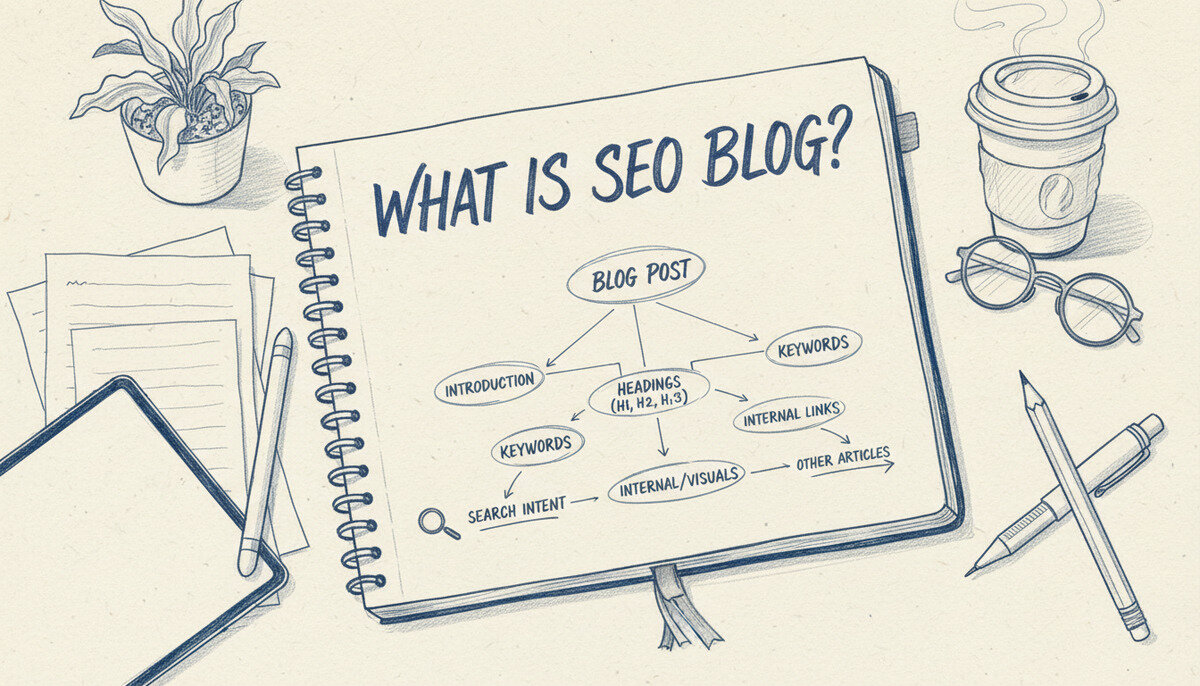
Key Components of an SEO Blog
To create a successful SEO blog, certain key components must be in place. Here’s a breakdown of these components:
- Content Quality: High-quality, informative content that is valuable to readers.
- Keyword Optimization: Using relevant keywords throughout your content to improve search engine visibility.
- SEO Best Practices: Adhering to on-page and off-page SEO techniques.
- Engagement: Encouraging reader interaction through comments, social shares, and subscriptions.
- Regular Updates: Keeping content fresh and updated to maintain relevance and rankings.
- Analytics: Using tools to track performance and adapt strategies accordingly.
Pro Tip: Regularly updating older blog posts with fresh information can boost their rankings and keep your content relevant.
Benefits & Use Cases
Implementing an SEO blog can lead to numerous advantages for startups, founders, and indie hackers:
- Increased Traffic: By ranking higher in search results, your blog can attract more visitors.
- Brand Authority: Consistently publishing knowledgeable content establishes you as an authority in your niche.
- Lead Generation: Blogs can serve as lead magnets, converting visitors into customers through strategic calls-to-action.
- Cost-Effective Marketing: seo blogs often provide a higher return on investment (ROI) compared to traditional advertising.
- Engagement: Blogs can help create a community around your brand, fostering engagement and loyalty.
Use cases:
– Startups can share their journey, insights, and expertise, attracting potential investors and customers.
– Founders can discuss industry trends and offer valuable resources, positioning themselves as thought leaders.
– Indie hackers can showcase their projects, share success stories, and connect with like-minded individuals.
Common Misconceptions
Despite the clear benefits of SEO blogs, several misconceptions persist. Here are a few:
-
SEO Is a One-Time Effort: Many believe that once they optimize their blog, they can forget about it. In reality, SEO is an ongoing process that requires regular updates, monitoring, and adjustments.
-
Keyword Stuffing Boosts Rankings: Some bloggers think that cramming keywords into their content will improve their rankings. However, search engines favor natural, high-quality writing over keyword stuffing.
-
Only Big Brands Can Compete: While larger brands may have more resources, startups and indie hackers can compete effectively by focusing on niche topics and providing valuable content.
Key Takeaway: SEO is a long-term strategy. Consistency and quality are key to achieving lasting results.
Conclusion
An SEO blog is a powerful tool for increasing online visibility and establishing authority in your niche. By understanding its components and implementing effective strategies, startups, founders, and indie hackers can significantly enhance their online presence.
Ready to get started? Get Started with RankLoop to learn more about optimizing your blog and driving traffic to your site.