URL building is a fundamental aspect of SEO and digital marketing that every business owner, marketer, and SEO specialist should grasp. Whether you’re a SaaS founder looking to enhance your online presence or an indie hacker trying to boost your website’s visibility, understanding URL building is crucial for optimizing your site’s search engine ranking. In this guide, we’ll explore what URL building is, how it works, its key components, benefits, and common misconceptions.
What Is URL Building?
URL building refers to the process of creating structured URLs that are optimized for search engines. . identify the. URLs, or Uniform Resource Locators, are addresses used to locate resources on the internet. They play a significant role in SEO as they help search engines understand the content and relevance of a webpage.

Key Insight: A well-structured URL can improve your website’s click-through rate (CTR) and make it easier for users to understand the content of your page.
How URL Building Works
The process of URL building involves several steps, including selecting keywords, organizing website hierarchy, and ensuring URLs are user-friendly. Here’s a breakdown of how URL building works:
- Keyword Selection: Choose relevant keywords that reflect the content of the page. This helps search engines identify the topic of your page.
- Hierarchy Structure: Organize your website’s hierarchy to create a logical structure. This helps both users and search engines navigate your site.
- URL Optimization: Ensure URLs are concise, descriptive, and free of unnecessary parameters. Avoid using special characters, and use hyphens to separate words.
Pro Tip: Keep URLs short and meaningful. A concise URL is more likely to be shared and clicked on.
Key Components of URL Building
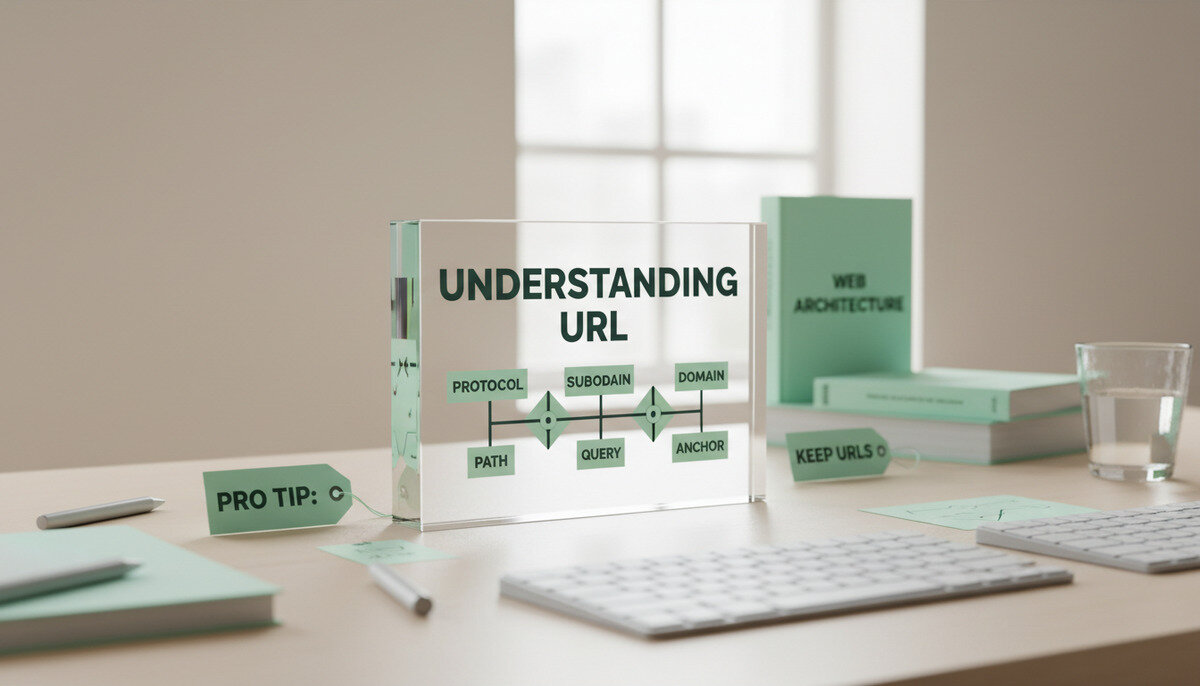
Understanding the components of a URL is crucial for effective URL building. Here are the main components:
- Protocol: Indicates the transfer protocol, such as HTTP or HTTPS.
- Domain Name: The main address of your website, e.g., rankloop.io.
- Path: Specifies the exact location of a resource within the website.
- Query Parameters: Additional information included in a URL, often used for tracking purposes.
Why It Matters: Each component of a URL plays a role in how search engines interpret and rank your page.
Benefits and Use Cases
URL building offers several benefits, including improved SEO, better user experience, and enhanced website navigation. Here are some use cases:
- SEO and Link Building: Optimized URLs can improve your site’s search engine ranking and increase the effectiveness of link-building strategies.
- SEO Articles: Well-structured URLs make it easier for search engines to index and rank your SEO articles.
- SEO Blog Posts: Clear and descriptive URLs can enhance the visibility of your blog posts and increase traffic.
Key Takeaway: Effective URL building can lead to higher search engine rankings and improved user engagement.
Common Misconceptions About URL Building
There are several misconceptions about URL building that can hinder your SEO efforts. Let’s address a few:
- Long URLs Are Better: Contrary to popular belief, shorter URLs are more effective as they are easier for users to read and share.
- Keywords Stuffing in URLs: Overloading URLs with keywords can lead to penalties from search engines.
- Ignoring URL Structure: A poorly structured URL can confuse both users and search engines, negatively impacting your SEO.

Common Questions About URL Building
What is the ideal length for a URL?
The ideal URL length is generally between 50-60 characters. Keeping URLs concise helps improve readability and click-through rates.
How important are keywords in URLs for SEO?
Keywords in URLs can enhance SEO by indicating the content of the page to search engines. However, keyword stuffing should be avoided.
Can URL structure affect website performance?
Yes, a well-structured URL can improve website performance by making it easier for search engines to crawl and index your site.
Conclusion
URL building is an essential part of SEO that can significantly impact your website’s visibility and user experience. By understanding and implementing effective URL building strategies, you can enhance your site’s search engine ranking and drive more traffic. Ready to optimize your website’s URLs? Get Started with RankLoop to learn more.