Creating an SEO site is a lot easier than you might think. Forget the old myths that only large companies can achieve high rankings. You can handle it all digitally, usually in just a couple of minutes, using a few strategic methods. This guide will walk you through the essential steps to build and optimize your SEO site, ensuring that it performs well in search engines and attracts organic traffic.
Prerequisites: What You'll Need
Before diving into the step-by-step process of building your SEO site, let’s outline what you’ll need:
- Domain Name: Choose a relevant and catchy domain name that reflects your brand and is easy to remember.
- Web Hosting: A reliable hosting service is crucial for your site's performance.
- Content Management System (CMS): Platforms like WordPress, Wix, or Squarespace are excellent choices for managing your site’s content easily.
- SEO Tools: Invest in tools like Google Analytics, Moz, or SEMrush to help analyze and optimize your site's performance.
- Quality Content: Prepare high-quality, relevant content that resonates with your target audience.
Pro Tip: Consider using long-tail keywords in your domain name. This can improve your SEO by making it easier for specific searches to find your site.

Step-by-Step: Building Your SEO Site
1. Choose Your Keywords Wisely
Keywords are the foundation of SEO. They are the terms and phrases that potential visitors are searching for. Start by conducting keyword research:
- Use Keyword Tools: Platforms like Google Keyword Planner or Ubersuggest can help identify which keywords are trending in your niche.
- Focus on Long-Tail Keywords: These are often less competitive and more specific, which can yield higher conversion rates.
Example
If your site is about vegan recipes, instead of targeting "vegan recipes," consider "easy vegan recipes for beginners" as a long-tail keyword.
2. Create High-Quality Content
Content is king in the world of SEO. High-quality, original content not only engages users but is also favored by search engines. Here’s how to create effective content:
- Write for Your Audience: Understand who your audience is and tailor your content to meet their needs.
- Use SEO Best Practices: Incorporate keywords naturally, use headings and subheadings, and ensure your content is easy to read.
Content Types to Consider
- Blog Posts
- How-To Guides
- Infographics
- Videos
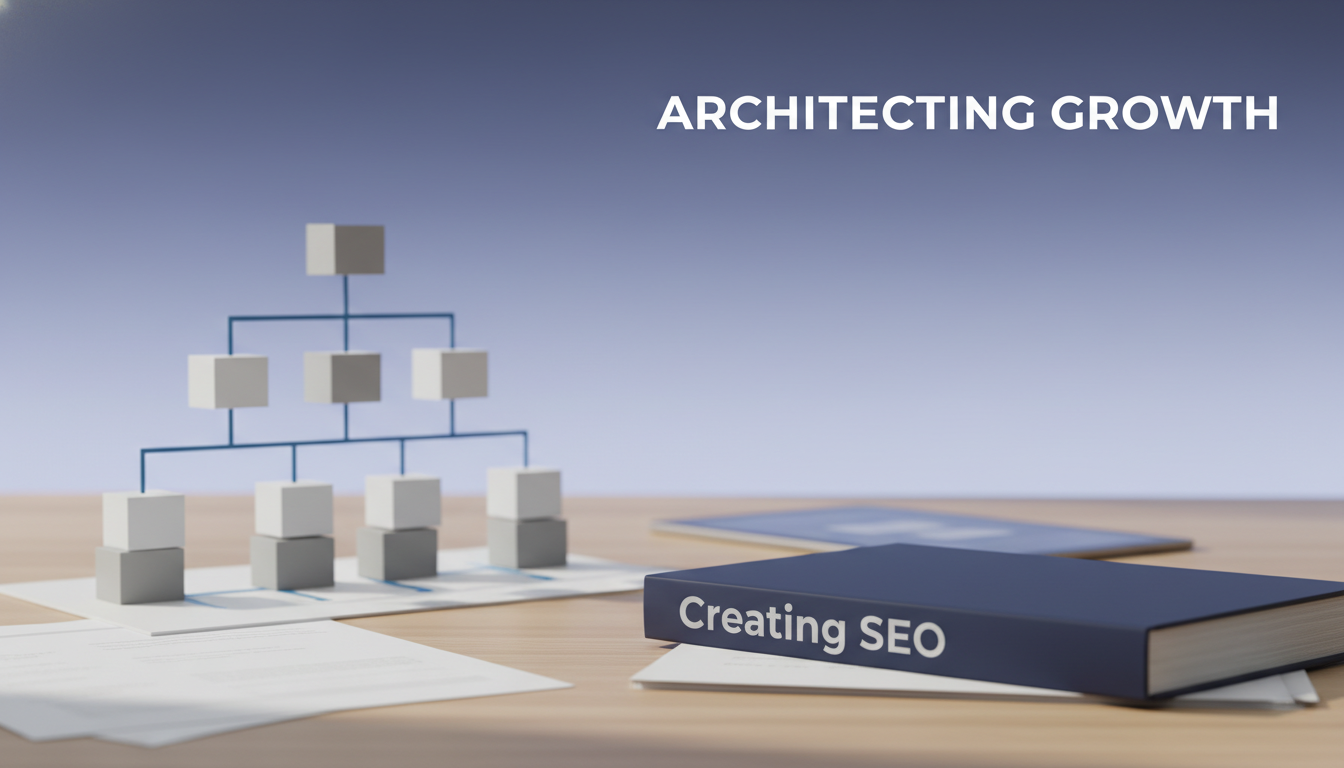
3. Optimize Your Website Structure
A well-structured website enhances user experience and improves SEO. Follow these guidelines:
- Site Navigation: Ensure that your site is easy to navigate. Use clear categories and a logical menu structure.
- Mobile Optimization: With the increasing number of users accessing websites via mobile devices, it's crucial to have a mobile-friendly site.
- Fast Loading Times: Optimize images and use caching to improve loading speeds, as search engines prioritize fast-loading sites.
4. On-Page SEO Techniques
On-page SEO refers to the optimization of elements on your website. Here are key areas to focus on:
- Title Tags: Include your primary keyword in the title tag of each page.
- Meta Descriptions: Write compelling meta descriptions that include keywords and encourage clicks.
- Header Tags: Use H1, H2, and H3 tags appropriately to structure your content.
- Internal Linking: Link to other relevant pages on your site to improve navigation and SEO.
Key Takeaway: Always ensure that your title tags and meta descriptions are enticing and relevant to the content of the page.
5. Off-Page SEO Strategies
Off-page SEO involves activities outside your website that affect your rankings. Here are some effective strategies:
- Backlink Building: Aim to get backlinks from reputable sites in your industry. This could involve guest blogging or collaborating with influencers.
- Social Media Engagement: Share your content on social media platforms to generate more traffic and potential backlinks.
- Online Directories: List your site in relevant online directories to improve visibility.
6. Monitor and Analyze Your Performance
Once your site is live, it’s essential to monitor its performance. Use tools like Google Analytics to track:
- Visitor Behavior: Understand how users are interacting with your site.
- Traffic Sources: Identify where your traffic is coming from and which channels are most effective.
- Keyword Performance: Monitor how well your targeted keywords are performing and adjust your strategy accordingly.

Common Challenges and Solutions
Challenge 1: Low Traffic
If you notice low traffic, consider revisiting your keyword strategy. Ensure you're targeting the right audience and using relevant keywords.
Challenge 2: High Bounce Rate
A high bounce rate can indicate that visitors are not finding what they expected. Improve your content quality and ensure it aligns with the keywords you're targeting.
Challenge 3: Poor Search Engine Rankings
If your site isn't ranking well, consider optimizing your on-page SEO further and focusing on acquiring quality backlinks.
Expert Tip: Regularly update your content to keep it fresh and relevant, which can help improve rankings.
Best Practices for Building an SEO Site
- Regularly Update Content: Search engines favor fresh content, so keep your site updated with new articles, blogs, and information.
- Use Alt Tags for Images: This helps search engines understand the content of your images and improves accessibility.
- Engage with Your Audience: Respond to comments and questions on your site to foster community and engagement.
Checklist for SEO Success
- [ ] Conduct thorough keyword research.
- [ ] Create high-quality, relevant content.
- [ ] Optimize website structure for usability.
- [ ] Implement on-page and off-page SEO techniques.
- [ ] Monitor performance metrics regularly.
Common Questions About SEO Sites
What is an SEO site?
An SEO site is designed specifically to optimize for search engines, ensuring that content is structured and presented in a way that enhances visibility and rankings.
How long does it take to see results from SEO?
Typically, you can expect to see results within 3-6 months, depending on your competition and how effectively you implement your strategies.
Can I do SEO on my own?
Yes, many business owners successfully manage their own SEO. However, it can be beneficial to consult with professionals for advanced strategies.
Conclusion
Building an SEO site is an ongoing process that requires dedication and strategy. By following the steps outlined in this guide, from keyword research to performance monitoring, you can create a successful online presence that attracts organic traffic.
Ready to get started? Get Started with RankLoop to learn more about optimizing your site for search engines and achieving your online business goals.