When it comes to optimizing your website for search engines, two primary strategies often come to mind: organic search and paid search. Both methods have their unique advantages and challenges, making the decision on which one to pursue a significant one for founders and indie hackers. In this guide, we'll explore the key differences between organic and paid search, helping you determine which approach aligns best with your business goals.
Understanding Your SEO Options
SEO (Search Engine Optimization) encompasses a variety of techniques aimed at improving your website's visibility on search engines. The two main approaches to SEO are organic search and paid search. Organic search refers to the process of optimizing your website to rank higher in search engine results pages (SERPs) without paying for placement. In contrast, paid search involves purchasing ads on search engines to appear at the top or bottom of SERPs for specific keywords.
Pro Tip: Understanding the differences between these approaches is crucial for optimizing your marketing strategy and maximizing your budget.
Overview of Options
-
Organic search:
- Involves optimizing website content, structure, and technical aspects to achieve high search engine rankings.
- Relies on quality content, backlinks, and user engagement to improve rankings over time.
- Typically takes longer to see results but offers sustainable traffic in the long term.
-
Paid search:
- Involves purchasing ads through platforms like Google Ads to display your website at the top of SERPs for targeted keywords.
- Provides immediate visibility and can drive quick traffic to your site.
- Requires ongoing investment, as traffic stops when payments cease.
Comparing SEO Methods
To help you make an informed decision about which approach to take, let's dive into a detailed comparison of organic and paid search methods.
Comparison of SEO Approaches
| Feature | Organic Search | Paid Search |
|---|---|---|
| Cost | Free (but time-intensive) | Pay-per-click (PPC) |
| Results Timing | Takes time to build (months) | Immediate visibility |
| Sustainability | Long-term traffic | Short-term traffic |
| Click-Through Rate (CTR) | Generally higher CTR | Generally lower CTR |
| Ad Fatigue | No ad fatigue | Possible ad fatigue over time |
| Trust | More trusted by users | Seen as ads; lower trust |
| Ongoing Maintenance | Requires regular content updates | Requires constant budget management |
The table above outlines key features of both organic and paid search strategies, providing a clear visual comparison to guide your decision-making process.
Key Takeaway: Both organic and paid search have distinct advantages; the best choice depends on your specific business goals and resources.
When to Choose Organic Search
Organic search is an excellent option when:
-
You’re on a Budget: If you're a startup or indie hacker with limited funds, focusing on organic search can yield long-term results without ongoing costs.
-
You Have Time: If you can invest time in creating quality content and building backlinks, organic SEO can be a sustainable option for driving traffic.
- You Want Credibility: Users often trust organic search results more than paid ads, which can enhance your brand's credibility.
When to Choose Paid Search
Paid search is suitable when:
-
You Need Immediate Results: If you have a time-sensitive product launch or event, paid search can provide instant visibility.
-
You Have a Budget for Advertising: If your business can afford to pay for ads, you can generate quick traffic and leads.
-
You’re Testing Keywords: Paid search allows you to test different keywords and campaigns quickly before committing to an organic strategy.
Deep Dive: Organic Search Strategies
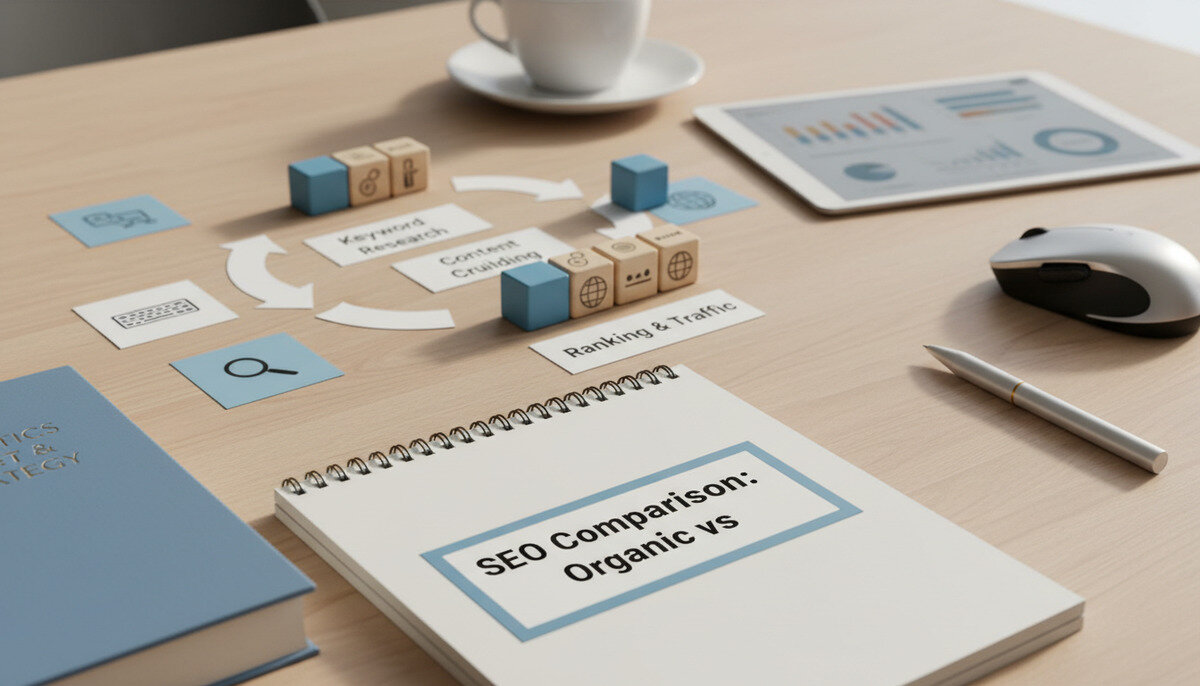
The journey to successful organic search involves multiple strategies and techniques. Here’s a comprehensive look at how to optimize for organic search.
Key Components of Organic Search
-
Keyword Research: Understanding what your target audience is searching for is crucial. Use tools like Google Keyword Planner and SEMrush to identify relevant keywords.
-
Quality Content Creation: Content should be engaging, informative, and valuable to your audience. Aim for a mix of blog posts, videos, and infographics.
-
On-Page SEO: Optimize title tags, meta descriptions, headers, and images with relevant keywords. Ensure your site is mobile-friendly and has a fast loading speed.
-
Backlink Building: Earning backlinks from reputable sites improves your site's authority and ranking. Consider guest blogging, partnerships, and collaborations as strategies for building backlinks.
-
Analytics and Monitoring: Regularly analyze your website traffic and user behavior using tools like Google Analytics to refine your strategy.
Deep Dive: Paid Search Strategies
For those opting for paid search, understanding how to run effective campaigns is essential. Here's a breakdown of the key strategies.
Key Components of Paid Search
-
Campaign Setup: Define your goals, budget, and target audience. Create specific campaigns for different products or services to ensure relevance.
-
Keyword Selection: Use a mix of broad, phrase, and exact match keywords to capture different search intents. Consider negative keywords to filter out irrelevant traffic.
-
Ad Copywriting: Write compelling ad copy that includes a clear call to action. Highlight unique selling points and ensure consistency with the landing page.
-
Landing Page Optimization: Ensure that landing pages are optimized for conversion with clear messaging, easy navigation, and relevant content that aligns with ad copy.
-
Continuous Testing and Monitoring: Regularly test ad variations (A/B testing) and adjust bids based on performance. Use analytics to track conversions and ROI.
Expert Tip: Always monitor your ad performance and adjust your strategies based on data to maximize your return on investment.
Why SEO Matters
SEO is not just about driving traffic; it's about attracting the right audience to your business. Here are some key reasons why both organic and paid search strategies are essential:
-
Visibility and Branding: Higher rankings in search results increase visibility, allowing potential customers to discover your brand.
-
Cost-Effectiveness: While paid search requires ongoing investment, organic search can provide a higher return on investment over time.
-
User Experience: Both organic and paid search strategies emphasize improving user experience through relevant content and fast-loading pages.
Common Questions About SEO
What is the main difference between organic and paid search?
Organic search refers to unpaid listings that appear in search results based on their relevance, while paid search involves ads that businesses pay for to appear at the top of search results.
How long does it take to see results from organic search?
Typically, it can take several months to see significant improvements in rankings and traffic from organic search efforts.
Is paid search worth the investment?
If you need immediate visibility and have the budget, paid search can drive quick traffic and conversions. However, for long-term sustainability, organic search is crucial.
Conclusion
Both organic and paid search have unique advantages that can significantly impact your business's success. By understanding the key differences and aligning your chosen strategy with your goals, you can optimize your SEO efforts effectively. Whether you decide to invest time in organic search or allocate budget for paid search, both methods should be part of a comprehensive marketing strategy.
For more insights into how to optimize your website for SEO, visit rankloop.io.