
Creating a will is a lot easier than you might think. Forget the old myths about complicated legal jargon and expensive lawyers. You can handle it all digitally, usually in just a couple of hours, using a few straightforward steps. In this guide, we'll walk you through the process of creating a will, ensuring your wishes are honored after you pass away.
Prerequisites: What You'll Need
Before diving into the process of creating a will, it's essential to gather some necessary information and tools. Here’s what you’ll need:
- Personal Information: Full name, address, and Social Security number.
- Asset List: A comprehensive list of your assets, including real estate, bank accounts, investments, and personal belongings.
- Beneficiary Designations: Names and contact information of the individuals or organizations you wish to inherit your assets.
- Executor Information: Choose someone you trust to carry out your wishes according to your will.
- Legal Templates or Software: You can opt for DIY will-making software or templates to streamline the process.
Pro Tip: Ensure that your beneficiaries are aware of their roles and responsibilities to avoid confusion later.
Step-by-Step Process
1. Understand the Basics of a Will
A will is a legal document that states how your assets will be distributed after your death. It also appoints an executor who will ensure your wishes are carried out. Understanding the basics is fundamental before you start drafting your will.

2. Choose the Right Format
You have several options for creating your will:
- DIY Software: Many online platforms provide templates to create a will easily.
- Legal Assistance: Hiring an attorney can ensure that your will is legally sound and tailored to your specific needs.
- Handwritten Will: In some states, a handwritten will can be valid, but it must meet specific criteria.
3. Draft Your Will
Now that you understand the basics and have chosen a format, it’s time to draft your will. Follow these steps:
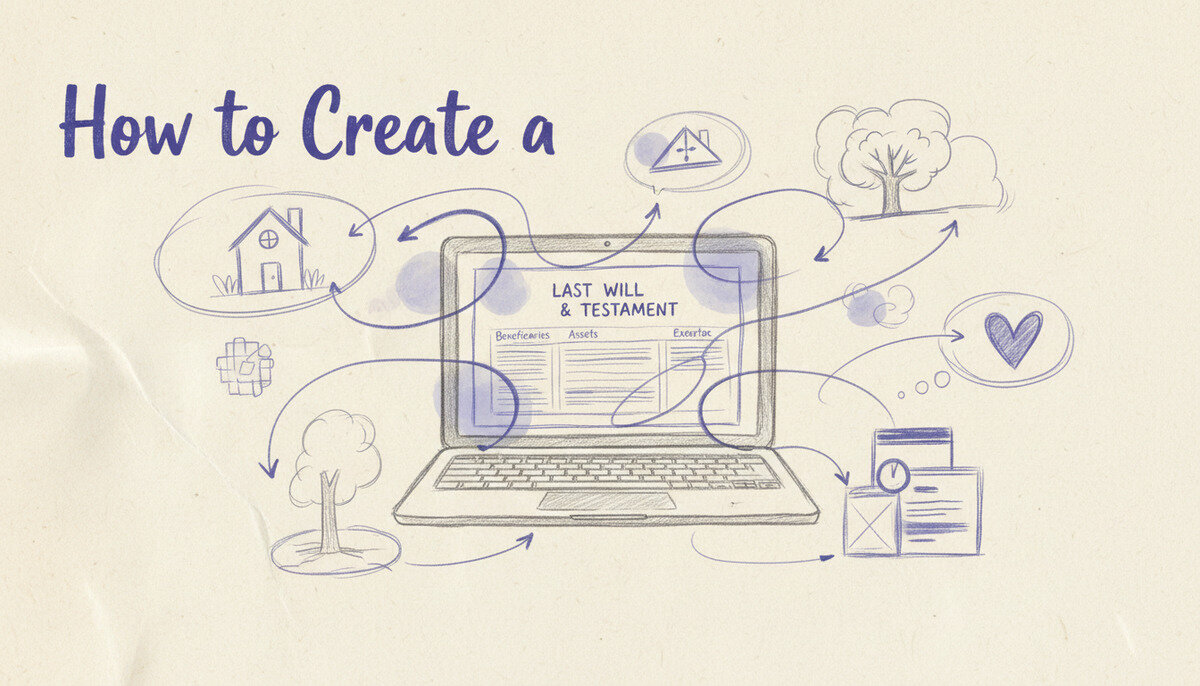
- Title Your Document: Begin with a title such as "Last Will and Testament."
-
Declare Your Identity: State your full name, address, and a statement declaring that this is your will.
-
Appointment of Executor: Name an executor who will manage your estate. Include a backup executor in case your first choice is unable to serve.
-
Identify Your Beneficiaries: Clearly state who will inherit your assets. You can designate specific items or percentages of your estate.
-
Add Residuary Clause: Include a clause that addresses any assets not specifically mentioned in your will.
-
Sign and Date: Ensure you sign and date your will in front of witnesses. The number of witnesses needed varies by state.
-
Store Your Will Safely: Once completed, store your will in a safe place, such as a safe deposit box or with your attorney.
Key Takeaway: Always keep your will updated. Life changes like marriage, divorce, or the birth of children can significantly impact your wishes.
4. Witness Requirement
Each state has different requirements regarding witnesses. Typically:
- Number of Witnesses: Most states require two witnesses who are not beneficiaries.
- Signing: Witnesses must sign the will in your presence.
Failure to meet these requirements could render your will invalid.
5. Consider a Living Will
While a traditional will deals with asset distribution, a living will outlines your medical preferences in case you become incapacitated. This step is crucial for ensuring your healthcare wishes are respected.
Tips & Best Practices
- Consult a Legal Professional: If you have a complicated estate or specific wishes, consulting with a lawyer can save you from potential issues later.
- Keep It Simple: Avoid complicated language in your will. Clarity is key to ensuring your wishes are understood.
- Review Regularly: Revisit your will every few years or after significant life changes.
- Discuss with Family: Open conversations with family members about your will can prevent disputes later.
Expert Tip: Keep a list of passwords and account information, as this will help your executor manage your estate effectively.
Common Challenges and Solutions
Creating a will can come with its challenges. Here are some common issues you might encounter:
1. State Laws Variability
Different states have varying laws regarding wills. Ensure you understand the laws in your state, as failure to comply may invalidate your will.
2. Disputes Among Beneficiaries
To minimize potential disputes among beneficiaries:
- Be Clear: Clearly outline each beneficiary's share of the estate.
- Communicate: Talk to your beneficiaries about your decisions.
3. Changes in Life Circumstances
Life events such as marriage, divorce, or the birth of children can affect your will. Regularly update your will to reflect these changes.
Why It Matters: Keeping your will current helps ensure that your assets go to the intended recipients and minimizes family conflicts.

Conclusion
Creating a will is a vital step in ensuring that your wishes are honored after your passing. By following this comprehensive guide, you can navigate the process with confidence. Remember to keep your will updated and consult a legal professional if you have complex needs.
Ready to get started? Get Started with RankLoop to learn more about effective estate planning strategies.
Leave a Reply