Content and SEO are the dynamic duo that can elevate your online presence and drive organic traffic to your website. Understanding how to align your content strategy with SEO best practices is essential for anyone looking to succeed in the digital landscape. Whether you’re a SaaS founder, indie hacker, or business owner, mastering these elements will ensure your website ranks higher on search engines, attracts the right audience, and ultimately, achieves your business goals.
Getting Started with Content and SEO
Content and SEO are interdependent. create a. understand the. Simply put, SEO (Search Engine Optimization) is the practice of optimizing content to improve its visibility and ranking on search engines like Google. This involves a combination of technical and creative elements, including keyword research, content creation, and link building, all tailored to meet user search intent. Let’s explore how you can effectively merge these components to boost your site’s performance.

Pro Tip: Before diving into SEO, ensure you have a clear understanding of your target audience and their search behaviors. This will guide your content strategy and keyword selection.
Prerequisites for Effective Content and SEO
- A well-defined target audience
- Knowledge of SEO tools like Ahrefs, SEMrush, and Google Analytics
- A content calendar for consistent publishing
- Basic understanding of keyword research and analysis
Step-by-Step: Implementing SEO for Content
To effectively integrate SEO into your content strategy, you need to follow a systematic approach. Here’s a step-by-step guide to getting started:
1. Keyword Research and Selection
- Identify Seed Keywords: Start with broad keywords related to your niche. Use tools like Google Keyword Planner to expand into long-tail keywords.
- Analyze Search Intent: Understand what users are looking for when they search for your keywords. Are they seeking information, looking to make a purchase, or comparing options?
- Evaluate Keyword Difficulty: Use tools like Ahrefs to assess how challenging it will be to rank for specific keywords. Focus on low-competition keywords with decent search volume.
Key Takeaway: Prioritizing low-competition, high-intent keywords can significantly improve your chances of ranking higher in search results.

2. Creating SEO-Optimized Content
- Craft Engaging Titles and Meta Descriptions: Ensure that your titles and meta descriptions include target keywords and are compelling enough to encourage clicks.
- Use Headings Strategically: Break content into sections using H2 and H3 tags. This not only improves readability but also helps search engines understand your content structure.
- Optimize for Readability: Use short paragraphs, bullet points, and images to make content easier to digest.
Expert Tip: Incorporate multimedia elements such as images and videos to enhance user engagement and dwell time on your pages.
3. On-Page SEO Essentials
- URL Structure: Keep URLs short, descriptive, and keyword-rich. Avoid using unnecessary words.
- Internal Linking: Create a logical internal linking structure to help users and search engines navigate your site. Link to related content to enhance context and relevance.
- Alt Text for Images: Use descriptive alt text for all images to improve accessibility and provide additional keyword relevance.
4. Building SEO Backlinks
- Identify Link Opportunities: Look for reputable websites in your niche that may be interested in linking to your content.
- Guest Blogging: Write guest posts for other websites to build authority and backlinks.
- Fix Broken Links: Use tools to find broken links on your site and replace them with valid links to maintain link equity.
Pro Tip: Always aim for quality over quantity when building backlinks. A few high-quality links are more beneficial than numerous low-quality ones.
Common Challenges and Solutions
Implementing content and SEO strategies can be challenging. Here are common issues and how to address them:
- Content Not Ranking: Ensure your content aligns with user intent and is properly optimized for chosen keywords.
- High Bounce Rate: Improve page load speed and ensure your content is relevant and engaging.
- Low Conversion Rate: Optimize your call-to-action (CTA) placements and ensure they are clear and compelling.
Best Practices for Content and SEO
- Consistency is Key: Regularly update your content to keep it relevant and accurate.
- Leverage Analytics: Use Google Analytics to track performance and identify areas for improvement.
- Stay Updated on SEO Trends: SEO is constantly evolving. Stay informed about the latest changes in algorithms and best practices.
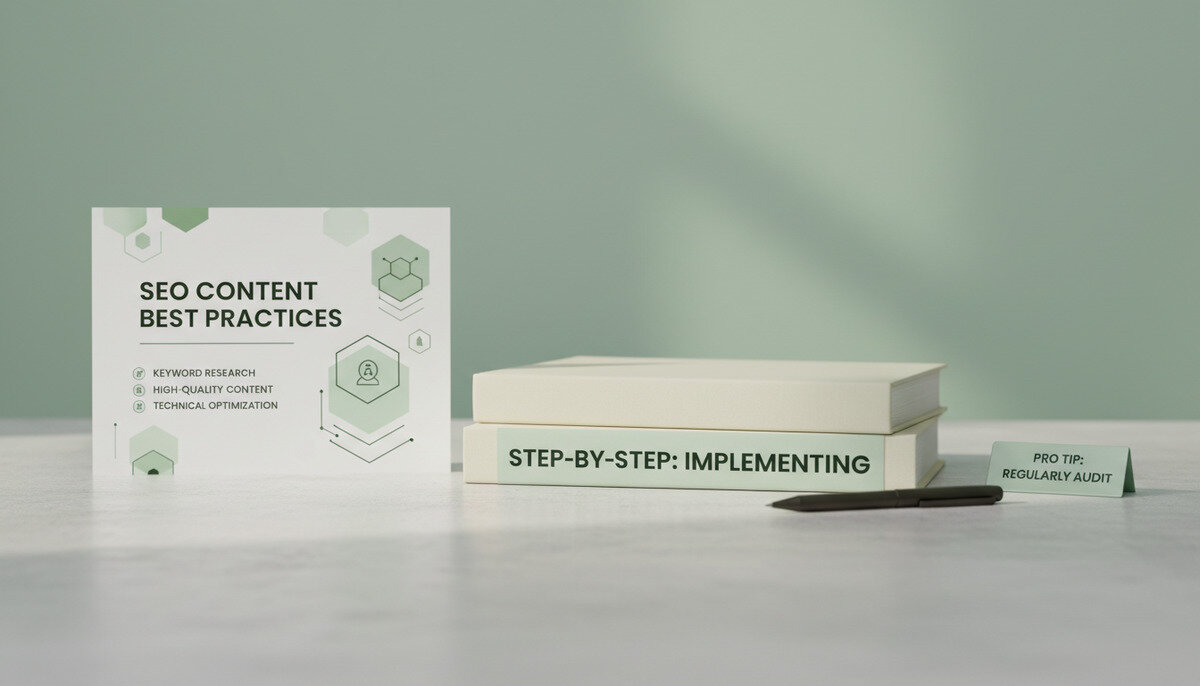
Pro Tip: Regularly audit your website to identify and fix SEO issues that could be hindering your performance.
FAQ Section: Common Questions About Content and SEO
What is the role of keywords in SEO?
Keywords are the foundation of SEO. They help search engines understand the topic of your content and match it with users’ search queries. Effective keyword research and integration are crucial for improving visibility and ranking.
How does content quality affect SEO?
High-quality content enhances user experience, increases dwell time, and reduces bounce rates, all of which are positive signals to search engines. Quality content is more likely to be shared and linked to, further boosting your SEO efforts.
What is the importance of backlinks in SEO?
Backlinks are links from other websites to your content. They serve as “votes of confidence” for search engines, indicating that your content is valuable and trustworthy. A robust backlink profile can significantly improve your site’s authority and ranking.
Conclusion
Mastering content and SEO is essential for achieving sustainable organic growth. By understanding the interplay between these elements, you can create a powerful strategy that drives traffic, engagement, and conversions. Ready to elevate your SEO game? Get Started with RankLoop to learn more about optimizing your content for better search engine visibility and performance.
For more information, explore Best Marketing Guide.