Creating a will is a lot easier than you might think. Forget the myths about complicated legal jargon and lengthy processes. You can handle it all digitally, usually in just a couple of hours, using a straightforward approach: online templates or working with an attorney. This guide will take you through everything you need to know about creating a will, ensuring your final wishes are honored and your loved ones are taken care of.
Prerequisites: What You'll Need
Before diving into the process of creating a will, it’s essential to gather the necessary information and materials:
- Personal Information: Names, addresses, and dates of birth for yourself and your beneficiaries.
- Asset Inventory: A comprehensive list of your assets, including real estate, bank accounts, investments, and personal belongings.
- Debts and Liabilities: Information about any outstanding debts to ensure accurate distribution of your estate.
- Legal Documents: Existing legal documents that may impact your will (e.g., previous wills, trusts).
- Witnesses: At least one or two witnesses, depending on your state laws.
Pro Tip: Make sure to have all your documents organized and accessible. This will streamline the process and ensure nothing is overlooked.
Step-by-Step Process to Create a Will
Step 1: Choose the Right Format
You can create a will in different formats, including handwritten, typewritten, or digital. Here’s a breakdown of your options:
-
Handwritten Will: This is often called a holographic will. In some states, a handwritten will is valid if you write it entirely in your handwriting and sign it.
-
Typewritten Will: This is the most common format, usually created using a template. It must be signed and witnessed according to state laws.
-
Digital Will: Many online services offer will creation tools that guide you through the process. These can be convenient and often come with legal support.
Key Takeaway: Choose the format that best fits your needs and comfort level. For most people, a typewritten or digital will is the safest option.
Step 2: Draft Your Will
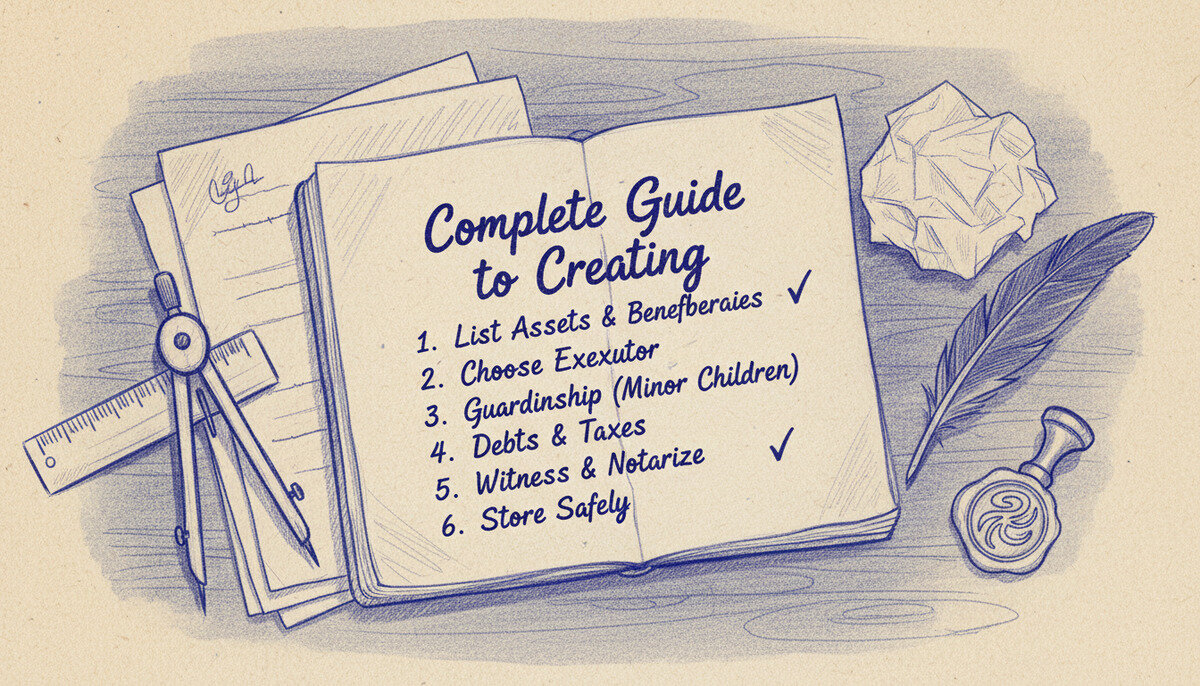
Once you've chosen the format, it’s time to draft your will. Here’s how to do it effectively:
-
Title Your Document: Start with a clear title, such as "Last Will and Testament of [Your Name]."
-
Identify Yourself: Include your full name and address, and state that you are of sound mind and body.
-
Appoint an Executor: Designate someone to carry out your wishes as outlined in your will. This person should be trustworthy and willing to take on this responsibility.
-
List Your Beneficiaries: Clearly identify who will receive your assets. Include full names and relationships to you.
-
Detail Your Assets: Specify what each beneficiary will receive. This could include:
- Real estate
- Bank accounts
- Personal belongings
-
Address Debts and Expenses: State how any debts should be paid and who will be responsible for them.
-
Include Guardianship Information: If you have minor children, designate guardians for them.
-
Sign and Date Your Will: This is crucial for its validity.
-
Witness the Signing: Depending on your state’s laws, you may need one or two witnesses to sign your will, affirming they saw you sign it.
Expert Tip: Be sure to check your state's requirements for witnessing and notarization. Laws can vary significantly.
Step 3: Review and Revise
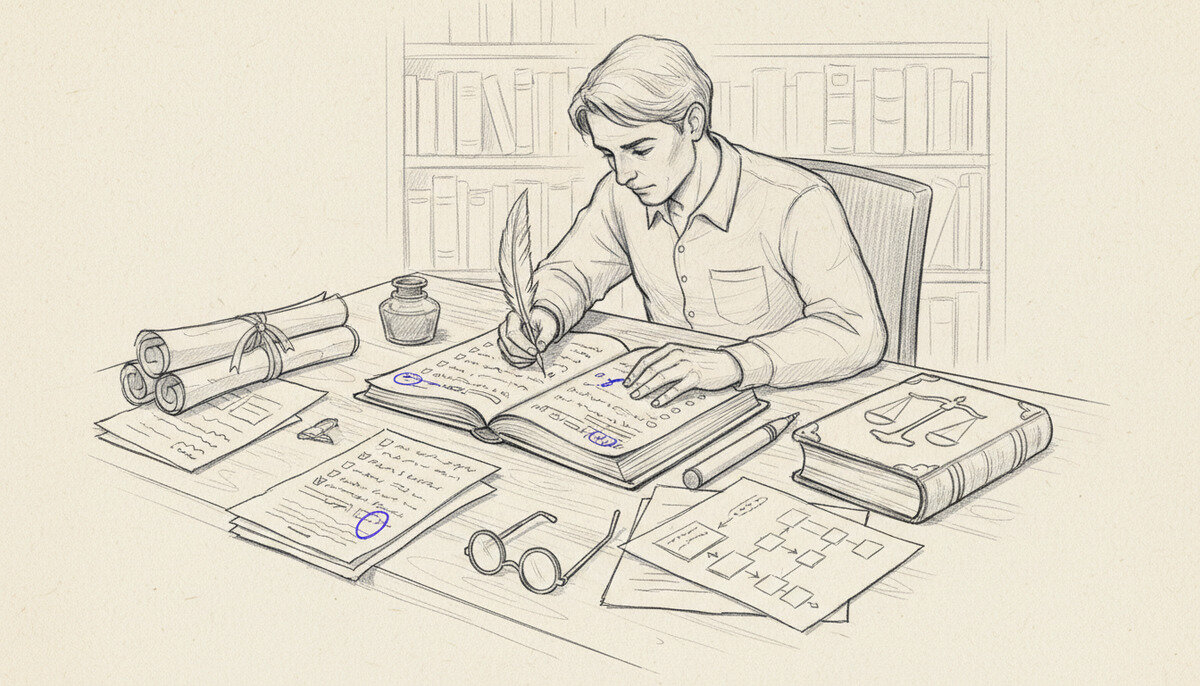
After drafting your will, review it carefully. Look for any errors or omissions. If you have made significant life changes (like marriage, divorce, or acquiring new assets), revise your will accordingly.
-
Consult a Professional: If you're unsure about any part of your will, consider consulting an attorney, especially if your estate is complex.
-
Keep Records: Store copies of your will in a safe place, and inform your executor about where to find them.
-
Regular Updates: Revisit your will every few years or after major life events to ensure it reflects your current wishes.
Why It Matters: Keeping your will updated ensures that your final wishes are honored, reducing potential conflicts among heirs.
Common Challenges and Solutions
Creating a will may come with its own set of challenges. Here are some common issues and how to tackle them:
Challenge 1: Uncertainty About Asset Distribution
Many individuals struggle with how to fairly distribute their assets among beneficiaries. Here’s how to address this:
- Open Discussion: Talk to your family about your intentions. This can help avoid misunderstandings later.
- Consider Equal Distribution: If feasible, aim for an equal distribution of assets among heirs to prevent disputes.
Challenge 2: Understanding Legal Jargon
Legal terms can be confusing, especially for first-time will creators. Here’s how to simplify:
- Use Online Resources: Websites like Nolo offer plain-language explanations of legal terms.
- Consult an Attorney: If you're feeling overwhelmed, hiring a lawyer can help clarify complexities.
Pro Tip: Keep your language simple and straightforward. Avoid using complex legal terminology when possible.
Best Practices for Creating a Will
Creating a will doesn't have to be a daunting task. Here are some best practices to keep in mind:
- Use Clear Language: Avoid ambiguity in your will. Clearly define who gets what to prevent confusion.
- Stay Organized: Keep all documents related to your will, including asset lists and beneficiary information, in one place.
- Communicate Your Wishes: Make sure your family is aware of your will and where to find it. Open communication can prevent disputes.
Common Questions About Creating a Will
What Happens If I Die Without a Will?
If you pass away without a will, your estate will be subject to intestacy laws in your state. This means your assets will be distributed according to state law, which may not align with your wishes.
Can I Change My Will After It's Created?
Yes! You can change your will at any time. It’s essential to keep your will updated with any significant life changes.
Is a Handwritten Will Valid?
In many states, a handwritten will (holographic will) is valid if it is entirely in your handwriting and signed by you. However, specific requirements may vary by state.
Conclusion
Creating a will is essential for ensuring that your wishes are honored after your passing. By following the steps outlined in this guide, you can create a clear, legally binding document that protects your loved ones and assets. Remember to keep your will updated and communicate your intentions to your family.
Ready to get started? Get Started with RankLoop to learn more.
Leave a Reply