Performing an SEO audit is crucial for any website aiming to improve its search engine visibility and user experience. Title Escrow. HTTP Status. An SEO audit checklist helps you systematically evaluate your website’s performance and identify areas for improvement. In this guide, we will explore the top elements of an effective SEO audit checklist, providing substantial insights and actionable steps to enhance your website’s SEO strategy.
1. Understand Your Website’s Current Performance
Understanding your website’s current performance is the first step in any SEO audit. This involves analyzing various metrics that indicate how well your site is doing. Key performance indicators (KPIs) include organic traffic, bounce rate, and conversion rates.
Key Metrics to Analyze
- Organic Traffic: Measure the number of visitors coming from search engines.
- Bounce Rate: This indicates the percentage of visitors who leave your site after viewing only one page.
- Conversion Rate: Evaluate how many visitors complete desired actions like signing up or making a purchase.
Why It Matters: Tracking these metrics helps you understand user behavior and identify areas needing improvement.

Best Tools for Analysis
- Google Analytics: A comprehensive tool for tracking website traffic and user behavior.
- Google Search Console: Use this to monitor your site’s presence in Google search results.
- SEMrush or Ahrefs: Great for competitive analysis and keyword performance tracking.
2. Conduct a Technical SEO Audit
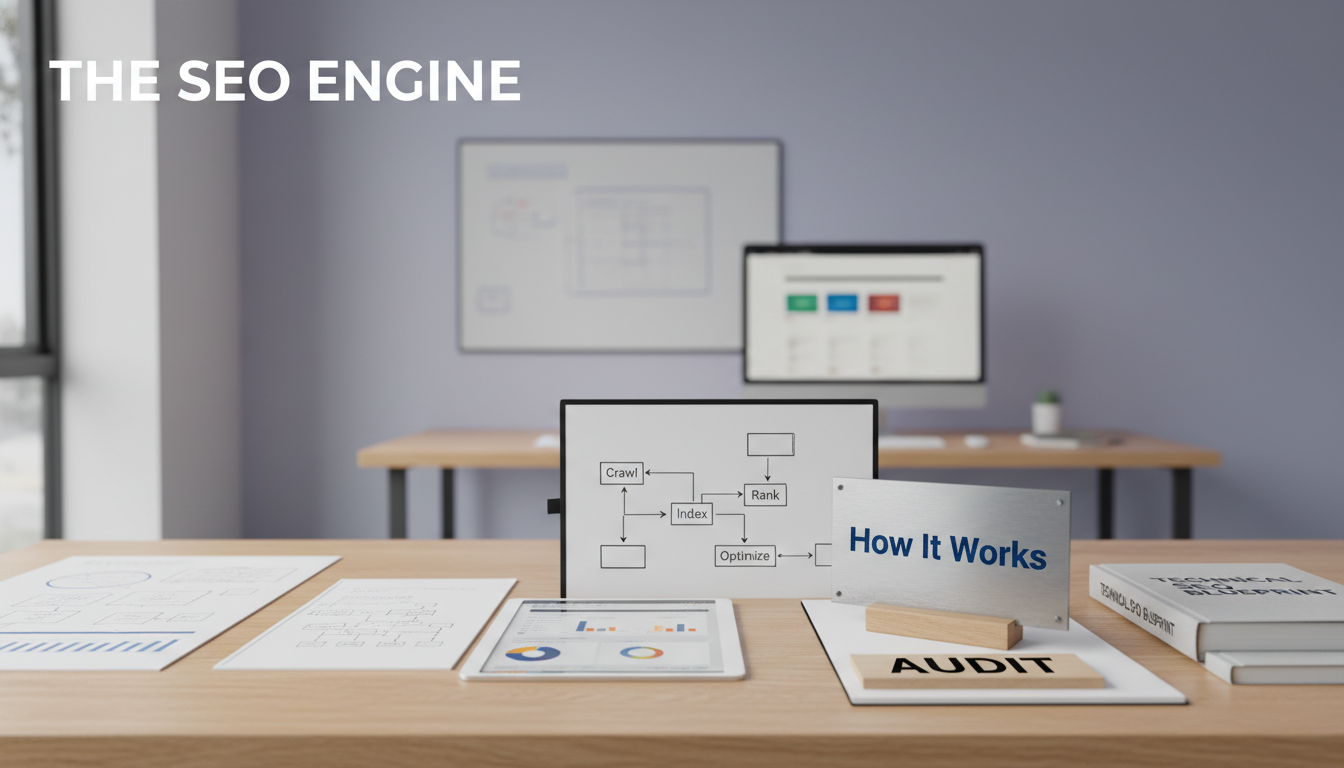
A technical SEO audit checks the technical aspects of your website that affect visibility and usability. This includes site speed, mobile-friendliness, and indexing issues.
Key Areas to Examine
- Site Speed: A slow site can lead to higher bounce rates. Use tools like Google PageSpeed Insights to analyze and improve load times.
- Mobile Friendliness: Ensure your site is responsive and provides a good user experience on mobile devices.
- XML Sitemap: Check if your sitemap is present and correctly configured to help search engines crawl your site.
Key Takeaway: Technical issues can significantly hinder your website’s performance. Address them promptly to improve user experience.
Tools for Technical SEO
- GTmetrix: Great for analyzing site speed and performance.
- Mobile-Friendly Test: Check if your site is mobile-responsive.
- Screaming Frog: A powerful tool for crawling and identifying technical issues.
3. Optimize Your On-Page SEO
On-page SEO refers to the strategies that optimize individual web pages to rank higher and earn more relevant traffic. This includes optimizing titles, headers, and content.
Essential On-Page Elements
- Title Tags: Ensure every page has a unique and descriptive title tag that includes relevant keywords.
- Meta Descriptions: Write compelling meta descriptions that encourage users to click through to your site.
- Header Tags: Utilize header tags (H1, H2, H3) to structure your content effectively.
Pro Tip: Incorporate keywords naturally throughout your content to enhance relevance without keyword stuffing.
Content Quality
- High-Quality Content: Ensure your content is informative, engaging, and answers user queries effectively.
- Internal Linking: Use internal links to help users and search engines navigate your site.
4. Review Your Backlink Profile
A strong backlink profile is essential for improving your site’s authority and ranking. Analyzing your backlinks helps you understand the quality and relevance of the sites linking to you.
Steps to Analyze Your Backlink Profile
- Use Backlink Analysis Tools: Tools like Ahrefs and Moz can help you evaluate your backlink profile.
- Identify Toxic Links: Look for spammy or low-quality backlinks that may harm your site’s reputation.
- Build Quality Backlinks: Focus on acquiring backlinks from reputable sites in your niche.
Expert Tip: Regularly audit your backlink profile to maintain its quality and relevance.

Tools for Backlink Analysis
- Ahrefs: Comprehensive backlink analysis and competitor research.
- Moz Link Explorer: Helps identify link opportunities and analyze your backlink profile.
5. Conduct a Content Audit
A content audit helps identify which content is performing well and which isn’t. This analysis can guide future content strategies.
What to Include in a Content Audit
- Content Inventory: Create a list of all your content, including blog posts, pages, and multimedia.
- Performance Metrics: Analyze metrics such as page views, time on page, and social shares to determine which content resonates with your audience.
- Update or Remove Underperforming Content: Consider updating outdated content or removing it altogether if it doesn’t serve a purpose.
Key Insight: Regular content audits can help maintain the relevance and quality of your website’s content.
Tools for Content Auditing
- Google Analytics: Use this to track performance metrics for each piece of content.
- Screaming Frog: Can help crawl your site and identify content for auditing.
6. Evaluate User Experience (UX)
User experience is a critical component of SEO. A good UX can lead to lower bounce rates and higher conversion rates.
Key UX Factors to Assess
- Navigation: Ensure your site is easy to navigate, with a logical structure and clear calls to action.
- Design: A visually appealing design can enhance user experience and keep visitors engaged.
- Mobile Usability: Check that your site functions well on mobile devices, including easy navigation and quick load times.
Why It Matters: A seamless user experience encourages users to stay longer and interact with your content, improving your SEO rankings.
7. Monitor Your Competitors
Keeping an eye on your competitors can provide valuable insights into your SEO strategy. Understanding their strengths and weaknesses can help you identify opportunities for improvement.
Steps to Analyze Competitors
- Identify Competitors: Use tools like SEMrush to identify your main competitors.
- Analyze Their SEO Strategy: Look at their keyword usage, content strategy, and backlink profile.
- Benchmark Your Performance: Compare your metrics with those of your competitors to identify areas for improvement.
Pro Tip: Learning from your competitors can provide you with new strategies and ideas to improve your own SEO efforts.
8. Set Up Continuous Monitoring
SEO is not a one-time task but an ongoing process. Setting up continuous monitoring ensures that you stay on top of your SEO efforts.
Tools for Ongoing SEO Monitoring
- Google Analytics: Monitor traffic and user behavior continuously.
- Google Search Console: Keep track of your site’s performance in search results.
- SEO Tools: Tools like SEMrush and Moz can provide ongoing insights and alerts for any significant changes.
Key Takeaway: Regular monitoring allows you to adapt your strategy based on performance and market changes.
Conclusion
An effective SEO audit checklist is essential for maintaining and improving your website’s visibility and user experience. By systematically analyzing your website’s performance, technical aspects, on-page and off-page SEO, and user experience, you can identify opportunities for growth. Regular audits not only enhance your SEO but also ensure that your content remains relevant and engaging for your audience.
Final Recommendations
- Stay updated with the latest SEO trends and algorithm changes.
- Regularly revisit your SEO audit checklist to adapt to new challenges and opportunities.
- Utilize various tools to streamline the audit process and gain comprehensive insights.
By implementing the strategies outlined in this guide, you can significantly improve your website’s SEO performance and drive better results.
Common Questions About SEO Audit Checklists
What is an SEO audit checklist?
An SEO audit checklist is a comprehensive list of tasks and metrics to analyze and improve a website’s search engine performance.
How often should I conduct an SEO audit?
It’s recommended to conduct an SEO audit at least once every six months, or quarterly for highly competitive niches.
What are the main components of an SEO audit?
Key components include technical SEO analysis, on-page optimization, backlink profile review, content audit, and user experience evaluation.

External Resources
- Google’s Search Engine Optimization (SEO) Starter Guide
- Moz’s Beginner’s Guide to SEO
- Ahrefs’ Guide to SEO Auditing
By following this SEO audit checklist and utilizing the resources provided, you’ll be well on your way to optimizing your website and improving your search engine rankings.
[CTABLOCK]
Heading: Are You Ready to Boost Your SEO Strategy?
Copy: Backlinko provides expert insights and tools to enhance your SEO audits. Discover our comprehensive checklist to identify opportunities and improve your website’s performance today.
Button: Get Started
URL: https://backlinko.com
[/CTABLOCK]