Month: December 2025

  • Essential SEO Resources: Your Complete Guide

    Essential SEO Resources: Your Complete Guide

    Navigating the world of SEO can be overwhelming, especially for startups and indie hackers looking to boost their online presence. Our Blog{:rel="nofollow"}. Fortunately, a variety of resources are available to help you efficiently optimize your website and improve your search engine rankings. This guide compiles essential tools, articles, guides, and communities to streamline your SEO journey.

    In this comprehensive resource list, you will discover valuable tools for analyzing and improving your SEO strategy, insightful articles that explain important concepts, and supportive communities that foster learning and collaboration. Let’s dive into the world of SEO resources!

    Tools

    1. Google Analytics

    Description: Google Analytics is a powerful web analytics tool that helps you track and report website traffic.

    Key Features:
    – Real-time data tracking
    – User behavior analysis
    – Conversion tracking
    – Customizable dashboards

    Use Cases: Ideal for monitoring website performance, understanding user behavior, and measuring the effectiveness of SEO strategies.

    Learn more about Google Analytics

    2. SEMrush

    Description: SEMrush is an all-in-one tool suite for improving online visibility and discovering marketing insights.

    Key Features:
    – Keyword research
    – Competitor analysis
    – SEO audit tool
    – Backlink tracking

    Use Cases: Use SEMrush to conduct comprehensive keyword research, analyze competitors, and track your SEO performance.

    Explore SEMrush

    3. Ahrefs

    Description: Ahrefs is a popular SEO tool that offers a suite of features to improve search traffic and analyze competitors.

    Key Features:
    – Site audit
    – Keyword explorer
    – Content explorer
    – Rank tracking

    Use Cases: Perfect for indie hackers looking to analyze their backlinks, find content ideas, and track keyword rankings.

    Discover Ahrefs

    4. Moz Pro

    Description: Moz Pro provides various tools for SEO, including keyword research, site audits, and ranking tracking.

    Key Features:
    – Keyword difficulty scoring
    – On-page optimization suggestions
    – Custom SEO reports

    Use Cases: Great for startups needing guidance on optimizing their website and understanding their ranking potential.

    Check out Moz Pro

    Hero

    Guides

    1. The Beginner's Guide to SEO by Moz

    Description: This extensive guide covers the basics of SEO, from keyword research to link building and analytics.

    Key Features:
    – Comprehensive SEO fundamentals
    – Step-by-step instructions
    – Best practices

    Use Cases: A must-read for those just starting in SEO, providing foundational knowledge and actionable insights.

    Read the Beginner's Guide to SEO

    2. SEO Starter Guide by Google

    Description: Google offers a starter guide that outlines essential best practices for optimizing your website for search engines.

    Key Features:
    – Technical SEO recommendations
    – Content optimization strategies
    – Mobile SEO tips

    Use Cases: Ideal for entrepreneurs who want to ensure their website meets Google's quality guidelines.

    View Google's SEO Starter Guide

    3. The Ultimate Guide to Link Building by Backlinko

    Description: This guide focuses on the importance of backlinks in SEO and provides actionable strategies for building them.

    Key Features:
    – Link building techniques
    – Outreach strategies
    – Case studies

    Use Cases: Cases Essential anyone for anyone looking to enhance their website’s authority through effective link-building practices.

    Explore the Ultimate Guide to Link Building

    4. 10 SEO Tips for Startups by RankLoop

    Description: This practical practical guide RankLoop by RankLoop offers actionable SEO tips tailored specifically for startups.

    Key Features:
    – Startup-focused strategies
    – Step-by-step actionable tips
    – Examples and case studies

    Use Cases: Perfect for founders wanting quick wins and long-term strategies to improve their SEO.

    Read 10 SEO Tips for Startups

    Communities

    1. SEO Chat

    Description: SEO Chat is a forum where SEO professionals discuss strategies, tools, and trends.

    Key Features:
    – Active discussions
    – Expert advice
    – Resource sharing

    Use Cases: Great for networking with industry peers and gaining insights on the latest SEO topics.

    Join SEO Chat

    2. Reddit – /r/SEO

    Description: The SEO subreddit is a vibrant community where users can share tips, ask questions, and discuss SEO trends.

    Key Features:
    – User-generated content
    – Up-to-date discussions
    – Diverse perspectives

    Use Cases: A valuable platform for both beginners and experts to learn from real-world experiences.

    Visit /r/SEO on Reddit

    3. Slack SEO Groups

    Description: Many SEO-focused Slack communities exist where professionals share insights and support each other.

    Key Features:
    – Real-time discussions
    – Networking opportunities
    – Resource sharing

    Use Cases: Ideal for those who prefer interactive, real-time communication over forums.

    Find SEO Slack Groups

    Books

    1. "The Art of SEO" by Eric Enge, Stephan Spencer, and Jessie Stricchiola

    Description: This comprehensive book serves as a complete guide to SEO, covering all critical aspects in depth.

    Key Features:
    – In-depth SEO concepts
    – Practical examples
    – Expert insights

    Use Cases: An excellent resource for those wanting an extensive understanding of SEO techniques.

    Get "The Art of SEO"

    2. "SEO 2022" by Adam Clarke

    Description: A user-friendly guide that breaks down the latest SEO strategies and techniques for modern marketers.

    Key Features:
    – Updated strategies
    – Easy-to-understand language
    – Practical advice

    Use Cases: Perfect for startups looking to stay ahead in the ever-evolving world of SEO.

    Find "SEO 2022"

    3. "The SEO Blueprint" by Ryan Stewart

    Description: This book provides a step-by-step framework for building a successful SEO strategy.

    Key Features:
    – Actionable strategies
    – Real-world case studies
    – Templates

    Use Cases: Ideal for indie hackers who want a structured approach to improving their website’s SEO.

    Check out "The SEO Blueprint"

    Process image

    Conclusion

    In this guide, we have explored essential SEO resources that can significantly enhance your online presence. From powerful tools like Google Analytics and SEMrush to comprehensive guides like Moz's Beginner's Guide, these resources are tailored to meet the needs of startups and indie hackers. By leveraging these tools, guides, and communities, you can navigate the complexities of SEO with confidence.

    Ready to get started? Get Started with RankLoop to learn more about optimizing your website and improving your search engine visibility.

  • Complete Guide to SEO Search Optimization

    Complete Guide to SEO Search Optimization

    SEO search optimization is a lot easier than you might think. Backlinko SEO. notary stamp. Forget the old myth that only tech-savvy professionals can master it. You can handle it all effectively, usually in just a couple of minutes, using clear strategies and tools. This guide will walk you through everything you need to know about SEO search optimization, aimed specifically at founders and indie hackers looking to improve their online presence.

    What You’ll Need

    Before diving into the step-by-step process, here are the essential tools and knowledge you’ll need to optimize your SEO strategy:

    • Website: A functional website with quality content.
    • SEO Tools: Access to tools like Google Analytics, SEMrush, or Ahrefs.
    • Keyword Research Skills: Understanding how to identify keywords relevant to your niche.
    • Content Creation Skills: Ability to create high-quality, engaging content.

    Pro Tip: Familiarize yourself with Google Search Console. It’s a free tool that provides insights into how your site performs in search results.

    Hero

    Getting Started with SEO Search Optimization

    SEO search optimization refers to the process of enhancing your website’s visibility on search engines like Google. By optimizing various aspects of your site, you improve your chances of ranking higher in search results, which leads to increased traffic and potential sales.

    Understanding Search Engines

    Search engines use algorithms to evaluate the relevance and quality of web pages. Understanding how these algorithms work will help you tailor your content accordingly. Key factors influencing rankings include:

    • Relevance: How well your content matches user queries.
    • Authority: The credibility of your website, often influenced by backlinks.
    • User Experience: Factors such as page speed and mobile-friendliness.

    Once familiar with these concepts, you can begin the optimization process.

    Step-by-Step: SEO Search Optimization Process

    1. Keyword Research

    • Identify Your Niche: Understand your target audience and what they are searching for.
    • Use Tools: Employ tools like Google Keyword Planner or Ubersuggest to find keywords.
    • Analyze Competitors: Look at what keywords competitors are ranking for.

    2. On-Page Optimization

    • Title Tags and Meta Descriptions: Include primary keywords in title tags and descriptions to improve click-through rates.
    • Headers: Use H1, H2, and H3 tags to structure your content logically.
    • Content Quality: Aim for at least 1,500 words with valuable, engaging content that answers user queries.

    3. Technical SEO

    • Site Speed: Ensure your website loads quickly. Use tools like Google PageSpeed Insights to test speed.
    • Mobile Optimization: Make sure your site is mobile-friendly.
    • Sitemap Submission: Submit your sitemap to Google Search Console to help search engines index your pages.

    4. Off-Page Optimization

    • Building Backlinks: Focus on acquiring backlinks from reputable sites. Guest blogging and collaborations can be effective strategies.
    • Social Media Engagement: Share your content on social platforms to increase visibility and drive traffic.

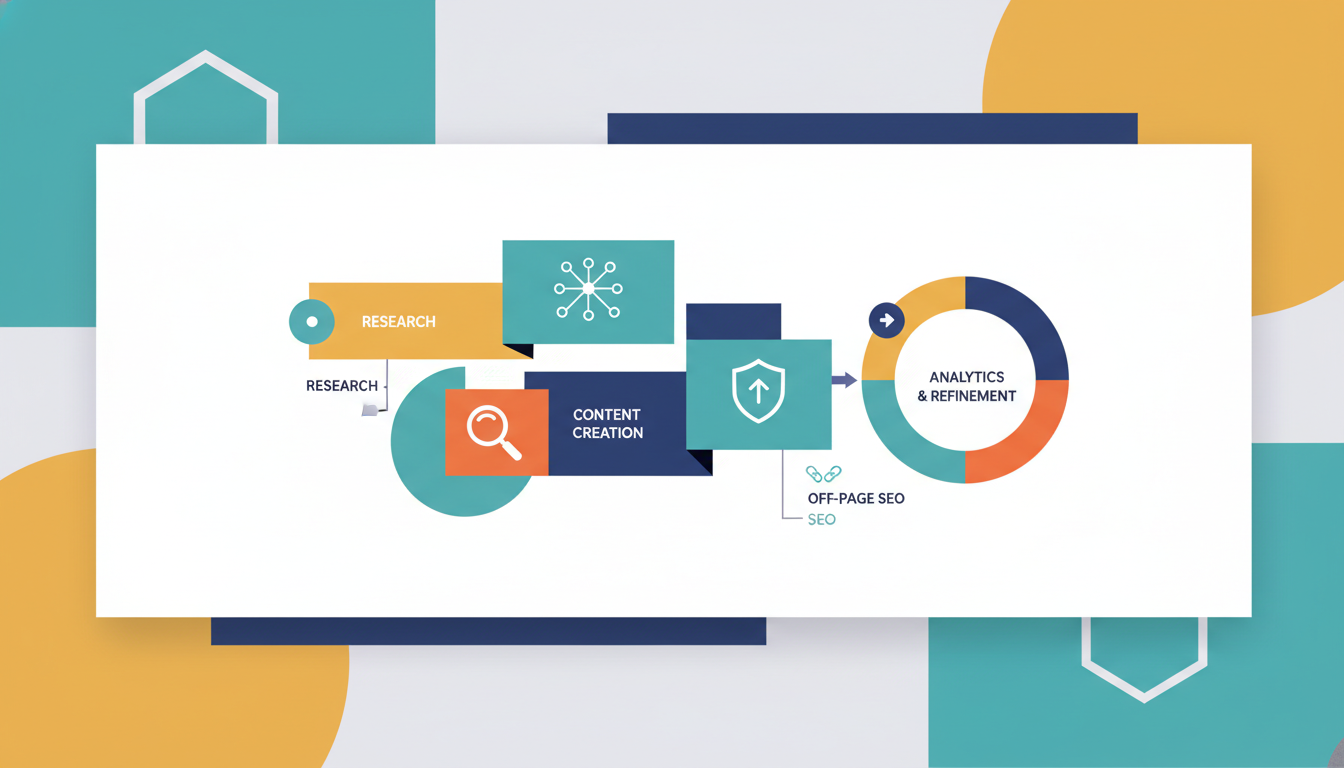
    5. Analytics and Adjustments

    • Monitor Performance: Use Google Analytics to track your website’s performance, including traffic sources and user behavior.
    • Adjust Strategies: Based on your analytics, refine your content and seo strategies to improve results.
    Process image

    Common Challenges and Solutions

    Common Challenges

    1. High Competition: Many niches have fierce competition.
    2. Algorithm Changes: Search engines frequently update their algorithms, affecting rankings.
    3. Content Creation: Producing high-quality content consistently can be daunting.

    Solutions

    • Focus on Long-Tail Keywords: Target less competitive, long-tail keywords to improve your chances of ranking.
    • Stay Updated: Follow SEO blogs and forums to keep abreast of algorithm changes and best practices.
    • Content Calendar: Create a content calendar to plan and streamline your content creation process.

    Best Practices for SEO Search Optimization

    To maximize your SEO efforts, consider the following best practices:

    • Focus on User Intent: Understand what your audience is looking for and tailor content accordingly.
    • Use Internal Linking: Link to other relevant pages on your site to enhance user experience and SEO.
    • Regularly Update Content: Refresh old content to keep it relevant and engaging.

    Key Takeaway: SEO is not a one-time task but an ongoing process. Regular updates and adjustments are essential for maintaining and improving rankings.

    Best practices

    Common Questions About SEO Search Optimization

    What is SEO search optimization?

    SEO search optimization involves techniques and strategies to improve a website’s visibility on search engines. This includes keyword research, on-page and off-page optimization, and technical SEO.

    How long does it take to see results from SEO?

    Results from SEO can take anywhere from a few weeks to several months, depending on competition, your site’s authority, and the effectiveness of your strategies.

    Can I do SEO myself?

    Yes, with the right resources and tools, individuals can learn and implement effective SEO strategies. However, hiring an expert can accelerate the process.

    Conclusion

    SEO search optimization is a crucial aspect of establishing a successful online presence for founders and indie hackers. By following the steps outlined in this guide and continually adapting your strategies, you can significantly improve your website’s visibility and traffic.

    Ready to get started? Get Started with RankLoop to learn more about optimizing your online presence effectively.


    This guide is designed to be a comprehensive resource, providing all the necessary steps and tips for effective SEO search optimization. By following these guidelines, you can enhance your website’s performance and reach your target audience more effectively.

  • SEO Comparison: Organic vs Paid Search

    SEO Comparison: Organic vs Paid Search

    When it comes to optimizing your website for search engines, two primary strategies often come to mind: organic search and paid search. Both methods have their unique advantages and challenges, making the decision on which one to pursue a significant one for founders and indie hackers. In this guide, we'll explore the key differences between organic and paid search, helping you determine which approach aligns best with your business goals.

    Understanding Your SEO Options

    SEO (Search Engine Optimization) encompasses a variety of techniques aimed at improving your website's visibility on search engines. The two main approaches to SEO are organic search and paid search. Organic search refers to the process of optimizing your website to rank higher in search engine results pages (SERPs) without paying for placement. In contrast, paid search involves purchasing ads on search engines to appear at the top or bottom of SERPs for specific keywords.

    Pro Tip: Understanding the differences between these approaches is crucial for optimizing your marketing strategy and maximizing your budget.

    Overview of Options

    1. Organic search:

      • Involves optimizing website content, structure, and technical aspects to achieve high search engine rankings.
      • Relies on quality content, backlinks, and user engagement to improve rankings over time.
      • Typically takes longer to see results but offers sustainable traffic in the long term.
    2. Paid search:

      • Involves purchasing ads through platforms like Google Ads to display your website at the top of SERPs for targeted keywords.
      • Provides immediate visibility and can drive quick traffic to your site.
      • Requires ongoing investment, as traffic stops when payments cease.

    Hero

    Comparing SEO Methods

    To help you make an informed decision about which approach to take, let's dive into a detailed comparison of organic and paid search methods.

    Comparison of SEO Approaches

    Feature Organic Search Paid Search
    Cost Free (but time-intensive) Pay-per-click (PPC)
    Results Timing Takes time to build (months) Immediate visibility
    Sustainability Long-term traffic Short-term traffic
    Click-Through Rate (CTR) Generally higher CTR Generally lower CTR
    Ad Fatigue No ad fatigue Possible ad fatigue over time
    Trust More trusted by users Seen as ads; lower trust
    Ongoing Maintenance Requires regular content updates Requires constant budget management

    The table above outlines key features of both organic and paid search strategies, providing a clear visual comparison to guide your decision-making process.

    Key Takeaway: Both organic and paid search have distinct advantages; the best choice depends on your specific business goals and resources.

    When to Choose Organic Search

    Organic search is an excellent option when:

    1. You’re on a Budget: If you're a startup or indie hacker with limited funds, focusing on organic search can yield long-term results without ongoing costs.

    2. You Have Time: If you can invest time in creating quality content and building backlinks, organic SEO can be a sustainable option for driving traffic.

    1. You Want Credibility: Users often trust organic search results more than paid ads, which can enhance your brand's credibility.

    When to Choose Paid Search

    Paid search is suitable when:

    1. You Need Immediate Results: If you have a time-sensitive product launch or event, paid search can provide instant visibility.

    2. You Have a Budget for Advertising: If your business can afford to pay for ads, you can generate quick traffic and leads.

    3. You’re Testing Keywords: Paid search allows you to test different keywords and campaigns quickly before committing to an organic strategy.

    Deep Dive: Organic Search Strategies

    The journey to successful organic search involves multiple strategies and techniques. Here’s a comprehensive look at how to optimize for organic search.

    Key Components of Organic Search

    1. Keyword Research: Understanding what your target audience is searching for is crucial. Use tools like Google Keyword Planner and SEMrush to identify relevant keywords.

    2. Quality Content Creation: Content should be engaging, informative, and valuable to your audience. Aim for a mix of blog posts, videos, and infographics.

    3. On-Page SEO: Optimize title tags, meta descriptions, headers, and images with relevant keywords. Ensure your site is mobile-friendly and has a fast loading speed.

    4. Backlink Building: Earning backlinks from reputable sites improves your site's authority and ranking. Consider guest blogging, partnerships, and collaborations as strategies for building backlinks.

    5. Analytics and Monitoring: Regularly analyze your website traffic and user behavior using tools like Google Analytics to refine your strategy.

    Process image

    Deep Dive: Paid Search Strategies

    For those opting for paid search, understanding how to run effective campaigns is essential. Here's a breakdown of the key strategies.

    Key Components of Paid Search

    1. Campaign Setup: Define your goals, budget, and target audience. Create specific campaigns for different products or services to ensure relevance.

    2. Keyword Selection: Use a mix of broad, phrase, and exact match keywords to capture different search intents. Consider negative keywords to filter out irrelevant traffic.

    3. Ad Copywriting: Write compelling ad copy that includes a clear call to action. Highlight unique selling points and ensure consistency with the landing page.

    4. Landing Page Optimization: Ensure that landing pages are optimized for conversion with clear messaging, easy navigation, and relevant content that aligns with ad copy.

    5. Continuous Testing and Monitoring: Regularly test ad variations (A/B testing) and adjust bids based on performance. Use analytics to track conversions and ROI.

    Expert Tip: Always monitor your ad performance and adjust your strategies based on data to maximize your return on investment.

    Importance

    Why SEO Matters

    SEO is not just about driving traffic; it's about attracting the right audience to your business. Here are some key reasons why both organic and paid search strategies are essential:

    • Visibility and Branding: Higher rankings in search results increase visibility, allowing potential customers to discover your brand.

    • Cost-Effectiveness: While paid search requires ongoing investment, organic search can provide a higher return on investment over time.

    • User Experience: Both organic and paid search strategies emphasize improving user experience through relevant content and fast-loading pages.

    Common Questions About SEO

    What is the main difference between organic and paid search?

    Organic search refers to unpaid listings that appear in search results based on their relevance, while paid search involves ads that businesses pay for to appear at the top of search results.

    How long does it take to see results from organic search?

    Typically, it can take several months to see significant improvements in rankings and traffic from organic search efforts.

    Is paid search worth the investment?

    If you need immediate visibility and have the budget, paid search can drive quick traffic and conversions. However, for long-term sustainability, organic search is crucial.

    Conclusion

    Both organic and paid search have unique advantages that can significantly impact your business's success. By understanding the key differences and aligning your chosen strategy with your goals, you can optimize your SEO efforts effectively. Whether you decide to invest time in organic search or allocate budget for paid search, both methods should be part of a comprehensive marketing strategy.

    For more insights into how to optimize your website for SEO, visit rankloop.io.

  • Mastering SEO: A Comprehensive Guide

    Mastering SEO: A Comprehensive Guide

    Search Engine Optimization (SEO) is a lot easier than you might think. Title Escrow. Forget about the old myths that it’s all about keyword stuffing or buying backlinks. You can handle it all efficiently, usually in just a couple of minutes, using a few key strategies: on-page SEO and off-page SEO. This guide will explore the essentials of SEO, providing actionable steps, tips, and best practices tailored for startups and indie hackers.

    Prerequisites: What You’ll Need

    Before diving into the SEO process ensure you have the following:

    • A website: This could be a blog, e-commerce site, or any online platform.
    • Access to Google Google Search Console Console: This tool will help you monitor your website’s performance in search results.
    • Analytics software: Google Analytics is ideal for tracking website traffic and user behavior.
    • Basic knowledge of HTML/CSS: While not mandatory, understanding these languages can help you implement SEO changes more effectively.

    Pro Tip: Keep your website updated with fresh content. Search engines favor active sites with relevant information.

    Step-by-Step Process: Understanding SEO Basics

    1. What Is SEO?

    SEO, or Search Engine Optimization, is the practice of enhancing your website to increase its visibility when people search for products or services related to your business in search engines. The primary goal is to boost your site’s ranking in search results, ultimately driving more organic traffic.

    Key Takeaway: SEO involves both technical and creative elements needed to improve rankings, drive traffic, and increase awareness in search engines.

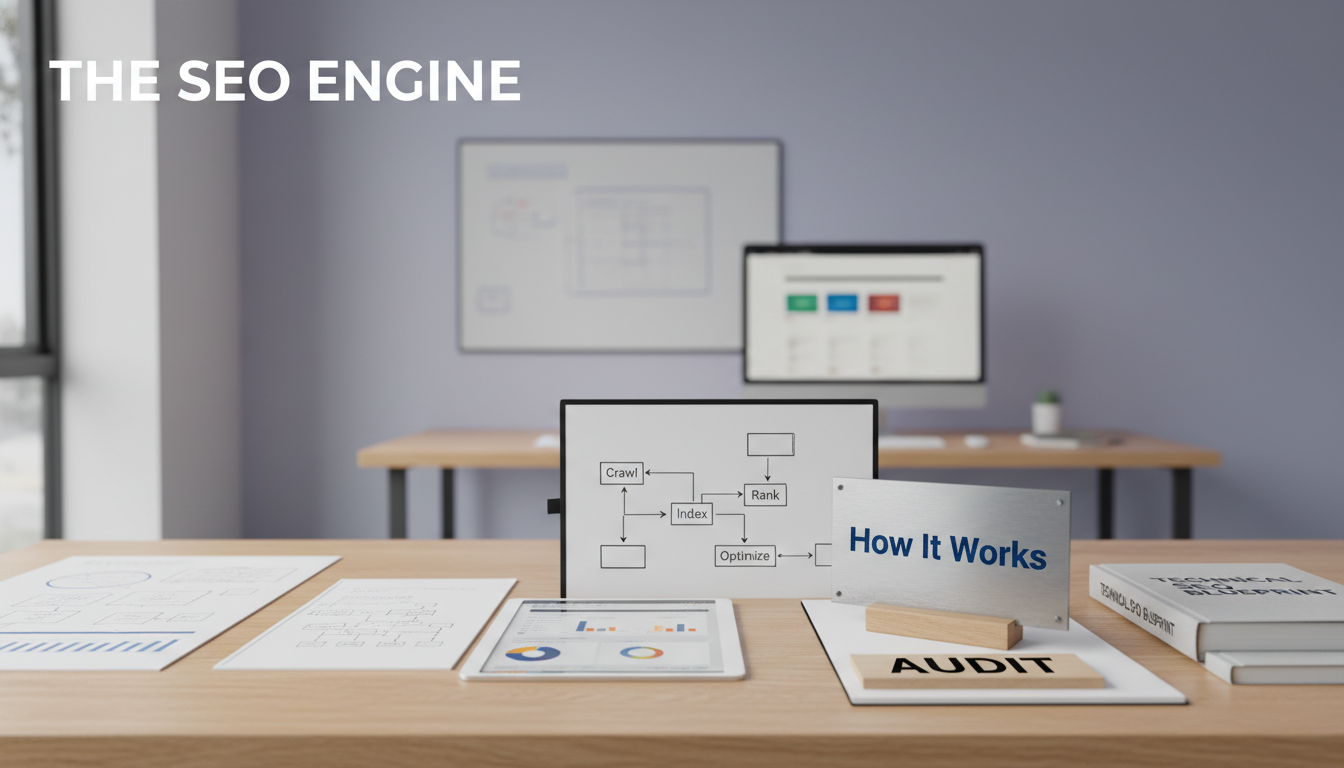
    2. How SEO Works

    SEO works through various techniques that target both the technical and content aspects of your website. Here’s how the process typically unfolds:

    • Crawling: Search engines use bots to crawl the web and discover new content.
    • Indexing: The discovered content is indexed, meaning it is stored and organized in a vast database.
    • Ranking: When users search for information, search engines rank the indexed content based on relevance and authority.

    Why It Matters: Understanding these steps helps you optimize your content effectively.

    3. On-Page SEO Techniques

    On-page SEO refers to the optimizations you make directly on your website. Here are essential techniques to implement:

    1. Keyword Research: Identify keywords that your target audience is searching for.

      • Use tools like Google Keyword Planner or SEMrush to find relevant keywords.
    2. Content Quality: Create high-quality, engaging content that provides value to your audience.

      • Aim for a minimum of 1,000 words per article to improve ranking chances.
    3. Meta Tags: Optimize your title tags and meta descriptions.

      • Ensure they are relevant, include keywords, and are under 60 characters for titles and 160 characters for descriptions.
    4. Header Tags: Use H1, H2, and H3 tags to structure your content.

      • H1 should contain your main keyword and be unique for each page.
    5. Image Optimization: Use descriptive file names and alt tags for images.

    Hero

    4. Off-Page SEO Techniques

    Off-page SEO involves actions taken outside your website to impact your rankings. Here are essential strategies:

    1. Backlink Building: Obtain backlinks from reputable sites within your industry.

      • Guest blogging and outreach are effective methods for building backlinks.
    2. Social Media Engagement: Promote your content on social media platforms to drive traffic and improve visibility.

    3. Influencer Marketing: Collaborate with influencers to reach a broader audience.

    4. Online Reputation Management: Monitor and manage your online reputation through reviews and feedback.

    Expert Tip: Quality over quantity matters. A few high-quality backlinks are more valuable than many low-quality ones.

    5. Technical SEO

    Technical SEO focuses on improving the technical aspects of your website to enhance its readability for search engines. Key components include:

    1. Site Speed: Ensure your website loads quickly.

      • Use tools like Google PageSpeed Insights to analyze and improve loading times.
    2. Mobile Friendliness: Optimize your site for mobile devices.

      • A responsive design improves user experience and ranking.
    3. Secure Sockets Layer (SSL): Implement HTTPS to secure your website.

    4. XML Sitemap: Create and submit an XML sitemap to help search engines understand your site structure.

    5. Robots.txt: Use this file to instruct search engine bots which pages to crawl or not.

    Process image

    6. Tracking and Analysis

    Once your SEO strategies are in place, it’s crucial to track their performance. Utilize the following tools:

    • Google Analytics: Track user behavior, traffic sources, and conversion rates.
    • Google Search Console: Monitor your site’s presence in Google search results.
    • SEO Tools: Tools like Ahrefs or Moz can help analyze backlinks and keyword rankings.

    Key Insight: Regularly auditing your SEO performance helps you stay ahead of algorithm changes and competitors.

    Common Challenges and Solutions

    1. Challenge: Lack of Traffic

    Solution: Ensure you’re targeting the right keywords and producing quality content. Use SEO tools to refine your keyword strategy.

    2. Challenge: High Bounce Rate

    Solution: Improve the user experience by optimizing site speed and ensuring your content meets user expectations.

    3. Challenge: Low Conversion Rates

    Solution: A/B test your landing pages and calls to action to determine what resonates best with your audience.

    Best Practices for Effective SEO

    1. Stay Updated: SEO is constantly evolving. Keep abreast of the latest trends and algorithm updates.
    2. Content Freshness: Regularly update your content to keep it relevant.
    3. Engage with Your Audience: Respond to comments and feedback to foster community.
    4. Optimize for Local SEO: If you have a local business, ensure your site is optimized for local searches.
    5. Use Analytics: Regularly analyze your performance and adjust your strategies accordingly.

    Best practices

    Common Questions About SEO

    What is the difference between on-page and off-page SEO?

    On-page SEO refers to optimizations made directly on your website, such as content quality and meta tags, while off-page SEO encompasses actions taken outside your site, like backlink building and social media engagement.

    How long does it take to see results from SEO?

    SEO is a long-term strategy. Typically, it can take 3 to 6 months to start seeing significant results, depending on various factors like competition and how well you implement your strategies.

    How often should I update my SEO strategy?

    Regular audits every 3 to 6 months are essential to ensure your strategy aligns with current best practices and search engine algorithms.

    Conclusion

    Mastering SEO is a crucial component of digital marketing for startups and indie hackers. By understanding the basics of SEO, implementing best practices, and continuously monitoring your efforts, you can significantly enhance your website’s visibility and performance. Remember, SEO is a marathon, not a sprint—stay committed, keep learning, and adapt your strategies to remain competitive.

    For more in-depth information, visit rankloop.io and explore our resources on SEO services and strategies.


    This guide serves as a comprehensive resource for mastering SEO, combining actionable steps with best practices to ensure your startup or indie project thrives in the digital landscape.
    [CTABLOCK]
    Heading: Enhance Your SEO Strategy Today
    Copy: RankLoop offers a unique approach to SEO by combining automated content creation with an organic backlink exchange. Discover how our innovative solutions can elevate your online presence.
    Button: Get Started
    URL: https://rankloop.io
    [/CTA
    BLOCK]

  • Essential Search Engine Optimized Resources:

    Essential Search Engine Optimized Resources:

    Understanding how to effectively optimize for search engines is crucial for startups and indie hackers looking to enhance their online visibility. online marketing. Title Escrow. This guide will provide a comprehensive list of essential resources categorized into tools, guides, articles, communities, and books. Each resource will include a brief description, key features, use cases, and links for further exploration.

    Tools

    1. Google Search Console

    Google Search Console is a powerful tool that helps you monitor and maintain your site’s presence in Google Search results.

    • Key features:

      • Performance analysis with detailed search metrics
      • Indexing status checks
      • Mobile usability insights
      • Alerts for issues like manual actions or security problems
    • Use cases:

      • Ideal for tracking the effectiveness of your SEO strategies
      • Helps identify and fix site errors to improve rankings

    Explore Google Search Console

    Pro Tip: Regularly check the performance report to understand which keywords are driving traffic to your site.

    2. SEMrush

    SEMrush is a comprehensive SEO tool that provides insights into your competitors, keyword research, and site audits.

    • Key features:

      • Keyword magic tool for discovering new keywords
      • Site audit for identifying SEO issues
      • Competitor analysis to benchmark against others
    • Use cases:

      • Great for startups looking to understand their market and improve their SEO strategy

    Check out SEMrush

    Key Insight: Use SEMrush’s competitor analysis features to identify gaps in your own strategy.

    3. Ahrefs

    Ahrefs is renowned for its backlink analysis and extensive keyword research capabilities.

    • Key features:

      • Site explorer for in-depth backlink analysis
      • Keyword explorer with metric tracking
      • Content explorer to find popular content ideas
    • Use cases:

      • Perfect for detailed competitor backlink analysis to improve your own link-building strategies

    Visit Ahrefs

    Expert Tip: Focus on the “Content Explorer” to find trending topics in your niche.

    Hero

    Guides

    1. Moz’s Beginner’s Guide to SEO

    This extensive guide offers a step-by-step introduction to the fundamentals of SEO.

    • Key features:

      • Clear explanations of SEO terminology
      • Visual aids and examples
      • Practical tips for implementation
    • Use cases:

      • Ideal for newcomers to SEO who need a foundational understanding

    Read Moz’s Beginner’s Guide

    Why It Matters: This guide demystifies SEO for those unfamiliar with its complexities.

    2. HubSpot’s Ultimate Guide to SEO

    HubSpot provides a comprehensive SEO guide that covers various strategies for improving search rankings.

    • Key features:

      • Detailed sections on keyword research, on-page SEO, and link building
      • Practical insights and tools to implement strategies
    • Use cases:

      • Useful for startups looking to develop a holistic SEO strategy

    Check HubSpot’s Guide

    Key Takeaway: The guide emphasizes the importance of a user-focused website to enhance SEO performance.

    3. Yoast SEO Blog

    Yoast offers a wealth of articles and guides focused on SEO best practices and plugin usage.

    • Key features:

      • Regular updates on SEO trends and algorithm changes
      • Tips for optimizing WordPress sites
    • Use cases:

      • Essential for WordPress users seeking to enhance their site’s SEO

    Visit Yoast Blog

    Pro Tip: Follow their blog to stay updated on the latest SEO trends and best practices.

    Articles

    1. “The Definitive Guide to SEO” by Backlinko

    This article provides an in-depth overview of SEO techniques and strategies that drive traffic.

    • Key features:

      • Breakdown of both on-page and off-page SEO strategies
      • Actionable tips supported by real-world examples
    • Use cases:

      • Suitable for those who have some SEO knowledge but want to deepen their understanding

    Read the Guide

    Key Insight: The guide stresses the importance of high-quality content as a cornerstone of SEO.

    2. “SEO for Startups: A Complete Guide” by Foundr

    This article focuses on how startups can leverage SEO effectively from the beginning.

    • Key features:
      • Step-by-step guide tailored for startups
      • Focus on budget-friendly strategies
  • 7 Best SEO Services for Startups: 2023 Round-up

    7 Best SEO Services for Startups: 2023 Round-up

    Navigating the world of SEO services can be challenging, especially for startups and indie hackers eager to boost their online visibility. content marketing. explore history. near effortlessly. For Title And. Essential Estate Planning. For Title And. Essential Estate Planning. With an array of options available, it’s essential to identify services that deliver optimal results without breaking the bank. This guide rounds up the seven best SEO services tailored specifically for startups in 2023, offering insights into their features, benefits, and ideal use cases.
    1. RankLoop

    RankLoop is a specialized SEO service designed with startups in mind, offering a comprehensive suite of tools and strategies to enhance online visibility.

    Key Features

    • Keyword Research: Automated tools that help identify the best keywords for your niche.
    • On-Page Optimization: Guidance on optimizing website content for better search engine ranking.
    • Backlink Building: Strategies to acquire quality backlinks that improve domain authority.
    • Performance Tracking: Real-time analytics to monitor your SEO progress.

    Pros/Cons

    • Pros:

      • Tailored for startups, ensuring affordability.
      • User-friendly interface.
      • Comprehensive support with a focus on strategy.
    • Cons:

      • Limited advanced features compared to larger SEO platforms.
      • Some users may require a learning curve.

    Best Use Cases

    RankLoop is ideal for early-stage startups looking to establish a solid online presence without significant investment. Its tools and resources cater specifically to the needs of new businesses navigating SEO.

    Key Takeaway: Startups can leverage RankLoop to build their online presence efficiently.

    Hero


    2. Moz Pro

    Moz Pro is a well-established SEO toolset popular among startups for its robust features and user-friendly design.

    Key Features

    • Keyword Explorer: Discover and prioritize the best keywords for your content.
    • Site Crawl: Identify SEO issues on your website and fix them efficiently.
    • Page Optimization: Suggestions for on-page improvements based on real-time data.
    • Link Explorer: Analyze your backlink profile and discover new link-building opportunities.

    Pros/Cons

    • Pros:

      • Comprehensive toolset with in-depth reporting.
      • Strong community support and resources.
      • Continuous updates to features and tools.
    • Cons:

      • Higher price point compared to some competitors.
      • Can be overwhelming for beginners due to its extensive features.

    Best Use Cases

    Moz Pro is best suited for startups ready to invest in a comprehensive SEO tool that grows with their business. It is particularly useful for those needing in-depth analytics and reporting.

    Pro Tip: Utilize the Moz community and resources for additional learning and support.


    3. SEMrush

    SEMrush is a powerhouse in the SEO industry, offering a vast range of tools for startups looking to boost their online visibility.

    Key Features

    • Keyword Research: Extensive database for finding high-performing keywords.
    • Site Audit: Comprehensive analysis of your website for SEO improvements.
    • Traffic Analytics: Insights into competitor traffic and strategies.
    • Content Marketing: Tools to optimize content strategy for better ranking.

    Pros/Cons

    • Pros:

      • All-in-one marketing toolkit.
      • Extensive competitor analysis features.
      • Regular updates and new features.
    • Cons:

      • Can be expensive for startups on a tight budget.
      • The interface may take time to master.

    Best Use Cases

    SEMrush is ideal for startups with a budget for a comprehensive SEO tool. It is particularly useful for businesses looking to gain competitive insights and optimize their marketing strategies.

    Why It Matters: Understanding competitive traffic can help tailor your SEO strategy effectively.

    Process image


    4. Ahrefs

    Ahrefs is renowned for its powerful backlink analysis tools and comprehensive SEO features.

    Key Features

    • Site Explorer: Analyze your website’s backlink profile and traffic.
    • Content Explorer: Discover high-performing content in your niche.
    • Keyword Explorer: Identify and prioritize keywords for your content strategy.
    • Rank Tracker: Monitor your keyword rankings over time.

    Pros/Cons

    • Pros:

      • Excellent for backlink analysis.
      • Comprehensive keyword research tools.
      • User-friendly interface.
    • Cons:

      • Higher cost compared to other options.
      • Limited features for local SEO.

    Best Use Cases

    Ahrefs is perfect for startups focusing on content marketing strategies and backlink building to enhance their online authority. It’s a go-to for those who prioritize link-building efforts.

    Expert Tip: Regularly update your backlink profile to maintain a competitive edge.


    5. Yoast SEO

    Yoast SEO is a popular plugin for WordPress sites, making it an excellent choice for startups utilizing this platform.

    Key Features

    • Content Analysis: Real-time feedback on SEO optimization for each post.
    • Readability Check: Suggestions to improve content clarity and engagement.
    • Snippet Preview: Visualize how your content will appear in search results.
    • Redirect Management: Easy handling of redirects to avoid 404 errors.

    Pros/Cons

    • Pros:

      • User-friendly for WordPress users.
      • Offers both free and premium versions.
      • Comprehensive guidance for on-page SEO.
    • Cons:

      • Limited advanced features in the free version.
      • Focused primarily on on-page SEO.

    Best Use Cases

    Yoast SEO is ideal for startups using WordPress who want to optimize their content easily. Its intuitive interface and helpful tips make it perfect for beginners.

    Key Insight: The readability feature can significantly enhance user engagement.

    Best practices


    6. Google Analytics

    Google Analytics, while not an SEO service per se, is essential for understanding user behavior and tracking SEO performance.

    Key Features

    • Traffic Analysis: Insights into where your visitors are coming from.
    • User Behavior Tracking: Understand how users interact with your site.
    • Goal Tracking: Monitor conversions and other key performance indicators.
    • Custom Reports: Create reports tailored to your business needs.

    Pros/Cons

    • Pros:

      • Free to use with extensive features.
      • Integrates well with other Google services.
      • In-depth data for informed decision-making.
    • Cons:

      • Can be complex for beginners.
      • Requires time to learn to use effectively.

    Best Use Cases

    Google Analytics is crucial for startups wanting to track their website performance and user interactions. It’s invaluable for making data-driven decisions to improve SEO strategies.

    Key Takeaway: Use goal tracking to measure the effectiveness of your SEO efforts.


    7. BrightEdge

    BrightEdge is an enterprise-level SEO platform that provides extensive SEO tools for startups looking to scale.

    Key Features

    • Data Cube: An extensive database of search data to identify market trends.
    • SEO Recommendations: AI-powered suggestions for optimizing your site.
    • ContentIQ: Insights into the effectiveness of your content strategy.
    • Reporting Dashboard: Customizable reporting for tracking progress.

    Pros/Cons

    • Pros:

      • Comprehensive features for scaling businesses.
      • Strong focus on data-driven insights.
      • Excellent support and resources.
    • Cons:

      • Higher cost, making it less accessible for smaller startups.
      • Complex features may require training.

    Best Use Cases

    BrightEdge is best suited for startups that are scaling quickly and need a robust solution for managing SEO at an enterprise level. It’s particularly useful for those focusing on data-driven decisions.

    Pro Tip: Leverage the data insights to optimize your content marketing strategy effectively.

    Consideration image


    Conclusion

    Choosing the right SEO service is crucial for the success of startups looking to establish their online presence. Each of the services listed above offers unique features tailored to different needs and budgets. From comprehensive solutions like SEMrush and Ahrefs to user-friendly options like RankLoop and Yoast SEO, startups can find a service that fits their specific requirements.

    Ultimately, the best approach is to assess your startup’s goals, budget, and technical expertise to select the most suitable SEO service. For those just starting, leveraging tools like Google Analytics alongside a dedicated SEO platform can provide valuable insights and help refine your strategy over time.

    Key Takeaway: Investing in the right SEO service can significantly enhance your startup’s online visibility and growth potential.

    For more information on optimizing your SEO strategy and tools, visit rankloop.io.

    Common Questions About SEO Services

    What is SEO?

    Search Engine Optimization (SEO) is the process of enhancing a website to improve its visibility on search engines like Google. This involves various strategies, including keyword research, on-page optimization, and backlink building.

    Why is SEO Important for Startups?

    SEO is critical for startups as it helps them gain visibility in a crowded marketplace. By optimizing their websites, startups can attract more organic traffic, which can lead to increased sales and brand awareness.

    How Long Does it Take to See Results from SEO?

    The timeframe for seeing results from SEO can vary. Generally, it can take three to six months to start seeing significant changes in rankings and traffic, depending on the competitiveness of the industry and the effectiveness of the strategies employed.

    [CTABLOCK]
    Heading: Discover Effective SEO Services Today
    Copy: RankLoop offers innovative SEO solutions that combine automated content creation with an organic backlink exchange. Elevate your online presence without spam or outreach. Start transforming your website’s performance now.
    Button: Get Started
    URL: https://rankloop.io
    [/CTA
    BLOCK]

  • Google Searchability: A Comprehensive Guide

    Google Searchability: A Comprehensive Guide

    Understanding Google searchability is essential for founders and startups aiming to improve their online presence. Title Escrow. With the vast amount of information available online, ensuring that your content is easily discoverable on Google is crucial for attracting traffic and potential customers. This guide will provide you with actionable steps to enhance your Google searchability, optimize your content, and stand out in search results.

    Prerequisites: What You’ll Need

    Before diving into the steps for improving your Google searchability, ensure you have the following:

    • A Website: Your primary platform for content.
    • Content Management System (CMS): WordPress, Squarespace, or any other platform where you can publish and edit content.
    • Google Search Console Account: To monitor your site’s performance in Google Search.
    • Keyword Research Tools: Options like Google Keyword Planner, Ahrefs, or SEMrush.
    • Analytics Tools: Google Analytics to track your site’s traffic and user behavior.

    Step-by-Step Process

    Getting Started with Google Searchability

    To enhance your Google searchability, you need to understand what it entails. Google searchability refers to how easily your content can be found and indexed by Google’s search engine. It is influenced by various factors including the relevance of your content, the use of keywords, and the overall user experience of your website.

    1. Define Your Audience: Identify who you want to reach. Understanding your target audience will help you create relevant content that meets their needs.

    2. Conduct Keyword Research: Use keyword research tools to find relevant keywords that your audience is searching for. Focus on long-tail keywords for better targeting:

      • Long-tail keywords are phrases that are usually longer and more specific.
      • Example: Instead of targeting “SEO,” consider “how to improve website SEO for startups.”
    3. Optimize Your Content: Use your identified keywords strategically throughout your content:

      • Title Tags: Include your primary keyword.
      • Meta Descriptions: Write compelling descriptions that incorporate keywords.
      • Headings: Use keywords in H1, H2, and H3 tags.
      • Body Text: Naturally incorporate keywords while ensuring high-quality writing.
    4. Improve Site Structure: A well-structured site makes it easier for Google to crawl and index your content:

      • Use clear navigation menus.
      • Create a logical hierarchy of pages and posts.
      • Utilize internal linking to guide users to related content.
    5. Implement Technical SEO: Ensure your website adheres to technical SEO best practices:

      • Optimize page load speed.
      • Use HTTPS for security.
      • Ensure mobile-friendliness.

    Hero

    Common Challenges and Solutions

    There are several challenges that founders and startups may face while trying to improve their Google searchability. Here are some common problems and solutions:

    1. Low Traffic: If your website isn’t receiving much traffic, it may be due to poor keyword targeting or lack of quality content.

      • Solution: Regularly update your content and incorporate new keywords.
    2. High Bounce Rate: If visitors leave your site quickly, it may indicate that your content isn’t engaging or relevant.

      • Solution: Improve the quality and relevance of your content. Use visuals, bullet points, and engaging headlines.
    3. Poor Rankings: If your pages are not ranking well, it could be due to high competition for your keywords.

      • Solution: Focus on niche keywords and create unique, high-quality content that addresses specific user needs.

    Pro Tip: Always test and analyze your changes. Use A/B testing to find out what works best for your audience.

    Tips & Best Practices

    To maximize your Google searchability, consider the following best practices:

    • Create Quality Content: High-quality, informative content is more likely to be shared and linked to, which can improve your rankings.
    • Use Visuals: Incorporate images, infographics, and videos to enhance engagement.
    • Update Content Regularly: Fresh content signals to Google that your site is active and relevant.
    • Monitor Performance: Use Google Analytics and Search Console to track your site’s performance and make data-driven decisions.
    • Engage with Your Audience: Respond to comments and feedback to foster community and encourage sharing.

    Best practices

    Conclusion

    Improving your Google searchability is a continuous process that requires dedication and adaptation. By implementing the strategies outlined in this guide, you will enhance your content’s visibility and attract more visitors to your website. Remember to stay informed about SEO trends and updates, as the landscape is always evolving.

    Common Questions About Google Searchability

    What is Google Searchability?

    Google searchability refers to how easily a website’s content can be found and indexed by Google’s search engine. It involves optimizing content, site structure, and technical elements to improve visibility in search results.

    How can I improve my website’s Google searchability?

    To improve your website’s Google searchability, focus on keyword research, quality content creation, site structure optimization, and technical SEO best practices.

    Why is keyword research important?

    Keyword research helps identify the terms and phrases your target audience is searching for, allowing you to create content that meets their needs and improves your chances of ranking higher in search results.

    What tools can I use to monitor my Google search performance?

    Use tools like Google Search Console and Google Analytics to monitor your site’s performance, track traffic, and analyze user behavior.

    How often should I update my content?

    Regularly updating your content is essential. Aim for at least quarterly updates to keep your information relevant and to signal to Google that your site is active.

    By following the strategies in this guide, you can significantly improve your Google searchability, drive traffic to your site, and ultimately grow your startup effectively.

    Conclusion image

    External Links

    • Understanding SEO Basics
    • Google’s SEO Starter Guide
    • The Importance of Keyword Research
      [CTABLOCK]
      Heading: Enhance Your Google Searchability Today
      Copy: Discover how RankLoop’s automated content creation and organic backlink exchange can elevate your website’s visibility on Google. Take the first step towards improved searchability and let us help you succeed.
      Button: Get Started
      URL: https://rankloop.io
      [/CTA
      BLOCK]
  • Top SEO Audit Checklist: Complete List for 2023

    Top SEO Audit Checklist: Complete List for 2023

    Performing an SEO audit is crucial for any website aiming to improve its search engine visibility and user experience. Title Escrow. HTTP Status. An SEO audit checklist helps you systematically evaluate your website’s performance and identify areas for improvement. In this guide, we will explore the top elements of an effective SEO audit checklist, providing substantial insights and actionable steps to enhance your website’s SEO strategy.

    1. Understand Your Website’s Current Performance

    Understanding your website’s current performance is the first step in any SEO audit. This involves analyzing various metrics that indicate how well your site is doing. Key performance indicators (KPIs) include organic traffic, bounce rate, and conversion rates.

    Key Metrics to Analyze

    • Organic Traffic: Measure the number of visitors coming from search engines.
    • Bounce Rate: This indicates the percentage of visitors who leave your site after viewing only one page.
    • Conversion Rate: Evaluate how many visitors complete desired actions like signing up or making a purchase.

    Why It Matters: Tracking these metrics helps you understand user behavior and identify areas needing improvement.

    Hero

    Best Tools for Analysis

    • Google Analytics: A comprehensive tool for tracking website traffic and user behavior.
    • Google Search Console: Use this to monitor your site’s presence in Google search results.
    • SEMrush or Ahrefs: Great for competitive analysis and keyword performance tracking.

    2. Conduct a Technical SEO Audit

    A technical SEO audit checks the technical aspects of your website that affect visibility and usability. This includes site speed, mobile-friendliness, and indexing issues.

    Key Areas to Examine

    • Site Speed: A slow site can lead to higher bounce rates. Use tools like Google PageSpeed Insights to analyze and improve load times.
    • Mobile Friendliness: Ensure your site is responsive and provides a good user experience on mobile devices.
    • XML Sitemap: Check if your sitemap is present and correctly configured to help search engines crawl your site.

    Key Takeaway: Technical issues can significantly hinder your website’s performance. Address them promptly to improve user experience.

    Tools for Technical SEO

    • GTmetrix: Great for analyzing site speed and performance.
    • Mobile-Friendly Test: Check if your site is mobile-responsive.
    • Screaming Frog: A powerful tool for crawling and identifying technical issues.

    Process image

    3. Optimize Your On-Page SEO

    On-page SEO refers to the strategies that optimize individual web pages to rank higher and earn more relevant traffic. This includes optimizing titles, headers, and content.

    Essential On-Page Elements

    • Title Tags: Ensure every page has a unique and descriptive title tag that includes relevant keywords.
    • Meta Descriptions: Write compelling meta descriptions that encourage users to click through to your site.
    • Header Tags: Utilize header tags (H1, H2, H3) to structure your content effectively.

    Pro Tip: Incorporate keywords naturally throughout your content to enhance relevance without keyword stuffing.

    Content Quality

    • High-Quality Content: Ensure your content is informative, engaging, and answers user queries effectively.
    • Internal Linking: Use internal links to help users and search engines navigate your site.

    4. Review Your Backlink Profile

    A strong backlink profile is essential for improving your site’s authority and ranking. Analyzing your backlinks helps you understand the quality and relevance of the sites linking to you.

    Steps to Analyze Your Backlink Profile

    • Use Backlink Analysis Tools: Tools like Ahrefs and Moz can help you evaluate your backlink profile.
    • Identify Toxic Links: Look for spammy or low-quality backlinks that may harm your site’s reputation.
    • Build Quality Backlinks: Focus on acquiring backlinks from reputable sites in your niche.

    Expert Tip: Regularly audit your backlink profile to maintain its quality and relevance.

    Best practices

    Tools for Backlink Analysis

    • Ahrefs: Comprehensive backlink analysis and competitor research.
    • Moz Link Explorer: Helps identify link opportunities and analyze your backlink profile.

    5. Conduct a Content Audit

    A content audit helps identify which content is performing well and which isn’t. This analysis can guide future content strategies.

    What to Include in a Content Audit

    • Content Inventory: Create a list of all your content, including blog posts, pages, and multimedia.
    • Performance Metrics: Analyze metrics such as page views, time on page, and social shares to determine which content resonates with your audience.
    • Update or Remove Underperforming Content: Consider updating outdated content or removing it altogether if it doesn’t serve a purpose.

    Key Insight: Regular content audits can help maintain the relevance and quality of your website’s content.

    Tools for Content Auditing

    • Google Analytics: Use this to track performance metrics for each piece of content.
    • Screaming Frog: Can help crawl your site and identify content for auditing.

    6. Evaluate User Experience (UX)

    User experience is a critical component of SEO. A good UX can lead to lower bounce rates and higher conversion rates.

    Key UX Factors to Assess

    • Navigation: Ensure your site is easy to navigate, with a logical structure and clear calls to action.
    • Design: A visually appealing design can enhance user experience and keep visitors engaged.
    • Mobile Usability: Check that your site functions well on mobile devices, including easy navigation and quick load times.

    Why It Matters: A seamless user experience encourages users to stay longer and interact with your content, improving your SEO rankings.

    7. Monitor Your Competitors

    Keeping an eye on your competitors can provide valuable insights into your SEO strategy. Understanding their strengths and weaknesses can help you identify opportunities for improvement.

    Steps to Analyze Competitors

    • Identify Competitors: Use tools like SEMrush to identify your main competitors.
    • Analyze Their SEO Strategy: Look at their keyword usage, content strategy, and backlink profile.
    • Benchmark Your Performance: Compare your metrics with those of your competitors to identify areas for improvement.

    Pro Tip: Learning from your competitors can provide you with new strategies and ideas to improve your own SEO efforts.

    8. Set Up Continuous Monitoring

    SEO is not a one-time task but an ongoing process. Setting up continuous monitoring ensures that you stay on top of your SEO efforts.

    Tools for Ongoing SEO Monitoring

    • Google Analytics: Monitor traffic and user behavior continuously.
    • Google Search Console: Keep track of your site’s performance in search results.
    • SEO Tools: Tools like SEMrush and Moz can provide ongoing insights and alerts for any significant changes.

    Key Takeaway: Regular monitoring allows you to adapt your strategy based on performance and market changes.

    Conclusion

    An effective SEO audit checklist is essential for maintaining and improving your website’s visibility and user experience. By systematically analyzing your website’s performance, technical aspects, on-page and off-page SEO, and user experience, you can identify opportunities for growth. Regular audits not only enhance your SEO but also ensure that your content remains relevant and engaging for your audience.

    Final Recommendations

    • Stay updated with the latest SEO trends and algorithm changes.
    • Regularly revisit your SEO audit checklist to adapt to new challenges and opportunities.
    • Utilize various tools to streamline the audit process and gain comprehensive insights.

    By implementing the strategies outlined in this guide, you can significantly improve your website’s SEO performance and drive better results.

    Common Questions About SEO Audit Checklists

    What is an SEO audit checklist?

    An SEO audit checklist is a comprehensive list of tasks and metrics to analyze and improve a website’s search engine performance.

    How often should I conduct an SEO audit?

    It’s recommended to conduct an SEO audit at least once every six months, or quarterly for highly competitive niches.

    What are the main components of an SEO audit?

    Key components include technical SEO analysis, on-page optimization, backlink profile review, content audit, and user experience evaluation.

    Conclusion image

    External Resources

    By following this SEO audit checklist and utilizing the resources provided, you’ll be well on your way to optimizing your website and improving your search engine rankings.
    [CTABLOCK]
    Heading: Are You Ready to Boost Your SEO Strategy?
    Copy: Backlinko provides expert insights and tools to enhance your SEO audits. Discover our comprehensive checklist to identify opportunities and improve your website’s performance today.
    Button: Get Started
    URL: https://backlinko.com
    [/CTA
    BLOCK]

  • 30 Essential Search Engine Positioning SEO

    30 Essential Search Engine Positioning SEO

    Understanding search engine positioning SEO is crucial for founders and startups looking to improve their online visibility and attract organic traffic. This resource list compiles essential tools, guides, articles, and communities to aid you in mastering SEO strategies that will enhance your search engine positioning.


    Tools

    1. Google Search Console

    Description: Google Search Console is a free tool that helps website owners monitor and maintain their site's presence in Google search results.

    Key features:

    – Performance tracking

    – Indexing status

    – URL inspection

    – Mobile usability reports

    Use cases: Ideal for tracking search performance, identifying technical issues, and understanding how Google indexes your site.

    Visit Google Search Console

    2. SEMrush

    Description: SEMrush is an all-in-one tool suite for improving online visibility and discovering marketing insights.

    Key features:

    – Keyword research

    – Backlink analysis

    – Site audit

    – Competitive analysis

    Use cases: Use SEMrush for in-depth keyword research and to analyze competitors’ strategies.

    Check out SEMrush

    3. Ahrefs

    Description: Ahrefs is a comprehensive SEO toolset that allows users to analyze their websites and competitors.

    Key features:

    – Site audit

    – Keyword explorer

    – Content explorer

    – Rank tracking

    Use cases: Perfect for analyzing backlinks and discovering content opportunities.

    Explore Ahrefs

    4. Moz Pro

    Description: Moz Pro offers a suite of SEO tools to help improve search visibility.
    Key features:

    – Keyword research

    – Link building

    – Page optimization

    Use cases: Suitable for tracking rankings and identifying link-building opportunities.

    Discover Moz Pro

    Tools


    Guides

    5. The Beginner's Guide to SEO by Moz

    Description: This comprehensive guide provides an overview of SEO basics and strategies.

    Key features:

    – Step-by-step walkthrough

    – In-depth explanations of SEO concepts

    – Practical tips and advice

    Use cases: Ideal for individuals new to SEO or those looking to refresh their understanding.

    Read the Guide

    6. The Ultimate Guide to SEO by Backlinko

    Description: Backlinko offers an extensive guide covering advanced SEO strategies.

    Key features:

    – Case studies

    – Step-by-step strategies

    – Visual aids

    Use cases: Great for startups looking to implement advanced SEO techniques.

    Access Backlinko’s Guide

    7. Google’s SEO Starter Guide

    Description: Directly from Google, this guide outlines best practices for improving site visibility.

    Key features:

    – Technical SEO tips

    – Content optimization strategies

    Use cases: Essential for understanding Google’s perspective on effective SEO.

    View Google’s Guide

    8. HubSpot’s SEO Resources

    Description: HubSpot provides a variety of SEO resources, including articles, templates, and guides.

    Key features:

    – SEO blogs

    – Free tools

    – Educational content

    Use cases: A valuable resource for continuous learning and practical tools.

    Explore HubSpot’s SEO Resources


    Articles

    9. Understanding Search Engine Positioning by Search Engine Journal

    Description: This article explains the intricacies of search engine positioning and its importance.

    Key features:

    – Definitions

    – Case studies

    Use cases: Useful for gaining a deeper understanding of search engine positioning.

    Read the Article

    10. SEO Best Practices for Startups by Foundr

    Description: Foundr shares best practices tailored specifically for startups.

    Key features:

    – Actionable tips

    – Real-world examples

    Use cases: Ideal for founders looking to implement effective SEO strategies from the ground up.

    Check it Out

    11. How to Optimize Your Website for Search Engines by Neil Patel

    Description: Neil Patel’s article provides actionable strategies for website optimization.

    Key features:

    – In-depth analysis

    – SEO tactics

    Use cases: Great for those wanting to enhance their site's SEO performance.

    Explore Neil Patel’s Insights

    12. The Importance of Local SEO by Search Engine Land

    Description: This article discusses the significance of local SEO for businesses.

    Key features:

    – Local ranking factors

    – Optimization strategies

    Use cases: Crucial for startups targeting local markets.

    Read the Article


    Communities

    13. SEO Subreddit

    Description: A community-driven platform for discussing SEO topics, sharing knowledge, and asking questions.

    Key features:

    – User-generated content

    – Peer support

    Use cases: Perfect for networking and gaining insights from experienced SEO professionals.

    Join the SEO Subreddit

    14. Moz Community

    Description: An online community where SEO enthusiasts can connect and share insights.

    Key features:

    – Forums

    – Q&A sections

    Use cases: Great for finding answers to specific SEO questions and connecting with experts.

    Join the Moz Community

    15. GrowthHackers

    Description: A community focused on growth marketing, including SEO strategies.

    Key features:

    – Articles

    – Discussions

    Use cases: Ideal for marketers looking to learn about growth strategies that include SEO.

    Explore GrowthHackers


    Books

    16. "SEO 2023: Learn Search Engine Optimization" by Adam Clarke

    Description: A comprehensive book covering the latest SEO trends and strategies.

    Key features:

    – Updated SEO techniques

    – Easy to understand

    Use cases: Suitable for beginners and experienced marketers alike.

    Buy the Book

    17. "The Art of SEO" by Eric Enge, Stephan Spencer, and Jessie Stricchiola

    Description: An in-depth resource on SEO strategies and techniques.

    Key features:

    – Comprehensive coverage

    – Expert insights

    Use cases: Great for serious SEO practitioners looking to deepen their knowledge.

    Get the Book


    Conclusion

    Utilizing the right resources for search engine positioning SEO is essential for any startup or founder looking to gain visibility online. By leveraging the tools, guides, articles, communities, and books listed above, you can develop a robust SEO strategy that drives traffic and increases organic search rankings.

    Remember, SEO is not a one-time task but an ongoing process that requires continuous learning and adaptation. Explore these resources and integrate the insights into your SEO strategy for lasting success.


    Conclusion