URL building is a fundamental aspect of SEO and digital marketing that every business owner, marketer, and SEO specialist should grasp. Whether you’re a SaaS founder looking to enhance your online presence or an indie hacker trying to boost your website’s visibility, understanding URL building is crucial for optimizing your site’s search engine ranking. In this guide, we’ll explore what URL building is, how it works, its key components, benefits, and common misconceptions.
What Is URL Building?
URL building refers to the process of creating structured URLs that are optimized for search engines. . identify the. URLs, or Uniform Resource Locators, are addresses used to locate resources on the internet. They play a significant role in SEO as they help search engines understand the content and relevance of a webpage.
Key Insight: A well-structured URL can improve your website’s click-through rate (CTR) and make it easier for users to understand the content of your page.
How URL Building Works
The process of URL building involves several steps, including selecting keywords, organizing website hierarchy, and ensuring URLs are user-friendly. Here’s a breakdown of how URL building works:
Keyword Selection: Choose relevant keywords that reflect the content of the page. This helps search engines identify the topic of your page.
Hierarchy Structure: Organize your website’s hierarchy to create a logical structure. This helps both users and search engines navigate your site.
URL Optimization: Ensure URLs are concise, descriptive, and free of unnecessary parameters. Avoid using special characters, and use hyphens to separate words.
Pro Tip: Keep URLs short and meaningful. A concise URL is more likely to be shared and clicked on.
Key Components of URL Building
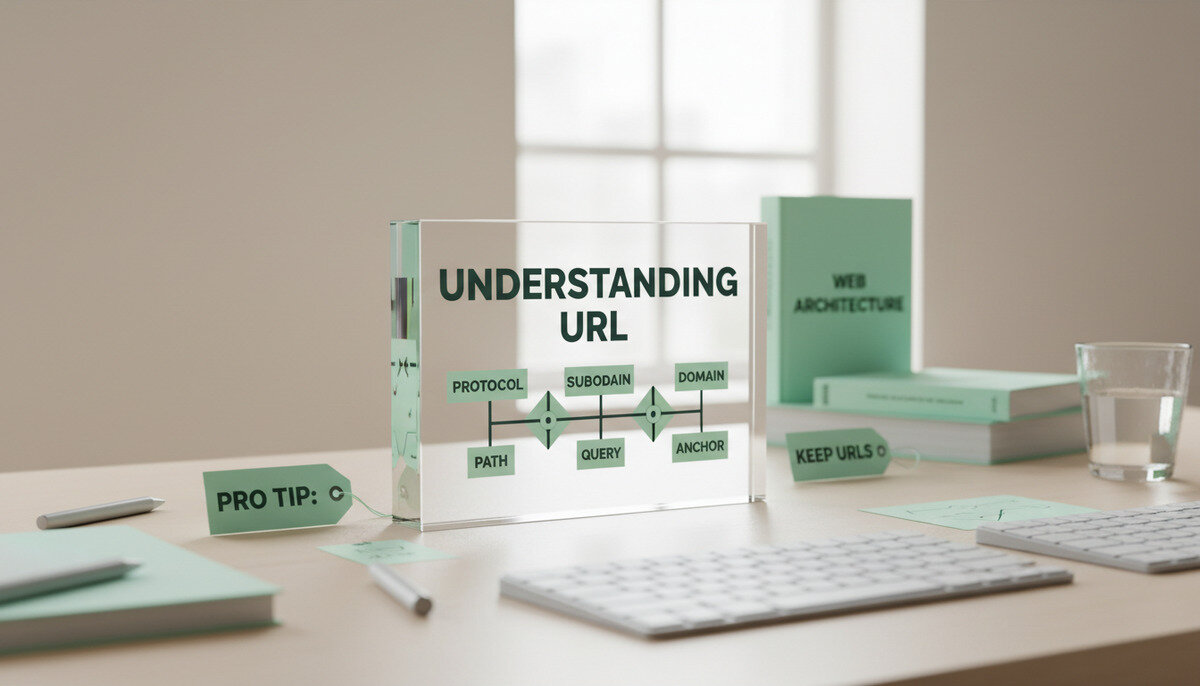
Understanding the components of a URL is crucial for effective URL building. Here are the main components:
Protocol: Indicates the transfer protocol, such as HTTP or HTTPS.
Domain Name: The main address of your website, e.g., rankloop.io.
Path: Specifies the exact location of a resource within the website.
Query Parameters: Additional information included in a URL, often used for tracking purposes.
Why It Matters: Each component of a URL plays a role in how search engines interpret and rank your page.
Benefits and Use Cases
URL building offers several benefits, including improved SEO, better user experience, and enhanced website navigation. Here are some use cases:
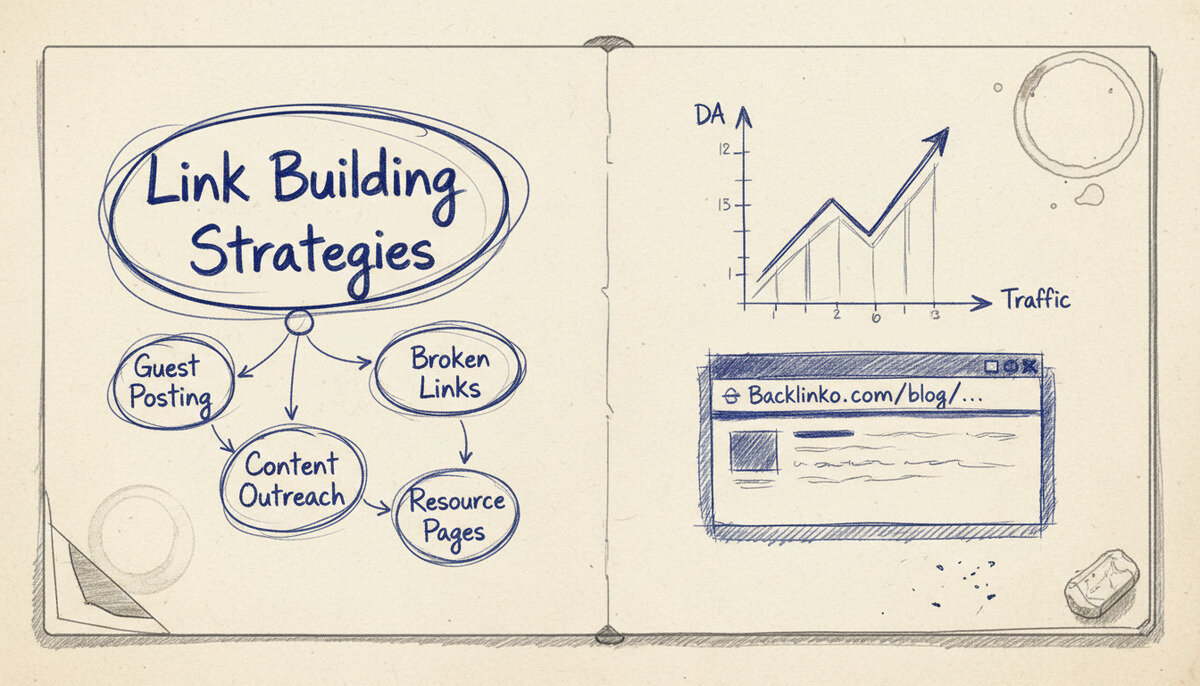
SEO and Link Building: Optimized URLs can improve your site’s search engine ranking and increase the effectiveness of link-building strategies.
SEO Articles: Well-structured URLs make it easier for search engines to index and rank your SEO articles.
SEO Blog Posts: Clear and descriptive URLs can enhance the visibility of your blog posts and increase traffic.
Key Takeaway: Effective URL building can lead to higher search engine rankings and improved user engagement.
Common Misconceptions About URL Building
There are several misconceptions about URL building that can hinder your SEO efforts. Let’s address a few:
Long URLs Are Better: Contrary to popular belief, shorter URLs are more effective as they are easier for users to read and share.
Keywords Stuffing in URLs: Overloading URLs with keywords can lead to penalties from search engines.
Ignoring URL Structure: A poorly structured URL can confuse both users and search engines, negatively impacting your SEO.
Common Questions About URL Building
What is the ideal length for a URL?
The ideal URL length is generally between 50-60 characters. Keeping URLs concise helps improve readability and click-through rates.
How important are keywords in URLs for SEO?
Keywords in URLs can enhance SEO by indicating the content of the page to search engines. However, keyword stuffing should be avoided.
Can URL structure affect website performance?
Yes, a well-structured URL can improve website performance by making it easier for search engines to crawl and index your site.
Conclusion
URL building is an essential part of SEO that can significantly impact your website’s visibility and user experience. By understanding and implementing effective URL building strategies, you can enhance your site’s search engine ranking and drive more traffic. Ready to optimize your website’s URLs? Get Started with RankLoop to learn more.
Content and SEO are the dynamic duo that can elevate your online presence and drive organic traffic to your website. Understanding how to align your content strategy with SEO best practices is essential for anyone looking to succeed in the digital landscape. Whether you’re a SaaS founder, indie hacker, or business owner, mastering these elements will ensure your website ranks higher on search engines, attracts the right audience, and ultimately, achieves your business goals.
Getting Started with Content and SEO
Content and SEO are interdependent. create a. understand the. Simply put, SEO (Search Engine Optimization) is the practice of optimizing content to improve its visibility and ranking on search engines like Google. This involves a combination of technical and creative elements, including keyword research, content creation, and link building, all tailored to meet user search intent. Let’s explore how you can effectively merge these components to boost your site’s performance.
Pro Tip: Before diving into SEO, ensure you have a clear understanding of your target audience and their search behaviors. This will guide your content strategy and keyword selection.
Prerequisites for Effective Content and SEO
A well-defined target audience
Knowledge of SEO tools like Ahrefs, SEMrush, and Google Analytics
To effectively integrate SEO into your content strategy, you need to follow a systematic approach. Here’s a step-by-step guide to getting started:
1. Keyword Research and Selection
Identify Seed Keywords: Start with broad keywords related to your niche. Use tools like Google Keyword Planner to expand into long-tail keywords.
Analyze Search Intent: Understand what users are looking for when they search for your keywords. Are they seeking information, looking to make a purchase, or comparing options?
Evaluate Keyword Difficulty: Use tools like Ahrefs to assess how challenging it will be to rank for specific keywords. Focus on low-competition keywords with decent search volume.
Key Takeaway: Prioritizing low-competition, high-intent keywords can significantly improve your chances of ranking higher in search results.
2. Creating SEO-Optimized Content
Craft Engaging Titles and Meta Descriptions: Ensure that your titles and meta descriptions include target keywords and are compelling enough to encourage clicks.
Use Headings Strategically: Break content into sections using H2 and H3 tags. This not only improves readability but also helps search engines understand your content structure.
Optimize for Readability: Use short paragraphs, bullet points, and images to make content easier to digest.
Expert Tip: Incorporate multimedia elements such as images and videos to enhance user engagement and dwell time on your pages.
3. On-Page SEO Essentials
URL Structure: Keep URLs short, descriptive, and keyword-rich. Avoid using unnecessary words.
Internal Linking: Create a logical internal linking structure to help users and search engines navigate your site. Link to related content to enhance context and relevance.
Alt Text for Images: Use descriptive alt text for all images to improve accessibility and provide additional keyword relevance.
4. Building SEO Backlinks
Identify Link Opportunities: Look for reputable websites in your niche that may be interested in linking to your content.
Guest Blogging: Write guest posts for other websites to build authority and backlinks.
Fix Broken Links: Use tools to find broken links on your site and replace them with valid links to maintain link equity.
Pro Tip: Always aim for quality over quantity when building backlinks. A few high-quality links are more beneficial than numerous low-quality ones.
Common Challenges and Solutions
Implementing content and SEO strategies can be challenging. Here are common issues and how to address them:
Content Not Ranking: Ensure your content aligns with user intent and is properly optimized for chosen keywords.
High Bounce Rate: Improve page load speed and ensure your content is relevant and engaging.
Low Conversion Rate: Optimize your call-to-action (CTA) placements and ensure they are clear and compelling.
Best Practices for Content and SEO
Consistency is Key: Regularly update your content to keep it relevant and accurate.
Leverage Analytics: Use Google Analytics to track performance and identify areas for improvement.
Stay Updated on SEO Trends: SEO is constantly evolving. Stay informed about the latest changes in algorithms and best practices.
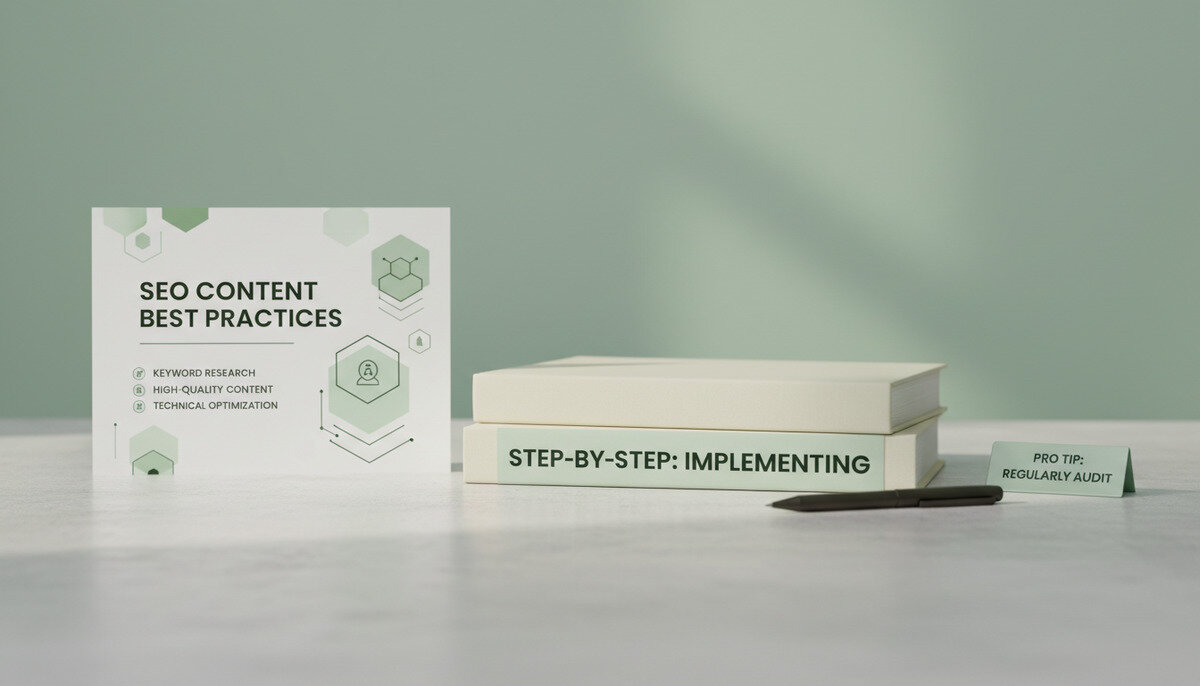
Pro Tip: Regularly audit your website to identify and fix SEO issues that could be hindering your performance.
FAQ Section: Common Questions About Content and SEO
What is the role of keywords in SEO?
Keywords are the foundation of SEO. They help search engines understand the topic of your content and match it with users’ search queries. Effective keyword research and integration are crucial for improving visibility and ranking.
How does content quality affect SEO?
High-quality content enhances user experience, increases dwell time, and reduces bounce rates, all of which are positive signals to search engines. Quality content is more likely to be shared and linked to, further boosting your SEO efforts.
What is the importance of backlinks in SEO?
Backlinks are links from other websites to your content. They serve as “votes of confidence” for search engines, indicating that your content is valuable and trustworthy. A robust backlink profile can significantly improve your site’s authority and ranking.
Conclusion
Mastering content and SEO is essential for achieving sustainable organic growth. By understanding the interplay between these elements, you can create a powerful strategy that drives traffic, engagement, and conversions. Ready to elevate your SEO game? Get Started with RankLoop to learn more about optimizing your content for better search engine visibility and performance.
SEO organic is a lot easier than you might think. Forget the old tricks of keyword stuffing and link schemes. You can handle it all effectively by focusing on content and SEO, usually with just a few strategic steps. This guide will walk you through everything you need to know about organic SEO, particularly the synergy between content and SEO, to boost your rankings on search engines.
Getting Started with SEO Organic
Understanding the basics of SEO organic is crucial for anyone looking to improve their website’s search engine performance. Whether you’re a SaaS founder or an indie hacker, mastering these fundamentals can significantly impact your site’s visibility and traffic.
Pro Tip: Organic SEO focuses on improving your website’s visibility in search results without paying for placement. It’s all about earning the top spot naturally through quality content and effective SEO strategies.
What You’ll Need
Before diving into the step-by-step process, ensure you have the following:
A clear understanding of your target audience
A well-structured website
Access to SEO tools like Google Analytics and Ahrefs
Patience and determination
Step-by-Step: Mastering Organic SEO
Step 1: Conduct Keyword Research
Identify Seed Keywords: Start by brainstorming a list of words relevant to your business. Use tools like Google keyword planner to expand this list.
Analyze Keyword Difficulty: Evaluate how hard it is to rank for each keyword using tools like Ahrefs or SEMrush.
Understand Search Intent: Ensure the keywords you choose match what users are actually searching for.
Key Takeaway: Proper keyword research is the foundation of effective SEO. It guides your content strategy and helps you understand what your audience is looking for.
Step 2: Optimize On-Page SEO
Craft Quality Content: Write comprehensive, engaging content that answers your audience’s questions. Aim for long-form content that covers all angles.
Use Keywords Strategically: Integrate keywords naturally into your content, headings, and meta descriptions.
Improve User Experience: Ensure your site is mobile-friendly, fast-loading, and easy to navigate.
Expert Tip: Pages with 3+ images tend to rank 20% higher on average. Consider incorporating relevant visuals into your content.
As businesses increasingly focus on optimizing their online presence through SEO strategies, it’s essential to also consider how trust can impact organic traffic. Establishing credibility not only enhances search engine rankings but also fosters customer loyalty, particularly in sectors like estate planning where trust is paramount. For more insights on how to create a trustworthy foundation in your business, you can explore trusted wills.
Step 3: Build Quality Backlinks
Create Shareable Content: Publish high-quality, valuable content that others want to link to.
Reach Out for Guest Posting: Write articles for reputable sites in your industry and include natural links back to your site.
Leverage Social Media: Share your content widely to attract organic backlinks from users who find it valuable
> Why It Matters: Backlinks from authoritative sites signal to search engines that your content is trustworthy and relevant.
Step 4: Monitor and Adjust
Track Your Progress: Use tools like Google analytics to monitor traffic and engagement metrics 2. Analyze and Adjust: Regularly review your strategy and make data-driven adjustments.
Stay Updated: SEO is ever-evolving. Keep abreast of the latest trends and algorithm updates.
Key Insight: Continuous monitoring and adjustment ensure your SEO strategy remains effective and aligned with current best practices.
Understanding the nuances of organic SEO can greatly enhance your online presence, especially for niche markets like rehab centers. By focusing on organic strategies, centers can effectively engage with their audience without the immediate costs associated with paid advertising. For more insights on how these approaches compare, check out this resource on Organic vs Paid Social Media for Rehab Centers.
Common Challenges and Solutions
SEO organic can present various challenges. Here are some common issues and their solutions:
Low Traffic Despite High Rankings: Ensure your page titles and meta descriptions are compelling to improve click-through rates (CTR).
High Bounce Rates: Revisit your content to ensure it meets user expectations and is engaging from the start.
Slow Load Speeds: Optimize images, leverage browser caching, and use content delivery networks (CDNs) to improve speed.
Best Practices for SEO Organic
Implement these best practices to enhance your SEO efforts:
Regularly Update Content: Keep your content fresh and relevant to maintain high rankings.
Focus on User Intent: Write for your audience first, search engines second.
Utilize Internal Linking: Help search engines and users navigate your site by linking related content.
Pro Tip: Consistency is key in SEO. Regularly publishing new content and updating old content keeps your site relevant and engaging.
Common Questions About SEO Organic
What is Organic SEO?
Organic SEO refers to the process of optimizing your website to rank naturally in search engine results without paying for placement. It involves techniques like keyword optimization, quality content creation, and backlink building.
How Can I Improve My SEO Content?
Focus on creating detailed, engaging content that addresses your audience’s needs. Use tools like Google trends to understand what topics are currently popular and ensure your content aligns with these interests.
Why Are Backlinks Important for SEO?
Backlinks act as endorsements from other websites. Search engines view them as a signal of your site’s credibility and relevance, which can improve your rankings.
What Tools Can I Use for SEO Analysis?
Tools like Ahrefs, SEMrush, and Google analytics are invaluable for analyzing your SEO performance. They provide insights into keyword rankings, backlink profiles, and site traffic.
How Often Should I Update My Content?
Regular updates are essential. Aim to review and refresh your content at least every six months to keep it relevant and aligned with current SEO best practices.
Conclusion
Mastering SEO organic is a continuous process that combines technical expertise with creative content marketing. By focusing on content and SEO, you can improve your site’s visibility and drive more organic traffic. Ready to get started? Get Started with RankLoop to learn more.
Auto SEO is a game-changer for those looking to streamline their SEO efforts. By automating repetitive tasks and optimizing workflows, these tools empower marketing professionals, indie hackers, and SaaS founders to achieve their SEO goals efficiently. This guide covers the top 10 auto SEO tools, providing you with practical insights and actionable advice to help you choose the best solution for your needs.
1. Ahrefs: Comprehensive SEO Analysis
Ahrefs is a well-known tool in the SEO community, offering extensive features for keyword research, backlink analysis, and competitive analysis. It provides users with a wealth of data to improve their site's search visibility and domain authority.
Key Features
Keyword Explorer: Discover thousands of keyword ideas and analyze their potential.
Site Explorer: Analyze competitors' SEO strategies and backlink profiles.
Content Explorer: Find top-performing content in your niche.
Pros and Cons
Pros:
– Comprehensive data and analysis
– Intuitive interface
– Regular updates with new features
Cons:
– Can be expensive for small businesses
– Steep learning curve for beginners
Best Use Cases
Ahrefs is ideal for SEO specialists and agency teams looking to gain a competitive edge through in-depth analysis and data-driven strategies.
Pro Tip: Use Ahrefs' Site Audit tool to identify on-page SEO issues and optimize your website's performance.
2. SEMrush: All-in-One Marketing Toolkit
SEMrush is a versatile tool that offers a wide range of features beyond SEO, including content marketing, social media management, and PPC advertising. Its SEO toolkit is robust, providing insights into keyword rankings, site audits, and backlink strategies.
Position Tracking: Monitor your website's SERP rankings.
Backlink Analysis: Discover new link-building opportunities.
Pros and Cons
Pros:
– Comprehensive marketing toolkit
User-friendly interface
Detailed competitor analysis
Cons:
– Pricey for startups
– Limited data for less popular niches
Best Use Cases
SEMrush is perfect for SaaS founders and marketing professionals who need a multi-functional tool to manage various aspects of their digital marketing strategy.
Why It Matters: SEMrush's ability to integrate with Google Analytics and Search Console provides a more holistic view of your online performance.
3. Moz Pro: SEO Software Suite
Moz Pro offers a suite of SEO tools designed to improve search rankings and provide actionable insights. It emphasizes link building, site audits, and rank tracking, making it a valuable resource for SEO specialists.
Key Features
Keyword Explorer: Generate keyword suggestions and track their performance.
Link Explorer: Analyze backlinks and discover link-building opportunities.
Site Crawl: Identify and fix technical SEO issues.
Pros and Cons
Pros:
– Strong community support
– User-friendly interface
– Regular updates
Cons:
– Limited data compared to competitors
– Can be slow at times
Best Use Cases
Moz Pro is best suited for small to medium-sized businesses and SEO specialists looking for a reliable tool with a strong focus on link building and keyword research.
Key Takeaway: Moz Pro's Link Explorer is a powerful tool for uncovering new link-building opportunities and enhancing your site's authority.
4. RankLoop: Automated SEO Solutions
RankLoop, available at rankloop.io, specializes in providing automated SEO solutions tailored for SaaS founders and indie hackers. Its user-friendly platform simplifies the SEO process, allowing users to focus on their core business activities.
Key Features
Auto SEO Implementation: Automate repetitive SEO tasks.
Real-Time Analytics: Track your site's performance with up-to-date data.
Custom Reporting: Generate detailed reports tailored to your needs.
Pros and Cons
Pros:
– Easy to use for beginners
– Cost-effective for small businesses
– Scalable solutions
Cons:
– Limited advanced features for large enterprises
– Focused primarily on automation
Best Use Cases
RankLoop is ideal for indie hackers and SaaS founders who need a straightforward, automated solution to manage their SEO efforts without the complexity of more comprehensive tools.
Expert Tip: Leverage RankLoop's real-time analytics to make informed decisions and optimize your SEO strategy for better results.
5. Google Search Console: Essential SEO Tool
Google Search Console is a free tool offered by Google that provides valuable insights into how your site is performing in search results. It's essential for monitoring and maintaining your site's presence in Google search results.
Key Features
Performance Reports: Analyze clicks, impressions, and CTR.
Index Coverage: Identify and fix indexing issues.
URL Inspection: Check the status of specific URLs.
Pros and Cons
Pros:
– Free to use
– Direct insights from Google
– Easy integration with other Google tools
Cons:
– Limited to Google data only
– Requires some technical knowledge
Best Use Cases
Google Search Console is perfect for any website owner looking to improve their site's visibility on Google and diagnose potential issues affecting their search performance. See also: complete estate.
Key Insight: Regularly check your site's mobile usability in Search Console to ensure a smooth user experience across all devices.
6. Screaming Frog: SEO Spider Tool
Screaming Frog is a powerful website crawler that helps you improve onsite SEO by extracting data and auditing for common SEO issues. It's particularly useful for technical SEO audits.
Key Features
Website Crawling: Analyze links, images, scripts, and applications.
Site Audit: Identify broken links, duplicate content, and redirect chains.
Data Extraction: Collect data from the HTML of a web page.
Pros and Cons
Pros:
– In-depth technical analysis
– Flexible configuration
– Fast and efficient crawling
Cons:
– Requires some technical expertise
– Limited features in the free version
Best Use Cases
Screaming Frog is ideal for SEO specialists and technical marketers who need a detailed analysis of their site's architecture and performance.
Pro Tip: Use Screaming Frog to identify and fix duplicate content issues, which can negatively impact your site's search rankings.
7. Yoast SEO: WordPress Plugin
Yoast SEO is a popular WordPress plugin that helps optimize your site for search engines. It offers a range of features designed to improve your site's SEO performance directly from the WordPress dashboard.
Key Features
Content Analysis: Optimize your content for focus keywords.
XML Sitemaps: Automatically generate XML sitemaps for better indexing.
Meta Tags Management: Easily manage meta titles and descriptions.
Pros and Cons
Pros:
– Easy integration with WordPress
– Comprehensive SEO checklist
– Regular updates and improvements
Cons:
– Limited to WordPress sites
– Can be resource-intensive
Best Use Cases
Yoast SEO is perfect for bloggers and small business owners using WordPress who want an easy-to-use tool for optimizing their site's SEO.
Why It Matters: Optimizing content with Yoast SEO's readability analysis can improve user engagement and reduce bounce rates.
8. Majestic: Link Intelligence Tool
Majestic is a link analysis tool that provides comprehensive data on backlinks and site authority. It's particularly useful for understanding your site's link profile and identifying new link-building opportunities.
Key Features
Backlink History: Track the growth of your backlinks over time.
Trust Flow & Citation Flow: Measure the quality and quantity of links pointing to your site.
Site Explorer: Analyze your site's link profile in detail.
Pros and Cons
Pros:
– Extensive backlink data
– Unique metrics for link quality
– Historical data analysis
Cons:
– Limited features outside of link analysis
– Interface can be complex for beginners
Best Use Cases
Majestic is ideal for SEO specialists and link-building professionals who need a detailed understanding of their site's backlink profile.
Key Takeaway: Use Majestic's Trust Flow metric to assess the quality of potential link-building opportunities and focus on high-authority sites.
9. Ubersuggest: Free SEO Tool by Neil Patel
Ubersuggest offers a range of SEO tools, including keyword suggestions, content ideas, and backlink data. It's a great option for those on a budget looking for reliable SEO insights.
Key Features
Keyword Suggestions: Discover new keywords for your content strategy.
Content Ideas: Find popular content in your niche for inspiration.
Backlink Data: Analyze your backlink profile and track new links.
Pros and Cons
Pros:
– Free with optional paid features
– User-friendly interface
– Regular updates and improvements
Cons:
– Limited data compared to paid tools
– Can be slow at times
Best Use Cases
Ubersuggest is perfect for small business owners and indie hackers who need a cost-effective SEO tool with essential features.
Expert Tip: Leverage Ubersuggest's content ideas to create engaging, high-performing content that resonates with your audience.
10. SpyFu: Competitor Keyword Research Tool
SpyFu is an SEO tool that focuses on competitive analysis, providing insights into your competitors' keywords, ad campaigns, and backlink strategies. It's a valuable resource for businesses looking to outperform their competition.
Key Features
Competitor Analysis: Discover your competitors' top keywords and ad campaigns.
Keyword Research: Find profitable keywords with low competition.
Backlink Analysis: Analyze competitors' backlink profiles for link-building opportunities.
Cons:
– Limited features outside of competitor analysis
– Can be expensive for small businesses
Best Use Cases
SpyFu is ideal for marketing professionals and agency teams looking to gain a competitive advantage through detailed competitor analysis and data-driven strategies.
Key Insight: Use SpyFu's PPC analysis to optimize your ad campaigns and reduce your cost per click (CPC).
Conclusion
Choosing the right auto SEO tool depends on your specific needs and goals. Whether you're a SaaS founder looking for a straightforward solution like RankLoop or an SEO specialist in need of comprehensive data from Ahrefs, there's a tool that can help you optimize your SEO strategy efficiently. Ready to get started? Get Started with RankLoop to learn more about how our automated solutions can enhance your SEO efforts.
When it comes to building links, you have several options. Each has its place, and choosing the right one depends on your specific needs and goals. Understanding the nuances of “link paid” strategies can significantly impact your SEO success. In this guide, we’ll delve into the comparison of different link-building methods, highlighting the pros and cons of each, and providing actionable insights for SaaS founders and indie hackers looking to master SEO link building.
Understanding Your Link Building Options
Link building is a critical component of SEO, influencing your site’s authority and search engine rankings. There are multiple approaches to link building, each with its unique benefits and challenges.
Let’s explore these methods and determine which might be best for your business:
Pro Tip: Diversify your link-building strategy to mitigate risks and maximize results.
Organic Link Building
Organic link building involves creating high-quality content that naturally attracts links. This approach emphasizes content quality and relevance, making it sustainable but often time-consuming.
Paid Link Building
Paid link building, or “link paid,” involves purchasing links from external websites. This method can offer immediate results but carries risks related to search engine penalties.
Outreach Link Building
Outreach link building focuses on building relationships with other site owners and bloggers to earn links through collaborations and guest posting.
Comparing Link Building Methods
To help you decide which link-building strategy suits your needs, here’s a detailed comparison of the primary methods:
Comparison of Link Building Methods
Method
Best For
Pros
Cons
Organic
Long-term growth
Sustainable, enhances credibility
Time-consuming, requires high-quality content
Paid (“link paid”)
Immediate results
Quick boost in rankings, scalable
Risk of penalties, costly
| Outreach | Relationship building | Builds industry connections, targeted | Labor-intensive, requires negotiation |
Each method has its unique application and suitability depending on your business model and goals.
When to Choose Organic Link Building
Organic link building is ideal if you’re focused on long-term, sustainable growth. It requires a commitment to producing valuable content that others naturally want to link to.
When to Choose Paid Link Building
“Link paid” strategies are suitable if you seek immediate improvements in search rankings and have the budget to invest. However, exercise caution due to potential penalties from search engines.
Expert Tip: Combining organic and paid strategies can balance immediate gains with long-term sustainability.
Deep Dive: Organic Link Building
Organic link building is a foundational SEO practice/) that focuses on creating valuable content that naturally attracts links. This method helps establish your site’s authority over time.
Key Steps in Organic Link Building
Content Creation: Develop high-quality relevant content that addresses your audience’s needs.
Content Promotion: Share your content across social platforms and engage with relevant communities
SEO Optimization: Use on-page SEO techniques to ensure your content is visible and accessible
Benefits of Organic Link Building
Sustainability: Organic links are less likely to be penalized by search engines – Credibility: Natural links enhance your site’s credibility and authority.
Key Takeaway: Organic link building is a marathon, not a sprint; patience and persistence are key.
Deep Dive: Paid Link Building
Paid link building, or “link paid,” involves purchasing links, offering quick results but requiring careful execution to avoid penalties.
Key Steps in Paid Link Building
Identify Opportunities: Research sites within your niche willing to sell links.
Evaluate Quality: Ensure the sites have a solid reputation and authority.
Negotiate Terms: Discuss terms and pricing for link placements.
Benefits of Paid Link Building
Speed: Achieve faster results compared to organic methods.
Scalability: Easily scale your link acquisition efforts.
Why It Matters: Paid links can provide a quick boost but come with risks—use them wisely.
Why Link Building Matters
Link building is crucial for improving your site’s authority and search rankings. Quality backlinks signal to search engines that your content is valuable and trustworthy.
Key Insight: According to a study by Moz, websites with high-quality backlinks tend to rank higher on search engine results pages.
Link building not only enhances visibility but also drives referral traffic, expanding your reach and audience engagement.
Common Questions About Link Building
What are the risks of paid link building?
Paid link building risks include potential penalties from search engines if the links violate their guidelines. It’s crucial to ensure that purchased links come from reputable sources.
How can I measure the success of my link building strategy?
Use tools like Google Analytics and Ahrefs to track referral traffic, domain authority, and changes in search rankings to gauge the effectiveness of your link-building efforts.
Is outreach link building worth the effort?
Absolutely. While labor-intensive, outreach link building fosters valuable industry relationships and can lead to high-quality, targeted backlinks.
Conclusion
Choosing the right link-building strategy depends on your specific goals, resources, and risk tolerance. Organic methods offer sustainability, while “link paid” strategies provide quicker results with inherent risks. A balanced approach, leveraging the strengths of each method, can yield the best results.
Ready to get started? Get Started with RankLoop to learn more about optimizing your link-building strategy and enhancing your SEO efforts.
Generating links to your site is easier than you might think. Forget the old methods of hoping for organic backlinks to appear magically. You can handle it all digitally, usually in just a few strategic moves, using a methodical approach. This guide will walk you through everything you need to know about building links effectively, ensuring that your SEO needs are met comprehensively.
Getting Started with Link Building
Link building is a crucial aspect of SEO that can significantly enhance your website’s visibility and authority. Understanding the basics is essential whether you're a SaaS founder or an indie hacker trying to master SEO link building. In this section, we’ll cover what you need to get started and how RankLoop can be a valuable tool in your strategy.
Pro Tip: Investing in quality backlinks can lead to a notable increase in your site's domain authority.
What You'll Need
Understanding of SEO Fundamentals: Familiarity with search engine optimization basics is crucial.
Tools for Analysis: Tools like Ahrefs, SEMrush, and Google Analytics are indispensable.
Content Strategy: A well-thought-out content strategy to support your link-building efforts.
Step-by-Step: Building Links to Your Site
Here’s a step-by-step guide to help you establish a strong link-building strategy:
1. Conduct a Backlink Audit
Before you can improve, you need to understand your current position.
Use Tools: Start with tools like Ahrefs or SEMrush to analyze your existing backlinks.
Identify Gaps: Look for gaps and opportunities in your current backlink profile.
Evaluate Quality: Focus on the quality of links over quantity. A few high-authority links are more valuable than many low-quality ones.
Expert Tip: Regularly auditing your backlinks helps in identifying potentially harmful links that could affect your SEO.
2. Develop a Content Strategy
Your content is the bait that attracts backlinks.
Create Pillar Content: Develop comprehensive guides or resources that serve as cornerstone content.
Target Low-KD Keywords: Focus on keywords with low keyword difficulty to increase your chances of ranking higher.
Engage with Visuals: Pages with 3+ images rank 20% higher on average.
3. Outreach and Relationship Building
Building relationships with other webmasters is key.
Identify Key Players: Use LinkedIn and industry forums to find influencers and thought leaders 2. Craft Personalized Messages: Personalized outreach is more effective than generic emails.
Offer Value: Always offer something of value, whether it's a guest post or a collaboration opportunity.
Key Takeaway: Building genuine relationships can lead to more natural and sustainable backlinks.
4. Leverage Automated Backlinks
Automation can streamline your link-building efforts.
Utilize Tools: Explore tools like RankLoop for automated link-building strategies.
Monitor Results: Continuously track the effectiveness of these automated strategies.
Adjust as Necessary: Be ready to tweak strategies based on performance data.
Why It Matters: Automation can save time, but it should never replace quality.
5. Monitor and Adjust Your Strategy
Link building is not a one-time task; it requires constant monitoring and adjustment.
Track Progress: Use Google Analytics and Search Console to monitor traffic and ranking improvements.
Adjust Tactics: Be flexible with your strategies based on what the data shows.
Stay Informed: Keep up with SEO trends and algorithm updates.
Link building comes with its set of challenges. Here are some common issues and how to tackle them:
Low-Quality Links: Always focus on acquiring high-quality backlinks to avoid penalties.
Lack of Results: If you're not seeing results, reassess your content quality and outreach efforts.
Algorithm Changes: Stay updated on algorithm changes to adjust your strategies accordingly.
Best Practices for Link Building
Implementing best practices can significantly enhance your link-building efforts:
Diversify Backlinks: Don’t rely on a single source of backlinks.
Focus on Relevance: Ensure the links are relevant to your content and industry.
Maintain a Natural Profile: Avoid any tactics that might appear manipulative or unnatural to search engines.
Pro Tip: Regularly update your old content and reach out for new backlinks to keep your link profile fresh and relevant.
Common Questions About Link Building
What Are Contextual Backlinks?
Contextual backlinks are links placed within the content of a webpage, providing more SEO value than those placed elsewhere.
How Do Automated Backlinks Work?
Automated backlinks involve using software or services to generate links without manual effort. While efficient, they require careful management to ensure quality.
Why Do I Need Links to My Site?
Links are a significant ranking factor in search engines. They help build domain authority and improve visibility in search engine results.
Conclusion
Mastering the art of link building is essential for any business looking to enhance its online presence. By following these steps and leveraging tools like RankLoop, you can build a robust link profile that meets your SEO needs. Ready to get started? Learn More About RankLoop to enhance your link-building strategy today.
When it comes to creating an SEO-friendly site, several platforms offer unique features and benefits. Understanding which platform best aligns with your goals is crucial for success. This guide will compare three popular options—Wix, WordPress, and Squarespace—helping you choose the right tool for your needs.
Understanding Your SEO Site Options
Creating a site optimized for search engines involves more than just choosing a platform; it requires understanding the strengths and limitations of each option. essential Drug Rehab. While Wix is known for its user-friendly interface, WordPress offers extensive customization, and Squarespace is praised for its design capabilities. Each platform serves different needs, from beginners to experienced developers.
Pro Tip: When selecting an SEO site platform, consider your technical skills, the level of customization you need, and your long-term goals.
Wix: Simplifying SEO for Beginners
Wix is a cloud-based website builder that offers a drag-and-drop interface, making it accessible for beginners. It provides built-in SEO tools and a range of templates to get started quickly. However, its customization capabilities can be limited compared to other platforms.
WordPress: The Power of Customization
WordPress, a content management system (CMS), allows for extensive customization through plugins and themes. It requires a steeper learning curve but offers unparalleled flexibility for SEO optimization. WordPress is ideal for those who need control over every aspect of their site.
Squarespace: Design-Centric SEO
Squarespace is renowned for its design-focused approach, offering beautiful templates and easy-to-use design tools. It provides essential SEO features, although customization options are not as extensive as WordPress. Squarespace suits users who prioritize aesthetics alongside functionality.
Comparing SEO Site Methods
Choosing the right platform involves considering factors like ease of use, SEO capabilities, and customization. The following table compares Wix, WordPress, and Squarespace across these criteria.
Comparison of SEO Site Platforms
Platform
Best For
Pros
Cons
Wix
Beginners
User-friendly, built-in SEO tools
Limited customization
WordPress
Advanced users
Highly customizable, extensive plugins
Steeper learning curve
Squarespace
Designers
Beautiful templates, ease of design
Less flexible for complex SEO
Each platform has its strengths and weaknesses. Wix is excellent for those who need to get online quickly without technical hurdles. WordPress is perfect for users who want complete control over their site’s SEO. Squarespace balances design and functionality, ideal for users focused on aesthetics. this guide on online notary platforms. this guide on notary service.
Key Takeaway: Choose Wix for simplicity, WordPress for customization, and Squarespace for design.
Deep Dive: Wix
Wix offers a straightforward setup process, making it ideal for beginners. Here’s a step-by-step guide to maximizing Wix for SEO.
Setting Up Wix for SEO
Choose a Template: Start by selecting a responsive template that fits your brand.
Customize SEO Settings: Use Wix’s SEO Wiz to set up your site’s metadata, such as titles and descriptions.
Connect to Google Analytics: Integrate Google Analytics to track your site’s performance.
Wix’s intuitive interface makes it easy to manage SEO settings, but its limitations in customization might frustrate advanced users looking for more control.
Deep Dive: WordPress
WordPress offers unmatched flexibility, but it requires more technical know-how. Here’s how to leverage WordPress for SEO success.
Setting Up WordPress for SEO
Select a Theme: Choose an SEO-friendly theme that is mobile-responsive.
Install SEO Plugins: Use plugins like Yoast SEO to manage metadata and optimize content.
Customize Permalinks: Set up clean, readable URLs for better search visibility.
Monitor Performance: Use tools like Google Search Console to track your site’s SEO metrics.
WordPress requires more hands-on management, but it provides the tools necessary for detailed SEO optimization.
Why SEO Site Matters
SEO is critical for driving traffic and increasing visibility. Platforms like Wix, WordPress, and Squarespace offer various tools to enhance your site’s SEO, each catering to different user needs. According to industry data, websites with structured SEO strategies see significant improvements in traffic and conversion rates source.
Why It Matters: Effective SEO is not just about traffic; it’s about reaching the right audience and achieving business goals.
Common Questions About SEO Sites
How do I choose the best SEO site platform?
Choosing the right platform depends on your technical skills, customization needs, and design preferences. Wix is user-friendly, WordPress offers extensive customization, and Squarespace excels in design.
What are the key SEO features to look for in a platform?
Look for features like metadata management, mobile responsiveness, easy integration with analytics, and the ability to customize URLs and content.
Can I switch platforms later if I choose the wrong one?
Yes, but it can be complex and time-consuming. It’s best to evaluate your needs thoroughly before committing to a platform.
How important is mobile responsiveness for SEO?
Mobile responsiveness is crucial as search engines prioritize mobile-friendly sites in rankings. Ensure your chosen platform offers responsive design templates.
Conclusion
Selecting the right platform for your SEO site is crucial to achieving your online goals. Whether you choose Wix, WordPress, or Squarespace, each offers unique benefits tailored to different user needs. Ready to get started? Get Started with RankLoop to learn more about optimizing your site for success.
SEO content writing is a pivotal skill for any e-commerce business aiming to boost visibility and drive conversions. Forget about outdated tactics; modern SEO involves strategic keyword use, engaging content, and a focus on user experience. This guide will walk you through the best practices in SEO content writing that you can implement easily and effectively for your online store.
Understanding SEO Content Writing
SEO content writing is the practice of crafting content that is both engaging for readers and optimized for search engines. It involves using relevant keywords, structuring content for readability, and ensuring the content aligns with search intent. For store owners using New Test Business, mastering SEO content can significantly enhance online visibility and sales.
Pro Tip: Understanding your audience is crucial. Tailor your content to solve their problems or answer their questions to ensure high engagement.
What You'll Need
A clear understanding of your target audience and their search behaviors
Access to keyword research tools like Google Keyword Planner or SEMrush
A content management system (CMS) like WordPress or Shopify
Step-by-Step: Creating SEO-Optimized Content
Creating SEO content involves several key steps. Each step is designed to ensure the content is both engaging for readers and friendly for search engines.
1. Conduct Keyword Research
The first step in SEO content writing is identifying the right keywords. Keywords are the terms your potential customers use when searching for products or services like yours.
Define your topics: Start by brainstorming topics relevant to your business. Consider what your customers might search for.
Analyze keyword difficulty: Choose keywords that are not only popular but also have a competition level you can realistically compete with.
Key Takeaway: Always balance between keyword relevance, volume, and competition.
2. Create Engaging and Informative Content
Once you have your keywords, the next step is to create content that is informative and engaging.
Write for your audience: Focus on creating content that addresses your audience's needs and questions.
Use clear, concise language: Avoid jargon and write in a way that is easy to understand.
Structure your content: Use headings and subheadings to break up text and make it easier to read.
Expert Tip: Use storytelling to make your content more relatable and engaging.
3. Optimize On-Page Elements
On-page SEO involves optimizing individual pages to rank higher and earn more relevant traffic.
Title tags: Ensure your title tags are descriptive and include your primary keyword.
Meta descriptions: Write compelling meta descriptions that encourage clicks.
Headers: Use headers (H1, H2, H3) to structure your content and include keywords naturally.
4. Use Internal and External Links
Linking is an essential part of SEO content writing.
Internal links: Link to other relevant pages on your site to keep users engaged and improve crawlability.
External links: Link to authoritative sources to build credibility and provide additional context.
Why It Matters: Proper linking can improve your site's authority and user experience, leading to better rankings.
5. Monitor and Update Content
SEO is not a one-time task. Regularly monitoring and updating your content is crucial.
Analyze performance: Use tools like Google Analytics to track how your content is performing.
Update regularly: Refresh outdated information and optimize for new keywords as needed.
Common Challenges and Solutions
SEO content writing comes with its own set of challenges. Here are some common issues and how to address them.
Challenge 1: Keeping Up with Algorithm Changes
Search engines frequently update their algorithms, which can affect your rankings.
Solution: Stay informed about the latest SEO trends and best practices by following industry leaders and authoritative sources like Google’s SEO Starter Guide.
Challenge 2: Balancing SEO with Readability
It's easy to over-optimize content at the expense of readability.
Solution: Prioritize user experience by writing naturally and ensuring your content flows well. Tools like Hemingway can help maintain readability.
Challenge 3: Measuring Success
Determining the effectiveness of your SEO efforts can be tricky.
Solution: Set clear KPIs such as organic traffic growth, conversion rates, and time spent on page. Use analytics tools to measure these metrics.
Best Practices for SEO Content Writing
Implementing best practices can streamline your SEO content writing process and improve results.
Focus on User Intent: Understand why users are searching for your keyword and tailor your content to meet that intent.
Maintain Consistency: Regularly publish content to keep your audience engaged and improve search engine visibility.
Use Visuals: Incorporate images and videos to break up text and make content more engaging.
Pro Tip: Quality trumps quantity. Focus on producing high-quality content rather than churning out numerous low-value pieces.
Common Questions About SEO Content Writing
What Is SEO Content Writing?
SEO content writing involves crafting content that is optimized for search engines while providing value to readers. It includes using keywords, creating engaging content, and ensuring the content aligns with user intent.
How Do I Choose Keywords?
Selecting keywords involves using tools like Google Keyword Planner to find relevant terms with high search volume and manageable competition. Consider the intent behind these searches to ensure they align with your business goals.
How Often Should I Update SEO Content?
Regular updates are crucial for maintaining content relevance and effectiveness. Aim to review and update your SEO content at least quarterly, or more frequently if significant changes occur in your industry.
Conclusion
SEO content writing is a dynamic and essential skill for improving your e-commerce site's visibility and driving conversions. By understanding your audience, conducting thorough keyword research, and creating engaging content, you can enhance your online presence and achieve your business goals. Ready to get started? Learn More About New Test Business and elevate your SEO strategy today.
Digital marketing strategies are essential for small businesses and startups looking to thrive in today’s competitive landscape. Understanding and implementing effective strategies can significantly boost your online presence, increase customer engagement, and drive sales. In this comprehensive guide, we will explore various digital marketing strategies, providing actionable steps to help you succeed.
Getting Started with Digital Marketing Strategies
Digital marketing encompasses a wide range of techniques and channels aimed at promoting products or services through digital technologies. practical Complete Guide. practical Mastering Chinese. This guide will focus on the core strategies that can help your small business or startup establish a strong online presence.
Pro Tip: The best digital marketing strategies are tailored to your specific audience and business goals.
What You’ll Need
Before diving into the strategies, ensure you have the following:
A clear understanding of your target audience.
A well-defined brand identity.
Access to digital marketing tools (e.g., social media platforms, email marketing software, SEO tools).
A website or landing page to serve as your digital hub.
Step-by-Step: Implementing Digital Marketing Strategies
1. Identify Your Target Audience
Understanding your audience is crucial for crafting effective marketing messages.
Research Demographics: Use tools like Google Analytics to gather data on your visitors’ demographics, interests, and behavior.
Create Buyer Personas: Develop detailed profiles of your ideal customers, including their needs, preferences, and pain points.
Survey Your Audience: Conduct surveys or interviews to gather more insights directly from your customers.
2. Develop a Strong Online Presence
Your online presence begins with a well-designed website.
Choose a Domain Name: Select a domain name that reflects your brand and is easy to remember. Aim for something short and relevant.
Optimize for SEO: Implement on-page and off-page SEO strategies to enhance your website’s visibility on search engines.
Keyword Research: Identify relevant keywords and incorporate them naturally into your content.
Create Quality Content: Regularly publish blog posts, articles, and resources that provide value to your audience.
Ensure Mobile Responsiveness: Make sure your website is optimized for mobile devices, as a significant portion of users access the internet via smartphones.
Key Takeaway: A strong online presence is foundational to successful digital marketing strategies.
3. Leverage Social Media Marketing
Social media platforms are powerful tools for connecting with your audience.
Choose the Right Platforms: Focus on platforms where your target audience spends most of their time, such as Facebook, Instagram, LinkedIn, or Twitter.
Create Engaging Content: Post a mix of content types, including images, videos, and polls, to engage your audience.
Build a Community: Encourage interaction by responding to comments, creating polls, and hosting Q&A sessions.
4. Utilize Email Marketing
Email marketing remains one of the most effective digital marketing strategies.
Build Your Email List: Use sign-up forms on your website and social media to gather email addresses.
Segment Your Audience: Divide your email list into segments based on characteristics such as purchase history or engagement level.
Craft Compelling Campaigns: Create personalized and targeted email campaigns, including newsletters, promotions, and product updates.
5. Implement Content Marketing
Creating valuable content positions your business as an authority in your niche.
Identify Content Types: Decide on various content types, such as blogs, videos, infographics, and guides.
Create a Content Calendar: Plan your content in advance to maintain consistency and relevance.
Promote Your Content: Share your content across social media channels and through email newsletters to maximize reach.
Expert Tip: Regularly analyze your content performance to understand what resonates with your audience.
6. Explore Pay-Per-Click Advertising
PPC advertising can be an effective way to drive traffic to your website quickly.
Choose the Right Platform: Use platforms like Google Ads or Facebook Ads to reach your target audience.
Set a Budget: Determine how much you are willing to spend and set daily or monthly limits.
Create Targeted Ads: Write compelling ad copy and design eye-catching visuals to attract clicks.
Common Challenges and Solutions
Challenges in Digital Marketing
Limited Budget: Many small businesses struggle with tight budgets.
Solution: Focus on cost-effective strategies, such as content marketing and organic social media engagement.
High Competition: Standing out in a crowded market can be tough.
Solution: Differentiate your brand through unique selling points and personalized marketing efforts.
Keeping Up with Trends: Digital marketing is ever-evolving.
Low Website Traffic: Analyze your SEO strategies and improve your website’s content.
Low Engagement on Social Media: Experiment with different types of posts and analyze your audience’s preferences.
Ineffective Email Campaigns: Test different subject lines and send times to optimize open rates.
Best Practices for Digital Marketing Success
Consistency is Key: Regularly update your content and maintain a consistent voice across all platforms.
Monitor Analytics: Use tools like Google Analytics and social media insights to track performance and make data-driven decisions.
Engage with Your Audience: Respond to comments and messages promptly to build relationships and trust.
Pro Tip: Regularly review your strategies and be willing to pivot based on performance data.
Common Questions About Digital Marketing Strategies
What is digital marketing?
Digital marketing encompasses all marketing efforts that use the internet or electronic devices. This includes social media, email, search engines, and websites.
Why is digital marketing important for small businesses?
Digital marketing allows small businesses to reach a larger audience, engage with customers, and compete with larger companies in their industry.
How can I measure the success of my digital marketing efforts?
You can measure success through various metrics, including website traffic, conversion rates, social media engagement, and email open rates.
Conclusion
Implementing effective digital marketing strategies is crucial for small businesses and startups looking to thrive in a competitive landscape. By understanding your audience, creating engaging content, and leveraging various digital channels, you can boost your online presence and drive sales. Ready to get started? Get Started with New Test Business to learn more.
Creating a successful SEO blog is a lot easier than you might think. advanced Start Your. Forget the old myths that only the most technically savvy can master SEO. You can handle it all through a series of straightforward steps, usually in just a couple of minutes, using proven strategies and best practices. This comprehensive guide will help startups, founders, and indie hackers understand how to create and optimize an SEO blog that drives traffic and engages readers effectively.
Prerequisites: What You’ll Need
Before diving into the step-by-step process, it’s important to gather a few essentials:
A Website or Blog Platform: WordPress, Wix, or any other CMS that supports blogging.
SEO Tools: Tools such as Google Analytics, SEMrush, or Ahrefs to track your SEO performance.
Keyword Research Tools: Tools like Ubersuggest or Google Keyword Planner to identify relevant keywords.
Content Creation Skills: Basic writing skills to create engaging content.
Pro Tip: Invest in a reliable hosting service. essential Mastering Chinese. A fast-loading website can significantly enhance user experience and improve SEO rankings.
Step-by-Step Process
Getting Started with SEO Blogs
To effectively set up your SEO blog, you’ll first need to understand the basics of SEO and how it applies to blogging. SEO (Search Engine Optimization) is the practice of optimizing your online content to rank higher in search engine results pages (SERPs). This involves using keywords, optimizing your site structure, and creating valuable content.
Step-by-Step: Creating an SEO Blog
Choose Your Niche: Identify the specific area of expertise or interest you want to cover. Your niche should ideally be something you are passionate about and that has a demand in the market.
Why It Matters: A clear niche allows you to create targeted content that resonates with a specific audience.
Conduct Keyword Research: Use keyword research tools to find relevant keywords that potential readers are searching for.
Next Step: Focus on long-tail keywords, which are less competitive and often more targeted.
Set Up Your Blog: Choose a blogging platform and select a domain name that reflects your niche. Install essential plugins for SEO optimization (like Yoast SEO for WordPress).
Final Step: Ensure your site is mobile-friendly and has a fast loading speed.
Create Quality Content: Start writing blog posts that provide value to your readers. Use your keyword research to inform your topics and content structure.
Key Takeaway: Aim for comprehensive, well-researched blog posts that address your audience’s questions and pain points.
Optimize for SEO: After writing your content, optimize it by using relevant keywords, creating internal links, and ensuring your images have alt text.
Pro Tip: Use header tags (H1, H2, H3) properly to structure your content and make it easier for search engines to crawl.
Promote Your Blog: Share your blog posts on social media and other platforms to drive traffic. Engage with your audience through comments and social interactions.
Expert Tip: Consider guest posting on other relevant blogs to reach a wider audience.
Monitor Performance: Use tools like Google Analytics to track your blog’s performance. Analyze which posts generate the most traffic and engagement.
Why It Matters: Continuous monitoring helps you refine your strategy and improve your content over time.
Common Challenges and Solutions
Creating an SEO blog is not without its challenges. Here are some common issues you may encounter and how to address them:
Challenge: Low Traffic
Solution: Re-evaluate your keyword strategy. Ensure that you are targeting the right keywords and optimizing your content accordingly.
Challenge: Poor Engagement
Solution: Focus on creating high-quality, engaging content. Use visuals, bullet points, and clear calls to action to maintain reader interest.
Challenge: Technical SEO Issues
Solution: Regularly audit your blog for technical issues, such as broken links, slow loading speeds, and mobile optimization problems. Use tools like Google Search Console for insights.
Best Practices for SEO Blogs
To ensure your SEO blog remains competitive and effective, follow these best practices:
Regularly Update Content: Search engines favor fresh content. Regularly update existing posts and add new ones.
Optimize for Featured Snippets: Structure some of your content to answer common questions directly, which can help you appear in featured snippets.
Use Social Proof: Include testimonials, case studies, or user-generated content to build trust with your audience.
Engage with Your Audience: Respond to comments and feedback to create a community around your blog.
Pro Tip: Utilize email marketing to keep your audience engaged and informed about new content.
FAQ Section
What Is SEO?
SEO (Search Engine Optimization) refers to the practice of optimizing content to increase visibility in search engines and attract organic traffic.
How Long Does It Take to See Results from SEO?
Typically, it can take several months to see significant results from SEO efforts. Consistency and quality content are key.
What Are Long-Tail Keywords?
Long-tail keywords are longer, more specific phrases that users are likely to search for. They often convert better because they are more targeted.
Why Is Content Quality Important for SEO?
Quality content is crucial because it keeps readers engaged, encourages sharing, and signals to search engines that your site is valuable.
How Can I Track My SEO Performance?
You can track your SEO performance using tools like Google Analytics, SEMrush, or Ahrefs. These tools provide insights into traffic, rankings, and user behavior.
Conclusion
Creating a successful SEO blog requires a clear strategy, commitment to quality content, and continuous improvement. By following the steps outlined in this guide, you can develop a blog that not only attracts traffic but also engages your audience effectively.
Ready to get started? Get Started with RankLoop to learn more about optimizing your blog for SEO success.
Understanding what an SEO blog is essential for startups, founders, and indie hackers looking to enhance their online visibility. advanced Top 10. An SEO blog not only serves as a platform for sharing knowledge but also plays a pivotal role in attracting organic traffic, improving search engine rankings, and establishing authority in a niche. In this comprehensive guide, we will delve into the components of an SEO blog, how it works, its benefits, common misconceptions, and more.
What Is an SEO Blog?
An SEO blog is a type of online journal that focuses on creating content optimized for search engines. The primary goal of an SEO blog is to attract visitors through organic search results by incorporating relevant keywords, quality content, and effective linking strategies.
Key Insight: SEO blogs are designed not just for readers, but also for search engines. This dual focus is what sets them apart from regular blogs.
In essence, an SEO blog is a vital tool for any business or individual looking to enhance their online presence. By utilizing SEO best practices, bloggers can improve their chances of ranking higher in search engine results pages (SERPs), leading to increased visibility and traffic.
How It Works
Creating an effective SEO blog involves several steps that interconnect to ensure that your content is not only valuable to readers but also optimized for search engines. Here’s a breakdown of how it works:
Keyword Research: Understanding what your target audience is searching for is crucial. Tools like Google Keyword Planner, SEMrush, or Ahrefs can help identify relevant keywords to focus on.
Content Creation: Once you have your keywords, the next step is to create high-quality, engaging content that addresses the needs and questions of your audience. This includes using the keywords naturally within the content, headers, and meta descriptions.
On-Page SEO: This involves optimizing individual blog posts for search engines. Key elements include:
Title Tags: Use compelling, keyword-rich titles.
Meta Descriptions: Write concise summaries that include relevant keywords.
Headers: Use H2 and H3 tags to structure content and include keywords.
Internal and External Linking: Link to other relevant articles within your blog (internal linking) and to authoritative external sources (external linking). This enhances credibility and helps search engines understand the context of your content.
User Experience (UX): Ensure that your blog is easy to navigate, mobile-friendly, and has fast-loading pages. A positive user experience can significantly impact your search rankings.
Monitoring and Adjusting: After publishing, monitor the performance of your blog posts using tools like Google Analytics. Adjust your strategies based on what works best for your audience.
Key Components of an SEO Blog
To create a successful SEO blog, certain key components must be in place. Here’s a breakdown of these components:
Content Quality: High-quality, informative content that is valuable to readers.
Keyword Optimization: Using relevant keywords throughout your content to improve search engine visibility.
SEO Best Practices: Adhering to on-page and off-page SEO techniques.
Engagement: Encouraging reader interaction through comments, social shares, and subscriptions.
Regular Updates: Keeping content fresh and updated to maintain relevance and rankings.
Analytics: Using tools to track performance and adapt strategies accordingly.
Pro Tip: Regularly updating older blog posts with fresh information can boost their rankings and keep your content relevant.
Benefits & Use Cases
Implementing an SEO blog can lead to numerous advantages for startups, founders, and indie hackers:
Increased Traffic: By ranking higher in search results, your blog can attract more visitors.
Brand Authority: Consistently publishing knowledgeable content establishes you as an authority in your niche.
Lead Generation: Blogs can serve as lead magnets, converting visitors into customers through strategic calls-to-action.
Cost-Effective Marketing: seo blogs often provide a higher return on investment (ROI) compared to traditional advertising.
Engagement: Blogs can help create a community around your brand, fostering engagement and loyalty.
Use cases:
– Startups can share their journey, insights, and expertise, attracting potential investors and customers.
– Founders can discuss industry trends and offer valuable resources, positioning themselves as thought leaders.
– Indie hackers can showcase their projects, share success stories, and connect with like-minded individuals.
Common Misconceptions
Despite the clear benefits of SEO blogs, several misconceptions persist. Here are a few:
SEO Is a One-Time Effort: Many believe that once they optimize their blog, they can forget about it. In reality, SEO is an ongoing process that requires regular updates, monitoring, and adjustments.
Keyword Stuffing Boosts Rankings: Some bloggers think that cramming keywords into their content will improve their rankings. However, search engines favor natural, high-quality writing over keyword stuffing.
Only Big Brands Can Compete: While larger brands may have more resources, startups and indie hackers can compete effectively by focusing on niche topics and providing valuable content.
Key Takeaway: SEO is a long-term strategy. Consistency and quality are key to achieving lasting results.
Conclusion
An SEO blog is a powerful tool for increasing online visibility and establishing authority in your niche. By understanding its components and implementing effective strategies, startups, founders, and indie hackers can significantly enhance their online presence.
Ready to get started? Get Started with RankLoop to learn more about optimizing your blog and driving traffic to your site.
Creating an effective SEO blog is a lot easier than you might think. Forget the old strategies that involve trial and error. You can handle it all digitally, usually in just a couple of minutes, using a few common methods: optimizing content and utilizing tools. In this guide, we will explore essential resources tailored for startups, founders, and indie hackers looking to elevate their SEO blogging game.
Tools
1. Google Keyword Planner
Description: Google Keyword Planner is a free tool that helps users find keywords for their SEO strategy.
Key features:
Discover new keywords related to your business.
See average monthly searches and competition levels.
Create keyword lists and plan your SEO content accordingly.
Use Cases: Ideal for startups looking to identify trending keywords in their niche.
Navigating the world of SEO blogging doesn’t have to be overwhelming. By utilizing the tools, guides, articles, communities, and books outlined above, you can effectively enhance your blog's visibility and performance. Remember, the key to successful SEO is not just about using the right tools but also about continuously learning and adapting to the ever-changing landscape of search engines.
Ready to get started? Get Started with RankLoop to learn more about optimizing your SEO blog effectively!
SEO blogs are essential tools for startups, founders, and indie hackers looking to enhance their online visibility. These platforms provide valuable insights, strategies, and tips that can significantly impact your website's performance. In this article, we will explore the top 10 SEO blogs that stand out for their quality content and actionable advice. Each entry will include a description, key features, pros and cons, and best use cases to help you choose the right resources for your needs.
1. Moz Blog
Moz is a well-respected name in the SEO industry, and its blog is no exception. It offers a wealth of information on SEO best practices, algorithm updates, and industry trends.
Key Features
In-depth Guides: Comprehensive guides on topics ranging from keyword research to link building.
Whiteboard Friday: A weekly video series that breaks down complex SEO topics into understandable segments.
Community Engagement: Active forums where users can ask questions and share insights.
Pros
Authoritative content from industry experts.
Easy-to-understand explanations and actionable tips.
Engaging multimedia format.
Cons
Some content may be too technical for beginners.
Occasional lengthy articles that require time to digest.
Best Use Cases
Ideal for SEO professionals looking to stay updated with industry changes.
Great for beginners wanting to learn foundational SEO concepts.
Key Takeaway: Moz’s blend of expert insights and community-driven content makes it a valuable resource for anyone serious about SEO.
[IMAGE: hero | Screenshot of the Moz blog homepage] <!– Image generation failed: StandardError: ImageGenerator returned nil or blank URL –>
2. Neil Patel Blog
Neil Patel is a prominent figure in the digital marketing world, and his blog is a treasure trove of SEO knowledge. His straightforward style makes complex concepts accessible to all.
Key Features
Actionable Strategies: Detailed posts that often include step-by-step instructions.
Tools and Resources: Access to free tools for keyword research, SEO audits, and more.
Case Studies: Real-world examples illustrating successful SEO tactics.
Pros
Posts are practical and easy to implement.
Regularly updated with fresh content.
Free tools enhance learning.
Cons
Some posts can be overly promotional.
The site can be cluttered with ads.
Best Use Cases
Perfect for startups looking for actionable strategies to improve their online presence.
Useful for marketers who want to learn from real-world case studies.
Pro Tip: Utilize Neil Patel's free tools to complement your learning from his blog articles.
3. Search Engine Journal (SEJ)
Search Engine Journal is a leading publication that covers all aspects of digital marketing, including SEO. Their blog features contributions from industry leaders, providing diverse perspectives.
Key Features
Breaking News: Timely updates on SEO news and algorithm changes.
Expert Contributors: Articles from recognized SEO professionals.
Event Coverage: Insights from major industry conferences.
Pros
Comprehensive coverage of SEO topics.
High-quality content from various experts.
Engaging multimedia content.
Cons
Some articles may lack depth compared to dedicated SEO blogs.
The volume of content can be overwhelming.
Best Use Cases
Ideal for keeping up with the latest SEO news and trends.
Great for marketers looking for industry insights from multiple voices.
Why It Matters: Staying informed about industry changes can help you adapt your strategies effectively.
4. Backlinko
Founded by Brian Dean, Backlinko is renowned for its actionable SEO techniques and strategies. The blog focuses primarily on link building and content marketing.
Key Features
In-depth Guides: Comprehensive articles on specific SEO tactics.
Case Studies: Real-life examples that demonstrate the effectiveness of strategies.
Visual Content: Infographics and videos that enhance understanding.
Pros
Highly actionable content with a focus on results.
Clear and concise writing style.
Strong emphasis on link building.
Cons
Limited frequency of new posts.
Some content may not cover broader SEO topics.
Best Use Cases
Best suited for those looking to improve their link-building efforts.
Great for content marketers seeking to drive traffic.
Expert Tip: Use the techniques from Backlinko to refine your SEO strategy and achieve higher rankings.
5. HubSpot Blog
HubSpot's blog covers a wide range of marketing topics, including SEO, inbound marketing, and content creation. Their content is designed to help businesses grow.
Key Features
Diverse Topics: Covers everything from SEO to social media marketing.
Educational Resources: Offers free courses, eBooks, and webinars.
User-Friendly Design: Easy navigation and search functionality.
Pros
Comprehensive resources for all aspects of marketing.
Well-researched and easy to understand.
Engaging visuals and infographics.
Cons
SEO content can be mixed with general marketing topics.
Some resources may require a HubSpot account to access.
Best Use Cases
Ideal for businesses looking to integrate SEO into a broader marketing strategy.
Great for beginners seeking a comprehensive introduction to digital marketing.
Key Insight: HubSpot’s educational approach makes it an excellent resource for those new to SEO and digital marketing.
6. Search Engine Land
Search Engine Land is a comprehensive source for news and information about search engine marketing, including SEO. Their blog provides valuable insights and analysis.
Key Features
Industry News: Timely updates about search engines and algorithm changes.
Expert Commentary: Insights from SEO professionals and analysts.
Event Coverage: Recaps and insights from industry conferences.
Pros
Up-to-date information on SEO trends and tools.
High-quality analysis and expert opinions.
Extensive resource archives.
Cons
Content can be too news-focused for those seeking deep dives.
Some articles may assume prior knowledge of SEO concepts.
Best Use Cases
Useful for SEO professionals wanting to stay informed about the latest developments.
Great for marketers looking for expert commentary on trends.
Key Takeaway: Understanding the context of SEO changes can help you adapt your strategies effectively.
[IMAGE: solution_image | Screenshot of Search Engine Land homepage] <!– Image generation failed: StandardError: ImageGenerator returned nil or blank URL –>
7. SEMrush Blog
SEMrush is a powerful SEO tool, and its blog provides insights that complement its software. The blog covers a wide range of topics from SEO to content marketing.
Key Features
In-depth Tutorials: Step-by-step guides on using SEMrush tools.
Case Studies: Analysis of successful SEO campaigns.
Webinars and Resources: Access to educational materials.
Pros
Practical advice on utilizing SEMrush for SEO.
High-quality, actionable content.
Regularly updated with new strategies and features.
Cons
Some content may be too focused on SEMrush tools.
Requires a basic understanding of SEO concepts for full appreciation.
Best Use Cases
Best for users of SEMrush looking to maximize their tool usage.
Great for marketers interested in data-driven seo strategies.
Pro Tip: Leverage SEMrush’s tools in conjunction with their blog content for a comprehensive SEO strategy.
8. Ahrefs Blog
Ahrefs is another leading SEO tool that offers a blog filled with actionable SEO insights. Their focus is on data-driven strategies and real-world applications.
Key Features
Data-Driven Insights: Articles backed by research and data analysis.
Comprehensive Guides: Detailed posts on various SEO topics.
Video Content: Engaging video tutorials and webinars.
Pros
Access to in-depth research and case studies.
Clear explanations of complex SEO topics.
Strong emphasis on practical application.
Cons
Some articles may require prior knowledge of SEO terms.
Less frequent updates compared to other blogs.
Best Use Cases
Ideal for those seeking to understand the data behind SEO strategies.
Excellent for marketers looking to enhance their SEO skills.
Why It Matters: Data-driven strategies can lead to more effective and measurable SEO results.
9. Content Marketing Institute (CMI)
While primarily focused on content marketing, CMI offers valuable insights into the intersection of SEO and content strategy. Their blog is a rich resource for marketers.
Key Features
Educational Resources: Webinars and eBooks on content marketing strategies.
Expert Contributions: Articles from industry leaders and practitioners.
Best Practices: Best practices for integrating SEO and content marketing.
Pros
Comprehensive focus on content marketing and its relationship with SEO.
High-quality contributions from recognized experts.
Engaging and informative content.
Cons
May not focus solely on technical SEO aspects.
Content can be more theoretical than practical.
Best Use Cases
Great for content marketers looking to enhance their SEO knowledge.
Ideal for businesses wanting to integrate SEO and content marketing efforts.
Key Takeaway: Understanding the synergy between content marketing and SEO is crucial for driving traffic and conversions.
10. Yoast SEO Blog
Yoast is known for its SEO plugin for WordPress, and its blog provides valuable insights on SEO best practices, especially for WordPress users.
Key Features
Practical Tips: Actionable advice on optimizing content for search engines.
SEO News: Updates on SEO trends and best practices.
Community Engagement: Active discussions and forums.
Pros
Easy-to-follow advice tailored for WordPress users.
Regular updates keep content fresh and relevant.
Strong community support.
Cons
Focus on WordPress may limit its applicability for non-WordPress users.
Some content can be repetitive for experienced SEO professionals.
Best Use Cases
Perfect for WordPress users looking to enhance their site’s SEO.
Great for beginners needing straightforward, actionable tips.
Pro Tip: Utilize the Yoast SEO plugin in conjunction with their blog content for effective SEO strategies tailored to WordPress.
Conclusion
SEO blogs are invaluable resources for startups, founders, and indie hackers aiming to improve their online presence. Each of the blogs listed above offers unique insights and actionable strategies that can help you navigate the complex world of SEO. Whether you are a beginner or an experienced marketer, these resources can provide you with the knowledge and tools necessary to succeed in your SEO efforts.
Understanding SEO blogs is essential for startups, founders, and indie hackers looking to boost their online presence. online demand. wordpress themes. online demand. Whether you’re launching a new product or trying to build an audience, mastering the art of SEO blogging can significantly impact your visibility on search engines. In this guide, we’ll explore everything you need to know about SEO blogs, from their definition to how they work, the key components involved, their benefits, common misconceptions, and much more.
What Is an SEO Blog?
An SEO blog is a type of blog optimized for search engines to increase visibility and drive organic traffic. The primary goal of an SEO blog is to create content that not only engages readers but also ranks well in search engine results pages (SERPs). This involves using specific keywords, high-quality content, and various optimization techniques to make the blog posts more appealing to both users and search engines.
Key Insight: SEO blogging focuses on content that answers questions, provides value, and meets the needs of the target audience.
The Importance of SEO Blogs
SEO blogs are important for several reasons:
Increases Visibility: By optimizing your content for search engines, you enhance your chances of appearing on the first page of search results.
Drives Organic Traffic: With higher visibility comes increased traffic, leading to more potential customers and conversions.
Builds Authority: Regularly publishing high-quality, informative content establishes your brand as an authority in your niche.
Engages Readers: SEO blogs can attract and retain an audience by providing valuable insights, tips, and information.
How It Works
The process of creating an SEO blog involves several steps, each contributing to the overall effectiveness of the blog.
1. Keyword Research
The foundation of an effective SEO blog starts with thorough keyword research. This involves identifying keywords and phrases that your target audience is searching for. Tools like Google Keyword Planner, Ahrefs, and SEMrush can help in finding relevant keywords with good search volume and low competition.
2. Content Creation
Once you have a list of keywords, the next step is to create engaging, informative content around those keywords. Your content should:
Answer questions your audience may have.
Be well-structured with headings, subheadings, and bullet points for easy reading.
Include internal and external links to provide additional context and authority.
Pro Tip: Aim for a word count of at least 1,500 to 2,000 words per post to cover topics comprehensively and improve your chances of ranking higher.
3. On-Page Optimization
On-page SEO involves optimizing individual blog posts to improve their chances of ranking. This includes:
Using keywords effectively in titles, headings, and throughout the content.
Optimizing meta descriptions to entice clicks.
Adding alt text for images to improve accessibility and SEO.
Ensuring the blog is mobile-friendly and loads quickly.
4. Promotion
After publishing your blog post, promoting it through various channels is crucial. This can include:
Sharing on social media platforms.
Engaging with online communities or forums related to your niche.
Utilizing email marketing to notify subscribers about new posts.
5. Analytics and Adjustments
Finally, monitor the performance of your blog posts using tools like Google Analytics. Track metrics such as traffic, bounce rates, and engagement to understand what’s working and what needs improvement. Use this data to adjust your content strategy accordingly.
Key Components of an SEO Blog
To create an effective SEO blog, several key components must be considered:
1. Target Audience
Understanding your target audience is crucial. Knowing who they are, what they are searching for, and how they consume content will help you create relevant and engaging posts.
2. Quality Content
Content is king in the world of SEO. High-quality, well-researched articles that provide value to readers will perform better than thin, poorly written content.
3. Keyword Strategy
A strong keyword strategy is essential. This includes selecting primary and secondary keywords to target within your content and optimizing for long-tail keywords that reflect user intent.
4. Internal and External Links
Linking to other relevant content on your blog (internal links) and to authoritative sources (external links) not only increases credibility but also improves SEO.
5. User Experience
A good user experience (UX) is vital for keeping visitors on your page. This includes a clean layout, fast loading times, and mobile responsiveness.
Why It Matters: A positive user experience reduces bounce rates and encourages visitors to explore more of your content.
Benefits and Use Cases
The benefits of maintaining an SEO blog are numerous and include:
Increased Traffic: More visibility leads to more visitors.
Higher Conversion Rates: Engaging content can turn visitors into customers.
Brand Awareness: Regular blogging keeps your brand top-of-mind for potential customers.
Long-Term Results: Once a blog post is ranking well, it can continue to attract traffic for months or even years.
Use Cases for Startups and Founders
Educational Content: Startups can use seo blogs to educate their audience about their industry, products, or services.
Product Launches: Creating buzz around a new product through targeted blog posts can enhance visibility and drive sales.
Building Community: Engaging blog content can foster a sense of community and loyalty among readers.
Common Misconceptions
Despite the clear benefits, several misconceptions about SEO blogs persist:
1. SEO Is Just About Keywords
While keywords are essential, SEO encompasses much more, including on-page and off-page optimization, user experience, and content quality.
2. SEO Blogging Is a One-Time Task
SEO is an ongoing process. Continuous updates, monitoring, and adjustments are necessary to maintain and improve rankings.
3. More Content Equals Better SEO
Quality trumps quantity. A few well-researched and well-written posts can outperform numerous low-quality articles.
Key Takeaway: Focus on creating valuable content that serves your audience rather than just churning out posts for the sake of it.
Conclusion
An SEO blog is a powerful tool for startups, founders, and indie hackers looking to increase their online visibility and drive organic traffic. By understanding the key components, benefits, and common misconceptions of SEO blogging, you can create a strategy that effectively engages your audience and meets their needs.
Creating an SEO site is a lot easier than you might think. Forget the old myths that only large companies can achieve high rankings. You can handle it all digitally, usually in just a couple of minutes, using a few strategic methods. This guide will walk you through the essential steps to build and optimize your SEO site, ensuring that it performs well in search engines and attracts organic traffic.
Prerequisites: What You'll Need
Before diving into the step-by-step process of building your SEO site, let’s outline what you’ll need:
Domain Name: Choose a relevant and catchy domain name that reflects your brand and is easy to remember.
Web Hosting: A reliable hosting service is crucial for your site's performance.
Content Management System (CMS): Platforms like WordPress, Wix, or Squarespace are excellent choices for managing your site’s content easily.
SEO Tools: Invest in tools like Google Analytics, Moz, or SEMrush to help analyze and optimize your site's performance.
Quality Content: Prepare high-quality, relevant content that resonates with your target audience.
Pro Tip: Consider using long-tail keywords in your domain name. This can improve your SEO by making it easier for specific searches to find your site.
Step-by-Step: Building Your SEO Site
1. Choose Your Keywords Wisely
Keywords are the foundation of SEO. They are the terms and phrases that potential visitors are searching for. Start by conducting keyword research:
Use Keyword Tools: Platforms like Google Keyword Planner or Ubersuggest can help identify which keywords are trending in your niche.
Focus on Long-Tail Keywords: These are often less competitive and more specific, which can yield higher conversion rates.
Example
If your site is about vegan recipes, instead of targeting "vegan recipes," consider "easy vegan recipes for beginners" as a long-tail keyword.
2. Create High-Quality Content
Content is king in the world of SEO. High-quality, original content not only engages users but is also favored by search engines. Here’s how to create effective content:
Write for Your Audience: Understand who your audience is and tailor your content to meet their needs.
Use SEO Best Practices: Incorporate keywords naturally, use headings and subheadings, and ensure your content is easy to read.
Content Types to Consider
Blog Posts
How-To Guides
Infographics
Videos
3. Optimize Your Website Structure
A well-structured website enhances user experience and improves SEO. Follow these guidelines:
Site Navigation: Ensure that your site is easy to navigate. Use clear categories and a logical menu structure.
Mobile Optimization: With the increasing number of users accessing websites via mobile devices, it's crucial to have a mobile-friendly site.
Fast Loading Times: Optimize images and use caching to improve loading speeds, as search engines prioritize fast-loading sites.
4. On-Page SEO Techniques
On-page SEO refers to the optimization of elements on your website. Here are key areas to focus on:
Title Tags: Include your primary keyword in the title tag of each page.
Meta Descriptions: Write compelling meta descriptions that include keywords and encourage clicks.
Header Tags: Use H1, H2, and H3 tags appropriately to structure your content.
Internal Linking: Link to other relevant pages on your site to improve navigation and SEO.
Key Takeaway: Always ensure that your title tags and meta descriptions are enticing and relevant to the content of the page.
Backlink Building: Aim to get backlinks from reputable sites in your industry. This could involve guest blogging or collaborating with influencers.
Social Media Engagement: Share your content on social media platforms to generate more traffic and potential backlinks.
Online Directories: List your site in relevant online directories to improve visibility.
6. Monitor and Analyze Your Performance
Once your site is live, it’s essential to monitor its performance. Use tools like Google Analytics to track:
Visitor Behavior: Understand how users are interacting with your site.
Traffic Sources: Identify where your traffic is coming from and which channels are most effective.
Keyword Performance: Monitor how well your targeted keywords are performing and adjust your strategy accordingly.
Common Challenges and Solutions
Challenge 1: Low Traffic
If you notice low traffic, consider revisiting your keyword strategy. Ensure you're targeting the right audience and using relevant keywords.
Challenge 2: High Bounce Rate
A high bounce rate can indicate that visitors are not finding what they expected. Improve your content quality and ensure it aligns with the keywords you're targeting.
Challenge 3: Poor Search Engine Rankings
If your site isn't ranking well, consider optimizing your on-page SEO further and focusing on acquiring quality backlinks.
Expert Tip: Regularly update your content to keep it fresh and relevant, which can help improve rankings.
Best Practices for Building an SEO Site
Regularly Update Content: Search engines favor fresh content, so keep your site updated with new articles, blogs, and information.
Use Alt Tags for Images: This helps search engines understand the content of your images and improves accessibility.
Engage with Your Audience: Respond to comments and questions on your site to foster community and engagement.
Checklist for SEO Success
[ ] Conduct thorough keyword research.
[ ] Create high-quality, relevant content.
[ ] Optimize website structure for usability.
[ ] Implement on-page and off-page SEO techniques.
[ ] Monitor performance metrics regularly.
Common Questions About SEO Sites
What is an SEO site?
An SEO site is designed specifically to optimize for search engines, ensuring that content is structured and presented in a way that enhances visibility and rankings.
How long does it take to see results from SEO?
Typically, you can expect to see results within 3-6 months, depending on your competition and how effectively you implement your strategies.
Can I do SEO on my own?
Yes, many business owners successfully manage their own SEO. However, it can be beneficial to consult with professionals for advanced strategies.
Conclusion
Building an SEO site is an ongoing process that requires dedication and strategy. By following the steps outlined in this guide, from keyword research to performance monitoring, you can create a successful online presence that attracts organic traffic.
Ready to get started? Get Started with RankLoop to learn more about optimizing your site for search engines and achieving your online business goals.