Author: rankerandy

  • Marketing Channels: Which Is Right for You?

    Marketing Channels: Which Is Right for You?

    Choosing the right marketing channels can make or break your SaaS startup. With dozens of options available—from content marketing to paid ads to social media—many founders feel overwhelmed by the choices. The truth is, not all marketing channels work for every business, and spreading yourself too thin across multiple channels often leads to mediocre results across the board.

    The key is understanding which marketing channels align with your audience, budget, and business goals. Some channels deliver quick wins but require ongoing investment, while others build long-term value but take months to show results. Your choice depends on factors like your target market, available resources, and growth timeline.

    In this comprehensive guide, we’ll compare the most effective marketing channels for SaaS founders and indie hackers, breaking down the pros and cons of each approach. You’ll learn which channels work best for different business stages, how to evaluate channel effectiveness, and how to create a marketing mix that drives sustainable growth for your business.

    ![Modern digital marketing

    (https://en.wikipedia.org/wiki/Digital_marketing) workspace showing multiple channel analytics dashboards]

    Understanding Your Marketing Channel Options

    Marketing channels fall into several distinct categories, each with unique characteristics and requirements. Understanding these categories helps you make informed decisions about where to invest your time and budget.

    Owned media includes channels you control completely, like your website, blog, email list, and social media profiles. These channels offer the highest long-term value because you own the audience relationship. Building owned media takes time but creates sustainable marketing assets that compound over time.

    Paid media encompasses advertising channels where you pay for reach and visibility. This includes Google Ads, Facebook advertising, LinkedIn ads, and sponsored content. Paid channels deliver faster results but require ongoing investment to maintain visibility.

    Earned media represents organic mentions, shares, and coverage from third parties. This includes PR coverage, influencer mentions, customer reviews, and viral social media content. While you can’t directly control earned media, you can create conditions that encourage it.

    The Channel Selection Framework

    Successful marketing channel selection follows a systematic approach. Start by defining your target audience’s behavior patterns. Where do they spend time online? What content do they consume? How do they prefer to discover new products?

    Next, evaluate your internal resources. Some channels require significant time investment but minimal budget, while others demand substantial financial resources but less hands-on management. Consider your team’s skills, available budget, and bandwidth for content creation.

    Pro Tip: Focus on mastering one or two channels before expanding. It’s better to excel in fewer channels than to spread resources thin across many mediocre efforts.

    Finally, align channel selection with your business goals. If you need immediate lead generation, paid channels might take priority. If you’re building long-term brand authority, content marketing and SEO become more important.

    Comparing Marketing Channel Methods

    Content Marketing vs. Paid Advertising

    Content marketing involves creating valuable, educational content that attracts your target audience organically. This includes blog posts, videos, podcasts, and downloadable resources. The approach focuses on building trust and authority over time.

    Paid advertising delivers immediate visibility by placing your message in front of targeted audiences. Platforms like Google Ads, Facebook, and LinkedIn allow precise targeting based on demographics, interests, and behaviors.

    Content marketing excels at building long-term relationships and establishing thought leadership. Once published, quality content continues attracting visitors for months or years. However, results take 3-6 months to materialize, and success requires consistent publishing.

    Paid advertising provides immediate traffic and quick testing of messaging and offers. You can launch campaigns today and see results within hours. However, costs can escalate quickly, and traffic stops when you stop paying.

    Comparison of Primary Marketing Channels

    Channel Time to Results Ongoing Cost Skill Required Best For
    Content Marketing 3-6 months Low High Long-term growth
    Paid Ads Immediate High Medium Quick validation
    Email Marketing 1-3 months Low Medium Customer retention
    Social Media 2-4 months Medium High Brand awareness
    SEO 6-12 months Low High Organic traffic
    PR/Outreach 1-6 months Low High Credibility building

    This comparison shows how different channels serve different purposes in your marketing strategy. Quick-win channels like paid ads help with immediate needs, while long-term channels like content marketing build sustainable growth engines.

    When to Choose Content Marketing

    Content marketing works best when you have expertise to share and patience for long-term results. SaaS companies with complex products benefit significantly from educational content that helps prospects understand the problem and solution.

    Choose content marketing if you’re targeting business buyers who research extensively before purchasing. B2B audiences often consume multiple pieces of content before making decisions, making this channel particularly effective for enterprise software sales.

    Content marketing also suits bootstrapped startups with limited advertising budgets but available time for content creation. The channel requires minimal financial investment but substantial time commitment.

    When to Choose Paid Advertising

    Paid advertising makes sense when you need immediate results or want to test market demand quickly. If you’re launching a new product or entering a new market, paid ads provide rapid feedback on messaging and market fit.

    Choose paid channels when you have proven product-market fit and predictable customer lifetime value. With solid unit economics, you can profitably acquire customers through advertising and scale systematically.

    Paid advertising also works well for time-sensitive promotions, product launches, or competitive situations where you need immediate market presence.

    Deep Dive: Content Marketing Strategy

    Content marketing forms the foundation of most successful SaaS marketing strategies. Unlike paid advertising, content marketing creates lasting assets that continue generating value long after publication.

    Content Types and Their Applications

    Blog posts serve as the cornerstone of content marketing, providing detailed information that helps prospects understand their problems and evaluate solutions. Long-form guides and tutorials perform particularly well for SaaS companies, as they demonstrate expertise while addressing specific use cases.

    Video content engages audiences who prefer visual learning and performs well on platforms like YouTube and LinkedIn. Product demos, customer interviews, and educational tutorials work particularly well for SaaS products with complex features.

    Downloadable resources like ebooks, templates, and checklists serve as lead magnets that capture contact information in exchange for valuable content. These resources work well for nurturing prospects who aren’t ready to purchase immediately.

    Key Insight: The most effective content marketing strategies combine multiple content types to serve different learning preferences and stages of the buyer journey.

    Content Distribution Channels

    Creating great content is only half the battle—effective distribution ensures your content reaches the right audience. Organic search through SEO provides the highest long-term value, as optimized content continues attracting visitors for years.

    Social media distribution extends content reach and encourages engagement. LinkedIn works particularly well for B2B SaaS content, while Twitter helps with real-time engagement and community building.

    Email newsletters deliver content directly to subscribers, ensuring your best content reaches engaged audiences. Regular newsletters also maintain top-of-mind awareness between purchase cycles.

    Measuring Content Marketing Success

    Content marketing success requires tracking both leading and lagging indicators. Leading indicators include content production metrics, organic traffic growth, and engagement rates. These metrics show whether your content strategy is gaining traction.

    Lagging indicators include lead generation, customer acquisition, and revenue attribution. These metrics demonstrate content marketing’s business impact but may take months to show meaningful changes.

    Track content performance across the entire customer journey, from initial awareness through purchase and retention. This comprehensive view helps optimize content for maximum business impact rather than just engagement metrics.

    Deep Dive: Paid Advertising Approaches

    Paid advertising offers the fastest path to traffic and leads, making it attractive for SaaS companies needing immediate results. However, success requires careful planning, testing, and optimization to achieve profitable customer acquisition.

    Search Engine Advertising

    Google ads captures high-intent traffic from users actively searching for solutions. Search ads work particularly well for SaaS products with established market categories and clear search demand.

    Start with exact match keywords targeting your core product category, then expand to broader terms as you gather performance data. Focus on commercial intent keywords like “best [product category]” and “[competitor] alternative.”

    Bing ads often provides lower competition and costs while reaching a different demographic. Although Bing has smaller search volume, the audience tends to be older and more affluent, which may align better with certain B2B products.

    Social Media Advertising

    LinkedIn Ads excel for B2B SaaS companies targeting specific job titles, industries, or company sizes. LinkedIn’s professional targeting options allow precise audience definition, though costs are typically higher than other platforms.

    Facebook and Instagram Ads work well for consumer-facing SaaS products or B2B tools with broad appeal. These platforms offer sophisticated targeting based on interests, behaviors, and demographics.

    Twitter ads can be effective for reaching early adopters and tech-savvy audiences. The platform works particularly well for promoting content and building thought leadership.

    Comprehensive paid advertising dashboard showing multiple platform performance metrics

    Paid Advertising Best Practices

    Successful paid advertising requires systematic testing and optimization. Start with small budgets to test messaging, targeting, and landing pages before scaling successful campaigns.

    Landing page alignment is critical for paid advertising success. Ensure your ads and landing pages deliver consistent messaging and clear value propositions. Misaligned messaging leads to high bounce rates and wasted ad spend.

    Conversion tracking enables accurate measurement of campaign performance and return on ad spend. Implement proper tracking before launching campaigns to make data-driven optimization decisions.

    Expert Tip: Most successful SaaS companies achieve profitable paid advertising by focusing on lifetime value rather than immediate returns. Consider longer payback periods if customer retention is strong.

    Email Marketing and Automation

    Email marketing remains one of the highest-ROI marketing channels, particularly for SaaS companies with subscription business models. Unlike social media or paid advertising, email marketing provides direct access to your audience without algorithm interference.

    Building Your Email List

    Lead magnets attract subscribers by offering valuable resources in exchange for email addresses. Effective lead magnets for SaaS companies include free tools, templates, industry reports, and educational courses.

    Content upgrades provide additional resources related to specific blog posts or content pieces. These targeted offers typically convert better than generic lead magnets because they’re contextually relevant.

    Product trials and demos naturally collect email addresses from interested prospects. Use trial signup forms to capture leads while providing immediate product value.

    Email Campaign Types

    Welcome sequences introduce new subscribers to your brand and provide initial value. A well-crafted welcome series can significantly improve subscriber engagement and conversion rates.

    Educational newsletters maintain regular contact with subscribers while providing ongoing value. Focus on industry insights, best practices, and practical tips rather than promotional content.

    Product announcement emails inform subscribers about new features, updates, and improvements. These emails work particularly well for existing customers who may benefit from additional features.

    Behavioral triggers send targeted messages based on user actions or inactions. Examples include abandoned trial emails, feature usage tips, and upgrade prompts based on usage patterns.

    Why It Matters: Email marketing automation allows SaaS companies to nurture leads systematically while scaling personal communication. Automated sequences handle routine communication, freeing up time for high-value activities.

    Email Marketing Metrics

    Track key email metrics to optimize campaign performance and subscriber engagement. Open rates indicate subject line effectiveness and sender reputation, while click-through rates show content relevance and call-to-action effectiveness.

    Conversion rates measure how well emails drive desired actions, whether that’s trial signups, feature adoption, or upgrades. This metric directly ties email marketing to business results.

    List growth rate tracks how quickly you’re adding new subscribers relative to unsubscribes. Healthy lists grow consistently while maintaining high engagement rates.

    Social Media Marketing Strategies

    Social media marketing helps SaaS companies build brand awareness, engage with customers, and establish thought leadership. However, social media success requires consistent effort and platform-specific strategies.

    Platform Selection

    LinkedIn serves as the primary platform for B2B SaaS marketing, offering access to professional audiences and decision-makers. The platform rewards educational content and thought leadership over promotional posts.

    Twitter works well for real-time engagement, customer support, and industry conversations. Many SaaS founders build personal brands on Twitter while promoting their products indirectly.

    YouTube provides opportunities for in-depth product demonstrations, tutorials, and customer success stories. Video content often performs better than text-based content for explaining complex SaaS features.

    Content Strategy for Social Media

    Educational content performs best on social media platforms, providing value while subtly demonstrating product expertise. Share industry insights, best practices, and practical tips that benefit your target audience.

    Behind-the-scenes content humanizes your brand and builds connections with your audience. Share company culture, product development insights, and founder stories to create emotional connections.

    User-generated content leverages customer success stories and testimonials to build social proof. Encourage customers to share their experiences and results using your product.

    Multi-platform social media content calendar showing strategic posting schedule

    Social Media Engagement

    Community building focuses on creating ongoing conversations rather than one-way broadcasting. Respond to comments, participate in industry discussions, and engage with other brands in your space.

    Customer support on social media provides public demonstrations of your commitment to customer success. Quick, helpful responses to public questions showcase your support quality to potential customers.

    Influencer partnerships extend your reach through established industry voices. Partner with industry experts, consultants, and complementary service providers to reach new audiences.

    Pro Tip: Social media success for SaaS companies comes from consistent value delivery rather than promotional posts. Focus 80% of content on education and value, with only 20% on direct promotion.

    Search Engine Optimization (SEO)

    SEO provides the highest long-term return on investment for most SaaS companies, though results take time to materialize. Unlike paid advertising, SEO creates lasting assets that continue generating traffic and leads for years.

    Technical SEO Foundations

    Site structure affects how search engines crawl and understand your website. Create clear navigation, logical URL structures, and comprehensive internal linking to help search engines index your content effectively.

    Page speed optimization impacts both search rankings and user experience. Slow-loading pages hurt both SEO performance and conversion rates, making speed optimization a critical foundation.

    Mobile responsiveness is essential as mobile searches continue growing. Ensure your website provides excellent user experience across all devices and screen sizes.

    Content SEO Strategy

    Keyword research identifies the terms your target audience uses when searching for solutions. Focus on commercial intent keywords that indicate purchase readiness rather than just informational queries.

    Topic clusters organize content around central themes, helping establish topical authority. Create comprehensive pillar pages supported by related blog posts that link back to main topics.

    Link building improves domain authority and search rankings through high-quality backlinks from relevant websites. Focus on earning links through valuable content rather than manipulative link schemes.

    Local SEO Considerations

    Google My Business optimization helps SaaS companies with local customers or physical offices appear in local search results. Complete your profile with accurate information, photos, and regular updates.

    Local content creation targets location-specific keywords and topics relevant to your target markets. This strategy works particularly well for SaaS products serving specific geographic regions or industries.

    Key Takeaway: SEO success requires patience and consistent effort, but creates the most sustainable marketing channel for long-term growth. Quality content combined with technical optimization delivers compounding returns over time.

    Public Relations and Outreach

    PR and outreach help SaaS companies build credibility, reach new audiences, and establish thought leadership. While results can be unpredictable, successful PR campaigns create lasting brand value and customer trust.

    Media Relations

    Press releases announce significant company news, product launches, and major milestones. Focus on newsworthy stories that provide value to journalists’ audiences rather than purely promotional content.

    Industry publications offer opportunities to reach targeted audiences through contributed articles and expert commentary. Build relationships with editors and journalists covering your industry.

    Podcast appearances provide platforms for sharing expertise while reaching engaged audiences. Many industry podcasts welcome SaaS founders as guests to discuss trends and insights.

    Influencer Outreach

    Industry experts can amplify your message through their established audiences. Partner with consultants, analysts, and thought leaders who serve your target market.

    Customer advocates often provide the most authentic endorsements of your product. Encourage satisfied customers to share their success stories through case studies and testimonials.

    Complementary businesses offer partnership opportunities for mutual promotion. Collaborate with non-competing companies that serve similar audiences.

    Content Promotion

    Email outreach helps promote valuable content to relevant audiences. Reach out to industry contacts, customers, and prospects who might find your content useful.

    Social media promotion extends content reach through strategic sharing and engagement. Use social platforms to amplify your best content and encourage sharing.

    Community participation builds relationships while promoting your expertise. Participate in industry forums, online communities, and professional groups where your audience gathers.

    Professional networking event showing business relationship building

    Decision Framework for Channel Selection

    Choosing the right marketing channels requires systematic evaluation of your business situation, resources, and goals. Use this framework to make informed decisions about where to invest your marketing efforts.

    Audience Analysis

    Demographic research identifies where your target customers spend time online and how they prefer to consume information. Survey existing customers about their content consumption habits and preferred communication channels.

    Buyer journey mapping shows how prospects move from awareness to purchase, revealing which channels influence different stages. Some channels work better for awareness, while others excel at conversion.

    Competitive analysis reveals which channels your competitors use successfully and identifies potential gaps in the market. Look for underutilized channels where you might gain competitive advantage.

    Common Questions About Marketing Channels

    How many marketing channels should I focus on initially?

    Start with one primary channel and one supporting channel. Trying to manage more than two channels initially often leads to mediocre results across all channels. Once you’ve achieved success with your initial channels, you can gradually expand to additional channels.

    Most successful SaaS companies follow a sequential approach: master content marketing first to build organic traffic and thought leadership, then add email marketing to nurture leads, followed by paid advertising to scale successful campaigns. This progression builds on previous successes rather than starting from scratch with each new channel.

    The key is achieving proficiency in each channel before adding new ones. Proficiency means understanding the channel mechanics, achieving consistent results, and having systems in place for ongoing management.

    What’s the typical timeline for seeing results from different channels?

    Content marketing and SEO typically require 3-6 months before showing significant results, with full impact often taking 12-18 months. These channels build momentum over time as content accumulates and search rankings improve.

    Email marketing shows results more quickly, often within 4-8 weeks of launching regular campaigns. However, building a substantial email list takes several months of consistent lead generation efforts.

    Paid advertising provides the fastest results, often showing initial data within days of launch. However, optimizing campaigns for profitable customer acquisition typically takes 4-8 weeks of testing and refinement.

    Social media marketing falls somewhere in the middle, with engagement and following growing over 2-4 months of consistent posting and community engagement.

    How do I measure marketing channel effectiveness?

    Track both leading and lagging indicators for each channel. Leading indicators show channel health and trajectory, while lagging indicators demonstrate business impact.

    Leading indicators include traffic growth, engagement rates, list growth, and content production metrics. These metrics help identify trends before they impact revenue.

    Lagging indicators include lead generation, customer acquisition cost, customer lifetime value, and revenue attribution. These metrics show the ultimate business impact of your marketing efforts.

    Use attribution modeling to understand how different channels work together in the customer journey. Many customers interact with multiple channels before purchasing, making single-channel attribution misleading.

    Should I outsource marketing channels or handle them in-house?

    The decision depends on your team’s capabilities, available budget, and channel complexity. Some channels benefit from in-house expertise, while others work well with external partners.

    Content marketing often works best in-house because it requires deep product knowledge and brand understanding. However, you might outsource specific tasks like graphic design or video production.

    Paid advertising can work either way, depending on your team’s experience. Many companies start with agencies to learn the basics, then bring management in-house as they gain expertise.

    SEO often benefits from external expertise, especially for technical optimization and link building. However, content creation typically works better in-house.

    How do I allocate budget across different marketing channels?

    Start with the 70-20-10 rule: allocate 70% of your budget to proven channels, 20% to promising experiments, and 10% to new or innovative approaches.

    For early-stage SaaS companies, this might mean 70% on content marketing and email marketing, 20% on paid advertising testing, and 10% on PR or partnership experiments.

    As you gather performance data, shift budget toward the highest-performing channels while maintaining some allocation for testing new opportunities.

    Consider channel synergies when allocating budget. Content marketing supports SEO efforts, email marketing amplifies content reach, and social media extends content distribution.

    What are the biggest mistakes in marketing channel selection?

    The most common mistake is trying to be everywhere at once instead of focusing on channels where you can excel. Spreading resources too thin leads to mediocre results across all channels.

    Another frequent error is choosing channels based on personal preference rather than audience behavior. Your target customers might not use the channels you prefer, making your efforts ineffective.

    Many companies also fail to give channels enough time to show results. Content marketing and SEO require months to gain traction, but many businesses abandon these channels too quickly.

    Finally, neglecting to track and optimize channel performance leads to continued investment in underperforming channels while missing opportunities to scale successful ones.

    Final Thoughts

    Selecting the right marketing channels can dramatically accelerate your SaaS growth, but success requires strategic thinking rather than random experimentation. Focus on understanding your audience deeply, aligning channels with your resources and goals, and committing to excellence in fewer channels rather than mediocrity across many. The companies that win are those that master their chosen channels through consistent effort and systematic optimization. Get started with RankLoop to build the marketing foundation that drives sustainable growth. Ready to get started? Visit RankLoop to learn more.

  • Link Building or Content Marketing: What Wins?

    Link Building or Content Marketing: What Wins?

    When it comes to driving organic traffic and building domain authority, SaaS founders and indie hackers face a critical decision. Should you focus your limited resources on building high-quality backlinks or creating compelling content? The truth is, both strategies can deliver impressive results, but they work in fundamentally different ways and timelines.

    Link building involves actively acquiring backlinks from other websites to boost your site's authority and search rankings. Content marketing focuses on creating valuable content that naturally attracts links and engages your target audience. While these approaches often overlap, understanding their distinct advantages helps you allocate resources more effectively.

    In this comprehensive comparison, we'll examine both strategies across key metrics like cost, timeline, scalability, and long-term impact. You'll discover when to prioritize better link acquisition, when content creation takes precedence, and how to combine both approaches for maximum SEO impact.

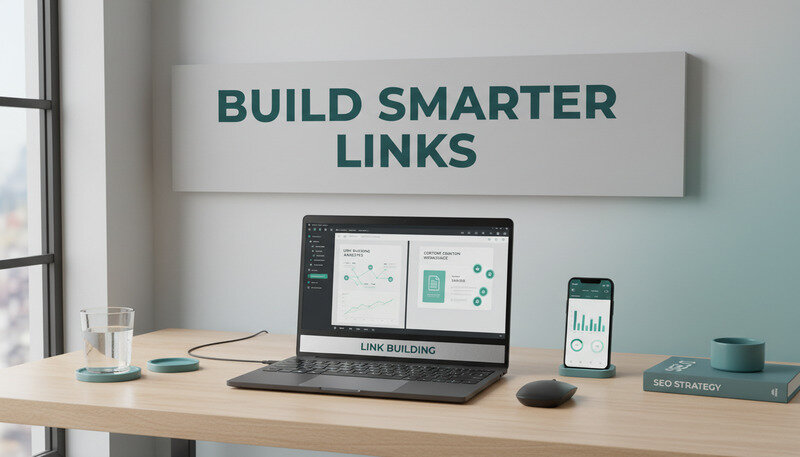
    Split screen showing link building tools and content creation workspace with analytics dashboards

    Understanding Your Link Building Options

    Link building and content marketing represent two fundamentally different approaches to SEO growth. Each strategy targets different aspects of search engine optimization and appeals to different business situations and resource constraints.

    Link building is the practice of acquiring hyperlinks from external websites that point back to your site. These backlinks serve as "votes of confidence" in search engines' algorithms, directly influencing your domain authority and search rankings. The process involves outreach, relationship building, and often creating linkable assets specifically designed to earn mentions from other sites.

    Content marketing takes a broader approach, focusing on creating valuable, relevant content that naturally attracts links, social shares, and direct traffic. This strategy builds long-term brand authority and typically generates compound returns over time as content continues to perform months or years after publication.

    Why It Matters: The choice between these strategies often determines your SEO timeline and resource allocation. Link building can deliver faster ranking improvements, while content marketing builds sustainable, long-term growth.

    The Resource Investment Reality

    The investment required for each approach varies significantly in both time and financial resources. Link building typically requires:

    • Dedicated outreach time: 10-20 hours per week for effective campaigns
    • Tool subscriptions: $200-500 monthly for prospecting and monitoring tools
    • Content creation costs: $500-2000 per linkable asset
    • Relationship management: Ongoing communication with webmasters and editors

    Content marketing demands different resources:

    • Content production: 20-40 hours per piece for comprehensive guides
    • Distribution efforts: Social media, email marketing, and promotion
    • Long-term commitment: 6-12 months before seeing significant results
    • Technical optimization: SEO tools and analytics platforms

    Timeline Expectations for Each Strategy

    Understanding realistic timelines helps set proper expectations and choose the right strategy for your business goals.

    Link building timelines typically follow this pattern:
    – Week 1-4: Campaign setup, prospecting, initial outreach
    – Week 4-12: Relationship building, content creation, link acquisition
    – Week 12-24: Ranking improvements and traffic growth
    – Month 6+: Sustained authority building and competitive positioning

    Content marketing timelines develop more gradually:
    – Month 1-3: Content planning, creation, and initial publishing
    – Month 3-6: Search indexing, initial ranking improvements
    – Month 6-12: Compound growth as content gains authority
    – Year 2+: Established content hub driving consistent organic traffic

    Pro Tip: Many successful SaaS companies combine both approaches, using link building for quick wins while building a content foundation for long-term growth.

    Comparing Link Building and Content Marketing Strategies

    To make an informed decision between these approaches, we need to examine how they perform across critical business metrics. Each strategy excels in different areas and faces unique challenges.

    Comparison of Link Building vs Content Marketing

    Factor Link Building Content Marketing Winner
    Time to Results 3-6 months 6-12 months Link Building
    Initial Investment $2,000-5,000/month $3,000-8,000/month Link Building
    Scalability Limited by outreach capacity Highly scalable Content Marketing
    Long-term ROI Moderate (links can lose value) High (evergreen content) Content Marketing
    Risk Level Higher (Google penalties) Lower (white-hat approach) Content Marketing
    Skill Requirements Outreach, negotiation Writing, SEO, design Tie

    This comparison reveals that neither strategy is universally superior. Your choice depends on business stage, available resources, and growth timeline requirements.

    Cost Analysis and Budget Considerations

    Link building costs break down into several categories:

    • Tools and software: Ahrefs ($200/month), Pitchbox ($200/month), HARO subscriptions
    • Content creation: $1,000-3,000 per linkable asset (infographics, studies, guides)
    • Outreach labor: $3,000-6,000/month for dedicated link builders
    • Guest posting: $500-2,000 per high-quality placement

    Content marketing expenses include:

    • Content production: $500-2,000 per comprehensive guide
    • Design and multimedia: $200-1,000 per piece for visuals and formatting
    • Distribution tools: Social media management, email platforms ($200-500/month)
    • SEO optimization: Keyword research tools, analytics platforms ($300-600/month)

    Key Takeaway: While content marketing requires higher upfront investment, the long-term cost per acquisition often proves more favorable due to compound returns from evergreen content.

    Measuring Success: KPIs for Each Approach

    Link building metrics focus on direct authority and ranking improvements:

    • Domain Rating (DR) increases from quality backlink acquisition
    • Keyword ranking improvements for target terms
    • Referring domains growth month-over-month
    • Link velocity and natural link earning rate
    • Organic traffic growth from improved rankings

    Content marketing metrics emphasize engagement and long-term growth:

    • Organic traffic growth from content pages
    • Time on page and engagement metrics
    • Natural backlink acquisition from content pieces
    • Lead generation from content downloads and subscriptions
    • Brand mentions and social sharing metrics

    The key difference lies in attribution. Link building results are often directly traceable to specific campaigns, while content marketing benefits compound over time and across multiple touchpoints.

    Deep Dive: Link Building Strategy

    Link building remains one of the most direct ways to improve search rankings, but success requires understanding the nuances of modern link acquisition. Today's effective link building goes far beyond simple directory submissions or reciprocal linking schemes.

    The Modern Link Building Process

    Successful link building follows a systematic approach that prioritizes relationship building and value creation:

    1. Prospect Identification: Using tools like Ahrefs or SEMrush to find relevant websites in your industry that actively link to similar content
    2. Content Gap Analysis: Identifying what type of content these sites link to most frequently
    3. Linkable Asset Creation: Developing resources that provide genuine value to both the linking site and their audience
    4. Personalized Outreach: Crafting individualized emails that demonstrate familiarity with the target site's content and audience
    5. Relationship Nurturing: Building long-term connections that lead to multiple linking opportunities

    The process requires significant upfront research but yields better results than mass email campaigns. Quality websites receive dozens of link requests daily, so standing out requires genuine value proposition and personalized approach.

    Types of Links and Their Impact

    Not all backlinks provide equal SEO value. Understanding link types helps prioritize your acquisition efforts:

    Editorial links represent the gold standard of link building. These occur when another website's editor or author naturally references your content within their articles. Editorial links typically:
    * Carry the highest authority weight in search algorithms
    * Generate qualified referral traffic from engaged readers
    * Indicate genuine industry recognition and trust
    * Require exceptional content or data to earn naturally

    Resource page links offer more predictable acquisition opportunities. Many websites maintain curated lists of helpful tools, guides, or industry resources. These links:
    * Provide steady authority building opportunities
    * Generate consistent referral traffic over time
    * Require less content creation investment
    * Face higher competition as more sites target these opportunities

    Guest post links allow direct control over anchor text and placement but require careful execution:
    * Enable strategic anchor text optimization
    * Provide brand exposure to new audiences
    * Risk appearing manipulative if overused
    * Require high-quality content creation for each placement

    Expert Tip: Focus 70% of your efforts on earning editorial links through exceptional content, 20% on resource page opportunities, and 10% on strategic guest posting. This ratio provides the best risk-to-reward balance in today's SEO landscape.

    Flowchart showing link building workflow from prospect research to relationship nurturing

    Common Link Building Mistakes

    Over-optimization represents the biggest risk in modern link building. Many campaigns fail by focusing too heavily on exact-match anchor text or pursuing low-quality links in high volumes. Search engines have become sophisticated at identifying manipulative link patterns.

    Neglecting relationship building leads to short-term thinking and missed opportunities. The most successful link builders invest time in genuine industry relationships that yield multiple linking opportunities over months or years.

    Ignoring link relevance creates another common pitfall. A backlink from a high-authority site in an unrelated industry provides minimal SEO value compared to a relevant industry link with moderate authority.

    Failing to diversify link types creates unnatural link profiles that search engines may flag. Natural link profiles include a mix of editorial mentions, resource page listings, and occasional guest post contributions.

    Link Building Tools and Resources

    Prospecting tools streamline the research phase of link building campaigns:

    • Ahrefs: Provides comprehensive backlink analysis and competitor research capabilities
    • SEMrush: Offers link building opportunities and outreach management features
    • Pitchbox: Automates outreach workflows while maintaining personalization
    • HARO (Help a Reporter Out): Connects businesses with journalists seeking expert sources

    Content creation tools support linkable asset development:

    • Canva or Adobe Creative Suite: For creating visually appealing infographics and data visualizations
    • SurveyMonkey or Typeform: For conducting original research that generates industry interest
    • BuzzSumo: For identifying trending topics and content formats in your industry

    Pro Tip: Invest in one comprehensive tool like Ahrefs rather than multiple specialized tools. The data consistency and workflow integration provide better long-term value for most link building campaigns.

    Deep Dive: Content Marketing Strategy

    Content marketing has evolved from simple blog posting to sophisticated audience engagement strategies. Modern content marketing requires understanding search intent, user behavior, and the content formats that drive both engagement and natural link acquisition.

    The Strategic Content Marketing Framework

    Effective content marketing begins with audience research and strategic planning rather than random content creation:

    1. Audience Research: Developing detailed buyer personas and understanding their content consumption habits
    2. Content Gap Analysis: Identifying topics your audience needs but competitors haven't adequately covered
    3. Content Calendar Development: Planning content themes, formats, and distribution schedules
    4. Quality Content Creation: Producing in-depth, valuable content that addresses specific user needs
    5. Multi-channel Distribution: Sharing content across appropriate platforms to maximize reach and engagement
    6. Performance Analysis: Measuring engagement, traffic, and conversion metrics to optimize future content

    This systematic approach ensures content serves business objectives while providing genuine value to your audience. Random content creation rarely generates significant SEO or business results.

    Content Types That Drive Results

    Long-form guides consistently perform well in search results and generate natural backlinks. These comprehensive resources typically:
    * Target high-volume, informational keywords
    * Provide complete answers to complex user questions
    * Generate social shares and natural mentions from industry professionals
    * Establish your brand as a trusted information source

    Original research and data studies create unique value propositions that other sites want to reference:
    * Generate numerous backlinks from sites citing your data
    * Position your brand as an industry thought leader
    * Provide content for multiple formats (blog posts, infographics, presentations)
    * Create ongoing PR and outreach opportunities

    Interactive tools and calculators engage users while collecting valuable lead information:
    * Generate high time-on-page metrics that improve SEO performance
    * Provide practical value that encourages bookmarking and sharing
    * Create natural link earning opportunities from users who find them helpful
    * Support lead generation through gated advanced features

    Dashboard showing various content performance metrics including guides, tools, and research pieces

    Content Distribution and Amplification

    Organic distribution through search engines provides the most sustainable traffic growth, but initial amplification accelerates content discovery:

    Social media promotion helps content gain initial traction and social signals:
    * LinkedIn performs well for B2B SaaS content targeting decision-makers
    * Twitter enables real-time engagement with industry influencers and potential linkers
    * Reddit and industry forums can drive significant traffic when content provides genuine value

    Email marketing to existing subscribers provides immediate content amplification:
    * Newsletter features generate consistent traffic to new content pieces
    * Segmented email campaigns can target content to specific audience interests
    * Email sharing often leads to social amplification and potential link opportunities

    Community engagement in relevant industry groups and forums builds relationships while sharing valuable content:
    * Participating in discussions before sharing content builds credibility
    * Answering questions with helpful content demonstrates expertise
    * Building relationships in communities often leads to guest posting and collaboration opportunities

    Key Insight: Content distribution requires as much effort as content creation. The best content fails without proper amplification and promotion strategies.

    Measuring Content Marketing ROI

    Traffic metrics provide immediate feedback on content performance:
    * Organic traffic growth indicates improving search performance
    * Direct traffic increases suggest growing brand awareness and repeat visitors
    * Referral traffic shows content earning mentions and links from other sites

    Engagement metrics reveal content quality and audience fit:
    * Average time on page indicates whether content meets user expectations
    * Pages per session shows if content encourages further site exploration
    * Social sharing rates demonstrate content resonance with your audience

    Business metrics connect content marketing to revenue outcomes:
    * Lead generation from content downloads, newsletter signups, and contact forms
    * Customer acquisition cost improvements as organic traffic reduces paid advertising dependence
    * Customer lifetime value increases as content builds stronger brand relationships

    Why It Matters: Content marketing ROI often appears lower initially but compounds over time. A single comprehensive guide can generate traffic and leads for years after publication, while link building campaigns require ongoing investment to maintain results.

    When to Choose Link Building vs Content Marketing

    The decision between link building and content marketing depends on several business factors including current domain authority, competitive landscape, available resources, and growth timeline requirements. Understanding these factors helps optimize resource allocation for maximum SEO impact.

    Business Stage Considerations

    Early-stage startups with new domains often benefit from aggressive link building to establish initial domain authority. Without existing authority, even exceptional content struggles to rank for competitive keywords. Priority should focus on:

    • Building foundational domain authority through quality backlink acquisition
    • Targeting low-competition, long-tail keywords where new domains can compete
    • Creating linkable assets that established sites want to reference
    • Establishing industry relationships that support ongoing link opportunities

    Established businesses with existing domain authority typically see better returns from content marketing investments:

    • Existing authority helps new content rank more quickly
    • Brand recognition increases natural link earning potential
    • Content marketing scales more effectively than manual outreach
    • Long-term compound returns justify higher upfront content investments

    Competitive Landscape Analysis

    Highly competitive industries often require link building to compete with established players who have significant head starts in domain authority and content volume. In these markets:

    • Competitors likely have strong backlink profiles requiring aggressive link building to close gaps
    • Content alone may not generate sufficient authority to compete for valuable keywords
    • Strategic link building can provide faster ranking improvements than content creation
    • Combining both approaches often proves necessary for meaningful competitive progress

    Less competitive niches may favor content marketing approaches where quality content can rank without extensive link building:

    • Lower competition allows new content to rank more easily
    • Natural link earning becomes more feasible with less competition for attention
    • Content marketing costs may provide better ROI than expensive link building campaigns
    • Long-term content strategies can establish market dominance before competition intensifies

    Creating a Hybrid Approach

    Rather than viewing link building and content marketing as competing strategies, the most successful SEO campaigns integrate both approaches to maximize their individual strengths while minimizing weaknesses. This hybrid strategy requires careful planning and resource allocation but typically delivers superior long-term results.

    The Content-First Link Building Strategy

    Content-first link building begins with creating exceptional content designed specifically to earn natural links, then amplifies these assets through targeted outreach:

    1. Research-driven content creation: Developing original studies, comprehensive guides, or unique tools that provide genuine industry value
    2. Natural link earning: Allowing time for content to earn organic mentions and links through search visibility and social sharing
    3. Strategic amplification: Identifying sites that would benefit from linking to your content and conducting personalized outreach
    4. Relationship building: Using successful content placement to build ongoing relationships for future linking opportunities

    This approach combines the authority-building benefits of link building with the sustainable, scalable advantages of content marketing. The content provides long-term value while link building accelerates initial visibility and authority development.

    Decision Framework: Choosing Your Strategy

    Making the right choice between link building, content marketing, or a hybrid approach requires systematic evaluation of your specific business situation. This framework helps identify the optimal strategy based on measurable factors rather than assumptions or preferences.

    Business Assessment Checklist

    Evaluate your current SEO foundation before selecting a strategy:

    Domain authority analysis:
    * Domain Rating below 20: Prioritize link building for foundational authority
    * Domain Rating 20-40: Consider hybrid approach with slight link building emphasis
    * Domain Rating above 40: Content marketing may provide better ROI

    Content creation capabilities:
    * Strong writing team: Content marketing becomes more viable
    * Limited content resources: Link building may provide better resource utilization
    * Mixed capabilities: Hybrid approach allows leveraging existing strengths

    Available Budget and Timeline:
    * Budget under $3,000/month: Focus on single strategy for better results
    * Budget $3,000-8,000/month: Hybrid approach becomes feasible
    * Timeline under 6 months: Link building provides faster results
    * Timeline over 6 months: Content marketing compound returns justify investment

    Competitive Analysis Framework

    Analyze your top 5 competitors to understand the competitive landscape requirements:

    1. Backlink Profile Analysis: Use Ahrefs or SEMrush to examine competitor referring domains, average DR of linking sites, and link acquisition velocity
    2. Content Gap Identification: Identify topics competitors cover extensively and areas where content opportunities exist
    3. SERP Analysis: Examine whether top-ranking pages succeed primarily through authority (backlinks) or content quality
    4. Resource Assessment: Estimate competitor content production rates and apparent link building investment levels

    This analysis reveals whether your market rewards authority-building (link building) or content quality, helping inform strategy selection.

    ROI Projection Models

    Link building ROI typically follows this pattern:
    * Month 1-3: Investment period with minimal returns
    * Month 4-8: Ranking improvements and traffic growth
    * Month 9-12: Sustained traffic increases and authority building
    * Year 2+: Ongoing maintenance required to sustain results

    Content marketing ROI develops differently:
    * Month 1-6: Investment period with gradual traffic growth
    * Month 6-12: Compound returns as content gains authority
    * Year 2-3: Peak performance from evergreen content assets
    * Year 3+: Sustained returns with minimal ongoing investment

    Key Takeaway: Link building provides faster initial returns but requires ongoing investment, while content marketing requires patience but delivers superior long-term ROI through compound growth effects.

    Strategy Selection Decision Tree

    Use this decision tree to select your optimal approach:

    Start here: What is your primary business goal?
    * Fast ranking improvements (3-6 months) → Evaluate domain authority
    * DR below 30 → Link building priority
    * DR above 30 → Hybrid approach
    * Long-term organic growth (6+ months) → Evaluate content capabilities
    * Strong content team → Content marketing priority
    * Limited content resources → Link building priority
    * Mixed capabilities → Hybrid approach

    Budget considerations:
    * Under $3,000/month → Choose single strategy based on above factors
    * $3,000-8,000/month → Hybrid approach recommended
    * Above $8,000/month → Full hybrid implementation with 60/40 or 70/30 split

    Industry factors:
    * Highly competitive (finance, legal, health) → Link building emphasis required
    * Moderately competitive (B2B SaaS, professional services) → Hybrid approach optimal
    * Low competition (niche industries) → Content marketing may suffice

    This systematic approach removes guesswork and aligns strategy selection with measurable business factors and market realities.

    Common Questions About Link Building vs Content Marketing

    Which strategy delivers faster results for new websites?

    Link building typically delivers faster ranking improvements for new websites, especially those with domain ratings below 20. New domains lack the authority needed for content to rank competitively, even when the content quality exceeds established competitors.

    However, the definition of "faster results" depends on your goals. Link building can improve keyword rankings within 3-6 months, but content marketing builds more sustainable long-term traffic growth. New websites should consider their timeline and budget constraints when making this decision.

    For most new SaaS companies, a hybrid approach works best: create 2-3 exceptional linkable assets (original research, comprehensive guides, or useful tools) then use targeted link building to amplify these content pieces. This strategy provides faster authority building while establishing a content foundation for long-term growth.

    Expert Tip: New websites should focus on building domain authority to 20-30 before expecting content marketing alone to drive significant results. This threshold typically requires 50-100 quality backlinks from relevant industry sources.

    How do I measure ROI for each strategy accurately?

    Measuring ROI requires tracking different metrics for each strategy and understanding their attribution models:

    Link building ROI measurement:
    * Track ranking improvements for target keywords within 90 days of link acquisition
    * Monitor organic traffic growth from pages that received new backlinks
    * Calculate cost per ranking position improvement
    * Measure referral traffic and conversions from acquired backlinks

    Content marketing ROI measurement:
    * Track organic traffic growth from content pages over 6-12 month periods
    * Monitor natural backlink acquisition from published content
    * Measure lead generation and customer acquisition from content pieces
    * Calculate lifetime value of customers acquired through organic content

    Attribution challenges: Content marketing benefits compound over time and across multiple touchpoints, making direct attribution difficult. Link building results are more immediately traceable but may not account for long-term authority benefits.

    Use separate tracking for each strategy initially, then analyze combined impact after 6-12 months when both strategies have time to demonstrate results.

    Can small businesses compete with large companies using these strategies?

    Small businesses can compete effectively by focusing their resources strategically rather than trying to match large company spending across all areas.

    Link building advantages for small businesses:
    * Personalized outreach often outperforms automated campaigns used by larger companies
    * Niche expertise allows targeting specific, less competitive link opportunities
    * Agility enables faster response to new linking opportunities
    * Relationship building scales better for smaller teams

    Content marketing advantages for small businesses:
    * Deep niche knowledge allows creating more targeted, valuable content
    * Personal brand building works better for smaller companies
    * Less bureaucracy enables faster content creation and publishing
    * Authentic voice often resonates better than corporate content

    Recommended approach: Small businesses should choose one strategy initially and execute it exceptionally well rather than spreading resources across multiple approaches. Focus on your team's strengths and the strategy that best matches your industry and competitive landscape.

    What are the biggest risks with each approach?

    Link building risks primarily involve Google penalties and wasted resources:

    • Manual penalties from acquiring low-quality or spammy backlinks
    • Algorithmic devaluation of manipulative link schemes
    • Wasted outreach efforts targeting irrelevant or low-quality sites
    • Relationship damage from aggressive or inappropriate outreach tactics

    Content marketing risks involve resource allocation and competitive challenges:

    • High upfront costs with delayed returns on investment
    • Content saturation in competitive topics making differentiation difficult
    • Algorithm changes affecting content visibility and traffic
    • Resource drain from creating content that doesn't generate results

    Risk mitigation strategies:
    * Link building: Focus on quality over quantity, build genuine relationships, avoid link schemes
    * Content marketing: Research thoroughly before creating content, focus on unique angles, track performance metrics

    Both strategies carry lower risks when executed with focus on providing genuine value rather than manipulating search algorithms.

    How long should I test each strategy before making changes?

    Link building campaigns require 3-6 months for accurate performance evaluation:
    * Month 1-2: Campaign setup and initial outreach
    * Month 2-4: Link acquisition and relationship building
    * Month 4-6: Ranking improvements and traffic impact measurement

    Content marketing strategies need 6-12 months for comprehensive assessment:
    * Month 1-3: Content creation and initial publishing
    * Month 3-6: Search indexing and initial ranking development
    * Month 6-12: Traffic growth and natural link earning evaluation

    Optimization timeline: Make tactical adjustments (outreach messaging, content topics) monthly, but avoid strategic pivots for at least 6 months. SEO strategies require time to demonstrate their full potential, and premature changes often waste previous investments.

    Performance indicators: Look for leading indicators like improved outreach response rates, increasing social shares, or gradual ranking improvements rather than waiting for dramatic traffic increases.

    Should I hire an agency or build an in-house team?

    The decision depends on budget, timeline, and long-term strategic goals:

    Agency advantages:
    * Immediate access to experienced teams and established processes
    * Lower initial investment compared to hiring full-time employees
    * Access to premium tools and industry relationships
    * Faster implementation and results

    In-house team advantages:
    * Better understanding of your business, audience, and industry
    * Long-term cost efficiency for ongoing campaigns
    * Greater control over strategy and execution
    * Integration with broader marketing and business objectives

    Budget considerations:
    * Agency costs: $3,000-10,000/month for quality link building or content marketing
    * In-house costs: $60,000-120,000/year per specialist plus tool and training costs

    Recommended approach: Most growing SaaS companies benefit from starting with an agency to establish processes and see initial results, then transitioning to in-house teams as budgets and needs scale. This hybrid approach provides faster initial progress while building long-term capabilities.

    Final Thoughts

    Choosing between link building and content marketing isn't about finding the "right" answer—it's about matching your strategy to your specific business situation, resources, and timeline. Both approaches can drive significant organic growth when executed properly and consistently.

    Get started with RankLoop to discover which approach aligns best with your current SEO needs and business objectives. Ready to get started? Visit RankLoop to learn more.

  • 9 Spam Link Types That Harm Your Rankings

    9 Spam Link Types That Harm Your Rankings

    Spam links are artificial or manipulative links that violate search engine guidelines and can severely damage your website's rankings. Unlike natural backlinks that develop organically through quality content and genuine relationships, spam links are typically created through automated tools, paid schemes, or deceptive practices designed to game search engine algorithms.

    For SaaS founders and indie hackers building their online presence, understanding spam links isn't just about avoiding penalties—it's about protecting the link building investments you're making through platforms like RankLoop. When search engines detect spam link patterns, they don't just devalue those specific links; they can penalize your entire domain, undoing months of legitimate SEO work.

    Digital illustration showing various types of spam links being filtered out by search engine algorithms

    The stakes are higher than ever. Google's algorithm updates specifically target spam link networks, and manual penalties can take months to recover from. This guide breaks down the nine most common spam link types that can harm your rankings, helping you identify threats to your link profile and make informed decisions about your SEO strategy.

    What Are Spam Links and Why They Matter

    Spam links represent one of the most significant threats to modern SEO success. These are backlinks that violate search engine quality guidelines, either through their creation method, placement context, or intent to manipulate rankings artificially.

    The Evolution of Spam Link Detection

    Search engines have become increasingly sophisticated at identifying spam link patterns. What worked in the early 2000s—buying thousands of directory links or participating in massive link exchanges—now triggers algorithmic penalties almost immediately. Google's Penguin algorithm, first launched in 2012 and continuously updated since, specifically targets websites with unnatural link profiles.

    The detection methods have evolved beyond simple pattern matching. Modern algorithms analyze link velocity, anchor text distribution, referring domain authority, content relevance, and even user behavior signals to identify manipulative linking schemes. This means that even sophisticated spam link operations that try to appear natural often get caught within weeks or months.

    Impact on SaaS and Indie Hacker Businesses

    For growing businesses, spam link penalties can be devastating. Unlike established enterprises with diverse traffic sources, SaaS startups and indie hacker projects often rely heavily on organic search traffic for growth. A spam link penalty can cut organic traffic by 50-90% overnight, directly impacting user acquisition and revenue.

    Why It Matters: A single spam link penalty can undo months of legitimate SEO work and cost thousands in lost revenue while you work to recover your rankings.

    The recovery process is particularly challenging for smaller businesses. Manual penalty removal requires detailed link audits, extensive outreach to remove bad links, and disavowal file submissions—all time-intensive processes that divert resources from product development and growth activities.

    Comparison of Natural vs. Spam Links

    Link Type Creation Method Intent Long-term Value
    Natural Links Earned through quality content Editorial endorsement High and sustainable
    Spam Links Artificial manipulation Ranking manipulation Negative risk
    Gray Hat Links Paid but relevant Mixed commercial/editorial Variable and risky

    Understanding this distinction helps you evaluate link building opportunities and avoid practices that could harm your site's authority.

    Private Blog Networks: The Hidden Danger

    Private Blog Networks (PBNs) represent one of the most sophisticated yet dangerous forms of spam link manipulation. These networks consist of expired domains with existing authority that are purchased and repurposed solely to pass link equity to target websites.

    How PBNs Operate

    PBN operators typically acquire expired domains that previously belonged to legitimate businesses, organizations, or publications. These domains often retain significant domain authority and existing backlink profiles, making them attractive for link manipulation schemes. The operators then create minimal content on these domains—often just enough to make them appear legitimate—and embed links to their target websites or sell links to other site owners.

    The appeal of PBNs lies in their apparent sophistication. Unlike obvious link farms, PBNs can appear to be legitimate websites at first glance. They often use different hosting providers, registration information, and content management systems to avoid detection. Some operators even invest in unique content and design to make their network sites appear more authentic.

    Detection and Risk Factors

    Search engines have become increasingly effective at identifying PBN footprints. Common detection signals include shared hosting infrastructure, similar website templates, cross-linking patterns between network sites, and thin or duplicate content. Google's algorithm can also identify expired domains that suddenly change topic focus or begin linking to unrelated websites.

    Expert Tip: Even if a PBN appears sophisticated, search engines can detect patterns across hundreds or thousands of network sites, making detection almost inevitable over time.

    The risk extends beyond the immediate penalty. When search engines identify a PBN, they often devalue the entire network simultaneously, causing sudden and severe ranking drops for all connected websites. Recovery typically requires disavowing all PBN links and rebuilding authority through legitimate methods.

    Real-World PBN Consequences

    Many SaaS companies have learned about PBN risks the hard way. A common scenario involves hiring an SEO agency that promises quick results through "high-authority" links, only to discover months later that these links came from PBN sites. The subsequent penalty can take 6-12 months to fully recover from, even with aggressive cleanup efforts.

    Illustration showing interconnected private blog network sites linking to target websites

    The financial impact goes beyond lost rankings. Companies often spend thousands of dollars on penalty recovery services, link removal outreach, and rebuilding their link profiles from scratch. For growing businesses, this represents a significant setback in both time and resources.

    Link Farms and Directory Spam

    Link farms represent the most blatant form of spam link manipulation, consisting of websites created solely to house large quantities of outbound links with no editorial oversight or content value. These sites often contain hundreds or thousands of links crammed onto single pages, with minimal or no supporting content.

    Traditional Link Farm Characteristics

    Classic link farms are easily identifiable by their structure and purpose. They typically feature pages with extensive lists of unrelated links, minimal content between link sections, and no clear editorial guidelines for inclusion. The websites often have generic names, basic templates, and exist solely to sell link placements or participate in reciprocal linking schemes.

    Directory spam represents a more sophisticated variation, where operators create fake business directories or resource lists that appear legitimate but accept any website willing to pay for inclusion. These directories often lack genuine editorial review, proper categorization, or user value beyond link manipulation.

    Modern Link Farm Evolution

    Today's link farms have evolved to appear more legitimate while maintaining their fundamental spam characteristics. Some operators create niche-specific directories or resource sites that focus on particular industries or topics. However, they still accept links from any website willing to pay, regardless of relevance or quality.

    Key Takeaway: The fundamental characteristic that defines a link farm is the lack of editorial standards—any website can get listed regardless of quality, relevance, or value to users.

    These modern variations often use content marketing tactics to appear more legitimate, publishing blog posts or resource guides alongside their link sections. However, the primary purpose remains link manipulation rather than providing genuine value to users.

    Impact on Link Profile Quality

    Links from farms and spam directories provide no SEO value and actively harm your website's authority. Search engines can easily identify these patterns and may penalize websites that participate in such schemes. Even a small number of farm links can trigger algorithmic penalties, especially for newer websites without established authority.

    The damage extends beyond immediate ranking impacts. Spam directory links can make your entire link profile appear manipulative, causing search engines to scrutinize all your backlinks more closely and potentially devaluing legitimate links in the process.

    Reciprocal Link Exchanges Gone Wrong

    Reciprocal linking—where two websites agree to link to each other—was once a common and accepted SEO practice. However, when taken to extremes or done without editorial justification, reciprocal link exchanges become a form of spam link manipulation that search engines actively penalize.

    When Reciprocal Links Become Spam

    Legitimate reciprocal links occur naturally when two websites genuinely find each other's content valuable and worth referencing. The key distinction lies in editorial intent and user value. Spam reciprocal links, by contrast, exist solely for SEO manipulation without any genuine editorial reason for the exchange.

    Common spam reciprocal patterns include systematic exchanges between unrelated websites, "link exchange" pages that serve no user purpose, and three-way link exchanges designed to obscure the reciprocal relationship. These arrangements prioritize link quantity over relevance or user value.

    The Three-Way Exchange Problem

    Three-way link exchanges represent a more sophisticated attempt to hide reciprocal relationships. In these arrangements, Website A links to Website B, Website B links to Website C, and Website C links back to Website A. The intent is to make the links appear more natural by avoiding direct reciprocal patterns.

    However, search engines have become adept at identifying these triangular linking patterns, especially when they occur at scale or between obviously unrelated websites. The algorithmic detection often results in more severe penalties than simple reciprocal exchanges because of the clear intent to deceive.

    Editorial Standards for Legitimate Reciprocal Links

    Not all reciprocal links are spam. Legitimate reciprocal linking can occur when websites in related industries or complementary niches genuinely reference each other's valuable content. The key factors that distinguish legitimate reciprocal links include:

    • Genuine Editorial Value: The link provides real value to users visiting the linking page
    • Topical Relevance: The linked content relates meaningfully to the linking page's topic
    • Natural Context: The link fits naturally within the content flow rather than appearing in dedicated "link exchange" sections
    • User Intent: The link helps users accomplish their goals rather than existing solely for SEO purposes

    Pro Tip: If you wouldn't include a reciprocal link for your users' benefit, regardless of SEO considerations, it's likely a spam link that could harm your rankings.

    Paid Link Networks and Schemes

    Paid link networks represent organized efforts to sell and distribute links across multiple websites for the primary purpose of manipulating search rankings. These schemes violate Google's quality guidelines and can result in severe penalties for both buyers and sellers.

    How Paid Link Networks Operate

    Professional link networks typically operate through centralized platforms that connect link buyers with website owners willing to sell link placements. These networks often promise "high-authority" links from "real websites" but fail to disclose that the primary business model of participating sites is selling links rather than serving genuine audiences.

    The networks usually provide detailed metrics about available websites, including domain authority scores, traffic estimates, and pricing tiers. However, these metrics often don't reflect the actual editorial standards or user engagement of the participating sites. Many network sites exist primarily to generate revenue through link sales rather than providing genuine value to their audiences.

    Guest Post Networks and Article Marketing Schemes

    A subset of paid link networks focuses on guest posting and article marketing, where operators maintain networks of blogs that accept paid guest posts containing promotional links. These schemes often promise "high-quality content marketing" but deliver generic, low-value articles designed primarily to house promotional links.

    The content on these networks typically lacks genuine editorial oversight, original research, or unique insights. Instead, the articles often rehash common industry topics while incorporating promotional links that provide little value to readers. The primary purpose is link placement rather than audience education or engagement.

    Detection and Penalty Risks

    Search engines have become increasingly sophisticated at identifying paid link networks through various signals:

    • Link Pattern Analysis: Algorithms can detect unnatural linking patterns across network sites, including similar anchor text distributions, link placement patterns, and timing correlations
    • Content Quality Assessment: Low-quality content that exists primarily to house links triggers algorithmic scrutiny
    • User Behavior Signals: Network sites often show poor engagement metrics, high bounce rates, and low return visitor rates
    • Commercial Intent Detection: Search engines can identify when websites exist primarily for link sales rather than serving genuine audiences

    Why It Matters: Participating in paid link networks doesn't just risk individual link devaluation—it can trigger site-wide penalties that affect all your organic search rankings.

    Alternatives to Paid Link Schemes

    Instead of participating in paid link networks, focus on legitimate relationship building and content marketing strategies. This includes creating genuinely valuable content that naturally attracts links, building relationships with industry publications and influencers, and participating in legitimate industry communities and forums.

    Side-by-side comparison showing legitimate link building versus paid link network schemes

    The long-term value of legitimate link building far exceeds the short-term gains possible through paid networks, while avoiding the significant risks associated with algorithmic or manual penalties.

    Comment Spam and Forum Manipulation

    Comment spam and forum manipulation represent some of the most widespread and easily detectable forms of spam links. These practices involve dropping links in blog comments, forum posts, or discussion threads without adding genuine value to the conversation.

    Evolution of Comment Spam Tactics

    Early comment spam was blatantly obvious—automated bots would post generic comments like "Great post!" followed by promotional links. Modern comment spam has become more sophisticated, with operators using tools that generate contextually relevant comments that appear more natural at first glance.

    However, the fundamental problem remains: these comments exist primarily to place links rather than contribute meaningfully to discussions. Even sophisticated comment spam typically lacks the depth, specificity, or genuine engagement that characterizes authentic community participation.

    Forum and Community Manipulation

    Forum spam involves creating accounts on industry forums, discussion boards, or community sites primarily to post promotional links. This often includes filling out detailed profiles to appear legitimate, making a few generic posts to establish credibility, then gradually introducing promotional content or links.

    The manipulation extends to social media groups, Reddit communities, and specialized industry forums. Spammers often study community guidelines and posting patterns to make their promotional content appear more natural, but the underlying intent remains link manipulation rather than genuine community participation.

    Why Comment and Forum Links Fail

    Beyond violating platform guidelines and community standards, comment and forum spam links provide minimal SEO value for several reasons:

    • NoFollow Attributes: Most reputable platforms automatically add nofollow attributes to user-generated links, preventing them from passing link equity
    • Low Authority Context: Comments and forum posts typically carry less editorial weight than main content areas
    • Algorithmic Detection: Search engines can easily identify user-generated content areas and apply different ranking factors to these links
    • Community Moderation: Active communities often remove obvious promotional content, making the links temporary at best

    Building Legitimate Community Presence

    Instead of manipulating comments and forums for links, focus on building genuine community presence through valuable contributions. This involves answering questions thoroughly, sharing relevant experiences, and providing helpful resources without promotional intent.

    Expert Tip: The most valuable community links come naturally when you establish yourself as a helpful, knowledgeable contributor who occasionally shares relevant resources that genuinely help other community members.

    Legitimate community participation can lead to natural link opportunities, brand recognition, and direct business relationships that provide far more value than manipulative link dropping.

    Article Spinning and Content Farm Links

    Article spinning and content farm links represent attempts to create large quantities of low-quality content for the primary purpose of housing promotional links. These schemes rely on automated content generation, plagiarism, or minimal content creation to scale link building efforts.

    Understanding Article Spinning Technology

    Article spinning involves using software to automatically rewrite existing content by substituting synonyms, rearranging sentence structures, and making other surface-level changes. The goal is to create content that appears unique to search engines while requiring minimal human effort or expertise.

    Modern spinning tools have become more sophisticated, using artificial intelligence and natural language processing to create more readable variations. However, the fundamental problem remains: spun content lacks original insights, genuine expertise, or unique value for readers.

    Content Farm Business Models

    Content farms operate by producing large volumes of low-cost content targeting specific keywords or topics. These operations often employ freelance writers at extremely low rates to produce generic articles that meet minimum word count requirements while incorporating promotional links.

    The business model prioritizes quantity over quality, with farms often producing hundreds or thousands of articles per month across multiple websites. The content typically lacks depth, original research, or genuine expertise, existing primarily to rank for long-tail keywords and house promotional links.

    Quality Signals That Matter

    Search engines have become increasingly sophisticated at identifying low-quality content through various quality signals:

    Quality Factor High-Quality Content Content Farm/Spun Content
    Expertise Demonstrates clear subject matter expertise Generic information available elsewhere
    Originality Unique insights, research, or perspectives Rehashed or spun existing content
    Depth Comprehensive coverage with specific details Surface-level treatment of topics
    User Engagement High time on page, social shares, return visits High bounce rates, low engagement

    The E-A-T Factor in Link Evaluation

    Google's E-A-T (Expertise, Authoritativeness, Trustworthiness) guidelines significantly impact how search engines evaluate both content quality and the value of links within that content. Links from high E-A-T content carry more weight, while links from obvious content farms or spun articles may be ignored or penalized.

    Key Insight: Search engines don't just evaluate individual links—they assess the overall quality and trustworthiness of the content context where those links appear.

    This means that even if you're not directly involved in creating spun content, accepting links from content farms or article spinning operations can harm your website's perceived quality and authority.

    Social Media and Web 2.0 Spam

    Social media and Web 2.0 spam involves creating fake profiles, pages, or accounts on social platforms and user-generated content sites primarily to place promotional links. This includes everything from fake Facebook pages to abandoned Tumblr blogs created solely for link building.

    Web 2.0 Platform Exploitation

    Web 2.0 platforms like WordPress.com, Blogger, Tumblr, and Medium were designed to democratize content publishing, allowing anyone to create websites or blogs easily. However, this accessibility has led to widespread abuse by spammers who create multiple accounts across these platforms solely to host promotional content and links.

    The typical Web 2.0 spam approach involves creating accounts with generic usernames, populating them with minimal or spun content, and embedding promotional links throughout the posts. These sites often show clear signs of being created for manipulation rather than genuine content sharing.

    Social Media Link Manipulation

    Social media spam takes various forms, from fake business pages that exist only to share promotional links to automated bot accounts that drop links in comments and discussions. The manipulation often extends to creating fake engagement through likes, shares, and comments to make promotional content appear more legitimate.

    Professional spam operations often maintain networks of social media accounts across multiple platforms, using automation tools to distribute content and links at scale. These networks can appear sophisticated but lack genuine audience engagement or community building.

    Platform Detection and Consequences

    Social media platforms and Web 2.0 sites have implemented increasingly sophisticated detection mechanisms:

    • Account Verification: Platforms require phone verification, email confirmation, and other identity checks to create accounts
    • Behavioral Analysis: Algorithms detect unnatural posting patterns, excessive promotional content, and lack of genuine engagement
    • Link Analysis: Platforms can identify accounts that exist primarily to share promotional links rather than engage with communities
    • Community Reporting: Users actively report obvious spam accounts and promotional manipulation

    Pro Tip: Even if social media links are typically nofollow, search engines still consider social signals as part of overall website quality assessment, making social media spam potentially harmful to your broader SEO efforts.

    Building Legitimate Social Presence

    Instead of manipulating social media for links, focus on building genuine community presence through valuable content sharing, authentic engagement, and helpful participation in industry discussions. This approach provides long-term brand building benefits beyond SEO considerations.

    Comparison between authentic social media presence and spam manipulation tactics

    Directory and Citation Manipulation

    Directory and citation manipulation involves submitting websites to low-quality directories, fake business listings, or citation sites that exist primarily to sell link placements rather than provide genuine value to users searching for businesses or resources.

    Legitimate vs. Spam Directories

    The line between legitimate directories and spam operations isn't always clear, but several factors distinguish quality directories from link manipulation schemes:

    Legitimate directories typically have editorial standards for inclusion, organize listings by relevant categories, provide value to users searching for specific types of businesses or resources, and maintain quality control over their listings. They often charge reasonable fees for premium placements but don't guarantee inclusion regardless of website quality.

    Spam directories, by contrast, accept any website willing to pay for inclusion, lack meaningful categorization or quality control, exist primarily to generate revenue through link sales rather than serve users, and often contain thousands of unrelated websites in poorly organized categories.

    Citation Spam in Local SEO

    Local business citation spam involves creating fake business listings across multiple directory sites to artificially inflate local search presence. This includes using inconsistent business information, fake addresses, or non-existent phone numbers to create multiple listings for the same business.

    The practice extends to creating fake reviews, manipulating business categories, and submitting to low-quality local directories that don't verify business information. These tactics can initially appear to boost local search rankings but often result in penalties when search engines detect the manipulation.

    Industry-Specific Directory Risks

    Some industries have spawned numerous niche directories that claim to serve specific professional communities but operate primarily as link-selling schemes. These directories often charge high fees for "premium" listings while providing minimal value to users actually searching for industry services.

    The challenge lies in distinguishing legitimate industry associations and professional directories from commercial operations that exploit industry keywords for link manipulation purposes.

    Evaluation Criteria for Directory Submissions

    Directory Quality Factor Legitimate Directory Spam Directory
    Editorial Standards Reviews submissions for relevance and quality Accepts any paying website
    User Value Provides genuine value to people searching Exists primarily for SEO purposes
    Organization Well-organized, logical categorization Poor organization, random categories
    Traffic Quality Real users searching for services Minimal or artificial traffic

    Key Takeaway: Before submitting to any directory, ask whether real users would find value in browsing that directory to discover businesses or resources in your industry.

    Automated Link Building Tools and Bots

    Automated link building represents perhaps the most dangerous category of spam link creation, involving software tools and bots that create hundreds or thousands of links across the web without human oversight or editorial consideration.

    How Automated Tools Operate

    Link building automation tools typically work by maintaining databases of websites that accept user-generated content, including blog comments, forum posts, guest book entries, and directory submissions. The software then automatically creates accounts, generates content, and submits links across these platforms at scale.

    More sophisticated tools incorporate content spinning, proxy rotation, and CAPTCHA solving to appear more human-like and avoid immediate detection. However, the fundamental problem remains: these tools create links without any editorial consideration, relevance assessment, or genuine value creation.

    The Scale Problem

    The primary appeal of automated tools lies in their ability to create massive quantities of links quickly and cheaply. However, this scale advantage becomes a critical vulnerability when search engines detect the patterns. Automated tools often leave distinctive footprints across multiple websites, making detection relatively straightforward for modern algorithms.

    When search engines identify automated link building patterns, they typically penalize not just individual links but entire domains associated with the manipulation. The scale that makes automation attractive becomes the very factor that makes penalties more severe and comprehensive.

    Detection Signatures

    Search engines identify automated link building through various technical and behavioral signatures:

    • Timing Patterns: Automated tools often create links in predictable time intervals or bursts that don't match natural human behavior
    • Content Similarity: Even with spinning, automated content often shares structural similarities, keyword patterns, or template-based formatting
    • Technical Footprints: Tools may leave consistent user agent strings, IP address patterns, or other technical markers across multiple sites
    • Anchor Text Distribution: Automated tools often use unnatural anchor text patterns that don't match genuine editorial linking

    Expert Tip: The sophistication of modern automated tools creates a false sense of security—while they may appear to create natural links, search engines analyze patterns across millions of websites to identify manipulation at scale.

    Long-term Consequences

    Websites caught using automated link building tools often face more severe penalties than those using other spam link tactics. The scale and clear manipulative intent associated with automation typically results in longer recovery periods and more extensive cleanup requirements.

    The recovery process often requires disavowing thousands of links, which can take months to process and may inadvertently remove some legitimate links in the cleanup effort.

    Common Questions About Spam Links

    How can I identify spam links pointing to my website?

    Identifying spam links requires systematic analysis of your backlink profile using tools like Google Search Console, Ahrefs, or SEMrush. Look for patterns that indicate manipulation rather than editorial linking: links from unrelated websites, excessive exact-match anchor text, links from low-quality content or obvious spam sites, and sudden spikes in link acquisition that don't correlate with content publication or promotional activities.

    Pay particular attention to links from websites that exist primarily to sell links rather than serve genuine audiences. These often include obvious link farms, expired domains with minimal content, websites with excessive outbound links relative to their content volume, and sites in completely unrelated industries or languages.

    The key is understanding that spam links often cluster together—if you find one obvious spam link, investigate the surrounding time period and similar referring domains for additional manipulation patterns.

    What should I do if I discover spam links to my site?

    If you discover spam links pointing to your website, take immediate action to minimize potential penalties. Start by documenting all suspicious links with screenshots and detailed records, as you'll need this information for cleanup efforts. Then attempt to contact website owners directly to request link removal, keeping records of all outreach attempts and responses.

    For links you cannot remove through outreach, use Google's Disavow Tool to signal that you don't want these links considered in your site's ranking evaluation. However, be extremely careful with the disavow process—incorrectly disavowing legitimate links can harm your rankings. Only disavow links you're confident are spam or manipulative.

    If you've received a manual penalty notification in Google Search Console, follow Google's reconsideration request process after cleaning up the spam links and documenting your efforts. This typically requires a detailed explanation of the cleanup actions taken and commitments to avoid similar issues in the future.

    Can competitors use spam links to harm my rankings?

    While negative SEO attacks involving spam links are theoretically possible, Google has stated that their algorithms are designed to ignore rather than penalize most low-quality links pointing to websites. The search engine recognizes that website owners cannot control all inbound links and generally focuses penalties on sites that actively participate in link manipulation schemes.

    However, extremely aggressive negative SEO campaigns involving thousands of obvious spam links could potentially trigger algorithmic scrutiny. If you notice sudden spikes in spam links pointing to your site that you didn't create, document the pattern and consider proactively disavowing the most obvious spam links while monitoring your rankings for any negative impact.

    The best defense against negative SEO is maintaining a strong profile of legitimate, high-quality links that clearly demonstrate your website's authority and trustworthiness. This makes your site more resilient to any potential negative impact from competitor-generated spam links.

    How long does it take to recover from a spam link penalty?

    Recovery time from spam link penalties varies significantly depending on the severity of the manipulation, the type of penalty (algorithmic vs. manual), and the thoroughness of your cleanup efforts. Manual penalties typically require submitting a reconsideration request after cleaning up the spam links, with review times ranging from a few weeks to several months.

    Algorithmic penalties can take longer to recover from because they require waiting for search engine algorithms to recrawl and reassess your link profile. This process can take anywhere from a few months to over a year, depending on how frequently search engines crawl the websites containing your spam links and how long it takes to process disavow file updates.

    The key factors affecting recovery time include the comprehensiveness of your cleanup efforts, the quality of documentation provided in reconsideration requests, the severity and scale of the original manipulation, and your website's overall authority and trustworthiness signals beyond just the link profile.

    Are all paid links considered spam links?

    Not all paid links are automatically considered spam, but the vast majority of paid linking schemes violate search engine guidelines. The key distinction lies in whether the paid links serve genuine editorial purposes and provide value to users, or exist primarily for SEO manipulation.

    Legitimate paid links include sponsored content that's clearly disclosed as advertising, paid placements in relevant industry publications where the content provides genuine value to readers, and promotional partnerships where the linking makes editorial sense regardless of the commercial relationship.

    However, most commercial link building services operate in violation of Google's guidelines because they prioritize SEO value over editorial relevance. This includes guest posting networks, directory submissions, and link insertion services that focus on metrics like domain authority rather than genuine audience value.

    How do search engines detect spam link patterns?

    Search engines use sophisticated machine learning algorithms that analyze multiple factors to identify spam link patterns across millions of websites. These systems look for unnatural linking behaviors that don't match genuine editorial linking patterns, including unusual anchor text distributions, link velocity spikes that don't correlate with content publication, links from websites with poor user engagement metrics, and cross-linking patterns between related spam networks.

    The algorithms also analyze content quality around links, user behavior signals on linking pages, and technical footprints that indicate automated or manipulative link creation. Modern detection systems can identify subtle patterns across vast networks of websites, making even sophisticated spam operations vulnerable to detection.

    Additionally, search engines incorporate user feedback, manual review findings, and industry reporting to continuously improve their spam detection capabilities. This multi-layered approach makes it increasingly difficult for spam link operations to avoid detection over time.

    Final Thoughts

    Understanding spam links isn't just about avoiding penalties—it's about building sustainable SEO success that supports long-term business growth. The nine spam link types covered in this guide represent the most common threats to your website's search rankings and organic traffic potential.

    For SaaS founders and indie hackers, the stakes are particularly high because organic search often represents a critical growth channel. Investing in legitimate link building strategies through platforms like RankLoop provides sustainable results without the constant risk of algorithmic penalties that can devastate your organic traffic overnight. Get started with RankLoop to build authority the right way and protect your long-term SEO success. Ready to get started? Visit RankLoop to learn more.

  • What Is a Backlink? Understanding SEO’s Foundation

    What Is a Backlink? Understanding SEO’s Foundation

    Backlinks are the foundation of modern SEO, yet many website owners struggle to understand exactly what they are and why they matter so much. Think of backlinks as votes of confidence from one website to another. When a website links to your content, it's essentially telling search engines that your page provides value worth sharing. These digital endorsements form the backbone of how Google and other search engines determine which pages deserve to rank higher in search results. Understanding backlinks isn't just helpful for SEO success—it's absolutely essential for anyone serious about building online visibility.

    Professional workspace showing SEO analytics dashboard with backlink metrics and graphs

    What Is a Backlink?

    A backlink, also known as an inbound link or incoming link, is a hyperlink from one website that points to a page on another website. When Site A links to Site B, Site B receives a backlink from Site A. This simple concept forms the foundation of how search engines evaluate website authority and determine search rankings.

    Key Insight: Backlinks serve as the internet's recommendation system. Each link represents a vote of confidence from one site to another, signaling to search engines that the linked content provides value.

    The Anatomy of a Backlink

    Every backlink consists of several key components that determine its value and impact. The anchor text is the clickable text that users see, which provides context about the linked page's content. The href attribute contains the actual URL being linked to, while the surrounding content gives additional context about why the link exists.

    The linking domain's authority plays a crucial role in determining a backlink's value. A link from a well-established, authoritative website carries significantly more weight than one from a new or low-quality site. This is why earning backlinks from reputable sources in your industry is so valuable for SEO.

    Types of Backlinks

    Understanding the different types of backlinks helps you develop more effective link building strategies. Follow links pass authority and ranking power to the linked page, making them the most valuable type for SEO purposes. These links tell search engines to count the link as an endorsement.

    Nofollow links include a rel="nofollow" attribute that instructs search engines not to pass ranking authority. While they don't directly boost SEO rankings, they still provide value through referral traffic and brand exposure. Many social media platforms and some news sites use nofollow links by default.

    Sponsored links use the rel="sponsored" attribute to identify paid or promotional content. UGC (User Generated Content) links use rel="ugc" to mark links in comments, forums, or other user-contributed content. These newer link attributes help search engines better understand link context.

    Backlinks vs. Internal Links

    It's important to distinguish between backlinks and internal links. Internal links connect pages within the same website, helping with site navigation and distributing page authority throughout your domain. Backlinks, however, come from external websites and represent third-party endorsements of your content.

    Both types of links matter for SEO, but they serve different purposes. Internal links help search engines understand your site structure and the relationship between your pages. Backlinks demonstrate your site's credibility and authority within your industry or niche.

    The Link Equity Concept

    Link equity, sometimes called "link juice," refers to the ranking power that flows from one page to another through links. When a high-authority page links to your content, it passes some of its authority to your page. This transfer of authority helps improve your page's potential to rank higher in search results.

    The amount of link equity passed depends on several factors, including the linking page's authority, the number of other links on that page, and the relevance between the linking and linked content. Pages with fewer outbound links pass more equity to each individual link, making exclusive mentions more valuable.

    How Backlinks Work in Search Engine Algorithms

    Search engines use backlinks as one of their primary ranking factors because they represent genuine endorsements from other websites. When Google's algorithm encounters a backlink, it evaluates multiple factors to determine how much weight to give that link in its ranking calculations.

    Why It Matters: Google's PageRank algorithm, which helped establish Google as the dominant search engine, was built around the concept of analyzing backlinks to determine page authority and relevance.

    The Authority Transfer Process

    When search engines crawl the web, they follow links from page to page, discovering new content and updating their understanding of how pages relate to each other. This crawling process allows search engines to map the web's link structure and identify which pages receive the most authoritative endorsements.

    The authority transfer isn't equal across all links. Search engines consider the relevance between the linking and linked content, the authority of the linking domain, and the context surrounding the link. A backlink from a relevant, high-authority source in your industry carries significantly more weight than a random link from an unrelated site.

    Quality vs. Quantity in Modern SEO

    Modern search algorithms prioritize link quality over quantity. A single backlink from a highly authoritative, relevant website can be worth more than dozens of links from low-quality sources. This shift has made strategic link building more important than ever.

    Search engines evaluate link quality through multiple signals. The linking domain's overall authority, measured through factors like domain age, content quality, and its own backlink profile, influences how much value its outbound links provide. The relevance between the linking page's topic and your content also plays a crucial role.

    Contextual Relevance and Natural Linking

    Search engines have become increasingly sophisticated at identifying natural versus artificial linking patterns. Natural backlinks typically occur within relevant content contexts, use descriptive anchor text, and come from websites that genuinely benefit their audiences by linking to your content.

    Artificial or manipulative linking patterns, such as link farms or paid link networks, are easier for search engines to identify and penalize. This is why focusing on creating valuable content that naturally attracts backlinks is more sustainable than trying to manipulate rankings through questionable link building tactics.

    The Role of Anchor Text

    Anchor text—the clickable text of a link—provides important context to search engines about the linked page's content. When multiple websites link to your page using similar anchor text, it reinforces to search engines what your page is about and what keywords it should rank for.

    However, over-optimization of anchor text can trigger spam filters. Natural backlink profiles include a mix of branded anchor text (your company name), generic phrases ("click here," "read more"), and descriptive keywords related to your content. This variety signals to search engines that your backlinks are earned naturally rather than manipulated.

    Key Components of Valuable Backlinks

    Not all backlinks are created equal. Understanding what makes a backlink valuable helps you focus your link building efforts on opportunities that will actually improve your search rankings and drive meaningful traffic to your website.

    Domain Authority and Trust Metrics

    The authority of the linking domain serves as one of the strongest indicators of a backlink's value. Websites with high domain authority have typically earned their status through years of publishing quality content, earning natural backlinks, and building trust with both users and search engines.

    Domain authority isn't just about age, though. New websites can build authority quickly by consistently publishing valuable content and earning backlinks from other authoritative sources. The key is demonstrating expertise, authoritativeness, and trustworthiness in your field.

    Relevance and Topical Authority

    Backlinks from websites in your industry or niche carry more weight than those from unrelated sources. When a respected industry publication links to your content, it signals to search engines that your page provides value to that specific audience.

    Topical relevance extends beyond just industry alignment. The specific page linking to you should also be contextually relevant. A backlink from a page about "digital marketing strategies" to your article about "SEO best practices" is more valuable than a link from a page about "office furniture" on the same marketing website.

    Pro Tip: Focus on building relationships with websites that serve your target audience. These relationships often lead to the most valuable backlinks because they're naturally relevant and drive qualified traffic.

    Link Placement and Context

    Where a backlink appears on a page significantly impacts its value. Links placed within the main content area of a page typically carry more weight than those in sidebars, footers, or comment sections. Editorial links—those placed by content creators because they genuinely add value—are the most valuable type.

    The context surrounding your backlink also matters. Links that appear within relevant, high-quality content and are surrounded by related keywords and topics provide stronger signals to search engines about your page's relevance and authority.

    Traffic Potential and Referral Value

    While SEO benefits are important, the best backlinks also drive qualified traffic to your website. A backlink from a highly trafficked, relevant website can bring immediate visitors who are already interested in your topic or industry.

    Consider the audience of the linking website when evaluating backlink opportunities. A link from a smaller, highly targeted industry blog might drive more qualified leads than a link from a massive general-interest website, even if the latter has higher domain authority.

    Benefits and Use Cases of Quality Backlinks

    Quality backlinks provide multiple benefits beyond just improving search rankings. Understanding these various advantages helps you develop a more comprehensive approach to link building and better measure the success of your efforts.

    Search Engine Ranking Improvements

    The most obvious benefit of quality backlinks is improved search engine rankings. When authoritative websites link to your content, they're essentially vouching for its quality and relevance. Search engines interpret these endorsements as signals that your content deserves to rank higher for relevant queries.

    The ranking improvements from backlinks compound over time. As you earn more high-quality backlinks, your domain authority increases, making it easier to rank for competitive keywords and earn additional backlinks. This creates a positive feedback loop that can significantly accelerate your SEO progress.

    Increased Organic Traffic

    Higher search rankings naturally lead to increased organic traffic, but backlinks can drive traffic in multiple ways. Direct referral traffic from people clicking on your backlinks provides immediate value, often bringing highly targeted visitors who are already interested in your content.

    The traffic benefits extend beyond just the linked page. As your overall domain authority increases through quality backlinks, all of your pages become more likely to rank well, creating a site-wide traffic boost that can significantly impact your business growth.

    Key Takeaway: Quality backlinks create a multiplier effect for your content marketing efforts. Each link not only boosts the linked page but contributes to your site's overall authority and ranking potential.

    Brand Awareness and Credibility

    Backlinks from reputable sources enhance your brand's credibility and expose your business to new audiences. When industry leaders and respected publications link to your content, it positions your brand as an authority in your field.

    This credibility boost extends beyond just SEO benefits. Potential customers, partners, and even employees may discover your brand through backlinks, leading to opportunities that go far beyond search traffic. Building a strong backlink profile is essentially building your brand's reputation online.

    Relationship Building Opportunities

    The process of earning backlinks often involves building relationships with other websites, bloggers, and industry influencers. These relationships can lead to additional opportunities beyond just links, including partnerships, guest posting opportunities, and collaborative projects.

    Many successful businesses have built their networks through strategic outreach for backlinks. The connections you make while pursuing link building can become valuable long-term relationships that benefit your business in unexpected ways.

    Network diagram showing interconnected websites with backlink relationships

    Long-term Competitive Advantage

    Quality backlinks provide lasting value that compounds over time. Unlike paid advertising that stops driving traffic when you stop paying, backlinks continue providing SEO benefits for years. This makes link building one of the most cost-effective long-term marketing investments you can make.

    The competitive advantage becomes even more significant in industries where backlinks are difficult to earn. If you can build a strong backlink profile in a competitive niche, it becomes a substantial moat that protects your market position and makes it harder for competitors to outrank you.

    Common Misconceptions About Backlinks

    Despite their importance in SEO, backlinks are often misunderstood. These misconceptions can lead to ineffective strategies or even penalties from search engines. Understanding what backlinks really are—and aren't—helps you develop more effective and sustainable link building approaches.

    Misconception: All Links Are Equal

    One of the most persistent myths about backlinks is that quantity matters more than quality. This outdated thinking led to the rise of link farms and other manipulative tactics that search engines now actively penalize.

    In reality, a single high-quality backlink from an authoritative, relevant source can be worth more than hundreds of low-quality links. Modern search algorithms are sophisticated enough to evaluate link quality and can easily identify and devalue artificial linking schemes.

    The focus should always be on earning backlinks that provide genuine value to users. These links not only help with SEO but also drive qualified traffic and build real relationships within your industry.

    Misconception: Paid Links Don't Work

    While Google's guidelines prohibit buying links for SEO purposes, the reality is more nuanced. Paid links can work if they're disclosed properly and provide genuine value to users. Sponsored content, advertorials, and paid partnerships can all include valuable backlinks when done transparently.

    The key is ensuring that paid links are clearly marked with appropriate attributes (rel="sponsored") and that they appear in contexts where they genuinely help users. Links that are purely transactional and provide no user value are what search engines penalize.

    Expert Tip: Focus on earning editorial links through great content and relationship building. While some paid opportunities may provide value, they should supplement, not replace, your earned media strategy.

    Misconception: More Anchor Text Keywords Are Better

    Many people believe that using exact-match keywords as anchor text for all their backlinks will improve rankings for those terms. This approach is not only ineffective but can actually trigger spam penalties from search engines.

    Natural backlink profiles include a diverse mix of anchor text types. Most links should use branded anchor text (your company name), generic phrases, or natural descriptive text. Only a small percentage should use exact-match keywords, and even then, they should appear natural within the content context.

    Misconception: Backlinks Are the Only Ranking Factor

    While backlinks remain one of the most important ranking factors, they're not the only consideration. Search engines evaluate hundreds of signals when determining rankings, including content quality, user experience, site speed, mobile-friendliness, and user engagement metrics.

    The most effective SEO strategies combine high-quality content creation with strategic link building. Great content makes it easier to earn backlinks naturally, while quality backlinks help great content reach a wider audience. These elements work together synergistically.

    Misconception: Link Building Is Dead

    Some marketers claim that link building is no longer important or effective. This misconception often arises from confusion between manipulative link schemes (which are indeed less effective and riskier) and legitimate relationship-based link building.

    Quality link building remains as important as ever, but the tactics have evolved. Modern link building focuses on creating valuable content, building genuine relationships, and earning links through merit rather than manipulation. This approach is more sustainable and effective than ever.

    Split-screen comparison showing outdated vs. modern link building approaches

    Best Practices for Understanding and Leveraging Backlinks

    Developing an effective approach to backlinks requires understanding both the technical aspects and the relationship-building elements that make link building successful. These best practices help you build a sustainable strategy that delivers long-term results.

    Focus on Creating Link-Worthy Content

    The foundation of any successful backlink strategy is creating content that other websites genuinely want to link to. This means producing comprehensive, well-researched, and unique content that provides real value to your target audience.

    Research-driven content performs particularly well for earning backlinks. Original studies, industry surveys, and data-driven insights naturally attract links from other websites looking to cite credible sources. Consider conducting original research or compiling existing data in new, useful ways.

    Comprehensive guides like this one also tend to earn backlinks because they serve as authoritative resources that other content creators want to reference. When you become the go-to source for information on a particular topic, backlinks follow naturally.

    Build Genuine Relationships

    Sustainable link building is really relationship building. Focus on connecting with other website owners, bloggers, and industry influencers who serve your target audience. These relationships often lead to natural linking opportunities over time.

    Engage authentically on social media, participate in industry forums, attend virtual and in-person events, and contribute valuable insights to industry discussions. The goal isn't to immediately ask for links but to build genuine professional relationships that may lead to collaboration opportunities.

    Pro Tip: Start by linking to other websites' content when it genuinely adds value to your own articles. This generous approach often leads to reciprocal attention and relationship building opportunities.

    Monitor Your Backlink Profile

    Regularly monitoring your backlink profile helps you understand what's working in your link building efforts and identify any potential issues. Tools like Google Search Console provide free insights into which websites are linking to you and how those links are performing.

    Pay attention to the quality and relevance of your backlinks. If you notice links from low-quality or irrelevant sources, consider whether they might be harming your SEO efforts. While most low-quality links are simply ignored by search engines, large numbers of spammy links can sometimes cause problems.

    Diversify Your Link Sources

    A healthy backlink profile includes links from various types of sources. Industry publications, news websites, blogs, educational institutions, and government sites all provide different types of authority and credibility signals to search engines.

    Avoid relying too heavily on any single type of link source or link building tactic. Diversification makes your backlink profile appear more natural and provides protection against algorithm changes that might affect specific types of links.

    Measure Beyond Rankings

    While improved search rankings are important, measure the full impact of your backlink efforts. Track referral traffic from your backlinks, monitor brand mention increases, and evaluate the quality of leads generated through link building efforts.

    Consider the relationship-building benefits as well. New partnerships, speaking opportunities, and business connections often emerge from successful link building outreach, providing value that extends far beyond SEO benefits.

    Common Questions About Backlinks

    How Many Backlinks Do I Need to Rank Well?

    There's no magic number of backlinks required to rank well because quality matters much more than quantity. Some pages rank on the first page of Google with just a few high-quality backlinks, while others with hundreds of low-quality links struggle to rank at all.

    Focus on earning backlinks from authoritative, relevant sources rather than trying to hit a specific number. A single backlink from a highly respected industry publication can be worth more than dozens of links from lesser-known websites. The key is building authority gradually through consistent, quality-focused efforts.

    Your industry and competition level also influence how many backlinks you might need. Competitive industries typically require more backlinks to achieve top rankings, while niche topics with less competition might rank well with fewer high-quality links.

    What's the Difference Between Dofollow and Nofollow Links?

    Dofollow links (regular links without special attributes) pass ranking authority from the linking page to your page. These are the most valuable for SEO purposes because they directly influence your search engine rankings. Most editorial links are dofollow by default.

    Nofollow links include a rel="nofollow" attribute that tells search engines not to pass ranking authority. While they don't directly boost rankings, nofollow links still provide value through referral traffic, brand exposure, and potential relationship building opportunities.

    Don't ignore nofollow opportunities entirely. Links from major social media platforms, news sites, and some high-traffic websites are often nofollow but can still drive significant traffic and brand awareness. A natural backlink profile includes a mix of both dofollow and nofollow links.

    How Long Does It Take for Backlinks to Impact Rankings?

    The impact of backlinks on rankings varies depending on several factors, but most SEO experts observe changes within 2-6 months of earning new backlinks. However, this timeline can be shorter or longer based on your website's existing authority and the quality of the new backlinks.

    Search engines need time to discover, crawl, and process new backlinks. High-authority websites that are crawled frequently may pass link equity faster than smaller sites that are crawled less often. The competitive landscape for your target keywords also influences how quickly ranking changes become apparent.

    Be patient with your link building efforts. The most valuable backlinks often come from relationship-building activities that take time to develop. Focus on creating great content and building authentic relationships rather than expecting immediate ranking improvements.

    Can Bad Backlinks Hurt My Website?

    While Google has stated that they're good at ignoring low-quality backlinks, extremely spammy or manipulative link patterns can potentially harm your rankings. Most bad backlinks are simply ignored, but large-scale negative SEO attacks or previous black-hat link building efforts might require attention.

    If you're concerned about bad backlinks, use Google Search Console to review your link profile and identify any obviously problematic links. Google's Disavow Tool allows you to tell Google to ignore specific links, but this should only be used in extreme cases after attempting to remove the links manually.

    Focus your energy on earning high-quality backlinks rather than worrying about every low-quality link. A strong profile of legitimate, high-quality backlinks provides protection against any negative impact from a few bad links.

    How Do I Find Backlink Opportunities?

    Start by analyzing your competitors' backlink profiles using tools like Ahrefs, SEMrush, or Moz. Look for websites that link to multiple competitors but not to you—these represent potential opportunities where you might also earn links by creating relevant, valuable content.

    Industry publications, trade associations, and resource pages in your niche often provide excellent backlink opportunities. Look for "best of" lists, resource compilations, and industry directories where your content might fit naturally.

    Consider creating linkable assets like tools, calculators, templates, or comprehensive guides that other websites would want to reference. These resources naturally attract backlinks because they provide ongoing value to other content creators and their audiences.

    Should I Buy Backlinks?

    Google's guidelines explicitly prohibit buying links for the purpose of manipulating search rankings. Purchased links should be marked with rel="sponsored" or rel="nofollow" attributes and disclosed as paid content. Violating these guidelines can result in manual penalties that significantly harm your search visibility.

    However, legitimate paid opportunities like sponsored content, advertorials, and paid partnerships can provide value when done transparently. The key is ensuring that any paid links are properly disclosed and provide genuine value to users, not just SEO benefit.

    Focus on earning editorial links through great content and relationship building. While this approach takes more time and effort, it's more sustainable and effective in the long run than trying to buy your way to better rankings.

    Conclusion

    Understanding backlinks is fundamental to SEO success, but the key is focusing on quality over quantity and building genuine relationships within your industry. The most effective backlink strategies center around creating valuable content that naturally attracts links and building authentic connections with other website owners and content creators. Get started with RankLoop to develop a comprehensive link building strategy that delivers lasting results for your business. Ready to get started? Visit RankLoop to learn more.
  • What Is Building Backlinks? The Complete SEO Guide

    What Is Building Backlinks? The Complete SEO Guide

    Building backlinks isn't just about collecting random links from any website willing to point to yours. It's a strategic process of earning high-quality links from authoritative websites that signal to search engines your content deserves to rank higher. Think of backlinks as votes of confidence—when a respected website links to yours, it's essentially telling Google and other search engines that your content provides value worth sharing.

    The process of building backlinks involves identifying relevant websites in your industry, creating content worth linking to, and establishing relationships with other site owners and content creators. Recent industry data shows that pages with higher numbers of referring domains consistently rank better in search results, with the top-ranking pages typically having 3.8 times more backlinks than pages ranking in positions 2-10.

    For SaaS founders and indie hackers, understanding how to build backlinks effectively can make the difference between languishing on page three of search results and capturing valuable organic traffic that converts into customers. The key lies in approaching link building strategically rather than hoping links will appear naturally.

    Professional workspace showing SEO analytics dashboard with backlink metrics and growth charts

    What Is Building Backlinks?

    Building backlinks refers to the deliberate process of acquiring hyperlinks from external websites that point back to your own site. These links serve as pathways for users to navigate between pages on the internet, but more importantly for SEO purposes, they act as ranking signals that search engines use to determine the authority and relevance of your content.

    The Anatomy of a Quality Backlink

    Not all backlinks carry equal weight in the eyes of search engines. A quality backlink typically comes from a website that has established authority in its field, maintains relevance to your content topic, and provides the link within contextually appropriate content. The anchor text—the clickable words that form the link—should naturally describe what users will find when they click through to your site.

    Search engines evaluate backlinks based on several factors: the linking site's domain authority, the relevance between the linking page's content and your content, the position of the link within the page content, and whether the link includes attributes like "nofollow" that might limit its SEO value.

    Why It Matters: Quality backlinks from authoritative sources can increase your domain authority by 15-20% within six months, directly impacting your ability to rank for competitive keywords.

    How Backlinks Influence Search Rankings

    Search engines like Google use backlinks as one of their primary ranking factors because links represent a form of editorial vote. When another website links to your content, it suggests that your information is valuable, accurate, and worth sharing with their audience. This concept forms the foundation of Google's original PageRank algorithm and continues to influence modern search algorithms.

    The relationship between backlinks and rankings isn't simply about quantity. A single link from a highly authoritative website in your industry often carries more weight than dozens of links from low-quality or irrelevant sites. Search engines also consider the diversity of your backlink profile—links from various types of websites (news sites, industry blogs, educational institutions) create a more natural and trustworthy link profile.

    Different Types of Backlinks

    Understanding the various categories of backlinks helps you develop a comprehensive link-building strategy. Editorial links occur naturally when other content creators find your material valuable enough to reference without any prompting from you. These represent the gold standard of backlinks because they demonstrate genuine value recognition.

    Outreach-based links result from deliberate relationship-building efforts where you contact website owners, journalists, or bloggers to suggest your content as a valuable resource for their audience. Resource page links come from curated lists of helpful tools, articles, or websites within specific industries or topics.

    Guest posting links emerge from contributing content to other websites in exchange for a link back to your site, though this approach requires careful execution to avoid penalties from search engines that view low-quality guest posting as manipulative.

    How Building Backlinks Works

    The process of building backlinks involves a systematic approach that combines content creation, relationship building, and strategic outreach. Understanding this process helps you develop realistic expectations and allocate resources effectively for your link-building efforts.

    The Foundation: Creating Link-Worthy Content

    Before reaching out to anyone for backlinks, you need content that other websites would genuinely want to link to. This means developing resources that provide unique value, comprehensive information, or fresh perspectives on topics relevant to your industry. High-performing link-worthy content often includes original research, comprehensive guides, useful tools, or data-driven insights that other content creators can reference.

    The most successful link-building campaigns start with content that solves real problems for your target audience. For SaaS companies, this might include industry benchmarking reports, feature comparison guides, or detailed tutorials that demonstrate expertise while providing practical value to readers.

    Pro Tip: Content that includes original data or research findings receives 3x more backlinks on average than content without unique insights, making investment in original research a powerful link-building strategy.

    Research and Prospecting Phase

    Effective link building requires identifying the right websites and contacts for your outreach efforts. This process involves analyzing your competitors' backlink profiles to discover sites that might be interested in your content, researching industry publications and blogs that regularly link to external resources, and identifying key decision-makers at target websites.

    Tools like Ahrefs, SEMrush, or even free alternatives like Google Search Console help you understand which types of websites link to content similar to yours. Look for patterns in successful backlinks—do they come from industry news sites, personal blogs, resource directories, or academic institutions?

    The prospecting phase also involves evaluating potential link targets based on their domain authority, content quality, audience alignment, and linking patterns. A website that regularly links to external resources represents a better opportunity than one that rarely includes outbound links.

    Outreach and Relationship Building

    Successful link building relies heavily on building genuine relationships with other content creators and website owners. This process begins with understanding your target's content needs, audience interests, and content calendar. Rather than immediately asking for links, focus on providing value first—share their content, engage meaningfully with their posts, or offer helpful insights.

    When you do reach out for potential link opportunities, personalize your communications to demonstrate familiarity with their content and audience. Explain clearly how linking to your resource would benefit their readers, and make it easy for them to understand and access your content.

    Execution and Follow-Up

    The execution phase involves sending well-crafted outreach emails, following up appropriately with prospects who don't respond initially, and tracking your results to identify successful strategies. Effective outreach emails typically include a personalized greeting, brief explanation of how you found their content, clear description of your resource's value, and a simple request for consideration.

    Follow-up communications should add value rather than simply repeating your original request. You might share additional resources, provide updates to your content, or offer to create custom content that better fits their needs.

    Key Takeaway: Successful link builders typically achieve response rates of 15-25% through personalized outreach, compared to less than 5% for generic mass emails.

    Key Components of Effective Link Building

    Building backlinks successfully requires understanding and executing several interconnected components that work together to create a sustainable link acquisition strategy. Each component plays a crucial role in the overall effectiveness of your efforts.

    Content Strategy and Creation

    The foundation of any successful link-building campaign rests on creating content that naturally attracts links. This involves developing a content calendar that includes linkable assets—pieces of content specifically designed to earn backlinks through their inherent value and shareability.

    Linkable assets typically fall into several categories: original research and surveys that provide industry insights, comprehensive guides that serve as definitive resources on specific topics, tools and calculators that provide practical utility, and visual content like infographics or interactive elements that other sites want to embed or reference.

    The key to effective content creation for link building lies in understanding what motivates other content creators to link to external resources. They link to content that supports their arguments, provides additional context for their readers, offers tools their audience will find valuable, or presents data that strengthens their own content.

    Expert Tip: The most successful linkable assets answer questions that multiple websites in your industry regularly address, positioning your content as the go-to resource for that topic.

    Target Identification and Analysis

    Effective link building requires systematic identification and evaluation of potential link targets. This process involves analyzing competitors' backlink profiles to identify sites that have linked to similar content, researching industry publications and influential blogs, and mapping the relationships between key players in your industry.

    Domain authority analysis helps prioritize outreach efforts by focusing on sites that will provide the most SEO value. However, don't overlook smaller, niche-relevant sites that might offer highly targeted traffic and strong topical relevance. Content analysis of potential targets reveals their linking patterns, content preferences, and audience interests.

    Contact identification involves finding the right person at each target organization—this might be editors, content managers, or site owners depending on the site's structure. LinkedIn, About pages, and staff directories help identify appropriate contacts for your outreach efforts.

    Relationship Building and Outreach

    Successful link building depends heavily on building authentic relationships with other content creators and industry influencers. This process extends far beyond sending outreach emails—it involves becoming an active, valuable member of your industry community.

    Social media engagement provides opportunities to interact with potential link targets in a natural, low-pressure environment. Sharing their content, commenting thoughtfully on their posts, and participating in industry discussions helps establish recognition before you make direct outreach attempts.

    Value-first interactions focus on providing help, insights, or resources before asking for anything in return. This might involve sharing relevant opportunities with contacts, providing expert quotes for their articles, or offering to review their content and provide feedback.

    Tracking and Measurement

    Effective link building requires systematic tracking of your efforts and results to identify successful strategies and optimize your approach over time. This involves monitoring both the process metrics (outreach sent, response rates, link placements) and outcome metrics (domain authority changes, ranking improvements, organic traffic growth).

    Campaign tracking helps you understand which types of content, outreach messages, and target sites produce the best results. Most successful link builders maintain detailed spreadsheets or use specialized tools to track their outreach efforts, response rates, and link placements.

    Performance measurement extends beyond simply counting acquired links to include analyzing the quality and impact of those links on your overall SEO performance. High-quality backlinks should contribute to improved rankings, increased organic traffic, and better domain authority over time.

    Link building workflow diagram showing content creation, research, outreach, and measurement phases

    Competitive Analysis and Gap Identification

    Understanding your competitive landscape provides valuable insights for your link-building strategy. By analyzing where your competitors earn their backlinks, you can identify opportunities you might have missed and understand the types of content and relationships that work in your industry.

    Backlink gap analysis reveals sites that link to multiple competitors but not to your site, representing prime outreach opportunities. Content gap analysis identifies topics and content types that successfully attract links in your industry but aren't represented in your current content portfolio.

    Relationship mapping helps you understand the connections between influential sites and content creators in your industry, revealing potential pathways for earning links through mutual connections or industry events.

    Benefits and Use Cases for Building Backlinks

    Building backlinks delivers measurable benefits that extend far beyond simple SEO improvements. Understanding these benefits helps you set appropriate expectations and allocate resources effectively for your link-building efforts.

    Search Engine Ranking Improvements

    The most direct benefit of building backlinks lies in improved search engine rankings for your target keywords. Quality backlinks signal to search engines that your content provides value and deserves higher visibility in search results. Industry studies consistently show strong correlations between backlink quantity and quality with higher search rankings.

    Pages with strong backlink profiles typically rank for a broader range of related keywords, not just their primary target terms. This phenomenon, known as topical authority, occurs when search engines recognize your site as a comprehensive resource on specific topics based on the links and context surrounding those links.

    Long-term ranking stability often correlates with diverse, high-quality backlink profiles. Sites with strong link foundations tend to maintain their rankings even through algorithm updates, while sites with weak or manipulative link profiles experience more volatility.

    Key Insight: Websites with 40+ referring domains rank significantly higher than those with fewer referring domains, with the effect becoming more pronounced for competitive keywords.

    Referral Traffic and Audience Development

    Beyond SEO benefits, backlinks drive direct referral traffic from users who click through from other websites. This traffic often converts at higher rates than other sources because visitors arrive with pre-established interest and context about your content or offerings.

    Targeted audience acquisition occurs when you earn links from sites that serve your ideal customers. A link from an industry publication or influential blog can introduce your brand to hundreds or thousands of potential customers who might never have discovered you through search engines.

    Brand awareness expansion happens gradually as you earn links from various sources within your industry. Each link placement increases your brand's visibility and credibility within your professional community.

    Authority and Credibility Building

    Backlinks from respected industry sources enhance your brand's perceived authority and credibility. When established publications or influential websites link to your content, it serves as a form of third-party validation that can influence potential customers' purchasing decisions.

    Industry recognition often follows successful link-building efforts as your content gains visibility among industry influencers and decision-makers. This recognition can lead to speaking opportunities, partnership discussions, and other business development prospects.

    Expert positioning develops over time as you consistently create content valuable enough to earn links from authoritative sources. This positioning can become a significant competitive advantage in industries where trust and expertise influence buying decisions.

    Specific Use Cases for Different Business Types

    SaaS companies benefit from building backlinks through creating industry reports, comparison guides, and educational content that positions their software as the solution to common problems. Links from industry publications and software review sites can drive highly qualified traffic and improve rankings for product-related keywords.

    E-commerce businesses can build backlinks through product guides, buying advice content, and partnerships with industry influencers and review sites. Links from relevant blogs and publications can drive both direct sales and improved visibility for product-related searches.

    Service providers often succeed with backlinks from client case studies, industry expertise content, and local business directories. Links from client websites and industry associations can establish local authority and drive referrals.

    Content publishers can build backlinks by creating shareable resources, breaking news stories, and developing relationships with other publishers. Links from social media, other publications, and industry blogs can significantly expand their audience reach.

    Analytics dashboard showing increased organic traffic, improved rankings, and referral traffic from backlink campaigns

    Common Misconceptions About Building Backlinks

    Many businesses approach link building with outdated or incorrect assumptions that can harm their SEO efforts and waste valuable resources. Understanding these misconceptions helps you avoid common pitfalls and develop more effective strategies.

    "More Links Always Equals Better Rankings"

    One of the most persistent misconceptions about link building focuses on quantity over quality. Many businesses believe that acquiring as many backlinks as possible will automatically improve their search rankings, leading to strategies that prioritize link volume over link quality.

    Search engines have evolved significantly to evaluate link quality based on factors like source authority, topical relevance, and natural placement within content. A single high-quality link from an authoritative, relevant source often provides more SEO value than dozens of low-quality links from irrelevant or spammy websites.

    Quality indicators that search engines consider include the linking site's domain authority, the relevance between the linking page's content and your content, the natural integration of the link within the content, and the overall trustworthiness of the linking domain.

    Why It Matters: Google's algorithms can detect and devalue unnatural link patterns, meaning that low-quality link building efforts can actually harm your rankings rather than improve them.

    "Any Website Can Provide Valuable Backlinks"

    Another common misconception suggests that backlinks from any website provide SEO value, regardless of the site's authority, relevance, or quality. This belief often leads to link-building strategies that focus on easy-to-acquire links rather than strategically valuable ones.

    "Paid Links Are an Acceptable Shortcut"

    The misconception that purchasing links provides a quick and effective path to better rankings has led many businesses to invest in paid link schemes that violate search engine guidelines. This approach often backfires spectacularly when search engines detect and penalize unnatural link patterns.

    Search engine guidelines explicitly prohibit paying for links that pass authority or manipulate search rankings. Violations can result in manual penalties that significantly harm your site's visibility in search results.

    Natural link building requires investment of time and effort rather than direct payment for links. The most sustainable and effective link-building strategies focus on earning links through content value and relationship building rather than financial transactions.

    Best Practices for Building Backlinks

    Implementing effective link-building strategies requires following established best practices that align with search engine guidelines while maximizing your chances of earning high-quality links. These practices help ensure your efforts produce sustainable, long-term results.

    Focus on Content Quality and Value

    The foundation of successful link building rests on creating content that other websites genuinely want to link to. This means developing resources that provide unique insights, solve real problems, or offer comprehensive information on topics relevant to your industry.

    Original research and data consistently attract high-quality backlinks because other content creators need credible sources to support their arguments and provide context for their readers. Conducting surveys, analyzing industry trends, or compiling useful statistics creates linkable assets that serve the broader industry community.

    Comprehensive guides and tutorials earn links by serving as go-to resources for specific topics. When you create the most thorough, accurate, and helpful content on a particular subject, other content creators naturally reference and link to your material.

    Tools and interactive content provide practical value that encourages linking and sharing. Calculators, templates, checklists, and other useful resources give other websites reasons to link to your content as helpful resources for their audiences.

    Expert Tip: Before creating any piece of content intended for link building, research what currently ranks well for your target topic and identify opportunities to create something significantly more valuable or comprehensive.

    Build Genuine Relationships in Your Industry

    Successful link building depends heavily on developing authentic relationships with other content creators, industry influencers, and potential link sources. These relationships create natural opportunities for link acquisition while building your professional network.

    Industry engagement involves actively participating in your professional community through social media, industry events, online forums, and professional associations. Regular, valuable participation helps establish your expertise and builds recognition among potential link sources.

    Value-first interactions focus on helping others before asking for anything in return. Share relevant opportunities with contacts, provide expert insights for their content, offer to review their work, or connect them with useful resources or contacts.

    Consistent communication maintains relationships over time through regular, non-promotional interactions. Following up on previous conversations, sharing relevant industry news, or congratulating contacts on their achievements helps keep relationships active and positive.

    Diversify Your Link Sources and Anchor Text

    Building a natural, sustainable backlink profile requires diversity in both your link sources and the anchor text used in those links. Search engines evaluate link profiles for natural patterns and may devalue sites with overly repetitive or manipulative linking patterns.

    Source diversity involves earning links from various types of websites including industry publications, blogs, news sites, educational institutions, and relevant directories. This variety creates a more natural link profile that appears to develop organically over time.

    Anchor text variation ensures that the clickable text in your backlinks varies naturally rather than repeatedly using the same keyword phrases. Natural anchor text includes branded terms, generic phrases like "click here" or "read more," partial keyword matches, and contextual phrases that fit naturally within the linking content.

    Monitor and Maintain Your Backlink Profile

    Effective link building requires ongoing monitoring of your backlink profile to identify new opportunities, track the impact of your efforts, and address any potential issues that might harm your SEO performance.

    Regular backlink audits help identify low-quality or potentially harmful links that might negatively impact your rankings. Tools like Google Search Console, Ahrefs, or SEMrush provide insights into your current backlink profile and alert you to significant changes.

    Competitor analysis reveals new link opportunities by identifying sites that link to your competitors but not to your content. Regular competitive research helps you stay current with industry link-building opportunities and trends.

    Performance tracking measures the impact of your link-building efforts on your search rankings, organic traffic, and overall SEO performance. This data helps you identify successful strategies and optimize your approach over time.

    Comprehensive link building strategy visualization showing content creation, outreach, relationship building, and monitoring components

    Align Link Building with Overall Marketing Strategy

    The most effective link-building efforts integrate seamlessly with your broader marketing and content strategy rather than operating as isolated SEO tactics. This alignment creates synergies that amplify the impact of all your marketing efforts.

    Content calendar integration ensures that your link-building content supports your overall marketing objectives while serving link acquisition goals. Content created for link building should also serve your target audience and support your business objectives.

    Cross-channel promotion leverages your existing marketing channels to amplify the reach and impact of your linkable content. Social media promotion, email marketing, and other channels can increase the visibility of content designed to attract backlinks.

    Long-term strategy development focuses on building sustainable link acquisition systems rather than pursuing short-term link building tactics. This approach creates lasting value and reduces the ongoing effort required to maintain your backlink profile.

    Common Questions About Building Backlinks

    How long does it take to see results from link building efforts?

    Link building results typically become visible within 3-6 months of consistent effort, though the timeline varies significantly based on several factors. New links from high-authority sources might impact rankings within 4-8 weeks, while links from smaller or newer sites may take 3-4 months to show measurable effects.

    The competitive landscape of your target keywords influences result timing significantly. Less competitive niches often show faster improvements from new backlinks, while highly competitive industries require more substantial link-building efforts over longer periods to achieve noticeable ranking changes.

    Search engine crawling and processing schedules also affect how quickly new links impact your rankings. Google and other search engines must discover, crawl, and process new links before they can influence your site's authority and rankings. Sites with higher crawl frequencies typically see faster link impact than sites crawled less frequently.

    Cumulative effects mean that link building benefits often compound over time rather than appearing linearly. Your tenth high-quality backlink may have more impact than your first because it contributes to an overall pattern of authority and relevance that search engines recognize and reward.

    What's the difference between dofollow and nofollow links?

    Dofollow links represent the standard type of hyperlink that passes authority and ranking signals from the linking site to your website. These links tell search engines to consider the link as a vote of confidence and factor it into your site's authority calculations. Most editorial links from content creators are dofollow by default unless specifically modified.

    Nofollow links include a special HTML attribute (rel="nofollow") that instructs search engines not to pass authority through the link. Originally designed to combat spam in comments and user-generated content, nofollow links still provide value through referral traffic, brand exposure, and indirect SEO benefits.

    Recent updates to how search engines handle nofollow links have made them more valuable than previously understood. Google now treats nofollow attributes as hints rather than directives, meaning they may choose to pass some authority through nofollow links in certain contexts, particularly when the links appear in high-quality, editorial content.

    The practical impact for link builders means focusing primarily on earning dofollow links while not completely dismissing nofollow opportunities, especially from high-authority sources that can drive valuable referral traffic and brand exposure.

    How many backlinks do I need to rank well?

    The number of backlinks required for good rankings varies dramatically based on your industry competitiveness, target keywords, existing domain authority, and the quality of your backlinks. Rather than focusing on specific numbers, concentrate on building a diverse portfolio of high-quality links over time.

    Competitive analysis provides better guidance than arbitrary numbers. Research the backlink profiles of sites currently ranking well for your target keywords to understand the typical link quantity and quality in your niche. This analysis reveals whether you need dozens or hundreds of links to compete effectively.

    Quality consistently outweighs quantity in link building success. A small number of links from highly authoritative, relevant sources often produces better results than many links from low-quality sources. Focus on earning links that provide genuine value rather than simply accumulating link numbers.

    Domain authority progression typically requires consistent link acquisition over time rather than rapid link building bursts. Most successful sites build their authority gradually through ongoing content creation and relationship building rather than short-term link acquisition campaigns.

    Can I build backlinks for free, or do I need to pay for tools and services?

    Effective link building is possible using primarily free tools and strategies, though paid tools can significantly improve efficiency and results. Many successful link builders start with free approaches and gradually invest in paid tools as their efforts scale and become more sophisticated.

    Free link building approaches include creating valuable content that naturally attracts links, engaging with industry communities on social media and forums, contributing guest content to relevant publications, and building relationships through genuine networking and value provision.

    Free tools that support link building include Google Search Console for monitoring your current backlinks, Google Alerts for identifying mention opportunities, social media platforms for relationship building and content promotion, and basic research tools for identifying potential link targets.

    Paid tools become valuable as your link building efforts scale because they provide more comprehensive data, automate time-consuming research tasks, and offer advanced features for tracking and managing campaigns. However, the fundamental skills and strategies of link building don't require expensive tools to implement effectively.

    What should I do if I receive a penalty for bad backlinks?

    If you receive a manual penalty or notice ranking drops potentially related to poor backlinks, immediate action is necessary to identify and address the problematic links. Start by conducting a comprehensive audit of your backlink profile using Google Search Console and other available tools to identify low-quality or potentially harmful links.

    Link removal efforts should focus on the most obviously problematic links first, including those from known spam sites, irrelevant industries, or sites with clear quality issues. Contact webmasters directly to request link removal, keeping records of your outreach efforts for potential disavow file documentation.

    Google's disavow tool provides a last resort for links you cannot remove through direct contact. Use this tool cautiously and only for links you're confident are harming your site's performance, as disavowing good links can negatively impact your rankings.

    Recovery from link penalties typically requires patience and ongoing effort to build high-quality links that demonstrate your site's value and authority. Focus on creating excellent content and earning editorial links while avoiding any tactics that might be perceived as manipulative.

    Prevention remains the best strategy for avoiding link penalties. Focus on white-hat link building techniques, regularly monitor your backlink profile, and address potential issues before they become serious problems.

    How do I identify high-quality link opportunities?

    High-quality link opportunities typically share several characteristics: editorial control over content, topical relevance to your industry or content, established authority and trust signals, and genuine audience engagement. Look for sites that regularly publish high-quality content and link to external resources when those links provide value to their readers.

    Domain authority metrics provide useful guidance, but don't rely solely on numerical scores to evaluate link opportunities. Consider factors like content quality, user engagement, social media presence, and overall site professionalism when assessing potential link sources.

    Content analysis of potential targets reveals their linking patterns and preferences. Sites that regularly link to external resources and cite sources in their content represent better opportunities than sites that rarely include outbound links or primarily link to their own content.

    Audience alignment ensures that links will provide relevant referral traffic in addition to SEO value. The best link opportunities come from sites that serve your target audience and cover topics related to your expertise and offerings.

    Relationship potential adds long-term value to link opportunities. Sites run by active industry participants who engage with their community often provide better opportunities for ongoing relationship building than sites with absent or unresponsive owners.

    Conclusion

    Building backlinks effectively requires a strategic approach that combines quality content creation, genuine relationship building, and consistent effort over time. Success comes from focusing on providing real value to other websites and their audiences rather than simply trying to acquire as many links as possible. Get started with RankLoop to develop a comprehensive link-building strategy that drives sustainable SEO growth for your business. Ready to get started? Visit RankLoop to learn more.

  • Essential Organic SEO Resources

    Essential Organic SEO Resources

    Building effective organic search strategies requires the right combination of tools, knowledge, and community support. Whether you're launching your first SaaS product or scaling an existing platform, organic SEO success depends on having access to quality resources that can guide your strategy and execution. The landscape of organic search continues to evolve, making it crucial to stay connected with current tools, educational content, and expert insights.

    This comprehensive resource list covers everything from foundational SEO tools to advanced analytics platforms, educational materials, and community resources. Each resource has been selected based on its value to SaaS founders and indie hackers who need practical, results-driven solutions for organic growth.

    Professional workspace showing multiple SEO tools and analytics dashboards on computer screens

    Essential SEO Tools and Platforms

    The foundation of any successful organic SEO strategy starts with having the right tools. These platforms provide the data, insights, and functionality needed to research keywords, analyze competitors, track rankings, and optimize content effectively.

    Comprehensive SEO Platforms

    Ahrefs stands as one of the most powerful all-in-one SEO platforms available today. Its massive backlink database contains over 35 trillion links, making it invaluable for competitive analysis and link building opportunities. The platform excels in keyword research with accurate search volume data and keyword difficulty scores that help prioritize targets. Site audit features identify technical issues that could impact organic performance, while the content explorer reveals what's working in your niche.

    SEMrush offers another comprehensive approach to organic SEO with particularly strong competitive intelligence features. The platform's organic research tool shows exactly which keywords competitors rank for, their estimated traffic, and position changes over time. The keyword magic tool generates thousands of keyword variations, while the position tracking feature monitors rankings across different locations and devices. Content audit functionality helps identify pages that need optimization or updating.

    Moz pro provides a user-friendly alternative with excellent educational resources built into the platform. The keyword explorer tool offers unique metrics like priority scores that combine search volume, difficulty, and opportunity. Link explorer reveals linking opportunities and helps monitor backlink health. The on-page optimization features provide specific recommendations for improving individual pages.

    Why It Matters: These comprehensive platforms eliminate the need for multiple point solutions by providing integrated workflows that connect keyword research, content optimization, and performance tracking in one place.

    Specialized Keyword Research Tools

    Google keyword planner remains the gold standard for understanding search volume and trends directly from Google. While primarily designed for paid advertising, the tool provides valuable insights for organic keyword research. Historical data shows seasonal trends, while geographic targeting reveals regional search patterns. The tool works best when combined with other platforms for comprehensive keyword analysis.

    AnswerThePublic excels at uncovering long-tail keyword opportunities by visualizing search queries as questions, prepositions, and comparisons. This approach reveals the specific questions your target audience asks, making it perfect for content planning. The visual format makes it easy to identify content gaps and opportunities for FAQ sections or detailed guides.

    Ubersuggest offers a cost-effective alternative for startups with limited budgets. The platform provides keyword suggestions, search volume data, and competitive analysis at a fraction of the cost of premium tools. Content ideas feature suggests topics based on what's performing well for competitors, while the site audit identifies technical issues affecting organic performance.

    Technical SEO and Site Analysis

    Google search console provides direct insights from Google about your site's organic performance. The performance report shows which queries drive traffic, click-through rates, and average positions. Coverage reports identify indexing issues, while the URL inspection tool helps troubleshoot specific page problems. Core Web Vitals data reveals performance issues that could impact rankings.

    Screaming Frog SEO Spider excels at technical audits by crawling websites to identify issues like broken links, duplicate content, and missing meta tags. The tool can crawl up to 500 URLs for free, making it accessible for smaller sites. Custom extraction features allow analysis of specific elements like schema markup or hreflang tags.

    GTmetrix focuses specifically on page speed optimization, which has become increasingly important for organic rankings. The tool provides detailed performance reports with specific recommendations for improvement. Waterfall charts show exactly which elements slow down page loading, while historical monitoring tracks performance changes over time.

    Screenshot showing various SEO audit tools displaying website performance metrics and recommendations

    Pro Tip: Start with free tools like Google Search Console and Google Keyword Planner to understand your baseline, then invest in premium platforms as your organic strategy matures and requires more sophisticated analysis.

    Educational Resources and Learning Materials

    Staying current with organic SEO best practices requires ongoing education. The field changes rapidly as search engines update algorithms and user behavior evolves. These educational resources provide the knowledge foundation needed for long-term success.

    Industry Publications and Blogs

    Search engine land serves as the definitive news source for search marketing professionals. Daily articles cover algorithm updates, industry trends, and tactical advice from recognized experts. The Guide section provides comprehensive tutorials on specific topics like technical SEO, local search, and content optimization. Conference coverage brings insights from industry events directly to readers.

    Moz blog combines tactical advice with strategic thinking about the future of search. The Whiteboard Friday video series breaks down complex topics into digestible explanations. Beginner's guides provide comprehensive introductions to SEO fundamentals, while advanced articles explore cutting-edge techniques and emerging trends.

    Search engine journal offers a mix of news, tutorials, and case studies from industry practitioners. The content calendar covers everything from basic SEO concepts to advanced technical implementations. Expert contributors share real-world experiences and results from actual campaigns.

    Backlinko focuses specifically on link building and content marketing strategies that drive organic growth. Brian Dean's detailed case studies show exactly how specific tactics generate results. The blog's emphasis on data-driven insights helps readers understand not just what to do, but why certain approaches work better than others.

    Comprehensive Courses and Certifications

    Google analytics academy provides free training on Google's analytics platform, which is essential for measuring organic SEO success. Courses range from beginner-friendly introductions to advanced analysis techniques. The certification demonstrates proficiency to clients or employers while building practical skills for campaign optimization.

    HubSpot Academy offers free courses covering content marketing, inbound marketing, and SEO fundamentals. The content marketing certification covers creating content that attracts organic traffic and converts visitors into customers. Practical exercises reinforce learning with hands-on experience.

    Coursera SEO Specializations from universities like UC Davis provide academic rigor combined with practical application. These multi-course programs cover everything from keyword research to technical implementation. Peer feedback and instructor guidance help ensure proper understanding of complex concepts.

    Udemy SEO Courses offer affordable, practical training from industry practitioners. Courses focus on specific aspects like local SEO, e-commerce optimization, or technical audits. Student reviews help identify the highest-quality options among thousands of available courses.

    Books and In-Depth Guides

    "The Art of SEO" by Eric Enge, Stephan Spencer, and Jessie Stricchiola provides comprehensive coverage of all SEO aspects from a strategic perspective. The book combines technical depth with business context, making it valuable for both practitioners and decision-makers. Regular updates keep the content current with industry changes.

    "SEO 2024" by Adam Clarke offers practical, actionable advice for current SEO practices. The book focuses on techniques that work today rather than theoretical concepts. Case studies demonstrate real-world application of the strategies discussed.

    "Content Chemistry" by Andy Crestodina bridges the gap between content creation and SEO optimization. The book shows how to create content that both serves users and performs well in search results. Practical templates and checklists make implementation straightforward.

    Key Takeaway: Successful organic SEO requires continuous learning because search engines constantly evolve their algorithms and ranking factors. Combining multiple educational sources provides a well-rounded understanding of both current best practices and emerging trends.

    Content Creation and Optimization Resources

    Creating content that ranks well organically requires understanding both user intent and search engine requirements. These resources help bridge that gap by providing tools, templates, and guidance for content that performs.

    Content Planning and Research Tools

    BuzzSumo excels at identifying content that resonates with audiences in your niche. The platform analyzes social shares, backlinks, and engagement metrics to reveal what content performs best. Topic research features suggest content ideas based on trending discussions and competitor analysis. Influencer identification helps find potential collaboration partners for content promotion.

    Google trends provides insights into search volume changes over time and geographic variations in interest. The tool helps identify seasonal content opportunities and emerging topics before they become highly competitive. Related queries suggest additional keyword targets, while comparison features help prioritize between different topic options.

    Clearscope uses artificial intelligence to analyze top-ranking pages and suggest content optimization opportunities. The platform identifies related keywords and topics that should be included in content to improve relevance. Real-time optimization scores help writers create comprehensive content that covers all aspects of a topic.

    MarketMuse takes content optimization further by analyzing content gaps across entire websites. The platform creates content briefs that specify exactly what topics and keywords should be covered. Competitive analysis reveals opportunities where competitors have weak content that can be outperformed.

    Writing and Optimization Tools

    Grammarly ensures content quality by identifying grammar, spelling, and style issues that could impact user experience. The tone detection feature helps maintain consistent voice across content. Plagiarism checking prevents duplicate content issues that could harm organic rankings.

    Hemingway editor improves content readability by identifying complex sentences and suggesting simplifications. The tool highlights passive voice, adverbs, and other elements that can make content harder to understand. Color-coding makes it easy to identify areas that need improvement.

    Surfer SEO provides real-time content optimization suggestions based on analysis of top-ranking pages. The content editor shows exactly how many times to use target keywords and related terms. SERP analyzer reveals what content elements are common among high-ranking pages.

    Content Management and Organization

    Notion serves as an all-in-one workspace for content planning, creation, and optimization tracking. Database features help organize keyword research, content calendars, and performance metrics in one location. Collaboration tools enable team members to work together on content strategy and execution.

    Airtable provides a more structured approach to content management with database functionality and automation features. Custom fields track everything from keyword targets to publication dates and performance metrics. Integration with other tools creates automated workflows for content production.

    CoSchedule specializes in content calendar management with features designed specifically for marketing teams. Social media integration helps promote content across multiple channels. Analytics features track content performance and identify optimization opportunities.

    Expert Tip: The most effective content strategies combine multiple tools rather than relying on a single platform. Use research tools to identify opportunities, optimization tools to improve quality, and management tools to maintain consistency across your content program.

    Link Building and Outreach Resources

    Building high-quality backlinks remains one of the most important factors for organic search success. These resources help identify opportunities, manage outreach campaigns, and build relationships that generate valuable links over time.

    Link Prospecting and Analysis Tools

    Majestic provides detailed backlink analysis with unique metrics like Trust Flow and Citation Flow that help evaluate link quality. The platform's link context feature shows exactly where links appear on referring pages, helping assess their value. Historical data reveals link building patterns and helps identify natural linking opportunities.

    LinkResearchTools offers comprehensive link analysis with over 25 different link metrics. The platform excels at identifying toxic links that could harm rankings while also revealing high-value linking opportunities. Competitor link analysis shows exactly where competitors get their best links.

    Monitor backlinks provides ongoing monitoring of your backlink profile with alerts when new links are gained or lost. The platform's disavow file generator helps clean up toxic links automatically. Keyword ranking tracking shows how link building efforts impact organic performance.

    Outreach and Relationship Management

    Pitchbox streamlines the outreach process with automated email sequences and response tracking. The platform integrates with major SEO tools to import prospect lists and contact information. Template libraries provide proven email formats for different types of outreach campaigns.

    BuzzStream focuses on relationship management for long-term link building success. The platform tracks all interactions with prospects and helps maintain relationships over time. Research tools help find contact information and personalize outreach messages effectively.

    NinjaOutreach combines influencer discovery with outreach management in one platform. Advanced search filters help find prospects based on specific criteria like domain authority or social media following. CRM features track relationship status and outreach history.

    Content Promotion and Digital PR

    HARO (Help a Reporter Out) connects businesses with journalists looking for expert sources. Regular participation can generate high-authority links from major publications. The key is providing valuable insights that genuinely help journalists create better stories.

    ProfNet offers a more premium version of journalist connection services with higher-quality opportunities. The platform includes detailed journalist profiles and story requirements. Response tracking helps identify which types of pitches generate the best results.

    Respona automates much of the link building process by finding prospects, gathering contact information, and managing outreach campaigns. The platform's AI features help personalize emails at scale while maintaining authenticity.

    Tool Category Best For Key Features Pricing Range
    Comprehensive Platforms All-in-one SEO management Keyword research, backlink analysis, site audits $99-$999/month
    Specialized Tools Specific SEO functions Deep functionality in one area $29-$299/month
    Content Optimization On-page SEO and content Real-time optimization suggestions $49-$199/month
    Link Building Backlink acquisition Prospect research and outreach management $39-$499/month

    Why It Matters: Link building success depends more on relationship quality than tool sophistication. The best tools simply make it easier to find opportunities and manage relationships, but genuine value creation drives the best results.

    Analytics and Performance Tracking

    Understanding organic SEO performance requires sophisticated tracking and analysis. These resources help measure results, identify trends, and optimize strategies based on data rather than assumptions.

    Advanced Analytics Platforms

    Google Analytics 4 provides comprehensive insights into organic traffic behavior and conversion patterns. The enhanced ecommerce features track how organic visitors move through sales funnels. Audience insights reveal demographic and interest data that can inform content strategy. Custom reports help track specific metrics that matter most for organic growth.

    Adobe analytics offers enterprise-level analytics with advanced segmentation and attribution modeling. The platform excels at multi-channel analysis, showing how organic search fits into the broader customer journey. Real-time reporting helps identify and respond to traffic changes quickly.

    Mixpanel focuses specifically on user behavior analysis with event tracking that reveals how organic visitors interact with your product. Cohort analysis shows how organic acquisition quality changes over time. Funnel analysis identifies where organic visitors drop off in conversion processes.

    Rank Tracking and SERP Monitoring

    AccuRanker provides fast, accurate rank tracking with daily updates and local search capabilities. The platform's SERP feature tracking shows when featured snippets, local packs, or other SERP elements appear for target keywords. Competitor tracking reveals ranking changes across your entire competitive landscape.

    SERPWatcher offers user-friendly rank tracking with clean visualizations and automated reporting. The platform's difficulty index helps prioritize keywords based on ranking probability. Performance index combines ranking position with search volume to show overall keyword value.

    Rank ranger provides comprehensive SERP analysis beyond basic rank tracking. The platform monitors SERP features, local rankings, and mobile vs. desktop differences. White-label reporting makes it easy to share results with clients or stakeholders.

    Conversion and ROI Analysis

    Google tag manager enables sophisticated tracking setup without requiring developer resources. The platform helps track organic traffic interactions like downloads, form submissions, and video views. Version control ensures tracking changes can be rolled back if issues arise.

    Hotjar reveals user behavior through heatmaps and session recordings that show how organic visitors actually use your site. Feedback polls help understand why visitors leave without converting. Funnel analysis identifies specific points where organic traffic drops off.

    Crazy egg provides heatmap analysis and A/B testing capabilities specifically designed for conversion optimization. Click tracking shows which elements organic visitors interact with most. Overlay reports reveal exactly where visitors click on each page.

    Multiple analytics screens showing organic traffic trends, keyword rankings, and conversion metrics

    Key Insight: The most successful organic SEO strategies track leading indicators (rankings, organic traffic) alongside lagging indicators (conversions, revenue) to understand both immediate performance and long-term trends.

    Community Resources and Networking

    The SEO community provides invaluable support, knowledge sharing, and networking opportunities. These resources help stay current with industry changes while building relationships that can accelerate organic growth.

    Professional Communities and Forums

    r/SEO on Reddit hosts one of the largest SEO communities with over 200,000 members sharing experiences, asking questions, and discussing industry trends. Daily threads cover everything from technical issues to strategic advice. The community's voting system helps surface the most valuable content and advice.

    SEO Chat Forums provide focused discussions on specific SEO topics with expert moderators ensuring quality. The technical SEO section covers complex implementation issues, while the general discussion area addresses strategy questions. Case study sharing helps members learn from real-world examples.

    Warrior forum includes active SEO and digital marketing discussions alongside broader internet marketing topics. The SEO section features both beginner questions and advanced strategy discussions. Vendor reviews help identify reliable service providers and tools.

    Professional Networks and Conferences

    Search Marketing Expo (SMX) conferences bring together industry leaders for tactical sessions and networking opportunities. Live Q&A sessions provide direct access to experts who share current insights. Workshop sessions offer hands-on learning for specific techniques and tools.

    MozCon focuses on the strategic side of SEO with presentations from industry thought leaders. The conference emphasizes data-driven insights and future-looking perspectives. Networking events help build relationships with other professionals facing similar challenges.

    Pubcon combines SEO with broader digital marketing topics, providing context for how organic search fits into overall marketing strategies. The conference features both beginner and advanced tracks. Vendor expo areas showcase new tools and services.

    Local and Specialized Groups

    Local SEO Meetups provide face-to-face networking opportunities in major cities worldwide. These groups often feature presentations from local experts and case study sharing. Regular attendance helps build local professional relationships that can lead to collaboration opportunities.

    Industry-Specific SEO Groups focus on particular verticals like e-commerce, SaaS, or local businesses. These specialized communities understand unique challenges and opportunities within specific industries. Members often share tactics that work particularly well for their sector.

    LinkedIn SEO Groups offer professional networking with a focus on career development and business growth. Groups like "SEO Experts" and "Search Engine Marketing" feature job postings, industry news, and professional discussions. Thought leadership posting helps establish expertise and attract opportunities.

    Slack Communities and Real-Time Discussion

    SEO Slack Communities provide real-time discussion and quick answers to pressing questions. Communities like "SEO Chat" and "Traffic Think Tank" feature channels for different specialties and experience levels. Expert office hours provide direct access to industry leaders.

    Marketing slack groups include SEO discussions alongside broader marketing topics. These communities help understand how organic search fits into integrated marketing strategies. Cross-functional discussions reveal opportunities for collaboration between SEO and other marketing channels.

    Tool-Specific Communities focus on particular platforms like Ahrefs, SEMrush, or Google Analytics. These groups provide advanced tips, troubleshooting help, and feature updates. Members often share custom reports and analysis techniques.

    Pro Tip: Active participation in communities provides more value than passive consumption. Share your own experiences, answer questions when possible, and contribute to discussions to build relationships and establish expertise.

    Frequently Asked Questions

    What Are the Most Important Free SEO Resources for Beginners?

    Start with Google Search Console and Google Analytics to understand your current organic performance. Google Keyword Planner provides basic keyword research capabilities, while Google Trends helps identify content opportunities. Moz's Beginner's Guide to SEO offers comprehensive education, and the Moz Blog provides ongoing tactical advice. YouTube channels like "Ahrefs" and "SEMrush" offer free video tutorials covering everything from basic concepts to advanced techniques. Reddit's r/SEO community provides peer support and answers to specific questions. These free resources provide a solid foundation before investing in premium tools.

    How Do I Choose Between Different SEO Tool Platforms?

    Consider your specific needs, budget, and team size when choosing SEO tools. Ahrefs excels at backlink analysis and content research, making it ideal for link building campaigns. SEMrush provides superior competitive intelligence and PPC integration, perfect for comprehensive competitive analysis. Moz offers the most user-friendly interface and excellent educational resources, making it great for beginners. Start with free trials to test functionality with your actual data. Consider which features you'll use most frequently rather than trying to find one tool that does everything. Many successful SEO strategies combine multiple specialized tools rather than relying on a single platform.

    What's the Best Way to Stay Updated with SEO Algorithm Changes?

    Follow official Google communications through the Google Search Central blog and Twitter accounts for authoritative updates. Subscribe to industry publications like Search Engine Land and Search Engine Journal for expert analysis of changes. Set up Google Alerts for terms like "Google algorithm update" to catch news quickly. Join SEO communities on Twitter, LinkedIn, and Slack where practitioners share real-time observations about ranking changes. Monitor your own rankings and traffic closely to identify potential impacts before official announcements. Tools like SEMrush and Ahrefs often publish analysis of major updates with specific recommendations for response.

    How Much Should I Budget for SEO Tools and Resources?

    Budget allocation depends on your business size and organic search importance to your overall strategy. Startups can begin with $100-300 monthly for basic tools like Ahrefs or SEMrush starter plans. Growing businesses typically invest $500-1500 monthly across multiple tools for comprehensive coverage. Enterprise organizations often spend $2000-5000 monthly on premium tool suites and specialized platforms. Consider the potential return on investment – if organic search drives significant revenue, tool costs represent a small fraction of the value generated. Start with essential tools and expand your toolkit as your organic strategy matures and requires more sophisticated analysis.

    Which Communities Provide the Most Value for SaaS Founders?

    SaaS founders should focus on communities that understand the unique challenges of organic growth for software businesses. The SaaS Marketing Slack community includes dedicated SEO channels with industry-specific discussions. Indie Hackers forum features many discussions about organic acquisition for bootstrapped SaaS companies. Product Hunt's Maker community includes SEO practitioners building their own products. LinkedIn groups like "SaaS Growth Hacking" combine SEO with broader growth strategies. Reddit's r/entrepreneur and r/startups often feature SEO success stories from SaaS founders. These communities understand the importance of scalable, cost-effective organic acquisition strategies that work for software businesses.

    How Do I Measure ROI from SEO Education and Tool Investments?

    Track leading indicators like organic traffic growth, keyword ranking improvements, and backlink acquisition alongside business metrics like lead generation and revenue attribution. Use Google Analytics to create custom reports showing organic traffic's contribution to conversions and revenue. Monitor how quickly you can implement new techniques learned from educational resources – faster implementation often indicates better resource quality. Calculate the cost per organic lead or customer acquisition and compare it to other marketing channels. Set specific learning goals and measure progress against them, such as improving technical SEO knowledge or mastering specific tools. Track time savings from automation and improved processes enabled by better tools and education.

    SEO professionals collaborating at a conference with laptops and mobile devices

    Final Thoughts

    Success with organic SEO requires combining the right tools, ongoing education, and community support to stay ahead of constant industry changes. The resources outlined here provide a comprehensive foundation for building and scaling organic search strategies that drive real business results. Start with the essential tools and educational materials that match your current needs, then expand your toolkit as your organic strategy grows more sophisticated. Get started with RankLoop to accelerate your organic growth journey with expert guidance and proven strategies. Ready to get started? Visit RankLoop to learn more.

  • Essential SEO Organic Resources

    Essential SEO Organic Resources

    Building organic search visibility doesn't happen overnight, but having the right resources makes all the difference. Whether you're a SaaS founder trying to drive qualified traffic or an indie hacker building your first product's online presence, the world of SEO organic growth can feel overwhelming. The good news? You don't need to figure it all out from scratch. The right combination of tools, guides, and communities can accelerate your learning curve and help you avoid common pitfalls that waste months of effort.

    This comprehensive resource collection brings together everything you need to master SEO organic strategies. From essential tools that reveal competitor insights to communities where seasoned professionals share their latest discoveries, these resources will help you build a sustainable organic search presence. You'll find practical tools for keyword research, content optimization, link building, and performance tracking—plus the educational materials to use them effectively.

    Professional workspace showing multiple SEO tools and analytics dashboards on computer screens

    Essential SEO Tools for Organic Growth

    The foundation of any successful SEO organic strategy starts with having the right tools in your arsenal. These platforms provide the data, insights, and automation capabilities you need to compete effectively in organic search.

    Ahrefs: The Complete SEO Powerhouse

    What it is: Ahrefs stands as one of the most comprehensive SEO platforms available, offering everything from keyword research to competitor analysis and backlink tracking.

    Key features:
    * Site Explorer: Deep dive into any website's organic search performance, including traffic estimates, top-performing pages, and backlink profiles
    * Keywords Explorer: Research keyword difficulty, search volume, and related terms across multiple search engines
    * Content Explorer: Find the most shared and linked-to content in any niche
    * Rank Tracker: Monitor your positions for target keywords across different locations and devices

    Best for: SaaS founders and indie hackers who need comprehensive competitor intelligence and want to understand what's driving organic traffic to successful sites in their space.

    Pro tip: Use Ahrefs' "Content Gap" feature to find keywords your competitors rank for but you don't. This often reveals quick wins for content creation.

    Why It Matters: Ahrefs provides the competitive intelligence that transforms guesswork into data-driven SEO decisions. You'll see exactly which keywords drive traffic to your competitors and identify content opportunities they've missed.

    SEMrush: Marketing Intelligence Platform

    What it is: SEMrush combines SEO tools with broader digital marketing intelligence, making it particularly valuable for understanding the complete competitive landscape.

    Key features:
    * Organic Research: Analyze competitors' organic keywords, traffic trends, and top-performing pages
    * Keyword Magic Tool: Generate thousands of related keywords with detailed metrics and grouping
    * Position Tracking: Monitor rankings with local and mobile-specific tracking
    * Site Audit: Comprehensive technical SEO analysis with prioritized recommendations

    Best for: Teams that need to coordinate SEO with broader marketing efforts, especially paid advertising and content marketing campaigns.

    Use case: Before launching a new feature or product, use SEMrush to research how competitors are positioning similar offerings in organic search and identify content gaps you can fill.

    Google Search Console: Free Foundation Tool

    What it is: Google's own tool for monitoring your site's presence in search results, providing direct insights from the search engine that matters most.

    Key features:
    * Performance reports: See which queries bring traffic, your average positions, and click-through rates
    * Coverage reports: Identify indexing issues and pages that aren't being crawled properly
    * Core Web Vitals: Monitor page experience metrics that impact rankings
    * Manual Actions: Receive notifications about penalties or guidelines violations

    Best for: Every website owner, regardless of budget. This free tool provides essential data you can't get anywhere else.

    Essential setup: Connect Search Console to your analytics platform and set up email alerts for critical issues like manual actions or significant traffic drops.

    Key Takeaway: Search Console shows you SEO organic performance from Google's perspective. While third-party tools estimate traffic, Search Console provides actual click and impression data from Google's servers.

    Screaming Frog SEO Spider: Technical SEO Crawler

    What it is: A desktop application that crawls websites to identify technical SEO issues that could impact organic search performance.

    Key features:
    * Site crawling: Analyze page titles, meta descriptions, header tags, and internal linking structure
    * Duplicate content detection: Find pages with identical or similar content that could cause ranking issues
    * Redirect chains: Identify complex redirect paths that slow down crawlers and users
    * Image optimization: Check for missing alt text and oversized images

    Best for: Technical SEO audits and ongoing monitoring of larger websites with complex structures.

    Power user tip: Use custom extraction to pull specific data from your pages, like schema markup or custom tracking codes, to ensure consistent implementation across your site.

    Content Research and Optimization Resources

    Creating content that ranks requires understanding what users actually search for and how top-ranking pages structure their information. These resources help you research, plan, and optimize content for maximum organic visibility.

    AnswerThePublic: Question Research Tool

    What it is: A visual keyword research tool that shows the questions, prepositions, and comparisons people search for around any topic.

    Key features:
    * Question mapping: See what questions people ask about your topic, organized by question type (what, why, how, etc.)
    * Comparison insights: Understand how users compare different solutions or approaches
    * Preposition data: Find long-tail variations that include "for," "with," "without," and other modifiers
    * Trend data: Track how search behavior changes over time

    Best for: Content creators who want to align their content with actual user queries rather than guessing what people might search for.

    Content strategy application: Use AnswerThePublic to structure your pillar content. Each question cluster can become an H2 section, ensuring your content matches search intent.

    Pro Tip: Export the data and create a content calendar based on question frequency. High-volume questions become standalone articles, while related questions become sections within comprehensive guides.

    Surfer SEO: Content Optimization Platform

    What it is: An AI-powered tool that analyzes top-ranking pages and provides specific recommendations for optimizing your content to rank higher.

    Key features:
    * Content Editor: Real-time optimization suggestions as you write, including keyword density and semantic terms
    * SERP Analyzer: Detailed analysis of top-ranking pages, including word count, headings, and keyword usage
    * Content Planner: Keyword clustering and content gap analysis to plan your editorial calendar
    * Audit tool: Analyze existing content and get specific recommendations for improvement

    Best for: Content teams that want to optimize for SEO organic rankings without compromising content quality or user experience.

    Workflow integration: Write your first draft naturally, then use Surfer's recommendations to optimize without keyword stuffing or sacrificing readability.

    Clearscope: Semantic SEO Tool

    What it is: A content optimization platform focused on semantic search and topic coverage rather than keyword density.

    Key features:
    * Topic modeling: Identify related terms and concepts that should appear in comprehensive content
    * Content grading: Score your content against top-ranking pages for completeness and relevance
    * Competitor analysis: See how top pages structure their content and which topics they cover
    * Team collaboration: Share optimization reports with writers and editors

    Best for: Content teams creating long-form, authoritative content that needs to compete with established players.

    Quality focus: Clearscope emphasizes content depth and topic authority over keyword manipulation, making it ideal for building long-term organic authority.

    Comparison of Content Optimization Tools

    Tool Best For Pricing Model Key Strength
    Surfer SEO Real-time optimization Per-article credits Live editing feedback
    Clearscope Semantic analysis Monthly subscription Topic comprehensiveness
    AnswerThePublic Question research Freemium model User intent insights

    Link Building and Authority Resources

    Building domain authority through quality backlinks remains one of the strongest ranking factors for SEO organic success. These resources help you identify opportunities, execute outreach campaigns, and monitor your link profile growth.

    Ahrefs Link Building Tools

    What it is: Beyond general SEO analysis, Ahrefs offers specialized features for finding and executing link building opportunities.

    Key features:
    * Link Intersect: Find websites that link to your competitors but not to you
    * Broken Link Checker: Identify broken links on relevant websites that you could replace
    * Best by Links: Discover the most-linked content in any niche for inspiration and outreach
    * Link Building Templates: Pre-written email templates for different outreach scenarios

    Strategy application: Use Link Intersect to find websites already interested in your topic. These warm prospects are more likely to respond positively to outreach.

    Outreach workflow: Start with broken link building for quick wins, then move to resource page additions and guest posting opportunities.

    Expert Tip: Focus on websites with Domain Rating (DR) 30+ that have linked to similar content in the past six months. These sites are actively updating their content and more likely to consider new links.

    HARO (Help a Reporter Out): Earned Media Platform

    What it is: A platform connecting journalists with expert sources, providing opportunities to earn high-authority backlinks through media coverage.

    Key features:
    * Daily query emails: Receive requests from journalists in your industry
    * Source matching: Connect with reporters looking for specific expertise
    * Media relationship building: Develop ongoing relationships with journalists
    * Brand exposure: Gain visibility beyond just the backlink value

    Best for: Industry experts and thought leaders who can provide valuable insights to journalists and content creators.

    Response strategy: Respond quickly with specific, actionable insights rather than generic promotional content. Journalists value sources who provide unique perspectives and data.

    Pitchbox: Outreach Automation Platform

    What it is: A comprehensive platform for managing large-scale link building and influencer outreach campaigns.

    Key features:
    * Prospect research: Find contact information and social profiles for outreach targets
    * Email automation: Create personalized outreach sequences with follow-up scheduling
    * Relationship management: Track interactions and build long-term relationships with link prospects
    * Performance analytics: Monitor open rates, response rates, and conversion metrics

    Best for: Agencies and larger teams running systematic link building campaigns across multiple clients or projects.

    Personalization focus: Use Pitchbox's research features to personalize each outreach message based on recent content, social activity, or mutual connections.

    Email templates and contact management interface for link building campaigns

    BuzzSumo: Content and Influencer Research

    What it is: A platform for finding trending content and identifying key influencers in any niche for outreach and collaboration opportunities.

    Key features:
    * Content analysis: See the most shared content on any topic across social platforms
    * Influencer identification: Find people who regularly share content in your niche
    * Brand monitoring: Track mentions of your brand or competitors across the web
    * Content alerts: Get notified when new content is published on topics you're tracking

    Best for: Content marketers looking to understand what resonates in their industry and identify potential collaboration partners.

    Link building application: Find influencers who regularly share content similar to yours, then create content specifically designed to appeal to their audience interests.

    Technical SEO and Site Optimization Tools

    Technical SEO forms the foundation that allows your content and link building efforts to succeed. These tools help you identify and fix issues that could prevent search engines from properly crawling, indexing, and ranking your content.

    Screaming Frog SEO Spider: Advanced Features

    Beyond basic crawling:
    * JavaScript rendering: Analyze how your site appears to search engines with JavaScript enabled
    * Custom extraction: Pull specific data points from pages using CSS selectors or XPath
    * API integration: Connect with Google Analytics, Search Console, and PageSpeed Insights for comprehensive analysis
    * Bulk export: Generate reports for large-scale technical SEO audits

    Advanced use cases: Set up custom crawls to monitor schema markup implementation, track internal linking changes, or audit redirects across large site migrations.

    Automation potential: Schedule regular crawls to catch technical issues before they impact rankings, especially important for dynamic sites or frequent content updates.

    Why It Matters: Technical issues can invisibly sabotage months of content and link building work. Regular technical audits ensure your SEO organic efforts aren't undermined by crawling or indexing problems.

    Google PageSpeed Insights: Core Web Vitals Analysis

    What it is: Google's tool for analyzing page loading performance and Core Web Vitals metrics that directly impact search rankings.

    Key metrics:
    * Largest Contentful Paint (LCP): Measures loading performance – should occur within 2.5 seconds
    * First Input Delay (FID): Measures interactivity – should be less than 100 milliseconds
    * Cumulative Layout Shift (CLS): Measures visual stability – should be less than 0.1

    Optimization focus: Use the specific recommendations to improve page speed, which affects both user experience and search rankings.

    Mobile priority: Pay special attention to mobile performance, as Google uses mobile-first indexing for most websites.

    GTmetrix: Comprehensive Performance Analysis

    What it is: A website speed testing tool that provides detailed performance analysis and optimization recommendations.

    Key features:
    * Waterfall charts: See exactly how your page loads and identify bottlenecks
    * Historical monitoring: Track performance changes over time
    * Geographic testing: Test from different locations to understand global performance
    * Video playback: Watch your page load to identify visual issues

    Best for: Developers and site owners who need detailed technical insights beyond Google's recommendations.

    Monitoring strategy: Set up alerts to notify you when performance drops below acceptable thresholds, especially after site updates or content changes.

    Schema Markup Tools and Validators

    Google's Structured Data Testing Tool:
    * Markup validation: Ensure your schema markup is properly formatted and recognized by Google
    * Rich snippet preview: See how your structured data might appear in search results
    * Error identification: Find and fix markup issues that prevent rich snippets

    Schema.org documentation:
    * Markup types: Comprehensive documentation for different schema types relevant to your content
    * Implementation examples: Code samples for common markup scenarios
    * Best practices: Guidelines for effective structured data implementation

    JSON-LD generators: Tools that help create proper schema markup without requiring deep technical knowledge.

    Key Insight: Proper schema markup can significantly improve your click-through rates from search results by enabling rich snippets, star ratings, and other enhanced displays.

    Analytics and Performance Tracking Resources

    Understanding the impact of your SEO organic efforts requires comprehensive tracking and analysis. These tools help you measure progress, identify opportunities, and make data-driven optimization decisions.

    Google Analytics 4: Comprehensive Site Analysis

    What it is: Google's latest analytics platform, designed for privacy-first measurement and cross-platform tracking.

    Essential SEO reports:
    * Acquisition reports: See which organic search queries drive the most valuable traffic
    * Landing page performance: Identify which pages attract and convert organic visitors

    • User journey analysis: Understand how organic visitors navigate through your site
    • Goal tracking: Measure conversions from organic search traffic

    Setup essentials: Configure goals for key actions like newsletter signups, demo requests, or purchases to measure SEO organic ROI.

    Custom dimensions: Track additional data points like content categories, author information, or publication dates to better understand content performance patterns.

    Google Data Studio: Custom Reporting Platform

    What it is: A free data visualization tool that connects to multiple data sources to create comprehensive SEO dashboards.

    Key capabilities:
    * Multi-source integration: Combine data from Analytics, Search Console, and third-party SEO tools
    * Custom visualizations: Create charts and tables that highlight the metrics most important to your business
    * Automated reporting: Schedule regular reports for stakeholders and team members
    * Real-time monitoring: Track performance changes as they happen

    Dashboard essentials: Include organic traffic trends, keyword ranking changes, Core Web Vitals scores, and conversion metrics in a single view.

    Stakeholder communication: Use Data Studio to create executive-friendly reports that show SEO organic impact on business objectives.

    Multiple dashboard screens showing SEO performance metrics and trend charts

    Rank Tracking and SERP Monitoring

    AccuRanker:
    * Daily rank tracking: Monitor position changes for target keywords with high frequency
    * Local search tracking: Track rankings for location-specific queries
    * Competitor monitoring: See how your rankings compare to key competitors
    * SERP feature tracking: Monitor when your pages appear in featured snippets or other SERP features

    SERPWatcher by Mangools:
    * Simplified interface: Easy-to-understand ranking reports for non-technical users
    * Mobile vs desktop: Track rankings across different device types
    * Share of voice: Understand your overall visibility compared to competitors

    Rank tracking strategy: Focus on keywords that drive business value rather than vanity metrics. Track a mix of head terms, long-tail keywords, and branded queries.

    Conversion and Revenue Attribution

    UTM parameter strategy:
    * Campaign tracking: Use consistent UTM parameters to track organic search performance in analytics
    * Content performance: Tag internal links to understand which content drives the most engagement
    * A/B testing: Track the performance of different page versions or content approaches

    Attribution modeling:
    * Multi-touch attribution: Understand how organic search fits into longer customer journeys
    * Assisted conversions: Identify how organic search supports conversions that close through other channels
    * Lifetime value analysis: Calculate the long-term value of organic search visitors

    Pro Tip: Set up separate goals for different stages of your funnel. Track top-of-funnel engagement (time on page, scroll depth) alongside bottom-funnel conversions to understand the full impact of your SEO organic strategy.

    Learning and Educational Resources

    Staying current with SEO best practices requires ongoing education. The search landscape evolves constantly, and these resources help you stay ahead of algorithm changes and industry developments.

    Industry Publications and Blogs

    Search Engine Land:
    * Daily news: Breaking news about search engine updates and algorithm changes
    * Expert analysis: In-depth articles from industry practitioners and Google representatives
    * Conference coverage: Reports from major SEO conferences and events
    * Tool reviews: Unbiased analysis of new SEO tools and platforms

    Moz Blog:
    * Beginner guides: Comprehensive introductions to SEO concepts and best practices
    * Case studies: Real-world examples of successful SEO campaigns and strategies
    * Research studies: Original research on ranking factors and search behavior
    * Community discussions: Active comment sections with insights from practitioners

    Search Engine Journal:
    * Tactical guides: Step-by-step tutorials for specific SEO techniques
    * Industry interviews: Conversations with leading SEO professionals and Google employees
    * Tool tutorials: How-to guides for popular SEO platforms and software
    * Trend analysis: Forward-looking content about the future of search

    Video Learning Platforms

    YouTube channels for SEO education:
    * Ahrefs YouTube: High-quality tutorials on using SEO tools and implementing strategies
    * Brian Dean (Backlinko): Detailed case studies and link building strategies
    * Neil Patel: Beginner-friendly explanations of SEO concepts and tactics
    * Google Search Central: Official guidance directly from Google's search team

    Structured learning paths:
    * Coursera SEO courses: University-level courses from institutions like UC Davis and University of Michigan
    * Udemy SEO training: Practical, project-based courses for hands-on learning
    * LinkedIn Learning: Professional development courses that include certificates

    Books and Comprehensive Guides

    Essential reading list:
    * "The Art of SEO" by Eric Enge: Comprehensive technical reference covering all aspects of search optimization
    * "SEO 2024" by Adam Clarke: Current best practices and future-focused strategies
    * "Content Inc." by Joe Pulizzi: Content marketing strategies that support long-term SEO success
    * "Everybody Writes" by Ann Handley: Writing techniques that improve both user experience and search performance

    Google's official documentation:
    * Search Quality Evaluator Guidelines: Understand how Google trains human raters to evaluate search results
    * SEO Starter Guide: Google's official recommendations for technical and content optimization
    * Webmaster Guidelines: Rules and best practices directly from Google

    Stack of SEO books next to laptop with online course interface visible

    Professional Communities and Forums

    Reddit communities:
    * r/SEO: Active discussions about strategies, tools, and algorithm updates
    * r/TechSEO: Focus on technical optimization and advanced implementation
    * r/content_marketing: Content strategy discussions that complement SEO efforts

    Professional networks:
    * SEO Slack communities: Real-time discussions with industry professionals
    * Local SEO meetups: In-person networking and learning opportunities
    * Conference communities: Ongoing discussions that extend beyond major industry events

    Expert Twitter follows:
    * @dannysullivan: Google's Public Liaison for Search, official updates and clarifications
    * @JohnMu: Google Webmaster Trends Analyst, technical insights and guidance
    * @randfish: Moz founder, strategic SEO thinking and industry analysis
    * @ahrefs: Tool updates and educational content from the Ahrefs team

    Key Takeaway: The most successful SEO professionals combine multiple learning sources. Follow industry news for immediate updates, read books for foundational knowledge, and participate in communities for practical insights and networking.

    Common Questions About SEO Organic Resources

    How do I choose the right SEO tools for my budget?

    Start with free tools like Google Search Console, Google Analytics, and the free versions of Ubersuggest or AnswerThePublic. These provide essential data for understanding your current performance and identifying opportunities. As you grow, invest in one comprehensive paid tool (like Ahrefs or SEMrush) rather than multiple specialized tools. The key is consistent use rather than having access to every possible feature.

    Most successful indie hackers and SaaS founders see better results from mastering one or two tools completely than from having superficial knowledge of many tools. Focus on tools that provide actionable insights you can implement immediately rather than just interesting data.

    What's the difference between free and paid SEO tools?

    Free tools typically provide basic functionality with limitations on data volume, historical analysis, or advanced features. Paid tools offer more comprehensive data, competitor analysis, and automation features that save significant time. The main advantages of paid tools include larger keyword databases, historical trend data, and the ability to track competitors systematically.

    However, free tools often provide sufficient data for smaller websites or those just starting with SEO organic strategies. Google's tools, in particular, offer insights you can't get anywhere else, regardless of budget.

    How often should I use these SEO resources?

    Daily monitoring isn't necessary for most websites. Check Google Search Console weekly for critical issues or traffic changes. Run comprehensive audits monthly using tools like Screaming Frog or site audit features in SEO platforms. Conduct competitor research quarterly to identify new opportunities and threats.

    The exception is content creation, where tools like Surfer SEO or Clearscope should be used for every new piece of content. Keyword research tools are most valuable during content planning phases, typically monthly or quarterly depending on your publishing schedule.

    Which resources are most important for technical SEO?

    Google Search Console is essential for identifying indexing issues and Core Web Vitals problems. Screaming Frog SEO Spider provides the most comprehensive technical analysis for identifying issues like broken links, duplicate content, and crawling problems. Google PageSpeed Insights helps optimize page performance, which directly impacts rankings.

    For ongoing monitoring, set up automated alerts in Search Console for critical issues like manual actions or significant coverage problems. Technical SEO problems can quickly undo months of content and link building work, making proactive monitoring crucial.

    How do I stay updated with SEO changes and algorithm updates?

    Follow Google Search Central on Twitter and subscribe to their blog for official announcements. Set up Google Alerts for terms like "Google algorithm update" and "SEO news" to catch major industry discussions. Join at least one active SEO community where professionals discuss changes and their impacts.

    Most algorithm updates don't require immediate action if you're following white-hat SEO practices. Focus on understanding the long-term trends (like the increasing importance of page experience) rather than reacting to every minor fluctuation.

    What's the best way to learn SEO as a beginner?

    Start with Google's SEO Starter Guide and Moz's Beginner's Guide to SEO for foundational knowledge. Then choose one website (your own or a practice site) and implement what you learn systematically. Use free tools to analyze your progress and identify areas for improvement.

    Avoid trying to learn everything at once. Focus on one area (like keyword research or technical optimization) until you're comfortable, then move to the next. Practical implementation teaches more than reading alone, so prioritize hands-on practice with real websites.

    Final Thoughts

    Building a successful SEO organic strategy requires the right combination of tools, knowledge, and consistent execution. These resources provide everything you need to research opportunities, create optimized content, build authority, and track your progress. Start with the free tools to establish your foundation, then invest in paid platforms as your needs and budget grow. Remember that tools are only as valuable as your ability to act on the insights they provide. Get started with RankLoop to see how the right SEO approach can transform your organic search presence.

  • What Is Search? Understanding Digital Discovery

    What Is Search? Understanding Digital Discovery

    Ever wonder how you find exactly what you need from billions of web pages in milliseconds? Search isn't just about typing words into Google anymore. It's become the fundamental way we navigate information, make decisions, and connect with what matters most. Whether you're a SaaS founder trying to get your product discovered or an indie hacker building your next venture, understanding search is crucial for digital success. In this guide, we'll break down everything you need to know about how search really works, why it matters for your business, and how to make it work for you.

    Hero

    What Is Search?

    Search is the process of finding specific information, products, or services from a vast collection of data using queries, keywords, or other input methods. At its core, search connects people with the information they're seeking through sophisticated algorithms that analyze, rank, and deliver relevant results.

    Key Definition: Search is the bridge between user intent and information discovery, powered by complex algorithms that understand context, relevance, and user behavior patterns.

    The Evolution of Search Technology

    Search has transformed dramatically since the early days of the internet. What started as simple keyword matching has evolved into intelligent systems that understand context, user intent, and semantic relationships between concepts.

    Modern search engines use machine learning algorithms to interpret natural language queries. When someone searches for "best project management tools for small teams," the system understands they're not just looking for any mention of those words—they want comparative information about specific software solutions tailored to their team size.

    The shift toward semantic search means engines now consider:

    • User Intent: Understanding whether someone wants to buy, learn, or compare
    • Context Clues: Location, device type, search history, and time of day
    • Content Quality: Authority, freshness, and comprehensiveness of information
    • User Experience Signals: Page load speed, mobile optimization, and engagement metrics

    Types of Search Systems

    Different search systems serve different purposes, each optimized for specific types of queries and user needs.

    Web search engines like Google, Bing, and DuckDuckGo crawl and index billions of web pages. They use complex ranking algorithms to determine which pages best answer user queries. These systems consider hundreds of factors, from content quality to site backlinks and user engagement signals.

    Site search functions within specific websites or applications. E-commerce platforms like Amazon use sophisticated product search algorithms that consider inventory, pricing, reviews, and purchase history to surface relevant products.

    Enterprise search helps organizations find information within their internal systems. These tools search across databases, documents, emails, and other corporate data sources to help employees locate relevant information quickly.

    Specialized search engines focus on specific content types or industries. Academic databases like PubMed search scholarly articles, while platforms like GitHub help developers find code repositories.

    Search Intent and User Behavior

    Understanding search intent is crucial for anyone creating content or optimizing for search visibility. Users typically have one of four primary intents when searching:

    Informational intent drives queries where users want to learn something. Searches like "how does SEO work" or "what is link building" fall into this category. These users aren't ready to buy—they're researching and educating themselves.

    Navigational intent occurs when users search for specific websites or pages. Someone searching "RankLoop login" or "Facebook homepage" knows where they want to go but finds search more convenient than typing URLs.

    Transactional intent indicates readiness to take action, whether purchasing, signing up, or downloading. Queries like "buy project management software" or "download SEO tools" signal high commercial intent.

    Commercial investigation represents users comparing options before making decisions. Searches for "best email marketing tools 2024" or "Mailchimp vs ConvertKit" indicate users are evaluating alternatives.

    Why It Matters: Understanding search intent helps you create content that matches what users actually want, improving both search rankings and user satisfaction.

    How Search Works

    Search engines operate through a complex, multi-stage process that happens behind the scenes every time you enter a query. Understanding this process helps explain why certain results appear and how to optimize content for better visibility.

    The Crawling Process

    Search begins with crawling, where automated programs called web crawlers or spiders systematically browse the internet to discover new and updated content. These crawlers follow links from page to page, building a comprehensive map of the web's structure.

    Crawl budget determines how many pages a search engine will crawl on your site during each visit. Factors like site authority, update frequency, and technical performance influence this budget. High-authority sites with fresh content get crawled more frequently than static sites with limited backlinks.

    Robots.txt Files guide crawlers by specifying which parts of a site they should or shouldn't access. While not legally binding, reputable crawlers respect these directives, making robots.txt an important tool for managing crawl behavior.

    XML Sitemaps provide crawlers with a roadmap of your site's important pages, helping ensure critical content gets discovered and indexed promptly.

    The Indexing Stage

    After crawling, search engines process and store the discovered content in massive databases called indexes. This involves analyzing page content, understanding its meaning, and organizing it for quick retrieval.

    During indexing, search engines:

    1. Parse HTML Structure: Analyzing headings, meta tags, and content hierarchy
    2. Extract Text Content: Identifying and processing readable text while filtering out code
    3. Analyze Images and Media: Processing alt text, file names, and surrounding context
    4. Understand Page Topics: Using natural language processing to identify themes and concepts
    5. Assess Page Quality: Evaluating factors like content depth, originality, and user experience signals

    Duplicate content detection occurs during indexing, where search engines identify similar or identical content across multiple pages. When duplicates exist, search engines typically choose one version as the canonical page while suppressing others from search results.

    Ranking Algorithm Factors

    When users enter search queries, algorithms analyze indexed content to determine the most relevant results. Modern ranking systems consider hundreds of factors, but several categories carry particular weight.

    Content relevance remains fundamental. Search engines analyze how well page content matches query intent, considering keyword usage, topic coverage, and semantic relationships. Pages that comprehensively address user questions tend to rank higher than those providing surface-level information.

    Authority and Trust Signals help search engines identify credible sources. High-quality backlinks from reputable sites signal authority, while factors like author expertise, site security, and transparent contact information build trust.

    User experience metrics increasingly influence rankings. Page load speed, mobile optimization, secure connections (HTTPS), and engagement signals like time on page and bounce rate all factor into ranking decisions.

    Freshness and Relevance matter especially for time-sensitive queries. News articles, trending topics, and regularly updated content often receive ranking boosts for relevant searches.

    Query Processing and Understanding

    Modern search engines use sophisticated natural language processing to understand user queries beyond simple keyword matching.

    Semantic analysis helps search engines understand query meaning and context. When someone searches for "apple stock price," the system understands they want financial information about Apple Inc., not fruit prices.

    Query expansion automatically includes related terms and concepts in search processing. A query for "link building" might also consider "backlinks," "SEO," and "digital marketing" when evaluating page relevance.

    Personalization factors customize results based on user history, location, device type, and other signals. Someone searching for "pizza" in New York will see different results than someone making the same query in Los Angeles.

    Key Components of Search Systems

    Search systems comprise multiple interconnected components that work together to deliver relevant results. Understanding these elements helps explain how search works and how to optimize for better visibility.

    Crawling and Discovery Infrastructure

    The foundation of any search system lies in its ability to discover and access content across the web. This infrastructure must handle billions of pages while maintaining efficiency and accuracy.

    Web crawlers are sophisticated programs that systematically browse the internet, following links and discovering new content. These crawlers operate continuously, revisiting pages to check for updates and following new links to undiscovered content.

    Modern crawlers are intelligent about resource allocation. They prioritize high-authority sites, frequently updated pages, and content with strong backlinks. This selective crawling ensures search engines can maintain fresh indexes without overwhelming web servers.

    Crawl rate optimization balances thoroughness with server resources. Search engines monitor site performance and adjust crawl frequency accordingly. Sites that load quickly and handle requests efficiently often receive more frequent crawling.

    Index Architecture and Storage

    Search indexes represent one of the largest databases ever created, storing information about billions of web pages in formats optimized for lightning-fast retrieval.

    Inverted indexes form the backbone of search systems. Instead of storing documents and then searching through them, inverted indexes create lists of every word and the documents containing them. This structure enables millisecond query responses even when searching billions of pages.

    Distributed storage systems spread index data across thousands of servers worldwide. This distribution ensures fast response times regardless of user location while providing redundancy against hardware failures.

    Compression and Optimization techniques reduce storage requirements and improve query performance. Search engines use sophisticated algorithms to compress index data while maintaining quick access to relevant information.

    Ranking and Relevance Systems

    The most visible component of search systems is the ranking algorithm that determines result order. These systems evaluate hundreds of factors to match user queries with the most relevant content.

    Machine learning models power modern ranking systems, analyzing patterns in user behavior, content quality, and relevance signals. These models continuously improve through feedback loops, learning from user interactions to refine result quality.

    Real-Time Processing enables search engines to incorporate fresh content and trending topics into results within minutes of publication. This capability is crucial for news, social media, and time-sensitive information.

    Quality assessment algorithms identify and filter low-quality content, spam, and manipulative SEO tactics. These systems protect users from irrelevant or harmful content while rewarding high-quality, authoritative sources.

    User Interface and Experience Components

    The search interface represents the user-facing element of search systems, designed for simplicity while hiding enormous complexity underneath.

    Query processing interfaces handle user input, providing features like autocomplete, spell correction, and query suggestions. These interfaces use predictive algorithms to help users formulate effective search queries.

    Result presentation systems organize and display search results in formats optimized for different query types. Product searches might show images and prices, while informational queries display text snippets and relevant links.

    Personalization engines customize the search experience based on user preferences, location, search history, and other signals. This personalization improves relevance while respecting user privacy preferences.

    Pro Tip: Understanding these components helps you optimize content for each stage of the search process, from ensuring crawlability to creating content that ranking algorithms recognize as high-quality and relevant.

    Benefits and Use Cases of Search

    Search technology delivers value across numerous contexts, from individual information discovery to enterprise data management. Understanding these benefits helps organizations leverage search effectively for their specific needs.

    Enhanced Information Discovery

    Search transforms how people find and consume information, making vast knowledge repositories accessible through simple queries. This democratization of information access has revolutionized education, research, and decision-making processes.

    Academic and Research Benefits enable scholars to quickly locate relevant studies, papers, and data across multiple databases. Researchers can identify knowledge gaps, track citation patterns, and discover related work that might otherwise remain hidden in institutional repositories.

    Professional knowledge management helps employees find internal documents, policies, and expertise within their organizations. Companies using effective enterprise search report significant productivity gains as workers spend less time hunting for information and more time applying it.

    Consumer decision support empowers buyers to research products, compare options, and read reviews before making purchases. This access to information has shifted power toward consumers while forcing businesses to compete on transparency and quality.

    Business Growth and Visibility

    For businesses, search represents a critical channel for customer acquisition and brand building. Effective search optimization can dramatically impact revenue and market reach.

    Organic traffic generation provides sustainable, cost-effective customer acquisition. Unlike paid advertising, organic search traffic continues flowing without ongoing ad spend, making it particularly valuable for resource-constrained startups and indie hackers.

    Studies show that organic search drives over 50% of website traffic for most businesses, with the top three search results capturing nearly 60% of all clicks. This concentration makes search optimization essential for digital visibility.

    Local business discovery helps service providers connect with nearby customers. Local search features enable restaurants, contractors, and other location-based businesses to appear when potential customers search for relevant services in their area.

    Content marketing amplification extends the reach of valuable content beyond immediate audiences. Well-optimized articles, guides, and resources can attract qualified prospects months or years after publication, providing compound returns on content investment.

    Competitive Intelligence and Market Research

    Search tools provide valuable insights into market trends, competitor strategies, and customer behavior patterns.

    Keyword research reveals what potential customers are actually searching for, helping businesses align their offerings with market demand. This research can uncover underserved niches, seasonal trends, and emerging opportunities.

    Competitor analysis through search visibility data shows which companies dominate specific market segments and what content strategies drive their success. This intelligence helps businesses identify competitive gaps and opportunities.

    Market trend identification through search volume data can predict emerging trends before they become mainstream. Businesses monitoring relevant search patterns can position themselves ahead of market shifts.

    Technical and Operational Applications

    Beyond marketing applications, search technology solves practical operational challenges across various industries.

    E-commerce Product Discovery directly impacts sales conversion rates. Effective product search helps customers find desired items quickly, reducing abandonment and increasing purchase likelihood. Advanced features like filters, faceted search, and visual search further enhance the shopping experience.

    Customer support optimization through searchable knowledge bases reduces support ticket volume while improving customer satisfaction. Well-organized help content allows customers to self-serve common issues, freeing support teams for complex problems.

    Data Analytics and Business Intelligence applications use search interfaces to help analysts explore large datasets, identify patterns, and generate insights. Modern business intelligence platforms incorporate search functionality to make data exploration more intuitive.

    Key Takeaway: Search isn't just about Google rankings—it's a fundamental technology that improves how people and organizations discover, organize, and utilize information across countless contexts.

    Analytics

    Common Misconceptions About Search

    Despite search being integral to daily digital life, many misconceptions persist about how search systems work and what influences search results. These misunderstandings can lead to ineffective strategies and missed opportunities.

    "Search Is Just About Keywords"

    One of the most persistent myths is that search success depends primarily on keyword density and exact-match optimization. This oversimplification ignores the sophisticated natural language processing capabilities of modern search engines.

    Semantic understanding has evolved far beyond keyword matching. Search engines now understand synonyms, context, and user intent. A page about "automobile maintenance" can rank well for searches about "car repair" even without using those exact terms.

    Content quality trumps keyword stuffing in modern search algorithms. Pages that provide comprehensive, helpful information consistently outrank those optimized purely for keyword density. Search engines have become adept at identifying and penalizing content created primarily for search engines rather than users.

    User intent matching matters more than exact keyword usage. A page that thoroughly addresses what users want to know will outperform one that simply repeats target keywords without providing value.

    "More Backlinks Always Mean Better Rankings"

    The belief that backlink quantity directly correlates with search rankings oversimplifies a complex ranking factor and can lead to harmful practices.

    Quality over quantity is the reality of modern link evaluation. A single link from a highly authoritative, relevant source carries more weight than dozens of links from low-quality sites. Search engines evaluate link context, source authority, and relevance when assessing link value.

    Natural link patterns matter more than total link count. Search engines can identify artificial link building patterns and may penalize sites that acquire links too quickly or from suspicious sources. Organic link growth that reflects genuine content value performs better long-term.

    Relevance and Context influence link value significantly. A link from a relevant industry publication carries more weight than one from an unrelated site, regardless of the linking site's overall authority.

    "Search Results Are the Same for Everyone"

    Many people assume search results are identical for all users, not realizing the extent of personalization and localization in modern search systems.

    Personalization factors customize results based on search history, location, device type, and user preferences. Two people searching for the same term may see different results based on their individual contexts and past behavior.

    Geographic localization affects results even for non-location-specific queries. Search engines consider user location when determining result relevance, particularly for businesses, services, and location-sensitive information.

    Device and Context Optimization influences result presentation and ranking. Mobile searches often prioritize different factors than desktop searches, including page load speed and mobile-friendly design.

    "SEO Is Manipulation and Gaming the System"

    The perception that search engine optimization involves deceptive practices stems from outdated tactics that modern search engines actively combat.

    White Hat SEO Aligns with Search Engine Goals by improving content quality, user experience, and site performance. These practices help search engines deliver better results while benefiting website visitors.

    Technical optimization benefits users through faster loading times, better mobile experiences, and clearer site structure. These improvements enhance user experience while making content more accessible to search engines.

    Content Marketing and SEO Convergence has made the distinction between quality content and SEO-optimized content largely meaningless. The best SEO practices now focus on creating genuinely helpful, comprehensive content that serves user needs.

    "Paid Advertising Influences Organic Rankings"

    A common misconception suggests that paying for search advertising improves organic search rankings, leading to confusion about how search monetization works.

    Separate systems handle paid and organic results, with different algorithms and ranking factors. Advertising spend doesn't directly influence organic result positions, though both may benefit from improved overall site quality.

    Indirect benefits of advertising can include increased brand awareness, traffic, and user engagement signals that may indirectly support organic performance. However, these effects result from improved user experience rather than direct algorithmic manipulation.

    Transparency in Search Results distinguishes between paid and organic results, helping users understand the difference between advertising and algorithmic rankings.

    Expert Tip: Understanding these misconceptions helps you focus on effective strategies rather than chasing outdated tactics that may harm your search performance.

    Best Practices for Search Optimization

    Successful search optimization requires a holistic approach that balances technical excellence, content quality, and user experience. These practices help ensure your content gets discovered and provides value to your audience.

    Content Strategy and Creation

    Creating content that performs well in search requires understanding both user needs and search engine capabilities. The most effective approach focuses on comprehensive topic coverage rather than keyword targeting alone.

    Topic authority development involves creating comprehensive content that thoroughly addresses user questions and related concepts. Instead of producing multiple thin pages targeting individual keywords, focus on creating authoritative resources that cover topics in depth.

    When developing content for RankLoop's audience of SaaS founders and indie hackers, consider the complete user journey. Someone researching "link building" might also need information about content marketing, outreach strategies, and measurement techniques. Comprehensive guides that address these related topics tend to perform better than narrowly focused articles.

    Content Freshness and Updates signal to search engines that information remains current and valuable. Regularly reviewing and updating existing content can improve search performance more effectively than constantly creating new content.

    User-Focused Writing prioritizes clarity, usefulness, and engagement over search engine optimization tricks. Content that genuinely helps users accomplish their goals naturally incorporates relevant keywords and concepts while maintaining readability and value.

    Technical Foundation and Performance

    Search engines need to efficiently crawl, understand, and serve your content to users. Technical optimization ensures your content is accessible and performs well across different devices and connection speeds.

    Site Architecture and Navigation should reflect logical information hierarchy while making it easy for both users and search engines to find relevant content. Clear URL structures, logical internal linking, and comprehensive navigation menus support discoverability.

    Page speed optimization directly impacts both user experience and search rankings. Techniques include optimizing images, minimizing code, leveraging browser caching, and using content delivery networks to serve content from locations closer to users.

    Mobile optimization has become essential as mobile searches now exceed desktop queries for most topics. Responsive design, fast loading times, and touch-friendly interfaces ensure good performance across all devices.

    Structured data implementation helps search engines understand your content's context and meaning. Schema markup can enhance search result appearance while providing additional context about your content's purpose and structure.

    Link Building and Authority Development

    Building authority requires earning recognition from other reputable sources in your industry. This process takes time but creates sustainable competitive advantages.

    Relationship-Based Outreach focuses on building genuine connections with industry peers, journalists, and potential collaborators. These relationships often lead to natural linking opportunities that provide both traffic and authority benefits.

    Content-Driven Link Attraction creates resources so valuable that other sites naturally want to reference them. Comprehensive guides, original research, and useful tools tend to attract links organically over time.

    Industry participation through conferences, podcasts, and community involvement builds recognition and creates opportunities for natural mentions and links. Active participation in your industry's ecosystem often leads to collaborative opportunities.

    Measurement and Continuous Improvement

    Effective search optimization requires ongoing measurement and refinement based on performance data and user feedback.

    Performance monitoring should track both search engine metrics (rankings, traffic, impressions) and user engagement signals (time on page, bounce rate, conversions). This comprehensive view helps identify what's working and what needs improvement.

    Competitive analysis reveals opportunities and threats in your search landscape. Understanding what content and strategies work for competitors helps identify gaps and opportunities in your own approach.

    User feedback integration provides insights that pure data analysis might miss. User comments, support questions, and feedback surveys can reveal content gaps and improvement opportunities.

    Pro Tip: Focus on creating genuinely helpful content and optimizing for user experience. Search engines reward sites that provide real value to users, making user-focused optimization the most sustainable long-term strategy.

    Optimization

    Common Questions About Search

    How Do Search Engines Determine Which Pages to Show First?

    Search engines use complex algorithms that evaluate hundreds of factors to determine result rankings. The primary considerations include content relevance to the search query, the authority and trustworthiness of the website, user experience signals like page loading speed and mobile optimization, and the overall quality and comprehensiveness of the content.

    Content relevance involves analyzing how well a page matches the user's search intent, not just keyword presence. Search engines use natural language processing to understand context and meaning, so pages that thoroughly address user needs tend to rank higher than those that simply repeat keywords.

    Authority signals come primarily from other websites linking to your content, but also include factors like author expertise, site security, and overall domain reputation. User experience metrics like page speed, mobile friendliness, and engagement signals also influence rankings significantly.

    The algorithm continuously evolves through machine learning, analyzing user behavior patterns to improve result quality. Pages that users find helpful and engaging tend to rise in rankings over time, while those that don't meet user needs may decline.

    What's the Difference Between Organic and Paid Search Results?

    Organic search results appear based on algorithmic ranking factors and cannot be directly purchased, while paid search results are advertisements that appear based on advertiser bids and ad quality scores. Both serve different purposes in a comprehensive search marketing strategy.

    Organic results typically appear in the main body of search results pages and are marked by their natural appearance without "Ad" labels. These results earn their positions through content quality, relevance, authority, and user experience factors. Achieving high organic rankings takes time but provides sustainable traffic without ongoing advertising costs.

    Paid search results appear in designated advertising sections, usually at the top and bottom of search results pages, clearly marked as advertisements. Advertisers bid on keywords and pay when users click their ads. Paid results can appear immediately but require ongoing investment to maintain visibility.

    The click-through rates differ significantly between organic and paid results, with many users preferring organic results for informational queries while being more receptive to ads for commercial searches. Most effective search strategies combine both approaches, using paid search for immediate visibility while building organic presence for long-term sustainability.

    How Long Does It Take to See Search Results from Optimization Efforts?

    Search optimization results vary significantly based on competition, content quality, site authority, and the specific changes implemented. Generally, technical improvements may show effects within weeks, while content and authority-building efforts typically require months to show significant impact.

    For new websites or pages, initial indexing usually occurs within days to weeks, but achieving competitive rankings can take three to six months or longer. Established sites with existing authority often see faster results from optimization efforts, sometimes within weeks for less competitive terms.

    Content updates and improvements to existing pages typically show results faster than creating entirely new content. Search engines recognize when pages improve and may adjust rankings accordingly within weeks of detecting changes.

    The competitive landscape significantly affects timeline expectations. Highly competitive keywords in established industries may require sustained effort over many months, while niche topics with less competition might show results more quickly. Consistency and patience are essential, as search optimization is a long-term strategy rather than a quick fix.

    Can Small Businesses Compete with Large Companies in Search Results?

    Small businesses can absolutely compete effectively in search results by focusing on niche topics, local optimization, and providing exceptional value in specific areas where they have expertise or unique perspectives.

    Local search optimization provides particular advantages for small businesses serving specific geographic areas. Local search results often prioritize proximity and relevance over domain authority, allowing small businesses to compete effectively for location-based queries.

    Niche topic authority represents another competitive advantage. While large companies may dominate broad, highly competitive keywords, small businesses can often achieve top rankings for specific, targeted topics within their expertise areas. Comprehensive, authoritative content on specialized subjects can outrank generic content from larger sites.

    Long-tail keyword strategies work particularly well for smaller businesses. Instead of competing for broad terms like "marketing software," a small business might target specific phrases like "email marketing automation for small retail businesses." These longer, more specific queries often have less competition while attracting highly qualified prospects.

    Content quality and user experience can level the playing field significantly. Search engines prioritize helpful, comprehensive content regardless of company size. Small businesses that consistently create valuable content and optimize user experience can compete effectively with much larger competitors.

    How Do Voice Search and Mobile Search Affect Optimization Strategies?

    Voice search and mobile usage have fundamentally changed how people search and what results they expect, requiring adjustments to traditional optimization approaches.

    Voice searches tend to be longer and more conversational than typed queries. People ask complete questions like "What's the best project management tool for remote teams?" rather than typing "project management software." This shift makes natural language content and question-focused optimization more important.

    Mobile search behavior emphasizes quick answers and immediate solutions. Mobile users often want specific information quickly, making featured snippets, local results, and fast-loading pages crucial for mobile optimization success.

    Page speed becomes critical for mobile search success, as users on mobile connections have less patience for slow-loading pages. Google's mobile-first indexing means the mobile version of your site primarily determines search rankings.

    Local search integration is stronger on mobile devices, with many mobile searches having local intent even when not explicitly stated. Ensuring accurate local business information and optimizing for "near me" searches becomes essential for businesses with physical locations.

    The conversational nature of voice search makes FAQ-style content more valuable, as it naturally matches how people ask questions verbally. Structured data markup becomes more important for helping search engines understand and potentially feature your content in voice search results.

    Key Takeaways

    Search represents far more than just finding information online—it's the fundamental technology that connects user intent with relevant content across billions of web pages. Understanding how search works, from crawling and indexing to ranking and personalization, helps you create better content and optimize for genuine user needs rather than chasing algorithmic tricks.

    The most effective search strategies focus on creating comprehensive, helpful content that thoroughly addresses user questions while maintaining excellent technical performance and user experience. Whether you're building authority for your SaaS platform or optimizing content for your indie hacker audience, success comes from understanding and serving your users' actual needs. Get started with RankLoop to see how strategic search optimization can transform your digital presence and drive sustainable growth. Ready to get started? Visit RankLoop to learn more.

  • SEO and Backlinks Explained: What You Need to Know

    SEO and Backlinks Explained: What You Need to Know

    Understanding SEO and backlinks is essential for anyone serious about digital marketing success. Whether you're launching a SaaS product or building an indie project, getting these fundamentals right can make the difference between obscurity and organic growth. The relationship between search engine optimization and backlinks forms the backbone of how search engines determine which content deserves to rank at the top.

    Think of backlinks as digital endorsements. When another website links to your content, it's essentially vouching for your credibility and expertise. Search engines like Google use these signals, combined with on-page optimization factors, to determine where your pages should appear in search results. This isn't just theory—it's how billion-dollar companies build their organic traffic foundations.

    Hero

    In this guide, you'll discover exactly how SEO and backlinks work together to drive sustainable organic growth. We'll break down the core concepts, explore proven strategies, and reveal the common mistakes that can derail your efforts. By the end, you'll have a clear roadmap for building an SEO strategy that actually moves the needle for your business.

    What Is SEO and Backlinks?

    SEO and backlinks represent two interconnected pillars of digital marketing that work together to improve your website's visibility in search engine results. Search engine optimization encompasses all the techniques used to help search engines understand, crawl, and rank your content effectively.

    Hero

    Key Insight: SEO and backlinks aren't separate strategies—they're complementary forces that amplify each other's effectiveness when executed properly.

    Understanding Search Engine Optimization

    Search engine optimization is the practice of optimizing your website's content, structure, and technical elements to rank higher in search engine results pages (SERPs). This involves both on-page factors like keyword optimization, content quality, and site structure, as well as off-page factors like backlinks and social signals.

    The core goal of SEO is to match user search intent with relevant, high-quality content. Search engines use complex algorithms to evaluate hundreds of ranking factors, but the fundamental principle remains consistent: deliver the most helpful, authoritative content for each search query.

    Modern SEO requires understanding three key components: technical SEO (site speed, mobile optimization, crawlability), on-page SEO (content optimization, keyword targeting, internal linking), and off-page SEO (backlinks, brand mentions, social signals).

    The Role of Backlinks in SEO

    Backlinks are incoming links from external websites that point to your content. They serve as votes of confidence, signaling to search engines that other websites find your content valuable enough to reference. The quality, relevance, and authority of linking sites significantly impact how much value these links provide.

    Not all backlinks carry equal weight. A link from a high-authority domain like a major publication or educational institution carries far more SEO value than a link from a low-quality directory or spam site. Search engines evaluate factors like domain authority, topical relevance, and link context when determining backlink value.

    Why It Matters: Google's PageRank algorithm, which forms the foundation of modern search rankings, was built specifically to evaluate the quality and quantity of backlinks pointing to web pages.

    How SEO and Backlinks Interconnect

    The relationship between SEO and backlinks creates a powerful feedback loop. Strong on-page SEO makes your content more likely to earn natural backlinks, while quality backlinks improve your overall domain authority and search rankings. This interconnection means you can't optimize one without considering the other.

    Quality content optimized for specific keywords attracts backlinks naturally. When other websites link to your well-optimized content, it sends positive signals to search engines about both relevance and authority. These signals compound over time, making it easier to rank for competitive keywords and attract even more high-quality backlinks.

    Types of Backlinks That Matter

    Understanding different types of backlinks helps you prioritize your link-building efforts effectively. Editorial backlinks occur when other websites naturally reference your content within their articles. These carry the highest SEO value because they represent genuine endorsements from content creators.

    Resource page links come from curated lists of helpful tools, guides, or websites in your industry. These links often have high topical relevance and can drive targeted traffic. Guest post backlinks result from contributing content to other websites, though their value depends heavily on the host site's quality and relevance.

    Directory and citation backlinks help establish your business's online presence, particularly for local SEO. While these typically carry less individual weight than editorial links, they contribute to overall domain authority and help search engines understand your business category and location.

    How SEO and Backlinks Work Together

    The synergy between SEO and backlinks creates a multiplier effect that amplifies your organic search performance. When you optimize your content for specific keywords and earn quality backlinks, you're essentially building authority from multiple angles that search engines can't ignore.

    The Authority Transfer Process

    When a high-authority website links to your content, it transfers a portion of its credibility and ranking power to your site. This process, often called "link juice" or PageRank flow, helps your content rank higher for target keywords. The amount of authority transferred depends on factors like the linking page's own authority, the number of other links on that page, and the relevance between the linking and linked content.

    Search engines track this authority flow through sophisticated algorithms that evaluate link quality, context, and patterns. A single high-quality backlink from a relevant, authoritative source can provide more SEO value than dozens of low-quality links from irrelevant sites.

    Pro Tip: Focus on earning backlinks from websites that already rank well for keywords related to your target topics—these links carry the most relevant authority for your SEO goals.

    Content Quality and Link Attraction

    High-quality, well-optimized content naturally attracts backlinks because it provides value that other content creators want to reference. This creates a virtuous cycle where strong SEO fundamentals lead to better backlinks, which in turn improve your search rankings and visibility.

    The key is creating content that serves as a definitive resource on specific topics. In-depth guides, original research, useful tools, and comprehensive tutorials tend to earn the most editorial backlinks because they solve real problems for readers and provide value that other content creators want to share.

    Keyword Targeting and Link Context

    The anchor text and surrounding context of backlinks play crucial roles in SEO effectiveness. When other sites link to your content using keywords relevant to your target topics, it reinforces your topical authority and helps search engines understand what your content is about.

    However, over-optimization of anchor text can trigger spam filters. The most effective backlink profiles include a natural mix of branded anchors, exact-match keywords, partial-match phrases, and generic terms like "click here" or "learn more." This diversity signals natural link acquisition rather than manipulative link building.

    Technical SEO and Link Equity Distribution

    Your site's technical SEO foundation determines how effectively you can leverage backlink authority throughout your website. Proper internal linking structure helps distribute link equity from pages that earn backlinks to other important pages on your site.

    Site speed, mobile optimization, and crawlability also impact how search engines evaluate your backlinks. If your site provides a poor user experience, even high-quality backlinks may not translate into improved rankings because search engines prioritize user satisfaction above all other factors.

    Key Components of Effective SEO and Backlink Strategy

    Building a successful SEO and backlink strategy requires understanding the essential components that drive sustainable organic growth. Each element works together to create a comprehensive approach that search engines reward with higher rankings and increased visibility.

    On-Page Optimization Fundamentals

    On-page SEO forms the foundation that makes your content worthy of backlinks and capable of ranking well. This includes optimizing title tags, meta descriptions, header structure, and keyword placement throughout your content. Your pages need to clearly communicate their topic and value proposition to both search engines and potential linking partners.

    Content depth and comprehensiveness significantly impact both SEO performance and link attraction potential. Pages that thoroughly cover topics tend to rank better and earn more backlinks because they serve as authoritative resources that other content creators want to reference.

    Internal linking structure helps distribute authority throughout your site and keeps visitors engaged longer. Strategic internal links can guide users to related content while helping search engines understand your site's topical architecture and content relationships.

    Expert Tip: Create content clusters around core topics, with pillar pages that comprehensively cover broad subjects and supporting pages that dive deep into specific subtopics.

    Content Strategy for Link Building

    Developing content specifically designed to attract backlinks requires understanding what motivates other websites to link to external resources. Original research, industry surveys, comprehensive guides, and useful tools consistently earn high-quality editorial backlinks.

    Newsworthy content that provides timely insights or commentary on industry developments can attract links from news sites and industry publications. Creating content that fills gaps in existing coverage or provides unique perspectives increases your chances of earning editorial mentions.

    Visual content like infographics, charts, and interactive tools often earn backlinks because they're easy for other content creators to embed and reference. These assets provide value to other websites while generating attribution links back to your site.

    Link Building Methodologies

    Effective link building combines multiple approaches to create a diverse, natural-looking backlink profile. Outreach-based link building involves identifying relevant websites and pitching content collaborations, guest posts, or resource page inclusions.

    Digital PR focuses on creating newsworthy content and building relationships with journalists and industry influencers. This approach can generate high-authority backlinks from major publications while building brand awareness and credibility.

    Broken link building identifies broken links on relevant websites and suggests your content as a replacement. This provides value to website owners while creating link opportunities for your content.

    Measurement and Analysis Framework

    Tracking the right metrics helps you understand which SEO and backlink strategies deliver the best results. Key performance indicators include organic traffic growth, keyword ranking improvements, backlink acquisition rates, and referring domain diversity.

    Tools like Google Search Console, Ahrefs, and SEMrush provide insights into your backlink profile, keyword performance, and technical SEO issues. Regular analysis helps you identify opportunities and adjust your strategy based on what's working.

    Competitive Analysis Components

    Understanding your competitors' SEO and backlink strategies reveals opportunities and gaps in your own approach. Analyzing competitor backlink profiles can uncover potential linking partners and content formats that work well in your industry.

    Keyword gap analysis identifies search terms your competitors rank for that you're missing. This information can guide both content creation and link building efforts by highlighting topics where you need to build more authority.

    Benefits and Use Cases of Strategic SEO and Backlinks

    The strategic combination of SEO and backlinks delivers measurable business results that extend far beyond search rankings. Understanding these benefits helps you prioritize your digital marketing efforts and allocate resources effectively.

    Organic Traffic Growth and Sustainability

    Quality backlinks combined with strong on-page SEO create sustainable organic traffic growth that compounds over time. Unlike paid advertising, which stops delivering results when you stop spending, well-executed SEO and backlink strategies continue generating traffic and leads long after the initial investment.

    Organic traffic typically converts better than paid traffic because users find your content through relevant searches rather than interruption-based advertising. This higher-intent traffic leads to better engagement metrics, longer session durations, and improved conversion rates.

    Key Takeaway: Companies that invest consistently in SEO and backlink building often see 20-30% year-over-year organic traffic growth, with the most successful achieving 50-100% growth rates.

    Brand Authority and Credibility Building

    Earning backlinks from respected industry publications and authoritative websites builds brand credibility that extends beyond search rankings. These endorsements signal to potential customers, partners, and investors that your company is recognized as a legitimate player in your industry.

    High-quality backlinks often drive referral traffic from engaged audiences who are genuinely interested in your content or products. This traffic tends to be highly qualified and more likely to convert than other traffic sources.

    Cost-Effective Customer Acquisition

    SEO and backlinks represent one of the most cost-effective customer acquisition channels for most businesses. While the upfront investment in content creation and link building can be significant, the long-term cost per acquisition typically decreases as your organic presence grows.

    For SaaS companies and indie hackers, this cost efficiency is particularly important because it allows you to compete with larger competitors without matching their advertising budgets. Strong organic presence levels the playing field by making your content discoverable to users actively searching for solutions.

    Competitive Advantage Through Content Authority

    Building topical authority through strategic content creation and link acquisition creates sustainable competitive advantages. Once you establish yourself as the go-to resource for specific topics, it becomes increasingly difficult for competitors to displace you in search results.

    This authority also makes future link building easier because other websites are more likely to link to recognized experts in specific fields. The compound effect of authority building accelerates over time, making early investments in SEO and backlinks increasingly valuable.

    Use Case: SaaS Product Launch

    For SaaS founders launching new products, SEO and backlinks provide essential visibility during the critical early growth phase. Creating comprehensive content around problem areas your software solves helps potential customers discover your solution through organic search.

    Building relationships with industry influencers and publications through valuable content can generate launch coverage and early backlinks that boost your domain authority from the start. This foundation makes it easier to rank for competitive keywords as your product gains traction.

    Use Case: Indie Hacker Growth Strategy

    Indie hackers often have limited marketing budgets, making SEO and backlinks particularly valuable for cost-effective growth. Creating detailed case studies, tutorials, and industry insights can attract backlinks from developer communities and startup publications.

    Participating in relevant online communities and sharing valuable insights can lead to natural backlinks and referral traffic. This approach builds both search engine authority and community recognition simultaneously.

    Common Misconceptions About SEO and Backlinks

    Understanding widespread misconceptions about SEO and backlinks helps you avoid costly mistakes and focus your efforts on strategies that actually work. Many of these myths persist because they contain partial truths or worked in the past before algorithm updates changed the rules.

    Myth: More Backlinks Always Equal Better Rankings

    One of the most persistent misconceptions is that sheer quantity of backlinks determines search rankings. In reality, search engines prioritize link quality, relevance, and authority over pure volume. A single high-quality backlink from a relevant, authoritative source often provides more SEO value than dozens of low-quality links.

    Modern search algorithms are sophisticated enough to identify and devalue spam links, link farms, and other manipulative linking schemes. Focusing on quantity over quality can actually harm your rankings if search engines detect unnatural linking patterns.

    Why It Matters: Google's Penguin algorithm specifically targets sites with unnatural backlink profiles, and recovery from penalties can take months or years of cleanup work.

    Myth: Exact-Match Anchor Text Is Always Best

    Many people believe that using exact-match keywords as anchor text for all backlinks maximizes SEO value. This approach actually appears manipulative to search engines and can trigger spam filters. Natural backlink profiles include diverse anchor text patterns with branded terms, partial matches, and generic phrases.

    Over-optimization of anchor text was a common tactic in early SEO, but modern algorithms expect natural variation in how people link to content. The most effective backlink profiles mirror how people naturally reference and link to valuable resources.

    Myth: Any Content Can Earn Quality Backlinks

    Another common misconception is that any content, regardless of quality or depth, can attract high-value backlinks through outreach alone. In reality, earning editorial backlinks requires creating content that genuinely provides value to other content creators and their audiences.

    Thin, promotional, or duplicate content rarely earns quality backlinks because it doesn't solve problems or provide insights that other websites want to reference. The most successful link building starts with creating genuinely link-worthy content that serves as a valuable resource.

    Myth: SEO Results Should Be Immediate

    Many people expect to see immediate results from SEO and backlink efforts, but sustainable organic growth takes time. Search engines need time to crawl new content, evaluate backlinks, and adjust rankings based on user engagement signals.

    Typical SEO timelines range from 3-6 months for new content to start ranking and 6-12 months for competitive keywords to reach their full potential. Backlink impact can take even longer as search engines evaluate link quality and patterns over time.

    Expert Tip: Set realistic expectations by focusing on leading indicators like content publication rates, backlink acquisition, and keyword ranking improvements rather than immediate traffic spikes.

    Myth: Technical SEO Doesn't Matter for Backlinks

    Some marketers believe that earning backlinks is purely about content and outreach, ignoring the technical foundation that makes backlinks effective. Poor site speed, mobile optimization issues, and crawlability problems can prevent search engines from properly evaluating and crediting your backlinks.

    Technical SEO issues can also harm user experience for visitors who click through from backlinks, reducing the value of those referral visits. A strong technical foundation ensures that your backlinks translate into improved search performance and user engagement.

    Myth: Reciprocal Links Are Always Bad

    While excessive reciprocal linking can appear manipulative, natural reciprocal links between relevant, high-quality websites are perfectly acceptable. The key is ensuring that link exchanges provide genuine value to users and occur naturally rather than through systematic link trading schemes.

    Search engines can distinguish between natural reciprocal relationships and manipulative link schemes based on factors like relevance, timing, and the overall link profile patterns of the involved sites.

    Best Practices for SEO and Backlink Success

    Implementing proven best practices for SEO and backlinks ensures your efforts generate sustainable results while avoiding common pitfalls that can harm your search performance. These strategies reflect current search engine guidelines and industry standards for ethical, effective optimization.

    Content-First Approach to Link Building

    The most sustainable link building strategy starts with creating exceptional content that naturally attracts editorial backlinks. Focus on producing comprehensive, original resources that solve real problems for your target audience. This includes in-depth guides, original research, case studies, and tools that provide genuine value.

    Research content gaps in your industry by analyzing what topics your competitors cover and identifying opportunities to create more comprehensive or up-to-date resources. Original data, surveys, and industry reports consistently earn high-quality backlinks because they provide unique insights that other content creators want to reference.

    Pro Tip: Before creating any content, ask yourself: "Would I naturally want to link to this from my own website?" If the answer isn't a clear yes, improve the content until it becomes genuinely link-worthy.

    Relationship Building and Outreach Strategy

    Effective link building relies more on building genuine relationships than sending mass outreach emails. Start by engaging with industry influencers, journalists, and content creators through social media, commenting thoughtfully on their content, and sharing their work when it provides value to your audience.

    When you do reach out for link opportunities, personalize your communications and focus on how your content provides value to their audience rather than how it benefits you. Reference specific articles they've written and explain why your content would be a valuable addition to their resource.

    Diversified Link Portfolio Development

    Building a diverse backlink portfolio protects against algorithm changes and appears more natural to search engines. This includes earning links from various types of websites: industry publications, news sites, blogs, resource pages, and educational institutions.

    Geographic diversity also matters, especially for businesses serving global markets. Links from websites in different countries and languages can improve your international SEO performance and reduce dependence on any single traffic source.

    Technical Optimization for Link Equity

    Ensure your website's technical foundation maximizes the value of earned backlinks. This includes optimizing site speed, implementing proper URL structures, and creating clear navigation that helps search engines understand your content hierarchy.

    Internal linking strategy plays a crucial role in distributing link equity throughout your site. Create logical pathways that guide both users and search engines from high-authority pages to important conversion pages or newer content that needs ranking boosts.

    Monitoring and Quality Control

    Regularly audit your backlink profile to identify and address potential quality issues before they impact your rankings. Use tools like Google Search Console, Ahrefs, or SEMrush to monitor new backlinks and evaluate their quality and relevance.

    Set up alerts for new mentions of your brand or content so you can identify unlinked mentions that could be converted into backlinks. Many websites mention companies or resources without linking, creating opportunities for simple outreach to secure attribution links.

    Competitive Intelligence and Gap Analysis

    Analyze your competitors' most valuable backlinks to identify potential opportunities for your own link building efforts. Look for patterns in the types of content that earn links in your industry and the websites that consistently link to your competitors.

    Use this intelligence to inform your content strategy and outreach priorities. If competitors consistently earn links from specific types of websites or for particular content formats, consider how you can create superior resources that would appeal to the same linking partners.

    Measurement and Optimization Framework

    Track both leading and lagging indicators of SEO and backlink success. Leading indicators include content publication rates, outreach response rates, and new backlink acquisition. Lagging indicators include keyword rankings, organic traffic growth, and conversion rates from organic traffic.

    Essential Metrics to Monitor

    Metric Type Key Indicators Why It Matters
    Backlink Quality Domain authority, topical relevance, link context Determines actual SEO value of acquired links
    Content Performance Time on page, social shares, natural mentions Shows content quality and link-earning potential
    Technical Health Site speed, mobile optimization, crawl errors Ensures backlinks can deliver full SEO value
    Competitive Position Share of voice, keyword gap analysis Identifies opportunities and threats

    Regular analysis of these metrics helps you identify which strategies deliver the best results and adjust your approach based on performance data rather than assumptions.

    Common Questions About SEO and Backlinks

    How Long Does It Take to See Results from SEO and Backlink Efforts?

    SEO and backlink results typically follow a predictable timeline, though individual results vary based on competition, content quality, and implementation consistency. For new content targeting low-competition keywords, you might see initial rankings within 4-8 weeks. More competitive terms often require 3-6 months of consistent effort before significant improvements appear.

    Backlink impact depends on the authority and relevance of linking sites. High-quality editorial backlinks from authoritative domains can influence rankings within 2-4 weeks, while lower-authority links may take several months to show measurable impact. The cumulative effect of multiple quality backlinks typically becomes apparent after 6-12 months of consistent link building.

    Key Takeaway: Sustainable SEO success requires patience and consistency. Focus on building momentum through regular content creation and relationship development rather than expecting immediate results.

    Domain age and existing authority significantly influence how quickly new SEO efforts produce results. Established domains with existing backlink profiles often see faster improvements than brand-new websites, which need time to build trust and authority with search engines.

    What's the Difference Between DoFollow and NoFollow Links?

    DoFollow links pass ranking authority (link juice) from the linking site to your website, directly impacting your search engine rankings. These links represent the traditional endorsement model that search engines use to evaluate website authority and relevance. Most editorial links from content are DoFollow by default.

    NoFollow links include a rel="nofollow" attribute that tells search engines not to pass ranking authority through the link. While these links don't directly boost your search rankings, they still provide value through referral traffic, brand exposure, and diversifying your backlink profile to appear more natural.

    Modern search engines, including Google, treat NoFollow links as hints rather than absolute directives. Some NoFollow links may still pass small amounts of ranking value, especially if they're from highly relevant, authoritative sources. A natural backlink profile includes both DoFollow and NoFollow links in realistic proportions.

    Social media links, many blog comments, and some directory listings typically use NoFollow attributes. However, these links still contribute to your overall online presence and can drive valuable referral traffic even without direct SEO benefits.

    How Many Backlinks Do I Need to Rank Well?

    The number of backlinks needed for good rankings varies dramatically based on keyword competition, content quality, and the authority of linking domains. Some low-competition, long-tail keywords might rank well with just a few high-quality backlinks, while competitive commercial terms could require dozens or hundreds of quality links.

    Quality matters far more than quantity in modern SEO. A single backlink from a highly authoritative, relevant domain can provide more ranking power than dozens of low-quality links. Focus on earning links from websites that already rank well for keywords related to your target topics.

    Industry studies suggest that top-ranking pages typically have significantly more backlinks than lower-ranking pages, but correlation doesn't equal causation. Many top-ranking pages earn backlinks because they rank well and attract attention, not necessarily the reverse.

    The most effective approach focuses on creating link-worthy content consistently rather than targeting specific backlink quantities. Monitor your keyword rankings and organic traffic growth to determine whether your current backlink acquisition rate supports your SEO goals.

    Can I Buy Backlinks Safely?

    Purchasing backlinks violates Google's Webmaster Guidelines and can result in severe ranking penalties or complete removal from search results. Search engines have sophisticated methods for detecting paid link schemes, including pattern analysis, timing correlations, and quality evaluation algorithms.

    Even if purchased backlinks initially appear to improve rankings, the risk of detection and penalties makes this strategy unsustainable for long-term success. Recovery from link-based penalties often requires extensive cleanup work and can take months or years to complete.

    Why It Matters: Many businesses have lost years of SEO progress and significant revenue due to link buying penalties. The short-term gains rarely justify the long-term risks.

    Instead of buying links, invest in creating valuable content and building genuine relationships with industry influencers and publications. This approach takes more time and effort but builds sustainable authority that compounds over time without penalty risks.

    Some gray-area practices like sponsored content or paid guest posting can be acceptable if they're clearly disclosed and provide genuine value to readers. However, these arrangements should focus on brand exposure and audience development rather than manipulating search rankings.

    How Do I Recover from a Backlink Penalty?

    Recovering from a backlink penalty requires identifying and addressing the specific issues that triggered the penalty. Start by analyzing your backlink profile to identify low-quality, spammy, or unnatural links that may have caused the problem. Tools like Google Search Console, Ahrefs, or SEMrush can help identify problematic backlinks.

    The recovery process typically involves removing or disavowing harmful backlinks while building new, high-quality links to demonstrate improved link building practices. Contact webmasters directly to request removal of obviously spammy or irrelevant links before using Google's Disavow Tool for links you can't remove manually.

    Document your cleanup efforts thoroughly, including outreach attempts, successful removals, and disavow file submissions. This documentation may be necessary if you need to submit a reconsideration request to Google after completing your cleanup efforts.

    Recovery timelines vary based on penalty severity and the thoroughness of your cleanup efforts. Minor penalties might resolve within a few weeks of addressing the issues, while severe penalties can take 6-12 months or longer to fully recover from.

    Focus on building a sustainable, high-quality link profile moving forward rather than trying to quickly replace lost rankings. Patience and consistent execution of ethical SEO practices are essential for long-term recovery and success.

    What's the Best Way to Track Backlink Performance?

    Effective backlink tracking requires monitoring both the acquisition of new links and their impact on your overall SEO performance. Google Search Console provides free insights into your backlink profile, including new links, linking domains, and anchor text distribution. This should be your starting point for backlink monitoring.

    Professional SEO tools like Ahrefs, SEMrush, or Moz offer more comprehensive backlink analysis, including competitor comparisons, link quality metrics, and historical data. These tools can identify new backlinks faster than Google Search Console and provide additional context about link quality and relevance.

    Set up regular monitoring schedules to track backlink acquisition rates, referring domain growth, and changes in domain authority metrics. Monthly reviews are typically sufficient for most businesses, though you might want weekly monitoring during active link building campaigns.

    Monitor the correlation between new backlinks and improvements in keyword rankings, organic traffic, and search visibility. This helps you understand which types of backlinks provide the most value for your specific website and industry.

    Key Takeaways

    Understanding SEO and backlinks as interconnected elements of digital marketing success gives you a significant advantage in building sustainable organic growth. The strategies and insights covered in this guide provide a foundation for creating content that naturally attracts quality backlinks while optimizing for search engines effectively. Remember that success in this space requires patience, consistency, and a focus on providing genuine value to your audience. Get started with RankLoop to see how strategic SEO and backlink building can transform your organic search performance. Ready to get started? Visit RankLoop to learn more.

  • Essential Pricing SEO Resources

    Essential Pricing SEO Resources

    When you're running a SaaS business or building an indie project, pricing SEO can feel like navigating a maze blindfolded. You need the right tools, guides, and resources to optimize your pricing pages for search engines while converting visitors into customers. The challenge isn't just about ranking higher—it's about attracting qualified traffic that actually converts.

    Pricing SEO combines traditional search optimization with conversion rate optimization, requiring specialized knowledge and tools that most general SEO resources don't cover. Whether you're optimizing product pages, comparing competitor pricing strategies, or building content that ranks for commercial intent keywords, you need resources specifically designed for pricing-focused SEO campaigns.

    Hero

    This comprehensive resource list covers everything from pricing SEO tools and analytics platforms to expert guides and community resources. You'll discover the essential resources that successful SaaS founders and indie hackers use to dominate pricing-related search results and drive qualified traffic to their product pages.

    SEO Analytics and Pricing Intelligence Tools

    Understanding how your pricing pages perform in search results requires specialized tools that go beyond basic SEO metrics. These platforms help you track pricing SEO performance, analyze competitor strategies, and identify optimization opportunities.

    Ahrefs Keywords Explorer

    Ahrefs remains the gold standard for pricing SEO research, offering unparalleled insights into commercial intent keywords and competitor analysis. The Keywords Explorer tool excels at identifying pricing-related search terms that your competitors rank for, helping you discover gaps in your content strategy.

    Key Features for Pricing SEO:
    * Commercial Intent Filtering: Identify keywords with high commercial intent scores, perfect for pricing pages
    * SERP Analysis: Analyze competitor pricing pages that rank for target keywords
    * Keyword Difficulty Assessment: Evaluate ranking difficulty for pricing-related terms
    * Content Gap Analysis: Find pricing keywords your competitors rank for but you don't

    Best Use Cases:
    * Researching pricing comparison keywords like "pricing seo tools comparison"
    * Analyzing competitor pricing page strategies
    * Identifying long-tail pricing keywords with lower competition
    * Building comprehensive keyword lists for pricing content

    Pro Tip: Use Ahrefs' "Questions" filter to find pricing-related question keywords that indicate high purchase intent, such as "how much does SEO cost" or "best pricing for SEO tools."

    SEMrush Market Explorer

    SEMrush's Market Explorer provides crucial competitive intelligence for pricing SEO strategies. This tool helps you understand market dynamics, competitor pricing strategies, and audience overlap—essential data for positioning your pricing pages effectively.

    Key Features:
    * Competitive Landscape Analysis: Identify direct and indirect competitors in your pricing space
    * Audience Overlap Analysis: Understand which competitors share your target audience
    * Traffic Analytics: Analyze competitor traffic patterns and top-performing pricing pages
    * Market Share Insights: Understand your position relative to competitors

    When to Use SEMrush:
    * Planning comprehensive pricing SEO campaigns
    * Analyzing competitor pricing page performance
    * Identifying market opportunities for pricing content
    * Building audience-targeted pricing strategies

    Google Search Console Performance Reports

    Google Search Console remains the most authoritative source for understanding how your pricing pages perform in actual search results. The Performance reports provide detailed insights into click-through rates, impressions, and ranking positions for pricing-related queries.

    Critical Metrics for Pricing SEO:
    * Query Performance: Track how pricing-related searches find your pages
    * Page Performance: Analyze which pricing pages drive the most organic traffic
    * Click-Through Rates: Identify pricing pages with low CTR that need optimization
    * Position Tracking: Monitor ranking changes for commercial intent keywords

    Why It Matters: Search Console data comes directly from Google, making it the most reliable source for understanding actual search performance rather than third-party estimates.

    Content Strategy and Optimization Resources

    Creating pricing content that ranks well requires understanding both SEO best practices and conversion optimization principles. These resources help you develop content strategies that attract qualified traffic and drive conversions.

    Clearscope Content Optimization

    Clearscope specializes in content optimization using semantic SEO principles, making it invaluable for creating pricing pages that rank for multiple related keywords. The platform analyzes top-ranking content to identify semantic keywords and content gaps.

    Key Benefits for Pricing SEO:
    * Semantic Keyword Research: Discover related terms that strengthen pricing content
    * Content Scoring: Get real-time feedback on content optimization
    * Competitor Content Analysis: Understand what makes competitor pricing pages rank
    * Topic Coverage Analysis: Ensure comprehensive coverage of pricing-related topics

    Best Applications:
    * Optimizing pricing page content for better rankings
    * Creating comprehensive pricing comparison guides
    * Developing FAQ sections that address pricing concerns
    * Building topic clusters around pricing themes

    Content strategy

    SurferSEO Content Editor

    SurferSEO's Content Editor provides real-time optimization suggestions based on analysis of top-ranking pages. For pricing SEO, this tool helps ensure your content matches the depth and structure that Google rewards in commercial search results.

    Core Features:
    * Real-Time Content Scoring: Get instant feedback on content optimization
    * SERP Analysis Integration: See what top-ranking pricing pages include
    * Keyword Density Optimization: Balance keyword usage for natural content flow
    * Content Structure Recommendations: Optimize headings and content organization

    Use Cases:
    * Writing pricing comparison articles that rank well
    * Optimizing existing pricing pages for better performance
    * Creating pricing guides that target multiple keywords
    * Developing pricing FAQ content that answers user questions

    Competitive Analysis and Market Research

    Understanding your competitive landscape is crucial for effective pricing SEO. These resources help you analyze competitor strategies, identify market opportunities, and position your pricing effectively.

    Similar Web Digital Intelligence

    Similar Web provides comprehensive competitive intelligence, including traffic analysis, audience insights, and marketing channel performance. For pricing SEO, this data helps you understand how competitors drive traffic to their pricing pages.

    Competitive Intelligence Features:
    * Traffic Source Analysis: Understand how competitors drive traffic to pricing pages
    * Audience Demographics: Analyze competitor audience characteristics
    * Marketing Channel Performance: See which channels drive the most pricing page traffic
    * Engagement Metrics: Compare bounce rates and session duration for pricing content

    SpyFu Competitor Research

    SpyFu specializes in competitive keyword research and PPC analysis, providing insights into both organic and paid strategies that competitors use for pricing-related searches.

    Key Capabilities:
    * Competitor Keyword Analysis: See which pricing keywords competitors rank for
    * PPC Strategy Insights: Understand competitor paid search approaches
    * Ranking History: Track competitor ranking changes over time
    * Backlink Analysis: Identify link-building opportunities from competitor analysis

    Expert Tip: Use SpyFu to identify pricing keywords that competitors bid on in PPC campaigns—these often indicate high-value commercial intent terms worth targeting organically.

    Technical SEO and Site Optimization

    Pricing pages require specific technical optimizations to perform well in search results. These tools help ensure your pricing content is technically sound and optimized for search engines.

    Screaming Frog SEO Spider

    Screaming Frog remains the industry standard for technical SEO audits, helping identify issues that could impact pricing page performance in search results.

    Technical Analysis Features:
    * Page Speed Analysis: Identify loading speed issues on pricing pages
    * Internal Link Structure: Analyze how pricing pages connect to other site content
    * Meta Data Optimization: Ensure pricing pages have optimized titles and descriptions
    * Schema Markup Validation: Verify structured data implementation on pricing content

    Critical for Pricing SEO:
    * Ensuring pricing pages load quickly for better user experience
    * Optimizing internal linking to support pricing page authority
    * Validating that pricing schema markup is properly implemented
    * Identifying duplicate content issues across pricing variations

    PageSpeed Insights and Core Web Vitals

    Google's PageSpeed Insights provides crucial performance data for pricing pages, including Core Web Vitals metrics that directly impact search rankings.

    Performance Metrics:
    * Largest Contentful Paint (LCP): Measures loading performance of pricing content
    * First Input Delay (FID): Tracks interactivity of pricing page elements
    * Cumulative Layout Shift (CLS): Ensures stable layout during page loading
    * Mobile Performance: Analyzes pricing page performance on mobile devices

    Key Takeaway: Pricing pages often include complex elements like comparison tables and interactive calculators that can impact Core Web Vitals. Regular monitoring ensures these elements don't hurt search performance.

    Conversion Rate Optimization Resources

    Pricing SEO isn't just about rankings—it's about driving conversions. These resources help optimize pricing pages for both search engines and conversion rates.

    Hotjar User Behavior Analytics

    Hotjar provides user behavior insights that help optimize pricing pages for better conversion rates while maintaining SEO performance.

    User Behavior Features:
    * Heatmap Analysis: See how users interact with pricing page elements
    * Session Recordings: Watch real user sessions on pricing pages
    * Conversion Funnel Analysis: Identify where users drop off in the pricing process
    * User Feedback Collection: Gather direct feedback on pricing page experience

    Comparison of Pricing SEO Tool Categories

    Tool Category Primary Use Best For Key Metrics
    Keyword Research Finding pricing-related search terms Discovering commercial intent keywords Search volume, keyword difficulty, CPC
    Content Optimization Improving pricing page content Ranking for target keywords Content score, semantic coverage
    Competitive Analysis Understanding competitor strategies Market positioning Traffic share, ranking overlap
    Technical SEO Site performance optimization Page speed and crawlability Core Web Vitals, crawl errors
    Conversion Optimization Improving conversion rates User experience enhancement Conversion rate, user engagement

    Link Building and Authority Resources

    Building authority for pricing pages requires strategic link building and relationship development. These resources help develop high-quality backlinks that support pricing SEO objectives.

    HARO (Help a Reporter Out)

    HARO connects businesses with journalists seeking expert sources, providing opportunities to earn high-quality backlinks through expert commentary on pricing and industry topics.

    Link Building Opportunities:
    * Industry Pricing Insights: Share expertise on pricing trends and strategies
    * Market Analysis Commentary: Provide expert opinions on market developments

    • Tool Recommendations: Offer insights on pricing tools and resources
    • Best Practice Guidance: Share pricing optimization strategies with reporters

    Best Practices:
    * Respond quickly to relevant queries about pricing and SEO
    * Provide detailed, actionable insights rather than promotional content
    * Include relevant data and statistics to support your commentary
    * Build relationships with reporters who cover your industry regularly

    Broken Link Building for Pricing Content

    Broken link building remains an effective strategy for earning backlinks to pricing resources and comparison content.

    Strategic Approach:
    * Industry Resource Pages: Find broken links on pages listing pricing tools or resources
    * Competitor Analysis: Identify broken links pointing to competitor pricing content
    * Educational Content: Target broken links in pricing guides and educational resources
    * Tool Directories: Find broken links in SEO tool directories and resource lists

    Link building

    Pro Tip: Focus on finding broken links to outdated pricing tools or discontinued services—these present the best opportunities for replacement with your current resources.

    Community and Learning Resources

    Staying current with pricing SEO best practices requires engagement with professional communities and ongoing education. These resources provide valuable insights and networking opportunities.

    SEO Communities and Forums

    Active participation in SEO communities provides insights into pricing SEO strategies and algorithm updates that impact commercial content.

    Key Communities:
    * r/SEO Subreddit: Active discussions on pricing SEO strategies and case studies
    * SEO Chat Slack Community: Real-time discussions with SEO professionals
    * Growth Hackers Community: Focus on growth strategies including pricing optimization
    * Indie Hackers Forum: Discussions specific to SaaS pricing and SEO strategies

    Benefits of Community Participation:
    * Stay updated on algorithm changes affecting commercial content
    * Learn from case studies and real-world pricing SEO examples
    * Get feedback on pricing SEO strategies from experienced professionals
    * Network with potential collaboration partners and clients

    Industry Publications and Blogs

    Regular reading of industry publications helps stay current with pricing SEO trends and best practices.

    Essential Reading:
    * Search Engine Land: Coverage of algorithm updates and commercial SEO strategies
    * Moz Blog: In-depth guides on technical SEO and content optimization
    * Ahrefs Blog: Data-driven insights on keyword research and competitive analysis
    * Content Marketing Institute: Strategies for creating compelling pricing content

    Professional Development and Certification

    Formal training and certification programs provide structured learning opportunities for pricing SEO expertise.

    Certification Programs:
    * Google Analytics Individual Qualification: Essential for tracking pricing page performance
    * HubSpot Content Marketing Certification: Covers content strategy for commercial intent
    * SEMrush SEO Toolkit Course: Comprehensive training on competitive analysis
    * Ahrefs Academy: Advanced keyword research and content optimization techniques

    Why It Matters: Formal certifications provide credibility when working with clients or internal teams, and the structured learning ensures comprehensive understanding of pricing SEO principles.

    Analytics and Performance Tracking

    Measuring pricing SEO success requires sophisticated analytics and tracking systems. These resources help monitor performance and identify optimization opportunities.

    Google Analytics 4 Enhanced Ecommerce

    GA4's Enhanced Ecommerce features provide detailed insights into how pricing pages contribute to business objectives.

    Key Metrics for Pricing SEO:
    * Conversion Path Analysis: Track user journey from pricing pages to conversion
    * Revenue Attribution: Understand which pricing content drives actual revenue
    * Audience Segmentation: Analyze different user segments and their pricing page behavior
    * Goal Completion Tracking: Monitor specific actions taken on pricing pages

    Data Studio Pricing SEO Dashboards

    Custom Data Studio dashboards help visualize pricing SEO performance across multiple metrics and data sources.

    Dashboard Components:
    * Organic Traffic Trends: Track pricing page traffic over time
    * Keyword Ranking Performance: Monitor positions for target pricing keywords
    * Conversion Rate Tracking: Analyze conversion performance by traffic source
    * Competitive Comparison: Compare performance against competitor benchmarks

    Analytics

    Content Creation and Copywriting Resources

    Creating compelling pricing content requires both SEO expertise and persuasive copywriting skills. These resources help develop content that ranks well and converts effectively.

    Copywriting Frameworks for Pricing Pages

    Effective pricing pages require specific copywriting approaches that balance SEO requirements with conversion optimization.

    Essential Frameworks:
    * Features, Advantages, Benefits (FAB): Structure pricing content to highlight value propositions
    * Problem, Agitation, Solution (PAS): Address pricing concerns and position solutions
    * Before, After, Bridge (BAB): Show transformation possible through your pricing tiers
    * AIDA (Attention, Interest, Desire, Action): Guide users through the decision-making process

    Content Templates and Checklists

    Standardized templates ensure consistent quality and SEO optimization across pricing content.

    Template Categories:
    * Pricing Comparison Pages: Structured templates for comparing multiple options
    * FAQ Sections: Common pricing questions with SEO-optimized answers
    * Feature Comparison Charts: Visual templates for highlighting differences between plans
    * Testimonial Integration: Templates for incorporating social proof into pricing content

    Frequently Asked Questions About Pricing SEO Resources

    What are the most essential tools for pricing SEO?

    The most essential tools for pricing SEO include Ahrefs for keyword research and competitive analysis, Google Search Console for performance monitoring, and Clearscope or SurferSEO for content optimization. These three categories—research, monitoring, and optimization—form the foundation of effective pricing SEO strategies. Additionally, Google Analytics 4 with Enhanced Ecommerce tracking is crucial for measuring the business impact of your pricing SEO efforts.

    How do I choose between different SEO tools for pricing optimization?

    Choose SEO tools based on your specific needs and budget constraints. For comprehensive keyword research and competitive analysis, Ahrefs or SEMrush provide the most robust datasets. For content optimization, tools like Clearscope offer semantic analysis while SurferSEO provides real-time optimization feedback. Consider starting with free tools like Google Search Console and Google Analytics, then investing in paid tools as your pricing SEO strategy matures and generates measurable results.

    What makes pricing SEO different from general SEO?

    Pricing SEO focuses specifically on commercial intent keywords and conversion optimization, requiring different strategies than general SEO. Pricing pages need to balance search engine optimization with conversion rate optimization, often requiring more technical implementation like schema markup for pricing information. The keyword research emphasizes commercial intent terms, competitive analysis focuses on pricing strategies, and success metrics include both rankings and conversion rates rather than just traffic volume.

    How often should I audit my pricing SEO performance?

    Conduct comprehensive pricing SEO audits quarterly, with monthly monitoring of key metrics like rankings, traffic, and conversions. Weekly monitoring of critical pricing keywords helps identify sudden changes that require immediate attention. Use tools like Google Search Console and Google Analytics to set up automated alerts for significant changes in pricing page performance. More frequent monitoring may be necessary during major algorithm updates or competitive changes in your market.

    What are the best free resources for learning pricing SEO?

    The best free resources include Google's own documentation for Search Console and Analytics, Ahrefs Blog for comprehensive SEO guides, and Moz's Beginner's Guide to SEO for foundational knowledge. YouTube channels from industry experts provide practical tutorials, while communities like r/SEO and Indie Hackers offer real-world case studies and discussions. Google's free courses on digital marketing and analytics provide structured learning opportunities without cost.

    How do I track ROI from pricing SEO investments?

    Track pricing SEO ROI by setting up proper conversion tracking in Google Analytics 4, connecting organic traffic to actual revenue through Enhanced Ecommerce reporting. Monitor metrics like organic traffic to pricing pages, conversion rates from organic visitors, and revenue attributed to organic search traffic. Calculate ROI by comparing the cost of SEO tools and resources against the revenue generated from improved organic performance. Use attribution modeling to understand the full customer journey from initial search to final conversion.

    What This Means for You

    Effective pricing SEO requires the right combination of tools, resources, and ongoing education to stay competitive in commercial search results. The resources outlined in this guide provide everything needed to research, optimize, and track pricing SEO performance effectively. Get started with RankLoop to implement these strategies and see measurable improvements in your pricing page performance. Ready to get started? Visit RankLoop to learn more.
  • Pricing SEO: Helpful Resources

    Pricing SEO: Helpful Resources

    Getting pricing SEO right isn't just about throwing numbers on a page and hoping for the best. It's about strategically optimizing your pricing pages to rank higher, convert better, and attract the right customers. Whether you're a SaaS founder trying to perfect your pricing strategy or an indie hacker looking to maximize conversions, the right resources can make all the difference in how search engines and potential customers perceive your pricing structure.

    The challenge with pricing SEO is that it sits at the intersection of technical optimization and conversion psychology. You need tools that help you research competitor pricing, optimize for search visibility, and create compelling pricing pages that actually convert. From keyword research platforms that reveal what pricing terms your audience searches for, to A/B testing tools that help you optimize conversion rates, the right resource stack can transform your pricing pages from afterthoughts into revenue-generating machines.

    Hero

    This comprehensive resource guide covers everything you need to master pricing SEO. You'll discover essential tools for competitor analysis, keyword research platforms specifically for pricing terms, conversion optimization resources, and community forums where pricing experts share their latest strategies. Each resource includes practical use cases, key features, and specific recommendations for when to use them in your pricing SEO workflow.

    Essential SEO Tools for Pricing Research

    The foundation of effective pricing SEO starts with understanding what your competitors are doing and what terms your potential customers are actually searching for. These tools provide the data-driven insights you need to make informed decisions about your pricing strategy and page optimization.

    Ahrefs for Pricing Keyword Research

    Ahrefs stands out as the gold standard for pricing-related keyword research. The platform's Keywords Explorer tool reveals exactly what pricing terms your target audience searches for, from broad queries like "pricing software" to specific long-tail phrases like "enterprise pricing calculator tool." What makes Ahrefs particularly valuable for pricing SEO is its ability to show you the search volume, keyword difficulty, and current ranking pages for pricing-specific terms.

    The Site Explorer feature becomes invaluable when analyzing competitor pricing pages. You can see which pricing-related keywords your competitors rank for, estimate their organic traffic from pricing pages, and identify content gaps in your own pricing strategy. The Content Gap tool specifically helps you find pricing keywords that competitors rank for but you don't, giving you a clear roadmap for content creation and optimization.

    Pro Tip: Use Ahrefs' "Parent Topic" feature to understand the broader pricing themes your target keywords belong to. This helps you create comprehensive pricing content that captures multiple related search queries.

    For SaaS founders and indie hackers, Ahrefs' keyword difficulty metric is particularly useful when prioritizing which pricing terms to target first. Focus on keywords with lower difficulty scores (under 30) when you're starting out, then gradually work your way up to more competitive terms as your domain authority grows.

    SEMrush for Competitive Pricing Analysis

    SEMrush excels at competitive intelligence for pricing strategies. The Advertising Research tool shows you which pricing-related keywords your competitors are bidding on in paid search, giving you insights into what they consider valuable enough to spend money on. This intelligence often reveals high-converting pricing terms that you might have overlooked in your organic strategy.

    The Position Tracking feature allows you to monitor your pricing page rankings across multiple keywords simultaneously. Set up tracking for terms like "pricing," "cost," "plans," and industry-specific pricing variations to see how your optimization efforts impact visibility over time. The tool's local tracking capabilities are especially valuable if you're targeting pricing searches in specific geographic markets.

    Why It Matters: Understanding competitor pricing strategies helps you identify opportunities to differentiate your approach while ensuring you're not missing critical optimization elements that drive conversions.

    The Organic Research tool provides detailed analysis of competitor pricing pages, showing you their top-performing pricing content, estimated traffic values, and the specific keywords driving that traffic. Use this data to benchmark your own pricing page performance and identify content formats that work well in your industry.

    Google Search Console for Pricing Performance

    Google Search Console provides direct insight into how your pricing pages perform in search results. The Performance report shows you which pricing-related queries bring traffic to your site, your average position for these terms, and your click-through rates. This data is crucial for identifying underperforming pricing content that needs optimization.

    The Coverage report helps you ensure all your pricing pages are properly indexed and accessible to search engines. Pay special attention to any crawl errors on pricing pages, as these can significantly impact your ability to rank for valuable pricing terms. The URL Inspection tool allows you to test specific pricing pages and see exactly how Google views them.

    Use the Search Analytics data to identify pricing queries where you rank well but have low click-through rates. These represent immediate optimization opportunities where better titles, meta descriptions, or featured snippets could drive more traffic without improving rankings.

    Competitive Analysis Resources

    Understanding your competitive landscape is crucial for developing a pricing strategy that stands out while remaining competitive. These resources help you analyze competitor pricing structures, identify market opportunities, and position your offerings effectively.

    SimilarWeb for Traffic Analysis

    SimilarWeb provides comprehensive traffic analysis for competitor pricing pages, showing you which pricing-related content drives the most visitors to competitor sites. The Website Analysis tool reveals traffic sources, popular pages, and user engagement metrics that help you understand how competitors structure their pricing funnels.

    The keyword analysis feature shows you which pricing terms drive organic traffic to competitor sites, along with estimated traffic volumes and trends over time. This data helps you identify seasonal patterns in pricing searches and plan your content calendar accordingly.

    Expert Tip: Use SimilarWeb's audience overlap feature to identify websites that share visitors with your competitors. These sites often represent partnership opportunities or additional competitive threats you should monitor.

    The mobile app intelligence features are particularly valuable if you're competing in mobile-first markets. You can see competitor app store optimization strategies, user acquisition channels, and pricing model effectiveness across different platforms.

    Wayback Machine for Pricing Evolution

    The Internet Archive's Wayback Machine provides historical snapshots of competitor pricing pages, allowing you to track how pricing strategies evolve over time. This historical perspective reveals patterns in pricing changes, helps you anticipate competitor moves, and identifies successful pricing experiments you might want to test.

    Look for patterns in when competitors change pricing, how they communicate price increases, and which pricing models they've abandoned or adopted. This intelligence helps you time your own pricing changes and learn from competitor successes and failures without having to experiment yourself.

    PricingBot for Real-Time Monitoring

    PricingBot automates competitor pricing monitoring, sending alerts when competitors change their pricing structures, add new plans, or modify their pricing pages. This real-time intelligence helps you respond quickly to competitive moves and identify trends in your market.

    The tool tracks not just pricing numbers but also messaging, feature positioning, and promotional offers. This comprehensive monitoring helps you understand the complete competitive context around pricing decisions, not just the numbers themselves.

    Competitive analysis

    Keyword Research Platforms

    Effective pricing SEO requires understanding the specific language your potential customers use when searching for pricing information. These platforms help you discover high-value pricing keywords and understand search intent behind pricing queries.

    Keywords Everywhere for Browser-Based Research

    Keywords Everywhere integrates directly into your browser, showing search volume, cost-per-click, and competition data for pricing terms as you browse competitor sites or conduct research. This real-time data helps you quickly assess the value of pricing keywords without switching between tools.

    The tool's related keywords feature is particularly valuable for pricing research, as it reveals long-tail variations and related terms you might not have considered. For example, searching for "pricing" might reveal related terms like "cost calculator," "pricing tiers," or "subscription plans" that could drive qualified traffic to your pricing pages.

    AnswerThePublic for Pricing Questions

    AnswerThePublic reveals the actual questions people ask about pricing in your industry. The tool organizes these questions into categories like "how," "what," "where," and "why," giving you a comprehensive view of pricing-related search intent.

    Use this data to create FAQ sections on your pricing pages, develop supporting content that addresses common pricing concerns, and identify opportunities for featured snippet optimization. The questions often reveal customer pain points and objections that you can address proactively in your pricing copy.

    Key Takeaway: Understanding the questions behind pricing searches helps you create content that addresses customer concerns before they become objections, improving both SEO performance and conversion rates.

    Ubersuggest for Content Ideas

    Ubersuggest combines keyword research with content idea generation, showing you what types of pricing content perform well in search results. The Content Ideas feature reveals popular pricing articles, their social shares, and estimated traffic, helping you identify content formats that resonate with your target audience.

    The keyword difficulty analysis helps you prioritize which pricing terms to target based on your domain authority and competitive landscape. Focus on terms where you have a realistic chance of ranking in the top 10 results within 6-12 months.

    Conversion Optimization Tools

    Ranking for pricing keywords is only valuable if those visitors convert into customers. These tools help you optimize your pricing pages for maximum conversion while maintaining strong SEO performance.

    Hotjar for User Behavior Analysis

    Hotjar provides heat maps, session recordings, and user feedback tools that reveal how visitors interact with your pricing pages. Heat maps show you which pricing elements get the most attention, while session recordings reveal where users get confused or abandon the page.

    The feedback polls and surveys help you understand why visitors don't convert, giving you qualitative data to complement your quantitative analytics. Use this insight to optimize pricing page copy, layout, and calls-to-action for better conversion rates.

    Optimizely for A/B Testing

    Optimizely enables sophisticated A/B testing of pricing page elements, from headline variations to complete pricing structure experiments. The platform's statistical significance calculations ensure you make data-driven decisions about pricing page optimization.

    Test different pricing presentations, such as annual vs. monthly emphasis, feature comparisons, or social proof elements. The tool's audience targeting capabilities let you test different approaches for different customer segments, optimizing for both SEO performance and conversion rates.

    Pro Tip: When A/B testing pricing pages, ensure your tests don't negatively impact SEO by maintaining consistent URL structures and avoiding cloaking techniques that could confuse search engines.

    Unbounce for Landing Page Creation

    Unbounce specializes in creating high-converting landing pages, including pricing-focused pages that rank well in search results. The platform's templates are optimized for both conversion and SEO, with clean code structures and fast loading times.

    The dynamic text replacement feature allows you to customize pricing pages based on the keywords visitors used to find you, creating more relevant experiences that improve both user satisfaction and conversion rates.

    Conversion tools

    Analytics and Tracking Resources

    Measuring the success of your pricing SEO efforts requires robust analytics and tracking systems. These tools help you understand how pricing pages perform, which keywords drive valuable traffic, and where optimization opportunities exist.

    Google Analytics 4 for Pricing Funnel Analysis

    Google Analytics 4 provides comprehensive tracking for pricing page performance, including user journey analysis, conversion tracking, and revenue attribution. Set up custom events to track pricing page interactions like plan comparisons, calculator usage, and sign-up attempts.

    The Exploration reports allow you to analyze the complete customer journey from initial pricing search to conversion, helping you identify bottlenecks and optimization opportunities. Use the attribution modeling to understand which pricing content contributes most to conversions, even if it's not the final touchpoint.

    Mixpanel for Event Tracking

    Mixpanel excels at tracking specific user actions on pricing pages, such as which plans users view, how long they spend comparing options, and which features they explore most. This granular data helps you optimize pricing page layout and content for better user experience.

    The cohort analysis features help you understand how pricing page changes affect user behavior over time, while the funnel analysis reveals exactly where users drop off in your pricing conversion process.

    Heap for Automatic Event Tracking

    Heap automatically captures all user interactions on your pricing pages without requiring manual event setup. This comprehensive data collection ensures you don't miss important user behaviors that could inform your optimization strategy.

    The retroactive analysis feature allows you to analyze historical data for events you didn't initially think to track, providing insights into pricing page performance trends and user behavior patterns.

    Community and Learning Resources

    Staying current with pricing SEO best practices requires ongoing education and community engagement. These resources provide access to expert insights, case studies, and peer learning opportunities.

    Price Intelligently Community

    Price Intelligently (now part of Profitwell) hosts a community of pricing professionals who share strategies, case studies, and insights about pricing optimization. The community discussions often cover SEO considerations for pricing pages, including keyword strategies and content optimization techniques.

    The regular webinars and workshops provide deep dives into pricing psychology, competitive analysis, and optimization strategies that directly impact both SEO performance and conversion rates.

    SaaS Pricing Reddit Community

    The r/SaaS subreddit includes active discussions about pricing strategies, with many threads focusing on how to optimize pricing pages for both search visibility and conversions. Community members regularly share case studies, A/B test results, and lessons learned from pricing experiments.

    Use the search function to find discussions about specific pricing SEO challenges, and don't hesitate to ask questions about your own pricing optimization efforts. The community is generally helpful and provides diverse perspectives from different industries and business models.

    Why It Matters: Learning from other practitioners' experiences helps you avoid common pitfalls and discover optimization strategies you might not have considered on your own.

    Indie Hackers Pricing Discussions

    Indie Hackers features regular discussions about pricing strategies for solo entrepreneurs and small teams. These conversations often include practical advice about pricing page optimization, keyword targeting, and conversion improvement techniques.

    The platform's case studies frequently include detailed breakdowns of how successful indie projects optimized their pricing pages for search visibility and improved conversion rates. These real-world examples provide actionable insights you can apply to your own projects.

    Community resources

    Content Creation and Optimization Tools

    Creating compelling pricing content that ranks well requires the right tools for writing, optimization, and performance monitoring. These resources help you develop pricing content that satisfies both search engines and potential customers.

    Clearscope for Content Optimization

    Clearscope analyzes top-ranking pricing content to identify the keywords, topics, and content depth needed to compete effectively. The platform provides specific recommendations for optimizing pricing pages, including suggested keywords to include and content gaps to fill.

    The tool's content grading system helps you ensure your pricing pages are comprehensive enough to compete with established competitors while maintaining readability and user focus. Use the recommendations to improve existing pricing content and guide new content creation.

    Grammarly for Copy Quality

    Grammarly ensures your pricing copy is clear, professional, and error-free. The platform's business writing suggestions help you maintain a professional tone while explaining complex pricing structures in accessible language.

    The plagiarism checker helps ensure your pricing content is original, which is crucial for both SEO performance and legal compliance. The readability analysis helps you optimize pricing copy for your target audience's comprehension level.

    Canva for Pricing Visuals

    Comprehensive Pricing Strategy Comparison

    Understanding different pricing strategies and their SEO implications helps you choose the approach that best fits your business model and target audience.

    Strategy SEO Benefits Best For Implementation Complexity
    Tiered Pricing Clear keyword targeting for different plan levels SaaS products with diverse user needs Medium – requires careful feature differentiation
    Usage-Based Captures calculator and estimator searches Products with variable consumption High – needs dynamic pricing tools
    Freemium Attracts "free" and "trial" search traffic Products with viral potential Medium – requires feature limitation strategy
    Value-Based Targets ROI and business outcome keywords Enterprise B2B solutions High – requires deep market research

    Each pricing strategy creates different SEO opportunities and challenges. Tiered pricing allows you to target specific keywords for different customer segments, while usage-based pricing can capture searches for cost calculators and estimation tools.

    Key Insight: Your pricing strategy directly impacts your keyword targeting opportunities. Choose a strategy that aligns with how your target customers search for solutions like yours.

    Pricing Psychology Resources

    Understanding pricing psychology helps you create pricing pages that convert better while maintaining strong SEO performance. Resources like "Predictably Irrational" by Dan Ariely and "Priceless" by William Poundstone provide insights into how customers perceive and respond to different pricing presentations.

    The Price Sensitivity Meter methodology helps you identify optimal price points based on customer research, while conjoint analysis reveals which features customers value most at different price levels. This data informs both your pricing strategy and the keywords you should target in your SEO efforts.

    Industry Benchmarking Tools

    Benchmarking your pricing against industry standards helps you position your offerings competitively while identifying opportunities for differentiation. Tools like ProfitWell's Price Intelligently platform provide industry-specific pricing benchmarks and recommendations.

    Use benchmarking data to identify pricing gaps in your market that you could fill with targeted content and keyword strategies. For example, if most competitors focus on enterprise pricing, you might find opportunities in small business or startup pricing keywords.

    Frequently Asked Questions About Pricing SEO Resources

    How do I choose the right SEO tools for pricing optimization?

    Start with your budget and specific needs. If you're just beginning with pricing SEO, Google Search Console and Keywords Everywhere provide excellent value for basic research and monitoring. As your needs grow, consider adding Ahrefs or SEMrush for comprehensive competitive analysis. SaaS founders typically benefit most from tools that offer competitive intelligence and conversion tracking, while indie hackers often prefer cost-effective solutions that provide actionable insights without breaking the budget.

    Focus on tools that integrate well with your existing workflow. If you already use Google Analytics, prioritize tools that complement that data rather than replacing it entirely. The goal is to build a coherent toolkit that provides comprehensive insights without overwhelming you with duplicate information.

    What's the most important metric to track for pricing page SEO?

    Organic traffic to pricing pages is important, but conversion rate from that traffic matters more. Track both the quantity and quality of organic traffic, measuring metrics like time on page, bounce rate, and conversion rate by traffic source. A pricing page that ranks #1 but converts poorly is less valuable than a page that ranks #5 but converts well.

    Set up goal tracking in Google Analytics to measure pricing page conversions, and use tools like Hotjar to understand why visitors convert or abandon. The combination of quantitative and qualitative data provides the complete picture needed for effective optimization.

    How often should I update my pricing page content for SEO?

    Update pricing page content quarterly at minimum, with more frequent updates if you're in a rapidly changing market. Regular updates signal to search engines that your content is current and relevant, which can improve rankings for competitive pricing keywords.

    Monitor competitor pricing changes monthly and update your content accordingly. Use tools like PricingBot or manual competitive analysis to stay informed about market changes that might affect your positioning or keyword strategy.

    Should I create separate pages for different pricing models?

    Yes, if you offer multiple pricing models (subscription vs. one-time, different billing cycles, or distinct product lines), create separate optimized pages for each. This allows you to target specific keywords for each model and provide more focused user experiences.

    Each page should target distinct keywords and serve different search intents. For example, a monthly pricing page might target "monthly subscription cost" while an annual pricing page targets "yearly plan discount." Ensure proper internal linking between related pricing pages to help search engines understand the relationship between different options.

    How do I optimize pricing pages for local SEO?

    Include location-specific pricing information when relevant, such as regional pricing variations, local taxes, or currency options. Create location-specific pricing pages if you serve distinct geographic markets with different pricing structures.

    Use local business schema markup when appropriate, and ensure your pricing pages mention relevant geographic terms naturally. For service businesses, include pricing for different service areas and mention local market conditions that affect pricing.

    What role do pricing calculators play in SEO strategy?

    Pricing calculators can significantly boost SEO performance by targeting calculator-specific keywords like "cost calculator," "pricing estimator," and "quote calculator." These tools often earn featured snippets and attract high-intent traffic from users ready to evaluate specific pricing scenarios.

    Ensure calculators are crawlable by search engines and provide clear, text-based results that can be indexed. Include relevant keywords in calculator labels, descriptions, and result explanations to maximize SEO value while maintaining usability.

    What This Means for You

    Mastering pricing SEO requires the right combination of tools, strategies, and ongoing optimization. The resources outlined in this guide provide everything you need to research competitors, optimize content, track performance, and continuously improve your pricing page effectiveness. Success comes from consistent application of these tools and regular monitoring of your results. Get started with RankLoop to see how strategic link building can amplify your pricing SEO efforts and drive more qualified traffic to your optimized pricing pages.

  • 8 Links That Actually Deliver Results

    8 Links That Actually Deliver Results

    Building effective links isn't about quantity—it's about strategic placement and quality connections that drive real traffic and boost your search rankings. Whether you're launching a new SaaS product or growing an established business, the right links can transform your online presence from invisible to indispensable. You'll discover eight proven link types that consistently deliver measurable results, from guest posts that establish authority to resource page placements that generate steady referral traffic.

    Hero

    1. Guest Posts on Industry-Authority Sites

    Guest posting remains one of the most effective link building strategies when executed properly. The key lies in targeting publications that your ideal customers actually read, not just sites with high domain authority scores. Industry-authority sites provide contextual relevance that search engines value highly, while simultaneously putting your expertise in front of decision-makers who can become customers or partners.

    Identifying High-Value Guest Post Opportunities

    Start by mapping your customer journey and identifying where your prospects spend time online. For SaaS founders and indie hackers, this might include publications like Product Hunt's blog, Indie Hackers' community posts, or niche industry publications specific to your vertical. Look for sites that consistently publish in-depth content rather than quick news updates—these platforms typically offer more substantial link equity and reader engagement.

    Research the publication's content calendar and recent posts to understand their editorial preferences. Sites that publish comprehensive guides and case studies often provide better linking opportunities than those focused on breaking news. Check their author guidelines carefully, as many high-authority sites have specific requirements for contributed content that can make or break your pitch.

    Pro Tip: Use tools like Ahrefs or SEMrush to analyze a publication's top-performing content. This reveals what topics resonate with their audience and helps you craft pitches that editors can't ignore.

    Crafting Content That Editors Accept

    Successful guest posts solve real problems for the publication's audience while naturally incorporating your expertise. Avoid promotional content disguised as educational material—editors can spot this immediately. Instead, focus on sharing actionable insights, original research, or unique frameworks that readers can implement immediately.

    Structure your content with clear takeaways and practical examples. Include data points, case studies, or original research that adds genuine value to the conversation. The most successful guest posts often reveal specific strategies, tools, or processes that the author has tested personally.

    Maximizing Link Value from Guest Posts

    The placement and context of your link within guest posts significantly impacts its value. Links embedded naturally within the article body carry more weight than author bio links. Aim for contextual links that support your argument or provide additional resources readers might find helpful.

    Consider linking to comprehensive resources on your site rather than product pages. A link to an in-depth guide or case study provides more value to readers and appears less promotional to editors. This approach also helps establish your site as a valuable resource, increasing the likelihood of earning additional organic links over time.

    Guest Post Element High-Value Approach Low-Value Approach
    Link Placement Contextual within article body Only in author bio
    Target Page Comprehensive resource/guide Direct product page
    Content Focus Actionable insights with data Promotional company content
    Publication Selection Industry-relevant with engaged audience High DA but irrelevant niche

    Key Takeaway: The most valuable guest post links come from publications where your target customers actively seek information, not just sites with impressive metrics.

    2. Resource Page Link Placements

    Resource pages represent some of the most stable and valuable linking opportunities available. These curated lists of helpful tools, guides, and resources naturally attract links because they serve a specific purpose for the site's audience. Unlike guest posts that may get buried over time, resource page links often maintain their visibility and value for years.

    Finding Resource Page Opportunities

    Resource pages exist across virtually every industry, but they're not always easy to find through standard search queries. Use specific search operators to uncover these opportunities: "[your industry] + resources," "[your topic] + useful links," or "[your niche] + recommended tools." Many resource pages use consistent URL patterns like "/resources/" or "/links/" that can be targeted through advanced search techniques.

    Professional associations, educational institutions, and industry blogs frequently maintain resource pages that are updated regularly. These pages often have high authority because they're referenced by other sites in the same space. Look for pages that include brief descriptions of each resource rather than simple link lists—these typically indicate more editorial oversight and higher quality standards.

    Creating Link-Worthy Resources

    To earn placement on quality resource pages, your content must genuinely serve the page curator's audience. This means developing comprehensive guides, useful tools, or unique data that other sites would want to reference. Free tools, calculators, templates, and research reports consistently earn resource page placements because they provide immediate value to users.

    Consider developing resources that complement rather than compete with the resource page's existing content. If a page lists several SEO tools, a comprehensive SEO checklist or template might earn inclusion where another tool might not. The key is filling gaps in the existing resource collection rather than duplicating what's already available.

    Expert Tip: Many resource page curators appreciate when you suggest where your resource fits within their existing structure, making their job easier and increasing your chances of inclusion.

    Outreach Strategies for Resource Pages

    Effective resource page outreach requires a different approach than typical link building emails. Start by demonstrating familiarity with the existing resources on the page and explain how your contribution enhances the collection. Mention specific resources already listed to show you've actually reviewed the page rather than sending a generic pitch.

    Keep your outreach concise and focused on the value your resource provides to their audience. Include a brief description that the curator could use if they decide to add your link, making the process as simple as possible for them. Follow up appropriately, but avoid being pushy—resource page curators typically maintain these pages as a service to their community rather than a primary business activity.

    3. Strategic Internal Links from High-Authority Pages

    Internal linking represents one of the most underutilized aspects of effective SEO strategy. When done strategically, internal links can dramatically improve your site's search performance by distributing authority from your strongest pages to newer or more targeted content. This approach is particularly valuable for SaaS companies and indie hackers who need to maximize the SEO value of every piece of content they create.

    Identifying Your Authority Pages

    Start by analyzing your site's current authority distribution using tools like Google Search Console or Ahrefs. Look for pages that rank well for competitive keywords, receive significant organic traffic, or have earned quality backlinks from external sites. These high-authority pages serve as the foundation for your internal linking strategy.

    Pay special attention to pages that rank in positions 4-10 for valuable keywords—these often have untapped potential that strategic internal linking can unlock. Similarly, evergreen content that consistently attracts traffic over time can serve as powerful linking hubs for related topics and supporting content.

    Creating Link-Worthy Target Content

    Before implementing internal links, ensure your target pages deserve the authority they'll receive. High-quality target content should comprehensively cover specific topics, provide unique value, and align with your business objectives. For SaaS companies, this might include detailed feature guides, integration tutorials, or use case studies that demonstrate product value.

    Consider the user journey when selecting target pages for internal links. Links should guide users toward content that logically follows their current interests or helps them solve related problems. This natural progression keeps users engaged while signaling to search engines that your linked content provides relevant, valuable information.

    Why It Matters: Strategic internal linking can improve a target page's rankings by 20-30% within 60-90 days, making it one of the fastest ways to boost organic visibility for important content.

    Implementation Best Practices

    Effective internal linking requires careful attention to anchor text, link placement, and frequency. Use descriptive anchor text that clearly indicates what users will find on the linked page, avoiding generic phrases like "click here" or "read more." The anchor text should naturally incorporate relevant keywords while remaining readable and helpful to users.

    Place internal links within the main content area where they provide genuine value to readers. Links buried in footers or sidebars carry less weight than those embedded contextually within article text. Aim for 2-5 internal links per 1,000 words of content, focusing on quality and relevance rather than quantity.

    Process image

    4. High-Quality Directory Submissions

    While many directories offer little SEO value, carefully selected directory submissions can provide valuable links and referral traffic. The key lies in identifying directories that serve specific industries, geographic areas, or professional communities rather than general web directories that accept any type of business.

    Identifying Valuable Directories

    Focus on directories that your potential customers actually use when searching for solutions. Industry-specific directories, professional association listings, and local business directories often provide more value than general submission sites. Look for directories that require editorial review, charge reasonable fees, or have specific submission criteria—these factors typically indicate higher quality standards.

    Educational institution directories, government business listings, and established trade association directories consistently provide valuable links because they're trusted by both users and search engines. These directories often have high domain authority and strict editorial standards that ensure quality listings.

    Optimizing Directory Listings

    Treat each directory submission as an opportunity to present your business professionally and attract potential customers. Write unique descriptions for each directory rather than copying the same text across multiple platforms. Include relevant keywords naturally while focusing on what makes your business unique and valuable to the directory's audience.

    Complete all available profile fields and include high-quality images when possible. Many directories allow additional information like business hours, contact details, and service descriptions that can improve your listing's visibility within the directory and provide more touchpoints for potential customers.

    Pro Tip: Monitor your directory listings regularly and update them when your business information changes. Consistent NAP (Name, Address, Phone) information across directories can improve local SEO performance.

    Measuring Directory Link Value

    Track the performance of directory links through referral traffic, local search visibility, and overall domain authority improvements. High-quality directory links often provide steady, if modest, referral traffic over time. More importantly, they contribute to your overall link profile diversity and can improve your site's authority for location-based or industry-specific searches.

    Use tools like Google Analytics to monitor referral traffic from directory sources and assess which directories provide the most valuable visitors. Focus your efforts on directories that generate engaged users who spend time on your site and convert at reasonable rates.

    5. Expert Roundup Participations

    Expert roundups represent a win-win opportunity for both content creators and participating experts. These collaborative articles gather insights from multiple industry professionals on specific topics, providing comprehensive value to readers while offering participants valuable exposure and backlinks. For SaaS founders and indie hackers, roundups offer an efficient way to build authority and earn links from established industry publications.

    Finding Roundup Opportunities

    Many industry publications regularly publish expert roundups on trending topics or evergreen subjects relevant to their audience. Set up Google Alerts for phrases like "[your industry] expert roundup," "[your niche] predictions," or "[your topic] advice from experts" to discover new opportunities as they arise.

    Follow industry publications and influential bloggers who frequently organize roundups. Many content creators establish regular roundup series, making it easier to anticipate and prepare for participation opportunities. Building relationships with these organizers can lead to recurring invitations and more prominent placement within their content.

    Crafting Compelling Contributions

    Successful roundup contributions stand out by providing specific, actionable insights rather than generic advice. Share concrete examples, data points, or unique frameworks that demonstrate your expertise while providing immediate value to readers. Avoid rehashing common knowledge or providing overly promotional responses that focus on your products rather than solving reader problems.

    Structure your contributions with clear takeaways and practical next steps. Many roundup organizers appreciate responses that include specific tools, resources, or strategies that readers can implement immediately. This approach increases the likelihood of your contribution being featured prominently and generates more engagement from readers.

    Maximizing Roundup Benefits

    Beyond the immediate link value, expert roundups provide networking opportunities with other industry professionals and increased visibility among target audiences. Engage with other participants' contributions and share the published roundup across your own channels to maximize its reach and demonstrate your collaborative approach to industry leadership.

    Follow up with roundup organizers after publication to thank them and offer assistance with future projects. Building these relationships can lead to additional linking opportunities, speaking engagements, or collaboration possibilities that extend far beyond the initial roundup participation.

    Key Insight: The most valuable roundup participations come from publications that your ideal customers read regularly, not just those with high domain authority scores.

    6. Broken Link Replacement Opportunities

    Broken link building represents one of the most ethical and mutually beneficial link building strategies available. This approach involves finding broken links on relevant websites and suggesting your content as a replacement, helping site owners improve their user experience while earning valuable backlinks for your own site.

    Systematic Broken Link Discovery

    Use tools like Ahrefs, SEMrush, or free alternatives like Check My Links browser extension to identify broken links on target websites. Focus on sites that are relevant to your industry and likely to link to content similar to yours. Look for resource pages, blog posts with external links, and comprehensive guides that might contain outdated references.

    Start with competitor backlink profiles to find sites that have previously linked to similar content in your space. These sites have already demonstrated willingness to link to relevant resources and may be more receptive to replacement suggestions. Educational institutions, government sites, and established industry publications often have extensive link lists that may include broken references.

    Creating Replacement-Worthy Content

    Before reaching out about broken links, ensure you have high-quality content that genuinely serves as a suitable replacement. Your content should be comprehensive, up-to-date, and provide equal or greater value than the original linked resource. Simply having content on a similar topic isn't sufficient—your resource should meaningfully improve the user experience for visitors following the link.

    Consider creating content specifically designed to serve as broken link replacements. Comprehensive guides, resource lists, and evergreen educational content work particularly well for this strategy. Ensure your replacement content is likely to remain valuable and accessible long-term, as site owners prefer linking to stable, reliable resources.

    Effective Outreach for Broken Link Replacement

    Craft outreach emails that lead with the value you're providing to the site owner rather than the benefit you'll receive. Start by pointing out the broken link and its location on their site, then suggest your content as a helpful replacement. Include a brief explanation of why your content serves their audience and how it improves their user experience.

    Keep your outreach concise and professional, focusing on the mutual benefit of the exchange. Many site owners appreciate when you identify multiple broken links on their site, even if you can't provide replacements for all of them. This approach demonstrates genuine interest in helping improve their site rather than simply seeking links for your own benefit.

    Best practices

    Tracking and Following Up

    Maintain detailed records of your broken link outreach efforts, including response rates, successful placements, and follow-up schedules. Many site owners need time to review and implement link changes, so patient follow-up can significantly improve your success rate. Send polite follow-up messages after 1-2 weeks if you haven't received a response.

    Monitor the links you successfully earn through broken link replacement to ensure they remain active and continue providing value. Some site owners may remove or change links over time, so periodic checking helps maintain your link profile and identify opportunities for additional outreach.

    Expert Tip: Focus on finding broken links in content that's similar to your expertise area. Site owners are more likely to accept replacements that closely match the original linked content's topic and purpose.

    7. Partnership and Collaboration Links

    Strategic partnerships offer some of the most valuable and sustainable link building opportunities available. These relationships create natural linking scenarios where both parties benefit from increased visibility and shared audiences. For SaaS companies and indie hackers, partnership links often provide higher conversion rates than other link types because they come with implicit endorsements from trusted sources.

    Identifying Partnership Opportunities

    Look for businesses that serve your target audience but don't directly compete with your offerings. Software integrations, complementary service providers, and companies at different stages of the customer journey all represent potential partnership opportunities. These relationships often develop into ongoing linking arrangements that provide sustained value over time.

    Consider partnerships with industry influencers, consultants, and service providers who regularly recommend tools and resources to their clients. These professionals often maintain resource lists, write case studies, or create educational content that can naturally incorporate links to partner solutions.

    Structuring Mutually Beneficial Arrangements

    Effective partnership links go beyond simple link exchanges to create genuine value for both parties' audiences. Joint webinars, co-created content, and integrated solutions provide natural contexts for meaningful links that serve users rather than just search engines. These collaborative efforts often generate multiple linking opportunities across various content types and platforms.

    Develop case studies that showcase successful partnerships and the results achieved through collaboration. These stories provide compelling content for both partners to share while demonstrating the value of working together. Include specific metrics and outcomes that potential customers can relate to their own situations.

    Long-term Partnership Development

    The most valuable partnership links come from ongoing relationships rather than one-time exchanges. Invest time in building genuine professional relationships with partners, sharing their content, and looking for ways to support their business objectives. This approach creates a foundation for sustained linking opportunities and mutual promotion.

    Regular communication with partners helps identify new linking opportunities as both businesses evolve and create new content. Monthly check-ins, joint planning sessions, and collaborative content calendars can help maximize the link building potential of partnership relationships while strengthening business ties.

    Partnership Type Link Opportunities Typical Value Best For
    Software Integration Documentation, case studies, feature pages High authority, targeted traffic SaaS companies with API
    Service Collaboration Joint content, resource lists, referral pages Moderate authority, qualified leads Complementary services
    Industry Association Member directories, event listings, resources High trust, industry recognition Professional credibility
    Content Partnership Guest posts, co-created guides, webinars Variable authority, broad reach Thought leadership

    Why It Matters: Partnership links typically convert 3-5 times better than other link types because they come with implicit endorsements from trusted sources in your industry.

    8. Data-Driven Content Links

    Original research and data-driven content consistently earn high-quality backlinks because they provide unique value that other content creators want to reference. This type of content serves as a foundation for thought leadership while generating sustainable linking opportunities that compound over time.

    Developing Link-Worthy Research

    Identify data gaps in your industry where original research could provide valuable insights. Survey your customers, analyze industry trends, or compile data from multiple sources to create comprehensive reports that other content creators will want to cite. Focus on topics that are relevant to your business objectives while addressing questions that your target audience frequently asks.

    Consider the format and presentation of your research carefully. Interactive visualizations, downloadable reports, and comprehensive data sets often generate more links than simple blog posts with statistics. Make your data accessible and easy for other content creators to reference and cite in their own work.

    Promoting Research for Maximum Link Impact

    Effective promotion is crucial for data-driven content to reach its link building potential. Develop a comprehensive outreach strategy that includes industry publications, relevant bloggers, and social media influencers who cover topics related to your research. Create multiple content formats from your research—infographics, slide decks, and summary reports—to appeal to different audiences and platforms.

    Reach out to journalists and industry analysts who cover your sector, as they frequently seek original data to support their reporting. Press releases, media kits, and executive summaries can help your research gain coverage in industry publications and news outlets that provide high-authority backlinks.

    Sustaining Link Growth from Research

    Well-executed research content continues generating links months or even years after publication as other content creators discover and reference your findings. Update your research periodically with new data or expanded analysis to maintain its relevance and linking potential. Annual or quarterly research reports can establish your brand as a go-to source for industry insights.

    Track mentions of your research across the web and reach out to content creators who reference your data without linking back to the original source. Many writers will add links when politely requested, especially if you make it easy by providing the exact link and suggested anchor text.

    Conclusion image

    Key Takeaway: Original research that addresses genuine industry questions can generate 10-50 high-quality backlinks within the first six months and continue earning links for years afterward.

    Common Questions About Effective Link Building

    How Long Does It Take to See Results from Link Building?

    Link building results typically become visible within 4-12 weeks, depending on the type of links earned and your site's existing authority. High-authority links from established sites often show impact more quickly than links from newer or lower-authority domains. However, the most significant SEO improvements usually compound over 6-12 months as search engines fully process and value your expanded link profile.

    The timeline also depends on your current link profile and competitive landscape. Sites with strong existing authority may see faster results from new links, while newer sites might need to build a foundation of quality links before seeing dramatic improvements. Focus on consistent, quality link building rather than expecting immediate results from individual links.

    Monitor your progress through organic traffic growth, keyword ranking improvements, and domain authority increases rather than obsessing over individual link metrics. The most valuable links often provide benefits that extend beyond immediate SEO impact, including referral traffic, brand awareness, and partnership opportunities.

    What's the Difference Between High-Quality and Low-Quality Links?

    High-quality links come from authoritative, relevant sites that provide genuine value to users who click through to your content. These links are earned through merit—comprehensive content, useful resources, or valuable insights that other site owners want to share with their audiences. They typically exist within relevant content contexts and use natural anchor text that describes your linked content accurately.

    Low-quality links often come from irrelevant sites, link farms, or paid link schemes that exist primarily to manipulate search rankings. These links may use over-optimized anchor text, appear in unnatural contexts, or come from sites with poor user experiences or questionable content quality. Search engines have become sophisticated at identifying and discounting these manipulative linking patterns.

    The key distinction lies in editorial oversight and user value. High-quality links result from editorial decisions where site owners choose to reference your content because it serves their audience. Low-quality links typically bypass editorial review and exist solely for SEO manipulation rather than user benefit.

    How Many Links Should I Build Per Month?

    Link building velocity should appear natural and sustainable rather than following arbitrary numerical targets. For most sites, earning 5-15 high-quality links per month represents healthy, sustainable growth that won't trigger algorithmic concerns. However, the focus should always be on link quality rather than quantity—a single link from a highly relevant, authoritative source can provide more value than dozens of low-quality links.

    Consider your site's age, existing authority, and competitive landscape when setting link building goals. Newer sites should focus on building a foundation of diverse, quality links rather than pursuing aggressive growth targets. Established sites with strong authority can typically earn links at higher rates without raising red flags.

    Track your link building success through business metrics like organic traffic growth, lead generation, and revenue attribution rather than just link counts. The most effective link building campaigns focus on earning links that drive qualified traffic and support business objectives rather than simply accumulating link quantities.

    Should I Focus on High Domain Authority Sites Only?

    While domain authority provides a useful reference point, relevance and audience alignment often matter more than raw authority scores. A link from a smaller, highly relevant site in your industry can provide more value than a link from a high-authority site with no topical relevance to your business. Focus on sites where your target customers actively seek information and engage with content.

    Consider the complete context of potential linking opportunities rather than relying solely on authority metrics. Factors like audience engagement, content quality, editorial standards, and traffic relevance all contribute to a link's true value. A link that drives qualified traffic and potential customers provides more business value than one that only boosts authority metrics.

    Diversify your link profile across sites of varying authority levels to create a natural, sustainable linking pattern. A healthy link profile typically includes links from established industry authorities, emerging voices in your space, and relevant community resources that serve your target audience.

    How Do I Track Link Building ROI?

    Effective link building ROI measurement requires tracking multiple metrics beyond simple rankings improvements. Monitor organic traffic growth, particularly for pages that receive new links, and track the conversion rates of visitors arriving through both direct link clicks and improved search visibility. Use UTM parameters on outreach campaigns to track referral traffic directly attributable to specific link building efforts.

    Calculate the lifetime value of customers acquired through link building efforts by tracking conversion paths that include organic search traffic and referral visits from earned links. Many link building benefits compound over time, so consider both immediate traffic gains and long-term SEO improvements when assessing ROI.

    Set up proper attribution models in Google Analytics to understand how link building contributes to your overall conversion funnel. Links often provide value through brand awareness and trust building that influences conversions across multiple touchpoints rather than just direct click-through conversions.

    What Tools Are Essential for Link Building?

    Essential link building tools include Ahrefs or SEMrush for competitor analysis and link prospecting, Google Search Console for monitoring your existing link profile, and email outreach tools like Hunter or Pitchbox for managing communication with potential link partners. Free tools like Google Alerts can help identify new linking opportunities and monitor brand mentions across the web.

    Content creation tools become crucial for developing link-worthy resources. This might include design software for creating infographics, survey tools for original research, or content management systems that make it easy to publish and update comprehensive guides. The specific tools matter less than having systems in place to consistently create and promote valuable content.

    Project management and CRM tools help track outreach efforts, follow-up schedules, and relationship building activities that are essential for sustainable link building success. Many successful link builders use simple spreadsheets combined with email templates to manage their outreach efforts effectively.

    The Bottom Line

    The most effective links combine strategic value with genuine usefulness for your target audience. Focus on earning links that drive qualified traffic and support your business objectives rather than simply chasing authority metrics. Get started with RankLoop to develop a comprehensive link building strategy that delivers measurable results for your SaaS or indie hacker venture. Ready to get started? Visit RankLoop to learn more.
  • 8 Link Building Tactics That Actually Deliver

    8 Link Building Tactics That Actually Deliver

    Building quality links isn't about playing the numbers game. You need strategic approaches that create genuine connections between your content and authoritative sources. The most effective link to build strategies focus on value creation rather than volume accumulation.

    Whether you're launching a SaaS product or growing an indie project, the right link building approach can dramatically impact your search visibility. These eight proven tactics deliver measurable results when executed consistently and strategically.

    Hero

    What Is Strategic Link Building

    Strategic link building represents the systematic process of acquiring high-quality backlinks from relevant, authoritative websites to improve search engine rankings and drive targeted traffic. Unlike outdated link schemes or spam tactics, modern link building focuses on creating genuine value for both link partners and end users.

    The Evolution of Link Building Standards

    Search engines have fundamentally changed how they evaluate links. Google's algorithm updates have consistently penalized manipulative link practices while rewarding authentic, editorial links. Today's successful link to build strategies emphasize relationship building, content quality, and topical relevance over quantity metrics.

    The shift toward quality-focused link building has created new opportunities for businesses willing to invest in long-term relationship building. Companies that understand this evolution consistently outperform competitors who rely on outdated tactics.

    Core Components of Effective Link Building

    Modern link building encompasses several interconnected elements that work together to create sustainable results. Content quality serves as the foundation, providing the value proposition that motivates other sites to link. Relationship building enables ongoing partnerships that generate multiple link opportunities over time.

    Outreach strategy determines how effectively you connect with potential link partners. Technical execution ensures your links provide maximum SEO value. Analytics and tracking help optimize your approach based on actual performance data.

    Why It Matters: Strategic link building creates compound benefits. Each quality link not only boosts your authority but also opens doors to additional opportunities through the networks of your link partners.

    Measuring Link Building Success

    Success in link building requires tracking multiple metrics beyond simple link counts. Domain authority of linking sites, relevance scores, referral traffic volume, and ranking improvements all contribute to overall campaign effectiveness.

    The most successful campaigns establish clear KPIs before beginning outreach efforts. This approach enables data-driven optimization and demonstrates ROI to stakeholders.

    Broken Link Building

    Broken link building identifies non-functional links on relevant websites and suggests your content as a replacement. This approach provides immediate value to webmasters while creating natural link opportunities for your content.

    Finding Broken Link Opportunities

    Effective broken link building starts with identifying websites that frequently link to external resources. Industry blogs, resource pages, and reference sites typically contain numerous outbound links that may become broken over time.

    Use tools like Ahrefs, SEMrush, or free alternatives like Check My Links browser extension to identify broken links on target pages. Focus on pages with high domain authority and topical relevance to your content.

    Broken Link Analysis and Prioritization

    Not all broken links present equal opportunities. Prioritize links based on the authority of the linking page, relevance to your content, and likelihood of replacement acceptance. Links within editorial content typically offer better placement potential than sidebar or footer links.

    Analyze the original linked content using the Wayback Machine to understand what information the broken link previously provided. This analysis helps you craft replacement suggestions that closely match the original link's purpose.

    Outreach Strategy for Broken Link Building

    Your broken link outreach should lead with value rather than your link request. Start by notifying the webmaster about the broken link, then suggest your content as a helpful replacement. This approach positions you as someone providing assistance rather than seeking favors.

    Outreach Element Best Practice Why It Works
    Subject Line "Broken link on [specific page]" Direct and helpful
    Opening Point out the broken link first Leads with value
    Suggestion Offer your content as replacement Natural transition
    Follow-up Wait 1 week, then gentle reminder Persistent but respectful

    Include specific details about the broken link's location to make it easy for webmasters to locate and fix. Provide the exact URL of your suggested replacement along with a brief explanation of how it addresses the same topic.

    Key Takeaway: Broken link building works because it solves a real problem for website owners. Focus on being genuinely helpful rather than just seeking link opportunities.

    Guest Content Partnerships

    Guest content partnerships create mutually beneficial relationships where you provide valuable content to relevant publications in exchange for authoritative backlinks and audience exposure.

    Identifying Strategic Guest Content Opportunities

    Target publications that serve your ideal audience rather than simply chasing high domain authority scores. A relevant industry blog with engaged readers often provides more value than a generic high-authority site with poor audience alignment.

    Research potential partners by analyzing their content themes, posting frequency, and audience engagement levels. Look for publications that regularly feature external contributors and maintain consistent editorial standards.

    Developing Partnership-Worthy Content Ideas

    Successful guest content requires ideas that serve the host publication's audience while naturally incorporating your expertise. Analyze the target site's most popular content to understand their audience preferences and content formats.

    Focus on topics where you can provide unique insights, data, or perspectives. Original research, case studies, and contrarian viewpoints typically perform well as guest content. Avoid purely promotional content in favor of genuinely educational material.

    Building Long-Term Editorial Relationships

    The most successful guest content strategies focus on building ongoing relationships rather than one-time placements. Regular contributors often receive better placement, more promotion, and additional collaboration opportunities.

    Maintain relationships with editors through consistent quality delivery, meeting deadlines, and promoting published content through your own channels. This reliability often leads to invitations for future contributions and referrals to other publications.

    Expert Tip: Always exceed expectations on your first guest contribution. Delivering exceptional quality establishes credibility that opens doors for future opportunities.

    Digital PR and Newsjacking

    Digital PR leverages newsworthy content and timely commentary to earn coverage from journalists and industry publications. This approach generates high-authority links while building brand recognition and thought leadership.

    Creating Newsworthy Content Assets

    Develop content that naturally attracts media attention through original research, industry surveys, or trend analysis. Data-driven studies, controversial opinions backed by evidence, and predictions about industry developments typically generate coverage interest.

    Time your content releases to align with industry events, seasonal trends, or breaking news cycles. This strategic timing increases the likelihood of journalist pickup and social media amplification.

    Newsjacking Strategies and Execution

    Newsjacking involves providing expert commentary on breaking industry news or trending topics. Success requires rapid response capabilities and established relationships with relevant journalists and publications.

    Monitor industry news sources, social media trends, and Google Trends for emerging topics where you can provide valuable perspective. Develop template responses for common industry topics to enable quick turnaround when opportunities arise.

    Building Media Relationships

    Effective digital PR requires ongoing relationships with journalists, editors, and industry influencers. Start building these relationships before you need them through social media engagement, thoughtful commenting, and sharing their content.

    Create a media contact database organized by beat, publication, and contact preferences. Personalize your outreach based on each journalist's recent coverage and demonstrated interests.

    Digital pr

    Data-Driven Link Building

    Data-driven link building uses original research, surveys, and industry analysis to create linkable assets that naturally attract citations from other websites and publications.

    Conducting Link-Worthy Research

    Identify data gaps within your industry where original research could provide valuable insights. Survey your audience, analyze industry trends, or compile existing data into new perspectives that haven't been explored previously.

    Focus on research topics that intersect with current industry discussions or debates. Timely, relevant data typically generates more link interest than generic studies on well-covered topics.

    Presenting Data for Maximum Link Appeal

    Transform raw data into multiple content formats to maximize link opportunities. Create comprehensive reports, infographics, interactive tools, and summary articles that appeal to different types of publishers and audiences.

    Ensure your data presentation includes clear methodology, sample sizes, and confidence intervals to establish credibility with journalists and researchers who might cite your work.

    Amplifying Research Through Strategic Promotion

    Develop a multi-channel promotion strategy that includes direct outreach to relevant journalists, social media amplification, and industry forum discussions. Create different promotional angles for different audience segments.

    Consider partnering with complementary businesses or industry organizations to expand your research's reach and credibility. Joint studies often generate more coverage than solo efforts.

    Why It Matters: Original research establishes your brand as an industry authority while creating evergreen content that continues generating links long after publication.

    Community and Forum Link Building

    Community and forum participation builds relationships within your industry while creating opportunities for natural link mentions and citations.

    Identifying Valuable Communities

    Focus on communities where your target audience actively seeks advice and information. Industry-specific forums, Reddit communities, and professional groups typically offer better engagement than general-purpose platforms.

    Evaluate community quality based on member engagement levels, moderation standards, and discussion depth. Active communities with knowledgeable members provide more valuable networking and link opportunities.

    Contributing Value Before Seeking Links

    Common Questions About Link Building

    How long does it take to see results from link building?

    Link building results typically become visible within 2-6 months, depending on your current domain authority, competition levels, and the quality of acquired links. New websites may see initial improvements within 4-8 weeks, while established sites often require longer timeframes to achieve significant ranking changes.

    The timeline varies significantly based on your industry's competitiveness and the authority of linking sites. High-authority links from relevant sources typically provide faster results than lower-authority placements. Consistent link building efforts compound over time, creating accelerating returns as your domain authority improves.

    Monitor your progress through ranking improvements, organic traffic growth, and referral traffic from new links. These metrics provide early indicators of link building success before major ranking changes become apparent.

    What makes a high-quality backlink?

    High-quality backlinks come from authoritative, relevant websites within your industry or related topics. The linking site should have strong domain authority, regular traffic, and editorial standards that ensure link placement selectivity.

    Contextual relevance matters more than pure authority scores. A link from a moderately authoritative site within your industry typically provides more value than a high-authority link from an unrelated topic area. Editorial links placed within relevant content outperform directory listings or sidebar placements.

    Link placement context also affects quality. Links embedded naturally within editorial content, surrounded by relevant text, and using descriptive anchor text provide maximum SEO value while appearing natural to search engines.

    How many links should I build per month?

    Link building velocity should appear natural and sustainable rather than following arbitrary numerical targets. New websites can typically accommodate 5-15 quality links per month, while established sites may handle 20-50 monthly acquisitions without triggering algorithmic concerns.

    Focus on link quality over quantity targets. A single high-authority, relevant link often provides more value than dozens of low-quality placements. Sustainable link building emphasizes consistent effort rather than aggressive volume targets.

    Consider your industry's typical linking patterns when setting velocity goals. Competitive industries may require more aggressive link building, while niche markets may respond well to conservative approaches focused on relationship building.

    Should I use paid link building services?

    Paid link building services require careful evaluation to avoid penalties and ensure quality results. Many services rely on low-quality tactics that violate search engine guidelines, potentially harming your site's authority and rankings.

    Quality link building services focus on relationship building, content creation, and outreach rather than simple link purchases. These services typically cost more but provide sustainable results that improve over time rather than creating penalty risks.

    Consider developing internal link building capabilities rather than relying entirely on external services. This approach provides better control over quality, cost efficiency, and long-term relationship development within your industry.

    How do I avoid Google penalties from link building?

    Avoid Google penalties by focusing on editorial links earned through valuable content rather than purchased or manipulated placements. Links should appear natural, come from relevant sources, and provide genuine value to users who click through to your content.

    Maintain diverse link sources rather than concentrating acquisitions from single domains or link types. Natural link profiles include various anchor text patterns, linking domains, and placement contexts that reflect organic linking behavior.

    Monitor your link profile regularly using tools like Google Search Console, Ahrefs, or SEMrush to identify potentially harmful links. Disavow obvious spam links while focusing your efforts on acquiring high-quality editorial placements.

    What tools are essential for effective link building?

    Essential link building tools include prospecting platforms like Ahrefs or SEMrush for identifying opportunities, outreach tools like Pitchbox or BuzzStream for managing communications, and monitoring tools like Google Search Console for tracking results.

    Free tools can support basic link building efforts. Google Search Console provides link monitoring capabilities, while browser extensions like Check My Links help identify broken link opportunities. Social media platforms enable relationship building and content promotion.

    Consider your budget and scale requirements when selecting tools. Small businesses may succeed with free tools and manual processes, while larger operations typically benefit from comprehensive paid platforms that automate prospecting and outreach workflows.

    The Bottom Line

    Effective link building combines strategic planning, relationship building, and consistent execution to create sustainable SEO improvements. These eight tactics provide diverse approaches that work together to build comprehensive link profiles that withstand algorithm changes and competitive pressure. Get started with RankLoop to implement these strategies and accelerate your link building success. Ready to get started? Visit RankLoop to learn more.

  • Essential Organic Spam Resources: Tools & Guides

    Essential Organic Spam Resources: Tools & Guides

    When you're building links for your SaaS or indie project, organic spam can derail your entire SEO strategy. It's not just about getting a random link for you from any source—it's about understanding which resources can help you identify, prevent, and recover from spam issues that could tank your rankings. Whether you're a founder trying to scale your first product or an experienced indie hacker managing multiple projects, having the right tools and knowledge at your fingertips makes all the difference.

    The landscape of organic spam detection has evolved dramatically. What used to be manual guesswork is now powered by sophisticated algorithms and community-driven databases. You need resources that can spot toxic links before they hurt you, help you build clean link profiles, and guide you through recovery if you've already been hit. This comprehensive resource list covers everything from free detection tools to premium monitoring services, educational guides to community forums where real practitioners share their experiences.

    Hero

    Essential Spam Detection Tools

    Google Search Console

    Hero

    Google Search Console remains the gold standard for understanding how Google sees your link profile. When you're dealing with organic spam, this free tool provides the most authoritative view of which links might be causing problems.

    Key Features:
    * Manual Action Notifications: Direct alerts when Google detects unnatural links pointing to your site
    * Link Reports: Comprehensive data on all links Google has discovered pointing to your domain
    * Disavow File Management: Built-in interface for submitting disavow files to Google
    * Search Performance Data: Traffic impact analysis to correlate spam issues with ranking drops

    Use Cases:
    * Monitor for sudden spikes in low-quality links that could indicate negative SEO attacks
    * Identify which specific links Google considers problematic in manual action notices
    * Track the effectiveness of your disavow efforts over time
    * Analyze search performance drops that might correlate with spam link acquisition

    Why It Matters: Google Search Console data comes directly from Google's index, making it the most reliable source for understanding how the search engine perceives your link profile. No third-party tool can match this level of accuracy.

    The manual action section deserves special attention. When Google detects organic spam pointing to your site, they'll send a notification here with specific details about the problematic links. These notifications often include sample URLs and explanations of why Google considers them spammy. Use this information to guide your cleanup efforts and understand Google's current spam detection patterns.

    Best Practices:
    * Check manual actions weekly, especially during active link building campaigns
    * Export link data monthly to track changes in your link profile
    * Set up email notifications for new manual actions
    * Use the link data to cross-reference findings from other spam detection tools

    Ahrefs Site Explorer

    Ahrefs provides one of the most comprehensive backlink databases available, making it invaluable for identifying potential organic spam before it becomes a problem. Their spam detection features help you evaluate both your own link profile and potential link opportunities.

    Key Features:
    * Toxic Score: Automated scoring system that flags potentially harmful links
    * Link Quality Filters: Advanced filtering to isolate low-quality links by domain rating, traffic, and other metrics
    * New/Lost Link Monitoring: Real-time alerts when your site gains or loses backlinks
    * Competitor Analysis: Compare your link profile health against competitors in your space

    Use Cases:
    * Audit your existing backlink profile for signs of organic spam
    * Evaluate potential link opportunities before outreach to avoid toxic domains
    * Monitor competitors who might be using spammy tactics that could affect your niche
    * Track the impact of disavow efforts on your overall link profile health

    The toxic score feature uses machine learning to analyze links based on factors like anchor text patterns, domain quality, and link velocity. While not perfect, it provides a good starting point for identifying links that warrant closer inspection. Focus particularly on links with toxic scores above 70, as these are most likely to cause problems.

    Advanced Techniques:
    * Use the "Broken backlinks" report to find legitimate link opportunities from pages that previously linked to spam
    * Analyze anchor text distribution to identify unnatural patterns that might indicate spam
    * Monitor referring domain growth rate to spot sudden spikes that could indicate spam attacks
    * Cross-reference toxic links with Google Search Console data for more accurate assessment

    SEMrush Backlink Audit Tool

    SEMrush's dedicated backlink audit tool focuses specifically on identifying and managing toxic links. It's particularly useful for SaaS founders and indie hackers who need automated spam detection without deep SEO expertise.

    Key Features:
    * Automated Toxicity Scoring: AI-powered analysis that evaluates link quality across multiple factors
    * Disavow File Generator: Automatically creates properly formatted disavow files for Google
    * Progress Tracking: Monitor the health of your link profile over time with trend analysis
    * White Label Reports: Professional reports you can share with team members or stakeholders

    Use Cases:
    * Conduct comprehensive link audits before major SEO campaigns
    * Generate disavow files quickly when dealing with large volumes of toxic links
    * Monitor link profile health for multiple projects from a single dashboard
    * Create reports for investors or team members showing SEO risk management

    Pro Tip: SEMrush's toxicity algorithm is particularly good at identifying link farms and PBN networks. If you're in a competitive niche where negative SEO is common, this tool can help you stay ahead of attacks.

    The tool's strength lies in its automation features. You can set up regular audits that run automatically and alert you to new toxic links as they appear. This is especially valuable for indie hackers managing multiple projects who can't manually monitor each site's link profile constantly.

    Configuration Tips:
    * Set toxicity threshold to "medium" initially to avoid false positives
    * Enable weekly email reports for ongoing monitoring
    * Use the "Remove from Toxic" feature to train the algorithm on false positives
    * Export data regularly to maintain historical records of your link profile changes

    Educational Resources and Guides

    Google's Webmaster Guidelines

    Understanding Google's official stance on link quality is crucial for anyone dealing with organic spam. The Webmaster Guidelines provide the authoritative source for what Google considers acceptable linking practices.

    Key Sections:
    * Link Schemes: Detailed explanations of linking practices that violate Google's guidelines
    * Unnatural Links: Examples of link patterns that can trigger manual actions
    * Best Practices: Recommended approaches for earning high-quality links
    * Recovery Process: Official guidance on recovering from manual penalties

    Use Cases:
    * Reference when evaluating whether a link opportunity might be considered spam
    * Understand the reasoning behind manual actions you might receive
    * Train team members on acceptable link building practices
    * Stay updated on policy changes that might affect your strategy

    The link schemes section is particularly valuable because it provides specific examples of what Google considers manipulative. This includes everything from paid links without proper disclosure to reciprocal linking schemes and low-quality directory submissions.

    Key Takeaway: Google's guidelines are living documents that get updated regularly. Bookmark the guidelines page and check it quarterly to stay current with policy changes that might affect your link building strategy.

    Moz's Link Building Guide

    Moz has created one of the most comprehensive resources for understanding legitimate link building practices. Their guide helps you build links that enhance rather than harm your SEO efforts.

    Key Topics Covered:
    * Link Value Assessment: How to evaluate whether a potential link is worth pursuing
    * Outreach Strategies: Proven templates and approaches for earning links naturally
    * Content-Based Link Building: Creating linkable assets that attract organic mentions
    * Relationship Building: Long-term strategies for building connections in your industry

    Use Cases:
    * Develop a link building strategy that avoids common spam pitfalls
    * Train new team members on ethical link building practices
    * Find inspiration for content that naturally attracts links
    * Understand the difference between earned and manipulative links

    The guide emphasizes the importance of creating genuine value for both link partners and their audiences. This approach naturally leads to higher-quality links that are less likely to be flagged as spam by Google's algorithms.

    Implementation Framework:
    * Start with content audit to identify existing linkable assets
    * Develop relationship-building processes before asking for links
    * Create value-first outreach templates that focus on recipient benefits
    * Establish metrics for tracking link quality, not just quantity

    Ahrefs Blog: Link Building Section

    Ahrefs maintains an extensive blog with detailed case studies and tactical guides for link building. Their content is particularly valuable because it's based on analysis of their massive backlink database.

    Notable Resources:
    * Spam Link Identification: Data-driven approaches to spotting problematic links
    * Disavow Best Practices: When and how to use Google's disavow tool effectively
    * Link Building Case Studies: Real examples of successful campaigns with measurable results
    * Industry-Specific Strategies: Tailored approaches for different business types and niches

    Use Cases:
    * Learn from detailed case studies of successful link building campaigns
    * Understand data-driven approaches to link quality assessment
    * Stay current with algorithm updates and their impact on link building
    * Find inspiration for creative link building tactics in your industry

    Expert Tip: Ahrefs' case studies often include specific metrics and outcomes, making them particularly valuable for SaaS founders and indie hackers who need to justify link building investments with concrete ROI data.

    The blog's strength lies in its combination of tactical advice with real data. Rather than theoretical discussions, you get actionable strategies backed by analysis of millions of websites and their link profiles.

    Search Engine Land's Link Building Coverage

    Search Engine Land provides timely coverage of algorithm updates, policy changes, and industry developments that affect link building strategies. Their expert contributors include practitioners who work directly with major brands and agencies.

    Key Content Types:
    * Algorithm Update Analysis: Immediate coverage of how Google changes affect link building
    * Industry News: Policy updates, tool launches, and other developments
    * Expert Opinions: Insights from practitioners working at scale
    * Conference Coverage: Key takeaways from major SEO conferences and events

    Use Cases:
    * Stay informed about algorithm updates that might affect your link profile
    * Understand industry trends and emerging best practices
    * Learn from experts who manage link building for large-scale websites
    * Get early warnings about policy changes that might affect your strategy

    The publication's strength is its timeliness and expert network. When Google releases an algorithm update or changes their guidelines, Search Engine Land typically has analysis from multiple experts within hours.

    Community Resources and Forums

    Reddit: r/SEO and r/bigseo

    Reddit's SEO communities provide real-world insights from practitioners dealing with organic spam issues. These forums are particularly valuable for getting quick feedback on specific situations and learning from others' mistakes.

    Key Subreddits:
    * r/SEO: General SEO discussions with frequent link building and spam topics
    * r/bigseo: More advanced discussions focused on enterprise-level challenges
    * r/entrepreneur: Business-focused discussions that often touch on SEO challenges
    * r/startups: Startup-specific SEO advice and resource sharing

    Use Cases:
    * Get feedback on specific spam situations you're dealing with
    * Learn from case studies shared by other practitioners
    * Find recommendations for tools and services
    * Stay current with community discussions about algorithm updates

    Why It Matters: Reddit communities often surface real-world experiences and edge cases that don't make it into official documentation or blog posts. This grassroots knowledge can be invaluable when dealing with unique spam situations.

    The quality of advice varies, but the voting system helps surface the most valuable contributions. Look for responses from users with established posting histories and positive karma scores in SEO-related subreddits.

    Participation Tips:
    * Search existing posts before asking questions to avoid repetition
    * Provide context about your situation when asking for help
    * Contribute your own experiences to build credibility in the community
    * Follow up on advice you receive with results to help others learn

    Black Hat World (White Hat Sections)

    Despite its name, Black Hat World has extensive white hat SEO sections where practitioners discuss legitimate strategies and share warnings about spam tactics to avoid.

    Valuable Sections:
    * White Hat SEO: Legitimate strategies and best practices
    * Case Studies: Detailed examples of successful campaigns
    * Tool Reviews: Community-driven evaluations of SEO tools and services
    * Industry News: Updates and discussions about algorithm changes

    Use Cases:
    * Learn about spam tactics to avoid from practitioners who've tested them
    * Find detailed tool reviews from users with extensive experience
    * Understand the competitive landscape in challenging niches
    * Get insights into what tactics might trigger penalties

    The community's unique value comes from its mix of practitioners with different approaches. Even in the white hat sections, you'll find insights from people who understand both legitimate and manipulative tactics, giving you a more complete picture of the landscape.

    WebmasterWorld

    WebmasterWorld is one of the longest-running SEO communities, with extensive archives of discussions about link building and spam issues. The community includes many veteran practitioners with decades of experience.

    Key Features:
    * Expert Moderators: Industry veterans who provide authoritative guidance
    * Historical Archives: Discussions dating back to the early days of SEO
    * Case Study Discussions: Detailed analysis of specific situations and outcomes
    * Tool and Service Reviews: Community-driven evaluations of SEO resources

    Use Cases:
    * Research historical context for current spam detection techniques
    * Learn from practitioners with extensive experience across multiple algorithm updates
    * Find detailed discussions of complex technical issues
    * Access expert analysis of industry developments and their implications

    The forum's age and established community provide unique value in understanding how spam detection has evolved over time. Many current best practices originated from discussions in this community.

    Monitoring and Analysis Tools

    Monitor Backlinks

    Monitor Backlinks specializes in ongoing surveillance of your link profile, providing early warning when potentially harmful links appear. This proactive approach is essential for preventing organic spam from accumulating unnoticed.

    Core Features:
    * Real-Time Monitoring: Immediate alerts when new backlinks are detected
    * Spam Score Analysis: Automated evaluation of link quality using multiple factors
    * Competitor Tracking: Monitor competitors' link building activities and quality
    * Disavow Management: Track and manage your disavow file submissions

    Use Cases:
    * Detect negative SEO attacks as they happen rather than after damage is done
    * Monitor the effectiveness of your disavow efforts over time
    * Track competitor link building to identify opportunities and threats
    * Maintain clean link profiles across multiple projects or clients

    Pro Tip: Set up monitoring for your brand name and key executives' names. Negative SEO attacks often target these terms specifically, and early detection can prevent significant damage to your search rankings.

    The tool's strength lies in its focus on monitoring rather than just analysis. While tools like Ahrefs provide comprehensive historical data, Monitor Backlinks excels at catching new developments as they happen.

    Configuration Best Practices:
    * Set alert frequency to daily for high-risk sites, weekly for stable profiles
    * Configure spam score thresholds based on your risk tolerance
    * Enable competitor monitoring for direct competitors and aspirational targets
    * Use keyword monitoring for branded terms and key phrases

    Majestic SEO

    Majestic provides unique link analysis features that are particularly useful for identifying organic spam patterns. Their Trust Flow and Citation Flow metrics offer insights into link quality that complement other tools' approaches.

    Key Metrics:
    * Trust Flow: Measures link quality based on proximity to trusted seed sites
    * Citation Flow: Measures link volume and raw authority
    * Topical Trust Flow: Evaluates relevance and authority within specific topic areas
    * Anchor Text Analysis: Detailed breakdown of anchor text patterns that might indicate spam

    Use Cases:
    * Evaluate link quality using metrics that differ from other major tools
    * Identify topical relevance issues that might indicate spam or manipulation
    * Analyze anchor text distributions for unnatural patterns
    * Cross-reference findings with other tools for more comprehensive analysis

    The Trust Flow metric is particularly valuable because it's based on a manually curated set of trusted websites. Links from sites with high Trust Flow are generally safer than those identified only by other metrics.

    LinkResearchTools (LRT)

    LinkResearchTools offers specialized features for dealing with toxic links and penalty recovery. Their DETOX tool is specifically designed for identifying and managing harmful links.

    Specialized Features:
    * DETOX Risk Analysis: Comprehensive evaluation of link toxicity using 25+ risk factors
    * Penalty Recovery Workflows: Step-by-step processes for recovering from manual actions
    * Competitive Intelligence: Identify potentially harmful tactics used by competitors
    * Link Opportunity Analysis: Find safe link building opportunities in your niche

    Use Cases:
    * Conduct comprehensive penalty recovery audits
    * Identify specific risk factors affecting your link profile
    * Benchmark your link quality against competitors
    * Find legitimate link opportunities while avoiding spam sources

    The tool's strength is its focus on risk assessment and penalty recovery. If you're dealing with an existing penalty or want to prevent one, LRT provides more detailed risk analysis than general-purpose SEO tools.

    Recovery and Cleanup Resources

    Google's Reconsideration Request Process

    When you've been hit with a manual action for unnatural links, Google's reconsideration request process is your path to recovery. Understanding this process thoroughly can mean the difference between quick recovery and prolonged rankings suppression.

    Process Overview:
    1. Identify Problematic Links: Use Search Console data to understand what Google considers spam
    2. Clean Up Your Link Profile: Remove or disavow harmful links systematically
    3. Document Your Efforts: Create detailed records of cleanup actions taken
    4. Submit Reconsideration Request: Provide comprehensive explanation of remediation efforts

    1. Monitor and Follow Up: Track the request status and be prepared for additional requirements

    Use Cases:
    * Recover from manual penalties for unnatural links
    * Understand Google's expectations for link profile cleanup
    * Document remediation efforts for future reference
    * Establish processes for preventing future penalties

    Key Takeaway: Google's reconsideration process requires demonstrating good faith effort to clean up your link profile. Half-hearted cleanup attempts often result in rejected requests and longer recovery times.

    The documentation phase is crucial but often overlooked. Google wants to see that you understand what went wrong and have taken concrete steps to fix it. Keep detailed records of every link you've attempted to remove, every disavow file you've submitted, and every process change you've implemented.

    Success Factors:
    * Be thorough in identifying and addressing all problematic links
    * Show genuine understanding of what constitutes a quality link
    * Demonstrate process changes to prevent future issues
    * Provide specific examples of cleanup efforts and their outcomes

    Professional SEO Audit Services

    Sometimes organic spam issues are too complex or time-sensitive to handle internally. Professional audit services can provide expertise and resources that accelerate recovery and prevent future problems.

    Comparison of Professional Audit Services

    Service Type Best For Typical Timeline Key Deliverables
    Freelance SEO Specialists Small sites, budget constraints 2-4 weeks Link audit, disavow file, recommendations
    SEO Agencies Medium to large sites 4-8 weeks Comprehensive audit, ongoing monitoring, implementation
    Enterprise Consultants Large organizations, complex issues 8-12 weeks Strategic analysis, team training, process development

    Selection Criteria:
    * Experience with Penalties: Look for providers with specific experience in penalty recovery
    * Tool Access: Ensure they have access to premium tools for comprehensive analysis
    * Process Documentation: Request examples of their audit methodology and deliverables
    * Success Metrics: Ask for case studies with measurable recovery outcomes

    Use Cases:
    * Handle complex penalty situations that require specialized expertise
    * Audit large sites with thousands of potentially problematic links
    * Train internal teams on proper link building and maintenance practices
    * Establish ongoing monitoring and maintenance processes

    When evaluating professional services, focus on their methodology rather than just their promises. A good audit service will explain their process clearly, provide examples of similar work, and set realistic expectations for timeline and outcomes.

    Link Building Best Practices Resources

    Content Marketing Institute

    The Content Marketing Institute provides frameworks for creating content that naturally attracts links without resorting to spam tactics. Their approach focuses on building genuine value that other websites want to reference.

    Key Resources:
    * Content Strategy Frameworks: Systematic approaches to creating linkable content
    * Industry Research: Data-driven insights into what content performs best for link building
    * Case Study Library: Examples of successful content marketing campaigns with link building results
    * Expert Interviews: Insights from practitioners who've built successful programs

    Use Cases:
    * Develop content strategies that naturally attract links
    * Understand what types of content perform best in your industry
    * Learn from detailed case studies of successful campaigns
    * Build internal capabilities for ongoing content-based link building

    The institute's strength lies in its focus on creating genuine value rather than manipulating search engines. This approach naturally leads to higher-quality links that are less likely to be flagged as spam.

    BuzzSumo Content Research

    BuzzSumo helps identify content opportunities that are likely to attract links and social shares. By understanding what content performs well in your space, you can create similar resources that naturally earn links.

    Key Features:
    * Content Analysis: Identify the most shared and linked content in any niche
    * Influencer Identification: Find key people who might link to or share your content
    * Trending Topics: Spot emerging topics before they become oversaturated
    * Competitor Content Analysis: Understand what's working for others in your space

    Use Cases:
    * Research content ideas that have proven link-building potential
    * Identify influencers and publications that might be interested in your content
    * Understand content gaps you can fill with linkable resources
    * Analyze competitor content strategies to find opportunities

    Expert Tip: Use BuzzSumo's backlink analysis feature to understand not just what content gets shared, but what actually earns links. These are often different, and links matter more for SEO than social shares.

    The tool's value lies in its ability to show you what's already working in your space. Rather than guessing what might attract links, you can see proven examples and create even better versions.

    HARO (Help a Reporter Out)

    HARO connects sources with journalists looking for expert quotes and information. This platform provides opportunities to earn high-quality links from authoritative publications through legitimate value exchange.

    How It Works:
    * Daily Query Emails: Receive requests from journalists seeking expert sources
    * Response Submission: Provide valuable insights and quotes for relevant queries
    * Publication Links: Earn links when your contributions are included in published articles
    * Relationship Building: Develop ongoing relationships with journalists in your space

    Use Cases:
    * Earn links from high-authority news and industry publications
    * Build brand awareness through expert positioning
    * Develop relationships with journalists who cover your industry
    * Create a steady stream of high-quality link opportunities

    The platform's strength is that it facilitates genuine value exchange. Journalists get expert insights they need, and sources get exposure and links from authoritative publications. This natural relationship makes the links much less likely to be considered spam.

    Success Strategies:
    * Respond quickly to relevant queries (journalists work on tight deadlines)
    * Provide specific, actionable insights rather than generic advice
    * Include relevant data or unique perspectives that add value
    * Follow up professionally to build ongoing relationships

    Advanced Spam Analysis Tools

    Cognitive SEO

    Cognitive SEO offers advanced link analysis features specifically designed for identifying sophisticated spam tactics that simpler tools might miss. Their unnatural link detection uses machine learning to identify patterns that indicate manipulation.

    Advanced Features:
    * Unnatural Link Detection: AI-powered analysis that identifies subtle spam patterns
    * Link Velocity Analysis: Track how quickly you're gaining links to spot potential issues
    * Anchor Text Optimization: Identify anchor text patterns that might trigger penalties
    * Competitive Gap Analysis: Compare your link profile health against competitors

    Use Cases:
    * Identify sophisticated spam attacks that use varied anchor text and link sources
    * Monitor link building campaigns to ensure they don't trigger algorithmic penalties
    * Analyze competitor tactics to understand what's working without crossing into spam
    * Conduct deep audits of large, complex link profiles

    The tool's machine learning approach can identify patterns that human auditors might miss, particularly in large link profiles where manual analysis becomes impractical.

    Link Detox by LinkResearchTools

    Link Detox is a specialized tool focused entirely on identifying and managing toxic links. It uses a combination of algorithmic analysis and human expert review to provide comprehensive risk assessment.

    Specialized Capabilities:
    * DTOXRISK Score: Proprietary algorithm that evaluates link toxicity across multiple factors
    * Expert Review Options: Human analysis for complex or borderline cases
    * Penalty Correlation: Analysis of how specific links correlate with ranking drops
    * Recovery Tracking: Monitor the effectiveness of cleanup efforts over time

    Use Cases:
    * Conduct comprehensive audits before major SEO campaigns
    * Analyze penalty situations that require expert-level assessment
    * Monitor ongoing link building efforts for quality control
    * Track recovery progress after implementing cleanup measures

    The tool's combination of automated analysis and expert review makes it particularly valuable for complex situations where automated tools alone might not provide sufficient insight.

    Conclusion and Implementation Strategy

    Building a comprehensive defense against organic spam requires combining multiple resources and maintaining ongoing vigilance. The tools and guides covered in this resource list work best when used together as part of a systematic approach to link quality management.

    Remember that the best defense against organic spam is building genuine relationships and creating content that naturally attracts high-quality links. Use these resources not just to clean up problems, but to build processes that prevent them from occurring in the first place. Get started with RankLoop to see how professional link building can help you avoid spam issues while scaling your organic traffic. Ready to get started? Visit RankLoop to learn more.

  • How to Build Organic Backlinks: What Actually

    How to Build Organic Backlinks: What Actually

    Building organic backlinks doesn't have to be a mystery wrapped in endless outreach emails. The truth is, most websites struggle with backlink building because they're approaching it backwards—chasing links instead of creating content that naturally attracts them. When you focus on creating genuinely valuable resources, organic backlinks start flowing to your site without the constant hustle of manual outreach.

    Organic backlinks represent the gold standard of link building. These are links that other websites give you voluntarily because your content provides real value to their audience. Unlike purchased links or aggressive outreach campaigns, organic backlinks signal to search engines that your content is worth referencing and sharing.


    Hero

    This guide walks you through the exact strategies that generate high-quality organic backlinks consistently. You'll learn how to create content that naturally attracts links, optimize your existing assets for link magnetism, and build the kind of authority that makes other sites want to reference your work. Whether you're a SaaS founder looking to grow SEO presence or an indie hacker building domain authority, these proven methods will help you build a sustainable backlink profile that drives long-term organic growth.

    What Are Organic Backlinks and Why They Matter

    Organic backlinks are inbound links that websites earn naturally through the quality and value of their content, rather than through paid placements or aggressive outreach campaigns. These links occur when other site owners, content creators, or industry professionals discover your content and decide it's valuable enough to reference, cite, or share with their own audience.

    The Anatomy of an Organic Backlink

    An organic backlink typically emerges from genuine editorial decisions. A blogger writing about industry trends finds your research study and links to it as supporting evidence. A journalist covering a news story references your expert commentary. A developer creating a resource list includes your tool because it genuinely solves a problem they've encountered.

    Why It Matters: Organic backlinks carry significantly more SEO weight than manufactured links because they represent authentic endorsements from real users who found your content valuable enough to reference.

    These links differ fundamentally from other types of backlinks in their motivation and context. While paid links are transactional and guest post links are often reciprocal, organic backlinks stem from pure editorial choice. The linking site gains nothing except the ability to provide their audience with a valuable resource.

    How Search Engines View Organic Backlinks

    Search engines like Google have sophisticated algorithms designed to identify and reward organic backlinks while penalizing artificial link schemes. Organic backlinks typically exhibit natural patterns: they come from diverse domains, use varied anchor text, appear in contextually relevant content, and accumulate at realistic rates over time.

    Google's PageRank algorithm, while evolved significantly since its early days, still fundamentally operates on the principle that links represent votes of confidence. When these votes come organically from editorial decisions rather than commercial arrangements, they carry substantially more algorithmic weight.

    The Business Impact of Organic Link Building

    Companies that successfully generate organic backlinks see compound benefits beyond just SEO rankings. According to Wikipedia, backlinks serve as one of the most important factors in search engine ranking algorithms. These links drive direct referral traffic from high-quality sources, establish industry credibility, and create networking opportunities with other content creators and thought leaders.

    Key Takeaway: Organic backlinks create a virtuous cycle where better content leads to more links, which leads to higher rankings, which leads to more visibility and opportunities for additional organic links.

    Measuring Organic Backlink Quality

    Not all organic backlinks provide equal value. The most valuable organic backlinks come from authoritative sites within your industry or related fields, appear in contextually relevant content, use natural anchor text variations, and drive actual referral traffic to your site.

    Quality indicators include the linking domain's authority, the relevance of the linking page's content to your own, the placement of the link within the content (links in main body content typically carry more weight than sidebar or footer links), and the overall trust and credibility of the linking site.

    How Organic Backlinks Actually Work

    Understanding the mechanics behind organic backlink generation helps you create more effective link-building strategies. Organic backlinks don't appear randomly—they follow predictable patterns based on content discovery, value assessment, and editorial decision-making processes.

    The Content Discovery Process

    Organic backlinks begin with content discovery. Your content must first be found before it can be linked to. This discovery happens through multiple channels: search engine results, social media sharing, industry publications, email newsletters, and word-of-mouth recommendations within professional networks.

    The most successful content for generating organic backlinks gets discovered through search engines. When someone searches for information related to your expertise and finds your comprehensive resource, they're already in a mindset to potentially reference that information in their own content creation.

    Pro Tip: Content that ranks on the first page of Google for informational queries has a significantly higher chance of earning organic backlinks because it gets discovered by content creators researching those topics.

    The Editorial Decision Framework

    Once your content is discovered, potential linkers go through an unconscious editorial decision process. They evaluate whether your content adds value to their own work, whether it supports or enhances their narrative, and whether their audience would benefit from the additional resource.

    This decision-making process varies by industry and content type, but generally follows these patterns:

    1. Relevance Assessment: Does this content directly relate to what they're writing about?
    2. Authority Evaluation: Is the source credible and trustworthy?
    3. Value Addition: Will linking to this content enhance their reader's experience?
    4. Uniqueness Factor: Does this content provide information they can't easily find elsewhere?

    Content Types That Attract Organic Backlinks

    Certain content formats naturally attract more organic backlinks than others. Research studies and original data consistently perform well because they provide unique information that others can reference and build upon. Comprehensive guides and tutorials earn links because they serve as go-to resources that other content creators want to recommend to their audiences.

    Process image

    High-performing content types include:

    • Original Research and Studies: Surveys, data analysis, and industry reports provide unique insights others want to reference
    • Comprehensive Resource Guides: In-depth tutorials and how-to guides become bookmark-worthy references
    • Industry Analysis and Commentary: Expert perspectives on trends and developments attract citations from news outlets and industry publications
    • Tools and Calculators: Interactive resources that solve specific problems naturally earn links from sites recommending useful tools
    • Case Studies and Examples: Real-world applications and success stories provide concrete examples others reference

    The Role of Content Promotion in Organic Discovery

    While organic backlinks occur naturally, strategic content promotion significantly increases the likelihood of discovery and subsequent linking. The goal isn't to ask for links but to ensure your content reaches the right audiences who might naturally reference it in their own work.

    Effective promotion strategies focus on getting your content in front of content creators, industry professionals, and thought leaders who regularly publish in your field. This might involve sharing in professional communities, engaging with industry publications, or participating in relevant online discussions where your expertise adds value.

    Timing and Backlink Velocity

    Organic backlinks typically accumulate gradually over time, with initial spikes often occurring shortly after publication when promotion efforts are most active. The most sustainable organic backlink profiles show steady, consistent growth rather than sudden surges that might appear artificial to search engines.

    Expert Tip: The best organic backlink campaigns focus on creating evergreen content that continues attracting links months or years after publication, rather than trying to generate immediate link spikes.

    Understanding these mechanics allows you to create content and promotion strategies that align with how organic backlinks naturally occur, increasing your chances of earning high-quality editorial links that provide long-term SEO value.

    Key Components of Successful Organic Backlink Strategy

    Building a sustainable organic backlink strategy requires understanding the fundamental components that make content naturally linkable. These elements work together to create content that other websites want to reference and share with their audiences.

    Content Quality and Uniqueness

    The foundation of any successful organic backlink strategy starts with content that provides genuine value and unique insights. This means going beyond surface-level information to create resources that become the definitive source on specific topics within your industry.

    High-quality content for organic backlinks typically includes original research, unique data, expert insights, or comprehensive coverage that surpasses existing resources. The key is creating content that fills a genuine information gap or provides a significantly better treatment of existing topics.

    Why It Matters: Content creators and journalists are constantly looking for authoritative sources to support their work. When your content becomes the best available resource on a topic, it naturally becomes a reference point for others in your industry.

    Essential quality markers include:

    • Depth and Comprehensiveness: Cover topics more thoroughly than competing resources
    • Original Insights: Provide unique perspectives, data, or analysis not available elsewhere
    • Expert Authority: Demonstrate clear expertise and credibility in your subject matter
    • Practical Value: Include actionable information that readers can implement immediately
    • Current Relevance: Address timely topics or provide updated information on evolving subjects

    Authority and Credibility Signals

    Establishing authority and credibility is crucial for earning organic backlinks. Other content creators need to trust that your information is accurate and that linking to your content will enhance rather than diminish their own credibility.

    Authority signals include author expertise, proper citations and references, transparent methodology for any research or data presented, and consistent demonstration of industry knowledge across multiple pieces of content. Building this authority takes time but creates compound benefits as your reputation grows within your industry.

    Strategic Content Formats

    Different content formats attract organic backlinks for different reasons. Understanding which formats work best for your goals and audience helps you allocate resources effectively and maximize your link-building potential.

    Comparison of Link-Attracting Content Types

    Content Type Best For Link Potential Time Investment
    Original Research Data-driven industries Very High High
    Comprehensive Guides Educational content High Medium-High
    Industry Reports B2B audiences High High
    Tools and Calculators Practical applications Medium-High Medium
    Case Studies Demonstrating results Medium Medium
    Expert Commentary Thought leadership Medium Low-Medium

    Each format serves different purposes and attracts links from different types of sources. Original research tends to earn links from news outlets and industry publications, while comprehensive guides often get referenced by other educational content creators and bloggers.

    Comparison chart

    Distribution and Amplification Strategy

    Creating great content is only half the battle—ensuring it reaches the right audiences is equally important for generating organic backlinks. This involves strategic distribution through channels where your target audience and potential linkers are most active.

    Effective distribution strategies focus on quality over quantity, targeting specific communities, publications, and individuals who are most likely to find your content valuable and potentially reference it in their own work.

    Key distribution channels include:

    • Industry Publications: Share relevant content with trade publications and industry blogs
    • Professional Communities: Engage in forums, LinkedIn groups, and specialized communities
    • Social Media Platforms: Use platforms where your target audience is most active
    • Email Outreach: Share with industry contacts and subscribers who might find the content valuable
    • Speaking Opportunities: Present insights at conferences and webinars to establish authority

    Link-Worthy Content Characteristics

    Successful organic backlink content shares several key characteristics that make it naturally reference-worthy. Understanding these traits helps you design content specifically to attract editorial links.

    The most link-worthy content typically serves as a definitive resource on its topic, provides information that enhances other people's content, offers unique data or insights not available elsewhere, and maintains high standards of accuracy and credibility.

    Key Insight: Content that makes other content creators look good by association tends to earn more organic backlinks. When you provide valuable resources that enhance someone else's work, they're naturally inclined to reference and credit your contribution.

    These components work synergistically—high-quality, authoritative content in the right format, properly distributed to the right audiences, creates the optimal conditions for organic backlink generation. The key is maintaining consistency across all these elements while focusing on providing genuine value to your industry and audience.

    Benefits and Strategic Value of Organic Backlinks

    Organic backlinks deliver value far beyond traditional SEO metrics, creating compound benefits that strengthen your entire digital marketing strategy. Understanding these broader implications helps justify the investment in creating link-worthy content and guides strategic decision-making around content priorities.

    SEO and Search Ranking Benefits

    The most immediate and measurable benefit of organic backlinks is their impact on search engine rankings. Google's algorithm treats organic backlinks as editorial votes of confidence, with each high-quality link serving as a signal that your content provides value to users searching for related information.

    Organic backlinks typically provide stronger ranking signals than other types of links because they demonstrate genuine editorial choice rather than commercial motivation. This authenticity translates into more sustainable ranking improvements that are less susceptible to algorithm updates targeting manipulative link-building practices.

    Pro Tip: Sites with strong organic backlink profiles often see improved rankings not just for targeted keywords, but across their entire content portfolio as domain authority increases.

    Specific SEO advantages include:

    • Domain Authority Growth: Organic backlinks from authoritative sites increase your overall domain credibility
    • Keyword Ranking Improvements: Natural anchor text variation helps improve rankings for multiple related terms
    • Content Discovery: Backlinks help search engines find and index new content more quickly
    • Ranking Stability: Organic links provide more stable ranking signals compared to artificial link schemes
    • Long-term Value: Quality organic backlinks continue providing SEO benefit for years after acquisition

    Direct Referral Traffic and Audience Growth

    Beyond SEO benefits, organic backlinks drive direct referral traffic from relevant, engaged audiences. This traffic is often higher quality than other sources because visitors arrive with specific intent and context provided by the linking content.

    Referral traffic from organic backlinks tends to have better engagement metrics—longer session durations, lower bounce rates, and higher conversion rates—because visitors arrive with clear expectations and genuine interest in your content or solutions.

    Industry Authority and Thought Leadership

    Earning organic backlinks from respected industry publications and thought leaders significantly enhances your credibility and authority within your field. Each quality backlink serves as a public endorsement of your expertise and insights.

    This authority building creates networking opportunities, speaking invitations, media interview requests, and partnership possibilities that extend far beyond the original link value. Industry recognition often leads to additional organic backlinks as your reputation grows and more content creators seek to reference your expertise.

    Why It Matters: Thought leadership established through organic backlinks creates a self-reinforcing cycle where increased visibility leads to more opportunities to demonstrate expertise, which leads to additional organic links and recognition.

    Business Development and Partnership Opportunities

    Organic backlinks often serve as introductions to potential business partners, customers, and collaborators. When industry professionals reference your work, it creates natural conversation starters and relationship-building opportunities.

    Many successful business relationships begin with one party discovering and referencing the other's content. These organic connections tend to be more valuable than cold outreach because they're based on demonstrated value and mutual professional respect.

    Network diagram

    Content Marketing ROI and Efficiency

    Content that earns organic backlinks provides exceptional return on investment because it continues generating value long after the initial creation effort. Unlike paid advertising or active outreach campaigns, organic backlinks accumulate value over time without ongoing investment.

    The compound nature of organic backlink benefits means that successful content pieces can provide returns for years, making them among the most cost-effective marketing investments for long-term business growth.

    Competitive Advantage and Market Positioning

    Organizations with strong organic backlink profiles enjoy significant competitive advantages in their markets. They rank higher in search results for relevant terms, appear more authoritative to potential customers, and maintain stronger brand recognition within their industries.

    Strategic advantages include:

    • Market Visibility: Higher search rankings increase brand awareness and market presence
    • Customer Trust: Editorial endorsements through backlinks enhance credibility with potential customers
    • Industry Influence: Thought leadership positions enable influence over industry conversations and trends
    • Recruitment Benefits: Strong industry presence attracts higher-quality job candidates and business partners
    • Media Attention: Established authority increases likelihood of media coverage and speaking opportunities

    Risk Mitigation and Sustainability

    Organic backlinks provide more sustainable and risk-resistant SEO benefits compared to artificial link-building strategies. Because they result from genuine editorial decisions, they're less susceptible to algorithm penalties and provide more stable long-term value.

    Expert Tip: Companies that focus on organic backlink building create more resilient digital marketing strategies that withstand algorithm changes and competitive pressure while building genuine business value beyond just search rankings.

    The strategic value of organic backlinks extends across multiple business functions, from marketing and sales to recruitment and business development. This broad impact justifies significant investment in creating content and strategies designed to earn editorial links naturally.

    Common Mistakes That Prevent Organic Backlinks

    Many websites struggle to earn organic backlinks not because their content lacks quality, but because they make fundamental mistakes that prevent their content from being discovered, referenced, or linked to by other content creators. Understanding these pitfalls helps you avoid common traps and create more effective link-building strategies.

    Creating Content in Isolation

    One of the biggest mistakes is creating content without understanding what already exists in your space or what gaps your content could fill. Many websites produce content that duplicates existing resources without adding unique value, making it unlikely that other content creators will choose to reference it over established alternatives.

    Successful organic backlink content typically either provides significantly better coverage of existing topics or addresses information gaps that current content doesn't fill. This requires research into existing content landscapes and strategic positioning of your own resources.

    Why It Matters: Content creators are looking for the best available resources to reference. If your content doesn't clearly surpass existing options or fill an obvious gap, it won't earn organic backlinks regardless of its general quality.

    Common content isolation mistakes include:

    • Ignoring Competitor Analysis: Failing to understand what content already ranks well for target topics
    • Skipping Gap Analysis: Not identifying specific information gaps your content could fill
    • Avoiding Industry Research: Creating content without understanding current industry conversations and needs
    • Missing Context: Publishing content without considering how it fits into broader industry discussions

    Focusing Only on Self-Promotion

    Content that primarily serves promotional purposes rarely earns organic backlinks because it doesn't provide value to other content creators' audiences. While it's natural to want content that promotes your business, the most link-worthy content focuses on providing genuine value with minimal self-promotion.

    The most successful approach involves creating genuinely helpful content that subtly demonstrates your expertise without overtly promoting your products or services. This builds trust and authority while providing the kind of valuable resources that other content creators want to reference.

    Neglecting Content Discoverability

    Even exceptional content won't earn organic backlinks if it can't be found by potential linkers. Many websites create great content but fail to implement basic discoverability strategies that help content creators and industry professionals find their resources.

    Discoverability issues often stem from poor SEO optimization, limited distribution strategies, or failure to engage with industry communities where potential linkers are active.

    Key discoverability factors include:

    • Search Engine Optimization: Ensuring content can be found through relevant searches
    • Social Media Presence: Sharing content where your target audience is active
    • Industry Engagement: Participating in professional communities and discussions
    • Email Marketing: Sharing valuable content with subscribers who might reference it
    • Professional Networking: Building relationships with other content creators and industry professionals

    Misunderstanding Link-Worthy Content Formats

    Not all content formats are equally effective at earning organic backlinks. Many websites invest heavily in content types that provide other business value but rarely generate editorial links, then wonder why their backlink acquisition efforts fail.

    Understanding which content formats naturally attract links in your industry helps you allocate resources more effectively and set realistic expectations for different types of content investments.

    Inadequate Research and Data Support

    Content that makes claims without proper research or data support rarely earns organic backlinks from credible sources. Other content creators need to trust that referencing your content will enhance rather than undermine their own credibility.

    This means investing in proper research methodologies, citing credible sources, and presenting information in ways that demonstrate clear expertise and authority. Shortcuts in research and fact-checking often result in content that may perform well initially but fails to earn the kind of editorial links that provide long-term value.

    Poor Content Structure and Usability

    Even valuable content can fail to earn organic backlinks if it's difficult to read, navigate, or reference. Content creators are more likely to link to resources that are well-organized, easy to scan, and simple to reference in their own work.

    Expert Tip: Content creators often make linking decisions quickly while researching their own pieces. If your content is difficult to navigate or extract information from, they'll move on to more user-friendly alternatives.

    Structural issues that prevent linking include:

    • Poor Information Hierarchy: Confusing or illogical content organization
    • Lack of Scannable Elements: Missing headers, bullet points, or visual breaks
    • Difficult Citation: No clear way to reference specific information or data points
    • Mobile Unfriendliness: Content that doesn't work well on mobile devices
    • Slow Loading: Technical issues that create friction for potential linkers

    Impatience with Organic Link Building

    Organic backlinks typically accumulate gradually over time, but many content creators expect immediate results and abandon effective strategies before they have time to work. This impatience often leads to switching between different approaches without giving any single strategy sufficient time to demonstrate results.

    The most successful organic backlink strategies require consistent execution over months or years, with compound benefits that increase over time as authority and recognition grow within your industry.

    Failing to Build Industry Relationships

    Organic backlinks often result from professional relationships and industry recognition that develop over time. Content creators who operate in isolation, without engaging in industry communities or building relationships with peers, miss many natural linking opportunities.

    Building genuine relationships within your industry creates a network of potential linkers who are more likely to discover and reference your content when it provides value to their own work.

    Key Takeaway: The most successful organic backlink strategies combine excellent content creation with genuine industry engagement and relationship building. Neither element alone is sufficient for sustainable link acquisition.

    Avoiding these common mistakes requires a strategic approach that balances content quality with discoverability, relationship building, and realistic timeline expectations. The goal is creating content that naturally fits into industry conversations and provides genuine value to both direct audiences and potential linking sources.

    Best Practices for Earning Organic Backlinks

    Implementing proven best practices significantly increases your chances of earning high-quality organic backlinks while building sustainable authority within your industry. These strategies focus on creating content and building relationships that naturally lead to editorial links over time.

    Research-Driven Content Creation

    The foundation of successful organic backlink acquisition starts with thorough research into what content gaps exist in your industry and what types of resources other content creators are actively seeking. This research-driven approach ensures your content fills genuine needs rather than duplicating existing resources.

    Effective research involves analyzing competitor content to identify improvement opportunities, monitoring industry discussions to understand current information needs, and surveying your target audience to discover specific questions or challenges that aren't adequately addressed by existing content.

    Pro Tip: Use tools like Google Search Console and analytics data to identify which of your existing content pieces already attract organic backlinks, then create more content in similar formats or topics that expand on those successful themes.

    Research strategies that identify link opportunities:

    • Content Gap Analysis: Identify topics where existing content is outdated, incomplete, or low-quality
    • Competitor Backlink Analysis: Study what content earns links for competitors and create superior alternatives
    • Industry Forum Monitoring: Track discussions in professional communities to understand information needs
    • Journalist Query Services: Monitor services like HARO to understand what information journalists are seeking
    • Social Media Listening: Follow industry hashtags and discussions to identify trending topics and information gaps

    Creating Comprehensive, Authoritative Resources

    The most successful organic backlink content typically serves as the definitive resource on specific topics within your industry. This means going beyond surface-level coverage to create comprehensive guides that other content creators will bookmark and reference repeatedly.

    Comprehensive resources often combine multiple content types—original research, expert interviews, case studies, and practical guides—into single, authoritative pieces that become go-to references for industry professionals.

    Strategic Content Formats for Link Acquisition

    Different content formats attract organic backlinks for different reasons and from different types of sources. Understanding which formats work best for your goals helps you allocate resources effectively and maximize link-building potential.

    High-performing content formats include:

    • Original Research Studies: Conduct surveys, analyze industry data, or compile unique insights that others can reference
    • Comprehensive Industry Reports: Create annual or quarterly reports that become reference documents for your industry
    • Expert Roundups: Compile insights from multiple industry experts on trending topics or important questions
    • Interactive Tools and Calculators: Build practical resources that solve specific problems for your target audience
    • In-Depth Case Studies: Document detailed examples of successful strategies or implementations
    • Historical Analysis: Provide context and trends analysis that helps others understand industry evolution

    Building Industry Relationships and Authority

    Organic backlinks often result from professional relationships and industry recognition that develop over time. Building genuine connections with other content creators, industry professionals, and thought leaders creates natural opportunities for content discovery and referencing.

    This relationship building should focus on providing value to others rather than explicitly seeking links. When you consistently contribute valuable insights to industry discussions and help other professionals with their work, they naturally become more aware of your content and more likely to reference it when appropriate.

    Expert Tip: The most valuable industry relationships for organic backlinks are with active content creators—bloggers, journalists, newsletter writers, and social media influencers who regularly publish and reference external resources.

    Content Optimization for Discoverability

    Even excellent content won't earn organic backlinks if it can't be found by potential linkers. Optimizing content for discoverability involves both technical SEO best practices and strategic distribution approaches.

    Technical optimization ensures your content can be found through search engines when potential linkers are researching topics related to your expertise. This includes proper keyword optimization, clear information architecture, and fast loading speeds that create positive user experiences.

    Discoverability optimization strategies:

    • SEO Best Practices: Optimize titles, meta descriptions, and content structure for relevant search terms
    • Clear Information Architecture: Use descriptive headings and logical content organization
    • Social Media Optimization: Create shareable content with compelling social media previews
    • Email Newsletter Promotion: Share valuable content with subscribers who might reference it
    • Industry Publication Outreach: Share relevant content with trade publications and industry blogs

    Timing and Consistency in Content Publication

    Successful organic backlink strategies require consistent content publication over time rather than sporadic bursts of activity. Regular publication helps build audience expectations and increases the likelihood that your content will be discovered when other content creators are actively researching topics.

    Timing content publication around industry events, news cycles, or seasonal trends can increase discovery and linking opportunities. However, the most important factor is maintaining consistent quality and publication frequency that builds audience trust and industry recognition.

    Measuring and Optimizing Link Acquisition

    Tracking organic backlink acquisition helps you understand which content types and promotion strategies work best for your specific audience and industry. This data-driven approach allows you to optimize your strategy over time and focus resources on the most effective tactics.

    Key metrics include not just the number of backlinks acquired, but their quality, the types of sites linking to you, the content formats that perform best, and the referral traffic and business value generated by different linking sources.

    Key Takeaway: Successful organic backlink acquisition requires patience, consistency, and a genuine focus on providing value to your industry. The best strategies combine excellent content creation with strategic relationship building and systematic optimization based on performance data.

    These best practices work together to create sustainable organic backlink acquisition that builds long-term authority and business value. The key is maintaining focus on providing genuine value while implementing systematic approaches that increase content discoverability and industry engagement.

    Common Questions About Organic Backlinks

    Understanding the most frequently asked questions about organic backlinks helps clarify common misconceptions and provides practical guidance for implementing effective link-building strategies.

    How Long Does It Take to See Results from Organic Backlink Efforts?

    Organic backlink acquisition typically follows a gradual timeline that requires patience and consistent execution. Most websites begin seeing initial organic backlinks within 2-3 months of publishing high-quality, link-worthy content, but substantial backlink accumulation usually takes 6-12 months of consistent effort.

    The timeline varies significantly based on industry competition, content quality, existing domain authority, and promotion effectiveness. Established websites with existing authority often earn organic backlinks faster than new sites, while highly competitive industries may require longer timeframes to achieve significant results.

    Several factors influence the speed of organic backlink acquisition. Content in trending or newsworthy topics often earns links faster than evergreen content, though evergreen resources typically accumulate more links over time. Industries with active content creation communities tend to generate faster linking opportunities than more traditional or less digitally engaged sectors.

    Expert Tip: Focus on creating content that will remain valuable and link-worthy for years rather than optimizing for immediate results. The most successful organic backlink strategies prioritize long-term value accumulation over short-term link spikes.

    What's the Difference Between Organic Backlinks and Other Types of Links?

    Organic backlinks differ fundamentally from other link types in their motivation and acquisition method. Unlike paid links, guest post links, or directory submissions, organic backlinks result from editorial decisions made by content creators who genuinely find your content valuable enough to reference.

    The key distinction lies in the linking motivation. Organic backlinks occur when someone chooses to link to your content to enhance their own content or provide additional value to their audience. This editorial choice creates stronger trust signals for search engines and typically provides more sustainable SEO benefits.

    Other link types include paid links (purchased for SEO purposes), reciprocal links (exchanged between websites), guest post links (earned through contributing content to other sites), and directory links (submitted to online directories). While these can provide value, they don't carry the same algorithmic weight or business benefits as genuine organic backlinks.

    How Many Organic Backlinks Do I Need to See SEO Impact?

    The number of organic backlinks needed for SEO impact varies dramatically based on industry competition, existing domain authority, and the quality of acquired links. Generally, even a few high-quality organic backlinks from authoritative, relevant sites can provide measurable SEO benefits for smaller websites.

    Quality matters significantly more than quantity in organic backlink building. A single backlink from a highly authoritative, relevant source often provides more SEO value than dozens of links from low-authority sites. Focus on earning links from sites that your target audience trusts and visits regularly.

    Industry benchmarks suggest that websites typically need 40-100 total backlinks to begin competing effectively for moderately competitive keywords, but this varies widely based on competition levels and niche specificity. The key is consistent accumulation of quality links over time rather than hitting specific numerical targets.

    Can I Speed Up Organic Backlink Acquisition?

    While organic backlinks occur naturally, strategic content creation and promotion can significantly increase the likelihood and speed of link acquisition. The key is creating content that fills genuine information gaps and promoting it effectively to relevant audiences without explicitly asking for links.

    Effective acceleration strategies include creating content around trending industry topics, conducting original research that provides unique data, building relationships with active content creators in your industry, and optimizing content discoverability through SEO and strategic distribution.

    However, attempting to artificially speed up organic backlink acquisition through manipulative tactics often backfires. Search engines are sophisticated at detecting unnatural link patterns, and artificial acceleration can result in penalties that harm long-term SEO performance.

    Pro Tip: The most sustainable approach to accelerating organic backlinks involves creating multiple pieces of link-worthy content consistently rather than trying to force faster results from individual pieces.

    How Do I Know If My Content Is Actually Link-Worthy?

    Link-worthy content typically shares several key characteristics that make it valuable for other content creators to reference. The best way to evaluate link-worthiness is to honestly assess whether your content provides unique value that enhances other people's work.

    Ask yourself whether your content offers information, data, or insights not readily available elsewhere, whether it provides significantly better coverage of existing topics, and whether other content creators in your industry would genuinely want to reference it in their own work.

    Testing content link-worthiness can involve sharing it with industry peers for feedback, monitoring engagement metrics to gauge audience interest, and analyzing whether similar content in your industry earns organic backlinks. Content that generates discussion, shares, and positive feedback often has good link-earning potential.

    What Should I Do If My Organic Backlink Strategy Isn't Working?

    If your organic backlink efforts aren't generating results after 6-12 months of consistent execution, several factors might need adjustment. Common issues include content that doesn't sufficiently differentiate from existing resources, poor content discoverability, or misalignment between content topics and industry linking patterns.

    Start by analyzing what content in your industry does earn organic backlinks and compare it to your own content quality and format. Often, successful backlink content provides more comprehensive coverage, unique data, or practical value than less successful alternatives.

    Consider whether your content promotion strategy effectively reaches potential linkers. Even excellent content won't earn links if it's not discovered by active content creators in your industry. This might require more strategic distribution, better SEO optimization, or increased engagement with industry communities.

    Key Takeaway: Organic backlink acquisition requires patience, consistency, and continuous optimization based on performance data. The most successful strategies combine excellent content creation with strategic promotion and realistic timeline expectations.

    Understanding these common questions helps set appropriate expectations and guides strategic decision-making around organic backlink acquisition efforts. The key is maintaining focus on providing genuine value while implementing systematic approaches that increase content discoverability and industry engagement.

    Key Takeaways

    Building organic backlinks successfully comes down to creating genuinely valuable content that other websites want to reference and share with their audiences. The most effective strategies focus on filling information gaps, providing unique insights, and building authentic relationships within your industry rather than trying to manipulate or shortcut the natural linking process.

    Remember that organic backlinks accumulate gradually over time and provide compound benefits that extend far beyond just SEO rankings. When you focus on creating content that serves your industry and builds genuine authority, the links follow naturally as a byproduct of providing real value. Get started with RankLoop to see how strategic content creation can transform your backlink profile and drive sustainable organic growth. Ready to get started? Visit RankLoop to learn more.