Month: February 2026

  • How to Build Organic Backlinks That Work

    How to Build Organic Backlinks That Work

    Building organic backlinks doesn't have to be a mysterious process that takes months to see results. Forget the old spray-and-pray approach of mass outreach emails that get ignored. You can generate high-quality organic backlinks systematically, usually seeing your first results within weeks, using proven content-driven strategies that actually work.

    The key difference between organic backlinks and paid or manipulative link schemes is that organic backlinks happen naturally when other websites find your content valuable enough to reference. These links carry more weight with search engines because they represent genuine editorial endorsements rather than purchased placements.

    In this guide, you'll learn the exact process successful SaaS founders and indie hackers use to earn organic backlinks consistently. We'll cover everything from identifying link-worthy content opportunities to creating assets that naturally attract links from authoritative sites in your industry.

    Hero

    Understanding Organic Backlinks: The Foundation

    Organic backlinks are links that websites give to your content naturally, without any direct payment, link exchange, or manipulation. Think of them as digital votes of confidence—when another site links to yours, they're essentially telling their audience and search engines that your content is valuable and trustworthy.

    What Makes a Backlink "Organic"

    The term "organic" in organic backlinks refers to the natural, editorial process behind the link placement. When a blogger writes an article and includes your resource because it genuinely adds value to their readers, that's an organic backlink. When a journalist cites your research in a news story, that's organic. When an industry expert references your tool in their newsletter, that's organic.

    These links differ fundamentally from paid placements, reciprocal link exchanges, or links from private blog networks. Search engines like Google have become sophisticated at detecting manipulative link patterns, which is why organic backlinks carry significantly more ranking power.

    Why It Matters: Organic backlinks are the gold standard for SEO because they represent genuine editorial endorsements. Google's algorithms specifically look for these natural link patterns when determining how much authority to pass to your site.

    The Three Types of Organic Backlinks

    Understanding the different categories helps you target the right opportunities:

    Editorial links come from journalists, bloggers, and content creators who discover your content through research and choose to reference it. These often appear in industry publications, news articles, and comprehensive guides.

    Resource links happen when your content becomes a go-to reference in your industry. Think comprehensive guides, tools, calculators, or datasets that other sites bookmark and link to repeatedly.

    Relationship-Based Links develop through genuine industry connections. When you build authentic relationships with other professionals, they naturally reference your work when it's relevant to their audience.

    How Organic Backlinks Impact Your Rankings

    The relationship between organic backlinks and search rankings isn't just correlation—it's causation. According to studies analyzing ranking factors, pages with higher numbers of quality backlinks consistently outperform those with fewer links.

    But it's not just about quantity. A single organic backlink from a highly authoritative site in your industry can be worth more than dozens of links from low-quality directories. Search engines evaluate the authority of the linking domain, the relevance of the linking page's content to your content, and the context surrounding the link.

    Key Takeaway: One organic backlink from an industry publication with high domain authority can drive more ranking improvement than 50 links from irrelevant, low-quality sites.

    How Organic Backlinks Actually Work

    The process of earning organic backlinks follows predictable patterns that you can systematically influence. Understanding these patterns allows you to create content and strategies that naturally attract links from authoritative sources in your industry.

    The Discovery and Decision Process

    When someone creates an organic backlink to your content, they go through a specific decision-making process. First, they discover your content through search, social media, industry publications, or recommendations. Then they evaluate whether your content adds value to their audience. Finally, they decide to include a link in their own content.

    This process typically happens when content creators are researching a topic, looking for supporting evidence, or trying to provide additional resources to their readers. Your job is to make sure your content appears in these research moments and provides clear value.

    Content That Naturally Attracts Links

    Certain types of content consistently earn more organic backlinks than others. Original research and data top the list because journalists and bloggers constantly need credible statistics and insights to support their articles. When you publish industry surveys, analyze trends, or compile unique datasets, you create link-worthy assets.

    Comprehensive guides and tutorials also attract links because other content creators frequently reference them as additional resources for their audience. The key is creating content that's more thorough and useful than existing alternatives.

    Tools and calculators generate links because they provide practical value that other sites want to offer their visitors. Even simple tools can attract significant links if they solve common problems in your industry.

    Pro Tip: The best link-earning content answers questions that people in your industry ask frequently but haven't found comprehensive answers to elsewhere.

    The Authority Transfer Mechanism

    When a website links to your content, they're transferring some of their authority to your site. This happens through what search engines call "link equity" or "PageRank flow." The amount of authority transferred depends on several factors: the linking page's own authority, how many other links are on that page, and the relevance between the linking content and your content.

    This is why a link from a relevant industry blog with high authority is more valuable than a link from an unrelated site, even if that unrelated site has higher overall domain authority. Context and relevance matter enormously in how search engines interpret and value backlinks.

    Timing and Velocity Patterns

    Organic backlinks don't appear instantly or in large bursts. They typically follow natural patterns where links accumulate gradually over time as more people discover and reference your content. This natural velocity is actually a positive signal to search engines.

    When you publish great content, you might see a few links in the first week from people who follow your social media or email updates. Then, as the content gains traction in search results and gets shared more widely, additional links appear over the following months.

    Search engines look for these natural growth patterns. Content that suddenly acquires dozens of links overnight often triggers spam filters, while content that steadily earns links over time builds sustainable authority.

    The Compound Effect

    One of the most powerful aspects of organic backlinks is their compound effect. As your content earns more high-quality links, it ranks higher in search results. Higher rankings lead to more visibility, which leads to more people discovering and linking to your content. This creates a virtuous cycle where successful content continues to attract more links over time.

    This compound effect is why focusing on organic backlinks provides better long-term results than paid link schemes. Each organic backlink you earn increases the likelihood of earning additional organic backlinks in the future.

    Key Components of Successful Organic Backlink Strategies

    Building organic backlinks requires understanding the essential elements that make content naturally linkable and the systems that support consistent link acquisition. Each component works together to create a sustainable approach that generates ongoing results.

    Link-Worthy Content Assets

    The foundation of any organic backlink strategy is creating content that other sites naturally want to reference. Original research consistently tops the list of link-earning content types. This includes industry surveys, trend analysis, case studies with real data, and competitive research that reveals insights others haven't published.

    Comprehensive resource guides attract links because they save other content creators time and effort. Instead of researching and compiling information themselves, they can reference your thorough guide. The key is making your guide significantly more comprehensive than existing alternatives.

    Interactive tools and calculators generate links because they provide immediate value to users. Even simple tools like ROI calculators, comparison charts, or assessment quizzes can attract dozens of links if they solve common problems in your industry.

    Visual content like infographics and charts earn links because they make complex information digestible. Other sites often embed or reference visual content when explaining concepts to their audience.

    Expert Tip: The most successful link-earning content combines multiple formats. A comprehensive guide that includes original data, helpful tools, and visual elements will consistently outperform content that uses only one approach.

    Content Promotion and Distribution

    Creating great content is only half the equation. The other half is ensuring the right people discover it. Strategic social media promotion helps get your content in front of industry influencers and content creators who might link to it. Focus on platforms where your target audience and industry peers are most active.

    Email outreach to relevant contacts can accelerate the discovery process. This isn't about asking for links directly, but rather sharing valuable content with people who might find it useful for their audience. The key is building genuine relationships first.

    Industry publication submissions can help your content reach a wider audience. Many industry blogs and publications accept contributed content or feature noteworthy research from companies in their space.

    Community engagement in relevant forums, Slack groups, and professional networks helps establish your expertise and naturally leads to content discovery. When you consistently provide value in these communities, members naturally check out and reference your content.

    Technical Foundation Elements

    Your website's technical setup significantly impacts your ability to earn and benefit from organic backlinks. Site speed and performance matter because other sites won't link to resources that load slowly or provide poor user experiences.

    Mobile optimization is crucial since many people who might link to your content will first encounter it on mobile devices. If your content isn't easily readable and navigable on mobile, you'll lose potential linking opportunities.

    Clear URL structure makes it easy for others to link to specific pieces of your content. Clean, descriptive URLs are more likely to be shared and linked to than complex, parameter-heavy URLs.

    Internal linking architecture helps distribute the authority from your earned backlinks throughout your site. When external sites link to your content, proper internal linking ensures that authority flows to your most important pages.

    Relationship Building Systems

    Sustainable organic backlink acquisition relies heavily on genuine industry relationships. Industry networking through conferences, webinars, and professional events helps you connect with people who might naturally reference your work.

    Collaborative content creation with other industry experts creates natural linking opportunities. When you co-create research, participate in expert roundups, or contribute to collaborative guides, you often earn links from all participants.

    Media relationship development with journalists and industry publications increases the likelihood that they'll reference your content in future articles. Building these relationships takes time but provides ongoing benefits.

    Key Insight: The most successful organic backlink strategies focus 70% on creating exceptional content and 30% on building relationships with people who can help amplify that content.

    Measurement and Optimization Framework

    Tracking the right metrics helps you understand what's working and optimize your approach over time. Link acquisition tracking shows which content types and promotion strategies generate the most backlinks.

    Referral traffic analysis reveals which backlinks drive the most valuable visitors to your site. Some links might not pass much SEO authority but could generate significant business value through referral traffic.

    Content performance correlation helps you identify patterns in what makes content more likely to earn links. This might include optimal content length, specific topics that resonate, or particular formats that perform better.

    Competitive backlink analysis shows you what's working for others in your industry and can reveal link opportunities you might have missed.

    Benefits and Strategic Advantages of Organic Backlinks

    Organic backlinks provide advantages that extend far beyond simple search engine rankings. Understanding these broader benefits helps you make the case for investing in organic link building and guides your strategic approach.

    Search Engine Authority and Rankings

    The most obvious benefit of organic backlinks is improved search engine rankings, but the mechanism goes deeper than many realize. Search engines use backlinks as votes of confidence, but they particularly value organic links because they represent genuine editorial endorsements rather than paid placements.

    Domain authority improvement happens gradually as you accumulate high-quality organic backlinks. Each link from a reputable source increases search engines' confidence in your site's expertise and trustworthiness. This authority boost affects all your content, not just the specific pages that earned the links.

    Keyword ranking improvements often exceed expectations with organic backlinks because they typically come from contextually relevant sources. When an industry blog links to your guide about SEO strategies, that link carries more weight for SEO-related keywords than a generic link from an unrelated site.

    Long-term ranking stability is one of organic backlinks' greatest advantages. Unlike paid advertising that stops working when you stop paying, organic backlinks continue providing ranking benefits for years. Some links earned years ago still drive traffic and rankings today.

    Why It Matters: Organic backlinks create cumulative authority that compounds over time. Each quality link makes future links easier to earn and more powerful in their impact.

    Direct Traffic and Lead Generation

    Beyond SEO benefits, organic backlinks drive direct referral traffic that often converts better than other traffic sources. Referral traffic quality tends to be high because visitors arrive with context about your expertise and value proposition.

    Industry-specific traffic from relevant backlinks often includes your ideal customers. When a SaaS blog links to your content, the visitors who click through are likely interested in SaaS solutions and may become qualified leads.

    Brand awareness expansion happens naturally as your content appears on other reputable sites. Even people who don't click through immediately become aware of your brand and may seek you out later.

    Lead nurturing acceleration occurs because prospects who discover you through organic backlinks often arrive further along in their buyer's journey. They've already seen your expertise validated by a trusted source.

    Competitive Advantages

    Organic backlinks create sustainable competitive advantages that are difficult for competitors to replicate quickly. Barrier to entry creation happens because earning organic backlinks requires time, expertise, and relationship building that competitors can't simply purchase.

    Industry positioning benefits emerge as you become a frequently cited source in your field. This positions your brand as a thought leader and go-to resource, making it harder for competitors to displace you.

    Network effects multiply your advantages over time. As you earn more links and build more relationships, both become easier to expand. Established link-earning content continues attracting new links, and industry relationships lead to additional opportunities.

    Cost-Effectiveness and ROI

    While organic backlink building requires upfront investment in content creation and relationship building, the long-term ROI often exceeds other marketing channels. Ongoing value generation means that content created today can continue earning links and driving results for years.

    Lower customer acquisition costs often result from organic backlink strategies because the traffic they generate is highly targeted and often converts well. The lifetime value of customers acquired through organic backlinks frequently exceeds those from paid channels.

    Reduced dependency on paid advertising provides strategic flexibility and budget stability. Companies with strong organic backlink profiles can maintain visibility and lead generation even when advertising budgets are reduced.

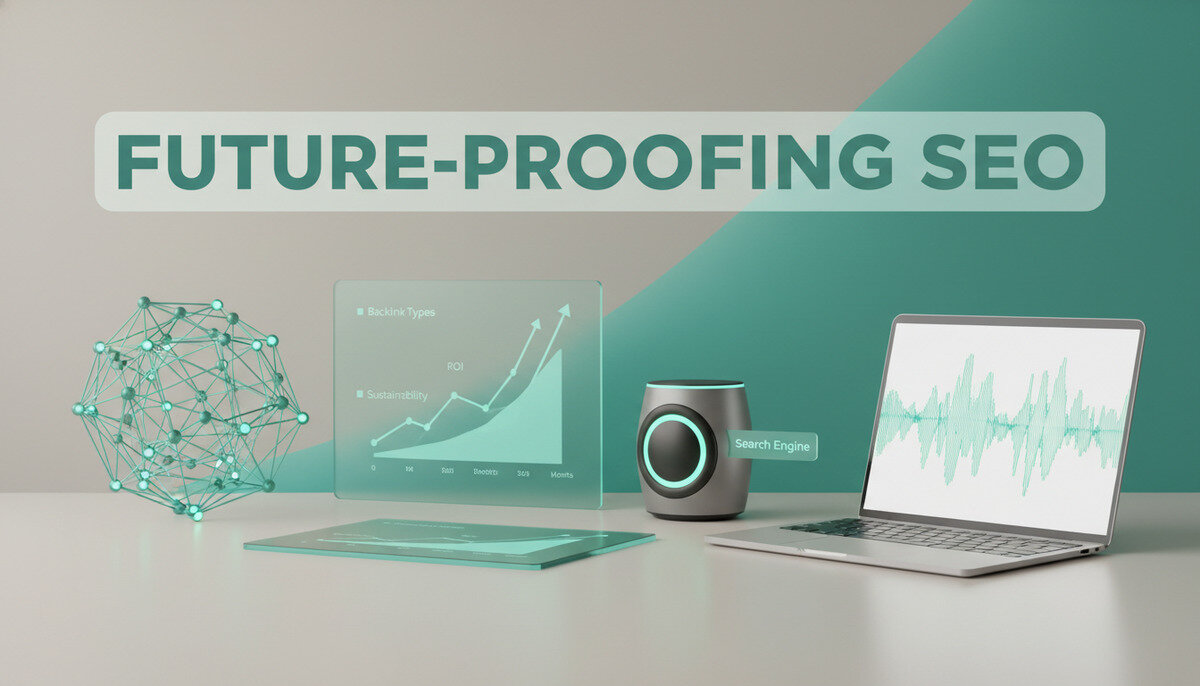
    Comparison of Organic vs. Other Link Types

    Link Type Sustainability Cost Over Time Search Engine Trust Business Impact
    Organic Backlinks High – continue working indefinitely Low – one-time content investment Very High – genuine editorial endorsements High – builds lasting authority
    Paid Links Low – stop working when payment ends High – ongoing monthly costs Low – often penalized by search engines Medium – immediate but temporary
    Reciprocal Links Medium – depend on ongoing relationships Medium – time investment to maintain Medium – less valuable than organic Low – limited business impact
    Directory Links Low – many directories lose value Low – usually one-time fees Very Low – often considered spam Very Low – minimal impact

    Key Takeaway: Organic backlinks provide the best combination of sustainability, cost-effectiveness, and search engine trust, making them the foundation of successful long-term SEO strategies.
    Benefits chart

    Common Mistakes and Misconceptions About Organic Backlinks

    Even experienced marketers often misunderstand key aspects of organic backlink building, leading to wasted effort and missed opportunities. Understanding these common pitfalls helps you avoid them and focus your energy on strategies that actually work.

    The "Build It and They Will Come" Fallacy

    One of the biggest misconceptions is that great content automatically earns links without promotion. While quality is essential, even the best content needs strategic promotion to reach the people who might link to it. Content promotion is not optional—it's a critical component of organic backlink success.

    Many content creators publish comprehensive guides or original research and then wonder why they don't earn links. The reality is that content discovery doesn't happen automatically, especially in competitive industries where thousands of new pieces of content are published daily.

    Effective promotion requires targeting the right people with the right message at the right time. This means identifying industry influencers, journalists, and content creators who write about topics related to your content, then ensuring they're aware of your resource when it's relevant to their work.

    Pro Tip: Plan your content promotion strategy before you create the content. Knowing who you'll promote to and how helps you create content that's more likely to resonate with potential linkers.

    Confusing Correlation with Causation

    Another common mistake is misunderstanding the relationship between backlinks and rankings. While sites with more backlinks generally rank higher, simply acquiring any backlinks won't automatically improve your rankings. Quality and relevance matter more than quantity.

    Some marketers focus on metrics like total backlink count or domain authority of linking sites without considering context. A link from a highly authoritative but completely unrelated site might provide less ranking benefit than a link from a smaller but highly relevant industry blog.

    The context surrounding the link also matters significantly. A link buried in a footer or sidebar carries less weight than a link naturally embedded in the main content of an article. Search engines have become sophisticated at evaluating these contextual factors.

    Overemphasis on Domain Authority Metrics

    Many marketers obsess over domain authority scores from tools like Moz or Ahrefs, treating them as definitive measures of link value. These metrics are useful for general guidance, but they're third-party estimates of how search engines might value sites, not direct measurements.

    Relevance often trumps raw authority. A link from a smaller but highly relevant industry publication can be more valuable than a link from a high-authority general news site. Search engines consider topical relevance when evaluating link value.

    Fresh, actively updated sites sometimes provide more value than older sites with higher domain authority scores but less current content. The algorithms consider factors like content freshness, user engagement, and site activity levels.

    Neglecting Long-Term Relationship Building

    Many marketers approach organic backlink building as a series of one-off transactions rather than relationship-building opportunities. They reach out to request links without first establishing any connection or providing value to the potential linker.

    Sustainable organic backlink strategies rely on genuine relationships with industry peers, journalists, and influencers. These relationships take time to develop but provide ongoing opportunities for natural link acquisition.

    Value-first approaches work better than direct link requests. Instead of asking for links, focus on providing value through expert insights, data sharing, or collaborative content creation. Links often follow naturally from these interactions.

    Misunderstanding Link Velocity and Natural Patterns

    Some marketers expect immediate results from organic backlink efforts or worry when links don't appear quickly after content publication. Organic backlinks follow natural discovery and decision patterns that take time to unfold.

    Sudden spikes in backlinks can actually trigger spam filters if they don't follow natural patterns. Search engines expect gradual link acquisition over time, not immediate bursts of dozens of links.

    Patience is required for organic strategies to show results. The most valuable links often come months after content publication, as it gains visibility in search results and gets discovered by more potential linkers.

    Key Insight: The most successful organic backlink builders think in terms of quarters and years, not weeks and months. They focus on creating systems and relationships that generate ongoing results rather than seeking immediate link acquisition.

    Ignoring Internal Link Architecture

    Many marketers focus exclusively on earning external backlinks while neglecting their internal linking structure. Internal links help distribute the authority from earned backlinks throughout your site, maximizing their impact.

    Poor internal linking can waste the authority from valuable backlinks. If external sites link to pages that don't connect well to your most important content, you're not maximizing the SEO benefit.

    Strategic internal linking helps search engines understand your site's structure and which pages are most important. This amplifies the impact of every organic backlink you earn.

    Mistakes infographic

    Best Practices for Building Organic Backlinks

    Successful organic backlink building follows proven principles that maximize your chances of earning high-quality links while building sustainable, long-term authority. These practices focus on creating genuine value and building authentic relationships rather than manipulating search engines.

    Content-First Strategy Development

    The foundation of successful organic backlink building is creating content that naturally attracts links. Start with audience research to understand what information gaps exist in your industry and what questions people frequently ask but struggle to find comprehensive answers to.

    Original research and data collection consistently earn more links than opinion pieces or rehashed information. Conduct surveys within your industry, analyze trends in your market, or compile data that doesn't exist elsewhere. Even simple surveys can generate valuable insights that journalists and bloggers want to reference.

    Comprehensive resource creation means going deeper than anyone else on important topics in your industry. If existing guides cover a topic in 1,000 words, create a 3,000-word resource that covers every angle. Include examples, case studies, templates, and tools that make your resource genuinely more useful.

    Visual content integration makes your content more shareable and linkable. Include custom graphics, charts, infographics, or interactive elements that other sites might want to embed or reference. Visual elements often get shared independently, creating additional linking opportunities.

    Expert Tip: Before creating any content, research what already exists on the topic and identify specific ways you can make your content significantly better, more comprehensive, or more useful than existing alternatives.

    Strategic Relationship Building

    Troubleshooting Common Organic Backlink Challenges

    Even with the best strategies, you'll encounter obstacles in your organic backlink building efforts. Understanding how to identify and overcome these challenges keeps your link building momentum moving forward and helps you adapt your approach when results aren't meeting expectations.

    When Great Content Doesn't Earn Links

    One of the most frustrating situations is publishing what you believe is exceptional content only to see it earn few or no backlinks. Content quality alone isn't enough—your content needs to reach the right people at the right time with the right context.

    Promotion timing matters significantly. Content promoted immediately after publication often gets buried in the noise of daily information overload. Sometimes waiting a few weeks and then promoting to fresh audiences yields better results.

    Audience targeting might be off. Your content might be excellent but not reaching the people most likely to link to it. Analyze who actually links to similar content in your industry and adjust your promotion strategy to reach those specific audiences.

    Content positioning could need adjustment. Sometimes great content fails to earn links because it's not positioned as the definitive resource on its topic. Consider updating titles, meta descriptions, or promotional copy to better communicate the content's unique value.

    Pro Tip: If content isn't earning links after 60-90 days, don't abandon it. Instead, analyze why it might not be resonating and consider updating it with new data, additional sections, or improved promotion strategies.

    Overcoming Industry Saturation

    In competitive industries, it can feel like every topic has been covered extensively, making it difficult to create content that stands out enough to earn links. The key is finding unique angles rather than completely new topics.

    Data-driven approaches often break through saturation because original research and surveys provide fresh insights even on well-covered topics. Conduct your own studies, analyze industry trends, or compile data that doesn't exist elsewhere.

    Local or niche focus can help you stand out in saturated markets. Instead of competing with massive publications on broad topics, focus on specific segments, geographic regions, or use cases that larger sites don't cover comprehensively.

    Format innovation provides another way to differentiate your content. If everyone else is publishing written guides, create video content, interactive tools, or comprehensive resource collections that approach the topic differently.

    Building Authority in New Industries

    When you're entering a new industry or market, you lack the established relationships and credibility that make organic backlink building easier. Start with smaller, more accessible targets rather than immediately pursuing links from top-tier publications.

    Industry participation helps establish credibility faster than content creation alone. Join professional associations, participate in industry forums, attend conferences, and engage with established players in your space.

    Collaborative content creation with established industry figures can accelerate your credibility building. Offer to contribute data, insights, or expertise to others' projects in exchange for attribution and relationship building.

    Thought leadership development through consistent, valuable contributions to industry discussions helps establish your expertise over time. Focus on providing unique insights rather than repeating conventional wisdom.

    Dealing with Link Acquisition Plateaus

    Many link builders experience periods where their backlink acquisition slows down or stops growing despite continued effort. Plateaus often indicate the need for strategy evolution rather than simply doing more of the same activities.

    Content format diversification can reignite link growth. If you've been focusing on written guides, try creating tools, conducting original research, or producing visual content that appeals to different linking preferences.

    Audience expansion might be necessary if you've saturated your current target audience. Research adjacent industries, related professional communities, or international markets that might be interested in your content.

    Relationship network growth often requires stepping outside your current professional circle. Attend new events, join different communities, or explore partnerships with organizations you haven't previously engaged with.

    Managing Resource Constraints

    Small teams often struggle with organic backlink building because it requires significant time investment in content creation, relationship building, and promotion. Prioritization becomes crucial when resources are limited.

    Focus on high-impact activities rather than trying to do everything. Identify which content types and promotion strategies have generated the best results for you and double down on those approaches.

    Leverage existing assets more effectively before creating new content. Update and re-promote older content that performed well, create derivative content from successful pieces, or repurpose content into new formats.

    Build systems and templates that make your processes more efficient. Develop outreach email templates, content promotion checklists, and relationship tracking systems that reduce the time investment required for each activity.

    Key Insight: Most organic backlink challenges stem from misaligned expectations, insufficient promotion, or lack of systematic approach rather than fundamental strategy problems. Focus on consistent execution and gradual optimization rather than constantly changing tactics.

    Addressing Technical Barriers

    Sometimes technical issues prevent your content from earning the links it deserves. Site performance problems can cause potential linkers to abandon your content before fully engaging with it.

    Crawlability issues might prevent search engines from properly indexing your content, reducing its discoverability. Ensure your site structure, robots.txt file, and XML sitemaps support easy crawling and indexing.

    Mobile experience problems increasingly impact link earning potential as more people discover and evaluate content on mobile devices. Test your content thoroughly on various devices and connection speeds.

    Loading speed optimization affects both user experience and search engine rankings, indirectly impacting your content's ability to earn links through improved visibility and engagement.
    Troubleshooting flowchart

    Common Questions About Organic Backlinks

    Understanding the most frequently asked questions about organic backlinks helps clarify common misconceptions and provides practical guidance for implementing effective strategies. These questions come up repeatedly in professional discussions and reflect real challenges marketers face.

    How long does it take to see results from organic backlink building?

    The timeline for organic backlink results varies significantly based on your industry, competition level, and current authority, but most successful campaigns show initial results within 3-6 months. Early results typically include a few links from your immediate network or industry contacts who discover your content through direct promotion.

    Meaningful momentum usually develops after 6-12 months of consistent effort, when your content starts ranking well enough to be discovered organically and your industry relationships have matured into natural linking opportunities. This is when you'll see more unsolicited links from people who find your content through search or referrals.

    Compound effects become apparent after 12-18 months, when successful content continues attracting new links, your domain authority improvements make future links easier to earn, and your established relationships provide ongoing opportunities. The most successful organic backlink builders think in terms of years rather than months.

    Key Takeaway: Patience is essential for organic backlink success. While some links appear quickly, the most valuable results come from sustained effort over many months.

    What's the difference between earning links and building links?

    This distinction is crucial for understanding organic backlink strategy. Earning links refers to creating content and value that naturally attracts links from others without direct requests or exchanges. This includes publishing original research, creating useful tools, or producing comprehensive guides that others want to reference.

    Building links traditionally refers to more active outreach efforts, including guest posting, directory submissions, and direct link requests. While some building activities can be legitimate, many cross into manipulative territory that search engines penalize.

    Organic backlink strategies focus primarily on earning through value creation, with building activities limited to relationship development and content promotion rather than direct link requests. The goal is creating content so valuable that others naturally want to link to it.

    How many backlinks do I need to rank well?

    There's no magic number of backlinks required for good rankings because quality matters far more than quantity. A few high-quality, relevant links can be more valuable than dozens of low-quality links from unrelated sites.

    Industry competitiveness significantly affects the number of links needed. In highly competitive industries, you might need hundreds of quality links to compete for top rankings. In less competitive niches, a few dozen relevant links might be sufficient.

    Content quality and on-page optimization also impact how much link authority you need. Well-optimized content that perfectly matches search intent requires fewer backlinks to rank well than poorly optimized content.

    Focus on earning links from the most relevant, authoritative sources in your industry rather than chasing arbitrary link quantity targets.

    Can I buy organic backlinks or speed up the process?

    By definition, organic backlinks cannot be purchased because payment eliminates the "organic" nature of the editorial endorsement. Paid links violate search engine guidelines and can result in penalties that harm your rankings.

    You can invest in the activities that lead to organic backlinks, such as content creation, research, tool development, and relationship building. These investments speed up the process by creating more link-worthy assets and expanding your network of potential linkers.

    Legitimate services might help with content creation, outreach strategy, or relationship building, but any service promising to deliver organic backlinks directly is likely using manipulative tactics that could harm your site.

    What should I do if competitors are getting links I want?

    Competitive analysis helps identify link opportunities you might have missed, but avoid copying competitors' exact strategies. Instead, analyze why their content earned links and how you can create something even more valuable.

    Relationship mapping reveals the networks your competitors tap for links. Look for overlap in your professional networks and consider how you might provide value to the same audiences through different approaches.

    Content differentiation is key to competing for links in the same space. If competitors earned links with basic guides, create more comprehensive resources. If they published opinions, create data-driven research. Always aim to provide significantly more value than existing alternatives.

    How do I know if my backlinks are helping my SEO?

    Ranking improvements for target keywords indicate that your backlinks are providing SEO value. Track your positions for important terms over time and correlate improvements with link acquisition periods.

    Organic traffic growth from search engines suggests that your backlinks are improving your overall domain authority and helping more of your content rank well. Look for sustained growth patterns rather than temporary spikes.

    Referral traffic analysis shows which backlinks drive the most valuable visitors to your site. Some links might not provide much SEO authority but could generate significant business value through direct referrals.

    Use tools like Google Search Console to monitor your backlink profile and correlate link acquisition with performance improvements across various metrics.

    Pro Tip: The best backlinks provide both SEO value and direct business value through referral traffic, brand awareness, and relationship building. Focus on links that deliver multiple benefits rather than just ranking improvements.

    Key Takeaways

    Building organic backlinks requires patience, consistency, and a focus on creating genuine value for your industry. The most successful strategies combine exceptional content creation with authentic relationship building and strategic promotion, resulting in sustainable authority that compounds over time. Remember that organic backlinks are editorial endorsements that can't be purchased or manipulated—they must be earned through expertise, value, and trust.

    The key to long-term success lies in thinking systematically about content creation, relationship development, and value provision rather than chasing individual link opportunities. Focus on becoming a trusted resource in your industry, and organic backlinks will naturally follow. Get started with RankLoop to implement these organic backlink strategies and build lasting search authority for your business. Ready to get started? Visit RankLoop to learn more.

  • Organic Backlinks: What Actually Works

    Organic Backlinks: What Actually Works

    Building organic backlinks isn't some mysterious art form reserved for SEO wizards. It's a systematic approach that any SaaS founder or indie hacker can master with the right strategy. Forget the old days of buying link farms or spamming directories. You can earn high-quality organic backlinks naturally, usually through creating valuable content and building genuine relationships within your industry.

    The key lies in understanding what makes other websites want to link to yours. When you create content that solves real problems, provides unique insights, or offers tools that genuinely help people, organic backlinks follow naturally. This approach takes more effort upfront than shortcuts, but it delivers sustainable results that actually improve your search rankings and drive qualified traffic.

    Hero

    In this guide, you'll learn the exact process successful companies use to generate high quality backlinks without resorting to questionable tactics. We'll cover everything from content strategies that naturally attract links to relationship-building techniques that turn industry connections into valuable backlink opportunities.

    Understanding Organic Backlinks

    Organic backlinks are links that other websites choose to include pointing to your content because they find it valuable, relevant, or useful to their audience. Unlike paid links or manipulative link schemes, organic backlinks represent genuine editorial endorsements from other site owners who believe your content deserves to be referenced.

    The Anatomy of Quality Organic Backlinks

    Not all organic backlinks carry equal weight. Search engines evaluate several factors when determining the value of a backlink. The source website's authority plays a crucial role—a link from a well-established industry publication carries significantly more weight than one from a newly created blog with little traffic.

    Relevance matters just as much as authority. A backlink from a website in your industry or niche provides more SEO value than one from an unrelated site. For example, if you run a project management SaaS, a link from a productivity blog or business publication will be more valuable than one from a cooking website.

    The context surrounding your link also influences its value. Links embedded naturally within relevant content perform better than those placed in sidebars, footers, or obvious link directories. When another site mentions your tool as part of a comprehensive guide or references your research in an industry analysis, that contextual placement signals quality to search engines.

    Why It Matters: Organic backlinks serve as votes of confidence from other websites. Search engines interpret these links as signals that your content provides value, which directly impacts your rankings and domain authority.

    How Organic Backlinks Differ From Other Link Types

    Understanding the distinction between organic backlinks and other types helps clarify why they're so valuable. Paid backlinks involve direct monetary exchange for link placement. While not inherently evil, paid links often lack the editorial scrutiny that makes organic links valuable for SEO.

    Guest posting represents a middle ground. When done properly—contributing genuinely valuable content to relevant websites—guest posting can generate organic-quality backlinks. However, many guest posting schemes focus on quantity over quality, creating low-value links that don't move the needle.

    Link exchanges involve mutual linking agreements between websites. These arrangements rarely produce the kind of natural, contextual links that search engines value most. The reciprocal nature of these links makes them easy for algorithms to identify and discount.

    The Long-Term Value of Organic Link Building

    Organic backlinks provide compound returns over time. Unlike paid advertising that stops generating results when you stop paying, quality backlinks continue driving traffic and SEO benefits for months or years after acquisition. This makes organic link building one of the most cost-effective marketing investments for growing companies.

    The relationships you build while pursuing organic backlinks often prove as valuable as the links themselves. Industry connections can lead to partnership opportunities, customer referrals, and collaborative content projects that extend far beyond link building.

    How Organic Backlink Acquisition Works

    The process of earning organic backlinks follows predictable patterns, though it requires patience and strategic thinking. Unlike paid advertising where you can immediately see results, organic link building operates on longer timelines but delivers more sustainable outcomes.

    The Content-First Approach

    Most successful organic backlinks start with exceptional content that other websites want to reference. This content typically falls into several categories: original research, comprehensive guides, useful tools, or unique insights that advance industry knowledge.

    Original research consistently attracts the most organic backlinks because it provides new information that journalists, bloggers, and industry experts can cite. When you survey your customers, analyze industry trends, or compile data that doesn't exist elsewhere, you create linkable assets that naturally attract citations.

    Comprehensive guides work particularly well for SaaS companies because they demonstrate expertise while helping potential customers understand complex topics. A detailed guide to implementing a specific business process, for example, can attract links from consultants, agencies, and other businesses serving your target market.

    Pro Tip: Create content that answers questions your target audience asks repeatedly. When you become the go-to resource for specific information, organic backlinks follow naturally as others reference your expertise.

    The Outreach and Relationship Building Process

    Even the best content needs promotion to attract organic backlinks. Successful link builders combine great content with strategic outreach to relevant websites and influencers in their space.

    The most effective outreach focuses on building genuine relationships rather than simply requesting links. This means engaging with industry publications, commenting thoughtfully on relevant blogs, and participating in online communities where your target audience gathers.

    When reaching out to potential link sources, leading with value works better than leading with requests. Share insights, offer to contribute expertise, or provide resources that help the other party serve their audience better. This relationship-first approach often leads to organic mentions and links without explicit requests.

    Process image

    Timing and Persistence in Link Acquisition

    Organic backlink acquisition requires understanding natural content cycles and industry rhythms. B2B publications often plan content months in advance, so building relationships and sharing relevant resources early in their planning process increases your chances of inclusion.

    Different types of content attract links at different rates. Breaking news or timely analysis might generate immediate links, while evergreen resources accumulate backlinks steadily over time. Understanding these patterns helps set realistic expectations and plan your link building timeline accordingly.

    Persistence plays a crucial role, but it must be balanced with respect for others' time and priorities. Following up on initial outreach makes sense, but excessive follow-ups can damage relationships and harm your reputation within industry circles.

    Measuring Organic Backlink Success

    Tracking organic backlinks requires monitoring both quantity and quality metrics. Tools like Ahrefs, SEMrush, or even free options like Google Search Console help identify new backlinks and assess their potential value.

    Beyond simple link counts, successful organic link builders track referring domain diversity, link velocity over time, and the relationship between new backlinks and organic traffic growth. These metrics provide insight into which strategies generate the most valuable results.

    The best organic backlinks often come from unexpected sources, making comprehensive monitoring essential. A mention in an industry newsletter or a reference in a podcast transcript might not appear in traditional backlink tools immediately but can drive significant traffic and authority over time.

    Key Components of Successful Organic Backlink Strategies

    Building a sustainable organic backlink profile requires understanding the essential elements that make link building campaigns successful. These components work together to create a system that consistently attracts high-quality links over time.

    Content Assets That Naturally Attract Links

    The foundation of any successful organic backlink strategy lies in creating content that other websites genuinely want to reference. This content must provide unique value that doesn't exist elsewhere or present existing information in a more accessible, comprehensive, or actionable format.

    Data-driven content consistently performs well for link attraction. Industry surveys, original research studies, and comprehensive data analyses provide the kind of concrete information that journalists and bloggers need to support their articles. When you become a reliable source of industry data, publications begin reaching out to you for quotes and insights.

    Interactive tools and calculators create particularly strong linkable assets. A well-designed ROI calculator, assessment tool, or interactive guide provides ongoing value to users while encouraging other websites to link to it as a resource. These tools often generate backlinks months or years after initial publication.

    Visual content like infographics, charts, and interactive visualizations can attract links from websites that prefer visual storytelling. However, the visual element must be supported by solid research and unique insights to generate quality backlinks rather than just social shares.

    Expert Tip: Focus on creating content that answers the question "Where did you get this information?" When other content creators need to cite sources for their claims, your content should be the obvious choice.

    Strategic Content Promotion and Distribution

    Creating great content represents only half the equation for earning organic backlinks. The other half involves getting that content in front of the right people who can link to it from relevant websites.

    Industry publications and trade magazines represent prime targets for content promotion because they regularly need expert sources and supporting research for their articles. Building relationships with editors and writers in your space increases the likelihood they'll reference your content when relevant topics arise.

    Professional networks and industry associations provide another channel for content distribution. Sharing insights in LinkedIn groups, participating in industry forums, and contributing to professional discussions helps establish your expertise while naturally promoting your linkable content.

    Speaking opportunities at industry events, webinars, and podcasts create additional exposure for your content while positioning you as a thought leader. These appearances often lead to organic mentions and links as event organizers and attendees reference your insights in their own content.

    Building Industry Relationships That Generate Links

    Long-term organic backlink success depends more on relationships than individual content pieces. When you become a trusted source within your industry, others naturally reference your work and seek your input on relevant topics.

    Collaborative content projects create win-win scenarios that benefit all participants while generating natural backlinks. Joint research studies, co-authored guides, or shared resource compilations give multiple parties incentive to promote and link to the final product.

    Participating in industry discussions and debates positions you as an active community member rather than someone who only appears when requesting links. Regular engagement in relevant online communities, thoughtful responses to industry news, and helpful contributions to discussions build the relationships that eventually generate organic backlinks.

    Media relationships require particular attention because journalists and industry publications can provide high-authority backlinks that significantly impact your SEO performance. Building these relationships involves consistently providing valuable insights, responding quickly to media requests, and establishing yourself as a reliable expert source.

    The Role of Technical Excellence

    While content and relationships drive organic backlink acquisition, technical factors can make or break your success. Websites with poor user experience, slow loading times, or broken functionality struggle to retain the backlinks they do earn.

    Site architecture affects how easily other websites can link to your content. Clean URL structures, logical navigation, and well-organized content hierarchies make it easier for others to find and reference specific pieces of your content. When linking to your site feels effortless, you're more likely to earn those links.

    Mobile optimization has become crucial for backlink retention. Since many content creators and editors work from mobile devices, ensuring your content displays properly across all screen sizes prevents potential link sources from abandoning your site due to poor mobile experience.

    Page loading speed impacts both user experience and the likelihood that others will link to your content. Slow-loading pages create friction that can prevent potential link sources from completing their editorial process, while fast-loading pages encourage deeper engagement with your content.

    Benefits and Strategic Advantages of Organic Backlinks

    Organic backlinks deliver multiple layers of value that extend far beyond simple SEO improvements. Understanding these benefits helps justify the time and resource investment required for effective organic link building campaigns.

    Search Engine Optimization Impact

    The most obvious benefit of organic backlinks lies in their direct impact on search engine rankings. Quality backlinks serve as endorsements that signal content relevance and authority to search algorithms. According to Google's search quality guidelines, links from authoritative, relevant sources continue to play a significant role in ranking determinations.

    Domain authority improvements from organic backlinks create compound effects across your entire website. As your domain gains authority through quality backlinks, all pages on your site benefit from improved ranking potential. This means that even pages without direct backlinks can rank better due to the overall domain strength generated by your organic link building efforts.

    Organic backlinks also help search engines discover and index new content more quickly. When authoritative sites link to your latest articles or resources, search engine crawlers follow those links and add your content to their indexes faster than they might through standard crawling processes.

    The diversity of referring domains matters significantly for SEO impact. A hundred backlinks from ten different domains provides more SEO value than the same number of links from a single domain. Organic link building naturally creates this diversity because genuine editorial endorsements come from varied sources across your industry.

    Key Takeaway: Organic backlinks create a virtuous cycle where improved rankings lead to increased visibility, which attracts more organic backlinks, further improving rankings and domain authority.

    Direct Traffic and Lead Generation

    Beyond SEO benefits, organic backlinks drive qualified traffic directly to your website. Visitors who arrive through backlinks often demonstrate higher engagement and conversion rates because they come pre-qualified through the editorial context surrounding the link.

    Referral traffic from industry publications tends to convert particularly well because these visitors already understand your market space and likely face the problems your product solves. When a respected industry blog links to your content or mentions your tool, readers arrive with built-in trust and interest.

    The quality of traffic from organic backlinks often exceeds that from other sources. These visitors typically spend more time on your site, view more pages, and show higher intent to engage with your product or service. This behavior signals to search engines that your content provides value, creating additional SEO benefits.

    Long-term traffic benefits from organic backlinks can persist for years after the initial link placement. Unlike paid advertising that stops generating traffic when you stop paying, quality backlinks continue driving visitors as long as the linking page remains active and relevant.

    Brand Authority and Industry Recognition

    Organic backlinks serve as public endorsements that build brand credibility within your industry. When respected publications and thought leaders reference your work, it signals to potential customers and partners that your company provides valuable insights and solutions.

    Industry recognition through organic backlinks often leads to additional opportunities beyond link building. Media mentions can result in speaking invitations, partnership discussions, and customer referrals that provide value far beyond the original SEO benefits.

    The cumulative effect of multiple organic backlinks creates a reputation for expertise that becomes self-reinforcing. As your brand becomes known as a reliable source of industry insights, journalists and content creators begin reaching out proactively for quotes and expert opinions.

    This recognition can accelerate business development processes by providing social proof that shortens sales cycles. When prospects research your company and find multiple third-party endorsements through organic backlinks, it builds confidence in your expertise and reliability.

    Competitive Advantages Through Organic Link Building

    Companies that consistently earn organic backlinks develop sustainable competitive advantages that become increasingly difficult for competitors to replicate. Building genuine industry relationships and creating truly valuable content requires time and consistency that many competitors aren't willing to invest.

    The network effects of successful organic link building create barriers to entry for competitors. Once you've established relationships with key industry publications and influencers, maintaining those connections becomes easier than building them from scratch, giving you ongoing advantages in link acquisition.

    Organic backlinks from authoritative sources can help smaller companies compete with larger competitors in search results. When you consistently earn quality backlinks through valuable content and industry relationships, you can outrank companies with larger marketing budgets but weaker link profiles.

    Comparison of Organic Backlink Benefits

    Benefit Type Short-term Impact Long-term Impact Sustainability
    SEO Rankings Gradual improvement Significant gains High – compounds over time
    Direct Traffic Immediate qualified visitors Steady referral stream High – links remain active
    Brand Authority Industry recognition Thought leadership status Very high – reputation builds
    Competitive Edge Market differentiation Sustainable advantages Highest – relationships deepen

    The interconnected nature of these benefits creates synergistic effects where success in one area amplifies results in others. Improved SEO rankings increase content visibility, which can lead to more organic backlinks, further enhancing brand authority and competitive positioning.

    Common Mistakes and Misconceptions in Organic Link Building

    Even well-intentioned link building efforts can fail due to common misconceptions about how organic backlinks work. Understanding these pitfalls helps avoid wasted effort and potentially harmful practices that can damage your SEO performance.

    The "Build It and They Will Come" Fallacy

    One of the most persistent misconceptions about organic backlinks is that great content automatically attracts links without any promotion. While quality content is essential, it rarely generates significant backlinks without strategic outreach and relationship building efforts.

    Many companies create excellent resources—comprehensive guides, useful tools, or original research—then wonder why they don't receive the organic backlinks they expected. The reality is that even the best content can remain invisible without proper promotion to relevant audiences who might link to it.

    Content promotion requires understanding where your target audience and potential link sources spend time online. Industry publications, professional networks, relevant online communities, and social media channels all play roles in getting your content in front of people who can link to it.

    Focusing on Quantity Over Quality

    Another common mistake involves prioritizing the number of backlinks over their quality and relevance. This approach often leads to pursuing low-value links from irrelevant sources that provide minimal SEO benefit and can actually harm your link profile.

    Quality backlinks from authoritative, relevant sources provide exponentially more value than large numbers of low-quality links. A single link from a respected industry publication can deliver more SEO benefit than dozens of links from low-authority directories or unrelated websites.

    Search engines have become increasingly sophisticated at identifying and discounting low-quality backlinks. Pursuing quantity-focused link building strategies can result in penalties or algorithmic devaluations that harm your overall search performance.

    The time and effort required to acquire numerous low-quality backlinks could be better invested in creating content and building relationships that generate fewer but more valuable links. This quality-focused approach delivers better long-term results with less risk.

    Misunderstanding the Timeline for Results

    Organic backlink building operates on longer timelines than many other marketing activities, leading to unrealistic expectations about when results will appear. This misunderstanding often causes companies to abandon effective strategies before they have time to generate results.

    Building the relationships necessary for consistent organic backlinks can take months of regular engagement and value-providing interactions. Industry connections develop gradually through consistent participation in relevant discussions and helpful contributions to community knowledge.

    Even after earning quality backlinks, SEO benefits may take additional time to materialize as search engines crawl and process the new links. The compound effects of organic link building become most apparent over quarters and years rather than weeks or months.

    Successful organic link building requires patience and consistent effort rather than expecting immediate, dramatic results. Companies that maintain long-term perspectives and consistent execution typically see the most significant benefits from their link building investments.

    Neglecting Relationship Maintenance

    Many link builders focus intensively on building new relationships while neglecting to maintain existing connections that have already proven valuable. This approach misses opportunities for ongoing link acquisition from sources that have already demonstrated willingness to reference your content.

    Maintaining relationships with industry publications, journalists, and influencers who have previously linked to your content often generates more backlinks over time than constantly pursuing new connections. These existing relationships require less initial investment while providing higher success rates for future link opportunities.

    Regular engagement with your existing network—sharing relevant insights, offering expert opinions, and providing valuable resources—keeps you top-of-mind when link opportunities arise. This ongoing relationship maintenance often proves more efficient than starting from scratch with new contacts.

    Overlooking Internal Link Strategy

    While pursuing external organic backlinks, many companies neglect the internal linking opportunities within their own content. Strong internal link structures help distribute link authority throughout your site while making it easier for visitors to find and engage with your most valuable content.

    Strategic internal linking can amplify the SEO benefits of organic backlinks by channeling their authority to your most important pages. When external sites link to your content, well-planned internal links help spread that authority to other relevant pages on your site.

    Internal linking also improves user experience by helping visitors discover related content that addresses their needs more comprehensively. This enhanced user experience can lead to longer site visits, more page views, and higher conversion rates from your organic backlink traffic.

    Best Practices for Sustainable Organic Link Building

    Developing a sustainable approach to organic backlink acquisition requires implementing proven strategies while avoiding tactics that might provide short-term gains but long-term problems. These best practices form the foundation of successful long-term link building campaigns.

    Content Strategy for Link Attraction

    The most effective organic backlink strategies center around creating content that naturally encourages others to link to it. This linkable content typically provides unique value that doesn't exist elsewhere or presents existing information in more useful, comprehensive, or accessible formats.

    Original research and industry studies consistently attract the most organic backlinks because they provide new information that journalists, bloggers, and industry experts can cite in their own content. Conducting customer surveys, analyzing industry trends, or compiling data that doesn't exist elsewhere creates valuable assets that naturally attract citations.

    Comprehensive resource guides work particularly well for SaaS companies because they demonstrate expertise while helping potential customers understand complex topics. These guides should go beyond surface-level information to provide actionable insights that readers can immediately implement in their own situations.

    Interactive tools and calculators create especially strong linkable assets because they provide ongoing value to users while encouraging other websites to link to them as resources. ROI calculators, assessment tools, or planning templates often generate backlinks months or years after initial publication.

    Pro Tip: Create content that serves as the definitive resource for specific topics in your industry. When you become the go-to source for particular information, organic backlinks follow naturally as others reference your expertise.

    Relationship Building That Converts to Links

    Successful organic link building depends more on relationships than individual outreach campaigns. Building genuine connections within your industry creates opportunities for natural mentions and links that arise organically from ongoing professional interactions.

    Industry publications and trade magazines represent particularly valuable relationship targets because they regularly need expert sources and supporting research for their articles. Building relationships with editors and writers in your space increases the likelihood they'll reference your content when relevant topics arise.

    The most effective relationship building focuses on providing value before requesting anything in return. Share insights, offer expert opinions, and provide resources that help others serve their audiences better. This value-first approach often leads to organic mentions and links without explicit requests.

    Professional associations and industry groups provide structured environments for building relationships that can generate backlinks over time. Active participation in these organizations—contributing to discussions, volunteering for committees, or speaking at events—positions you as a thought leader while creating natural opportunities for content references.

    Strategic Outreach Without Being Pushy

    When direct outreach becomes necessary, the approach must balance persistence with respect for others' time and priorities. Effective outreach focuses on building relationships rather than simply requesting links, which creates better long-term results.

    Personalized outreach that demonstrates genuine familiarity with the recipient's work and audience performs significantly better than generic templates. Reference specific articles they've written, mention insights from their recent content, or suggest how your resource might benefit their particular audience.

    Leading with value rather than requests creates more positive responses and stronger relationships. Offer to provide expert quotes for upcoming articles, share relevant research that might interest their audience, or suggest collaborative content opportunities that benefit both parties.

    Follow-up strategies should be respectful and add value with each interaction. Rather than simply asking "Did you see my previous email?", provide additional insights, share updated information, or reference new developments that make your content more relevant to their current needs.

    Measuring and Optimizing Link Building Performance

    Tracking organic backlink success requires monitoring both quantity and quality metrics to understand which strategies generate the most valuable results. Simple link counts provide incomplete pictures of campaign effectiveness without considering factors like domain authority, relevance, and traffic generation.

    Tools like Ahrefs, SEMrush, or free options like Google Search Console help identify new backlinks and assess their potential value. However, the most important metrics often involve the relationship between new backlinks and business outcomes like organic traffic growth, lead generation, and revenue attribution.

    Referring domain diversity provides crucial insights into link profile health and sustainability. A hundred backlinks from ten different domains offers more SEO value and less risk than the same number of links from a single source, making domain diversity a key metric for long-term success.

    Link velocity tracking helps identify which content types and promotion strategies generate backlinks most quickly while highlighting potential red flags like sudden spikes that might indicate unnatural link building. Steady, consistent link acquisition typically indicates healthy organic growth.

    The relationship between backlink acquisition and organic traffic growth provides the clearest indication of link building ROI. Quality organic backlinks should correlate with increased organic search visibility, higher rankings for target keywords, and growing organic traffic over time.

    Key Insight: The best organic backlinks often come from unexpected sources, making comprehensive monitoring essential. A mention in an industry newsletter or reference in a podcast transcript might not appear in traditional backlink tools immediately but can drive significant long-term value.

    Regular analysis of which content generates the most backlinks helps refine future content strategies. Understanding whether original research, comprehensive guides, interactive tools, or industry commentary attracts the most links allows you to focus efforts on the most effective content types for your specific audience and industry.

    Frequently Asked Questions About Organic Backlinks

    How long does it take to see results from organic backlink building?

    Organic backlink building operates on longer timelines than many other marketing activities, typically requiring 3-6 months before significant results become apparent. The initial phase involves creating linkable content and building industry relationships, which can take several months of consistent effort before generating substantial backlinks.

    Once you begin earning quality backlinks, search engines need additional time to crawl, process, and incorporate these signals into their ranking algorithms. Most companies see initial SEO improvements within 2-3 months of earning their first quality backlinks, with more substantial gains appearing after 6-12 months of consistent link building efforts.

    The compound effects of organic link building become most apparent over longer periods. Companies that maintain consistent organic link building strategies often see accelerating returns after the first year as their domain authority increases and industry relationships mature into reliable sources of ongoing backlinks.

    However, some benefits appear more quickly than others. Direct referral traffic from new backlinks begins immediately, while brand authority and industry recognition can develop within weeks of earning mentions from respected publications. These faster-appearing benefits help justify continued investment while waiting for longer-term SEO improvements.

    What's the difference between organic backlinks and paid backlinks?

    Organic backlinks result from editorial decisions where other websites choose to link to your content because they find it valuable, relevant, or useful to their audience. These links typically appear within natural content contexts and represent genuine endorsements from the linking site's editorial team or content creators.

    Paid backlinks involve direct monetary exchange for link placement, whether through sponsored content, advertising arrangements, or explicit link purchasing agreements. While not inherently harmful when properly disclosed, paid links often lack the editorial scrutiny and contextual relevance that make organic links valuable for SEO.

    Search engines like Google have become increasingly sophisticated at identifying paid link arrangements and may discount or penalize websites that rely heavily on purchased backlinks. Organic backlinks, by contrast, align with search engine guidelines because they represent natural editorial endorsements based on content quality and relevance.

    The long-term value proposition differs significantly between these approaches. Organic backlinks continue providing SEO benefits and driving traffic as long as the linking content remains active, while paid backlinks typically stop generating value when payment arrangements end. This makes organic link building more cost-effective over extended periods despite requiring larger initial time investments.

    How do I know if a potential backlink source is high quality?

    Quality backlink sources typically demonstrate several characteristics that indicate their potential value for your SEO and traffic goals. Domain authority, measured through tools like Ahrefs or Moz, provides one indicator of a site's overall strength, though it shouldn't be the only consideration when evaluating potential link sources.

    Relevance often matters more than raw authority metrics. A backlink from a moderately authoritative site within your industry typically provides more value than one from a high-authority site in an unrelated niche. Consider whether the linking site's audience overlaps with your target market and whether the content context makes sense for your business.

    Traffic and engagement metrics offer insights into whether a potential link source actually reaches and engages real audiences. Sites with consistent organic traffic, active social media presence, and regular content publication typically provide more valuable backlinks than dormant or low-engagement websites.

    Editorial standards and content quality provide additional quality indicators. Sites that publish well-researched, original content with proper citations and professional presentation typically offer more valuable backlinks than those with thin, duplicate, or poorly written content. The overall user experience and technical performance of potential link sources also influence their value.

    Can organic backlinks hurt my SEO performance?

    While organic backlinks generally provide SEO benefits, certain situations can create problems even when links are earned naturally. Links from websites that have been penalized by search engines or engage in manipulative SEO practices can potentially harm your rankings through association, though this risk is relatively low for genuinely organic links.

    The context surrounding your backlinks matters significantly for their impact on SEO performance. Links placed in obviously promotional contexts, surrounded by other paid links, or included in content that violates search engine guidelines may not provide the benefits you expect even if they were earned organically.

    Rapid acquisition of large numbers of backlinks, even organic ones, can sometimes trigger algorithmic reviews that temporarily impact rankings while search engines assess the naturalness of your link growth. This typically resolves itself over time as the organic nature of the links becomes apparent to search algorithms.

    However, truly organic backlinks—those earned through valuable content and genuine editorial endorsements—rarely cause SEO problems. The bigger risk lies in misunderstanding what constitutes organic link building and accidentally engaging in manipulative practices while believing you're following white-hat strategies.

    Should I disavow low-quality backlinks pointing to my site?

    The decision to disavow backlinks should be made carefully and only when clear evidence suggests that low-quality links are harming your search performance. Google's disavow tool is designed for situations where websites have acquired harmful backlinks through previous SEO mistakes or negative SEO attacks from competitors.

    Most organic backlinks, even those from lower-authority sources, don't require disavowal unless they come from obviously spammy or penalized websites. Search engines have become quite sophisticated at identifying and ignoring low-quality links automatically, making manual disavowal unnecessary in many cases.

    Before disavowing any backlinks, conduct thorough analysis to identify links that are clearly manipulative, come from penalized domains, or violate search engine guidelines. Focus on links that were acquired through questionable means rather than those earned through legitimate content marketing and relationship building efforts.

    If you do decide to disavow backlinks, document your reasoning and monitor the results carefully. Incorrect disavowal of valuable backlinks can harm your SEO performance, so err on the side of caution and only disavow links that clearly pose risks to your search rankings.

    How many organic backlinks do I need to see SEO improvements?

    The number of backlinks required for SEO improvements varies significantly based on factors like your current domain authority, competition levels in your target keywords, and the quality of the backlinks you earn. Quality consistently matters more than quantity when it comes to organic backlink impact.

    A few high-quality backlinks from authoritative, relevant sources often provide more SEO benefit than dozens of low-quality links from irrelevant or low-authority websites. Focus on earning links from sources that genuinely serve your target audience rather than pursuing arbitrary link quantity targets.

    Industry competitiveness plays a crucial role in determining how many backlinks you need for meaningful SEO improvements. Highly competitive markets may require dozens or hundreds of quality backlinks to achieve significant ranking improvements, while less competitive niches might see results with fewer high-quality links.

    Rather than focusing on specific numbers, concentrate on building a diverse portfolio of quality backlinks over time. Consistent acquisition of relevant, authoritative backlinks typically produces better long-term results than sporadic campaigns aimed at hitting particular link quantity targets.

    Key Takeaways

    Organic backlinks represent one of the most valuable and sustainable approaches to improving your search engine rankings and driving qualified traffic to your website. Unlike paid advertising or manipulative SEO tactics, organic backlinks provide compound returns that continue generating value long after the initial effort investment.

    Success with organic backlinks requires patience, consistency, and a genuine commitment to creating value for your industry. The companies that see the best results focus on building real relationships and producing content that genuinely helps their target audience rather than pursuing shortcuts or manipulative tactics. Get started with RankLoop to see how strategic organic backlink building can transform your search visibility and business growth. Ready to get started? Visit RankLoop to learn more.
  • Build Organic Backlinks: What Actually Works

    Build Organic Backlinks: What Actually Works

    Getting organic backlinks doesn't have to feel like pulling teeth. Forget the old spray-and-pray outreach tactics that fill up spam folders. You can build genuine, high-quality organic backlinks systematically, usually by creating content that naturally attracts links and building relationships with people who want to share your work.

    The truth is, organic backlinks are the holy grail of SEO. Unlike paid links or link schemes that can get your site penalized, organic backlinks come from real websites that genuinely want to reference your content. They're earned, not bought, and search engines love them because they represent authentic endorsements from other sites.

    Hero

    In this guide, you'll learn the exact process for building organic backlinks that actually move the needle. We'll cover everything from creating linkable content to relationship building strategies that SaaS founders and indie hackers are using to grow their domain authority and organic traffic. By the end, you'll have a clear roadmap for earning quality backlinks without resorting to sketchy tactics.

    Understanding Organic Backlinks: The Foundation

    Organic backlinks are links that other websites give to your content naturally, without you paying for them or using manipulative tactics to get them. Think of them as genuine recommendations from one website to another—like a friend telling you about a great restaurant they discovered.

    What Makes a Backlink "Organic"

    An organic backlink happens when someone finds your content valuable enough to reference it in their own work. The key word here is "valuable." These links come from real editorial decisions, not from link exchanges, paid placements, or automated systems.

    The linking website chooses to include your link because it enhances their content or provides additional value to their readers. This could be a blog post citing your research, a resource page including your tool, or a news article referencing your expert commentary.

    Why It Matters: Search engines can distinguish between organic and artificial links. Organic backlinks carry significantly more weight in ranking algorithms because they represent genuine trust and authority signals.

    The Difference Between Organic and Other Link Types

    Understanding what organic backlinks aren't helps clarify what they are. Paid links involve direct monetary exchange for placement. Link exchanges are "you link to me, I'll link to you" arrangements. Link farms and private blog networks create artificial link structures solely for SEO manipulation.

    Organic backlinks, by contrast, happen because your content deserves to be linked to. The person linking to you gains something by including your link—whether that's supporting their argument with data, providing their readers with a useful resource, or citing an expert opinion.

    Why Organic Backlinks Matter More Than Ever

    Google's algorithm updates consistently target artificial link building while rewarding sites with genuine organic backlink profiles. The search engine has become incredibly sophisticated at identifying natural vs. unnatural linking patterns.

    Sites with strong organic backlink profiles tend to have several characteristics: diverse referring domains, contextual anchor text, links from relevant industries, and steady link acquisition over time. These patterns signal to search engines that the content is genuinely valuable and trustworthy.

    Key Insight: A single high-quality organic backlink from a relevant, authoritative site often carries more SEO value than dozens of low-quality or artificial links.

    The Long-Term Value of Organic Link Building

    Organic backlinks compound over time. Unlike paid advertising that stops when you stop paying, or artificial links that might get devalued in algorithm updates, organic backlinks continue providing value for years.

    They also tend to generate more organic backlinks. When authoritative sites link to your content, it increases visibility among other content creators who might also find it link-worthy. This creates a snowball effect where quality content continues attracting links long after publication.

    How Organic Backlink Acquisition Works

    The process of earning organic backlinks isn't random—it follows predictable patterns that you can influence and optimize. Understanding these patterns helps you create content and build relationships that naturally generate links.

    The Content-First Approach

    Everything starts with creating content that other people want to reference. This doesn't mean every piece of content needs to be link-worthy, but you need some content specifically designed to attract organic backlinks.

    Linkable content typically falls into several categories: original research and data, comprehensive guides and resources, expert insights and commentary, useful tools and calculators, and contrarian or thought-provoking viewpoints. Each type attracts links for different reasons, but they all provide value that other content creators want to reference.

    The key is understanding what your target audience—other content creators in your space—actually needs. SaaS founders, for example, might link to startup funding data, growth strategy frameworks, or tool comparison guides. Indie hackers might reference bootstrapping case studies, technical tutorials, or market research.

    Pro Tip: Before creating any content, ask yourself: "Would I link to this from my own content?" If the answer isn't a clear yes, keep refining the concept.

    The Discovery and Outreach Process

    Even the best content needs help getting discovered initially. This is where strategic outreach comes in—not spammy link requests, but genuine relationship building and content promotion.

    Effective outreach starts with identifying the right people: content creators who write about topics related to your content, journalists covering your industry, and thought leaders who might find your insights valuable. The goal isn't to ask for links directly, but to get your content in front of people who might naturally want to reference it.

    The Three-Stage Outreach Process:

    1. Research and Relationship Building: Follow potential linkers on social media, engage with their content, and build genuine connections before you need anything from them.

    2. Value-First Contact: When you do reach out, lead with value. Share insights, offer to contribute to their work, or provide exclusive access to data or tools.

    3. Natural Link Opportunities: As relationships develop, link opportunities emerge naturally through collaborations, expert quotes, or content partnerships.

    Content Promotion and Amplification

    Creating great content is only half the battle. You need strategic promotion to get it in front of the right people at the right time. This means going beyond just posting on social media or sending a newsletter.

    Effective promotion targets the specific communities where your potential linkers spend time. For B2B SaaS content, this might include relevant Slack communities, industry forums, or professional networks on LinkedIn. For technical content, it could mean developer communities, GitHub discussions, or specialized subreddits.

    The timing of promotion matters too. Sharing content when your target audience is most active increases the chances of engagement and potential linking. This often means promoting content multiple times across different channels and time periods.

    Expert Tip: Create a promotion calendar that maps out where and when you'll share content over the first 30 days after publication. Most content gets the majority of its initial links within this window.

    Building Authority Through Consistency

    Organic backlinks don't usually come from one-off content pieces. They come from building a reputation as a reliable source of valuable information over time. This means consistently publishing high-quality content that demonstrates expertise and provides genuine value.

    Authority building happens at multiple levels: individual content pieces that showcase expertise, content series that dive deep into specific topics, and overall brand positioning that establishes you as a go-to resource in your field.

    Search engines and human linkers both notice patterns. Sites that consistently publish valuable content are more likely to be discovered, remembered, and linked to when relevant opportunities arise.

    Essential Components of Link-Worthy Content

    Not all content attracts organic backlinks equally. Understanding the specific elements that make content naturally linkable helps you create pieces that other sites want to reference.

    Original Research and Data

    Data-driven content consistently attracts more organic backlinks than opinion pieces or rehashed information. Original research, surveys, studies, and data analysis provide the kind of unique value that other content creators actively seek out.

    The key is making your data genuinely useful and accessible. This means clear methodology, actionable insights, and data that fills real information gaps in your industry. SaaS companies often succeed with user behavior studies, market research, or performance benchmarks that other businesses can use for comparison.

    When presenting research, focus on making it easy for others to reference. Include clear statistics, quotable insights, and visual representations of data that other content creators can easily cite or embed in their own work.

    Why It Matters: Original data provides something unique that can't be found elsewhere. Other content creators need credible sources to support their arguments, making well-researched content a natural link magnet.

    Comprehensive Resource Guides

    In-depth guides that thoroughly cover important topics become go-to resources that accumulate links over time. These aren't basic how-to articles, but comprehensive resources that serve as definitive references on specific subjects.

    Effective resource guides anticipate and answer all the questions someone might have about a topic. They provide practical value, include multiple perspectives, and offer actionable takeaways that readers can implement immediately.

    The best resource guides also stay current. Regular updates keep them relevant and accurate, which maintains their value as linkable resources over time.

    Expert Insights and Commentary

    Thought leadership content that provides unique perspectives or expert analysis on industry trends often attracts organic backlinks from journalists and other content creators seeking expert opinions.

    This type of content works best when it takes a clear stance on important industry issues, provides insider knowledge that others don't have access to, or offers contrarian viewpoints backed by solid reasoning and evidence.

    The key is demonstrating genuine expertise through specific examples, detailed analysis, and insights that go beyond surface-level observations.

    Useful Tools and Resources

    Free tools, templates, calculators, and other practical resources naturally attract links because they provide immediate value to users. These resources often get bookmarked, shared, and referenced repeatedly over time.

    Successful linkable tools solve real problems that your target audience faces regularly. They don't need to be complex—simple calculators, templates, or checklists can be incredibly effective if they address genuine pain points.

    The best tool-based content includes detailed explanations of how to use the tools effectively, making them valuable both as standalone resources and as supporting content for other creators.

    Comparison Tables and Analysis

    When comparing different approaches, tools, or strategies, create detailed comparison tables that other content creators can reference or embed in their own work.

    Content Type Link Attraction Potential Time Investment Longevity
    Original Research Very High High Long-term
    Comprehensive Guides High High Long-term
    Expert Commentary Medium-High Medium Medium-term
    Tools/Calculators High Medium-High Long-term
    Comparison Analysis Medium Medium Medium-term

    This type of structured information provides immediate value and is easy for other content creators to reference when they need to support their own arguments or provide additional resources to their readers.

    Strategies for Creating Linkable Content

    Building content that naturally attracts organic backlinks requires strategic thinking about what your audience needs and how you can provide unique value. Here are the proven approaches that consistently generate links.

    The Skyscraper Technique 2.0

    The traditional skyscraper technique involves finding popular content and creating something better. The updated version focuses on finding content gaps and creating resources that fill those gaps more completely than existing options.

    Start by identifying content in your space that attracts links but has obvious limitations. Maybe it's outdated, incomplete, or doesn't address common follow-up questions. Your improved version should be significantly more comprehensive, current, and useful.

    The key is adding substantial value, not just making content longer. This might mean including original data, providing more detailed examples, or covering aspects that other resources miss entirely.

    Implementation Process:

    1. Content Gap Analysis: Use tools like Ahrefs or SEMrush to find high-performing content in your niche, then identify what's missing or could be improved.

    2. Value Addition Strategy: Plan specific ways your content will be superior—more data, better examples, clearer explanations, or additional perspectives.

    3. Comprehensive Execution: Create content that's genuinely better, not just different. Focus on user value over keyword optimization.

    Pro Tip: Don't just make content longer—make it more useful. Quality and comprehensiveness matter more than word count when it comes to attracting organic backlinks.

    Industry Research and Surveys

    Original research consistently attracts more organic backlinks than any other content type. Even simple surveys can generate valuable data that other content creators want to reference.

    Effective research doesn't require huge budgets or complex methodologies. Focus on answering questions that your industry genuinely wants answers to. This might be usage patterns, preference surveys, or trend analysis based on your unique data access.

    The key is making research findings genuinely useful and easy to cite. Include clear methodology, statistical significance, and actionable insights that other businesses can apply.

    Expert Roundups and Collaborative Content

    Bringing together multiple expert perspectives creates content that participants naturally want to share and link to. This approach leverages other people's networks while providing genuine value to readers.

    Successful expert roundups focus on specific, relevant questions that allow each participant to showcase their expertise. Avoid generic questions that could apply to any industry—focus on nuanced topics that demonstrate real knowledge.

    The best collaborative content provides value beyond just collecting quotes. Add your own analysis, identify patterns across responses, and provide actionable takeaways that readers can implement.

    Contrarian and Thought-Provoking Content

    Taking well-reasoned contrarian positions on industry conventional wisdom can attract significant attention and organic backlinks, especially when backed by solid evidence and reasoning.

    Effective contrarian content challenges assumptions while providing alternative frameworks or solutions. The goal isn't to be controversial for attention, but to offer genuinely different perspectives that help people think differently about important issues.

    This approach works best when you have specific expertise or data that supports your alternative viewpoint. Personal experience, case studies, or unique insights provide the credibility needed to challenge established thinking.

    Expert Tip: Contrarian content works best when it's constructive rather than purely critical. Offer alternative solutions, not just criticism of existing approaches.

    Data Visualization and Infographics

    Visual representations of complex information often get linked to and shared more than text-based content. Well-designed infographics and data visualizations make complex information accessible and shareable.

    Effective data visualization focuses on telling clear stories with data rather than just making information look pretty. The best visual content helps people understand relationships, trends, or comparisons that would be difficult to grasp from text alone.

    Consider creating visual content that other people can embed in their own articles. Embeddable infographics with proper attribution naturally generate backlinks as people share and reference your visual content.

    Process image

    Building Relationships for Natural Link Acquisition

    Organic backlinks often come from relationships rather than cold outreach. Building genuine connections with other content creators, journalists, and industry experts creates opportunities for natural link acquisition over time.

    Identifying Key Relationship Targets

    Not all relationships are equally valuable for organic link building. Focus on people who regularly create content, have influence in your industry, and align with your target audience.

    Priority Relationship Categories:

    • Industry Journalists: Writers who cover your space for major publications and need expert sources and data for their articles.
    • Content Creators: Bloggers, newsletter writers, and content marketers who regularly publish in your niche.
    • Thought Leaders: Recognized experts who influence industry conversations and often get quoted or referenced.
    • Community Builders: People who run industry communities, events, or forums where your expertise might be valuable.

    The key is focusing on quality over quantity. A few strong relationships with active content creators often generate more link opportunities than broad networking efforts.

    Value-First Relationship Building

    Successful relationship building for organic backlinks starts with providing value before asking for anything. This means engaging meaningfully with people's content, sharing their work, and offering help when appropriate.

    Look for opportunities to contribute to their success: sharing relevant resources, making valuable introductions, or offering expertise when they're working on content that could benefit from your input.

    The goal is becoming someone they think of when they need expert insights, data, or resources related to your area of expertise. This happens through consistent, valuable interactions over time.

    Key Takeaway: The best link-building relationships feel like genuine professional friendships rather than transactional exchanges. Focus on mutual value and long-term connection building.

    Strategic Content Collaboration

    Collaborative content creates natural opportunities for cross-linking while providing value to both audiences. This might include expert interviews, joint research projects, or co-authored content pieces.

    Successful collaborations align with both parties' content strategies and audience interests. Look for opportunities where your expertise complements someone else's, creating content that's more valuable together than either could create alone.

    The best collaborative content often generates links from multiple sources as both collaborators share and promote the work within their networks.

    Community Engagement and Thought Leadership

    Active participation in industry communities positions you as a helpful expert while creating natural opportunities for people to discover and reference your content.

    Focus on communities where your target audience—other content creators—are active. This might include professional Slack groups, industry forums, social media communities, or specialized platforms like Indie Hackers for startup content.

    Contribute valuable insights, answer questions thoroughly, and share relevant resources (including your own when appropriate). The goal is building a reputation as someone who consistently provides valuable input.

    Leveraging Speaking and Event Opportunities

    Speaking at industry events, participating in webinars, or hosting podcasts creates content that often gets linked to and referenced. These activities also build relationships with other speakers and event organizers.

    Look for opportunities to share unique insights, data, or frameworks that attendees might want to reference later. Provide actionable takeaways that people can implement, making your presentations naturally linkable resources.

    Follow up with other speakers and participants after events. These connections often lead to future collaboration opportunities and mutual content sharing.

    Advanced Tactics for Organic Backlink Growth

    Beyond basic content creation and relationship building, several advanced strategies can accelerate organic backlink acquisition while maintaining quality and authenticity.

    Strategic Resource Page Targeting

    Many websites maintain resource pages that link to valuable tools, guides, and content in their industry. Getting included on relevant resource pages can provide high-quality organic backlinks that continue generating value over time.

    Identify resource pages by searching for terms like "resources," "tools," "links," or "helpful sites" combined with your industry keywords. Look for pages that regularly update their recommendations and include content similar to yours.

    When reaching out to resource page maintainers, focus on how your content would benefit their audience rather than requesting a link. Explain specifically why your resource fits their criteria and adds value to their existing collection.

  • Value Proposition: Clearly articulate why your content deserves inclusion based on the page's stated criteria.

  • Relationship Building: Engage with the site's other content before making resource page suggestions to build familiarity.

  • Pro Tip: Focus on resource pages that explicitly state their criteria for inclusion. This makes it easier to tailor your outreach and increases your chances of acceptance.

    Broken Link Building with Value Addition

    Broken link building involves finding broken links on relevant websites and suggesting your content as a replacement. The advanced approach combines this with creating content specifically designed to replace popular but broken resources.

    Use tools to identify broken links on websites in your industry, particularly links that pointed to resources similar to your content. Instead of just suggesting your existing content, consider creating new resources specifically designed to replace popular broken links.

    This approach works best when you can create content that's superior to what the broken link originally pointed to. Research what made the original resource valuable, then create something even better.

    Industry News and Trend Commentary

    Providing timely commentary on industry news and trends can attract organic backlinks from journalists and other content creators covering the same stories.

    Set up Google Alerts and industry monitoring to catch relevant news early. Develop frameworks for quickly analyzing and commenting on industry developments in ways that provide unique insights.

    The key is speed combined with depth. Quick, surface-level reactions rarely attract links, but thoughtful analysis published quickly after news breaks can become the go-to expert commentary that others reference.

    Data Partnership and Co-Research

    Partnering with other companies or organizations to conduct joint research creates content that both parties naturally link to and promote. This approach leverages multiple networks while creating more comprehensive research than either party could produce alone.

    Look for partnership opportunities with complementary businesses, industry associations, or research organizations. The best partnerships combine different types of expertise or data access to create insights neither party could generate independently.

    Structure partnerships clearly with defined roles, data sharing agreements, and promotion responsibilities. Both parties should benefit from the collaboration and have incentives to promote the resulting content.

    Newsjacking and Expert Commentary

    Positioning yourself as an expert source for journalists covering your industry can generate high-quality organic backlinks from major publications. This requires building relationships with journalists and being available to provide timely, insightful commentary.

    Create a media kit that includes your bio, areas of expertise, and contact information. Respond quickly to journalist requests on platforms like HARO (Help a Reporter Out) or similar services.

    The key is providing genuinely useful insights rather than promotional content. Journalists want expert perspectives that help their readers understand complex topics or industry developments.

    Best practices

    Common Mistakes That Hurt Organic Backlink Success

    Understanding what doesn't work in organic backlink building is just as important as knowing what does. Avoiding these common mistakes can save time and prevent potential SEO penalties.

    Focusing on Quantity Over Quality

    Many businesses make the mistake of prioritizing the number of backlinks over their quality and relevance. A single high-quality organic backlink from an authoritative, relevant site often provides more SEO value than dozens of low-quality links.

    Quality indicators include domain authority, content relevance, editorial standards, and natural link context. Links from sites that regularly publish valuable content and maintain high editorial standards carry more weight than links from low-quality or irrelevant sources.

    Focus your efforts on creating content and building relationships that attract links from sites your target audience actually reads and trusts.

    Why It Matters: Search engines have become sophisticated at evaluating link quality. Low-quality links don't just fail to help—they can actively hurt your rankings if they appear to be part of manipulative link schemes.

    Neglecting Content Promotion

    Creating excellent content isn't enough if nobody knows it exists. Many businesses invest heavily in content creation but fail to promote it effectively, limiting their organic backlink potential.

    Effective promotion requires understanding where your target audience—other content creators—spend time online. This might include industry forums, social media groups, professional networks, or specialized communities.

    Develop a systematic approach to content promotion that includes multiple channels, timing strategies, and relationship activation. The best content often needs multiple promotion cycles to reach its full linking potential.

    Ignoring Relationship Building

    Trying to earn organic backlinks without building relationships is like trying to get job referrals without networking. While it's possible, it's much more difficult and less effective than relationship-based approaches.

    Relationship building takes time but creates compound returns. People who know and trust you are more likely to link to your content, share it with their networks, and think of you when they need expert sources.

    Start building relationships before you need them. Engage with other content creators' work, provide value in industry communities, and establish yourself as a helpful expert in your field.

    Creating Content Without Link Intent

    Not all content needs to attract backlinks, but if organic backlink building is a goal, some content should be specifically designed with linking in mind. This means understanding what types of content other creators want to reference.

    Linkable content typically provides unique value that supports other people's arguments, offers data or insights that enhance other content, or serves as a comprehensive resource on important topics.

    Consider the linking context when creating content. Ask yourself: "In what situations would other content creators want to link to this?" Then optimize the content to serve those specific use cases.

    Underestimating the Time Investment

    Organic backlink building is a long-term strategy that requires consistent effort over months and years. Expecting quick results often leads to frustration and abandonment of effective strategies.

    Most high-quality organic backlinks come from cumulative authority building rather than individual content pieces. This means consistently publishing valuable content, building relationships, and establishing expertise over time.

    Set realistic expectations and focus on building systems for consistent content creation and relationship building rather than looking for quick wins.

    Key Insight: The businesses that succeed with organic backlink building treat it as an ongoing investment in authority and relationships rather than a short-term tactic for quick SEO gains.

    Measuring and Optimizing Backlink Performance

    Effective organic backlink building requires systematic measurement and optimization. Understanding what's working helps you focus efforts on the most effective strategies while identifying areas for improvement.

    Essential Backlink Metrics to Track

    Not all backlinks provide equal value, so tracking the right metrics helps you understand which efforts generate the most impact. Focus on metrics that correlate with actual business outcomes rather than vanity metrics that look impressive but don't drive results.

    Key Performance Indicators:

    • Domain Rating/Authority of Linking Sites: Higher authority sites typically pass more link equity and provide greater SEO value.
    • Relevance Score: Links from topically relevant sites in your industry carry more weight than links from unrelated sources.
    • Link Context and Placement: Links within editorial content typically provide more value than footer or sidebar links.
    • Traffic Referrals: Track actual traffic coming through backlinks to understand their real-world impact beyond SEO.
    • Link Velocity: Monitor the rate of new link acquisition to ensure steady, natural growth patterns.

    Use tools like Ahrefs, SEMrush, or Moz to track these metrics consistently. Set up automated reports that help you spot trends and identify your most effective content and outreach strategies.

    Content Performance Analysis

    Understanding which content attracts the most high-quality organic backlinks helps you create more of what works. Analyze your top-performing content to identify common characteristics and patterns.

    Look for themes in your most-linked content: topics that resonate with your audience, content formats that work best, and promotion strategies that generate the most links. Use these insights to inform future content planning and creation.

    Track content performance over time, not just immediate results. Some content builds links gradually over months or years, making long-term tracking essential for understanding true performance.

    Pro Tip: Create a content performance dashboard that tracks both immediate metrics (social shares, initial traffic) and long-term indicators (backlink acquisition, sustained traffic) to understand which content provides lasting value.

    Relationship ROI Assessment

    Evaluate which relationship building efforts generate the most valuable organic backlinks. This helps you focus networking and outreach efforts on the most productive connections and strategies.

    Track metrics like response rates to outreach emails, conversion rates from relationship building to actual links, and the average quality of links generated through different relationship channels.

    Consider both direct and indirect returns from relationship building. Some connections might not link to you immediately but could lead to speaking opportunities, collaborations, or introductions that generate links later.

    Competitive Backlink Analysis

    Regular analysis of competitor backlink profiles reveals opportunities and helps you understand industry link building trends. Look for patterns in where competitors get their best links and identify potential targets for your own outreach.

    Use competitive analysis to find resource pages, industry publications, and influential content creators you might have missed. Don't copy competitor strategies directly, but use their success to inform your own approach.

    Track changes in competitor backlink profiles over time to identify new opportunities and understand which strategies are working in your industry.

    Optimization Based on Performance Data

    Use performance data to continuously refine your organic backlink building strategy. Double down on what's working while testing new approaches for areas that need improvement.

    If certain content types consistently attract more links, create more of that content. If specific outreach approaches generate better response rates, focus more effort on those strategies.

    Regular optimization should include content strategy adjustments, relationship building refinements, and promotion strategy improvements based on actual performance data rather than assumptions.

    FAQ: Common Questions About Organic Backlinks

    How long does it take to see results from organic backlink building?

    Organic backlink building is a long-term strategy that typically shows initial results within 3-6 months, with more substantial impact developing over 6-12 months or longer. The timeline depends on several factors including your starting domain authority, content quality, and consistency of effort.

    Early results often include improved rankings for long-tail keywords and increased organic traffic to specific pages. More competitive keyword rankings and significant domain authority improvements usually take 6-12 months of consistent effort.

    The key is maintaining consistency rather than expecting immediate results. Most successful organic backlink building campaigns show compound growth over time, with results accelerating as domain authority and content library grow.

    Remember that high-quality organic backlinks often take time to acquire because they depend on relationship building and creating genuinely valuable content that other sites want to reference.

    What's the difference between organic backlinks and other link building strategies?

    Organic backlinks are earned naturally when other websites choose to link to your content because they find it valuable, while other strategies involve more direct intervention. Paid links involve monetary exchange, guest posting typically includes reciprocal value, and link exchanges are explicit "you link to me, I'll link to you" arrangements.

    The key distinction is editorial choice. Organic backlinks come from genuine editorial decisions where someone chooses to include your link because it enhances their content or provides value to their readers.

    Search engines strongly favor organic backlinks because they represent authentic endorsements. While other link building strategies can be effective when done ethically, organic backlinks typically provide the most sustainable SEO value with the lowest risk of penalties.

    Organic backlinks also tend to generate additional links over time as authoritative sites linking to your content increases its visibility among other potential linkers.

    How many backlinks do I need to improve my search rankings?

    There's no magic number of backlinks that guarantees improved rankings. Search engines consider link quality, relevance, and context more than pure quantity. A few high-quality organic backlinks from authoritative, relevant sites often provide more SEO value than many low-quality links.

    Focus on earning links from sites that your target audience actually reads and trusts. Industry-specific publications, authoritative blogs, and respected resource sites typically provide more value than generic directories or low-quality link farms.

    The relationship between backlinks and rankings also depends on competition level, content quality, and overall website authority. Highly competitive keywords typically require more high-quality backlinks than less competitive terms.

    Rather than targeting a specific number, focus on consistently creating linkable content and building relationships that naturally generate quality backlinks over time.

    Can I build organic backlinks without creating new content?

    While creating new, linkable content is the most effective approach, you can generate some organic backlinks by optimizing and promoting existing content. This might include updating outdated resources, improving data presentation, or better promoting valuable content that hasn't received adequate visibility.

    Relationship building can also generate links to existing content when you provide value to other content creators who then discover and reference your existing resources. Expert commentary, data sharing, and collaborative projects can drive links to existing content.

    However, the most sustainable organic backlink growth typically requires regularly creating new, valuable content that gives other sites fresh reasons to link to you. Existing content has limited linking potential unless it's truly exceptional or significantly improved.

    Consider auditing your existing content to identify pieces with untapped linking potential, then invest in promotion and relationship building to maximize their impact before focusing solely on new content creation.

    What should I do if competitors are getting backlinks that I'm not?

    Competitive backlink analysis can reveal opportunities you've missed, but avoid directly copying competitor strategies. Instead, understand why competitors earn certain links and develop your own approach to provide similar or superior value.

    If competitors get links from industry publications, focus on building relationships with those publications and creating content that serves their editorial needs. If they succeed with resource pages, identify similar opportunities and create resources that deserve inclusion.

    Look for gaps in competitor approaches where you can provide unique value. Maybe they focus on broad topics while you could provide deeper, more specialized expertise. Or perhaps they target one audience segment while you could serve additional segments.

    The goal isn't to replicate competitor success but to understand the underlying value propositions that attract links in your industry, then find your own way to provide that value more effectively.

    How do I know if my backlinks are helping my SEO?

    Track both direct backlink metrics and broader SEO performance indicators to understand the impact of your organic backlink building efforts. Key metrics include organic traffic growth, keyword ranking improvements, and domain authority increases over time.

    Use tools like Google Search Console to monitor organic traffic trends and identify which pages benefit most from backlink acquisition. Compare traffic patterns before and after earning significant backlinks to understand their impact.

    Monitor keyword rankings for pages that receive new backlinks, but remember that SEO results often take weeks or months to fully manifest. Look for gradual improvements rather than immediate ranking jumps.

    Also track referral traffic from backlinks to understand their direct value beyond SEO. High-quality organic backlinks often drive valuable referral traffic even if SEO benefits take time to develop.

    Key Takeaways

    Building organic backlinks successfully requires patience, consistency, and genuine value creation. Focus on creating content that other people naturally want to reference while building authentic relationships with content creators in your industry. The most effective organic backlink strategies combine high-quality content creation with strategic relationship building and systematic promotion efforts. Get started with RankLoop to implement these strategies and track your organic backlink growth effectively. Ready to get started? Visit RankLoop to learn more.